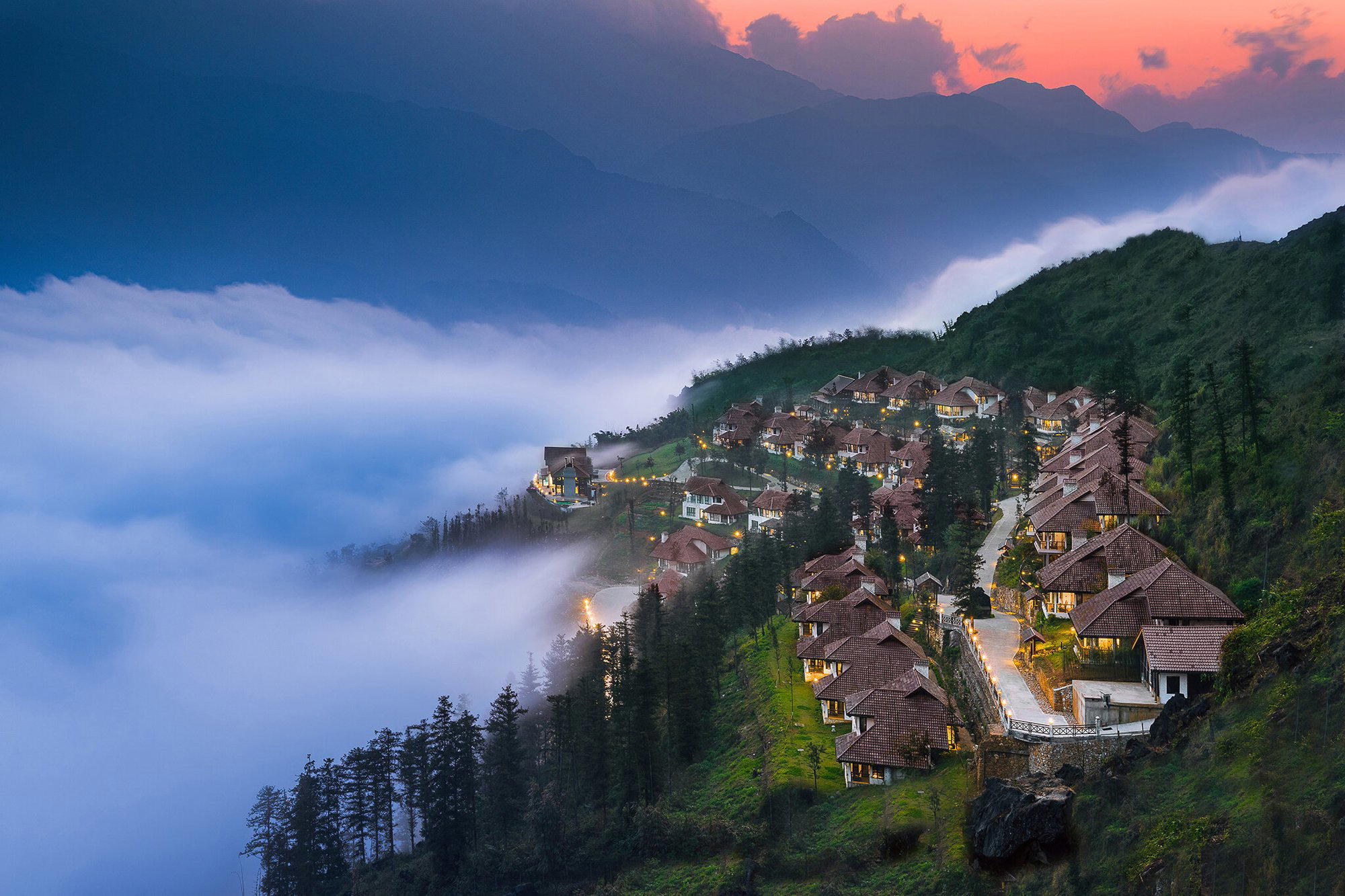
Positioned on the slopes above Sa Pa town, Victoria Sapa Resort & Spa sits where the cooler air of the Hoàng Liên Son range meets a dining tradition built around what grows and grazes at altitude. The resort draws on northern Vietnam's mountain-market produce culture, placing it apart from the lowland resort formats found elsewhere in the country. For travellers based in the highlands, it functions as both accommodation and a serious anchor for regional eating.
Pearl is the En Primeur Club membership app — saves, bookings, and concierge access live there. Same editors, same standards.
- Address
- Xuân Diệu, Sa Pa, Tỉnh Lào Cai
- Directions
- Get directions
 Saves & bookings on Pearl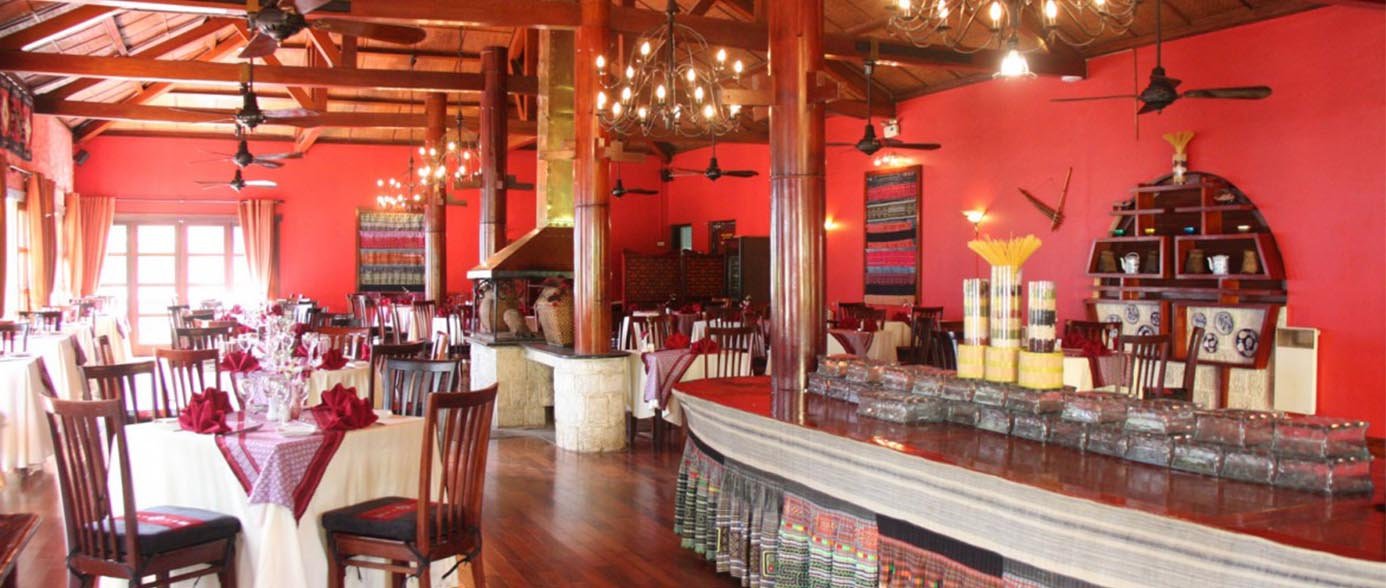
Where the Altitude Shapes the Plate
Sa Pa's food identity is shaped by the terraced fields that descend from the Fansipan massif toward the Red River valley. At elevations above 1,500 metres, the growing conditions produce vegetables with a density and sweetness that flatland farming rarely matches: purple-skinned sweet potatoes, bitter greens that only thrive in the cool mist, and locally cultivated black cardamom that flavours the broths of the Hmong and Dao communities who have farmed this terrain for generations. Any serious dining address in Sa Pa is, consciously or not, in conversation with this agricultural reality. Victoria Sapa Resort & Spa, positioned on Xuân Diệu street above the town centre, operates within that context rather than separate from it.
The broader pattern in Vietnam's highland resort dining is a tension between international comfort menus designed to reassure visitors from the lowlands and something more specific to place. The mountain-market sourcing model, where kitchen relationships with local minority-community growers determine what appears on the menu each week, represents the more coherent approach. It acknowledges that ingredient availability follows a rhythm defined by the hills rather than by a corporate supply chain. Resorts that align their menus with that rhythm tend to produce food with more character than those that source from Hanoi distributors.
The Northern Mountain Produce Tradition
Understanding what makes highland Vietnamese cooking distinct from the more internationally familiar dishes of Hội An or Hồ Chí Minh City requires some attention to what the cooler climate enables. The Hoàng Liên Son range creates a micro-climate that supports cold-weather crops absent from most of Southeast Asia: temperate herbs, wild-harvested forest mushrooms after the rainy season, and free-range black pig raised by Hmong smallholders at altitudes where feed costs are offset by slow growth and significantly more developed flavour. This cuisine predates the trekking economy by several centuries. The smoked meats, the fermented vegetables, and the layered spice of the hotpot tradition here belong to a food culture that operates on its own logic.
For comparison, contemporary Vietnamese restaurants such as Gia in Hanoi or Akuna in Ho Chi Minh City are increasingly drawing from this tradition of regional specificity and ingredient provenance as a foundation for their menus. The direction of influence, in other words, runs from the mountains toward the cities. A resort in Sa Pa that takes its sourcing seriously is operating at the source.
Setting and Approach
The physical environment of Sa Pa dining carries weight in a way that flatland settings rarely do. Morning mist over the valley below, the terraced paddy fields visible from upper-floor windows, and temperatures that make a bowl of something hot a functional necessity rather than a preference, all of this shapes how food is received. The atmospheric logic of the setting pushes toward warming, substantial preparations: pho-adjacent broths enriched with local spices, grilled proteins seasoned with the mountain herb combinations that the Dao communities have refined across generations, and fermented preparations that carry a complexity no expedited production method can replicate.
Victoria Sapa Resort & Spa's address on Xuân Diệu places it within reach of the town's market area, where the Saturday morning gathering of ethnic minority vendors from surrounding villages represents among the more direct windows into the regional food supply available to visitors. The distance is walkable from the resort's position on the hill, and the market's seasonal rotation, wild greens in early spring, preserved meats through the cooler dry months, fresh river fish when the rains have swelled the highland streams, maps directly onto what a kitchen with genuine sourcing relationships should be offering.
Travellers accustomed to the format of southern Vietnam's resort dining, or to the high-production approach of venues like La Maison 1888 in Da Nang, will find Sa Pa resort eating operates on different terms. The standard there is coherence with place rather than technical polish for its own sake.
Planning a Visit
The cooler months from October through March deliver the clearest skies and particularly reliable trekking conditions, though the rice harvest period in September produces the paddy terraces at their most photographically arresting. Accommodation at an established resort on the hill above town provides a more considered base than the budget guesthouses clustered in the valley, and the difference in temperature at altitude makes proximity to good heating infrastructure genuinely practical rather than merely preferential.
Comparable Spots, Quickly
Comparable venues nearby, for context on price, style, and recognition.
| Venue | Cuisine | Price | Notes |
|---|---|---|---|
| Victoria Sapa Resort & SpaThis venue — the venue you are viewing | Vietnamese and International | $$$ | Not listed |
| The Hill Station Signature Restaurant | Authentic Sapa Ethnic Cuisine | $$$ | Sa Pa |
| Cargo Club Cafe & Restaurant | Vietnamese-Western Fusion Cafe | $$ | Hoi An Old Town |
| Nhà hàng Madame Lân | Authentic Regional Vietnamese | $$ | Hai Chau |
| White Rose (Bông Hồng Trắng) | Hoi An White Rose Dumplings | $$ | Old Town |
| Ca Dao Coffee & Breakfast | Vietnamese Coffee & Breakfast | $$ | Ninh Kieu |

At a Glance
- Cozy
- Elegant
- Scenic
- Rustic
- Family
- Special Occasion
- Hotel Restaurant
- Terrace
- Panoramic View
- Local Sourcing
- Mountain
- Garden
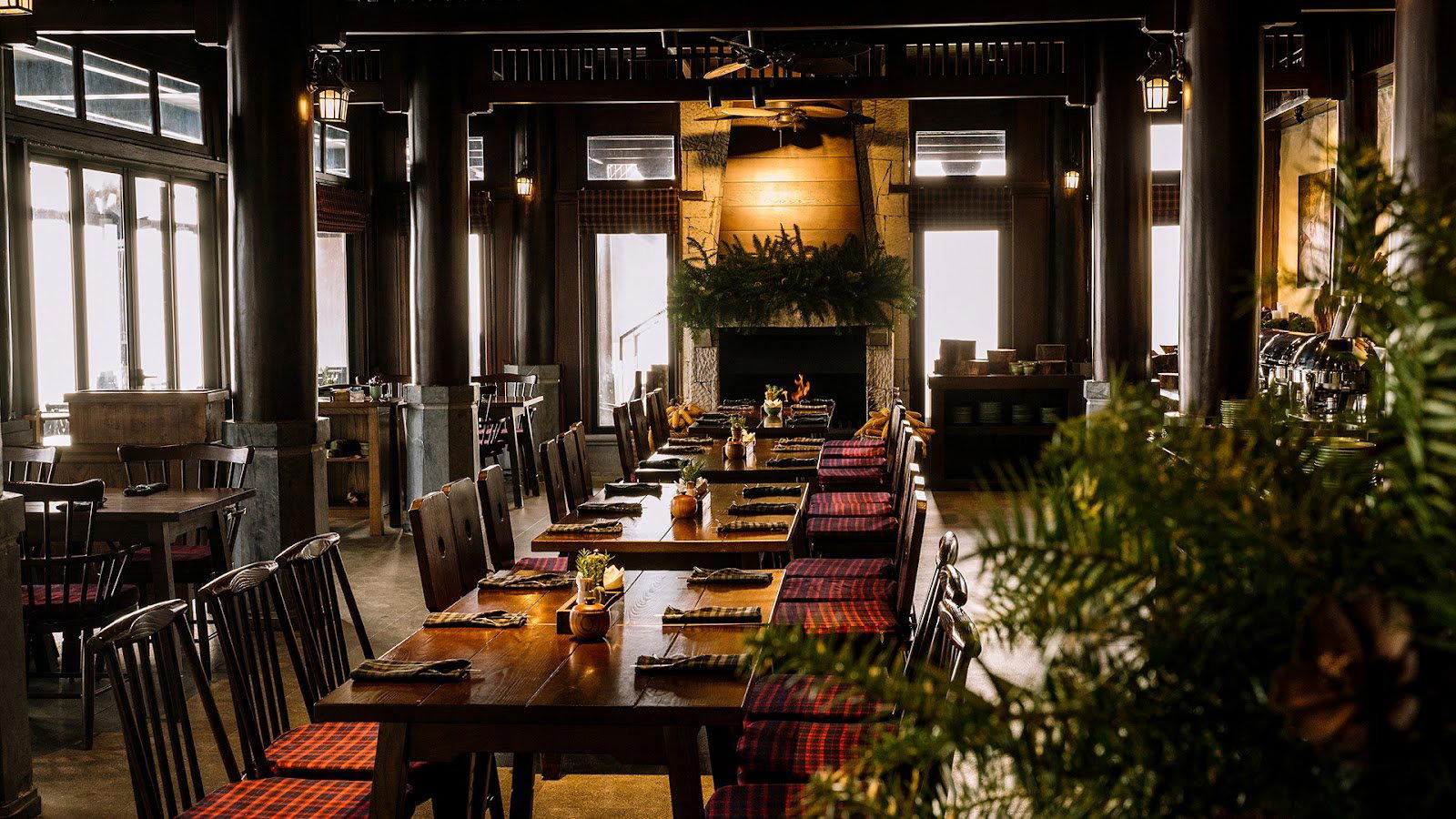
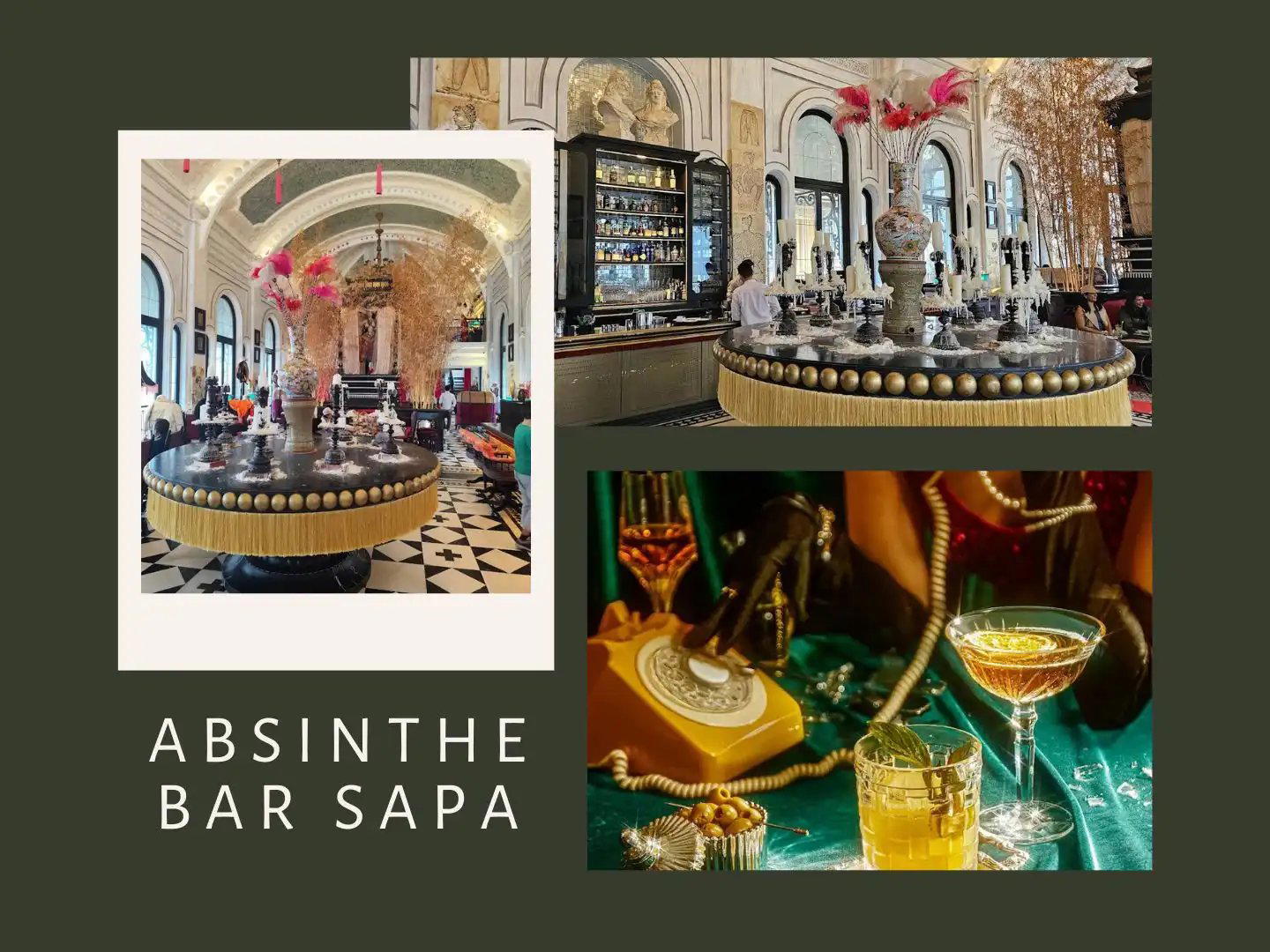
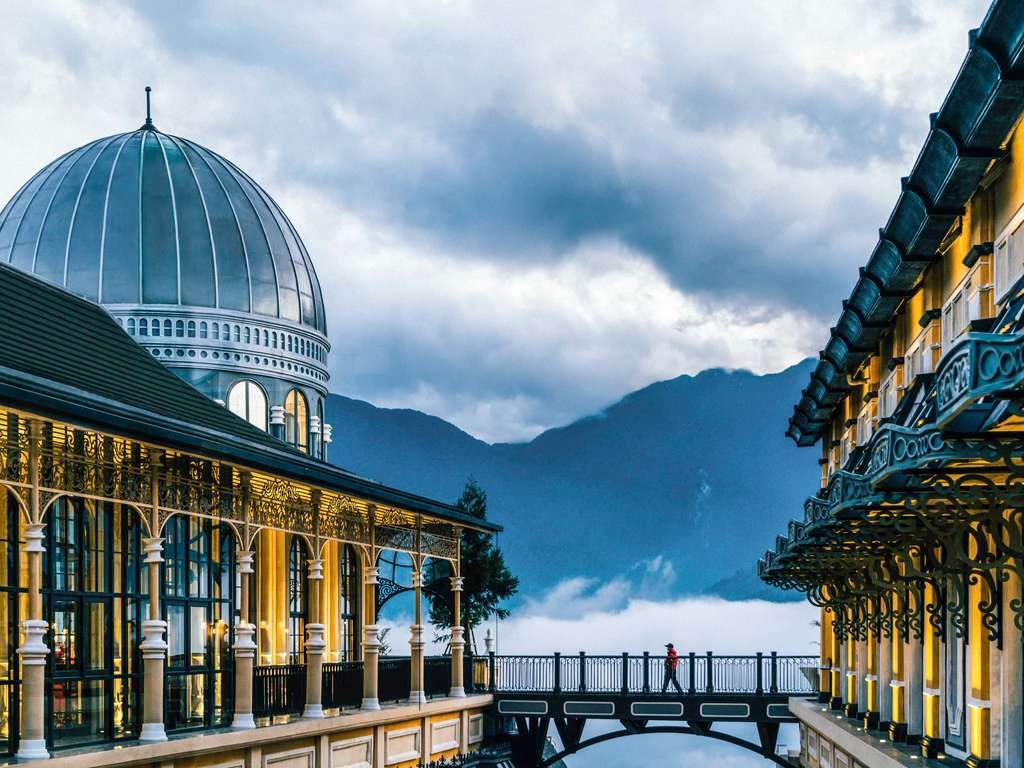
Rustic mountain lodge atmosphere featuring a central fireplace, vintage lighting, gleaming wooden beams, and floor-to-ceiling windows showcasing mountain views.