
Michelin Plate
Our verdict
Découverte holds consecutive Michelin Plates (2024 and 2025), positioning it among the more recognised farm-to-table addresses in the West Flanders city of Ieper. The kitchen works within a mid-range price bracket, making produce-led cooking accessible at a tier below the region's starred houses. Located on Lange Torhoutstraat, it is a practical anchor for visitors combining the Ypres Salient with serious eating.

Pearl is the En Primeur Club membership app, where members save venues, book tables and use the concierge.
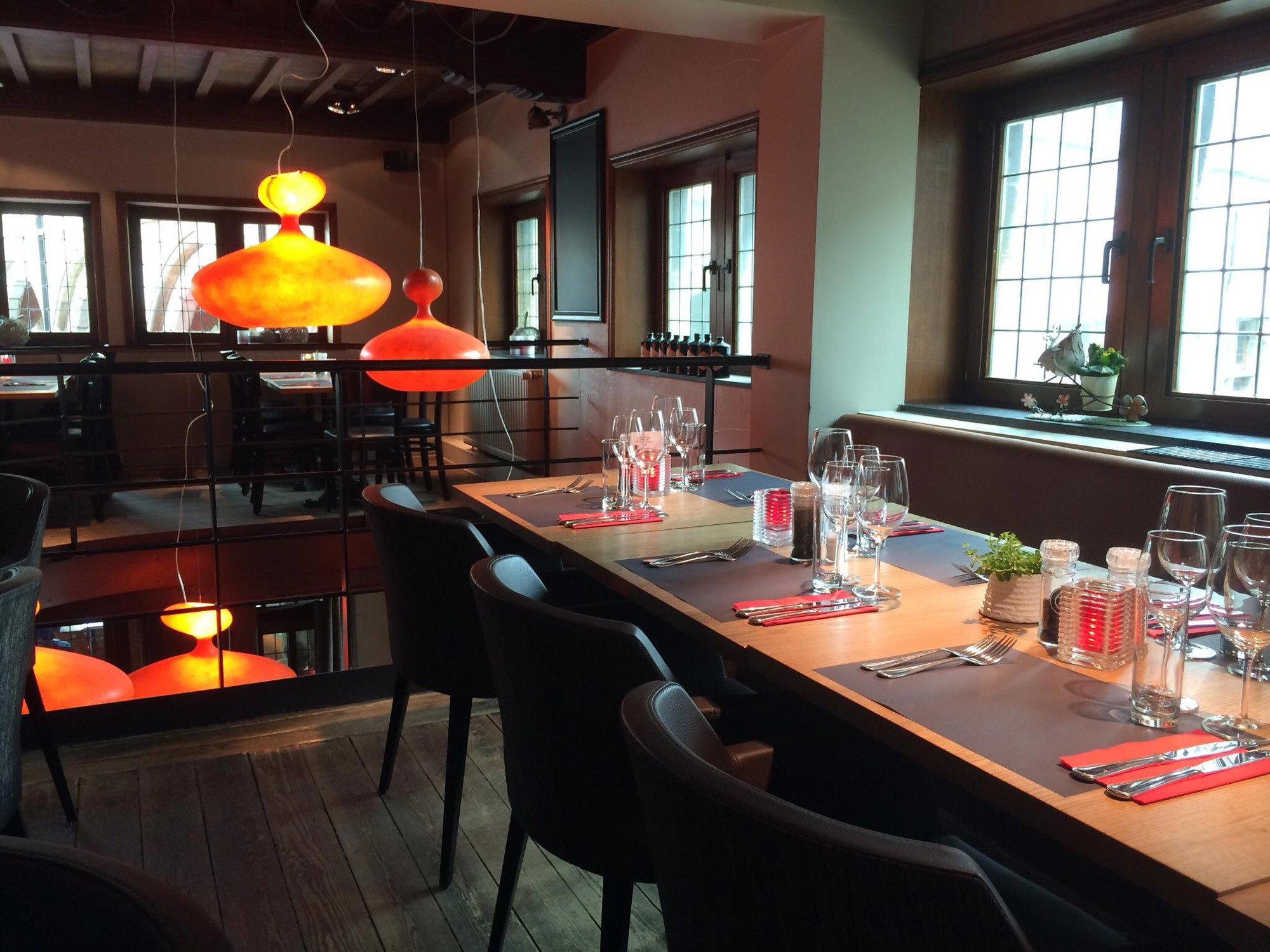
Farm-to-Table Cooking in a City Built on Memory
Ieper sits at an unusual intersection of history and quiet civic ambition. The city was razed during the First World War and rebuilt almost stone by stone in the 1920s, which gives the Flemish Gothic streets their strange double character: genuinely old in form, modern in structure. Dining here has followed a similar pattern of patient reconstruction. A generation ago, the restaurant offer tilted heavily toward the tourist trade drawn by the Menin Gate and In Flanders Fields Museum. Today, a smaller group of kitchens is doing something more considered, and Découverte on Lange Torhoutstraat is part of that shift.
Farm-to-table as a label carries baggage across Europe. In many cities it has collapsed into a marketing position rather than a sourcing discipline, shorthand for a certain aesthetic of unvarnished wood and chalkboard menus without the supply chain rigour behind it. In the West Flanders context it has more traction, because the agricultural hinterland is real and close. The polders, market gardens, and coastal farmland within a short radius of Ieper give kitchens working in this register genuine access to seasonal produce, and the tradition of sourcing directly from local growers is older here than the trend label suggests.
What the Michelin Plate Signals
Découverte has held a Michelin Plate in both 2024 and 2025. The distinction matters for how to read the venue. A Michelin Plate does not indicate a starred restaurant; it marks a kitchen that the Guide considers to offer good cooking without meeting the criteria for a star. In practical terms, it means the inspectors found consistent technique and quality ingredients, but not the level of ambition, originality, or execution precision that the star threshold demands. Within Ieper's restaurant scene, this places Découverte in a specific tier: recognised and consistent, priced in the mid-range (the venue sits at the €€ bracket), and operating at a remove from the higher-stakes starred houses of West Flanders.
For comparison, Boury in Roeselare and Hof van Cleve - Floris Van Der Veken in Kruishoutem represent the upper register of West Flanders and East Flanders fine dining respectively. Zilte in Antwerp and Willem Hiele in Oudenburg anchor different ends of the Flemish produce-focused spectrum. Découverte operates well below those price points and without their level of national profile, which is partly the point: it functions as an accessible entry into serious cooking for visitors to Ieper who are not planning a dedicated pilgrimage to a starred address.
The two are not mutually exclusive, but a rating built on repeat local custom is a different signal than one driven by one-time visitors.
The Produce Argument in West Flanders
Farm-to-table cooking in Belgium's western provinces operates within a specific seasonal logic. The region's growing calendar tilts toward root vegetables, brassicas, and chicory through the colder months, with asparagus season in spring carrying near-ceremonial weight. The coast at Dunkerque-adjacent distance brings shrimp and flatfish into the picture. Within Ieper, Bacon works the French seafood and farm-to-table crossover at a lower price point, while Klaver occupies the Modern French tier at €€€, and Klei runs modern cuisine at the same €€ level as Découverte.
Broader Belgian farm-to-table comparisons include Au Gré du Vent in Seneffe in Wallonia and, for cross-border context, BOK Restaurant Brust oder Keule in Münster, which works a similar produce-forward register in Germany. The category has enough geographic spread now that comparisons across national borders are increasingly relevant for understanding where any given kitchen sits on the ambition-to-access scale.
The Street and the Setting
Lange Torhoutstraat is one of Ieper's longer commercial streets, running from the historic centre outward. It is less touristically saturated than the Grote Markt area surrounding the Cloth Hall, which means the immediate context is more workaday Flemish town than heritage showcase. For a farm-to-table kitchen, that kind of neighbourhood placement is not incidental. The address signals a restaurant oriented toward residents and repeat visitors rather than first-time tourists ticking off sights. The approach to the restaurant carries none of the self-conscious atmosphere of venues that lean on architectural drama or prominent heritage positioning.
Planning a Visit
For visitors combining Ieper's historical sites with an evening meal, Découverte's mid-range pricing and sustained recognition make it a rational choice that does not require the advance planning of a starred reservation. The €€ price bracket puts it in reach for a weeknight dinner without the commitment of a tasting menu format. For those building a broader West Flanders itinerary, our full Ieper restaurants guide covers the city's dining options in more detail, while our Ieper hotels guide, bars guide, wineries guide, and experiences guide round out the planning picture. For those interested in farm-to-table cooking at higher price points elsewhere in Belgium, Castor in Beveren, Bartholomeus in Heist, Cuchara in Lommel, and Bozar Restaurant in Brussels represent different points on the same broader map of Belgian kitchens taking local sourcing seriously.
Frequently asked questions
How hard is it to get a table at Découverte?
Ieper is a small city, and a Michelin Plate restaurant at mid-range (€€) pricing draws both local regulars and Flanders Fields visitors, especially between spring and autumn. Booking ahead is sensible, particularly on weekends or during WWI commemoration periods when visitor numbers rise sharply. The address on Lange Torhoutstraat places it away from the most tourist-saturated streets, which moderates some of the walk-in pressure.
What's the defining dish or idea at Découverte?
The organising principle is farm-to-table cooking anchored in West Flanders agriculture: root vegetables, brassicas, and a seasonal supply chain that is genuinely regional rather than decorative. Two consecutive Michelin Plates (2024 and 2025) confirm the kitchen applies that framework with enough consistency to earn continued recognition. At €€ pricing, it sits in a practical bracket for the format.
Pricing, Compared
Recognition history
Dated appearances from independent guides and award organizations, with the underlying list record or original source where available.
Michelin Plate
Michelin
Full recognition history (3 entries)
Michelin Plate
Michelin
Michelin Plate
Michelin
VEST
Featured Guides
The Luxury Traveler’s Guide to Wine Harvest Season: Where to Go and What to Expect
Harvest Inn St. Helena Review: A Vineyard Oasis with a Private Hot Tub
Willamette Valley French Investment: Latour and Bollinger Bet on Oregon
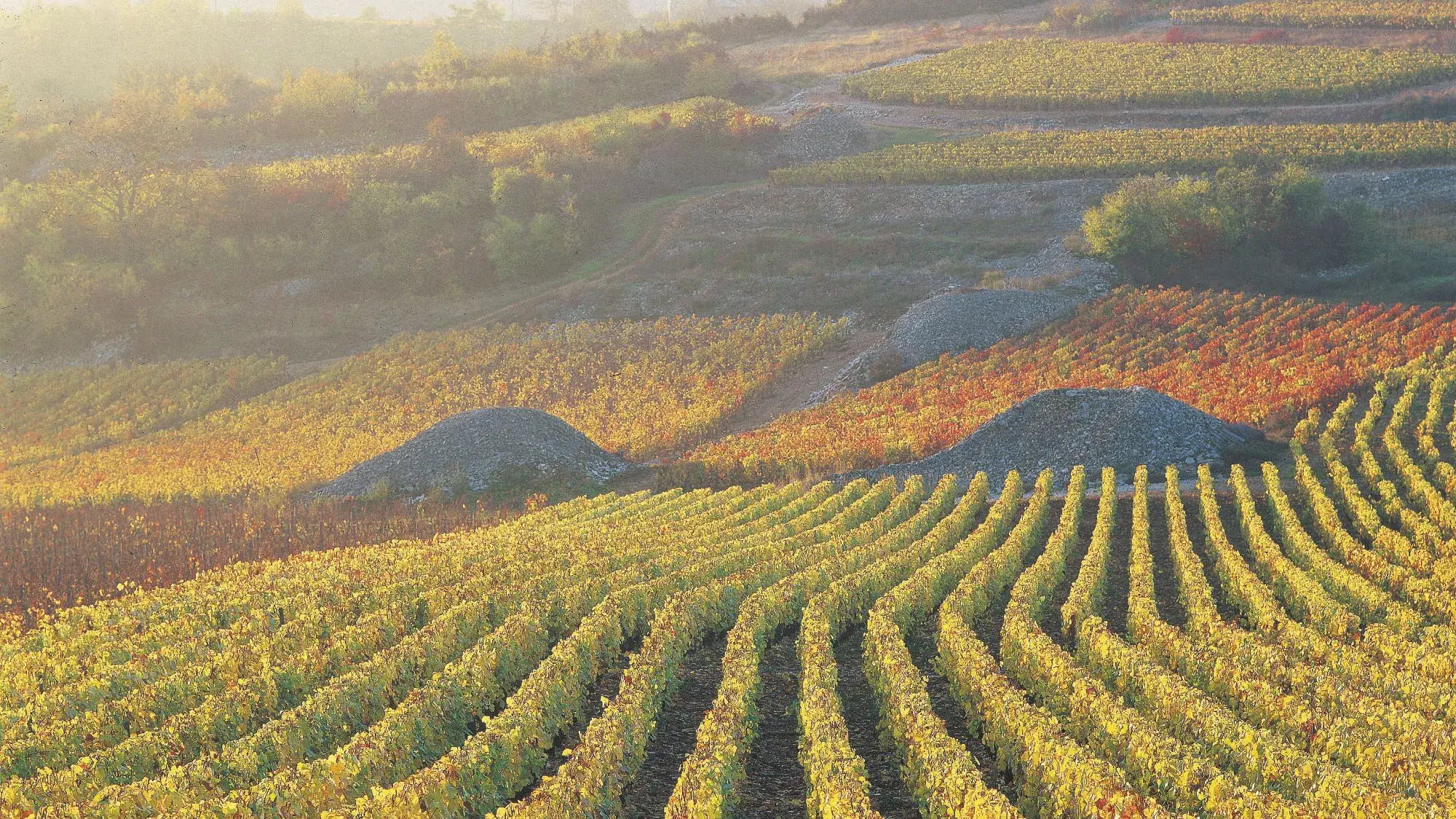
Wine News Roundup: Burgundy Charity Auction, Champagne's Earliest Harvest, and Chianti's 100-Point Milestone
Continue exploring
More in Ieper
Restaurants in Ieper
All restaurants in Ieper →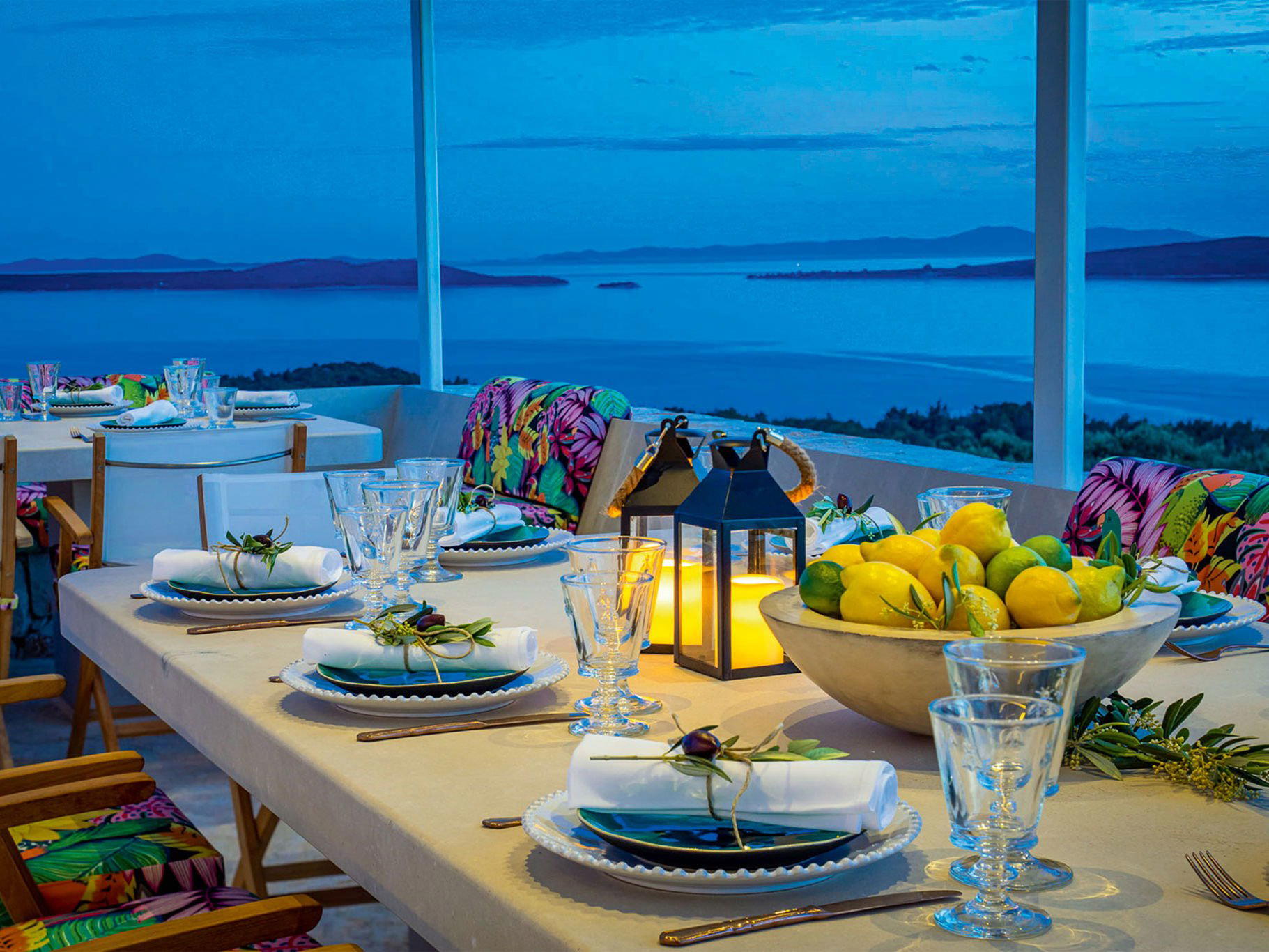
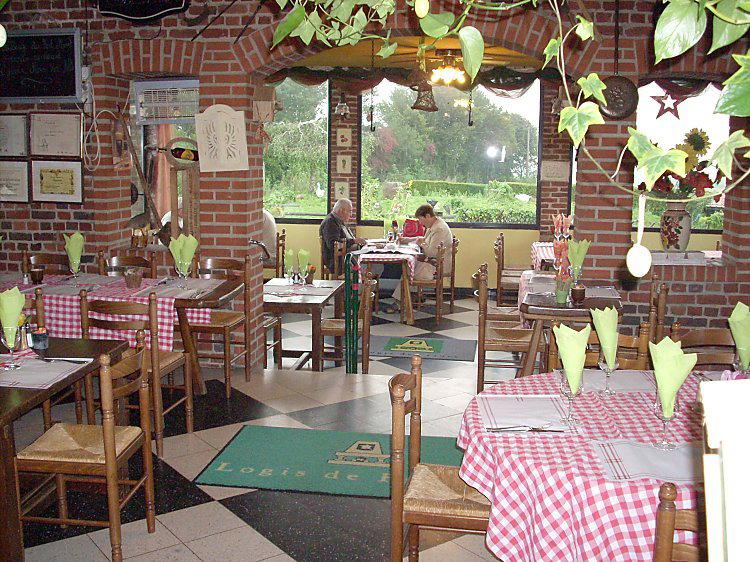
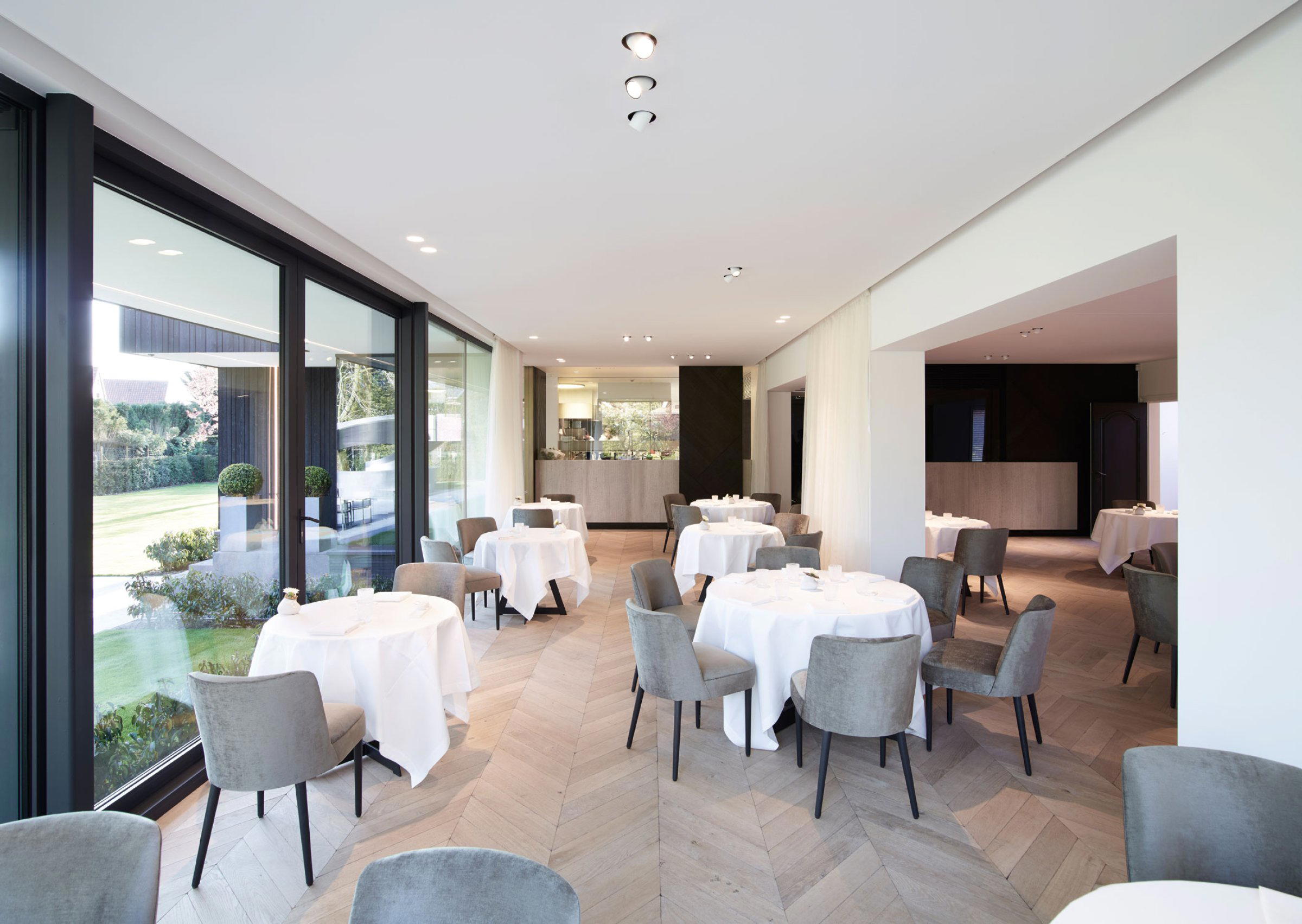

Bars in Ieper
Browse all →
Hotels in Ieper
Browse all →
Wineries in Ieper
Browse all →
Details
- Casual Hangout
- Group Dining
- Beer Program
- A La Carte
- Vegetarian Friendly
Current opening hours
- Monday
- Closed
- Tuesday
- Closed
- Wednesday
- 12–3:30 PM, 7–11 PM
- Thursday
- 12–3:30 PM, 7–11 PM
- Friday
- 12–3:30 PM, 7 PM–12 AM
- Saturday
- 7 PM–12 AM
- Sunday
- 12–4 PM
Hours can change for holidays and private events. Hours as of .
Pleasant atmosphere with outdoor seating on the lively Grote Markt square, though service can be inconsistent.