
Michelin Plate
Our verdict
Vị An holds consecutive Michelin Plate recognition for 2024 and 2025, placing it among a select tier of mid-range Vietnamese restaurants in Hanoi's Đống Đa district. The kitchen builds its reputation around classic Vietnamese formats, with the wrapping table tradition at the centre of the experience. At the ₫₫ price point, it competes directly with venues like Tầm Vị rather than the premium contemporary tier.

Pearl is the En Primeur Club membership app, where members save venues, book tables and use the concierge.

Where the Wrapping Table Is the Point
On Hoàng Cầu Street in Đống Đa, the street-level energy of a working Hanoi neighbourhood settles around you before you reach the door of Vị An. The address, 145 P. Hoàng Cầu, deep in Chợ Dừa, sits away from the Old Quarter circuit that draws most first-time visitors, which means the crowd here skews local and repeat. That alone tells you something about the register of the cooking.
Hanoi's mid-range Vietnamese dining tier has widened considerably over the past decade, with Michelin's 2024 and 2025 Plate recognitions acting as a kind of sorting mechanism for international visitors trying to read a crowded field. Vị An appears on both lists, a consistency that matters more than a single-year mention. At the ₫₫ price tier, it competes with venues like Tầm Vị rather than with the ₫₫₫₫ contemporary Vietnamese tier occupied by Gia, and that positioning is deliberate: this is cooking anchored in recognisable tradition, not reinterpretation.
Rice Paper, Assembly, and the Logic of the Wrapping Table
Vietnamese dining has always understood that the table itself is an instrument. The DIY wrapping tradition, fresh rice paper, herbs in volume, proteins to be bundled rather than pre-plated, is not a theatrical add-on to the meal. It is the meal's operating logic. Dishes arrive as components, and the act of assembly is where preference, texture ratio, and herb intensity become personal decisions.
Across Vietnam, this format appears in regional variations: gỏi cuốn (the fresh summer roll assembled by hand), nem cuốn, various bò bía and bánh tráng cuốn formats that differ by province and by the availability of seasonal herbs. What distinguishes the versions served in Hanoi's better mid-range kitchens is the sourcing of the accompaniments, the quality and freshness of the herbs, the condition of the rice paper, the temperature discipline of the proteins, rather than any dramatic departure from the underlying technique. At this price tier, that sourcing discipline is where one kitchen separates from another.
The wrapping table format also extends the meal's natural duration. A lunch built around assembly cannot be rushed in the way a plated menu can. That pacing suits Vị An's neighbourhood context: this is not a quick stop before a museum, it is a two-hour anchor in a part of Đống Đa that rewards slowing down. Visitors planning around this should account for that timing rather than treating it as a fast lunch option.
Đống Đa and the Hanoi Dining Geography
The Đống Đa district occupies the city's inner west and south, away from the concentrated tourist infrastructure of Hoàn Kiếm and the Old Quarter. Hoàng Cầu itself is a street that has developed a quiet dining character over recent years, attracting mid-range and neighbourhood-focused restaurants without the rent pressures that push Old Quarter venues toward higher price points or tourist-facing menus.
That geography shapes what a Michelin Plate recognition means here. The guide's Plate category, which signals quality cooking without the star designation, carries different weight in a neighbourhood context than in a high-visibility district. A Plate in Đống Đa confirms that the kitchen is operating to a consistent standard; it also suggests that the venue was not positioned toward the guide in the first place, which is a reasonable inference when the address and price point are both pointed at the local market.
For comparison within Hanoi's Vietnamese category: 1946 Cua Bac operates at the ₫ tier and represents a different value-to-quality calculation. Bếp Prime and A Bản Mountain Dew approach Vietnamese cooking from different regional and conceptual angles. Cau Go, with its Old Quarter location, demonstrates how geography directly affects format and audience. Vị An's Đống Đa placement gives it a different kind of credibility.
Vietnamese Wrapping Traditions in International Context
The rice paper roll has become one of Vietnamese cooking's most globally recognised exports. In Ho Chi Minh City, Anan Saigon recontextualises street formats through a contemporary lens; in Da Nang, La Maison 1888 approaches Vietnamese ingredients from a luxury hotel framework. Diaspora kitchens have taken the format further afield: Berlu in Portland and Camille in Orlando adapt Vietnamese wrapping traditions to different ingredient contexts. Across Southeast Asia, Ăn Chơi in Hong Kong, An Nam in Singapore, Ăn Thôi in Da Nang, and Agave in Ubon Ratchathani each represent a node in Vietnamese cuisine's wider regional presence.
What these international adaptations share is a reliance on the same core logic, the freshness of the herbs, the structural integrity of the rice paper, the balance between protein richness and vegetable brightness, that defines whether the source tradition is being honoured or merely referenced. Vị An operates at the source, with no translation required.
Planning a Visit
Vị An sits at 145 P. Hoàng Cầu in the Chợ Dừa area of Đống Đa. The ₫₫ price tier means a meal per person lands within the accessible range for Hanoi dining, broadly comparable to Tầm Vị and meaningfully below the ₫₫₫₫ tier.
For broader context across Hanoi's dining, hotel, bar, and experience options, see our full Hanoi restaurants guide, our full Hanoi hotels guide, our full Hanoi bars guide, our full Hanoi wineries guide, and our full Hanoi experiences guide.
Frequently asked questions
What is the signature dish at Vị An?
What is the ideal way to book Vị An?
What defines the signature at Vị An?
The Minimal Set
A short peer table to compare basics side-by-side.
| Venue | Cuisine | Price | Awards | Notes |
|---|---|---|---|---|
| Vị AnThis venue (the venue you are viewing) | Authentic Northern Vietnamese Homestyle | $20–30 | Michelin Plate | Not listed |
| Hibana by Koki | Michelin-Starred Japanese Teppanyaki | $200–300 | 1 Michelin Star · La Liste Top Restaurants | Teppanyaki, ₫₫₫₫ |
| Tầm Vị | Northern Vietnamese Home-Style | $10–20 | 1 Michelin Star | Vietnamese, ₫₫ |
| Gia | Modern Vietnamese Fine Dining | $100–150 | 1 Michelin Star · La Liste Top Restaurants | Vietnamese Contemporary, ₫₫₫₫ |
| 1946 Cua Bac | Northern Vietnamese | $10–20 | Michelin Bib Gourmand | Vietnamese, ₫ |
| Bun Cha Ta (Nguyen Huu Huan Street) | Authentic Vietnamese Bun Cha | $1–10 | Michelin Bib Gourmand | Noodles, ₫ |
Recognition history
Dated appearances from independent guides and award organizations, with the underlying list record or original source where available.
Michelin Plate
Michelin
Full recognition history (3 entries)
Michelin Plate
Michelin
Michelin Plate
Michelin
Continue exploring
More in Hanoi
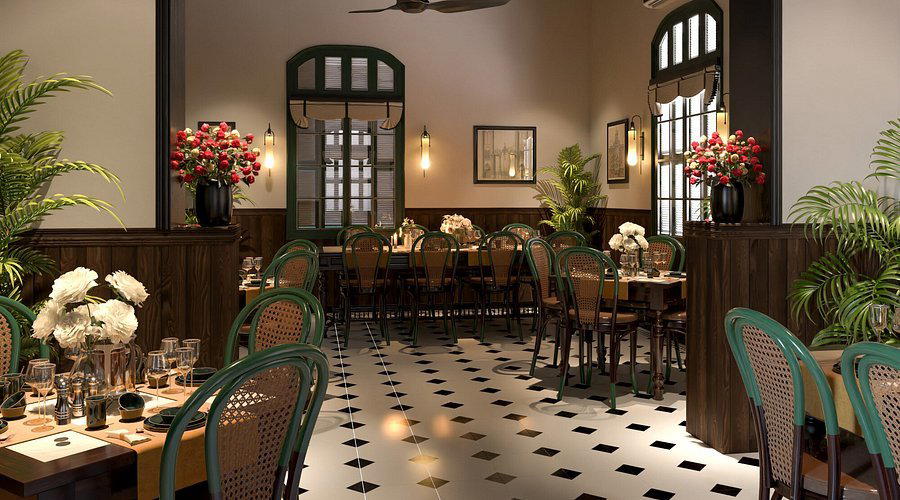
Restaurants in Hanoi
All restaurants in Hanoi →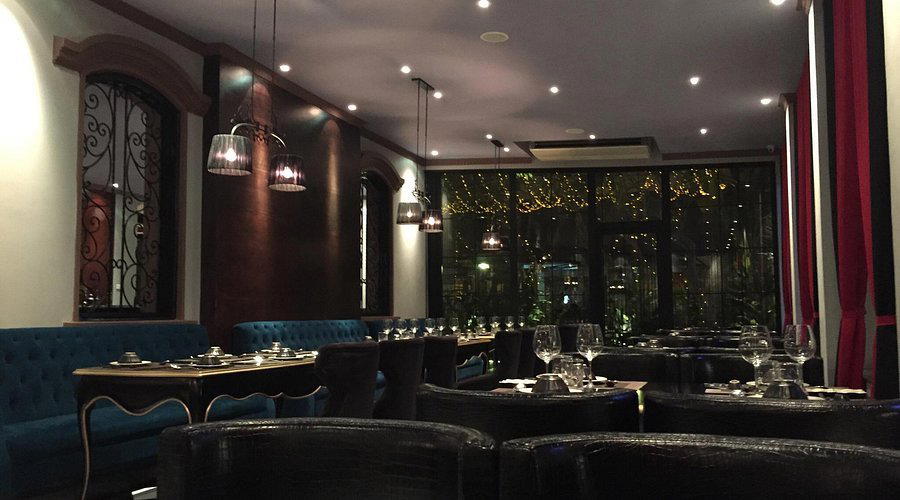
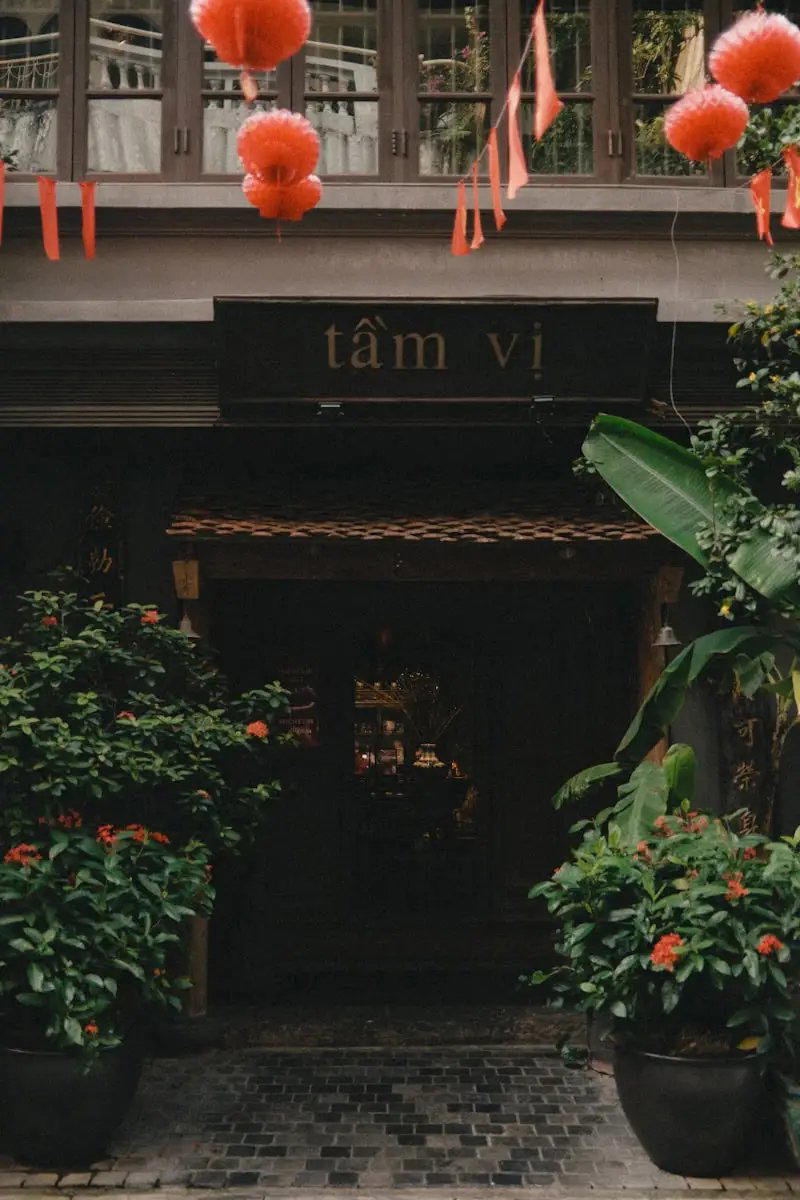
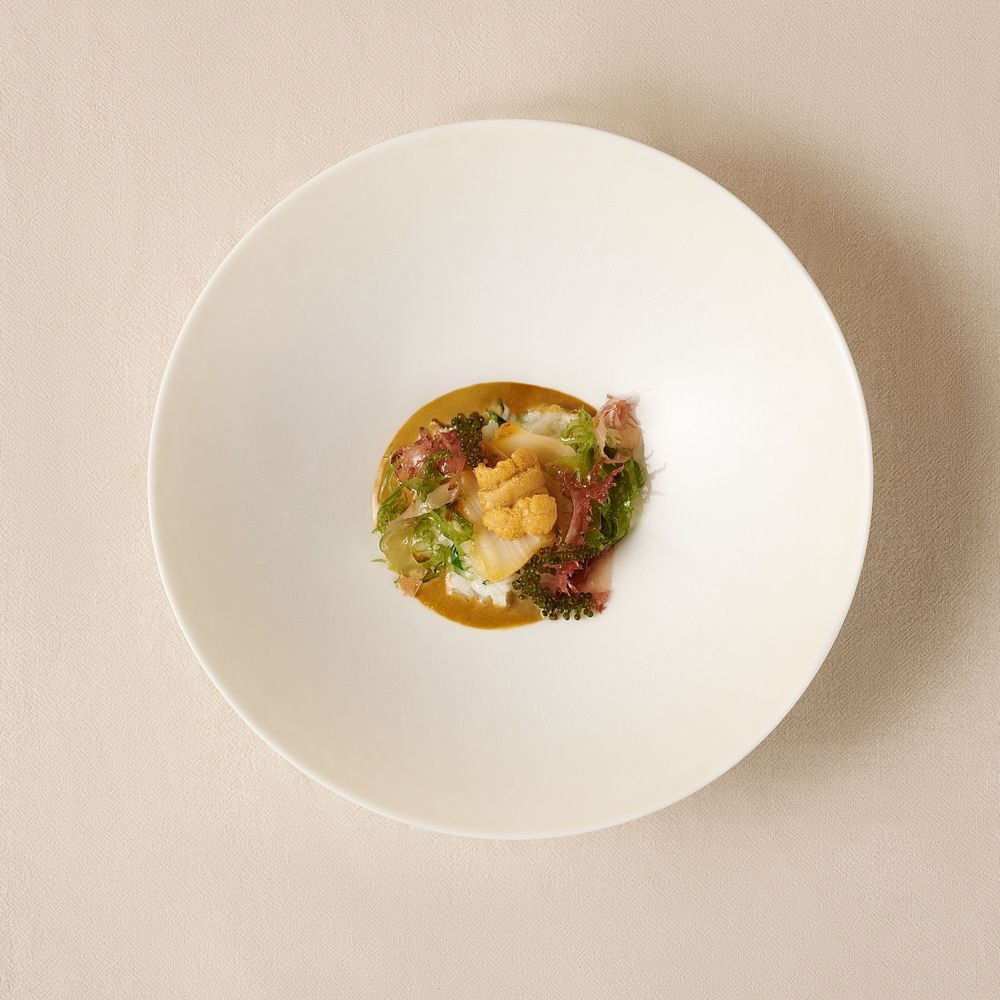
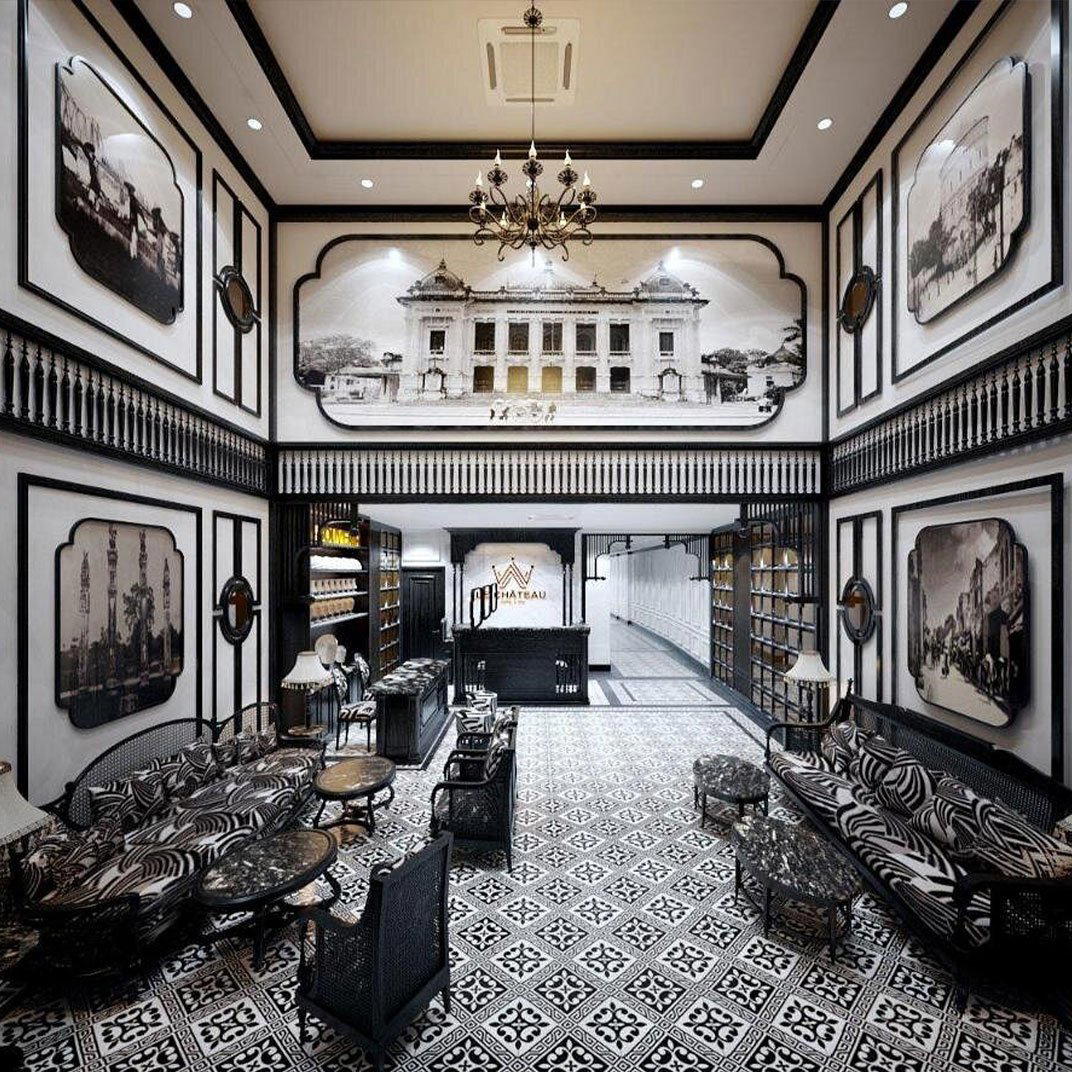
Bars in Hanoi
All bars in Hanoi →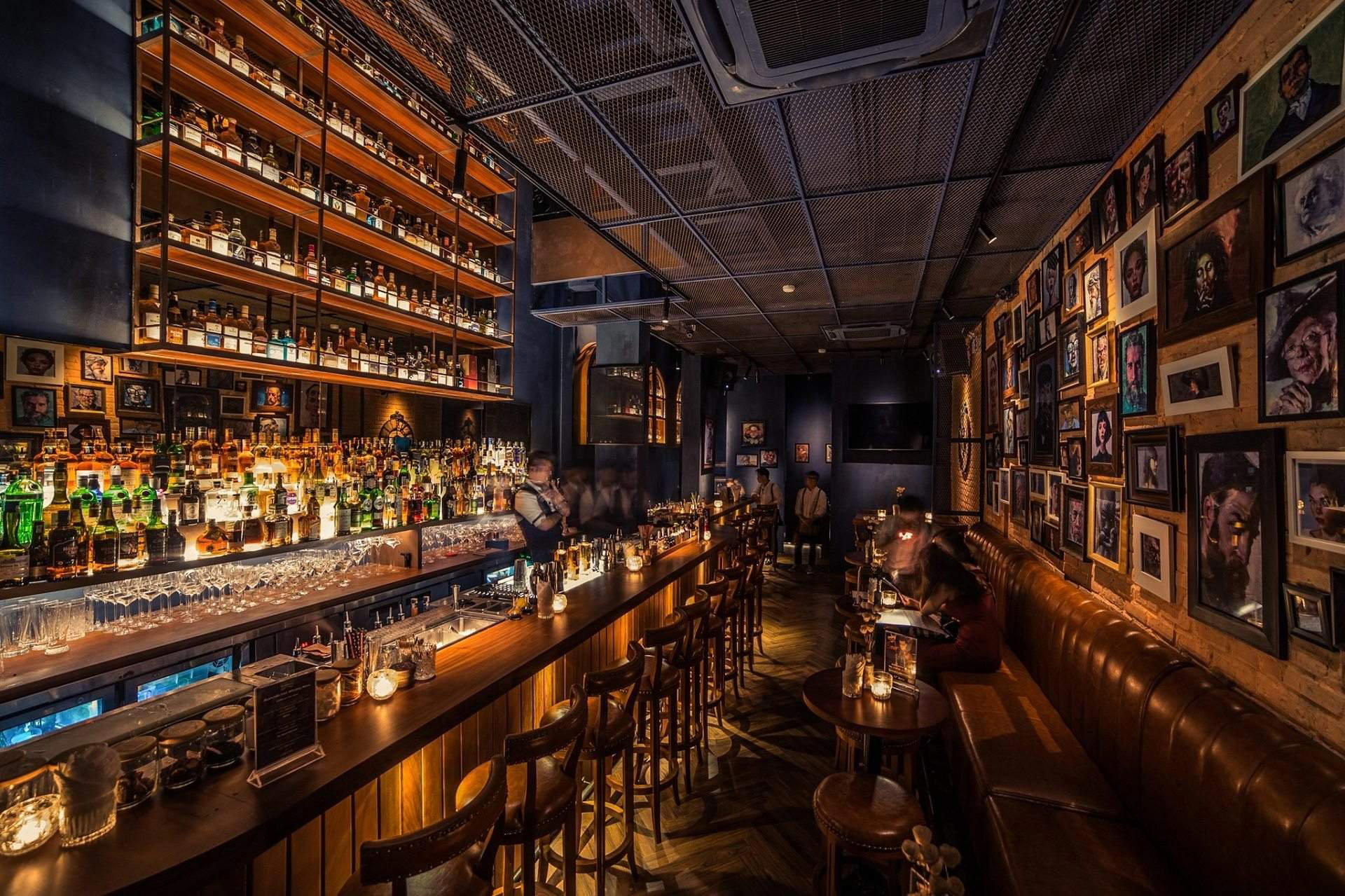

Details
- Cozy
- Classic
- Intimate
- Family
- Group Dining
- Casual Hangout
- Street Scene
- A La Carte
- Family Style
- Vegetarian Friendly
Current opening hours
- Monday
- 10 a.m.–2:30 p.m., 4:30–10 p.m.
- Tuesday
- 10 a.m.–2:30 p.m., 4:30–10 p.m.
- Wednesday
- 10 a.m.–2:30 p.m., 4:30–10 p.m.
- Thursday
- 10 a.m.–2:30 p.m., 4:30–10 p.m.
- Friday
- 10 a.m.–2:30 p.m., 4:30–10 p.m.
- Saturday
- 10 a.m.–2:30 p.m., 4:30–10 p.m.
- Sunday
- 10 a.m.–2:30 p.m., 4:30–10 p.m.
Hours can change for holidays and private events. Hours as of .
Cozy and clean space with natural materials like wood and greenery, overlooking Hoang Cau Lake and polished railway.