Urban Chestnut Midtown Brewery and Biergarten
Our verdict
Urban Chestnut Midtown Brewery and Biergarten on Washington Avenue brings the German biergarten tradition into St. Louis's Midtown corridor, pairing house-brewed lagers and ales with an open, convivial format suited to the neighbourhood's creative energy. The sprawling setup accommodates both dedicated beer drinkers and casual groups, making it one of the more approachable brewery destinations in the city's craft beer circuit.

Pearl is the En Primeur Club membership app — saves, bookings, and concierge access live there. Same editors, same standards.
- Address
- 3229 Washington Ave, St. Louis, MO 63103
- Phone
- (314) 222-0143
- Hours
- Mon–Tue ClosedWed–Thu 4–10 PMFri–Sat 12–10 PMSun 12–7 PM
- Website
- urbanchestnut.com
- Directions
- Get directions
Washington Avenue and the Biergarten Tradition
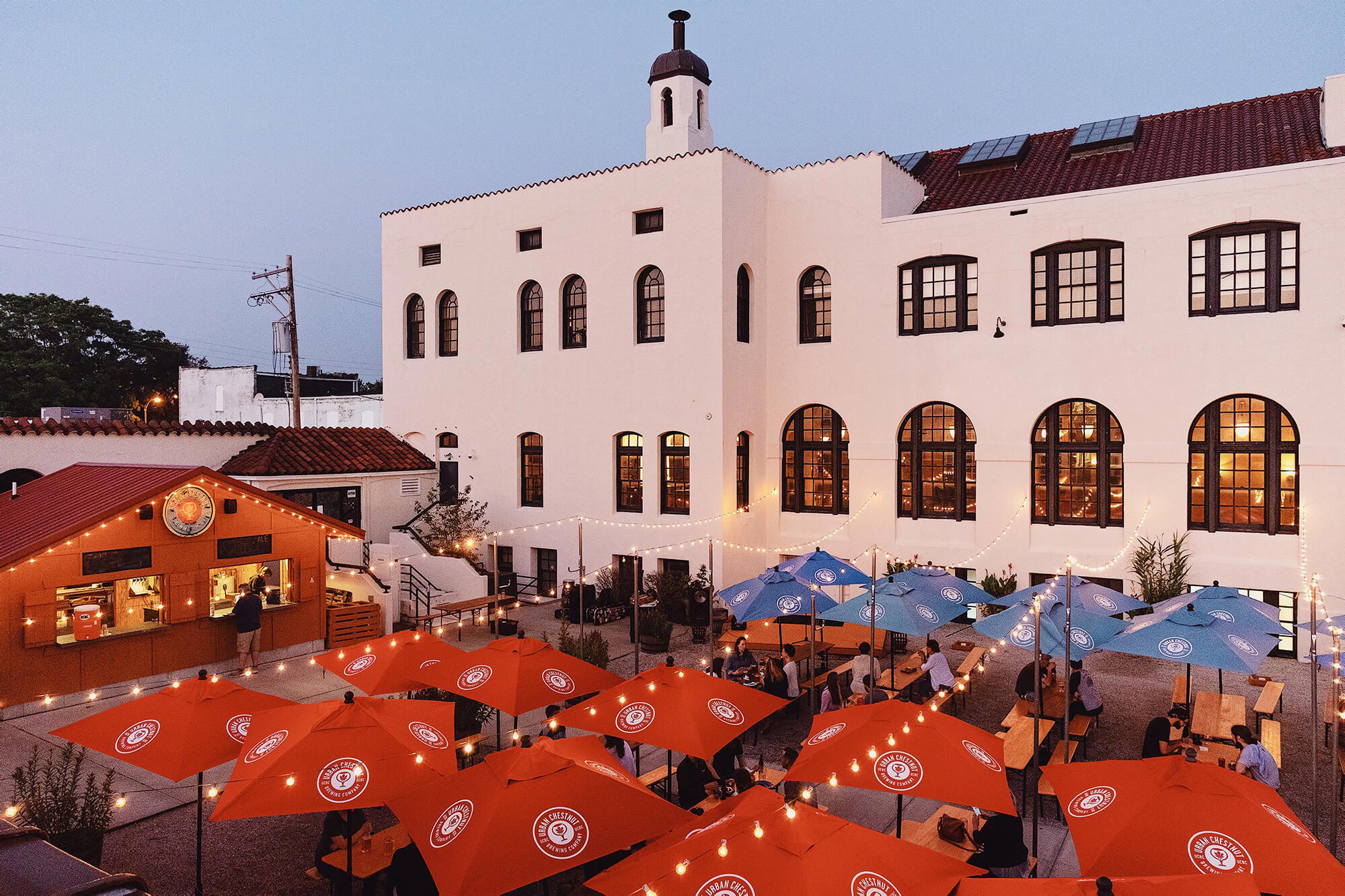
St. Louis has a longer relationship with German brewing culture than almost any other American city. The wave of German immigration that shaped the city through the mid-nineteenth century left behind more than architectural detail and family names — it planted a brewing infrastructure that at one point made St. Louis the largest beer-producing city in the United States. The biergarten format, with its long communal tables, unpretentious service model, and emphasis on volume brewed to session specifications, is less a trend in this city than a return to form. Urban Chestnut's Midtown location at 3229 Washington Avenue sits squarely within that lineage, operating a full production brewery alongside an open biergarten that draws from a tradition the city has never fully abandoned.
Washington Avenue itself has undergone considerable change over the past two decades. Once a warehouse district, the corridor now anchors much of Midtown's creative and hospitality activity, placing the brewery in a neighbourhood that rewards foot traffic and longer stays. The surrounding blocks have attracted a mix of independent operators, and the brewery fits the character of the street: low on formality, high on volume and atmosphere.
What the Space Tells You Before the First Pour
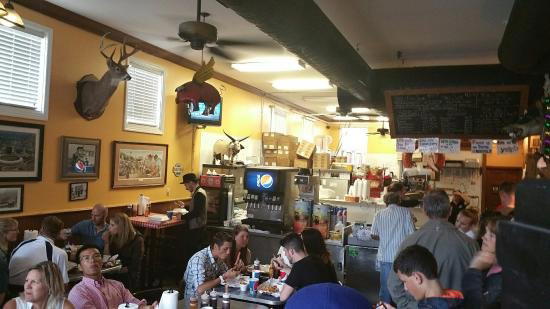
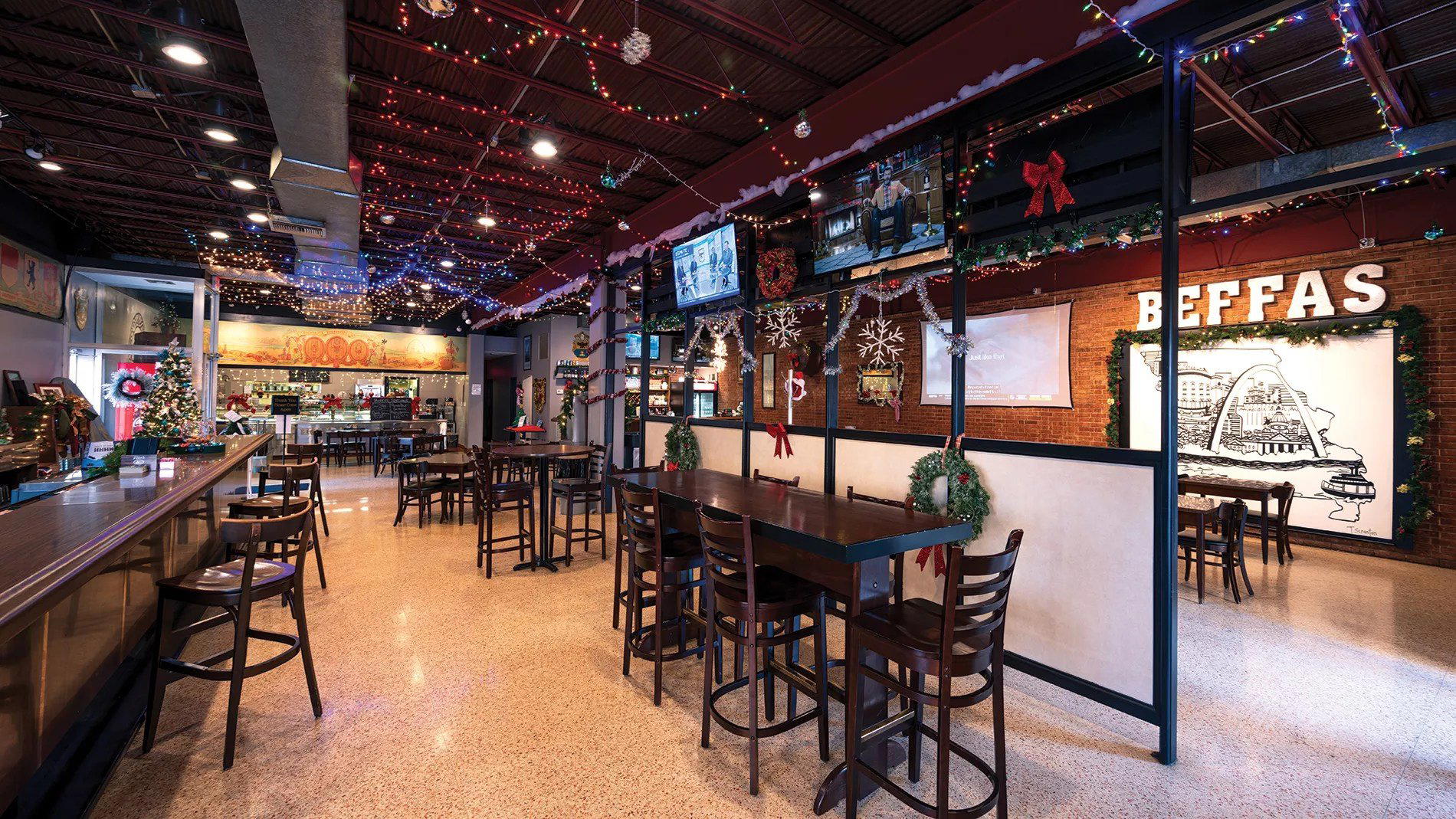
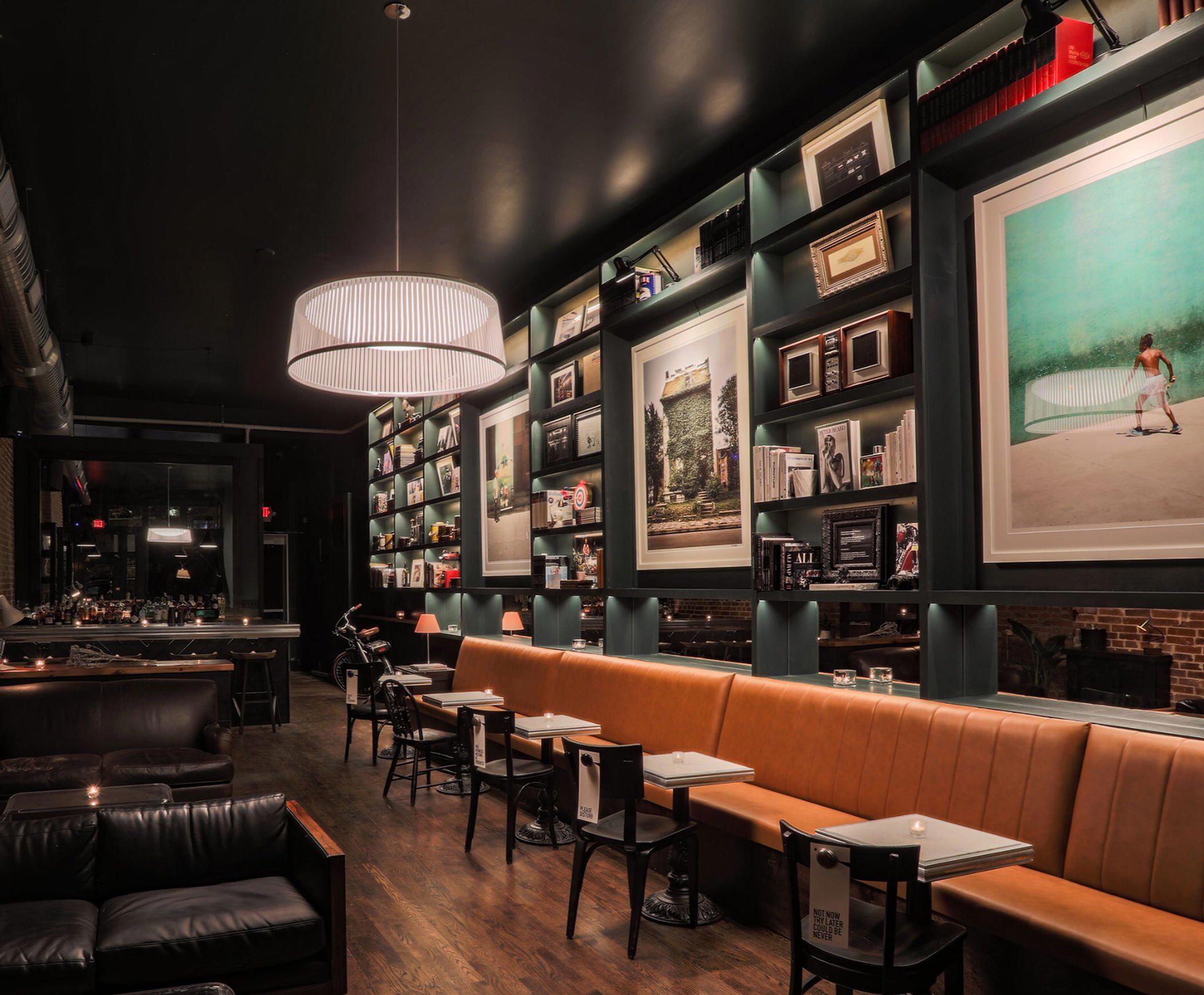
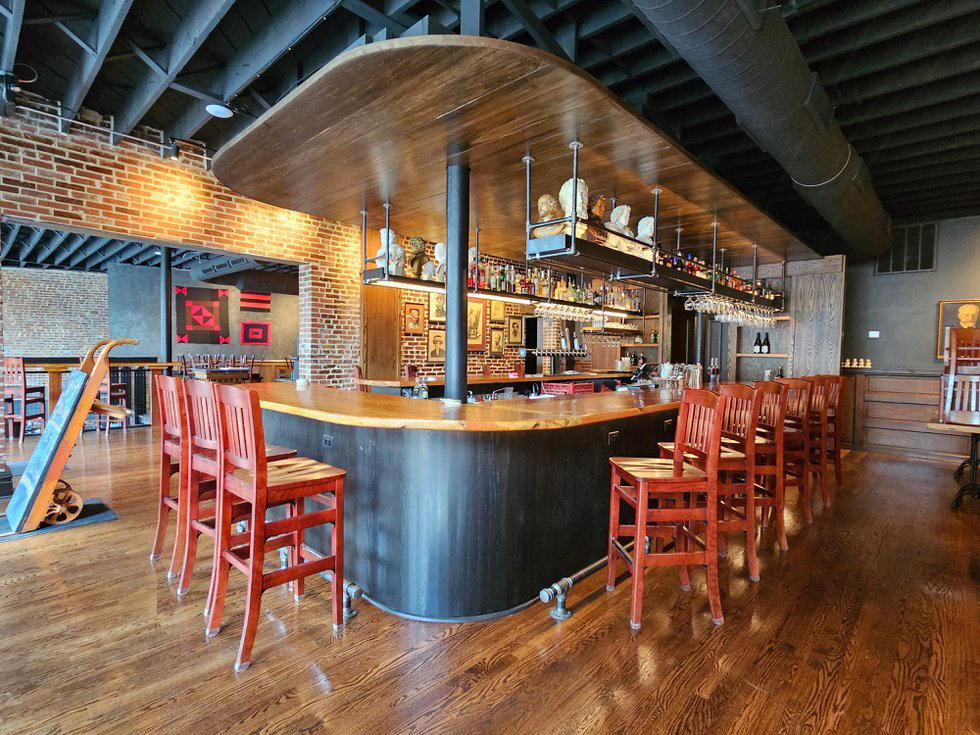
The atmospheric logic of a well-run biergarten is legible the moment you arrive. Scale matters in this format — not the intimate scale of a cocktail bar or a tasting counter, but the expansive, deliberately social scale of a space designed to hold a crowd without feeling crowded. The Midtown location delivers on this. The production side of the operation is visible rather than concealed, which is a deliberate statement about transparency in the brewing process. In cities where craft brewing has matured, the most confident operations tend to put their tanks in view rather than behind walls, and that choice signals a certain orientation toward the product.
Sound at a biergarten should carry, conversation, the ambient noise of a working kitchen and bar, the particular acoustic quality of large groups in an open space. This is not a venue where quiet is the goal. The format is communal by design, and the physical arrangement of long tables enforces that social contract. If you arrive expecting the composed stillness of a restaurant dining room, the adjustment takes about one beer.
St. Louis's broader craft beer scene has developed in parallel with national trends but with its own local inflections. The city's brewing history creates both an expectation and a competitive context: drinkers here are not new to lager, and a brewery operating in this city with a German-influenced program is making a claim against a long institutional memory. Urban Chestnut's Midtown operation addresses that directly, brewing styles that sit closer to the German tradition, Kellerbier, Zwickel, and lager-forward formats, rather than defaulting to the American IPA-heavy lineup that defines many newer craft operations. For the broader St. Louis dining and drinking scene, see our full St Louis restaurants guide.
The Brewery's Position in St. Louis's Craft Beer Circuit
St. Louis supports multiple Urban Chestnut locations, which positions the brand differently from single-site independents. The Midtown brewery functions as the production anchor, the site where the brewing operation is most visible and the biergarten format is most fully realized. Visitors who have spent time at the Grove location will find a different scale and energy here, with the industrial character of the Washington Avenue building adding to the sensory context.
Within St. Louis's wider hospitality circuit, the brewery occupies a distinct tier. It is not competing with the fine dining operations that define the city's upper bracket, venues like Annie Gunn's operate in a fundamentally different register, nor is it in the same category as neighbourhood spots like Anthonino's Taverna or Italian-American institutions like Al's Restaurant.
Venues like Atomic Cowboy and BaiKu Sushi Lounge represent the breadth of St. Louis's mid-tier hospitality, each addressing a different appetite. The brewery sits among these not as a challenger to their formats but as a complement, offering something those venues do not, which is a full production context and the particular social format of the biergarten table.
For reference, the contrast with nationally recognized fine dining formats is stark. Operations like Le Bernardin in New York City, The French Laundry in Napa, or Smyth in Chicago occupy an entirely different position in their respective cities. Even regionally, places like Emeril's in New Orleans or Lazy Bear in San Francisco frame the dining experience around chef-driven narrative in ways that a brewery biergarten deliberately resists. The biergarten format is anti-hierarchical by design. There is no tasting menu, no prescribed sequence, no deference to a kitchen's pacing. You drink at your own speed, you order when you want, and the communal table is available to anyone who shows up. Venues such as Providence in Los Angeles, Blue Hill at Stone Barns in Tarrytown, Addison in San Diego, The Inn at Little Washington, Atomix in New York City, Single Thread Farm in Healdsburg, and Atelier Moessmer Norbert Niederkofler in Brunico all build their identity around controlled, intimate formats that are the structural opposite of what a biergarten is trying to do.
Planning a Visit
The Midtown location is accessible from the wider downtown core and benefits from the foot traffic that Washington Avenue generates on evenings and weekends. The biergarten format means walk-in access is the default expectation rather than the exception, reservations are not the operating assumption of this kind of venue, and the communal table structure absorbs variable group sizes with more flexibility than a conventional restaurant floor plan. Groups travelling through St. Louis with a loose itinerary will find this format accommodating; those looking for a fixed dining appointment should calibrate expectations accordingly. Specific current hours and any booking arrangements are best confirmed directly with the venue before visiting, as operational details can shift with seasons and events.
Frequently asked questions
Where do I go for Urban Chestnut Midtown Brewery and Biergarten?
Urban Chestnut Midtown Brewery and Biergarten is located at 3229 Washington Ave, St. Louis, MO 63103, St Louis.
How does Urban Chestnut Midtown fit into St. Louis's broader German brewing heritage?
St. Louis has one of the strongest German immigrant brewing histories in the United States, and Urban Chestnut's Midtown brewery on Washington Avenue consciously works within that tradition rather than against it. The brand operates multiple St. Louis locations, which gives Midtown a production-brewery identity distinct from a typical taproom — it functions as both a working facility and a public biergarten in the city where that format has the deepest American roots.
What do regulars order at Urban Chestnut Midtown Brewery and Biergarten?
Urban Chestnut brews in the German tradition, so house lagers and wheat beers tend to anchor most orders at the Midtown location on Washington Avenue. The biergarten format encourages communal rounds rather than single pints, and regulars familiar with the brand's broader St. Louis presence often work through the seasonal rotation alongside the house standards.
Do they take walk-ins at Urban Chestnut Midtown Brewery and Biergarten?
The biergarten model at 3229 Washington Ave is structured around walk-in traffic by design — communal tables and an open outdoor format make advance booking unnecessary for most visits. Evenings and weekends draw heavier foot traffic from the Washington Avenue corridor, so arriving earlier gives you more choice of seating.
Awards and Standing
Comparable venues nearby, for context on price, style, and recognition.
| Venue | Cuisine | Price | Notes |
|---|---|---|---|
| Urban Chestnut Midtown Brewery and BiergartenThis venue — the venue you are viewing | German Biergarten | $20–30 | Not listed |
| Cardinals Nation | American Sports Bar & Grill | $20–30 | Downtown |
| Rasoi | Traditional Indian Curry House | $20–30 | Central West End |
| The Royale Food & Spirits | American Gastropub with Mediterranean Influences | $20–30 | Tower Grove South |
| Retreat Gastropub | Modern American Gastropub | $30–50 | Central West End |
| Three Sixty | Elevated American Small Plates | $30–50 | Downtown |