
Tabelog 100 #14
Our verdict
Uotoku gives Nikko’s dining map a serious unagi address in Imaichi, away from the temple-area lunch circuit. Its Tabelog 100 - Unagi - 2024 selection places it among Japan’s recognised eel specialists, with a format that suits travellers interested in regional Japanese cooking rather than another generic sightseeing meal.

Pearl is the En Primeur Club membership app, where members save venues, book tables and use the concierge.
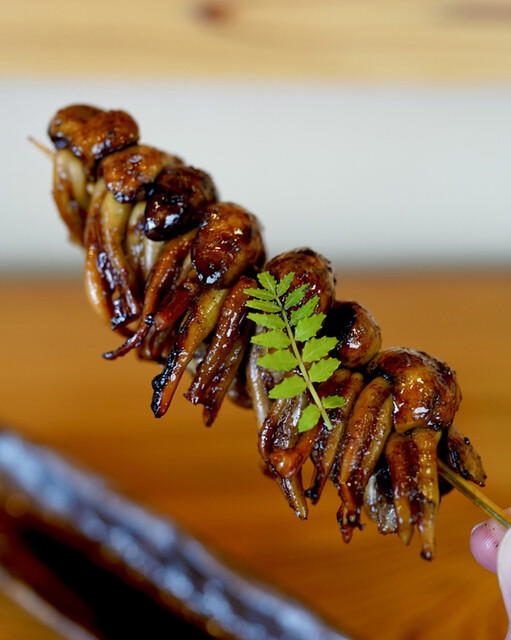
Approaching Nikko, the city changes register. Cedar avenues and shrine-bound crowds give way to a working-town rhythm: local rail stations, family restaurants, small shops, and meals built for residents as much as visitors. That setting matters for eel. Unagi in Japan is not decorative luxury but a craft of sourcing, handling, cutting, cooking, and serving before texture collapses. In a mountain gateway city known internationally for visitor landmarks and ryokan dining, Uotoku places that craft in Nikko’s everyday geography rather than only the tourist core.
The signal is clear for a regional restaurant: selection for Tabelog 100 - Unagi - 2024. Tabelog’s genre-specific lists are useful because unagi is narrow; the comparison is not with general Japanese restaurants but eel houses where technique and fish handling define the meal. For travellers building a Nikko food itinerary, that recognition separates Uotoku from station snacks and hotel dining rooms without making it a ceremonial tasting-menu address.
Nikko gives its eel tradition a local address
Nikko dining often splits into two visitor patterns. Around the main sightseeing flow, meals follow daytime traffic and local specialities suited to sightseeing schedules. In the resort and hotel orbit, the tone shifts to set-course dining, Western-influenced rooms, and polished service. The wider city offers a third route: less theatrical, more practical, and often more revealing of how the area eats when not performing for a landmark audience.
That distinction helps when comparing Uotoku with nearby choices. Fudaraku Honpo Ishiya chou ten sits in the lighter local-speciality lane, while Gourmands Wagyu and Main Dining Room occupy higher-spend, occasion-driven territory. Other Nikko dining rooms carry the city’s Western-style heritage mood or resort frame. Eel is a different decision: focused, ingredient-led, and grounded in repetition rather than range.
That repetition is not a limitation. In specialist unagi houses, depth comes from control over a narrow sequence: procurement, handling, knife work, cooking rhythm, sauce management, and rice timing. Uotoku’s listing as Unagi and Japanese Cuisine points to that ingredient-first logic. The main question is not how many courses appear, but how convincingly the kitchen treats eel as the centre of gravity.
Ingredient focus matters more than menu sprawl
Eel holds a different place from sushi or tempura in the Japanese dining imagination. It is seasonal in association, especially around midsummer, but serious eel restaurants are not only summer stops. The craft is year-round, and regional houses earn loyalty through consistency. In Nikko, the category is interesting because credibility depends on selection and handling rather than location alone.
This is where awards data has editorial value. A general high score can flatter atmosphere or convenience; a category list for unagi asks whether the restaurant belongs in a national conversation about eel. Uotoku’s Tabelog score of 3.68 and 2024 genre selection indicate a specialist reputation beyond neighbourhood usefulness. That does not make the room formal by default. The format reads as an established Japanese restaurant rather than a hotel dining room. For visitors planning meals around train times and shrine access, recognised craft in an accessible setting is the point.
The sourcing angle also explains why this is not interchangeable with other Nikko meals. Wagyu restaurants compete on breed, cut, and grilling style; local-speciality shops express another side of the city; hotel dining rooms package the region through service and setting. Eel is a narrower test: whether the kitchen can make one ingredient feel complete with rice, sauce, heat, and restraint. Travellers wanting Nikko’s broader dining spread can start with our full Nikko restaurants guide, then decide whether the trip needs a specialist eel meal rather than another general Japanese lunch.
How to place it in a Nikko itinerary
Uotoku is strongest for travellers who have already covered Nikko’s headline experiences and want one meal that reads local without being shrine-adjacent. The restaurant belongs to wider Nikko, but the experience feels different from the temple district: more lived-in, less souvenir-driven, and better suited to a meal planned for its own sake. That makes the restaurant a useful counterweight to a stay built around heritage hotels, lake excursions, and day-trip sightseeing.
For a compact food itinerary, pair an eel meal with one contrasting Nikko format rather than stacking too many set pieces. A casual local stop such as Fudaraku Honpo Ishiya chou ten shows the snack-and-speciality side of town; Gourmands Wagyu moves the spend toward beef; Main Dining Room frames Nikko through grand-hotel dining. The comparison clarifies Uotoku’s role: not the broadest menu or most elaborate room, but a focused specialist address with national category recognition.
Travellers extending beyond restaurants should treat Nikko as a full itinerary, not a single temple stop. Our full Nikko hotels guide separates heritage stays from resort addresses, while our full Nikko bars guide, full Nikko wineries guide, and full Nikko experiences guide map the rest of the trip. For readers comparing Japanese dining categories more widely, the contrast can run from beef and seafood to café culture, regional dining, curry, sake-led rooms, and rice-focused casual stops. Against that wider map, Uotoku is valuable because it keeps the brief narrow and lets eel carry the meal.
Frequently asked questions
What's the address for Uotoku?
Nikko.
What price level is Uotoku?
Pricing at Uotoku is listed as JPY 2,000 - JPY 2,999.
What are the operating hours at Uotoku?
Operating hours for Uotoku are not specified here; check directly before visiting.
What is Uotoku known for?
Uotoku is known for unagi and Japanese cuisine in Nikko, with Tabelog 100 - Unagi - 2024 recognition.
In Context: Similar Options
Comparable venues by cuisine and price in the same metro.
| Venue | Cuisine | Price | Awards | Notes |
|---|---|---|---|---|
| UotokuThis venue (the venue you are viewing) | Traditional Unagi (Eel) | $30–50 | Tabelog 100 #14 | Not listed |
| Tonkatsu Azuma | Japanese Tonkatsu | $10–20 | Tabelog 100 #78 | Hiragasaki |
| Shogetsu Himuro | Traditional Japanese Kakigori (Shaved Ice) | $10–20 | Tabelog 100 #40 | Imaichi |
| Lake House (レイクハウス) | Farm-Fresh Western Cuisine | Not listed | Not listed | 中禅寺湖畔 |
| Fudaraku Honpo Ishiya chou ten | Traditional Japanese wagashi & onigiri shop | $1–10 | Tabelog 100 #78 | near Tobu Nikko Station |
| Tenkyoya Genpei | Traditional Soba & Tempura | $10–20 | Tabelog 100 #22 | Shimotsuke Osawa |
Recognition history
Dated appearances from independent guides and award organizations, with the underlying list record or original source where available.
Tabelog 100 #14 · No. 14
Tabelog · Tabelog 100 - Unagi - 2024
Continue exploring
More in Nikko
Details
- Classic
- Cozy
- Elegant
- Quiet
- Family
- Group Dining
- Celebration
- Special Occasion
- Casual Hangout
- Historic Building
- Standalone
- Sake Program
- Local Sourcing
- A La Carte
- Set Menu
- Sake
- Pescatarian Friendly
Current opening hours
- Monday
- Closed
- Tuesday
- 11 AM–2 PM, 5:30–9 PM
- Wednesday
- 11 AM–2 PM, 5:30–9 PM
- Thursday
- 11 AM–2 PM, 5:30–9 PM
- Friday
- 11 AM–2 PM, 5:30–9 PM
- Saturday
- 11 AM–2 PM, 5:30–9 PM
- Sunday
- 11 AM–2 PM, 5:30–9 PM
Hours can change for holidays and private events. Last verified .
Traditional, long-standing house-restaurant atmosphere with a renovated interior that preserves a classic Japanese feel and suits relaxed meals or gatherings.