
Tabelog 100 #56
Our verdict
un peu de places Kobe’s bread culture in a compact, takeaway-led register: bread, sandwiches, and Western-style sweets rather than a full restaurant format. Its Tabelog Bread WEST 100 selections in 2020 and 2022 give it a clear credential in a category where daily buying habits matter as much as destination dining.

Pearl is the En Primeur Club membership app, where members save venues, book tables and use the concierge.
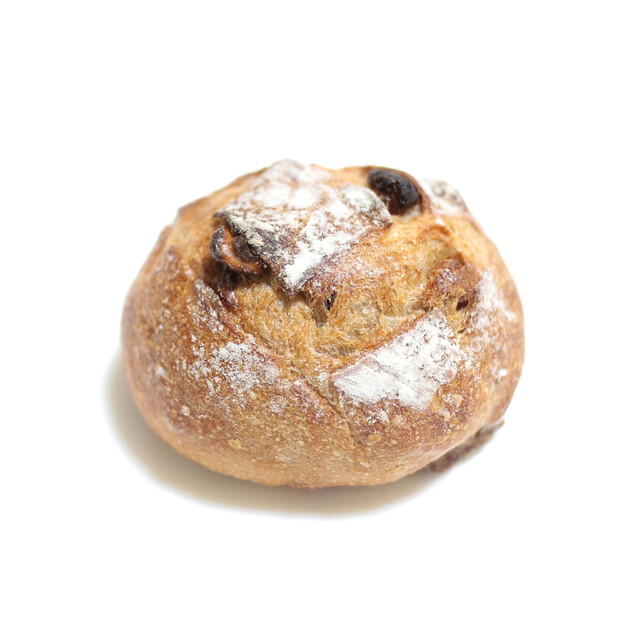
Approaching a bakery in Kobe is a different kind of food ritual from the city’s steak counters and hotel dining rooms. The rhythm is quicker, quieter, and more domestic: customers choose bread for later, sweets for the walk home, sandwiches for an unceremonious lunch. In that setting, un peu de belongs to a category Japan takes seriously but rarely dresses up for tourists, the everyday bakery whose menu has to work across breakfast, school runs, office breaks, and weekend family errands.
Kobe’s food reputation often begins with beef, but its everyday eating is broader and more practical. The city’s port history helped normalize Western-style baking, coffee shops, patisserie, and sandwich culture earlier than in many inland cities. That matters here because a bakery menu in Kobe is not a side note to restaurant culture. It is part of the city’s daily architecture: bread beside coffee, small sweets beside errands, bakery choices functioning as informal lunch solutions without requiring a full dining-room plan.
A bakery menu built around daily use, not dining-room theatre
The menu architecture is the point. Bread, sandwiches, and Western-style sweets create three lanes of buying rather than a single meal format. Bread carries the repeat-visit logic, sandwiches make the shop useful at midday, and sweets extend the occasion without pushing it into restaurant territory. That combination is common in strong Japanese bakeries because it lets a compact operation serve different needs through the day while keeping the format lean.
The recognition is category-specific rather than general restaurant acclaim. Tabelog Hyakumeiten recognition in 2022 places the shop inside a competitive bread field, where bakeries are judged against peers in their own category rather than against Kobe restaurants at large. A Tabelog score of 3.63 also signals a venue with steady user attention in a genre where scores tend to move less dramatically than luxury sushi or destination tasting menus.
That distinction matters for readers planning Kobe around food. A bakery like this is not competing with Tori Yoshi as a like-for-like dinner reservation, nor with Ristorante Bellini as a different kind of sit-down meal in the wider area. It sits in a lower-price, higher-frequency category, closer to the city’s everyday buying patterns than to celebratory dining.
Kobe at neighbourhood scale
Kobe is useful for understanding the city beyond its most familiar dining images. Away from headline meals, food addresses often depend on regulars as much as day-trippers. A bakery focused on bread, sandwiches, and Western-style sweets belongs naturally in that pattern. The experience is not built around lingering service or a chef’s biography; it is built around a simple decision, a short pause, and the question of what travels well.
That makes menu structure more revealing than décor. A bread-and-sandwich shop has to manage texture, portability, and pace. The sweet side adds breadth without turning the operation into a dessert salon. In Japanese bakery culture, that breadth often separates a casual stop from a place people return to for different reasons across a week. Morning bread, lunch sandwiches, and small Western sweets each solve a different problem.
There is also a useful contrast with Kobe’s more widely known meat addresses and other formal dining rooms. Visitors comparing local options may look at Kobe for beef-focused meals, then use a bakery stop to understand the city’s daily food tempo. Coffee culture adds another layer, pointing to the older kissaten side of Kobe’s Western-influenced habits, while smaller meal formats and casual dining rooms show how varied the city’s food map has become.
The stronger editorial reading is not that one bakery defines Kobe. It is that Kobe rewards travelers who split meals across formats: a serious dinner, a coffee stop, a bakery counter, and a neighbourhood lunch can say more about the city than a sequence of formal reservations.
How to read the award signal
Tabelog Hyakumeiten recognition is a useful trust signal because it narrows the field. It does not make a bakery interchangeable with a fine-dining restaurant, and it should not be read that way. It says the shop has been recognized within a bread category, a more relevant benchmark than comparing it with Kobe’s yakitori, Italian, Thai, or beef restaurants.
For travelers mapping Japan through everyday food, that category approach is helpful. A curry counter, a casual noodle shop, and a compact bakery in Kobe all require different expectations. The same is true across larger cities: cafés, bars, and grill-focused restaurants sit in different dining grammars, even before price or service style enters the decision.
un peu de is strongest as a planning move when treated as a bakery stop rather than a restaurant substitute. The listed categories are bread, sandwiches, and Western-style sweets, and the appeal lies in low-friction buying within a recognised bread category. That makes it especially compatible with a Kobe day built around walking, rail movement, and short food pauses rather than one long lunch.
International readers can use the same lens elsewhere: compare the grab-and-go logic of a snack counter, the drinks-and-food structure of a bar, or the set-piece character of a more formal regional meal. The question is not which format has more ceremony. The question is what each format teaches about how a city eats when nobody is performing for a visitor.
Frequently asked questions
How can I contact un peu de?
Call +81-78-451-6830 for specific questions. un peu de is a Kobe bakery offering bread, sandwiches, and Western-style sweets.
What do critics highlight about un peu de?
The main trust signal is its Tabelog Hyakumeiten recognition in 2022. The format is simple and specific: bread, sandwiches, and Western-style sweets in Kobe.
Can un peu de handle vegetarian requests?
For specific dietary questions, call +81-78-451-6830 or check the venue's official channels for current details.
Similar Picks
Comparable venues in the metro at similar price points.
| Venue | Cuisine | Price | Awards | Notes |
|---|---|---|---|---|
| un peu deThis venue (the venue you are viewing) | Artisanal bakery and sandwich shop | $1–10 | Tabelog 100 #56 | Not listed |
| Tori Yoshi | Traditional Yakitori / Chicken Dishes | $30–50 | Tabelog 100 #65 | JPY 4,000 - JPY 4,999 |
| Baan thai ASHIYA | Not listed | Not listed | Not listed | JPY 4,000 - JPY 4,999 JPY 2,000 - JPY 2,999 View spending breakdown |
| Do Sanjin Ashiya ten | Not listed | Not listed | Not listed | JPY 2,000 - JPY 2,999 JPY 2,000 - JPY 2,999 View spending breakdown |
| Ristorante Bellini | Not listed | Not listed | Not listed | JPY 10,000 - JPY 14,999 JPY 4,000 - JPY 4,999 |
Recognition history
Dated appearances from independent guides and award organizations, with the underlying list record or original source where available.
Tabelog 100 #56 · No. 56
Tabelog · Tabelog 100 - Bread - WEST - 2022
Continue exploring
More in Kobe
Restaurants in Kobe
All restaurants in Kobe →




Bars in Kobe
Browse all →









Details
- Cozy
- Modern
- Family
- Casual Hangout
- Solo
- After Work
- Standalone
- A La Carte
A small, stylish take-out bakery with a relaxed, cozy feel; interiors are described as a stylish and relaxing space, with a casual neighborhood atmosphere rather than a sit-down restaurant setting.