Ukiah Japanese Smokehouse
Our verdict
Fort Lauderdale's restaurant scene rarely collides Japanese technique with American smokehouse tradition, yet Ukiah Japanese Smokehouse on SW 1st Ave does exactly that. The concept pulls from two deeply regional cooking cultures — the smoke-forward low-and-slow tradition of the American South and the precision-driven yakitori and robata lineages of Japan — producing a format that sits outside easy categorization in a city better known for seafood and Italian.

Pearl is the En Primeur Club membership app — saves, bookings, and concierge access live there. Same editors, same standards.
- Address
- 221 SW 1st Ave Suite 1, Fort Lauderdale, FL 33301
- Phone
- (954) 299-3661
- Hours
- Mon–Thu 4–10 PMFri 4–11 PMSat 11 AM–11 PMSun 11 AM–10 PM
- Website
- ukiahrestaurant.com
- Directions
- Get directions
The menu
What to order
- Crispy Baby Back Ribs Yakiniku
- Sliced Hamachi
- Smoked Brisket
- Tuna Sashimi
Smoke Meets Japanese Precision in Downtown Fort Lauderdale
Downtown Fort Lauderdale's dining strip along SW 1st Avenue has spent the past decade accumulating the kind of restaurants that signal a city renegotiating its culinary identity. The steakhouses and seafood halls that defined the waterfront still draw crowds, but a quieter shift has been happening at street level: smaller, concept-driven rooms that bring techniques from elsewhere and apply them to local appetite. Ukiah Japanese Smokehouse, at 221 SW 1st Ave, sits in that second category. Its premise — Japanese cooking principles applied to smoke-forward American barbecue — is the kind of cross-disciplinary format that would read comfortably in a Brooklyn or Portland context, but in Fort Lauderdale it occupies a genuinely unusual position in the city's dining hierarchy.
Two Regional Traditions, One Concept
To understand what Ukiah is attempting, it helps to understand what it is drawing from. American smokehouse cooking and Japanese grilling techniques share an obvious common thread, fire and wood as primary flavoring agents, but they diverge sharply in philosophy, execution, and regional identity. The American barbecue tradition, particularly in its Southern and Texas expressions, privileges time above almost everything else: collagen-to-gelatin conversion over hours, bark formation, smoke rings as markers of legitimacy. The result is yielding, fat-rendered meat in which the smoke is an equal protagonist alongside the protein itself.
Japanese yakitori and robata traditions operate from a different axis. Robata, rooted in the cold-weather fishing culture of northern Honshu, uses radiant charcoal heat, traditionally binchōtan, the dense white charcoal made from ubame oak, to cook proteins and vegetables at high precision. Yakitori, the more urban tradition associated with the izakayas of Tokyo and Osaka, applies that same intensity to chicken, cut and skewered to maximize surface-to-heat contact. The Kansai and Kanto regional schools diverge further: Kansai yakitori leans toward tare-heavy glazing and sweeter profiles, while Kanto approaches are often more salt-forward and restrained. Both prioritize the ingredient itself rather than the smoke as co-star, which puts them philosophically at odds with American barbecue, and yet that tension is exactly the productive space a concept like Ukiah occupies.
The fusion of these traditions is not, on its own, novel at the national level. Restaurants such as Lazy Bear in San Francisco have shown how American comfort-food vernaculars can be filtered through high-precision technique, and the broader American fine-dining conversation tracked by institutions like Alinea in Chicago or The French Laundry in Napa has long engaged with cross-cultural technique borrowing. What distinguishes Ukiah's position is its geography: Fort Lauderdale does not have a deep bench of Japanese-influenced concepts, which means the restaurant operates with limited local competition and an audience that may be encountering this fusion format for the first time.
Fort Lauderdale's Dining Context
Fort Lauderdale's restaurant scene is not monolithic. The waterfront and Las Olas corridor skew toward Italian and Mediterranean formats, Casa D'Angelo Fort Lauderdale holds long-standing credibility in the Italian bracket, and Evelyn's represents the Mediterranean mid-market well. The steakhouse tier, led by Daniel's, A Florida Steakhouse, occupies the premium end of the protein-forward category. More technically adventurous dining has been growing incrementally, with Chef's Counter at MAASS representing the contemporary fine-dining register and Calusso adding further depth. Against that backdrop, a Japanese-American smokehouse hybrid is genuinely unusual, and its address on SW 1st Ave places it within walking distance of the downtown core, accessible without the waterfront premium attached to much of the city's dining real estate.
For travelers already engaging with the broader range of what Fort Lauderdale offers, our full Fort Lauderdale restaurants guide maps the city's dining across all major categories. Those building a longer itinerary will also find useful context in our Fort Lauderdale hotels guide, bars guide, and experiences guide.
The Format and What It Implies
Japanese-American smokehouse as a category has a limited but growing reference set in the United States. The format asks diners to accept smoke as a flavor conductor within a framework that also values precision, restraint, and ingredient legibility, two traditions that, when successfully merged, produce something more considered than either achieves alone. The smoke provides depth and sweetness; the Japanese structural logic keeps the dish from collapsing into one-note richness. For diners familiar with the izakaya tradition, this framing will feel intuitive. For those coming primarily from an American barbecue reference point, the Japanese influence introduces a discipline around portioning and seasoning that shifts the experience toward something closer to a composed meal than a plate of smoked meat. Internationally, this kind of cross-referencing between fire traditions has been explored at a high level at venues like Single Thread Farm in Healdsburg, where Japanese kaiseki principles are applied to Northern California ingredients, and the conversation around Japanese technique in Western settings has been ongoing at the level of Le Bernardin in New York City and international rooms such as 8½ Otto e Mezzo Bombana in Hong Kong and Alain Ducasse at Louis XV in Monte Carlo.
Planning Your Visit
Ukiah Japanese Smokehouse is located at 221 SW 1st Ave Suite 1, Fort Lauderdale, FL 33301, in the downtown core and accessible from the main hotel district without significant travel. Given the concept's position as one of the few Japanese-influenced options in the city, demand patterns may not follow predictable seasonal rhythms in the way that waterfront seafood destinations do. Visitors planning a broader Fort Lauderdale dining sequence might also consult our Fort Lauderdale wineries guide for context on what's available in the drinks category locally. For a sense of how American Southern food traditions have been treated at high-technique levels elsewhere in the country, Emeril's in New Orleans provides a useful reference point for the broader American regional fine-dining conversation that informs concepts like Ukiah.
Frequently asked questions
Can I bring kids to Ukiah Japanese Smokehouse?
What's the vibe at Ukiah Japanese Smokehouse?
What do regulars order at Ukiah Japanese Smokehouse?
How does Japanese-smoked meat differ from standard American barbecue at a place like Ukiah?
Cuisine and Awards Snapshot
Comparable venues nearby, for context on price, style, and recognition.
| Venue | Cuisine | Price | Awards | Notes |
|---|---|---|---|---|
| Ukiah Japanese SmokehouseThis venue — the venue you are viewing | Japanese Smokehouse BBQ Fusion | $50–100 | Not listed | Not listed |
| Ukiah Fort Lauderdale | Japanese Smokehouse BBQ Fusion | $50–100 | Not listed | Downtown Las Olas |
| The Wilder | Global Fusion Tapas | $30–50 | Not listed | Victoria Park |
| La Fuga | Coastal Italian & Seafood | $50–100 | Star Wine List | Fort Lauderdale Beach |
| Bistro Mezzaluna | Upscale Italian Bistro with Seafood and Steaks | $50–100 | Not listed | East Fort Lauderdale |
| Burlock Coast | Modern Coastal Seafood with Prohibition-Era Influences | $50–100 | Not listed | Central Beach |
Continue exploring
More in Fort Lauderdale
Restaurants in Fort Lauderdale
Browse all →
Bars in Fort Lauderdale
Browse all →
Ukiah Japanese Smokehouse
The wine
- Wine program
- Curated wine list
- Sake program
- Craft cocktails
Details
- Modern
- Trendy
- Scenic
- Date Night
- Group Dining
- Special Occasion
- Waterfront
- Open Kitchen
- Terrace
- Sake Program
- Craft Cocktails
- Local Sourcing
- Waterfront
- A La Carte
- Small Plates
- Tasting Menu
- Sake
- Cocktails
- Vegetarian Friendly
Current opening hours
- Monday
- 4–10 PM
- Tuesday
- 4–10 PM
- Wednesday
- 4–10 PM
- Thursday
- 4–10 PM
- Friday
- 4–11 PM
- Saturday
- 11 AM–11 PM
- Sunday
- 11 AM–10 PM
Hours can change for holidays and private events. Last verified .
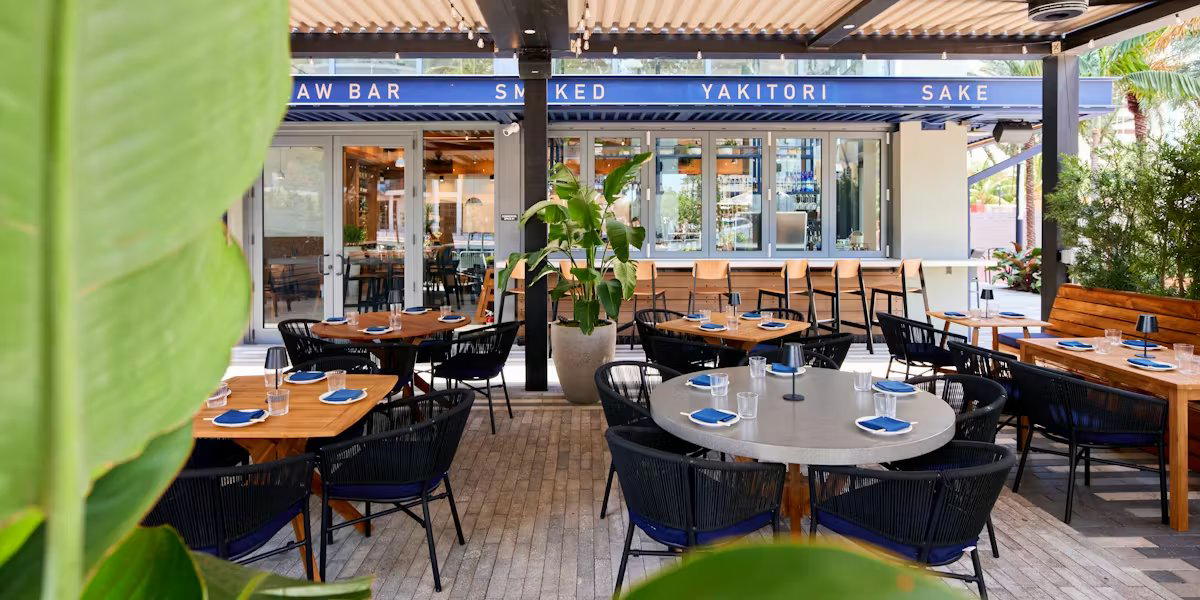
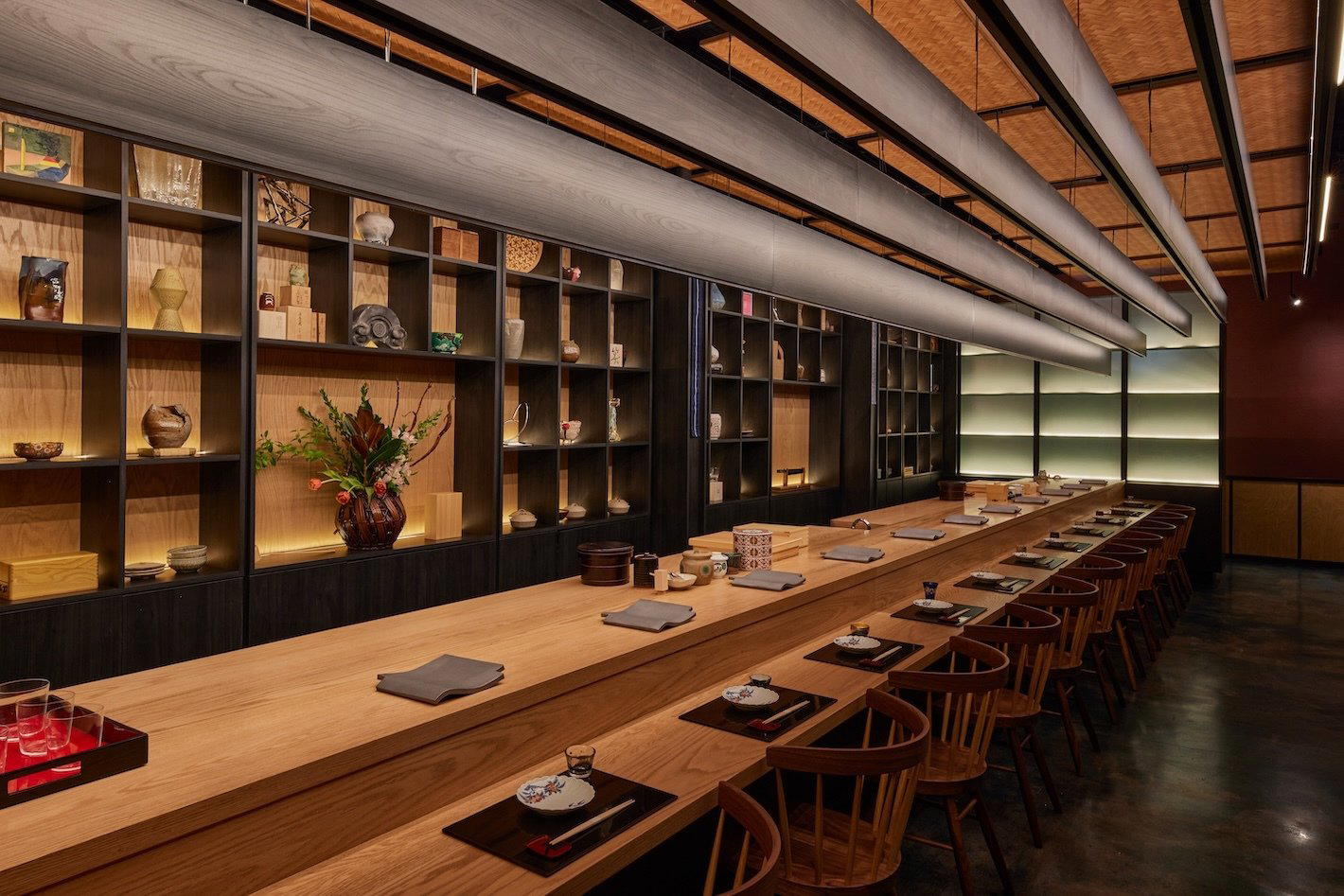
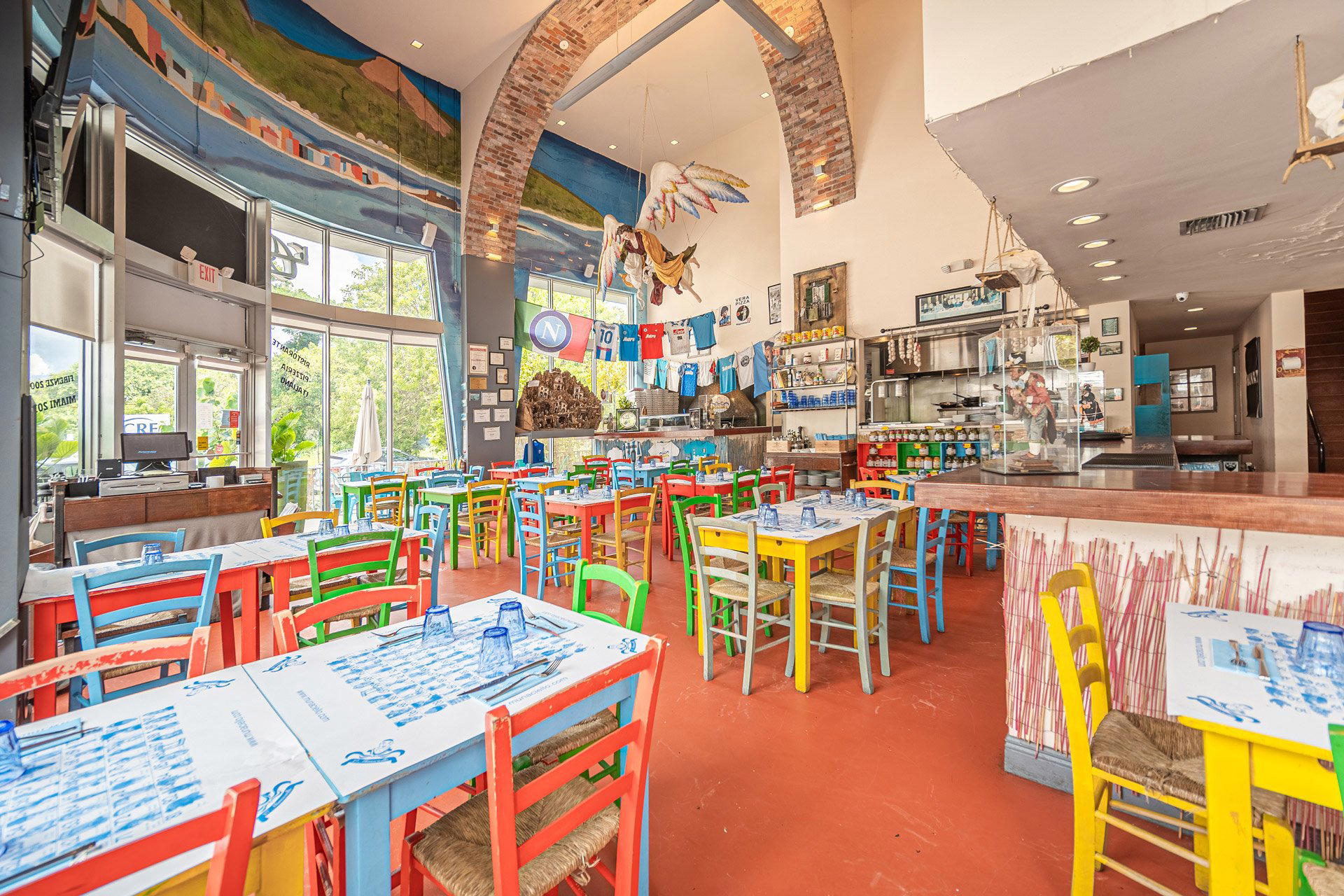
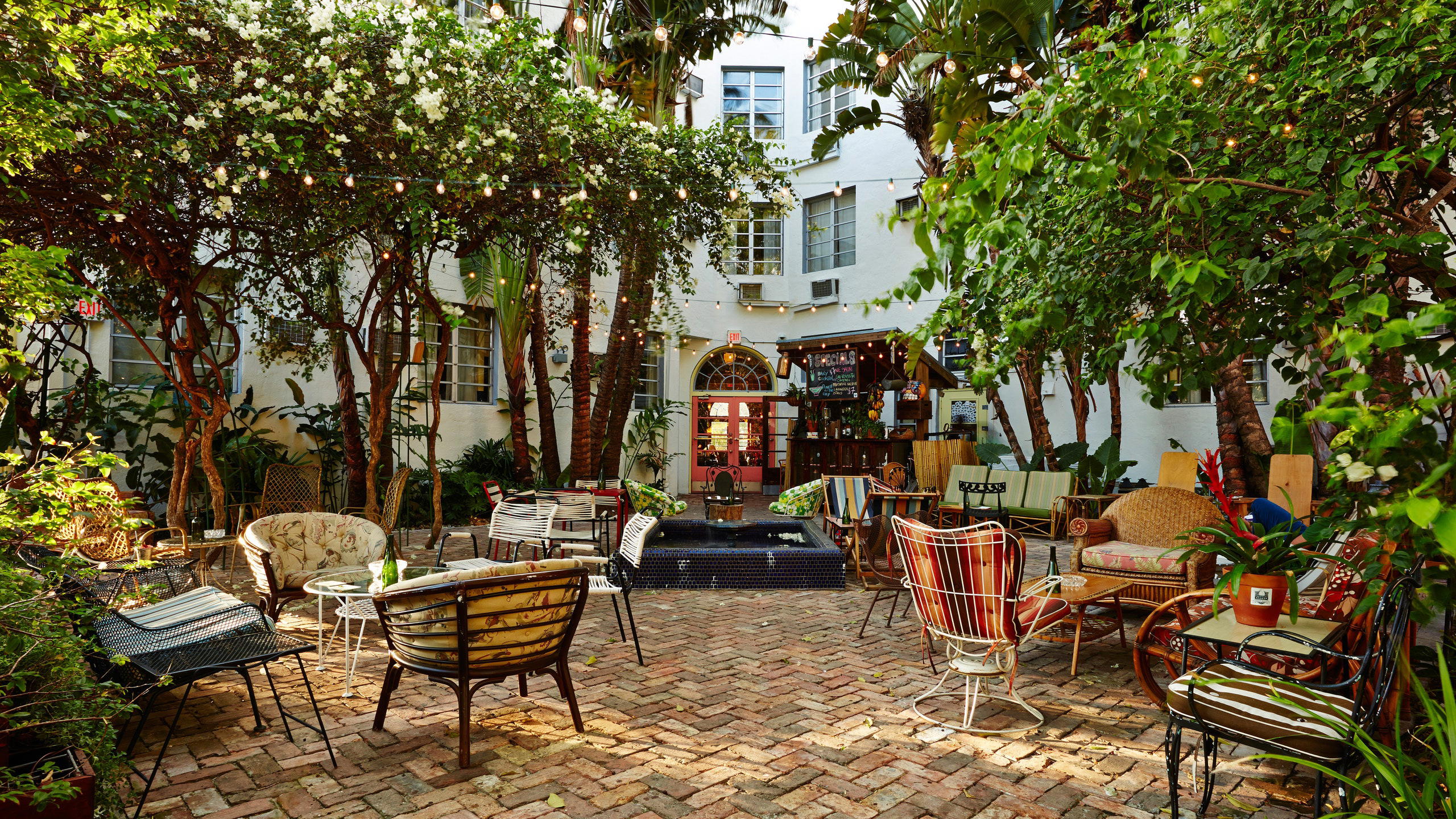
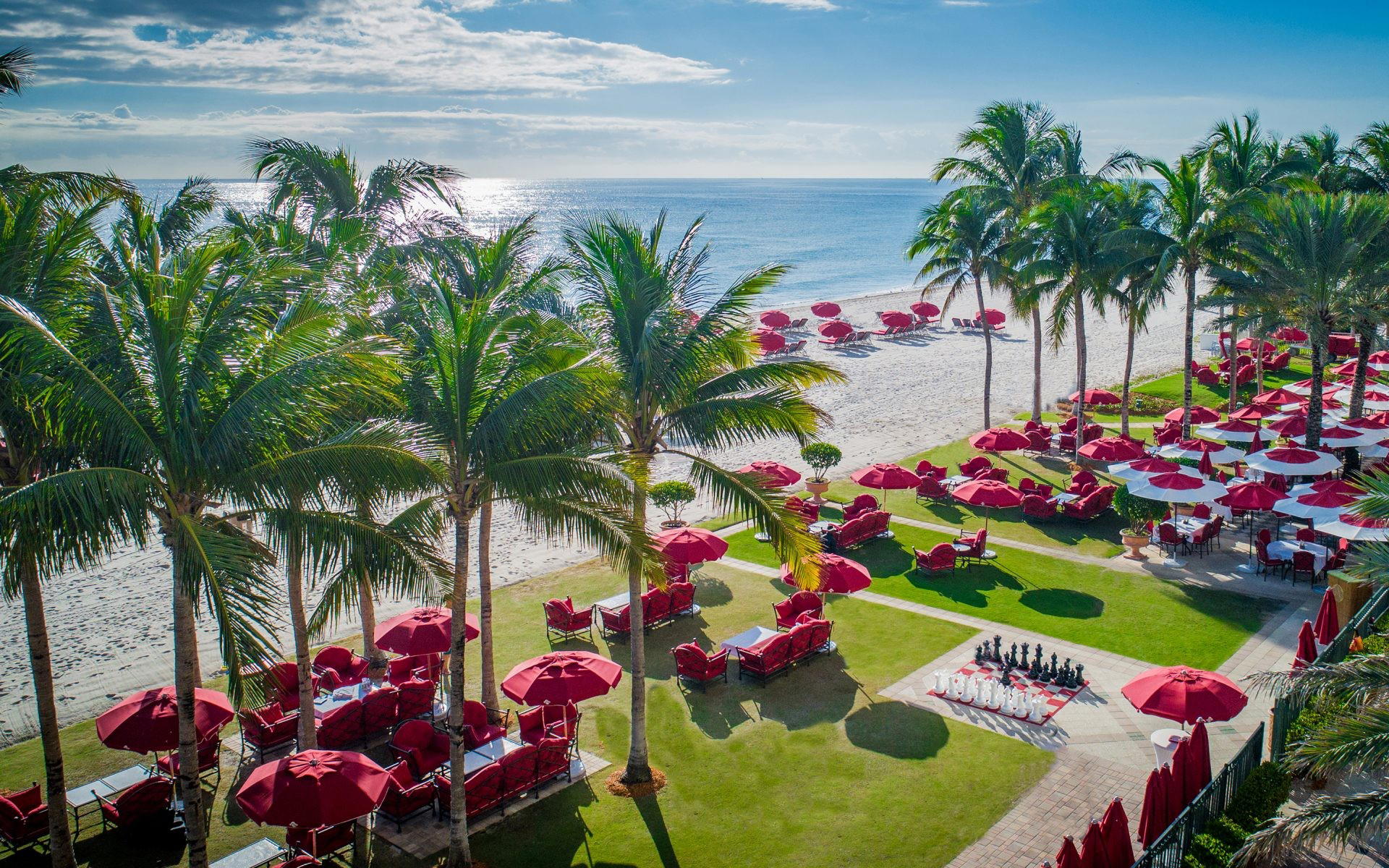
Beautiful modern interior with waterside terrace, creating a trendy and scenic atmosphere praised for its innovative presentation and welcoming vibe.