Uchi


Star Wine List
Our verdict
Uchi Miami, located at 252 NW 25th St in Wynwood, brings James Beard Award-winning Chef Tyson Cole's Japanese-inflected cuisine to one of the city's most creatively charged neighbourhoods. The concept, which originated in Austin, Texas, arrives in Miami with the same commitment to Japanese technique that built its national reputation. Book well in advance; tables at this address move quickly.

Pearl is the En Primeur Club membership app, where members save venues, book tables and use the concierge.
The menu
What to order
- Hama chili
- Kinoko
- Halibut
- Fried milk
Wynwood's Appetite for Precision
Wynwood has spent the better part of a decade repositioning itself from a weekend art-walk destination into a neighbourhood with genuine dining depth. The shift has attracted concepts with real culinary pedigree, and the bar for what earns sustained attention here has risen accordingly. James Beard Award-winning Chef Tyson Cole's Uchi, at 252 NW 25th St, sits near the best of that recalibrated tier. The concept first took hold in Austin, where Cole built his reputation on Japanese technique applied with an American kitchen's freedom of movement. What arrived in Miami is not a watered-down outpost but a full-register expression of that framework, which is not a given when a high-pedigree concept crosses into a new market.
For context on how Wynwood's fine-dining tier has matured, our full Miami restaurants guide maps the broader scene, including what distinguishes the neighbourhood's premium tier from the rest of the city's competitive set.
The Drink Program as a Lens
At Japanese-influenced restaurants operating at the level Uchi occupies, the beverage program tends to split along a predictable fault line: either the kitchen gets all the attention and the cellar is an afterthought, or the program is assembled with the same conceptual rigour brought to the menu. The latter matters more than it might seem, because the flavour profiles Cole's cuisine trades in, umami-driven, textured with fat and acid in close proximity, demand a drinks list that can follow those registers, not just accompany them.
Japanese whisky and sake are the obvious anchors at restaurants in this category, and both tend to appear here with genuine depth rather than token representation. The more telling signal is how a program handles wine alongside those options. Japanese cuisine's acid-and-fat dynamics reward certain European white varieties, high-acid Burgundian Chardonnay, Alsatian Riesling, Champagne with good dosage control, and the degree to which a list acknowledges that structural logic says a great deal about the sommelier's actual engagement with the food. Restaurants operating at the James Beard level in this category typically build their cellar curation around those pairings rather than defaulting to a generic global wine list that could sit in any room.
For reference on how Miami's broader beverage culture is developing, our full Miami bars guide covers the city's evolving cocktail and spirits scene, which increasingly intersects with the higher-end restaurant programs.
Japanese Technique in a Southern Florida Frame
The broader context for Cole's approach is worth understanding. American chefs trained in Japanese technique occupy a specific niche in the national dining conversation: they work outside the lineage hierarchies that govern Tokyo's omakase counters, which gives them room to combine Japanese precision with non-Japanese ingredients, seasonal references, and cooking methods. This is neither fusion in the pejorative sense nor a departure from seriousness. It is, rather, a distinct culinary tradition that has produced some of the more compelling restaurant experiences in American cities over the past two decades.
Miami's own Japanese-inflected dining scene includes ITAMAE, which approaches the subject from a Peruvian-Japanese angle, a wholly different set of references and techniques that illustrates how capacious this category has become in the city. Uchi operates at the opposite end of that spectrum, closer to Japanese source material in its flavour logic, which means the two venues are complementary rather than competitive. Diners interested in how Japanese technique gets refracted through different cultural prisms would find both addresses instructive.
The comparison set for Uchi in Miami extends nationally. Concepts like Lazy Bear in San Francisco and Alinea in Chicago demonstrate how James Beard-recognised concepts anchor a city's premium tier and pull the surrounding neighbourhood's dining credibility upward. That effect is visible in Wynwood's current trajectory.
Placing Uchi in Miami's Premium Tier
Miami's high-end dining tier has historically leaned toward European frameworks: French technique, Italian tradition, and the kind of Continental formality represented by addresses like L'Atelier de Joël Robuchon Miami. What has changed in recent years is that the city's premium tier has become genuinely pluralist, not just geographically diverse in its cuisines, but diverse in its organising philosophies. Cote Miami brings Korean steakhouse logic to the luxury register; Ariete and Boia De represent different strands of contemporary American and Italian thinking. Uchi sits in this company not because of geographic proximity but because it operates at a comparable level of culinary intentionality.
That intentionality shows up most clearly in pacing and proportion. Japanese-influenced tasting formats at this level prioritise the accumulation of small, precisely calibrated courses over the drama of a single centrepiece dish. It is a different kind of dining attention from what a large-format steakhouse or a classic French service demands, and it tends to reward guests who engage rather than those who arrive expecting spectacle.
James Beard Award recognition, which Cole carries, functions in the American restaurant context as the clearest single credential for sustained culinary seriousness, the equivalent, in terms of peer recognition, of the way Michelin functions in European and certain Asian markets. It places Uchi in the same credentialled company as Le Bernardin in New York City, The French Laundry in Napa, and Emeril's in New Orleans, all concepts where the award credential reflects documented, sustained contribution to American dining rather than a single strong year.
Planning Your Visit
Uchi is located at 252 NW 25th St in Miami's Wynwood neighbourhood, accessible from most parts of the city and well-positioned relative to the area's gallery and arts infrastructure if you are building a broader evening around the visit. Given the restaurant's standing, advance reservations are advisable; waiting for a walk-in window at this address, particularly on weekends, is a low-probability strategy. The Wynwood corridor is leading approached with some flexibility on arrival time, as parking and pedestrian density vary considerably depending on the day and whether any large events are scheduled in the neighbourhood's gallery district.
For those building a full Miami itinerary around this visit, our full Miami hotels guide covers accommodation across the city's key neighbourhoods, and our full Miami experiences guide maps cultural and activity programming worth building around a dinner of this calibre. If you are extending your interest in Japanese-influenced cooking at the premium level internationally, 8½ Otto e Mezzo Bombana in Hong Kong and Alain Ducasse at Louis XV in Monte Carlo represent comparable tiers of culinary ambition in different international contexts, as does Single Thread Farm in Healdsburg for those exploring Japanese-influenced fine dining within the United States.
Frequently asked questions
What's Uchi known for in terms of accolades?
Uchi has received recognition including: This is one of Wynwood’s best restaurants, and there will be few who would disagree with me. The concept is by James Beard Award-winning Chef Tyson Cole, who brings his elevated Japanese cuisine to So....
What's the address for Uchi?
Uchi is located at 252 NW 25th St, Miami, FL 33127, Miami.
What's the signature dish at Uchi?
Uchi Miami operates under the culinary direction of James Beard Award-winning Chef Tyson Cole, whose approach centers on refined Japanese technique applied to American ingredients.
Is Uchi reservation-only?
At the premium tier Uchi occupies within Miami's Wynwood dining scene, advance reservations are strongly advised. The James Beard pedigree behind the concept draws consistent demand, particularly on weekends when Wynwood foot traffic peaks. check the venue's official channels for current booking availability.
What's the signature at Uchi?
The defining characteristic of Uchi, across its locations, is Chef Tyson Cole's application of Japanese technique within an American creative framework, a approach that earned Cole a James Beard Award. At the Miami outpost on NW 25th St, that philosophy meets Wynwood's position as the city's most concentrated block of serious independent dining.
Booking and Cost Snapshot
Comparable venues nearby, for context on price, style, and recognition.
| Venue | Cuisine | Price | Awards | Notes |
|---|---|---|---|---|
| UchiThis venue (the venue you are viewing) | Modern Japanese Sushi | $100–150 | Star Wine List | Not listed |
| Pari Pari | Japanese Handroll Bar with French Fusion | $50–100 | Not listed | Wynwood, Japanese Handroll Bar with French Fusion |
| Nobu Miami Beach | Japanese-Peruvian Fusion | $150–200 | Not listed | Miami Beach, Japanese-Peruvian Fusion |
| Candles (Star Pride) | Outdoor Steakhouse | Not listed | Forbes Recommended | Westgate, Outdoor Steakhouse |
| Osaka Miami | Nikkei Japanese-Peruvian Fusion | Not listed | Not listed | Miami Financial District, Nikkei Japanese-Peruvian Fusion |
| Paperfish Sushi | Contemporary Nikkei Sushi | $30–50 | Not listed | Miami Financial District, Contemporary Nikkei Sushi |
Recognition history
Dated appearances from independent guides and award organizations, with the underlying list record or original source where available.
Star Wine List
Star Wine List
Opinionated About Dining Top Restaurants in North America Recommended
Opinionated About Dining
Uchi
Featured Guides
Continue exploring
More in Miami
Restaurants in Miami
All restaurants in Miami →
Details
- Modern
- Trendy
- Sophisticated
- Elegant
- Date Night
- Special Occasion
- Group Dining
- Open Kitchen
- Craft Cocktails
- Sake Program
- A La Carte
- Tasting Menu
- Omakase
- Small Plates
- Sake
- Cocktails
- Gluten Free Options
- Vegetarian Friendly
Current opening hours
- Monday
- 11:30 AM–2:30 PM, 5–11 PM
- Tuesday
- 11:30 AM–2:30 PM, 5–11 PM
- Wednesday
- 11:30 AM–2:30 PM, 5–11 PM
- Thursday
- 11:30 AM–2:30 PM, 5–11 PM
- Friday
- 11:30 AM–2:30 PM, 5–11 PM
- Saturday
- 11:30 AM–2:30 PM, 5–11 PM
- Sunday
- 11:30 AM–2:30 PM, 5–11 PM
Hours can change for holidays and private events. Hours as of .
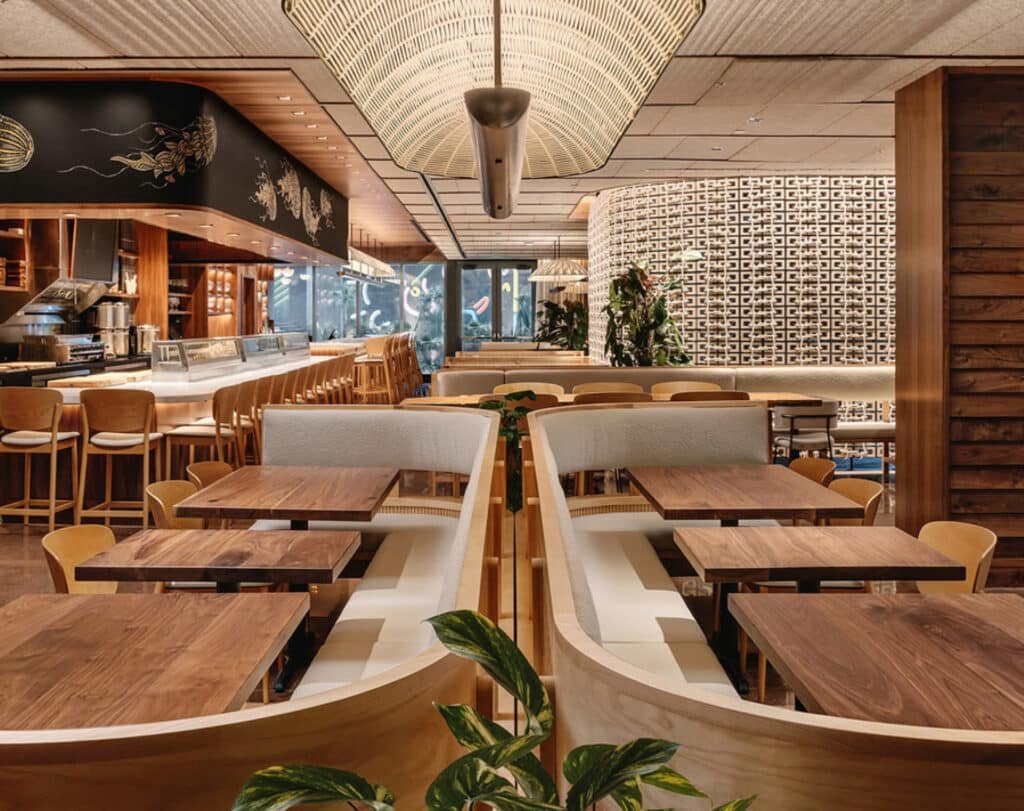
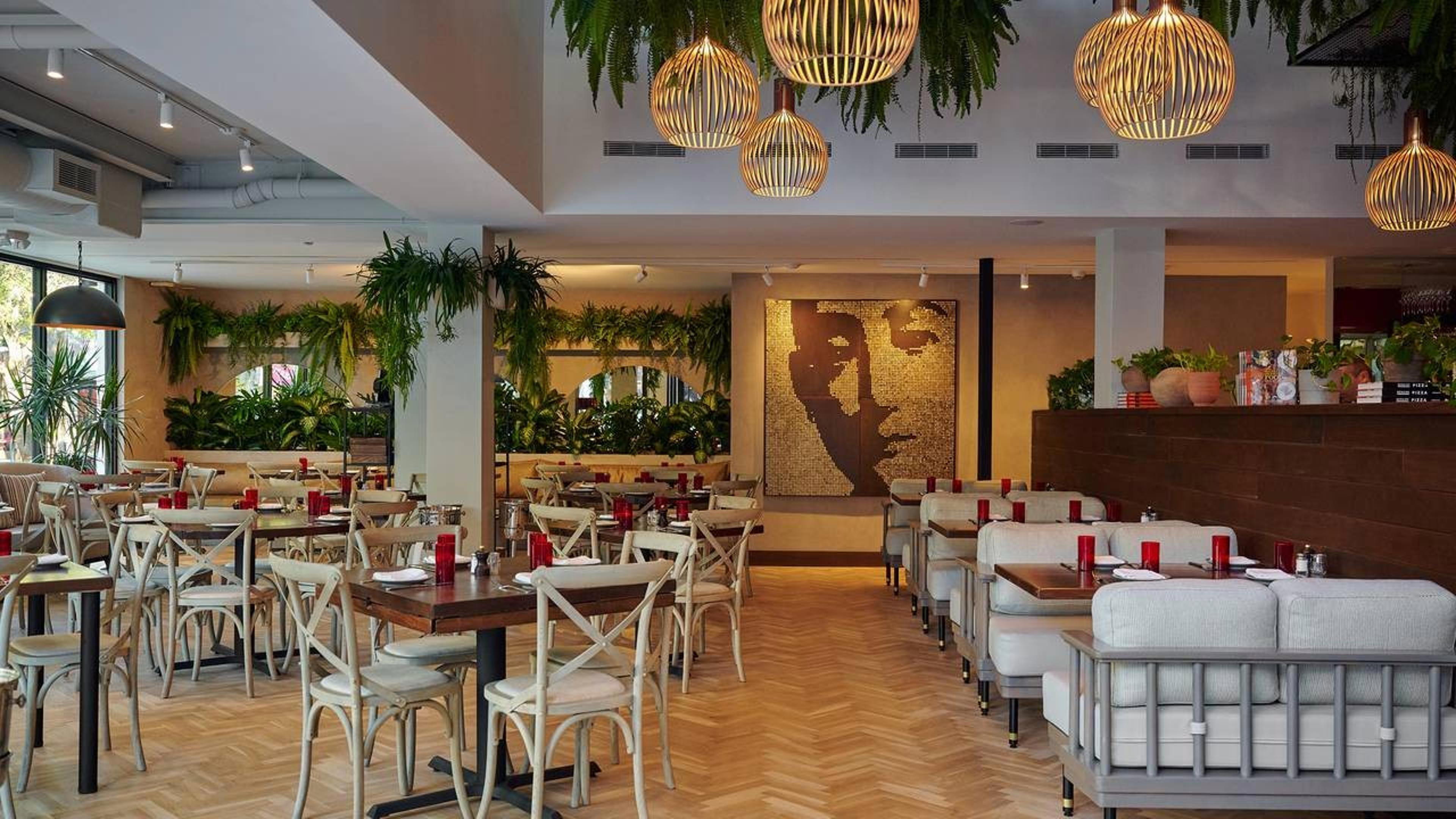
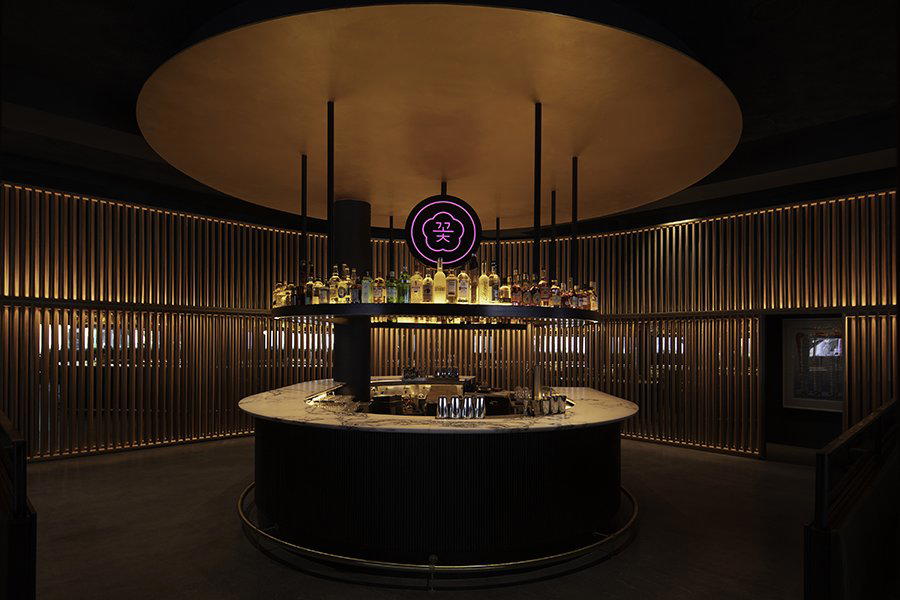
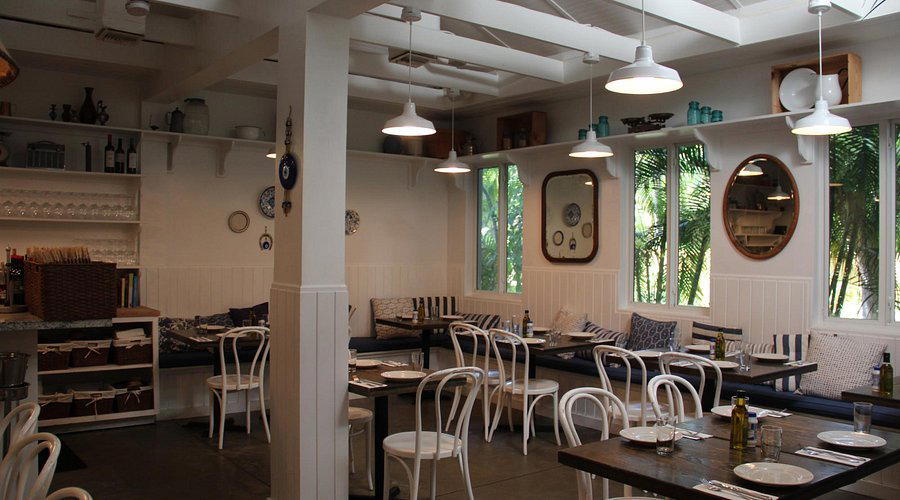
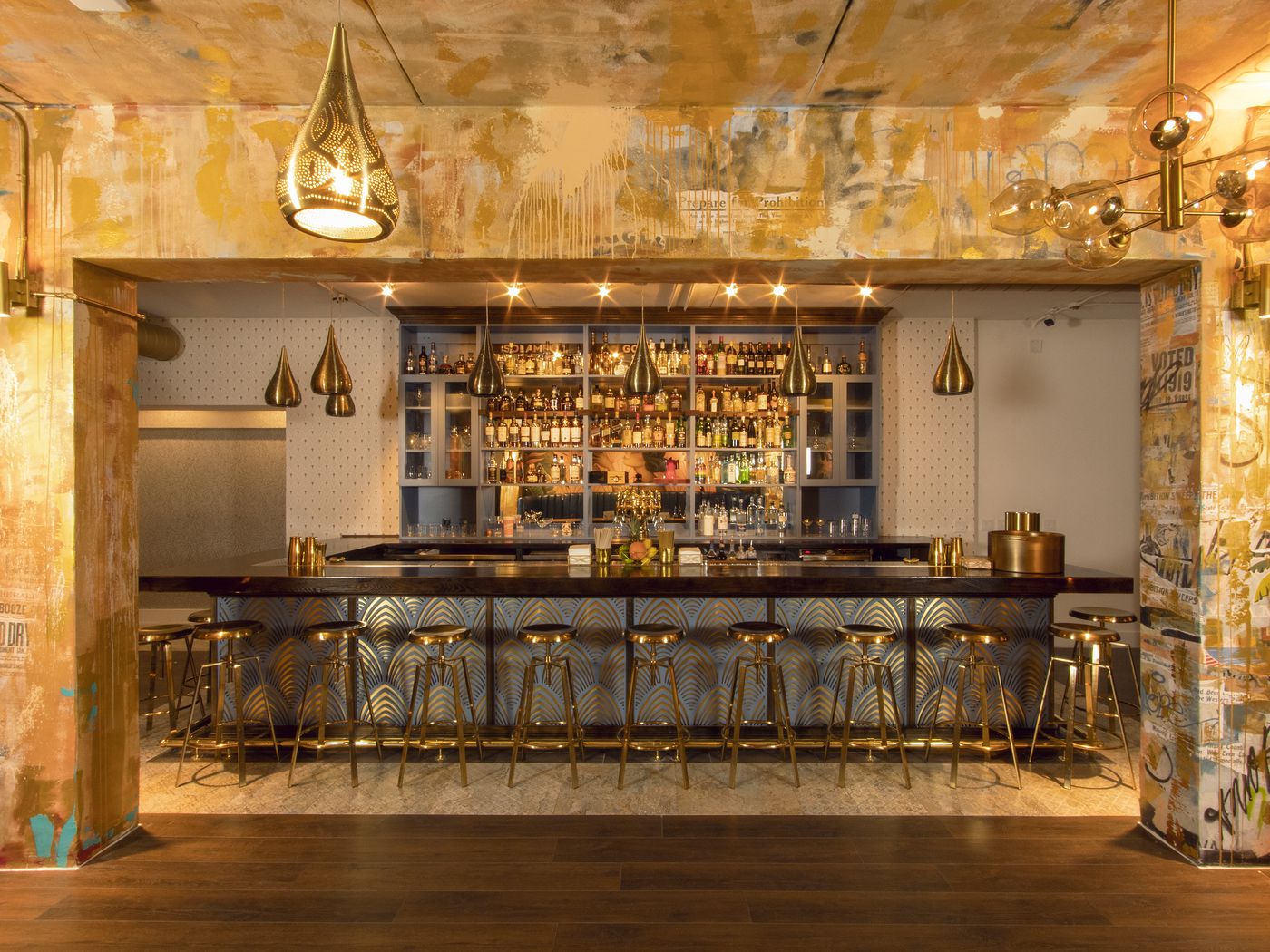
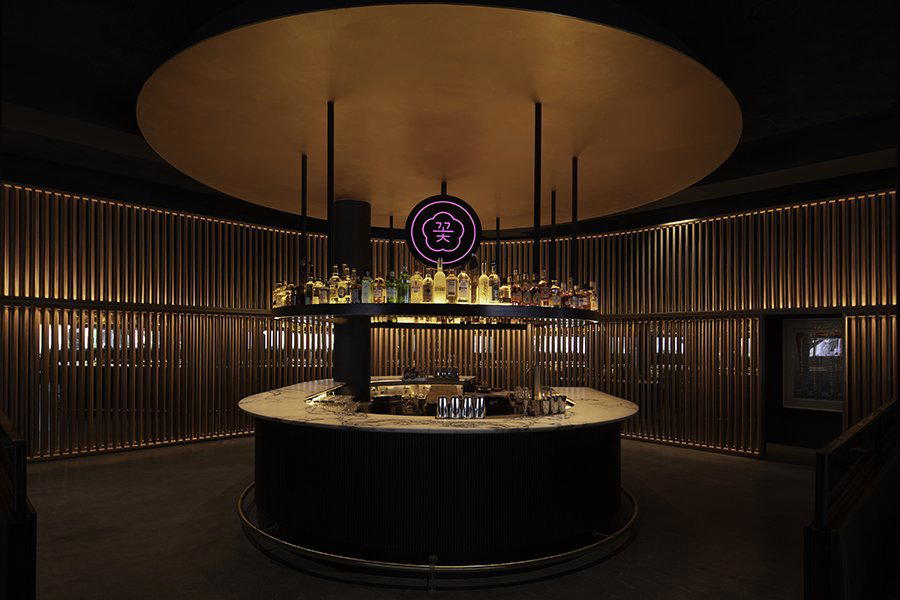
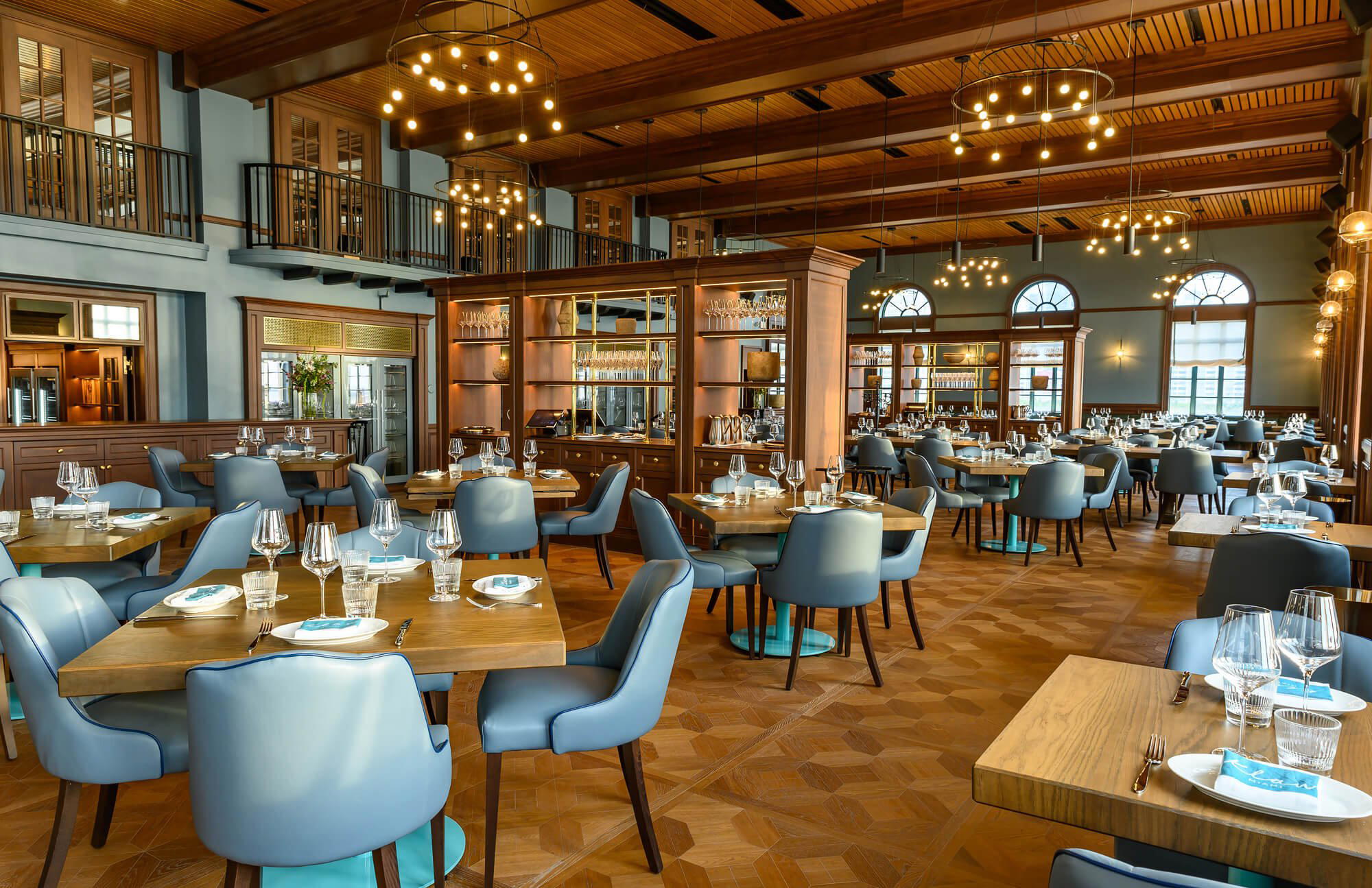
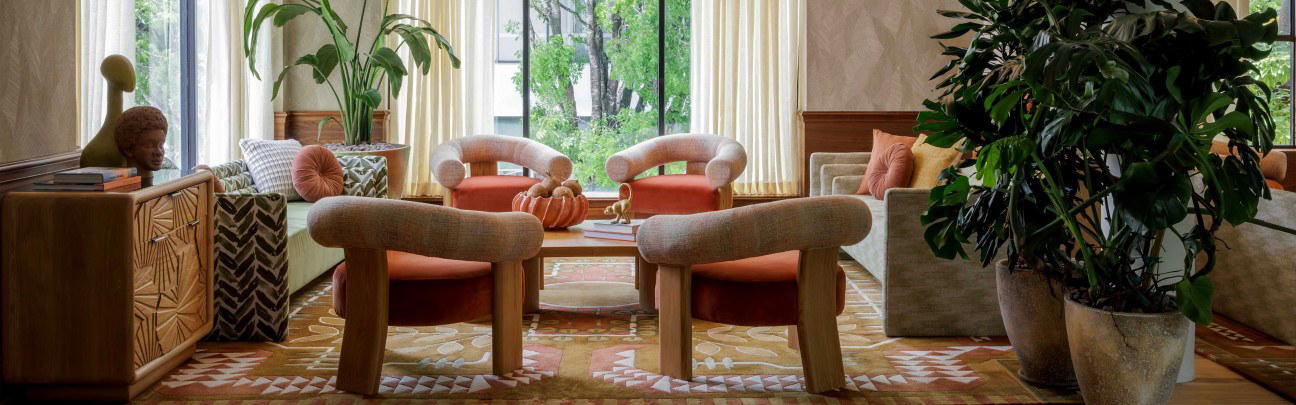
Asian minimalist decor with natural materials, neutral colors, and warm lighting creating a sophisticated yet lively atmosphere suitable for special occasions.