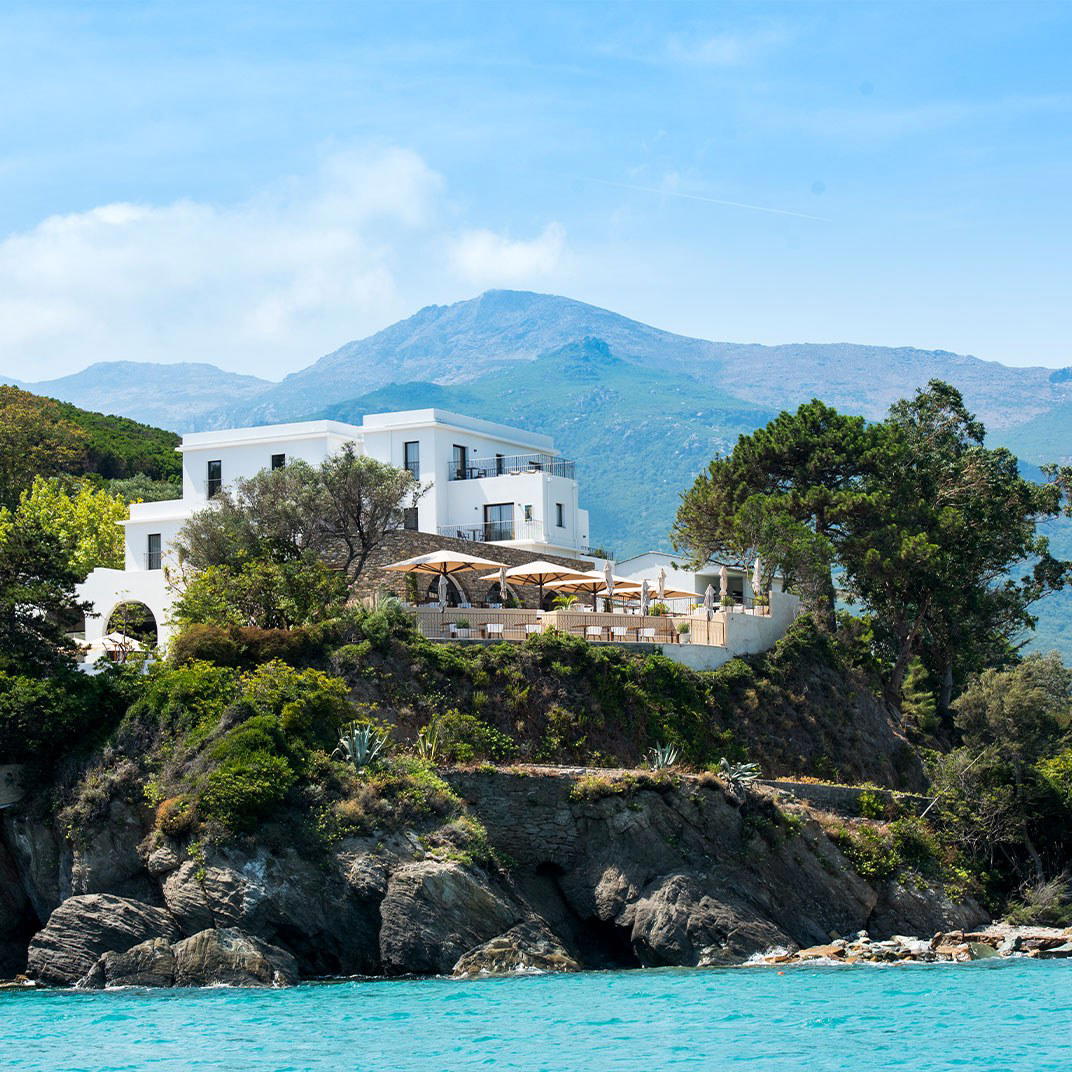
U Spuntinu sits at Marine de Tollare on the northern tip of Corsica, where the Cap Corse peninsula meets the sea. The setting frames everything: fishing boats, salt air, and a kitchen that draws directly from what the surrounding land and water produce. For travelers making their way through Ersa, it represents the kind of place the village actually eats rather than performs.
Pearl is the En Primeur Club membership app — saves, bookings, and concierge access live there. Same editors, same standards.
- Address
- Marine de tollare
- Phone
- +33668266481
- Directions
- Get directions
 Saves & bookings on Pearl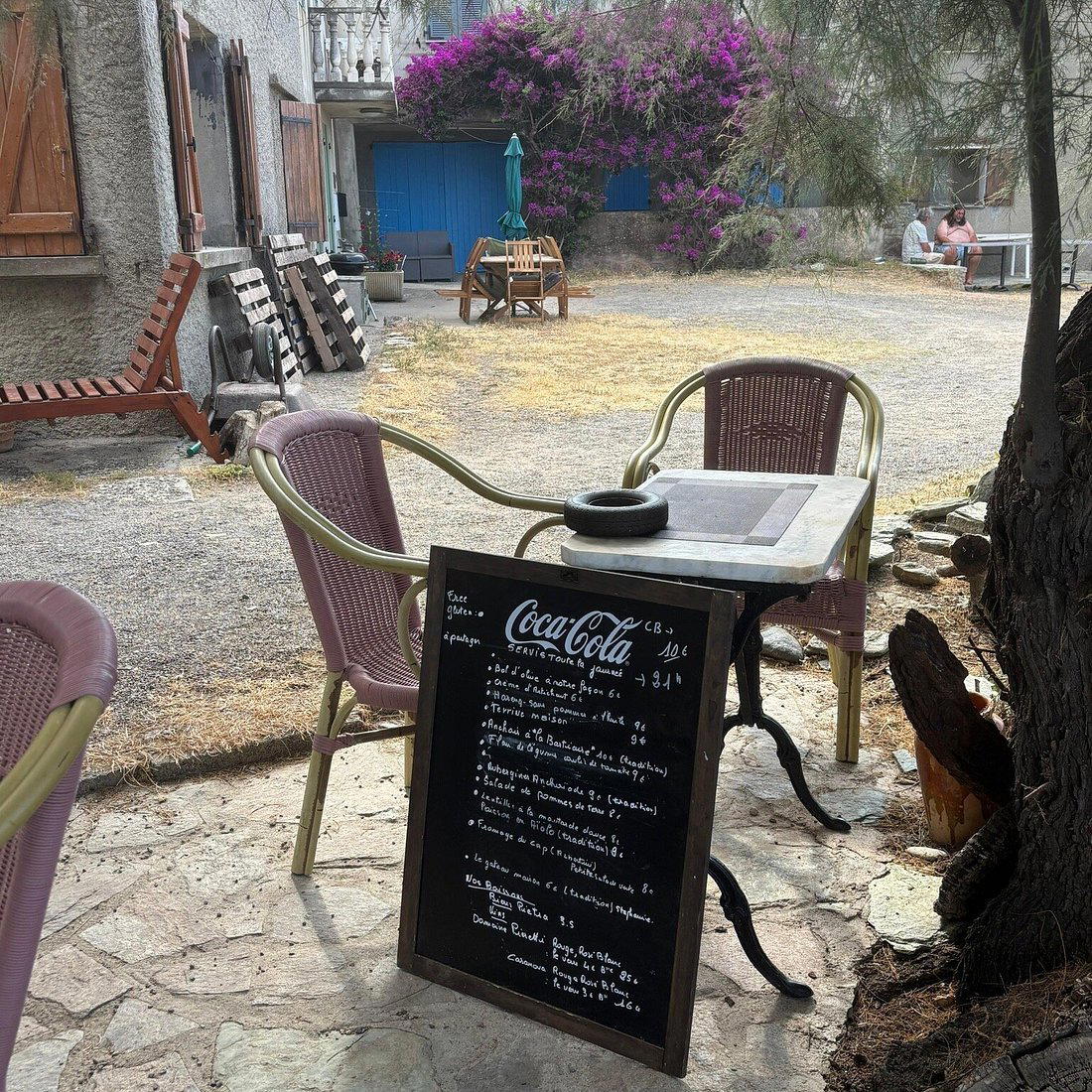
Where Cap Corse Meets the Table
U Spuntinu is a restaurant in Ersa, Corsica, serving Authentic Corsican Regional Cuisine at a casual, walk-in-friendly price tier of about $35 per person. The northern reaches of Cap Corse operate on a different register from the island's more trafficked resorts. At Marine de Tollare, the hamlet attached to Ersa, the road narrows to a thread before opening onto a small cove where fishing boats sit close enough to count. U Spuntinu occupies this geography literally and philosophically: it is a place shaped by proximity to its sources rather than distance from them. The sea is not backdrop here; it is context, supply chain, and daily variable.
Corsica's northern cape has long maintained a quieter culinary identity than Ajaccio or Porto-Vecchio. The villages along its spine and shoreline tend toward smaller, more personal operations where the menu is determined by the morning's catch, the season's charcuterie, and whatever the terraced gardens above the waterline are yielding. U Spuntinu fits that pattern, sitting in a tier of Corsican eating that prioritizes local provenance over production scale. Readers planning a broader sweep of French regional cooking, from the technical ambition of Alléno Paris au Pavillon Ledoyen in Paris to the mountain precision of Flocons de Sel in Megève, will find this corner of Corsica occupying the opposite end of the format spectrum: deeply informal and resource-led.
Sourcing as Structure
The ingredient sourcing logic that defines eating in Cap Corse is worth understanding before you arrive. This is not a peninsula with extensive agricultural flatlands or large cooperative fishing fleets. What it has is altitude, sea exposure, and a tradition of small-plot farming that produces charcuterie, brocciu, and aromatic herbs with a provenance specific to the microclimate. Corsican charcuterie, in particular, carries AOC protections that tie its character directly to the island's endemic pig breeds and maquis-fed diet, the same scrubland of rosemary, juniper, and cistus that blankets the hillsides above Tollare.
Restaurants operating in this tradition function less like kitchens that source ingredients and more like distribution points for what the surrounding territory produces. The distinction matters to the diner because it shifts expectations: you are not selecting from a constructed menu so much as receiving what the season and the locality have decided. That approach has a long Corsican lineage, and it places the restaurant in a different conversation from the garden-to-table narratives common at formal French restaurants like Mirazur in Menton or Bras in Laguiole, where sourcing is curated and documented as part of the dining proposition. Here, it is simply the operating condition.
The sea component is equally defining. The waters off Cap Corse are among the less industrially fished stretches of the French Mediterranean, and small-boat catches of rouget, daurade, and various rockfish remain part of daily coastal eating in a way that has become rarer on the more developed parts of the island's coastline. At a waterfront address like Marine de Tollare, that access is direct. Whether the restaurant's kitchen takes full advantage of this is a variable that depends on season and supply, which is precisely the point.
The Setting as the Argument
French coastal dining of this character, informal, water-adjacent, provenance-led, has its counterparts elsewhere: the Atlantic-facing terrace cooking of Christopher Coutanceau in La Rochelle, or the island logic applied at La Marine in Noirmoutier-en-l'île. What separates Corsica's northern cape from those addresses is the absence of formal infrastructure. There is no hotel group behind the restaurant, no tasting menu architecture, no sommelier program calibrated to international wine lists. What the address offers instead is the logic of place without mediation.
Marine de Tollare is accessible by road from Ersa but requires deliberate navigation of the cape's single-track routes. The cove itself has limited infrastructure beyond the water and the boats, which means the restaurant draws a clientele that arrives with intention rather than impulse. Lunch, particularly in the warmer months, is the natural format for a setting like this: the light off the water, the afternoon pace of a Corsican village, and the proximity of the cove all argue against anything more compressed or urban. This is a different rhythm from the formal lunch services at Paul Bocuse - L'Auberge du Pont de Collonges or the structured progression of Troisgros - Le Bois sans Feuilles in Ouches. The informality here is not a deficit; it is the format.
Travelers who have built itineraries around France's Michelin-dense regions, Alsace for Au Crocodile in Strasbourg or the Champagne country around Assiette Champenoise in Reims, will find Cap Corse operating without that institutional framework. The value is in the specificity of the territory and the directness of the connection between source and plate.
Planning a Visit
Ersa sits at the northern tip of Corsica, roughly 45 kilometers from Bastia by road, but Cap Corse driving times do not scale linearly with distance. The coastal routes are narrow and scenic, and the approach to Marine de Tollare from the village of Ersa should be factored into any timing calculation. Given the location's remoteness from the island's main ferry and airport hubs, the restaurant functions as a destination within a longer Cap Corse itinerary rather than a standalone excursion. The summer season, from June through September, represents the period when the cove is most accessible and the full range of Mediterranean seafood is available from local boats. Outside those months, services in this part of the cape thin considerably, and advance verification before any visit is advisable.
Those cross-referencing Corsican coastal eating against other French Mediterranean addresses, from the creative precision of AM par Alexandre Mazzia in Marseille to the Provençal depth of L'Oustau de Baumanière in Les Baux, will find Cap Corse sitting well outside that framework. The comparison set here is not starred restaurants but rather the handful of small marine addresses along the cape's coastline that have maintained a working relationship with local producers. That is a narrower category, and within it, a waterfront address at Tollare carries specific geographic weight.
Side-by-Side Snapshot
Comparable venues nearby, for context on price, style, and recognition.
| Venue | Cuisine | Price | Notes |
|---|---|---|---|
| u spuntinuThis venue — the venue you are viewing | Authentic Corsican Regional Cuisine | $$ | Not listed |
| La Loggia | Corsican Mediterranean Pasta | $$ | citadel |
| Pool Bar | Poolside Mediterranean bar & restaurant | $$$ | Calvi |
| Stella D'Oro | Traditional Corsican | $$$ | Old Town (Citadel) |
| Osteria di U Portu | Traditional Corsican Mediterranean | $$ | Macinaggio |
| Le Deck | Seasonal Mediterranean & Italian seaside brasserie with a seafood focus | $$$ | Monte-Carlo Beach |
Continue exploring
More in Ersa
Restaurants in Ersa
Browse all →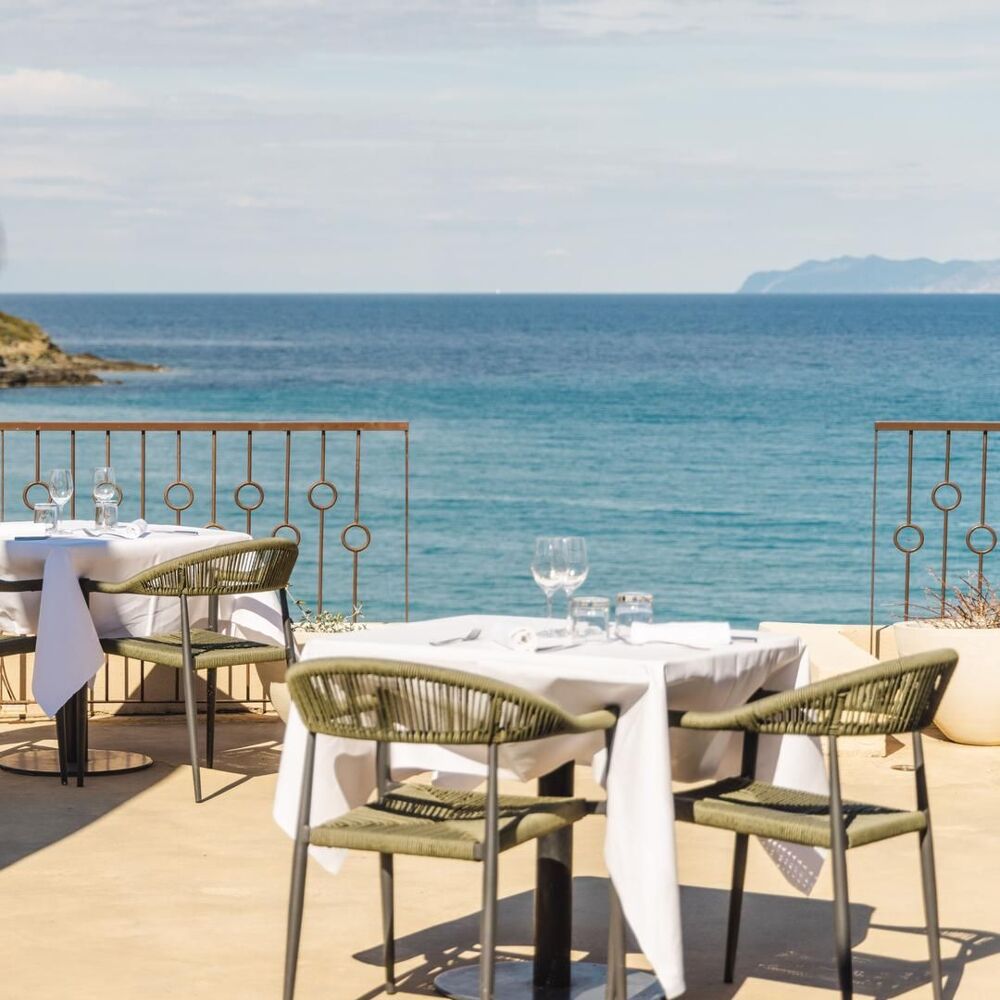
At a Glance
- Quiet
- Scenic
- Romantic
- Cozy
- Casual Hangout
- Family
- Date Night
- Waterfront
- Terrace
- Local Sourcing
- Waterfront
Current opening hours
- Monday
- Open 24 hours
- Tuesday
- 9 AM–4 PM
- Wednesday
- Closed
- Thursday
- Open 24 hours
- Friday
- Open 24 hours
- Saturday
- Open 24 hours
- Sunday
- Open 24 hours
Hours can change for holidays and private events. Last verified .
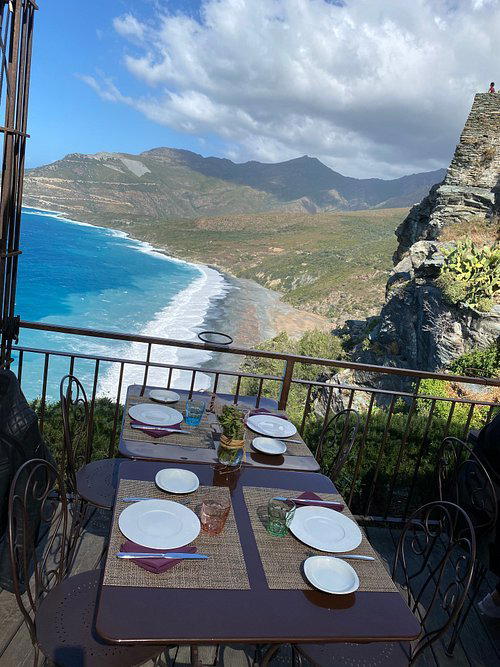
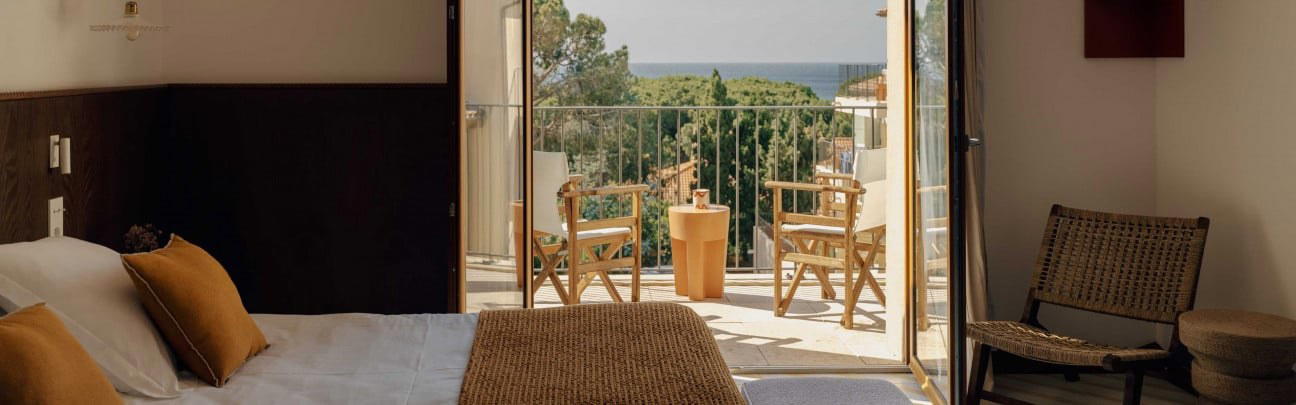
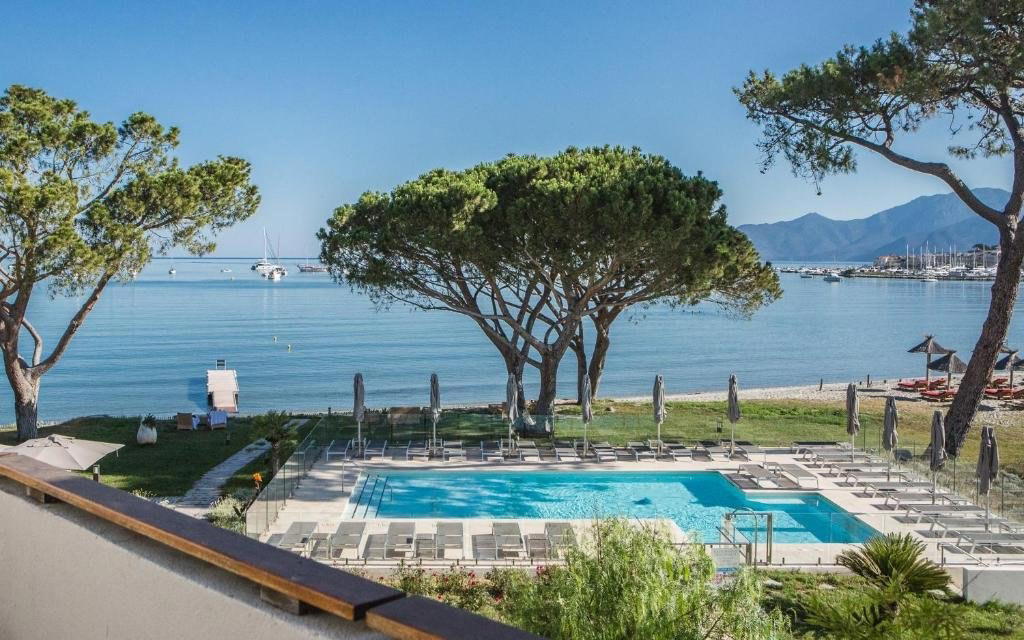
Quiet and peaceful atmosphere surrounded by the sea, with natural lighting and a calm, meditative environment enhanced by the sound of waves.