Tuscano Italian Kitchen
Tuscano Italian Kitchen on Cypress Creek Road occupies a middle ground in Cedar Park's dining scene where Italian-American comfort and Texas-scale appetite converge. The kitchen draws from the Italian tradition of ingredient-forward cooking, letting sourcing decisions carry the weight that elsewhere falls to elaborate technique. For a suburb whose restaurant range has expanded sharply in recent years, it fills a specific and practical gap.
Pearl is the En Primeur Club membership app — saves, bookings, and concierge access live there. Same editors, same standards.
- Address
- 1525 Cypress Creek Road, Cedar Park, TX 78613
- Phone
- +15129968990
- Website
- tuscanoitalian.com
- Directions
- Get directions
 Saves & bookings on Pearl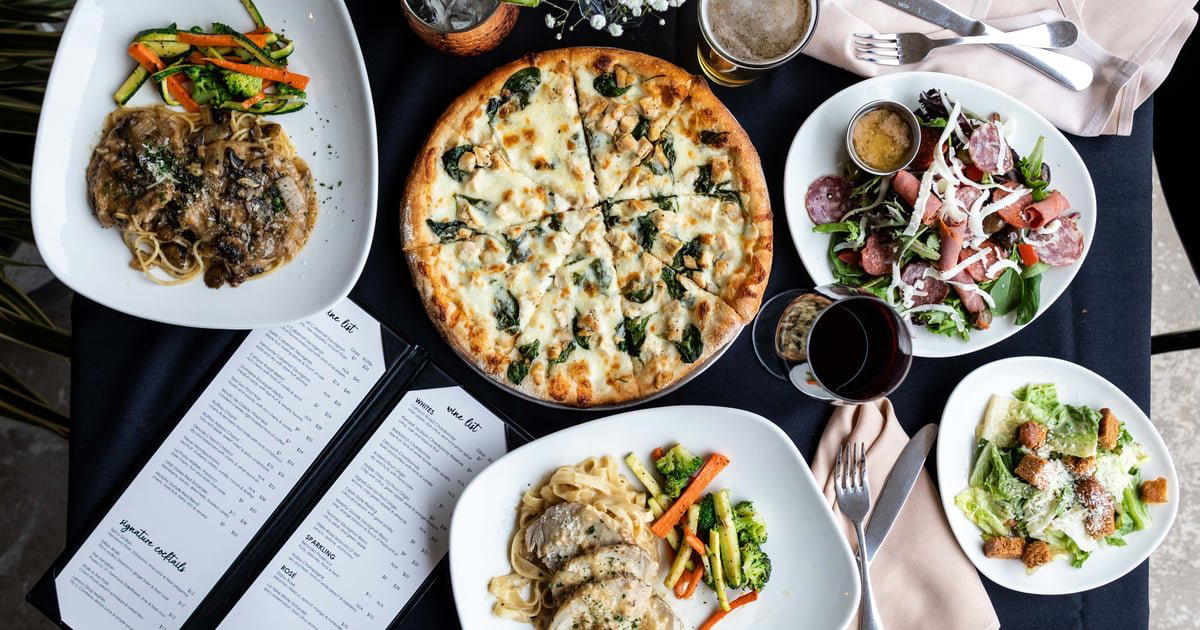
Italian Cooking in a Texas Suburb: What the Setting Tells You
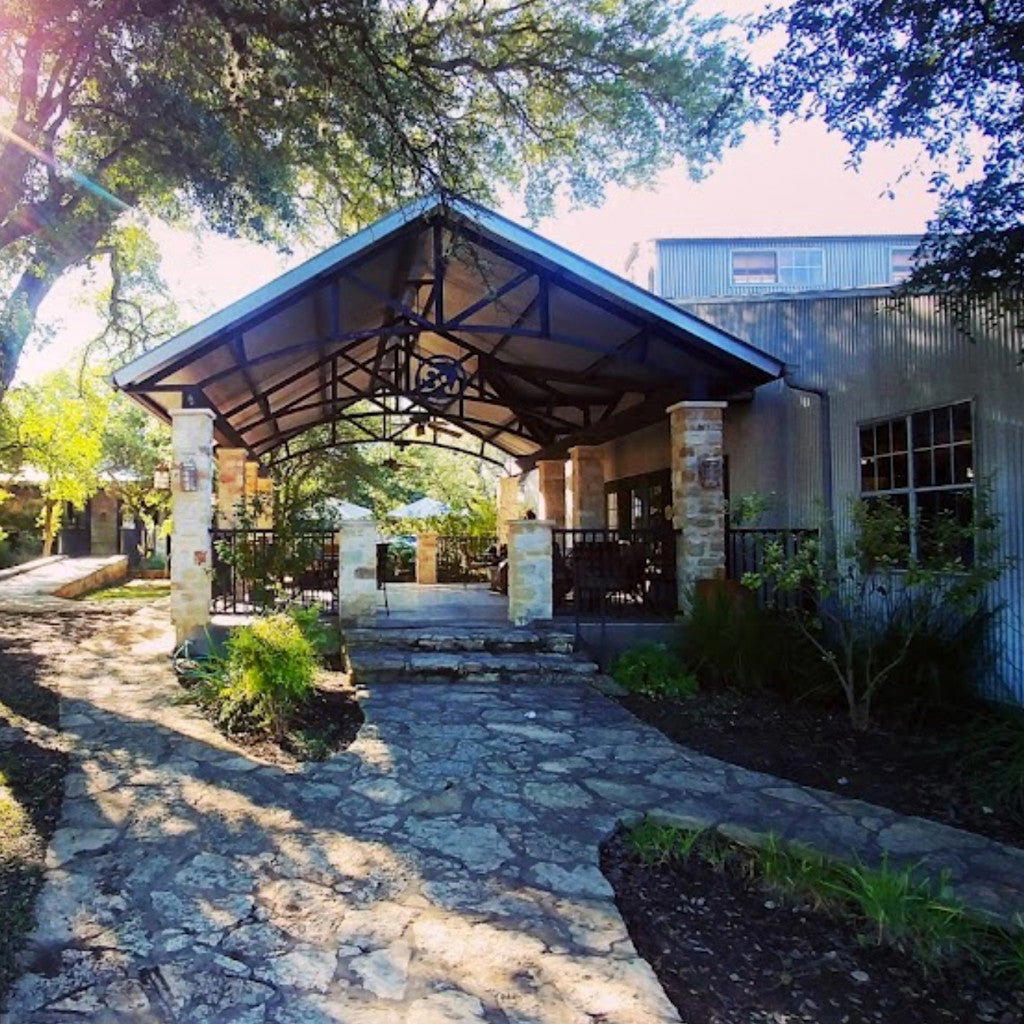
Cedar Park sits at the northern edge of the Austin metro, where the density of the city thins into strip-mall corridors and planned residential developments. Cypress Creek Road, where Tuscano Italian Kitchen is addressed at number 1525, runs through that commercial fabric: accessible, car-oriented, built around the practical rhythms of a fast-growing suburb rather than the foot-traffic logic of a restaurant district. That context shapes expectations before you arrive. This is neighbourhood Italian, in the American sense, a category that at its worst leans on cheese volume and portion size, and at its leading holds to ingredient discipline.
The suburban Italian format is among the more tested in American dining. It has to serve multiple roles simultaneously: weeknight dinner for families, date-night fallback, group celebration venue. The better operators in this category understand that the cuisine's regional Italian roots were about the quality of a few primary ingredients, the olive oil, the tomato, the pasta itself. That sourcing logic, when maintained in a suburban American context, is what separates a kitchen worth returning to from one that coasts on comfort-food familiarity.
The Ingredient Question in Italian-American Cooking
Italian cooking's foundational claim, that good ingredients need minimal intervention, becomes harder to honour at scale and at American price points. The gap between a San Marzano tomato and a commodity canned alternative is measurable in acidity and sweetness; the gap between fresh pasta cut daily and a dry pasta of good provenance and one of poor provenance is equally legible on the plate. Kitchens that take sourcing seriously in this format tend to show it in texture first: a sauce that has actual body from reduction rather than thickener, a pasta that holds its bite at the table rather than collapsing into softness.
Across the broader category, restaurants that have sustained reputation in Italian-American cooking share a consistent trait: the sourcing decisions are visible in the food rather than hidden behind preparation. At the suburban neighbourhood level, the same principle applies, just applied to different price points and different supply chains.
Tuscano operates in a local Cedar Park scene that has grown more varied in recent years. Bitelo Brazilian Steakhouse brings a different protein-centred tradition to the same market; Soto and Tandoor by Kababeque represent the Asian and South Asian options that have expanded the area's range. The Peached Tortilla and Spare Birdie anchor different ends of the casual dining spectrum. Italian, in that mix, occupies familiar ground, the genre that many American diners choose when the occasion calls for something reliable rather than adventurous.
How Tuscano Sits in the Broader Italian Dining Conversation
The Italian dining category in the United States spans a wide range. At the high end, kitchens like Le Bernardin in New York City and Alinea in Chicago apply fine-dining rigour to European culinary traditions with sourcing chains that trace back to specific producers. Farm-integration operations like Single Thread Farm in Healdsburg and Blue Hill at Stone Barns in Tarrytown have made ingredient provenance the central editorial proposition of their entire model. At the other end of the spectrum, the neighbourhood Italian restaurant in a Texas suburb operates with entirely different constraints, different supply access, different price ceiling, different customer expectation about portion and pacing.
Suburban Italian kitchens share with those upper-tier operations an awareness that the cuisine's credibility rests on ingredient honesty. A well-sourced tomato at a $15 pasta dish carries the same argumentative weight as a sourced heritage grain at a $45 tasting menu course, it is evidence that the kitchen has a point of view about what goes on the plate. That is the standard against which any serious Italian-American restaurant should be assessed.
Other American restaurants that have built sustained reputations on ingredient-first thinking, Emeril's in New Orleans, Lazy Bear in San Francisco, Providence in Los Angeles, Addison in San Diego, The Inn at Little Washington in Washington, The French Laundry in Napa, and Atomix in New York City, operate at a different scale and price point, but the underlying argument is identical: sourcing is not a marketing claim, it is a cooking decision that shows up in the food.
Planning Your Visit
Tuscano Italian Kitchen is at 1525 Cypress Creek Road, Cedar Park, TX 78613, in a corridor that is straightforwardly accessible by car from most of the northern Austin suburbs. Parking is typical for the area. Reservations are recommended, and the current hours are Mon: 5-9 PM; Tue: 5-9 PM; Wed: 5-9 PM; Thu: 11 AM-2:30 PM, 5-9 PM; Fri: 11 AM-2:30 PM, 4-9 PM; Sat: 11:30 AM-9 PM; Sun: 11:30 AM-8 PM. For Cedar Park dining in the Italian genre, reservations are recommended, especially on Friday and Saturday evenings.
For a fuller picture of Cedar Park's restaurant scene, including options across cuisine types and formats, see our full Cedar Park restaurants guide.
In Context: Similar Options
Comparable venues nearby, for context on price, style, and recognition.
| Venue | Cuisine | Price | Notes |
|---|---|---|---|
| Tuscano Italian KitchenThis venue — the venue you are viewing | Italian with Texas Twist | $$ | Not listed |
| Soto | Japanese Sushi & Omakase | $$ | Cedar Park |
| Spare Birdie | Modern American Gastropub | $$ | Cedar Park |
| Bitelo Brazilian Steakhouse | Authentic Brazilian Churrascaria | $$$$ | Cedar Park |
| The Peached Tortilla | Asian Fusion with Southern Comfort | $$ | near Mayfield Ranch |
| Tandoor by Kababeque | Pakistani & North Indian | $$ | Cedar Park |
Continue exploring
More in Cedar Park
Restaurants in Cedar Park
Browse all →
Bars in Cedar Park
Browse all →
Hotels in Cedar Park
Browse all →

At a Glance
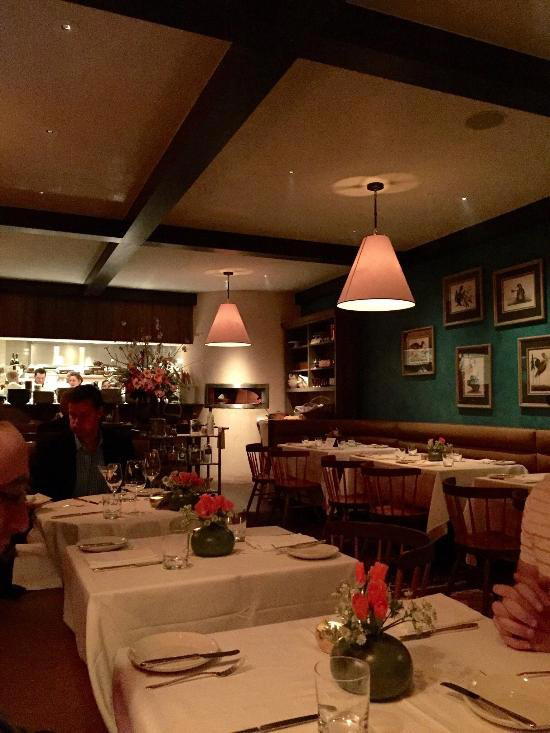
- Cozy
- Rustic
- Family
- Group Dining
- Casual Hangout
- Open Kitchen
Current opening hours
- Monday
- 5–9 PM
- Tuesday
- 5–9 PM
- Wednesday
- 5–9 PM
- Thursday
- 11 AM–2:30 PM, 5–9 PM
- Friday
- 11 AM–2:30 PM, 4–9 PM
- Saturday
- 11:30 AM–9 PM
- Sunday
- 11:30 AM–8 PM
Hours can change for holidays and private events. Last verified .
welcoming atmosphere with positive guest feedback on vibe and friendly service.