Turmstube

Michelin Plate
Our verdict
Turmstube sits in the countryside outside Neunburg vorm Wald, serving traditional German country cooking at the €€ price point. A Michelin Plate holder in both 2024 and 2025, it represents a strand of rural Bavarian dining where kitchen craft stays grounded in regional tradition rather than reaching for modernist ambition.

Pearl is the En Primeur Club membership app — saves, bookings, and concierge access live there. Same editors, same standards.
- Address
- Hofenstetten 55, 92431 Neunburg vorm Wald, Germany
- Phone
- +49 9439 9500
- Hours
- Daily 12:30–2 PM, 6–10 PM
- Website
- der-birkenhof.de
- Directions
- Get directions
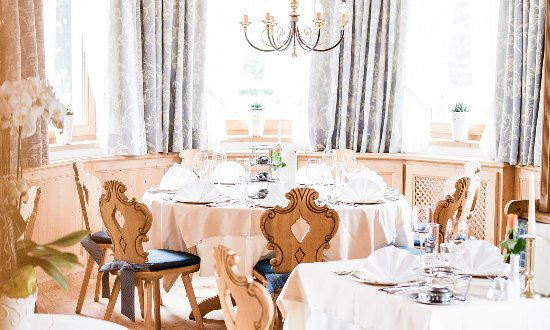
Country Cooking in the Upper Palatinate
Rural Bavaria has two dining registers that rarely intersect. The first is the tourist-facing Gasthaus economy: beer benches, pork knuckle, and litre steins operating on volume. The second is a quieter tradition of family-run kitchens in small market towns and outlying farmsteads, where the cooking reflects what the surrounding landscape actually produces, and the Michelin Guide — working its way through Germany's less-documented regions — occasionally surfaces a Plate recognition to mark the difference. Turmstube, on the road to Hofenstetten just outside Neunburg vorm Wald, belongs to the second register. Its back-to-back Michelin Plate awards in 2024 and 2025 place it within a small cohort of rural Upper Palatinate kitchens operating to a documented standard, even as the venue itself remains far outside the circuits that bring diners to Schwarzwaldstube in Baiersbronn or Aqua in Wolfsburg.
What Country Cooking Means in This Corner of Germany
The Upper Palatinate occupies a geographic and culinary position that German food culture has never quite resolved. It sits at the northeastern edge of Bavaria, bordering Bohemia, with a food tradition that draws from both, heavier than the Rhine-valley cooking you find further west, more forest-and-game-oriented than the southern Alpine registers. The term Landküche, country cooking, carries specific meaning here: dishes built around local meat, freshwater fish from the Naab and Regen river systems, root vegetables, and preserved or foraged ingredients that extend across seasons with limited supply chains. This is not the performative rusticity of urban farm-to-table restaurants. It is cooking shaped by actual geography and actual supply.
Michelin's Plate designation, introduced as the guide expanded its geographic scope in Germany, serves a distinct function from its star rankings. It marks kitchens where the cooking is technically sound and ingredient-honest, without requiring the format ambition or tasting-menu architecture that drives the star tier. Among the high-wattage starred addresses in Germany, Vendôme in Bergisch Gladbach, CODA Dessert Dining in Berlin, JAN in Munich, the Plate functions as a different signal entirely: it tells you the kitchen takes its craft seriously within its own frame of reference. At Turmstube, that frame is country cooking at a mid-range price point (€€), which in the German context means a meal that holds itself to a standard without requiring the outlay of a destination dinner.
Arriving at Hofenstetten 55
The address, Hofenstetten 55, a hamlet address on the outer edge of Neunburg vorm Wald, signals immediately that this is not a high-street restaurant. The Upper Palatinate's small towns are built around church squares and market streets; the kitchens that operate outside those centres tend to anchor themselves to a farm, an inn, or a converted agricultural building. Arriving by car is the practical option, as Neunburg vorm Wald sits roughly 35 kilometres southwest of Schwandorf, with limited public connections to the outlying areas. The drive through the wooded, gently rolling terrain of the Oberpfalz itself reads as context for the cooking that follows: this is a region where the forest is not decorative but functional, where game and mushroom seasons structure what appears on plates.
Neunburg vorm Wald's dining scene is small but developing. Turmstube sits alongside Obendorfers Eisvogel, which takes a more creative approach and represents the town's other Michelin-recognised address. The two operate on different wavelengths: Eisvogel pushes toward contemporary expression, while Turmstube's Michelin recognition is rooted in its fidelity to the country cooking tradition rather than any departure from it. Both are covered in our full Neunburg vorm Wald restaurants guide.
The Position in Germany's Rural Dining Picture
Germany's restaurant culture, as documented by the Michelin Guide and the broader food press, concentrates its attention on a handful of urban centres and a small number of destination kitchens in scenic rural settings, the Moselle Valley addresses like Schanz in Piesport, the Black Forest institutions, the Eifel properties like Waldhotel Sonnora in Dreis. The Upper Palatinate occupies none of those categories. It is not a wine region, not a scenic postcard destination, not a place where serious restaurant-focused travel historically lands. That structural overlooking is what makes a Plate-recognised country kitchen here a different kind of proposition: it is not competing for the same attention as ES:SENZ in Grassau or Restaurant Haerlin in Hamburg. It exists within a local dining economy and is assessed within that frame.
A kitchen that has received Michelin Plate recognition in consecutive years is operating to a standard the guide's inspectors, who visit anonymously and repeatedly, have validated. That divergence between Michelin assessment and thin public data is common in rural venues where the clientele is local, word-of-mouth driven, and not inclined to post reviews. Comparable country cooking venues in neighbouring regions, such as 21.9 in Piobesi d'Alba or Andrea Monesi - Locanda di Orta in Orta San Giulio, operate in the same dynamic: recognised by the guide, lightly reviewed online, primarily serving a regional audience.
Planning Your Visit
Turmstube sits at the €€ price bracket, which positions it as an accessible meal rather than a special-occasion outlay. Phone and website details are not publicly listed in the sources available, which suggests bookings may operate through direct contact or walk-in, a pattern common among smaller rural Bavarian kitchens. Arriving in the area with some flexibility in schedule, or making enquiries through local accommodation, is the pragmatic approach. For those building a wider Neunburg vorm Wald itinerary, our Neunburg vorm Wald hotels guide, bars guide, wineries guide, and experiences guide cover the surrounding options. The town is small enough that a single overnight stay can cover its dining and drinking scene with time to spare for the forests and the Schwarzach river valley beyond.
Frequently asked questions
Would Turmstube be comfortable with kids?
A €€ country kitchen in rural Bavaria is among the more relaxed formats in German dining, without the formality or price pressure that makes fine-dining rooms tense for families. Nothing in the Michelin Plate listing or the country cooking designation suggests otherwise. The setting at Hofenstetten 55 points toward an informal register that typically accommodates a mixed-age table without difficulty.
Is Turmstube better for a quiet night or a lively one?
The address alone answers this: Hofenstetten 55 is a hamlet on the outer edge of Neunburg vorm Wald, not a town-centre venue. Country cooking at the €€ level in this setting runs toward unhurried dinners rather than high-tempo evenings. If you want a lively room, look to Regensburg; Turmstube is the meal you plan when you want the opposite.
What's Turmstube known for in terms of accolades?
Turmstube has received recognition including: Michelin Plate (2025); Michelin Plate (2024).
What should I eat at Turmstube?
Turmstube holds a Michelin Plate in both 2024 and 2025, awarded for consistent quality in country cooking rather than for a single signature dish. That designation points toward grounded, regional fare rooted in Upper Palatinate tradition. A kitchen operating at the €€ price point in rural Bavaria typically anchors its menu in local produce and seasonal rhythm, so ordering along those lines is the reasonable approach.
Price and Recognition
| Venue | Cuisine | Price | Awards | Notes |
|---|---|---|---|---|
| TurmstubeThis venue — the venue you are viewing | Seasonal German Fine Dining | $50–100 | Michelin Plate | Not listed |
| Schwarzwaldstube | French, Classic French | Not listed | Michelin 3 Star | Not listed |
| Aqua | Not listed | Not listed | Michelin 3 Star | Contemporary German, Italian/Japanese, Creative |
| CODA Dessert Dining | Creative | Not listed | Michelin 2 Star | Not listed |
| Tantris | Modern French, French Contemporary | Not listed | Michelin 2 Star | Not listed |
| Vendôme | Modern European, Creative | Not listed | Michelin 2 Star | Not listed |
Recognition history
Dated appearances from independent guides and award organizations, with the underlying list record or original source where available.
Michelin Plate
Michelin · 2026 Michelin Plate
Full recognition history (3 entries)
Michelin Plate
Michelin
Michelin Plate
Michelin
Continue exploring
More in Neunburg vorm Wald
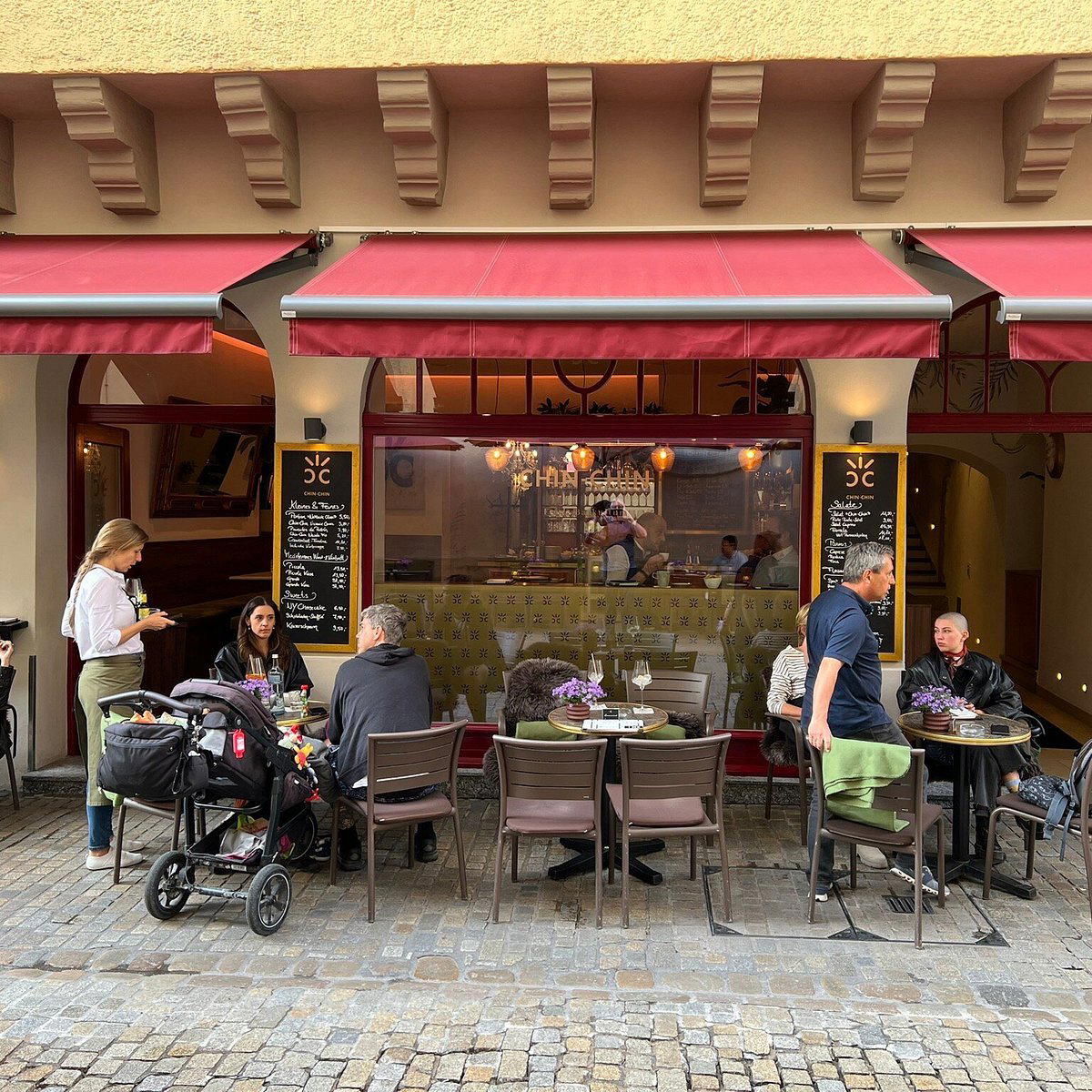
Restaurants in Neunburg vorm Wald
Browse all →
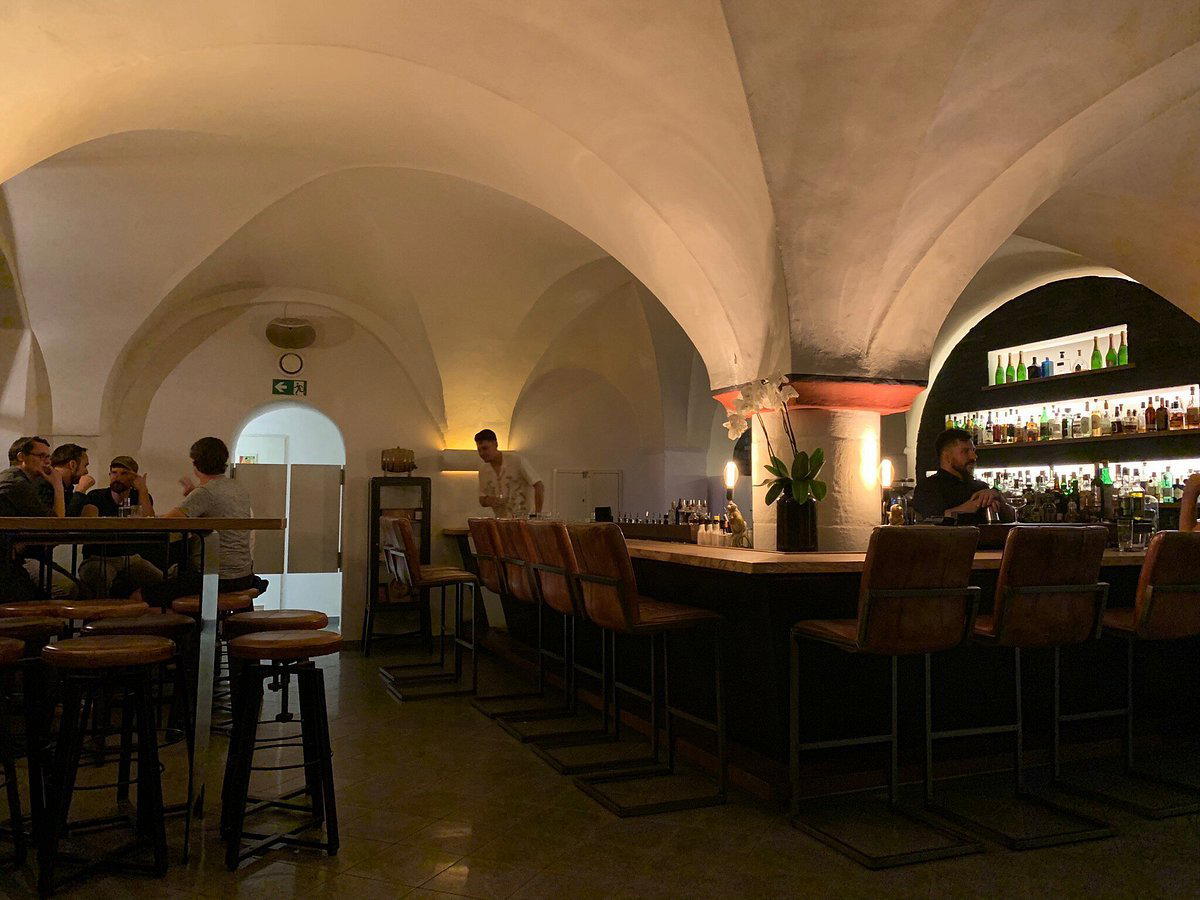
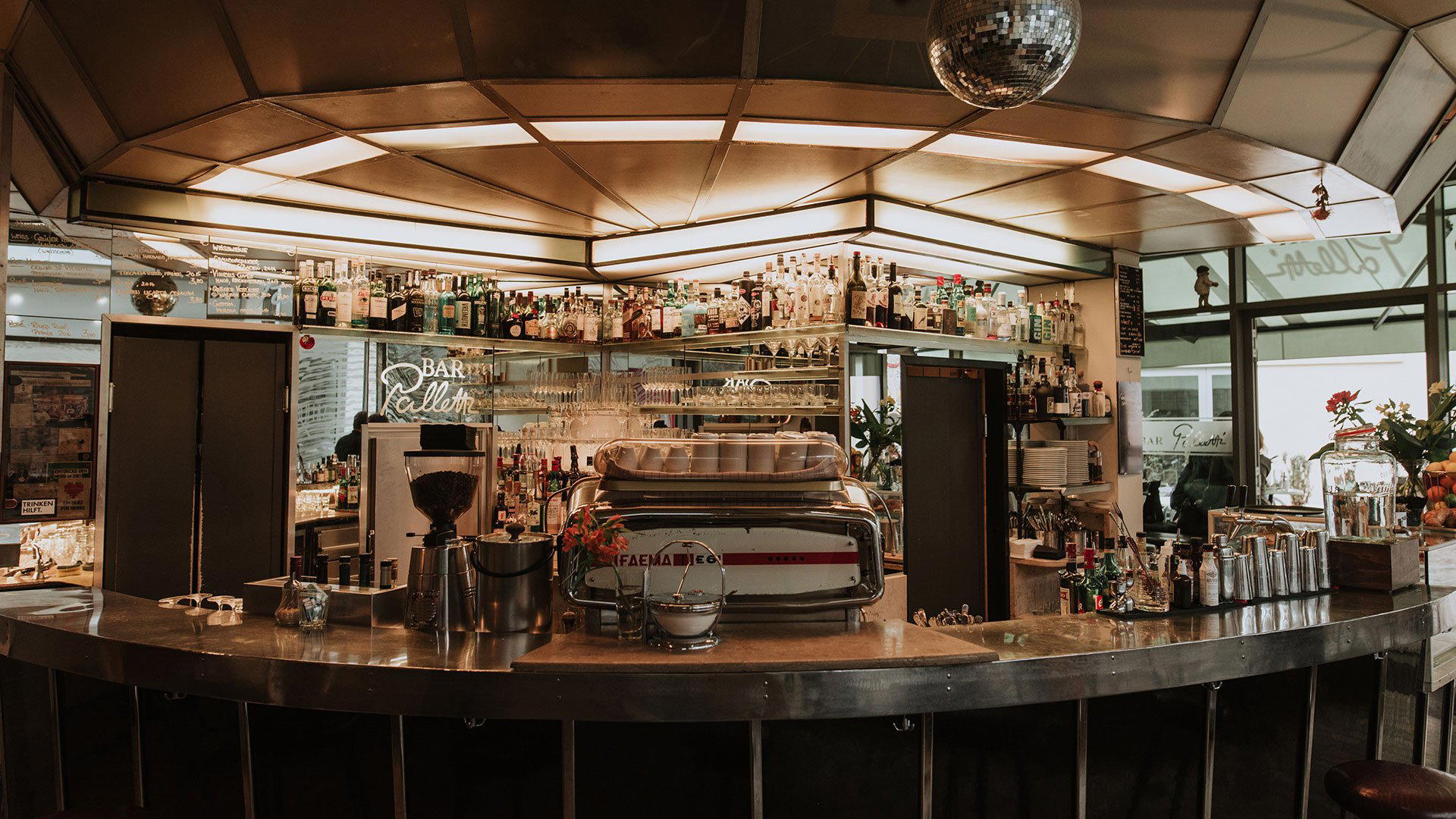
Bars in Neunburg vorm Wald
Browse all →
Hotels in Neunburg vorm Wald
Browse all →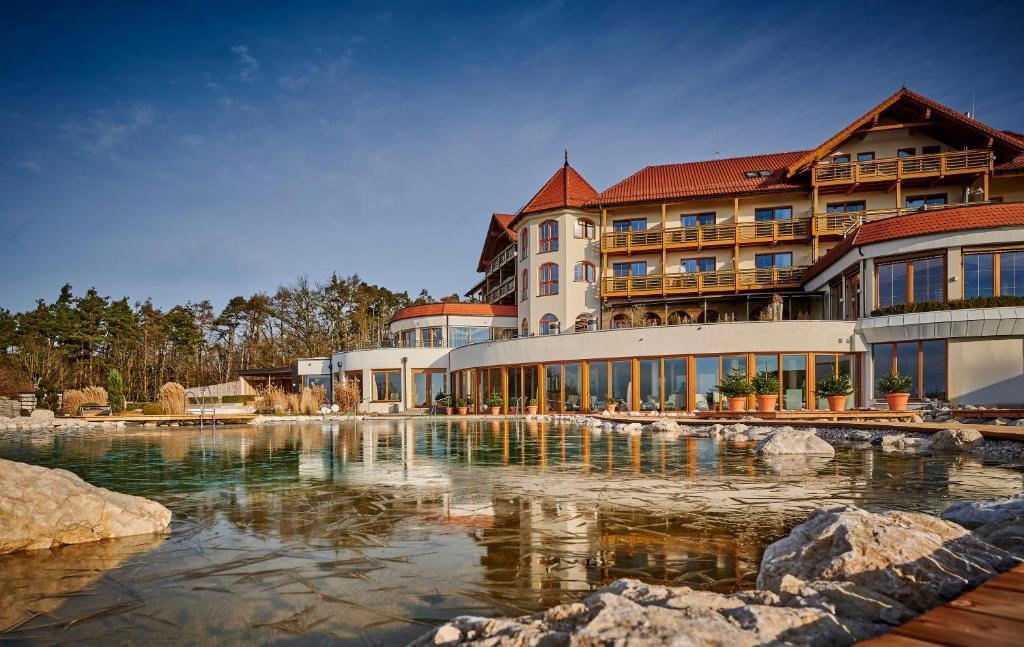
Wineries in Neunburg vorm Wald
Browse all →
Details
- Elegant
- Sophisticated
- Scenic
- Date Night
- Special Occasion
- Business Dinner
- Hotel Restaurant
- Garden
- Terrace
- Extensive Wine List
- Local Sourcing
- Garden
- A La Carte
- Set Menu
- Wine
- Vegetarian Friendly
Current opening hours
- Monday
- 12:30–2 PM, 6–10 PM
- Tuesday
- 12:30–2 PM, 6–10 PM
- Wednesday
- 12:30–2 PM, 6–10 PM
- Thursday
- 12:30–2 PM, 6–10 PM
- Friday
- 12:30–2 PM, 6–10 PM
- Saturday
- 12:30–2 PM, 6–10 PM
- Sunday
- 12:30–2 PM, 6–10 PM
Hours can change for holidays and private events. Last verified .
Elegant and refined atmosphere with warm, attentive service in a sophisticated dining space overlooking the hotel gardens.