Our verdict
Tulip Restaurant sits on Pakington Street in Geelong's Westend precinct, a stretch that has become the city's most concentrated dining corridor. The kitchen operates within a neighbourhood that rewards specificity over scale, placing Tulip alongside a cohort of focused, independently run venues. For visitors already familiar with Geelong's dining direction, it represents a natural point of entry into the Pakington Street scene.

Pearl is the En Primeur Club membership app — saves, bookings, and concierge access live there. Same editors, same standards.
- Address
- 9/111 Pakington St, Geelong VIC 3218, Australia
- Phone
- +61352296953
- Hours
- Mon ClosedTue–Thu 5:30–10 PMFri–Sat 12–10 PMSun Closed
- Website
- tuliprestaurant.com.au
- Directions
- Get directions
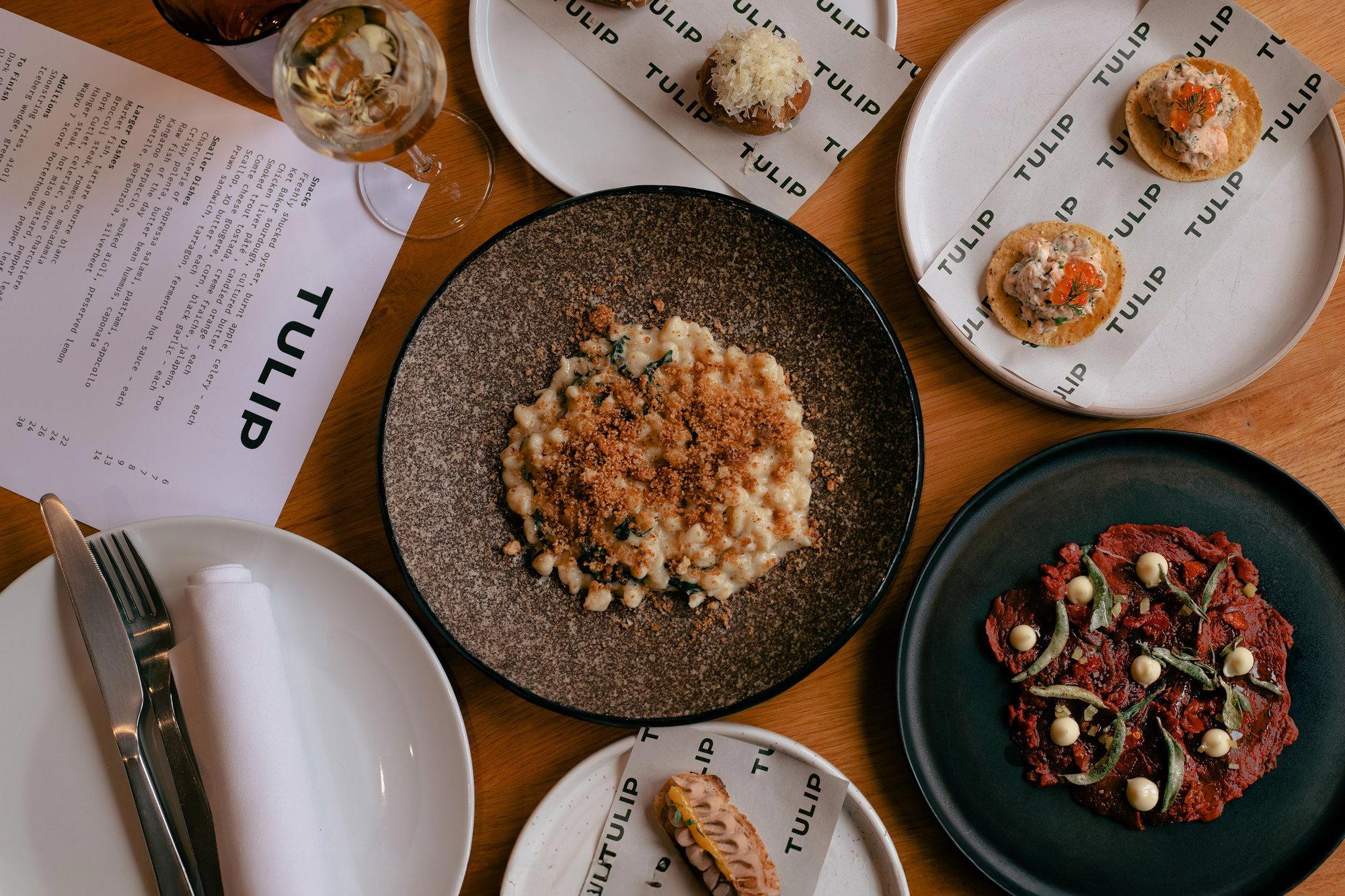
Pakington Street and the Geelong Dining Shift
Geelong's dining character has changed meaningfully over the past decade. The city once positioned itself as Melbourne's satellite, content to offer scaled-down versions of what the capital did first. That posture has largely dissolved. Pakington Street in the Westend has emerged as the clearest evidence of what Geelong's independent dining scene now looks like: a walkable strip where operator-led, single-location venues occupy shopfronts that once turned over quickly. The address at 9/111 Pakington Street places Tulip Restaurant inside this corridor, in a suburb that has attracted a consistent cluster of operators who treat the neighbourhood as a permanent base rather than a stepping stone.
The Westend sits at a different register from Geelong's waterfront precinct, which skews toward higher-volume, visitor-facing formats. Pakington Street operates on foot traffic that is predominantly local, which shifts what a room needs to do. The pressure is on repeat visits rather than first impressions, and that tends to produce tighter, more considered operations. Venues on this strip compete less on spectacle and more on consistency, and the dining public here has become correspondingly more exacting. For context on the broader Geelong dining picture, our full Geelong restaurants guide maps this shift across the city's precincts.
The Collaborative Logic of a Tight Room
In smaller independent venues, the relationship between kitchen, floor, and the person steering the drinks program is rarely siloed. The editorial angle that matters most when assessing a restaurant like Tulip is not any single department in isolation but the coherence between them. Australian dining culture, particularly in regional cities, has moved toward formats where front-of-house staff carry genuine product knowledge rather than acting as order-takers. This is partly a staffing economics story: smaller operations cannot support deep specialisation, so individuals carry broader briefs. But it also reflects a shift in what local diners expect when they return to a venue repeatedly.
The restaurants that hold their position on streets like Pakington tend to be the ones where the floor and the kitchen are visibly in conversation. Recommendations land differently when the person making them understands what is happening on the pass. That dynamic is harder to manufacture than a designed room or a clever menu concept, and it is the dimension that separates venues which sustain a local following from those that rely on novelty cycles. Comparable independent operators in Geelong's current peer group include Archive Wine Bar, which has built its position around exactly this kind of floor-level authority, and Café Palat, where a focused menu format keeps the team's knowledge concentrated rather than spread thin.
Regional Context: What Geelong Sits Beside
Understanding where Tulip sits requires some sense of the regional frame. Victoria's fine dining and destination restaurant circuit is anchored at the leading by venues like Attica in Melbourne and Brae in Birregurra, the latter roughly an hour southwest of Geelong and consistently among the most discussed regional restaurants in the country. That tier sets a ceiling that most Geelong venues do not compete against directly. The operative comparison is closer to Melbourne's mid-tier independents: venues in the $60-120 per head range that have built recognisable identities without large-group backing or celebrity chef profiles.
Nationally, this kind of operator-led neighbourhood restaurant has become the segment with the most interesting movement. Venues like Rockpool in Sydney represent an earlier model of institutionalised fine dining that the current generation has largely moved away from. The energy is instead in formats that feel closer to what Bar Carolina in South Yarra or Barry Cafe in Northcote represent: deliberate, specific, and built around a defined point of view rather than comprehensive menus and formal service hierarchies. Geelong's Pakington Street sits inside that broader national current, and Tulip occupies a position within it.
Other independent venues on the strip and nearby offer useful points of triangulation. Anh Chi Em has staked out a lane in Vietnamese-led cooking that draws a clear local following. Bao Place brings a focused format that trades menu breadth for precision. Caruggi addresses the Italian-leaning side of the precinct's appetite. Together they sketch a corridor that has moved well past the point where Geelong dining needs to apologise for not being Melbourne.
Planning Your Visit
Pakington Street operates at a neighbourhood pace, which means the logistics are less fraught than booking windows at, say, Le Bernardin in New York City or Atomix in New York City. That said, independent venues on active strips do fill on weekends, and arriving without a plan on a Friday or Saturday evening is a different proposition from a midweek visit. The Pakington Street precinct is leading approached as a destination evening rather than a drop-in, partly because the surrounding venues reward lingering and partly because parking and foot traffic patterns make it easier to commit to the area for a full evening. The address is 9/111 Pakington Street, Geelong.
For visitors combining Tulip with a wider Geelong itinerary, the waterfront precinct is a short drive east, and the Bellarine Peninsula wineries are accessible within 30 to 45 minutes. If your interest runs to regional Victoria more broadly, the Birregurra dining corridor and the Surf Coast are both within range of a day trip from the city. Venues like Jaani Street Food in Ballarat show how smaller Victorian cities have developed their own distinct dining identities that are worth factoring into a broader itinerary.
Frequently asked questions
What's the address for Tulip Restaurant?
Tulip Restaurant is located at 9/111 Pakington St, Geelong VIC 3218, Australia, Geelong.
How does Tulip Restaurant fit into the broader Geelong and regional Victoria dining scene?
Tulip sits on Pakington Street, which has become one of Geelong's more considered strips for independent hospitality as the city moves beyond its historical role as a Melbourne satellite. Victoria's destination dining circuit extends from the Mornington Peninsula through the Surf Coast and into the Bellarine, and venues at the Geelong node of that circuit — like those on Pakington Street — increasingly draw visitors making a deliberate regional stop rather than a passing one.
What should I order at Tulip Restaurant?
Specific menu details for Tulip are not published in advance, which is consistent with smaller independent venues on Pakington Street that rotate dishes based on seasonal availability. The editorial focus on the kitchen-floor relationship at Tulip suggests the menu is driven by the room's collaborative approach rather than a fixed signature dish. Asking the floor staff directly on arrival is the most reliable way to get current recommendations.
Is Tulip Restaurant reservation-only?
Booking policy details are not listed publicly for Tulip at 9/111 Pakington St, Geelong. Pakington Street operates at a neighbourhood pace, so walk-ins may be possible at quieter sessions, but smaller independent rooms in Geelong's current dining moment tend to fill quickly on weekends. Contacting the venue directly before visiting is the safest approach.
Do they accommodate allergies at Tulip Restaurant?
No formal allergy policy is published for Tulip Restaurant. Smaller independent venues in Geelong's neighbourhood dining circuit generally handle dietary requirements on a per-booking or per-visit basis. Reaching out ahead of your visit via the venue's contact channels gives the kitchen the best opportunity to accommodate specific needs.
Budget and Context
Comparable venues nearby, for context on price, style, and recognition.
| Venue | Cuisine | Price | Awards | Notes |
|---|---|---|---|---|
| Tulip RestaurantThis venue — the venue you are viewing | Modern Australian Share Plates | $50–100 | Not listed | Not listed |
| Davidson Restaurant | Modern Australian | $20–30 | Not listed | arts precinct, Modern Australian |
| Anh Chi Em | Authentic Vietnamese | $20–30 | Not listed | Highton, Authentic Vietnamese |
| Archive Wine Bar | Wine Bar with Grazing Plates | Not listed | Star Wine List | Belmont, Wine Bar with Grazing Plates |
| Grace of Spice Indian Restaurant | Authentic Indian | $20–30 | Not listed | Belmont, Authentic Indian |
| Bao Place | Modern Asian Bao & Street Food | $20–30 | Not listed | Geelong West, Modern Asian Bao & Street Food |

Details
- Modern
- Cozy
- Intimate
- Sophisticated
- Date Night
- Celebration
- Special Occasion
- Open Kitchen
- Extensive Wine List
- Local Sourcing
- Small Plates
- Tasting Menu
- Set Menu
- Vegetarian Friendly
- Vegan Options
- Gluten Free Options
Current opening hours
- Monday
- Closed
- Tuesday
- 5:30–10 PM
- Wednesday
- 5:30–10 PM
- Thursday
- 5:30–10 PM
- Friday
- 12–10 PM
- Saturday
- 12–10 PM
- Sunday
- Closed
Hours can change for holidays and private events. Last verified .
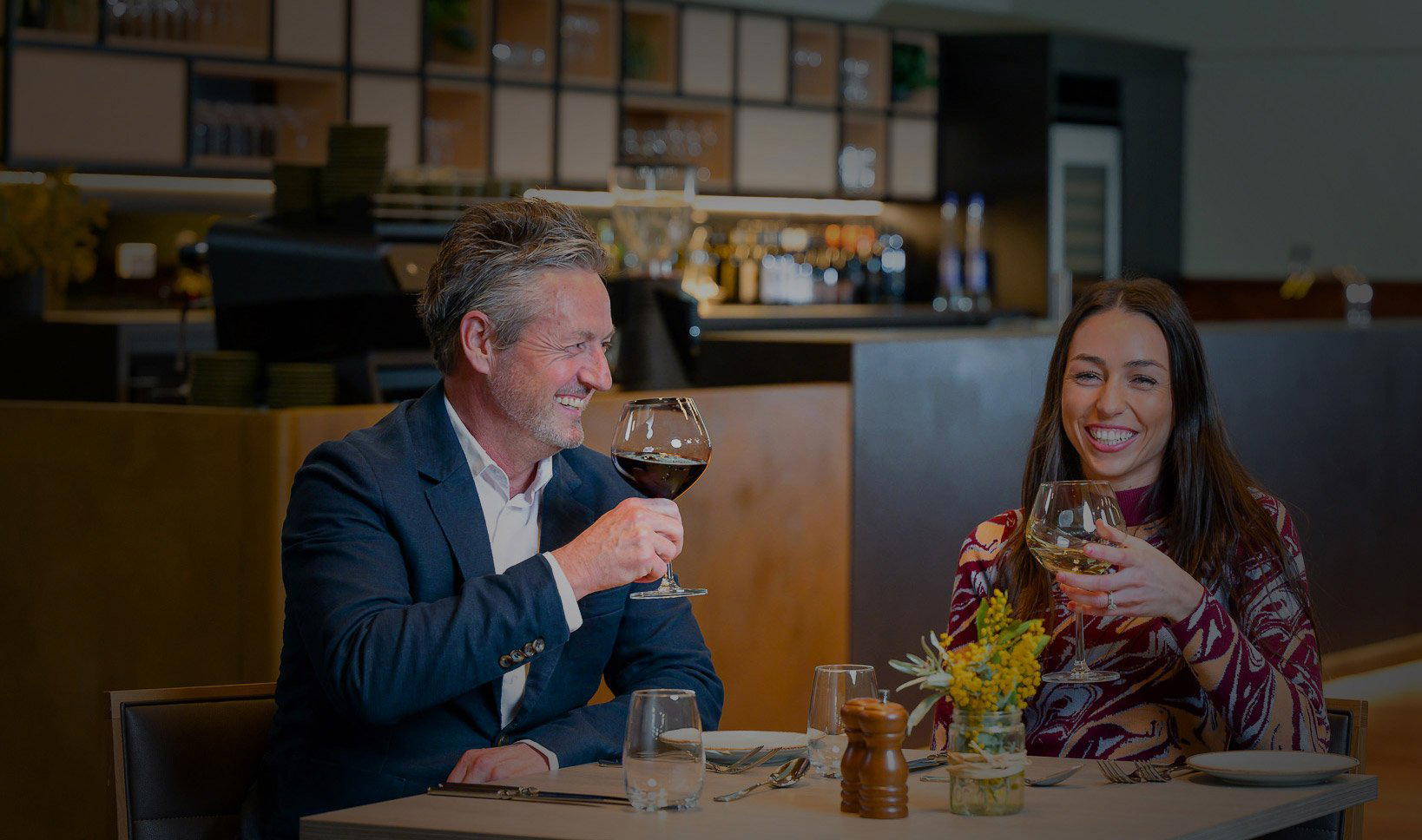
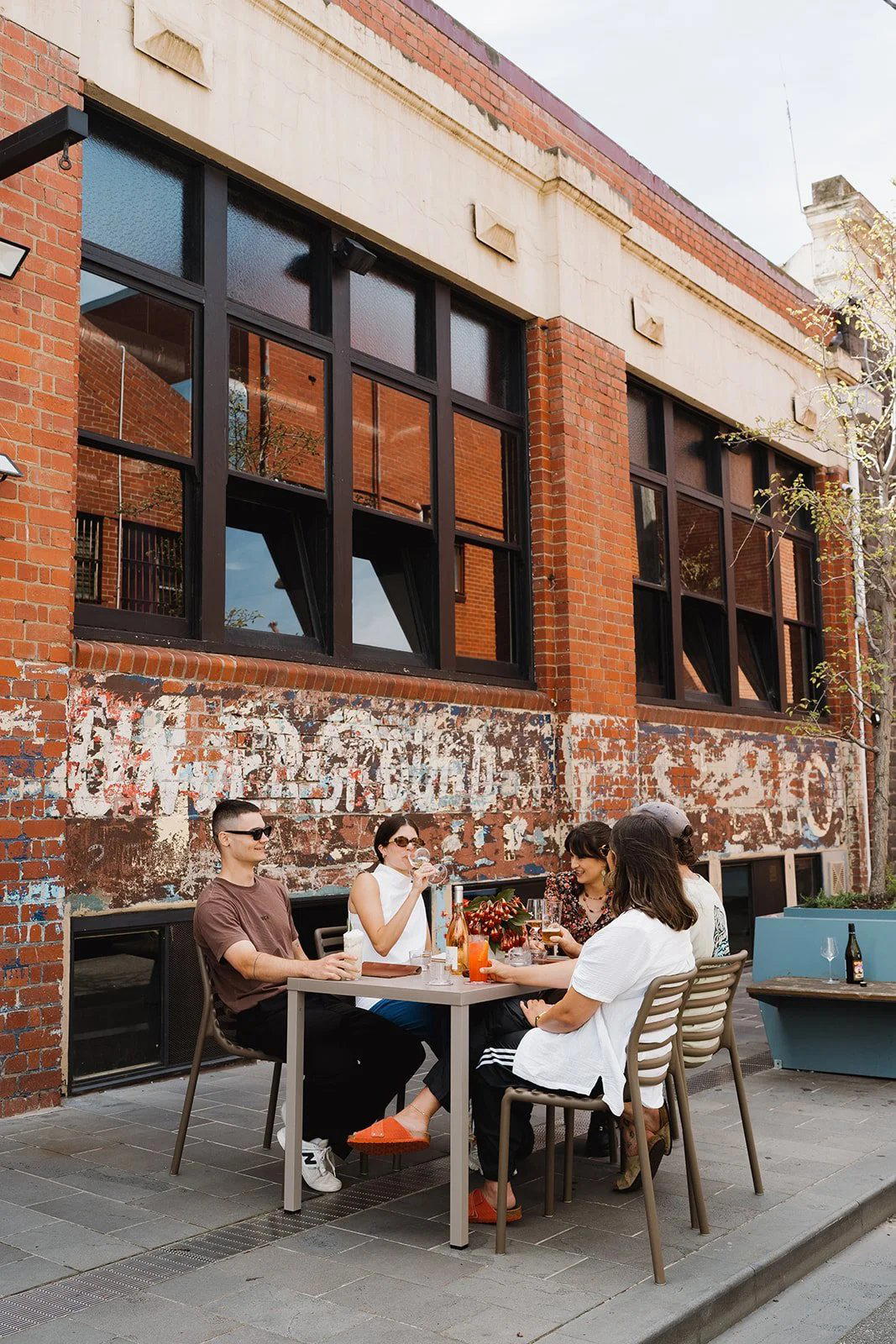
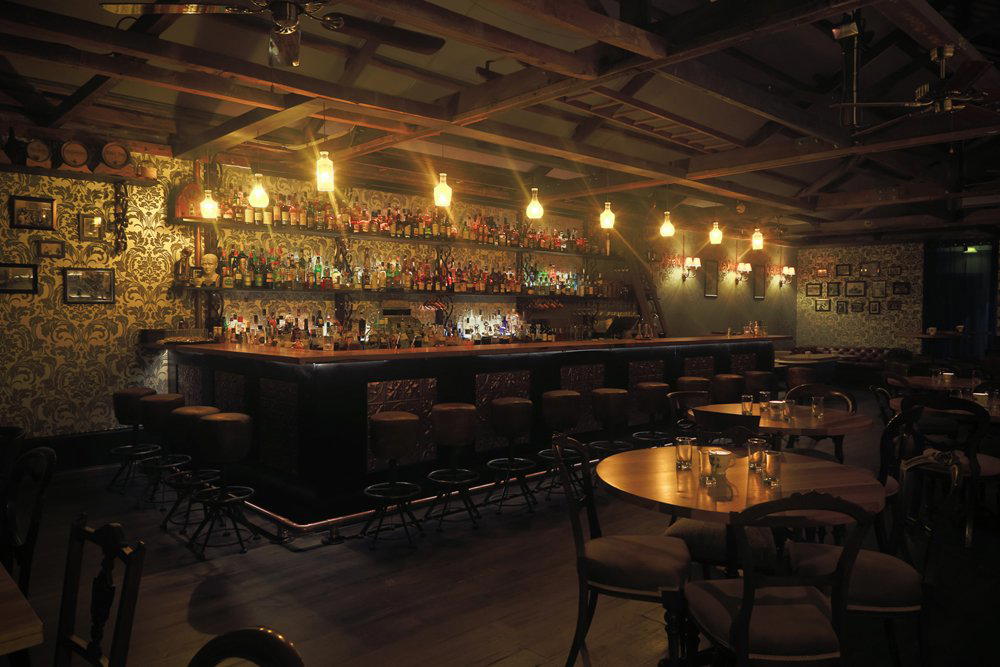
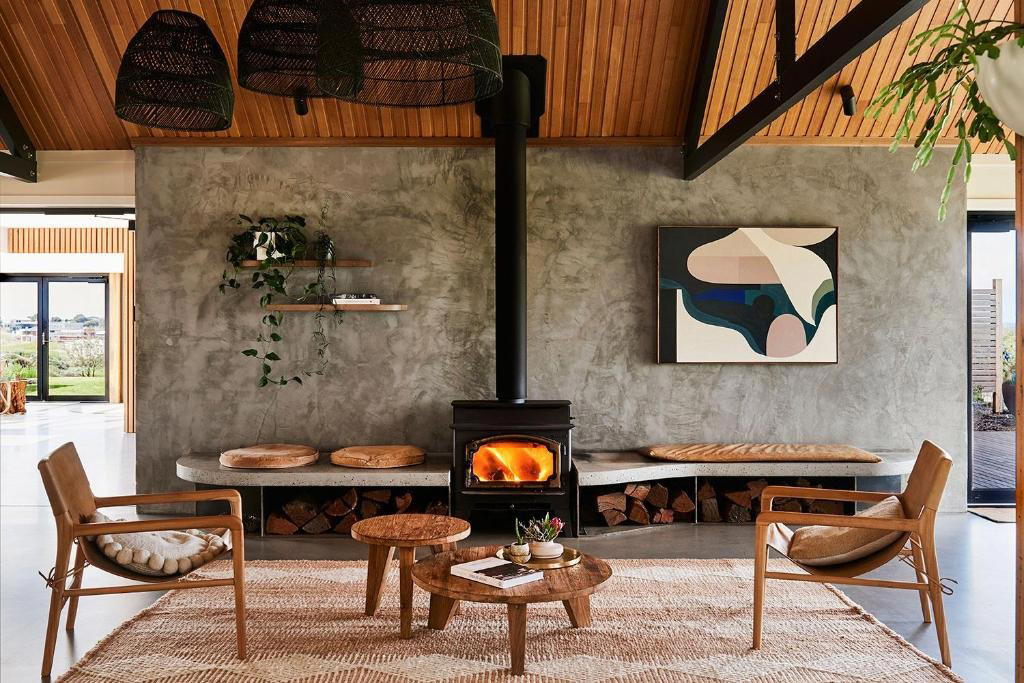
Contemporary relaxed vibe with comfortable decor, warm welcoming atmosphere, and intimate seating that fosters connection.