








A Michelin-starred tasting menu restaurant on Vallum Farm, a stone's throw from Hadrian's Wall, Pine places Northumbrian ingredients at the centre of a progressive, Nordic-influenced format. Chefs Cal Byerley and Ian Waller work from a kitchen garden and forage the surrounding land, producing around 18 courses that draw on fermentation, fire, and hyper-local sourcing. La Liste ranked it among Europe's top restaurants in both 2025 and 2026.
Pearl is the En Primeur Club membership app — saves, bookings, and concierge access live there. Same editors, same standards.
- Address
- Vallum Farm, Military Rd, East Wallhouses, Newcastle upon Tyne NE18 0LL, United Kingdom
- Phone
- +44 1434 671202
- Website
- restaurantpine.co.uk
- Directions
- Get directions
 Saves & bookings on Pearl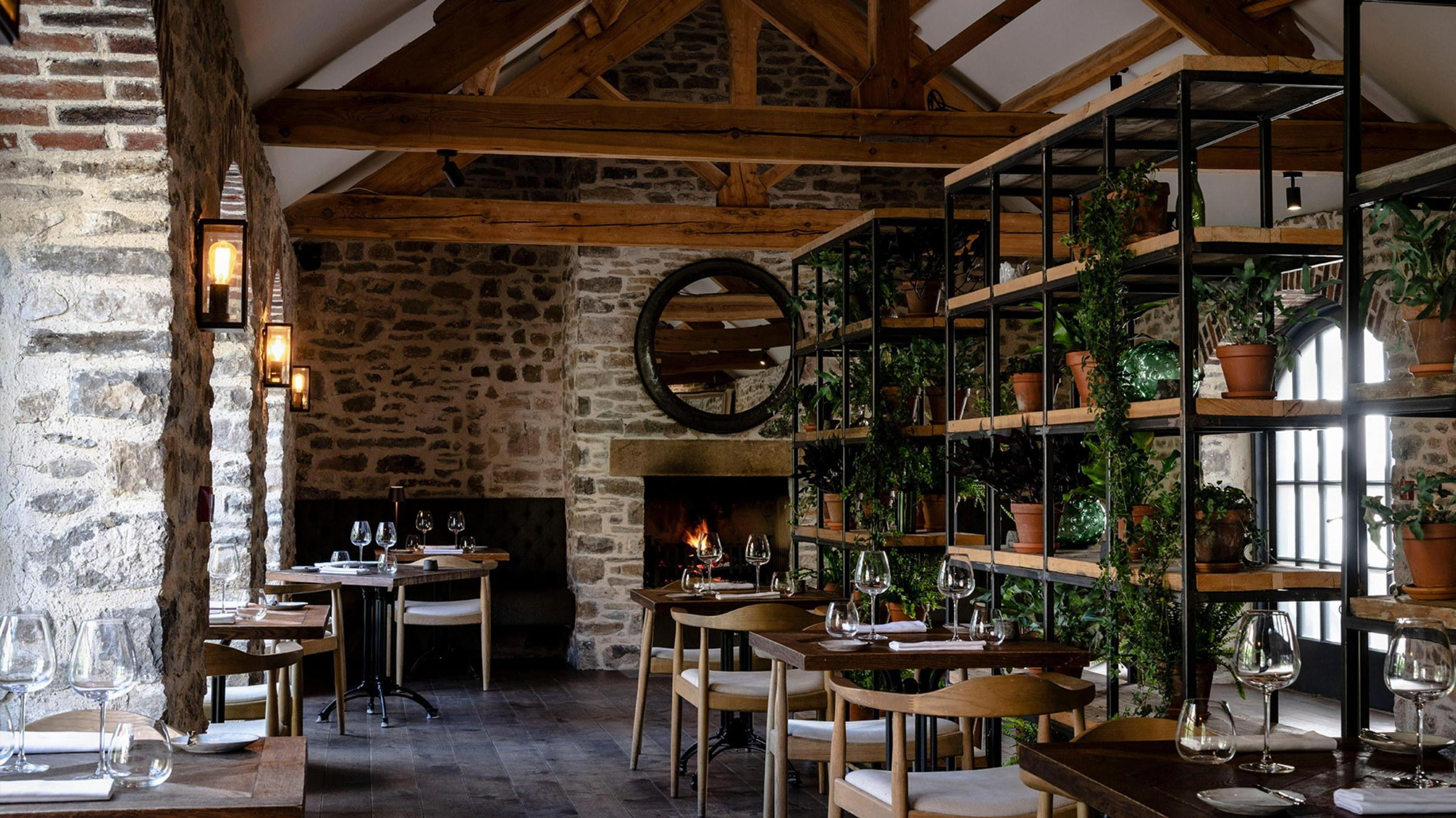
Where Hadrian's Wall Meets the Open Kitchen
Arriving at Vallum Farm along the Military Road, the approach tells you something before you've sat down. The building is a converted rural industrial unit — low, functional, undecorated on the outside — set against the rolling Northumberland uplands that once formed the frontier of the Roman Empire. That gap between modest exterior and what happens inside is not an accident. It is, in many ways, the point. The dining room's floor-to-ceiling windows frame the farmland beyond, but the room's geometry draws the eye inward, toward a gleaming open kitchen where the real action unfolds across some 18 courses.
The Nordic-influenced, hyper-local tasting menu format has taken root across the British Isles over the past decade, from L'Enclume in Cartmel in the Lake District to Moor Hall in Aughton in Lancashire. Pine occupies that same progressive lineage but anchors it specifically to the Northumbrian land around it, kitchen garden, foraged hillside, upland farms, in a way that resists easy categorisation alongside city-based contemporaries like CORE by Clare Smyth or The Ledbury in London.
The Northumbrian Larder as Editorial Statement
What defines the cooking at Pine is less a single technique and more an uncompromising sourcing position. The kitchen draws from its own market garden on Vallum Farm, undertakes regular foraging across the surrounding land, and works with upland farms within the region. This is not a backstory detail, it directly shapes what appears on the plate and when. Ingredients such as the rare dryad saddle mushroom, local einkorn wheat, and foraged rowan shoots appear because they exist here, not because they fit a global fine-dining template.
That sourcing discipline places Pine in a growing cohort of British restaurants that treat geography as culinary argument. Where The Fat Duck in Bray uses British culinary history as its editorial frame, or Gidleigh Park in Chagford draws on the Devon larder, Pine's position is specifically Northumbrian: a region whose agricultural and maritime range, mackerel and scallop from the North Sea coast, upland pork, wild herbs, cereals, offers substantial creative latitude in the right hands.
The documented dishes reflect this range. A sourdough loaf made with local einkorn wheat arrives with sunflower petals and seeds grown on the farm, served with herb butter and a rapeseed emulsion. Pork jowl is slow-cooked over fire with sweetcorn broth, chervil oil, and pickled wild garlic. Desserts lean on what the surrounding land produces seasonally: rowan-shoot iced cream with cobnut crunch and salted gooseberry slivers. Fermentation, vinegars, and smoke appear throughout, consistent with the Nordic-originated movement that guest reviewers have explicitly identified in the restaurant's approach.
The Awards Trajectory
Pine's recognition is consistent and accelerating. Michelin awarded it one star in 2024. La Liste, which aggregates critical and public opinion across its global restaurant ranking, scored it 87.5 points in 2025 and 86 points in 2026, placing it among Europe's ranked restaurants. Opinionated About Dining, a peer-review ranking with a demanding European panel, listed Pine at number 195 in Europe in 2024, 191 in 2025, and gave it a Highly Recommended designation for new restaurants in 2023. The Star Wine List published it as a White Star recipient in 2024, reflecting the quality of the wine program rather than the food alone.
That combination of a mainstream-critical recognition (Michelin) and peer-panel rankings (OAD) is a reasonably reliable signal for a restaurant performing consistently rather than spiking on press attention. Few restaurants outside London or the major English cities hold positions across all three of those systems simultaneously. For context, rural British peers like hide and fox in Saltwood and Restaurant Andrew Fairlie in Auchterarder operate in a similar geography-first, destination-dining tier, where the journey to reach the restaurant is factored into the overall value judgement.
Format, Atmosphere, and the Bar Addition
The dining room runs eight tables, with the open kitchen positioned as the room's centrepiece rather than its background. The atmosphere documented by guests is consistently described as lively rather than reverential, a room of food enthusiasts exchanging reactions, with audible laughter and an informal energy that sits closer to a communal gathering than a temple-of-gastronomy silence. The playlist is considered part of the experience rather than an afterthought, and the staff's engagement with guests adds to a tone that resists the hushed formality associated with, say, [Le Manoir aux Quat' Saisons in Great Milton]() or Midsummer House in Cambridge.
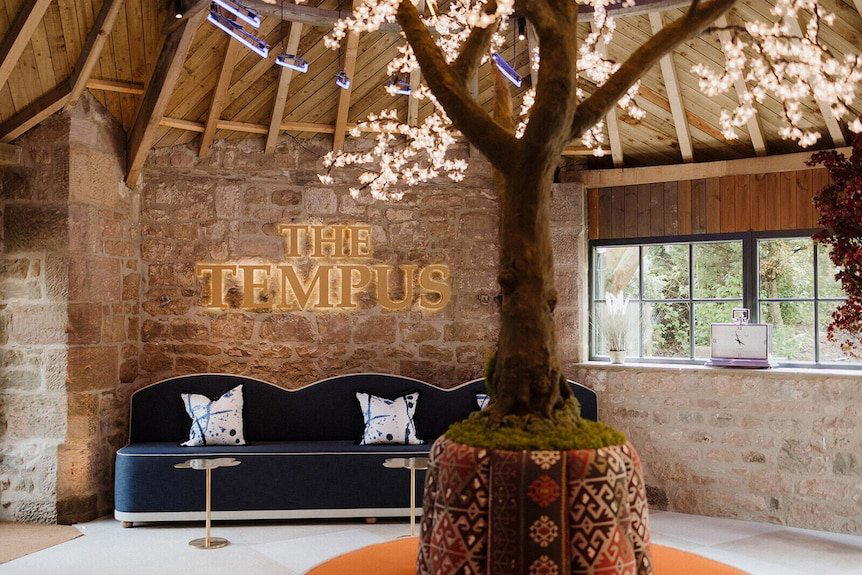
The restaurant has expanded beyond its dining room. A bar and lounge area with a wood burner now operates alongside the main service, offering cocktails and coffee. The mixology program has a particular reputation for its alcohol-free options, extending the non-drinker's experience well beyond token substitution. Overnight accommodation has also been added in the form of hygge-style cabins on the Vallum Farm site, which addresses the practical question facing any restaurant this remote: what do you do after 18 courses and a wine flight when the nearest city is a significant drive away?
Wine program merits specific mention. The iPad-based wine list has been noted for its idiosyncratic selections and quality English wine choices, a growing category as English sparkling and still wines gain recognition from critics and sommeliers alike. The option of a wine flight is considered worth taking, with the inclusion of British wines reflecting the same sourcing philosophy that governs the kitchen. This places Pine in a small cohort of British restaurants where the wine program is philosophically consistent with the food, rather than simply a separate, premium add-on. Comparable progressive wine thinking can be found at Trivet in London and Opheem in Birmingham, though both operate in very different culinary registers.
The Chef's Position in the Progressive British Scene
Cal Byerley and Ian Waller represent a strand of British chef who trained within the progressive cooking tradition and chose to practise it in a specific, defined landscape rather than in a metropolitan centre. This is a meaningful choice in the current British dining scene, where the pull of London remains strong and rural fine dining often operates as a weekend escape for urban audiences rather than a local institution. Pine's position on the Hadrian's Wall corridor places it at the intersection of heritage tourism and destination dining, two audiences whose expectations, at the higher end, are increasingly convergent.
Byerley's foraging leadership is documented specifically: he leads kitchen teams out into the surrounding land, and the market garden on the farm is tended as part of the culinary operation. That integration of growing, foraging, and cooking is a structural feature of the restaurant rather than a marketing emphasis, and it shows in the specificity of ingredients that appear in the menu: dryad saddle mushroom fondant cake, einkorn wheat bread, borage in the mackerel dumpling. These are not ingredients that appear on restaurant menus because a supplier listed them, they appear because someone went and found them.
For readers comparing progressive British restaurants with a rural or regional identity, Hand and Flowers in Marlow offers a useful reference point for a different model: celebrated cooking embedded in a pub format, accessible and unpretentious, but metropolitan-adjacent. Pine's version of accessibility is different, it operates within a fine-dining format of real ambition, but without the ceremony or the city prices that define many peers at this tier. The £££ price bracket, for an 18-course tasting menu with a serious wine flight, represents a different value calculation than equivalent formats in London. Similarly, Bagá in Jaén offers a European parallel: a progressive, produce-led tasting menu far from any major city, making geography and specificity the core argument.
Planning Your Visit
Pine is located at Vallum Farm on the Military Road (B6318), East Wallhouses, Newcastle upon Tyne NE18 0LL. Newcastle city centre is the practical base for those arriving by rail, with the restaurant approximately 12 miles to the west. The on-site hygge cabins at Vallum Farm offer the most logical accommodation for a full tasting menu dinner with wine, removing any post-dinner driving concern entirely. The new bar and lounge means arrivals can begin the evening before their table time without feeling they are simply waiting. For planning broader time in the area, [our full East Wallhouses restaurants guide](), [hotels guide](), [bars guide](), [wineries guide](), and experiences guide cover the wider area. The price range sits at ££££, consistent with a Michelin-starred tasting menu destination. Booking well in advance is advisable given the limited table count of eight.
Comparison Snapshot
Comparable venues nearby, for context on price, style, and recognition.
| Venue | Cuisine | Price | Awards | Notes |
|---|---|---|---|---|
| PineThis venue — the venue you are viewing | Nordic/Northumbrian Fine Dining | $$$$ | Michelin 1 Star | Not listed |
| The Kitchin | Modern Scottish Fine Dining | $$$$ | Michelin 1 Star | Leith Docks |
| Frog by Adam Handling | Modern British Fine Dining | $$$$ | Michelin 1 Star | Covent Garden |
| The Angel | Modern British-Japanese Fusion | $$$$ | Michelin 1 Star | Hetton, Yorkshire Dales |
| Timberyard | Modern British Fine Dining | $$$$ | Michelin 1 Star | Lauriston |
| Row on 5 | Modern British Fine Dining with Mediterranean & Asian Influences | $$$$ | Michelin 1 Star | Mayfair |
Recognition history
Dated appearances from independent guides and award organizations, with the underlying list record or original source where available.
Harden's Top 100 UK Restaurants #38
Harden's
La Liste Top Restaurants
La Liste
Michelin 1 Star
Michelin
National Restaurant Awards Top 100 #38 · No. 38
National Restaurant Awards · 2026 National Restaurant Awards Top 100
Opinionated About Dining Top Restaurants in Europe Recommended
Opinionated About Dining
SquareMeal UK Top 100 Restaurants #9
SquareMeal
Star Wine List
Star Wine List
La Liste Top Restaurants
La Liste
Michelin 1 Star
Michelin
National Restaurant Awards Top 100 #26
National Restaurant Awards
Opinionated About Dining Top Restaurants in Europe Ranked #191
Opinionated About Dining
The Best Chef One Knife
The Best Chef
The Good Food Guide GFG Exceptional
The Good Food Guide
Michelin 1 Star
Michelin
Opinionated About Dining Top Restaurants in Europe Ranked #195
Opinionated About Dining
Opinionated About Dining Top New Restaurants in Europe Highly Recommended
Opinionated About Dining
Continue exploring
More in East Wallhouses
Restaurants in East Wallhouses
Browse all →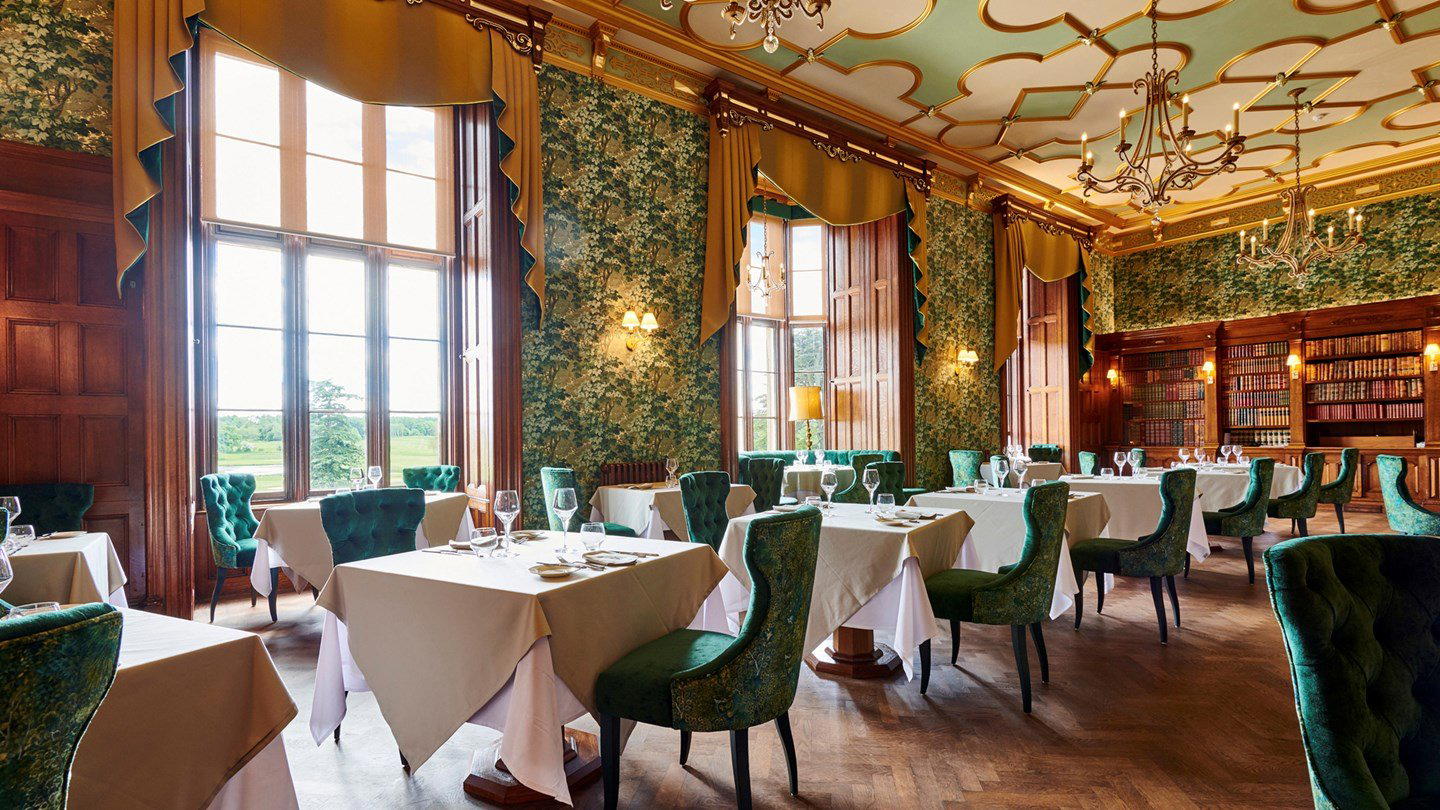
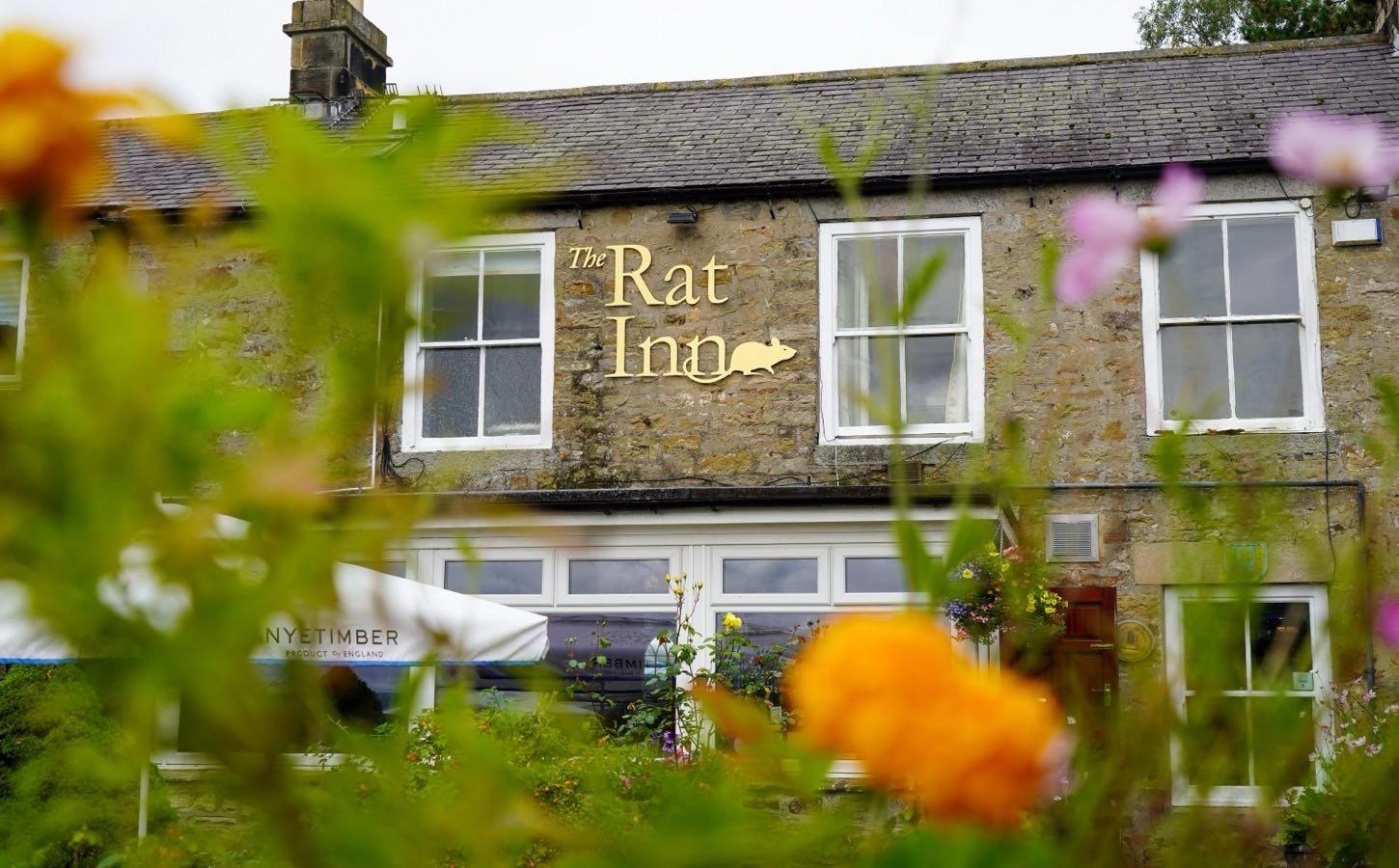
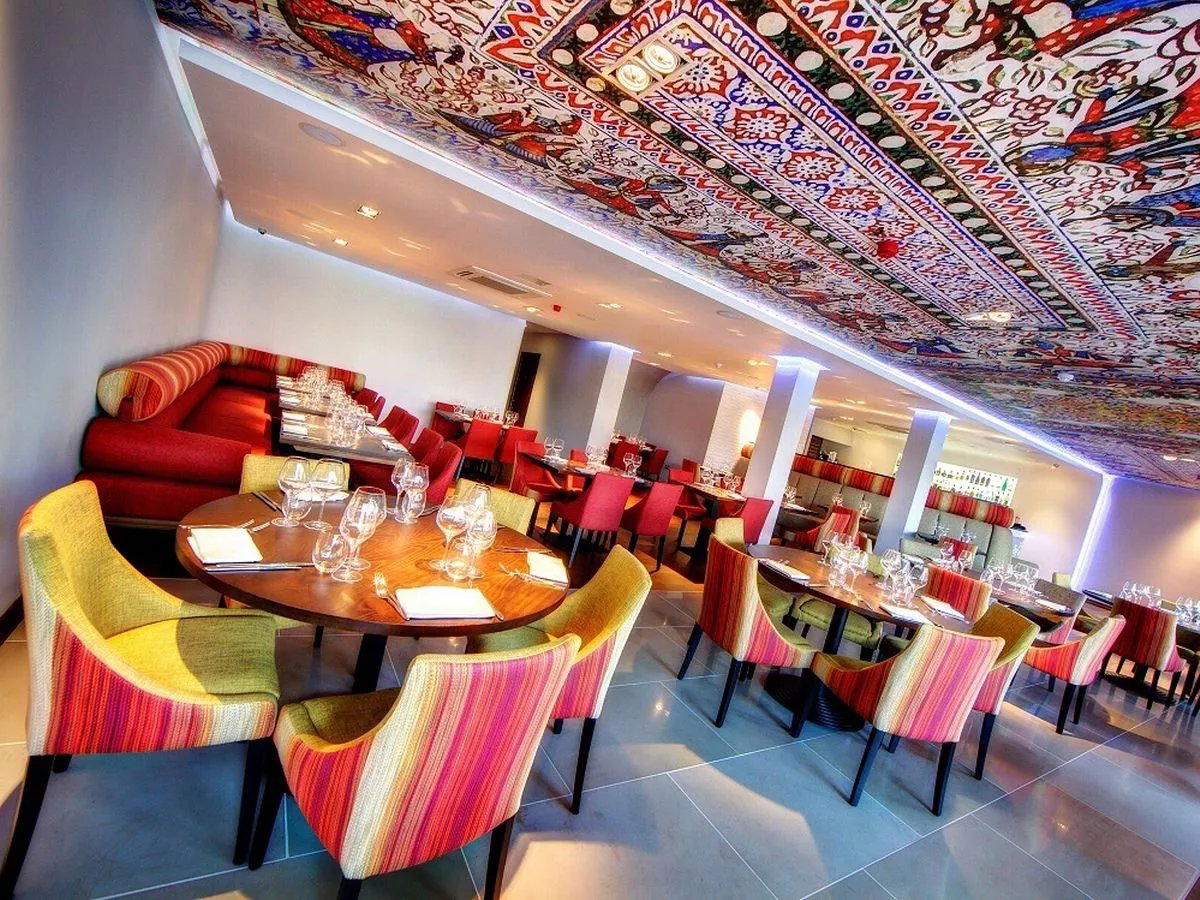
Bars in East Wallhouses
Browse all →
Hotels in East Wallhouses
Browse all →
At a Glance
- Intimate
- Cozy
- Modern
- Rustic
- Elegant
- Special Occasion
- Date Night
- Open Kitchen
- Extensive Wine List
- Local Sourcing
- Farm To Table
Current opening hours
- Monday
- Closed
- Tuesday
- Closed
- Wednesday
- 7 PM–12 AM
- Thursday
- 7 PM–12 AM
- Friday
- 12–2 PM, 7 PM–12 AM
- Saturday
- 12–2 PM, 7 PM–12 AM
- Sunday
- Closed
Hours can change for holidays and private events. Last verified .
Bright, airy dining room with vaulted ceilings, floor-to-ceiling windows overlooking farmland, and an intimate, relaxed atmosphere focused on the open kitchen.
Know Before You Go
- Getting there
- Vallum Farm, Military Rd, East Wallhouses, Newcastle upon Tyne NE18 0LL, United Kingdom