
Tabelog 100
Our verdict
Tricolore Honten is a Ginza kissaten with roots in 1936, a Tabelog Kissaten 100 selection in 2021 and 2022, and a modest JPY 1,000–1,999 spend. The appeal is not novelty but continuity: cloth-filter coffee, cake, breakfast availability, and a room built for regulars rather than spectacle.

Pearl is the En Primeur Club membership app — saves, bookings, and concierge access live there. Same editors, same standards.
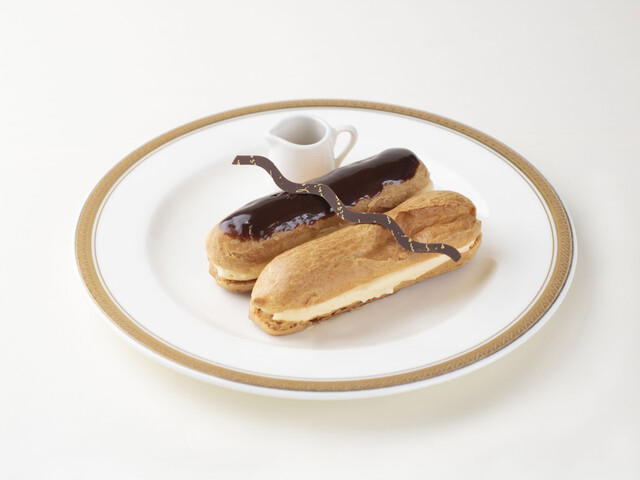
The menu
What to order
- Antique Blend coffee
- Apple pie
- Eclair
- Morning set (toast, salad, coffee)
Tokyo can make even a coffee break feel transactional: polished storefronts, watch counters, department-store basement queues, and a constant pressure to move on. The old kissaten answers with another rhythm. Doors close, voices drop, and the point is not speed but repetition. In that tradition, Tricolore Honten belongs to the part of Tokyo coffee culture where regulars matter more than trend cycles, and where a morning cup can carry the same weight as a formal reservation elsewhere in the city.
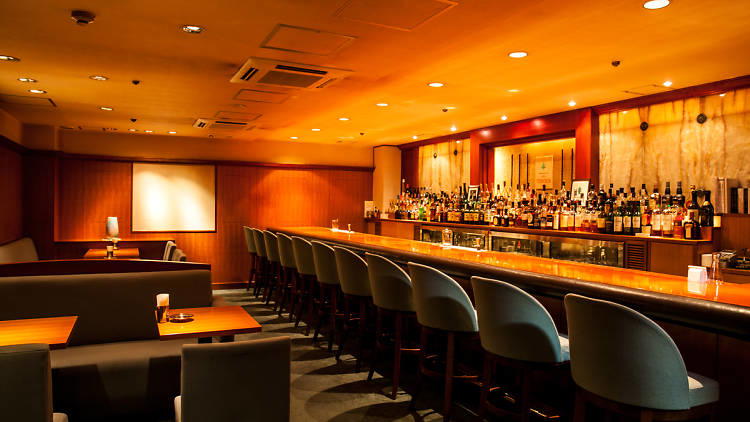
The setting places it in Tokyo, but the format resists the city’s luxury retail tempo. This is a kissa, cafe, and cake room rather than a specialty-coffee lab or dessert counter built around viral scarcity. The public facts are useful because they explain the room’s role: selected for Tabelog Hyakumeiten recognition in 2022, rated 3.76 on Tabelog, and listed in the kissa, cafe, and cake categories. That combination puts it in a different decision set from Tokyo’s expense-account restaurants, including higher-spend formats such as Honten Yamashina or rooms like L'AFFINAGE. The question is not whether it competes with them; it offers a lower-stakes, older Tokyo pause in the same city.
Tokyo's kissaten habit, not another coffee trend
Tokyo’s kissaten culture predates the city’s current obsession with roast profiles, queue management, and limited-run pastries. Its grammar is slower: table service, cake as a legitimate afternoon order, a coffee break as a reason to arrive with time, and service that feels rooted in repetition rather than performance. Tricolore Honten fits that grammar through its identity as a kissa, cafe, and cake room. That detail matters because it signals a lineage closer to classic Japanese coffee rooms than to global third-wave minimalism.
Regulars tend to return to places that make few demands. In Tokyo, that can be a sharper luxury than ceremony. A room built around coffee and cake gives the visit practical elasticity: solo coffee, a two-person cake stop, or a mid-day reset before the city fills again. The average spend, JPY 1,000–1,999 for both lunch and dinner listings, also changes the calculus. It is possible to treat the room as part of a day in Tokyo rather than the day’s main event.
That is why the old kissaten remains relevant in a city dense with excellent dining. Tokyo can offer precision, regional specificity, casual novelty, and formal rooms across many formats. The kissaten occupies another lane: less about discovery, more about cadence. It rewards the traveller who understands that Tokyo’s food culture is not only counters and tasting menus, but also places where a table can be held by habit.
What regulars know about the room
The unwritten menu in a kissaten is rarely a secret dish. It is timing, posture, and restraint. Earlier in the day can be a sensible entry point, while afternoon suits the cake-and-coffee rhythm that defines the category. The visit is better treated as a flexible stop than a fixed anchor. Planning around a Tokyo day, rather than turning the stop into the whole itinerary, is part of the logic.
The room’s recognition by Tabelog is useful but should be read correctly. Kissaten awards are not the same signal as luxury dining rooms, and they should not be forced into that hierarchy. Tabelog’s Hyakumeiten recognition points to category credibility: a coffee shop judged among other Japanese coffee shops, not against high-demand counters such as Sawada or formal rooms like Noto Kanazawanosachi Ginza Furuta. For travellers, that distinction helps. The value is not luxury in the conventional Tokyo sense; it is continuity, price discipline, and a format that has survived the city’s constant redevelopment.
There is also a social code to this kind of address. It suits conversation at a measured volume, reading, a short business pause, or a one-hour decompression between appointments. It is less suited to groups trying to turn coffee into an event. The listing’s category signal is telling: this is a place to consider when the brief is a reliable Tokyo pause rather than a theatrical reservation.
How to place it in a Tokyo itinerary
Use it as a hinge between the city’s higher-intensity experiences. A morning here can precede galleries, retail, or a train connection; an afternoon stop can sit between lunch and a later booking. Tokyo access makes the geography simple, while the obvious approach is to fold it into a day already moving through the city. Its listed budget keeps the stop manageable for travellers who want coffee and cake without resetting the whole day’s spend.
For a broader Tokyo plan, this kind of stop belongs alongside rather than beneath the city’s restaurants and bars. Start with Our full Tokyo restaurants guide for meals, then use Our full Tokyo bars guide for evening drinking and Our full Tokyo hotels guide for neighbourhood positioning. Travellers building a wider Japan food route can compare the tone with other dining in Tokyo and beyond, while keeping Tricolore Honten in mind as a specific Tokyo coffee-room pause.
Tokyo’s range is the point. A day can move from casual meals to more formal dining, then back to Tricolore Honten for a quieter coffee tradition. For readers mapping beyond restaurants, Our full Tokyo wineries guide and Our full Tokyo experiences guide fill in the city around the table. The wider Japanese dining conversation reaches many cities, but Tokyo’s kissaten culture remains distinctly local: modest spend, long memory, and a room designed for return visits.
Frequently asked questions
Is Tricolore Honten better for a quiet night or a lively one?
Tricolore Honten reads as a calm Tokyo kissaten rather than a loud night-out venue. The room is best understood as a coffee, cafe, and cake stop, not as a bar format.
Where is Tricolore Honten located?
Tokyo.
What's the pricing like at Tricolore Honten?
Pricing at Tricolore Honten is listed as JPY 1,000 - JPY 1,999 JPY 1,000 - JPY 1,999.
What time does Tricolore Honten open and close?
Specific opening and closing hours are not provided here; treat Tricolore Honten as a Tokyo kissaten to verify before visiting.
What makes Tricolore Honten worth seeking out?
The draw is its category credibility: Tricolore Honten is listed as a kissa, cafe, and cake venue, rated 3.76 on Tabelog, and recognized by Tabelog Hyakumeiten in 2022. With a listed price range of JPY 1,000–JPY 1,999, it makes a clear case for a Tokyo kissaten stop.
Price Lens
Comparable venues to calibrate price, style, and recognition.
| Venue | Cuisine | Price | Awards | Notes |
|---|---|---|---|---|
| Tricolore HontenThis venue (the venue you are viewing) | Historic Ginza kissaten & cafe | $10–20 | Tabelog 100 | Not listed |
| Rose Bakery Marunouchi | Chiyoda, British-influenced bakery cafe | $10–20 | Tabelog 100 #61 | Not listed |
| UNISON TAILOR Coffee and Beer NINGYOCHO | Chūō, Specialty Coffee & Beer Cafe | $10–20 | Tabelog 100 #52 | Not listed |
| Rose Bakery Ginza | Chūō, Organic-focused bakery café | $10–20 | Tabelog 100 #84 | Not listed |
| Trois Bagues | Traditional Japanese kissaten café | $10–20 | Tabelog 100 | Chiyoda, Traditional Japanese kissaten café |
| Haguruma | Bar | $30–50 | Tabelog 100 #2 | Shinjuku, Bar |
Recognition history
Dated appearances from independent guides and award organizations, with the underlying list record or original source where available.
Tabelog 100
Tabelog · Tabelog 100 - Kissaten - 2026
Full recognition history (2 entries)
Tabelog 100 #21 · No. 21
Tabelog · Tabelog 100 - Kissaten - 2022
Continue exploring
More in Tokyo
Restaurants in Tokyo
All restaurants in Tokyo →

Bars in Tokyo
All bars in Tokyo →
Details
- Classic
- Cozy
- Well Known
- Romantic
- Intimate
- Solo
- Casual Hangout
- After Work
- Brunch
- Date Night
- Historic Building
- Standalone
- Design Destination
- Street Scene
- A La Carte
- Coffee
- Tea
Current opening hours
- Monday
- 8 AM–7 PM
- Tuesday
- Closed
- Wednesday
- 8 AM–7 PM
- Thursday
- 8 AM–7 PM
- Friday
- 8 AM–7 PM
- Saturday
- 8 AM–7 PM
- Sunday
- 8 AM–7 PM
Hours can change for holidays and private events. Last verified .