Toulouse - Houston
Our verdict
Toulouse sits on Westheimer Road in Houston's Galleria corridor, where the French bistro format has long served as a reference point for the city's European-leaning dining room. The address places it inside one of Houston's most active restaurant stretches, where price tier and sourcing story increasingly separate the room from its neighbors. For visitors calibrating their Houston itinerary around conscientious dining, Toulouse offers a French-accented anchor in the inner loop.

Pearl is the En Primeur Club membership app — saves, bookings, and concierge access live there. Same editors, same standards.
- Address
- 4444 Westheimer Rd Suite E 100, Houston, TX 77027
- Phone
- (713) 871-0768
- Hours
- Mon–Thu 11 AM–10 PMFri–Sat 11 AM–11 PMSun 11 AM–10 PM
- Website
- toulousecafeandbar.com
- Directions
- Get directions
- Booking
- Book on OpenTable
The menu
What to order
- Duck Confit
- Crispy Calamari
- Bouillabaisse
- Steak Frites
- Chocolate Soufflé
- Octopus Niçoise
- Escargots
The Galleria Corridor and the French Bistro Tradition
Houston's Westheimer Road does not lack for restaurants. The stretch running through the Galleria area has accumulated decades of dining rooms that range from fast-casual to white-tablecloth, and within that mix the French bistro format has held a particular kind of cultural authority. It signals a certain register: unhurried pacing, a wine program with actual depth, and a kitchen vocabulary rooted in classical technique. Toulouse, at 4444 Westheimer Rd, occupies that register at a moment when Houston diners are asking more pointed questions about where ingredients come from and what a restaurant's supply chain looks like.
That shift in diner expectation is not specific to Houston. Across American fine and upper-casual dining, sourcing transparency has moved from a differentiator to a near-standard expectation. Places like Blue Hill at Stone Barns in Tarrytown and Single Thread Farm in Healdsburg defined the upper end of the farm-integration model, where the agricultural operation and the kitchen are functionally inseparable. Most restaurants operate somewhere below that threshold, but the directional pressure is consistent: name your producers, reduce your waste streams, make your sourcing legible to the guest.
Entering the Room: What the Space Communicates
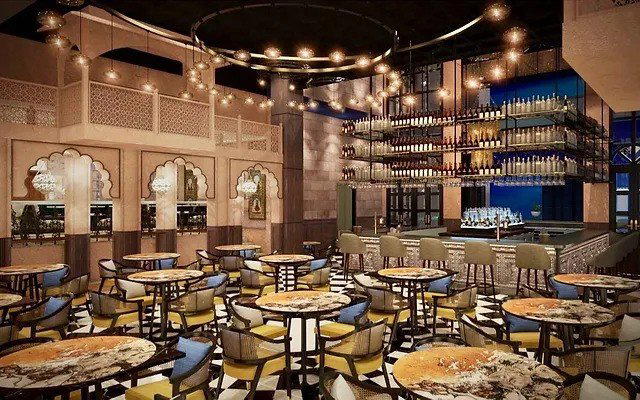
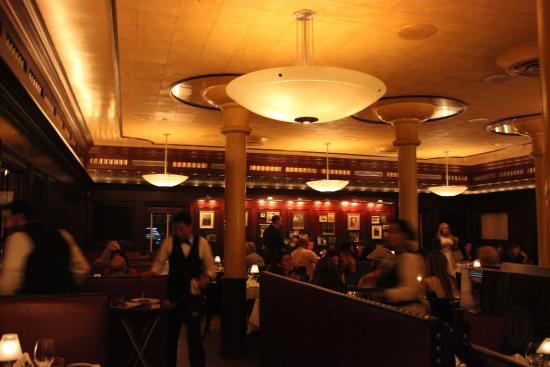
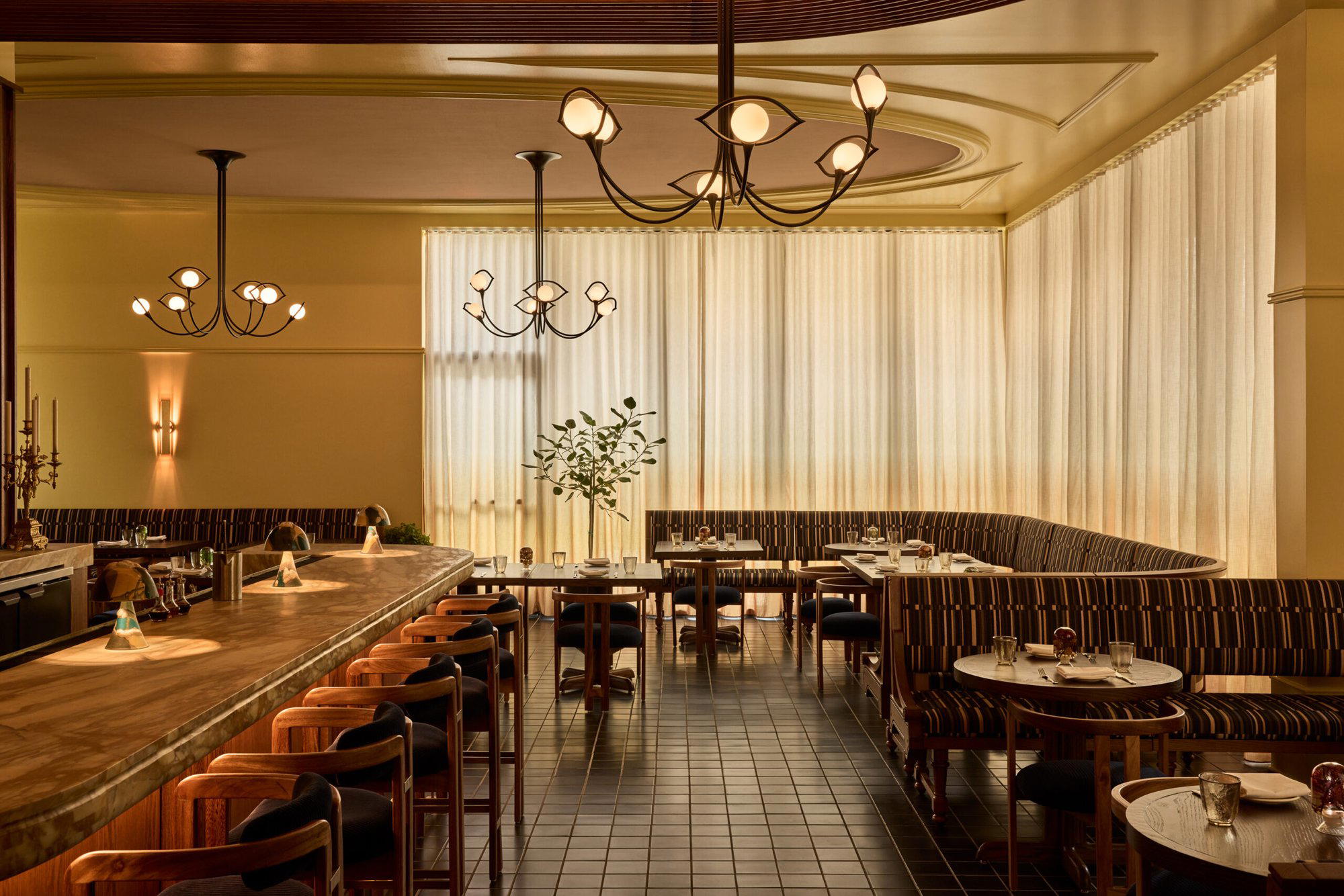
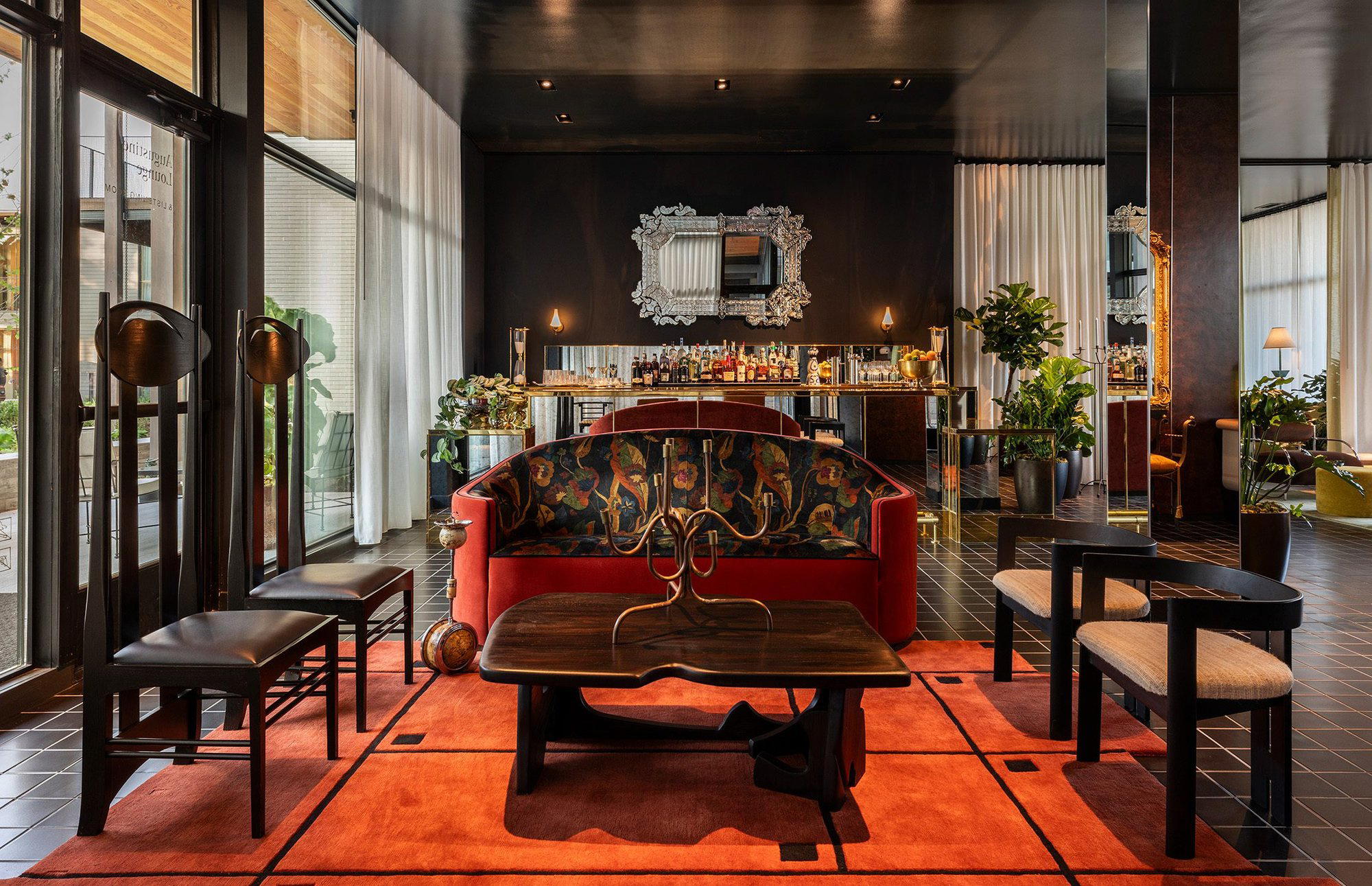
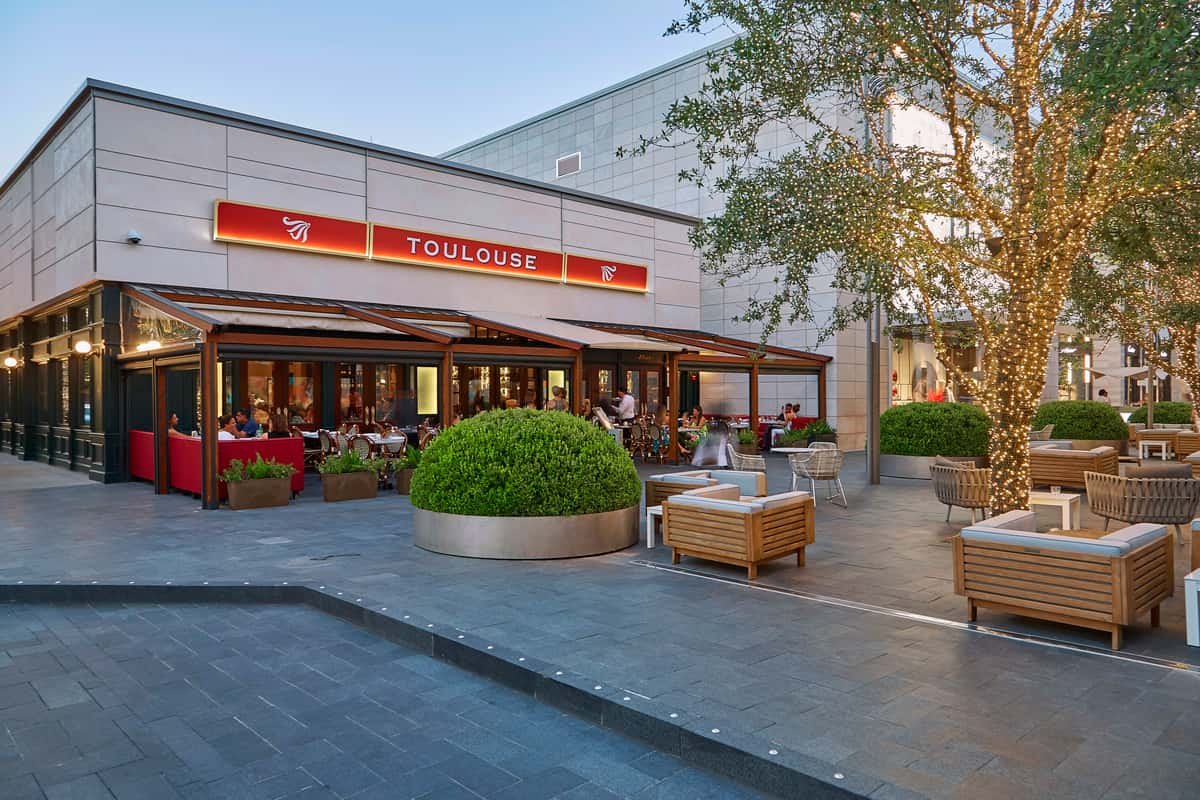
A French bistro in the American mode does specific atmospheric work before a single plate arrives. The genre carries expectations — warm lighting, close tables, a certain ambient noise level that suggests the room is in use without tipping into chaos. In Houston's inner loop, where newer openings often lean into industrial-spare or high-concept design, a room that commits to bistro warmth reads as a deliberate counter-position. Toulouse's address in Suite E 100 of a Westheimer-facing building places it within a commercial cluster, which means the transition from parking structure to dining room does real work: the interior has to establish its own logic quickly.
That atmospheric contract matters particularly for a French concept because the cuisine style implies a relationship between environment and food. A braise that works in a warm, candlelit room lands differently under harsh lighting. The bistro format has survived this long partly because it solved that problem early: the room and the menu are mutually reinforcing. For Houston diners calibrating against options like the contemporary French program at Le Jardinier Houston, the bistro register at Toulouse represents a different frequency — more convivial, less composed.
Sourcing and the Sustainability Question in Houston Dining
Houston's restaurant scene has developed a more sophisticated relationship with local and regional sourcing over the past decade. The city's proximity to the Gulf Coast gives its kitchens access to seafood supply chains that restaurants in landlocked markets would envy, and the Texas agricultural corridor supplies proteins and produce that can shorten supply chains considerably when a kitchen chooses to use them. The sustainability story in Houston dining is therefore not purely aspirational, it is geographically grounded.
For a French bistro operating on Westheimer, the sourcing question takes a specific shape. Classic bistro repertoire, duck confit, steak frites, moules marinières, is not inherently local, but each component has a regional sourcing analog available within the Texas supply network. Gulf oysters stand in for Atlantic varieties. Texas ranches supply the beef. The question is whether a kitchen's sourcing choices are legible to the guest through menu language, or whether they remain operational decisions invisible at the table. Across the broader Houston market, restaurants like Tatemó, which takes a focused approach to Mexican masa traditions and their agricultural origins, have demonstrated that sourcing narrative can be central to the dining proposition rather than a footnote.
The environmental consciousness argument for French cuisine specifically runs through classical technique's relationship to whole-animal and low-waste cooking. Stocks built from bones and trim, offal preparations, long braises that convert secondary cuts, these are not sustainability innovations, they are the foundation of the tradition. A bistro kitchen that practices this vocabulary honestly produces less waste as a structural outcome of cooking classically, not as a marketing overlay. That argument is worth making in a city where sustainability claims sometimes outpace kitchen practice.
Where Toulouse Sits in Houston's Wider Field
Houston rewards comparative mapping. The city's dining field has expanded to include serious Spanish cooking at BCN Taste & Tradition, high-commitment Indian cuisine at Musaafer, and the Venetian-influenced tasting format at March, which operates at the $$$$ tier with a format closer to what you'd find at Alinea in Chicago or Atomix in New York City than to a traditional restaurant. Within that field, the French bistro occupies a more approachable register, it is not asking for a four-hour commitment or a tasting menu surcharge. That accessibility is itself a positioning choice, and one with implications for the sustainability conversation: lower price points require tighter margins, which concentrate waste reduction incentives at the operational level.
For visitors arriving with a broader frame of reference, who have eaten at Le Bernardin in New York City, The French Laundry in Napa, or Providence in Los Angeles, Toulouse operates in a different key. The comparison set is not the pinnacle of French-influenced American fine dining; it is the well-executed neighbourhood bistro that does its job without asking the guest to perform appreciation. That is a harder category to occupy than it sounds. Consistency at the bistro level, across service, kitchen output, and wine by-the-glass quality, is what separates the durable rooms from the ones that cycle through ownership every few years. Houston's Westheimer corridor has seen both.
Seasonal thinking also plays into the Toulouse proposition in ways that connect back to both sourcing and kitchen discipline. Gulf Coast seafood runs on distinct seasonal rhythms, blue crab peaks, oyster conditions shift with water temperature, and a French kitchen that tracks those rhythms rather than maintaining a static menu will produce better food and generate less waste from unseasonal ingredient sourcing. That alignment between classical technique and seasonal availability is one of the more persuasive arguments for why the French bistro format has remained relevant even as newer dining formats have proliferated. See our full Houston restaurants guide for how Toulouse sits within the broader map of the city's dining options.
Restaurants worth benchmarking against when thinking about this tier of the Houston market also include Emeril's in New Orleans, which operates a French-influenced American kitchen in a comparable Gulf Coast context, and Lazy Bear in San Francisco, which approaches the communal dining format from a different angle. Neither is a direct peer, but both illuminate what a kitchen with a clear point of view looks like when that view is sustained over time. Addison in San Diego and The Inn at Little Washington represent the formal end of the French-influenced American spectrum; 8½ Otto e Mezzo Bombana in Hong Kong shows what European culinary tradition looks like when transplanted into a high-pressure Asian market. Toulouse operates closer to the ground than any of these references, which is precisely where the bistro format finds its purpose.
Planning Your Visit
Address: 4444 Westheimer Rd Suite E 100, Houston, TX 77027. Dress: Smart casual is the operating norm for Westheimer bistros at this address. Timing: Gulf Coast seasonal ingredients shift the menu through the year; autumn and winter months tend to favor the braise-heavy repertoire that French kitchens do well in cooler weather.
Frequently asked questions
Where do I go for Toulouse - Houston?
Toulouse - Houston is located at 4444 Westheimer Rd Suite E 100, Houston, TX 77027, Houston.
How does Toulouse compare to other French restaurants in Houston's Galleria area?
Houston's Galleria corridor has accumulated a range of French-influenced rooms, from high-commitment tasting formats to neighbourhood wine bars, but Toulouse on Westheimer positions itself in the bistro register — a format built around repeatable classics rather than seasonal tasting menus. That distinction matters for guests who want a recognisable French dining cadence, from a proper starter and main structure to a room designed for conversation rather than performance. Compared to garden-led or modernist French rooms elsewhere in the city, Toulouse at 4444 Westheimer operates closer to the genre's traditional script.
What should I eat at Toulouse - Houston?
The French bistro format anchors the kitchen in classical technique — stocks, braises, and preparations rooted in whole-animal thinking rather than trend-chasing. That positions the menu closer to a Lyonnaise bouchon sensibility than to the lighter, vegetable-forward approach you'd find at Le Jardinier across Houston's dining field. Without a current published menu, the safest approach is to ask the server what is running as a daily preparation, which in a bistro format typically reflects what arrived that morning. Located at 4444 Westheimer Rd, the kitchen's format rewards ordering deliberately rather than broadly.
Can I walk in to Toulouse - Houston?
Walk-in availability at Westheimer corridor restaurants fluctuates significantly by night of week and time of year. Weekend evenings in the Galleria area run tight across most price points, and a room with bistro seating configurations typically fills earlier than larger, more casual formats. Midweek visits or an early-evening arrival before 6:30 pm give the best chance of securing a table without a reservation. Contacting Toulouse directly at 4444 Westheimer Rd Suite E 100 before arriving is the more reliable approach on any Friday or Saturday.
Similar Picks
Comparable venues nearby, for context on price, style, and recognition.
| Venue | Cuisine | Price | Awards | Notes |
|---|---|---|---|---|
| Toulouse - HoustonThis venue — the venue you are viewing | Classic French Bistro with Belgian Influences | $30–50 | Not listed | Not listed |
| Cafe Rabelais | Classic French Bistro | $30–50 | Not listed | Virginia Court |
| Mariposa at Neiman Marcus - Houston | Contemporary American | $30–50 | Not listed | Galleria |
| ARMANDOS | Elevated Tex-Mex Fine Dining | $50–100 | Not listed | River Oaks |
| Brenner's on the Bayou | Classic American Steakhouse | $30–50 | Wine Spectator Best of Award of Excellence | River Oaks |
| Hamsa | Modern Israeli | $30–50 | James Beard Award Semi Finalist | Virginia Court |