Melrose Diner
A South Philadelphia institution on Snyder Avenue, Melrose Diner has anchored the neighborhood's working-class dining culture for decades. Operating around the clock, it represents the kind of no-frills, counter-and-booth format that shaped American diner tradition before the category fragmented into themed concepts and artisan retrofits. For visitors mapping Philadelphia beyond its restaurant-week circuit, Melrose is a reference point rather than a detour.
Pearl is the En Primeur Club membership app — saves, bookings, and concierge access live there. Same editors, same standards.
- Address
- 1501 - 1527 Snyder Ave, Philadelphia, PA 19145
- Phone
- +12154676644
- Website
- melrosediner.com
- Directions
- Get directions
 Saves & bookings on Pearl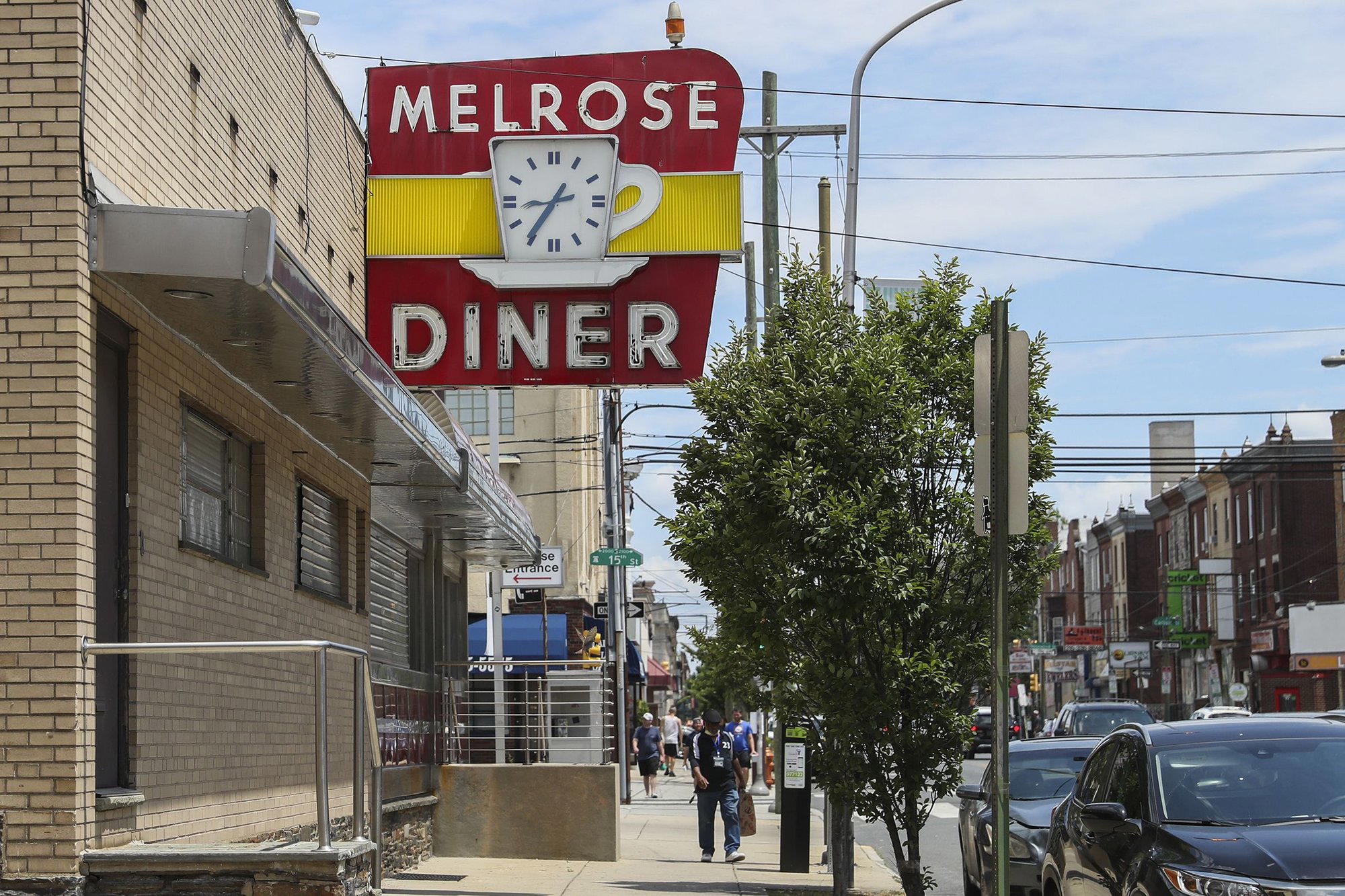
South Philly at 3 a.m.: What a 24-Hour Diner Says About a City
There is a category of American dining room that functions less like a restaurant and more like civic infrastructure. The booths are wide and slightly worn at the edges. The counter seats face a short-order line where timing matters more than technique. The menu runs long because the clientele runs diverse, shift workers, late-night families, after-bar crowds, and retirees who have been coming the same Tuesday morning for twenty years. Melrose Diner, at the corner of Snyder Avenue in South Philadelphia, belongs to this category, and understanding it requires placing it inside a broader American tradition rather than measuring it against the city's newer tasting-menu scene.
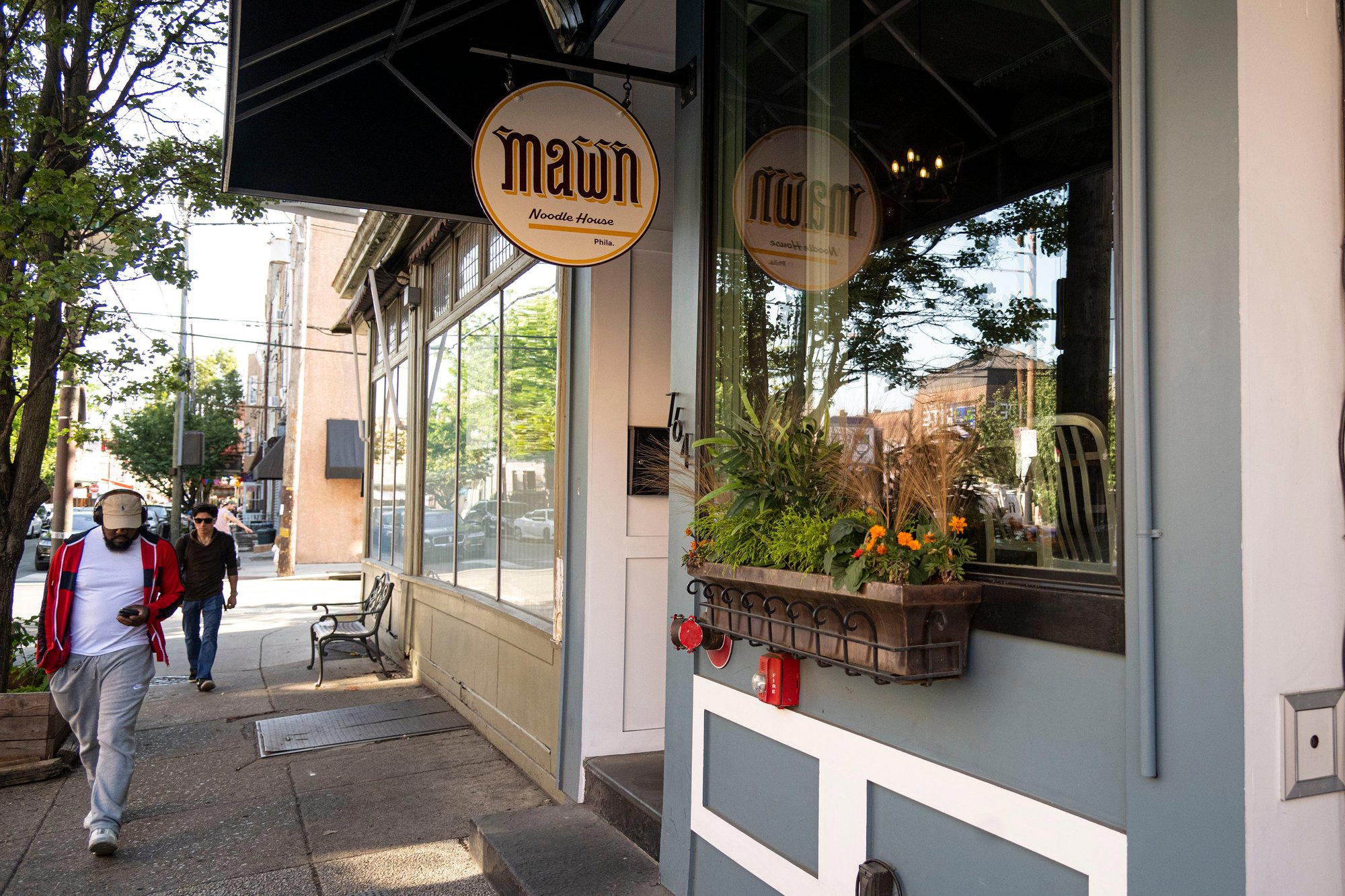
Philadelphia's dining geography has two largely separate tracks. One runs through the restaurant-week circuit, through New American kitchens like Fork and Friday Saturday Sunday, through ambitious immigrant-chef projects like Kalaya and Mawn, and through the quieter French-leaning rooms like My Loup. The other track runs through neighborhood anchors that predate the city's dining renaissance and have no interest in participating in it. Melrose Diner is firmly on that second track, and that is precisely the point.
The Physical Room as Editorial Argument
The diner's design encodes its purpose. Counter seating along a short-order bar removes the intermediary between customer and kitchen, collapsing the theater of service into something more transactional and, for regulars, more comfortable. Booths run along the perimeter in the manner that American diner architects standardized across the mid-twentieth century, a format that maximizes turnover without sacrificing the feeling of a dedicated table. The materials are durable rather than decorative: laminate surfaces, vinyl upholstery, and overhead lighting that does not dim. Nothing in the room signals that lingering is discouraged, but nothing signals that the kitchen is building a composed plate either.
This physical honesty is the design argument. A room that looks exactly like what it is, a place where coffee refills are automatic and the menu is laminated, makes a stronger statement about American diner culture than any contemporary revival project could. The contrast is sharper when you consider the premium-casual category that has absorbed diner aesthetics in cities like New York and Los Angeles: reclaimed wood stools, single-origin drip coffee, and brunch menus priced at fine-dining levels. Melrose Diner operates outside that conversation entirely. The Snyder Avenue address in South Philadelphia is not an accident; this part of the city runs on exactly the kind of all-hours institution the building represents.
South Philadelphia's Dining Character
South Philadelphia is the part of the city where the Italian-American food tradition runs deepest, where corner grocery culture survived the supermarket era longer than elsewhere, and where the diner-as-anchor concept found its most durable expression. The neighborhood's relationship to its eating establishments is transactional in the leading sense: places earn loyalty by being consistently present and consistently affordable, not by reinventing themselves with each trend cycle. Within this context, a diner on Snyder Avenue that operates through the night is not a novelty; it is a utility.
That utility has cultural weight. The 24-hour diner format, once widespread across American cities, has contracted significantly over the past two decades as labor costs, lease pressures, and the rise of delivery platforms have restructured late-night eating. Philadelphia, like most major American cities, now has far fewer genuinely round-the-clock dine-in options than it did in the early 2000s. The restaurant's continued operation in that format places it inside a dwindling category, not as a heritage project or a preserved novelty, but as a functioning dining room that has simply not stopped doing what it always did.
Placing Melrose on the Broader Map
For a reader who moves through restaurants at the level of Le Bernardin in New York City, Alinea in Chicago, or The French Laundry in Napa, the restaurant occupies a completely different evaluative frame. The question is not whether it competes with Blue Hill at Stone Barns in Tarrytown or Single Thread Farm in Healdsburg, it does not, and the comparison is beside the point. The more interesting question is what the diner format, at its most durable, tells a well-traveled reader about American urban eating culture that a Michelin-table dinner cannot.
Counterpoint references are useful here. The ambition of Lazy Bear in San Francisco, the precision of Atomix in New York City, the regional investment of Emeril's in New Orleans, the sourcing discipline of Providence in Los Angeles, the fine-dining gravitas of Addison in San Diego, the institutional standing of The Inn at Little Washington, or the international reach of 8 1/2 Otto e Mezzo Bombana in Hong Kong, all of these sit at one end of a long spectrum. The restaurant sits at the other end, not as a lesser option but as a different category of cultural artifact entirely.
A reader building a complete picture of Philadelphia's eating culture should know both ends of that spectrum. Our full Philadelphia restaurants guide maps the range, from the chef-driven tasting rooms to the neighborhood institutions that run on repetition and community trust rather than seasonal menus and press coverage.
Planning a Visit
The price point sits around $15 per person.
Price and Positioning
Comparable venues nearby, for context on price, style, and recognition.
| Venue | Cuisine | Price | Notes |
|---|---|---|---|
| Melrose DinerThis venue — the venue you are viewing | Newbold, Classic American Diner | $ | Not listed |
| The Foodery at Rittenhouse | Not listed | $ | Rittenhouse Square, American Sandwiches & Cheesesteaks |
| Jim's Steaks | Not listed | $ | South Street, Classic Philly Cheesesteaks |
| Jim's West | Haddington, Classic Philly Cheesesteaks | $ | Not listed |
| Bob's Diner | Roxborough, Classic American Diner | $$ | Not listed |
| 13 | Market East, Contemporary American | $$ | Not listed |
Continue exploring
More in Philadelphia
Restaurants in Philadelphia
Browse all →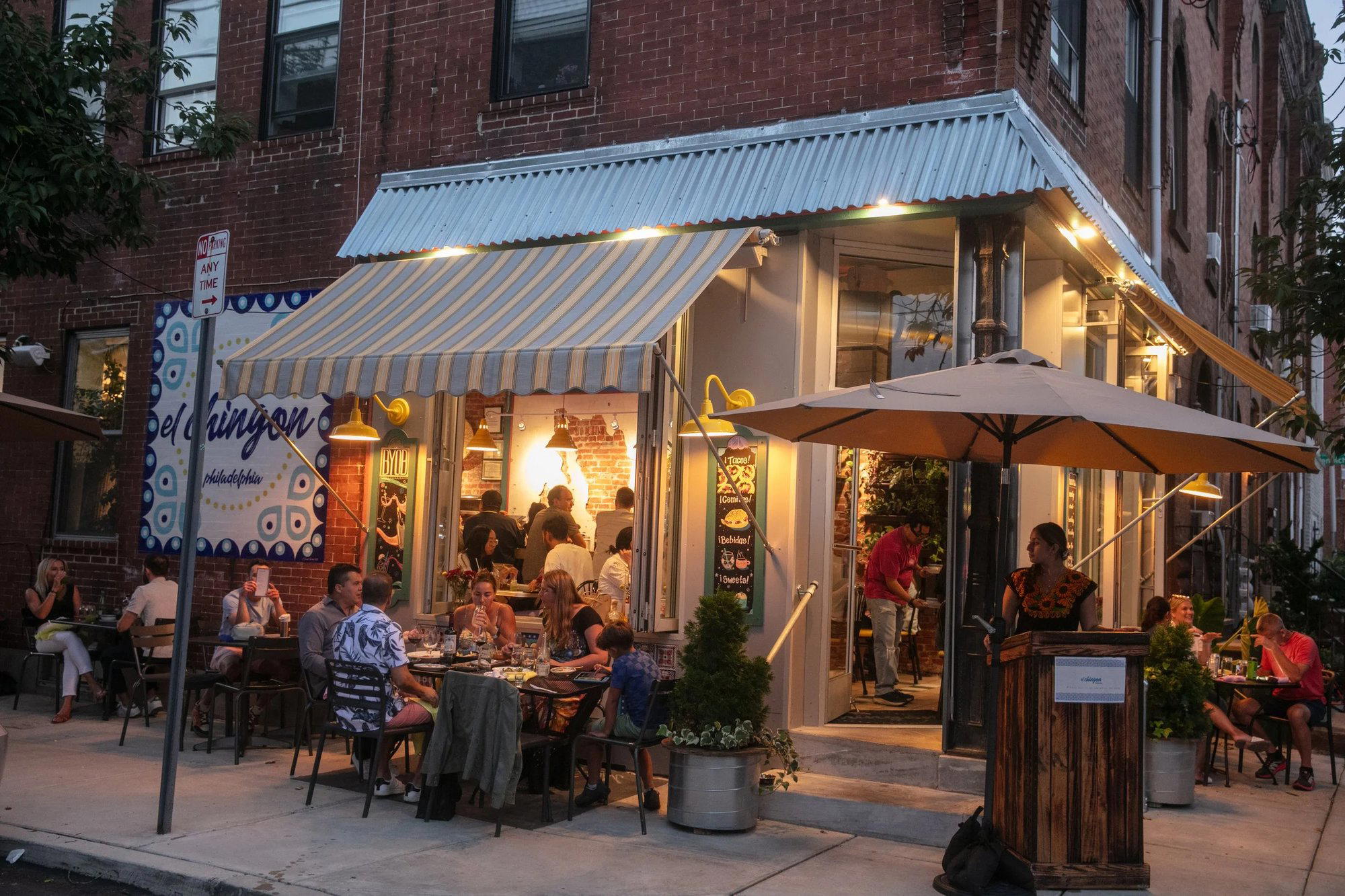
Bars in Philadelphia
Browse all →
At a Glance
- Classic
- Cozy
- Well Known
- Casual Hangout
- Late Night
- Brunch
- Family
- Historic Building
Nostalgic and welcoming classic diner atmosphere with friendly service.