Tabelog 100 #6
Our verdict
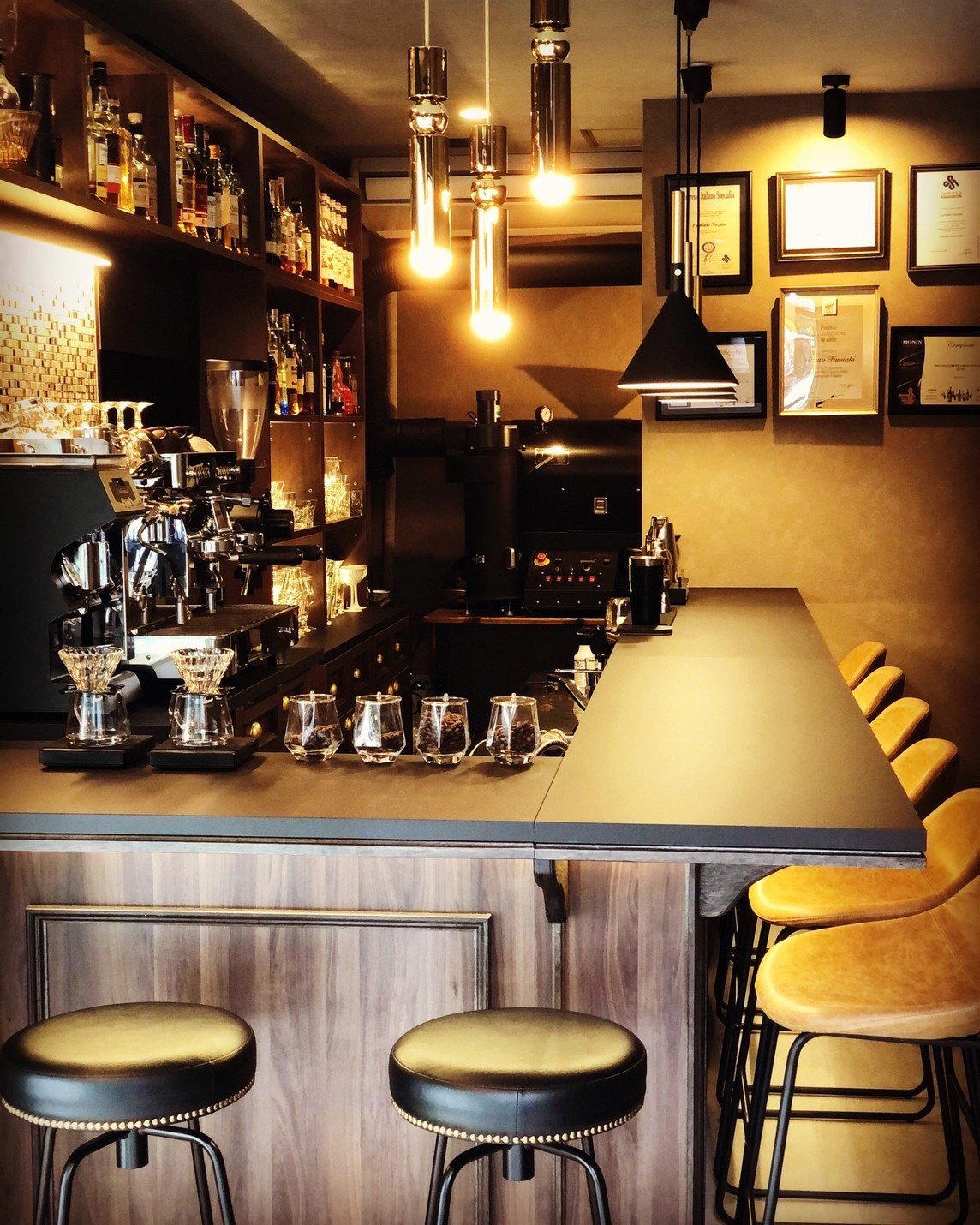
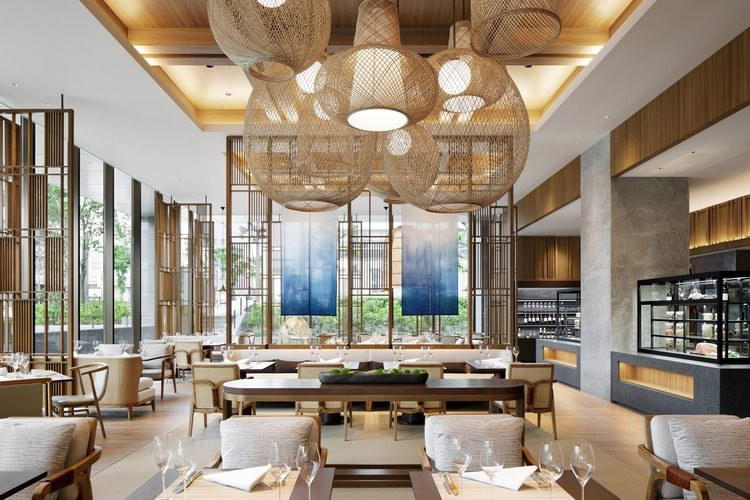
In Nakazakicho, Osaka’s yoshoku tradition feels less like nostalgia and more like a small-room argument for precision. TOROMI Yoshokudo works in the hamburger steak and Japanese-style Western category, with Tabelog 100 Yoshoku WEST 2025 recognition, a compact counter-and-table format, and a neighbourhood setting that suits diners looking beyond Umeda’s larger dining circuits.

Pearl is the En Primeur Club membership app, where members save venues, book tables and use the concierge.
The menu
What to order
- TOROMI premium hamburger steak (Kobe beef × Kurobuta pork)
- Beef filet cutlet sandwich (chateaubriand)
- Ebi fry / shrimp cream croquette / shrimp gratin
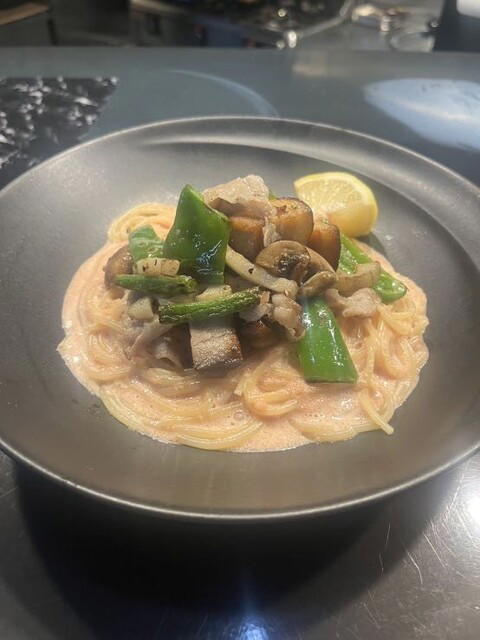
- Seishun Napolitan pasta
- TOROMI hamburger steak lunch set
Osaka changes the terms of eating when the focus narrows from destination dining to highly specific rooms. Away from the broadest tourist shorthand, the city’s yoshoku culture reads not as hotel-grill Western food or retro cosplay, but as Japanese urban cuisine built around familiar forms translated through Japanese kitchens. In that setting, focus matters: direct cooking, clear categories, and a style where comfort and technique have to share the same plate.
TOROMI Yoshokudo fits that focused Osaka register. Its category is hamburger steak and yoshoku, and its Tabelog Hyakumeiten recognition for 2025 places it in a competitive regional conversation, not a casual neighbourhood-only bracket. In Osaka, where inexpensive everyday eating can be excellent, recognition in yoshoku usually rewards consistency, specialization, and a clear sense of what the genre can bear without losing its comfort-food core.
Osaka gives yoshoku a smaller, sharper frame
Osaka’s reputation often leans on speed: snack culture, standing counters, department-store food halls, late-night drinking routes, and the station-area logic of eating before the next train. A more focused yoshoku meal slows that tempo. In an Osaka dining room built around a clear specialty, the experience can feel more personal in scale. That is where yoshoku becomes interesting for travellers who have already done sushi, ramen, kaiseki, and tempura.
The genre is adaptation, not imitation. Hamburger steak is not simply a Western import; in Japan it became a domestic restaurant language, judged by sauce work, texture, portioning, and the way rice rather than bread often anchors the meal. Yoshoku carries that double identity: familiar at a glance, Japanese enough in execution to reward attention. TOROMI Yoshokudo’s listed focus on hamburger steak and Japanese-style Western cuisine puts it squarely in that lineage.
Specialization is part of the case. A focused yoshoku format makes the experience feel different from a broad family restaurant. Timing, sauce, and fried items do not benefit from anonymity. The format suits diners who know Osaka’s serious eating is not limited to formal tasting menus or luxury counters.
The case for hamburger steak as serious Osaka dining
Yoshoku has long carried social ambiguity in Japan: accessible, nostalgic, technically demanding when treated seriously, and easy to underestimate from abroad. Travellers scanning Osaka for “Japanese food” may miss it because the dishes look familiar on paper. That is the wrong filter. The point is how Japan turned Western restaurant forms into everyday grammar, then refined that grammar over generations.
At this tier, hamburger steak is not a compromise order. It reveals the kitchen’s priorities: meat texture, fat balance, surface browning, sauce depth, and how the plate handles richness. TOROMI Yoshokudo’s category focus signals a more deliberate approach than a generic diner, while the yoshoku frame gives the meal expected breadth without requiring the restaurant to become a catch-all destination.
The appeal of yoshoku is its hybrid character. Food descended from Western templates sits comfortably inside Japanese dining culture, which makes the category useful for mixed groups, solo diners, and travellers wanting a local meal without ceremony. TOROMI Yoshokudo belongs in that conversation because its identity is specific rather than sprawling.
Recognition helps calibrate expectations. Tabelog’s Hyakumeiten lists are category-specific, and the 2025 recognition shows the restaurant has been noticed within its discipline, not merely as a general Osaka dining room. The listed Tabelog score of 3.57 should be read in Japan’s context, where ratings compress more tightly than on many international platforms. A mid-three score attached to category recognition can carry more weight than foreign visitors assume.
How to place it in an Osaka itinerary
Use this address not as a substitute for Osaka’s grander meals, but as a counterweight. Tempura Kissho sits in a different tempura bracket, while TOROMI Yoshokudo occupies a more intimate yoshoku lane. Spanish dining at Ñ or bakery stops such as hannoc answer different appetites. The useful comparison is not which is more luxurious; it is which version of Osaka the day needs.
For a broader food map, the city rewards category-hopping. Start with Our full Osaka restaurants guide, then use other Osaka dining rooms to see how the city handles everything from snack culture to imported forms. Osaka’s hotel, bar, winery, and experience planning sits separately in Our full Osaka hotels guide, Our full Osaka bars guide, Our full Osaka wineries guide, and Our full Osaka experiences guide.
Readers comparing Japanese dining beyond Osaka can use a wider national frame through unnamed examples of beef-focused tradition, tuna and charcoal cooking, curry specialists, bakeries, casual counters, and contemporary Japanese rooms in other cities. For Japanese food culture abroad, similarly specific formats show how rice-based snacks, sake bars, and other Japanese ideas travel without needing to define TOROMI Yoshokudo by comparison.
The verdict is concise: a strong Osaka pick for travellers who care about vernacular cooking at a serious level. Osaka supplies context, the category has cultural depth, and the Tabelog Hyakumeiten 2025 recognition gives a clear trust signal. Choose it when the day calls for Japanese-style Western cooking with focus, not spectacle.
Frequently asked questions
What time does TOROMI Yoshokudo open and close?
Current opening hours for TOROMI Yoshokudo should be confirmed directly with the restaurant before visiting.
What's the price range at TOROMI Yoshokudo?
Pricing at TOROMI Yoshokudo is listed as Dinner: JPY 5,000 - JPY 5,999; Lunch: JPY 1,000 - JPY 1,999.
Where is TOROMI Yoshokudo located?
Osaka.
What is TOROMI Yoshokudo known for?
TOROMI Yoshokudo is known for hamburger steak and yoshoku, Japanese-style Western cuisine, in Osaka.
Awards and Standing
Comparable venues at similar price and category levels.
| Venue | Cuisine | Price | Awards | Notes |
|---|---|---|---|---|
| TOROMI YoshokudoThis venue (the venue you are viewing) | Premium Yoshoku (Japanese Western) with French and Italian influences | $50–100 | Tabelog 100 #6 | Not listed |
| BAR AUGUSTA Tarlogie | Whisky & Cocktail Bar | $50–100 | Tabelog 100 #78 | Kita |
| Kaara | Cocktail & Gin Bar | $50–100 | Tabelog 100 #79 | Kita |
| The Lobby Lounge | Hotel Lobby Lounge & Afternoon Tea | $50–100 | Tabelog 100 #4 | Kita |
| Poussin | Pudding & Cake Shop | $10–20 | Tabelog 100 #56 | Nishi |
| Bar | Classic cocktail bar | Not listed | Tabelog 100 #53 | Chūō |
Recognition history
Dated appearances from independent guides and award organizations, with the underlying list record or original source where available.
Tabelog 100 #6 · No. 6
Tabelog · Tabelog 100 - Yoshoku - WEST - 2025