
A long, narrow izakaya on rue Saint-Joseph Est that does double duty as a lunch counter and an evening destination. The format shifts from karaage and bento by day to blackboard-driven mains featuring eel and red tuna after dark. It sits squarely in the tradition of casual Japanese drinking-and-eating culture, adapted with Québec-sourced ingredients and a Franco-Japanese sensibility.
Pearl is the En Primeur Club membership app — saves, bookings, and concierge access live there. Same editors, same standards.
- Address
- 771 rue Saint-Joseph Est
- Phone
- +1 581-981-8674
- Website
- toriiizakaya.ca
 Saves & bookings on Pearl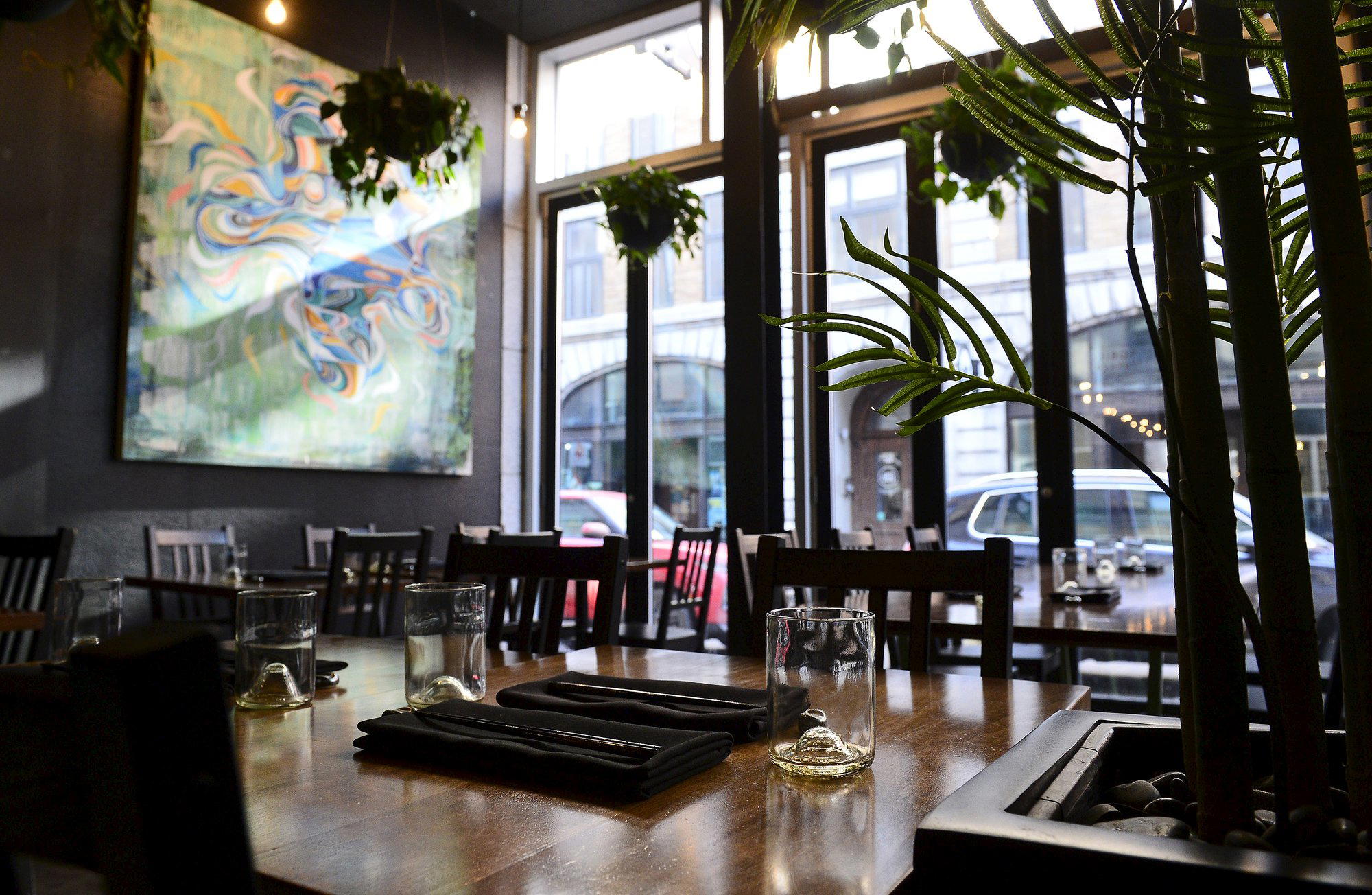
The Room and What It Signals
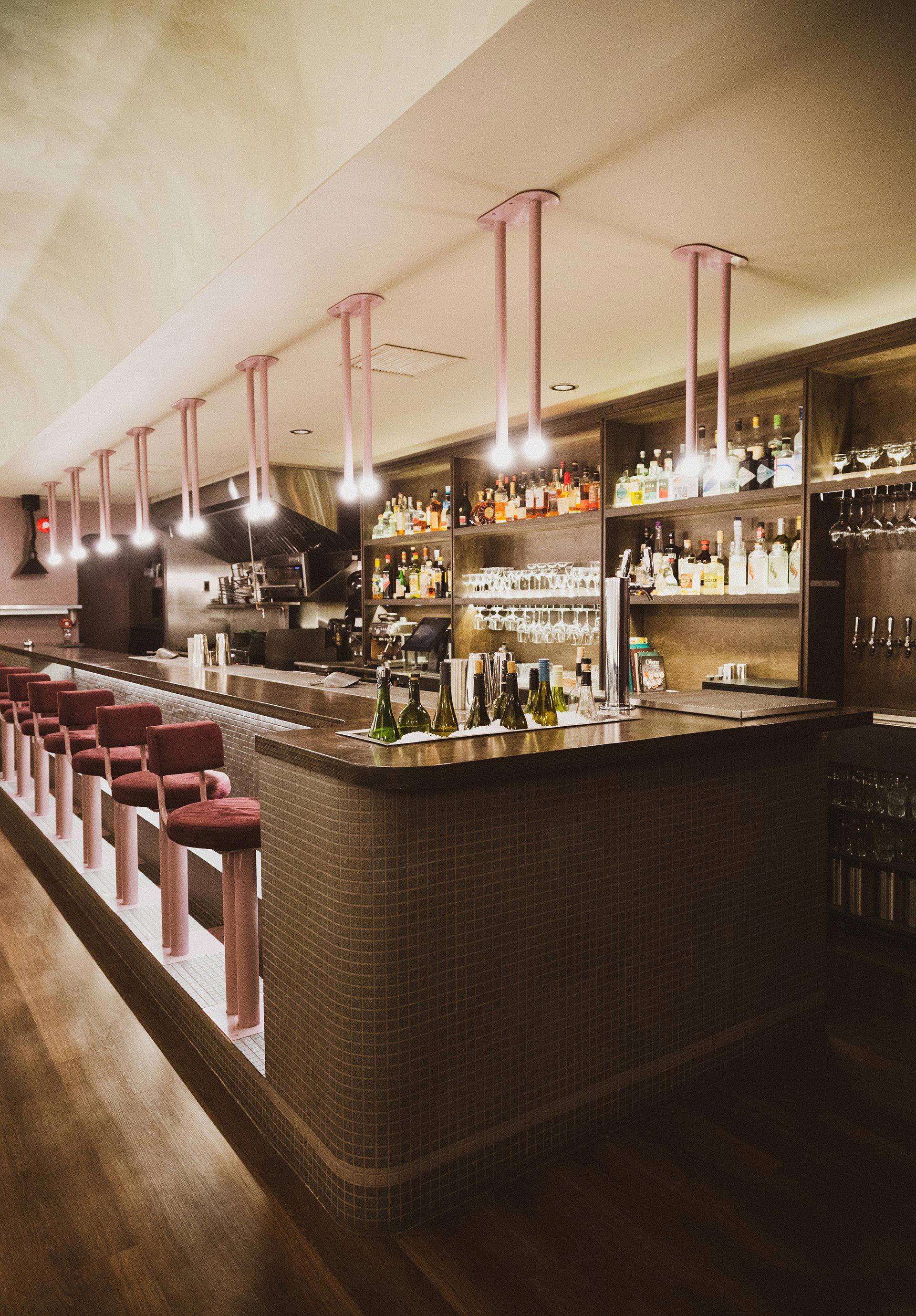
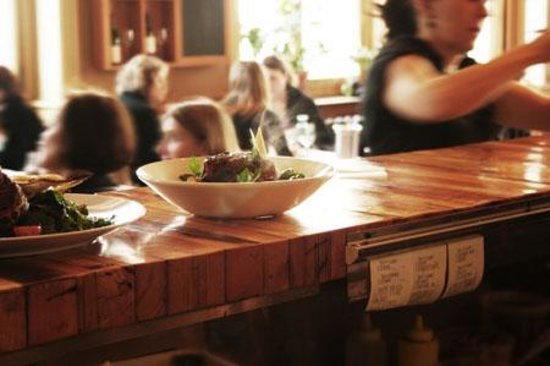
Torii - Buvette japonaise is a restaurant in Québec City’s Saint-Roch neighbourhood, serving modern Japanese izakaya with French fusion at about USD 40 per person. Torii - Buvette japonaise, at 771 rue Saint-Joseph Est in Québec City's Saint-Roch neighbourhood, follows that template closely. The physical shape of the space, long, tight, with counter seating alongside a handful of tables, is not a stylistic affectation. It reflects a genuine understanding of what an izakaya is supposed to feel like: communal, slightly improvised, built around the bar rather than around the kitchen's ambitions.
Saint-Roch has spent the better part of two decades repositioning itself as Québec City's most active neighbourhood for independent food and drink. The stretch of rue Saint-Joseph Est where Torii sits has accumulated a particular density of places worth knowing, from neighbourhood wine bars to chef-driven bistros like Coteau. Torii occupies a distinct niche within that strip: it is one of the few addresses in the city operating within a recognisably Japanese register while simultaneously drawing on the local larder and the French culinary grammar that still shapes how Québec cooks think about sauces, technique, and composition.
Between Two Culinary Traditions
The izakaya originated as an informal extension of the sake shop, a place where customers could eat while they drank. Over decades it evolved into Japan's default casual dining format: small dishes, an emphasis on drinks, a relaxed pace, and a menu that moves with the season and the market rather than staying fixed. In Japan, the genre ranges from neighbourhood standbys with laminated menus to serious chef-driven operations where the blackboard changes nightly. Torii operates closer to the latter register.
What distinguishes this address from the generic Asian-fusion category is the precision with which the kitchen integrates French classical technique into Japanese form. Dumplings are a staple across the menu, but here a filling of salmon mousseline with baby vegetables flavoured with Thai basil arrives alongside a creamy beurre blanc. That is not a compromise or a concession to local taste. It is a considered synthesis: the wrapper and the format belong to one tradition, the sauce technique to another, and the ingredient sourcing to a third. That triangulation is harder to execute than it appears, and it is what separates a coherent Franco-Japanese sensibility from a menu that simply mixes Asian and European references at random.
Comparable moves are visible in the work of chefs operating at higher price points across Canada. AnnaLena in Vancouver and Alo in Toronto both demonstrate how a kitchen can absorb influence from Japanese precision without reducing it to surface aesthetics. Torii pursues the same synthesis at a more accessible and less formal register, which in some ways makes the editorial task harder: restraint without the scaffolding of a tasting menu format requires discipline at every station.
Lunch and Evening: Two Different Modes
The menu operates on a clear dual-track logic. At lunch, the kitchen produces a set of reliable, well-executed staples: dumplings, karaage, takoyaki, and the bento format that has become standard shorthand for a composed Japanese midday meal. These are dishes with wide recognition, and the kitchen's job at that hour is consistency and value rather than surprise. The bento format in particular has practical appeal for a neighbourhood with a significant working population, and its presence here keeps the room accessible across the day.
After dark, the register shifts. The blackboard introduces a handful of market-driven mains built around more considered ingredients: eel and red tuna appear as examples, both of which require sourcing discipline and technical attention that exceeds what the lunch menu demands. The evening format does not abandon the izakaya spirit of informal grazing, but it extends the kitchen's range into territory that justifies the address as a destination rather than a convenience. This kind of dual programming is common in Japanese cities where the same kitchen serves office workers at noon and a more deliberate evening crowd. Torii brings that logic to Saint-Roch, and it works because the two modes are genuinely distinct rather than cosmetically different.
How Torii Fits Québec City's Wider Dining Picture
Québec City's restaurant scene is often discussed in terms of its French bistro tradition and the high-end tasting-menu tier anchored by addresses like Tanière³ in Quebec City. Less often discussed is the mid-range, genre-specific layer where independent operators work within a defined culinary tradition rather than trying to synthesise everything at once. Torii belongs to that layer. It does not compete with the tasting-menu tier, nor does it position itself as a neighbourhood utility. It occupies a specific space: casual enough for a Tuesday dinner, considered enough to reward attention.
That positioning matters for visitors building a full picture of what Québec City offers. A dinner at Tanière³ or a meal at one of the city's French-accented bistros represents one dimension of the scene. Torii represents another: evidence that the city's independent operators are working within global culinary traditions with enough fluency to make the local adaptation feel earned rather than approximate.
Planning Your Visit
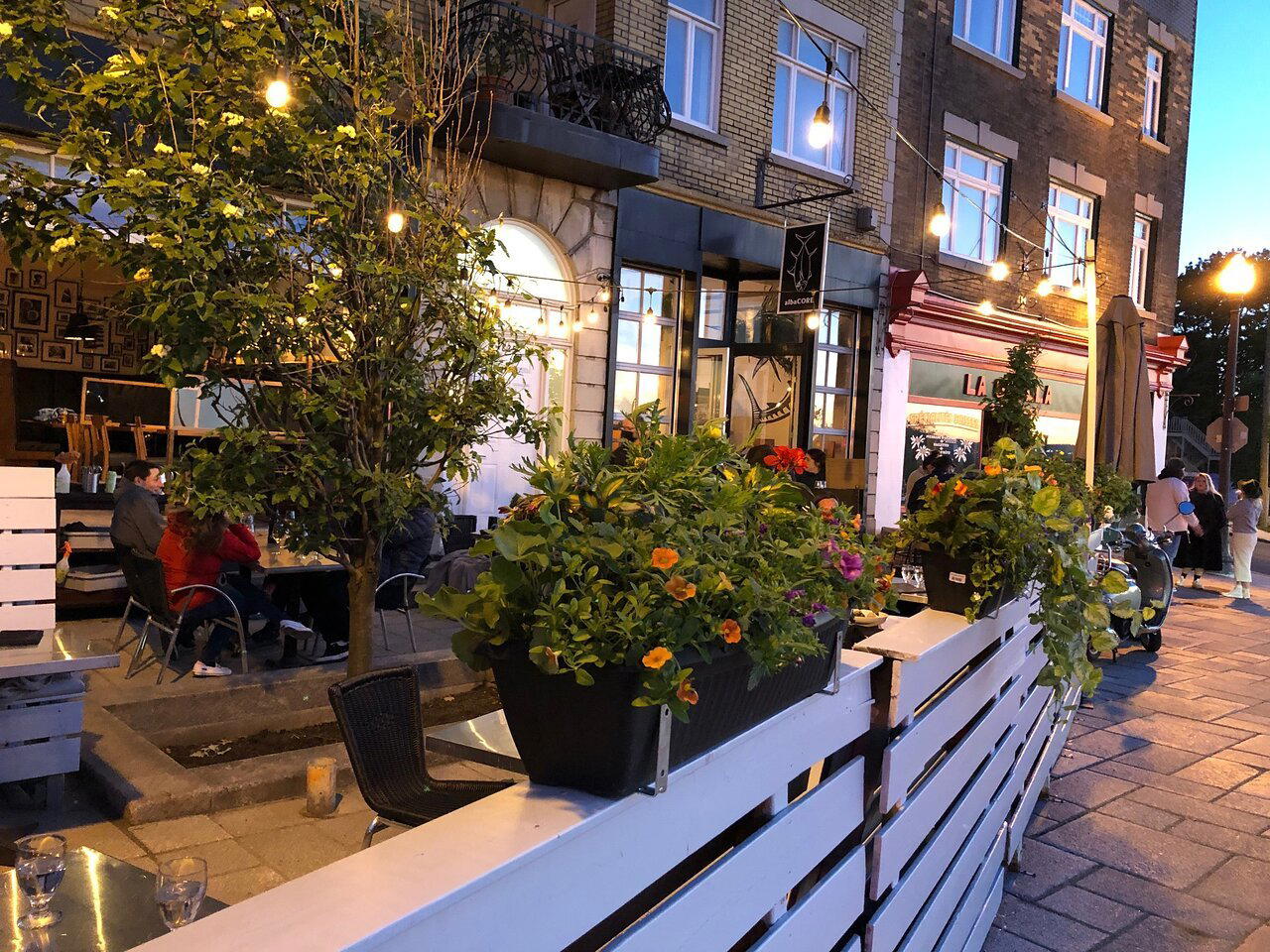
Torii sits on rue Saint-Joseph Est in Saint-Roch, walkable from the lower city and accessible by transit from the old town. The room is small by design, which means the evening blackboard service can fill quickly, particularly on weekends. Arriving without a reservation on a Friday or Saturday is a reasonable risk at lunch; for the evening menu, planning ahead is sensible. The dual-format programming makes it practical as a lunch stop during a day in the neighbourhood or as a destination in its own right after dark, when the blackboard dishes justify a longer, slower meal. Dress is informal, consistent with the izakaya register the kitchen is working within.
Budget and Context
Comparable venues nearby, for context on price, style, and recognition.
| Venue | Cuisine | Price | Awards | Notes |
|---|---|---|---|---|
| Torii - Buvette japonaiseThis venue — the venue you are viewing | Not listed | $$ | Bib Gourmand | Not listed |
| Artefact | Not listed | $$ | Not listed | Old Quebec / Old Port, Cocktail bar with light refined cuisine |
| L'Affaire est ketchup | Not listed | $$$ | Not listed | Old Quebec, Quebecois-French Comfort Bistro |
| Coteau | Old Québec, French-Canadian Fine Dining | $$$$ | Michelin Plate | Not listed |
| La Barberie - Microbrasserie & Restaurant | Not listed | $$ | Not listed | Saint-Roch, Quebecois Gastropub with Craft Beer |
| LE CONTINENTAL - Cuisine Française - Fruits de Mer / Homard / Steak - Flambé | Not listed | $$$$ | Not listed | Vieux Québec, Classic French Fine Dining with Tableside Flambé |
Recognition history
Dated appearances from independent guides and award organizations, with the underlying list record or original source where available.
Michelin Bib Gourmand
Michelin



At a Glance
- Cozy
- Intimate
- Trendy
- Elegant
- Date Night
- Casual Hangout
- Group Dining
- Open Kitchen
- Sake Program
- Craft Cocktails
- Local Sourcing
Current opening hours
- Monday
- 11:30 AM–10 PM
- Tuesday
- 11:30 AM–10 PM
- Wednesday
- 11:30 AM–10 PM
- Thursday
- 11:30 AM–10 PM
- Friday
- 11:30 AM–10 PM
- Saturday
- 5–10 PM
- Sunday
- Closed
Hours can change for holidays and private events. Last verified .
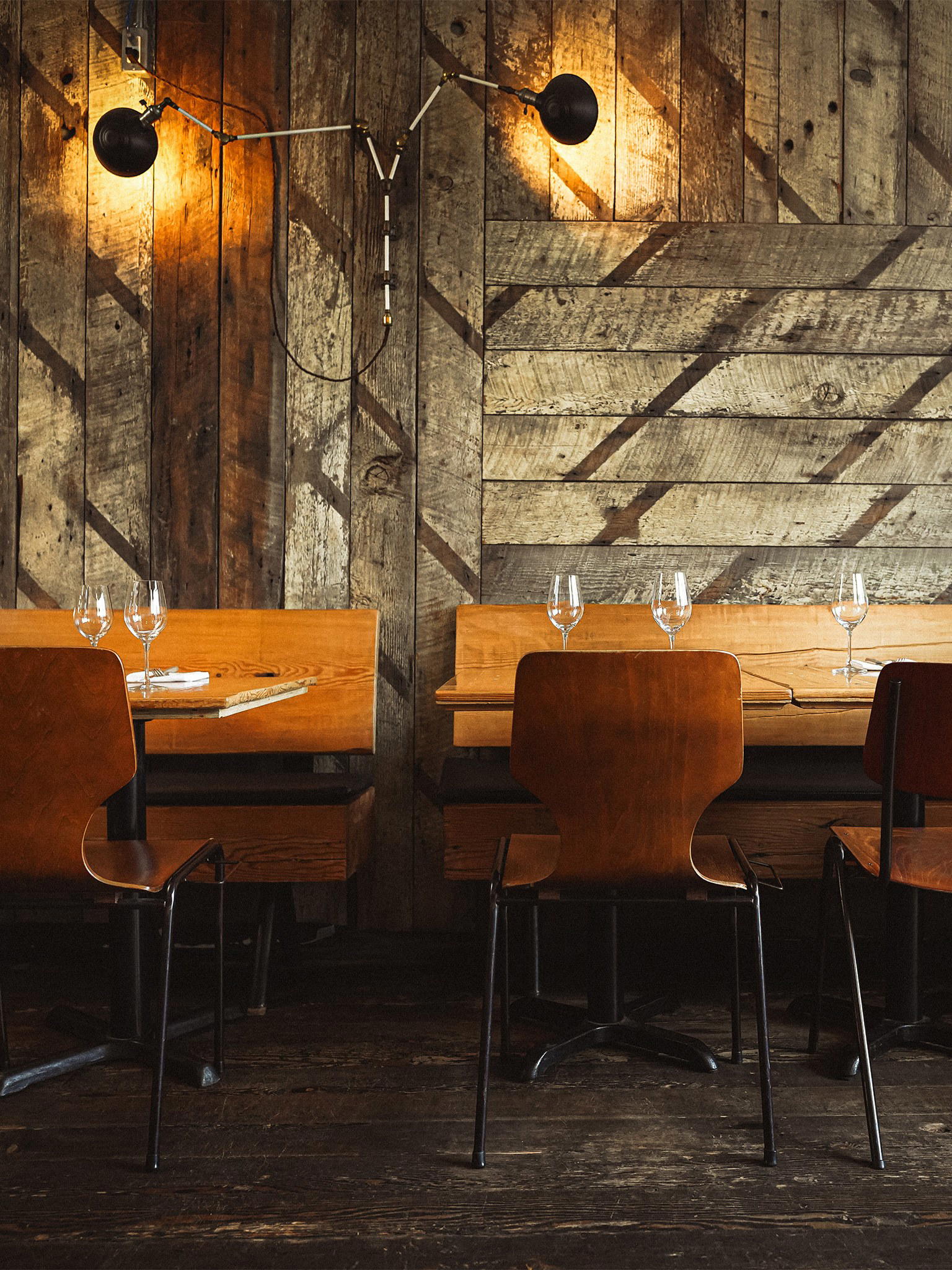
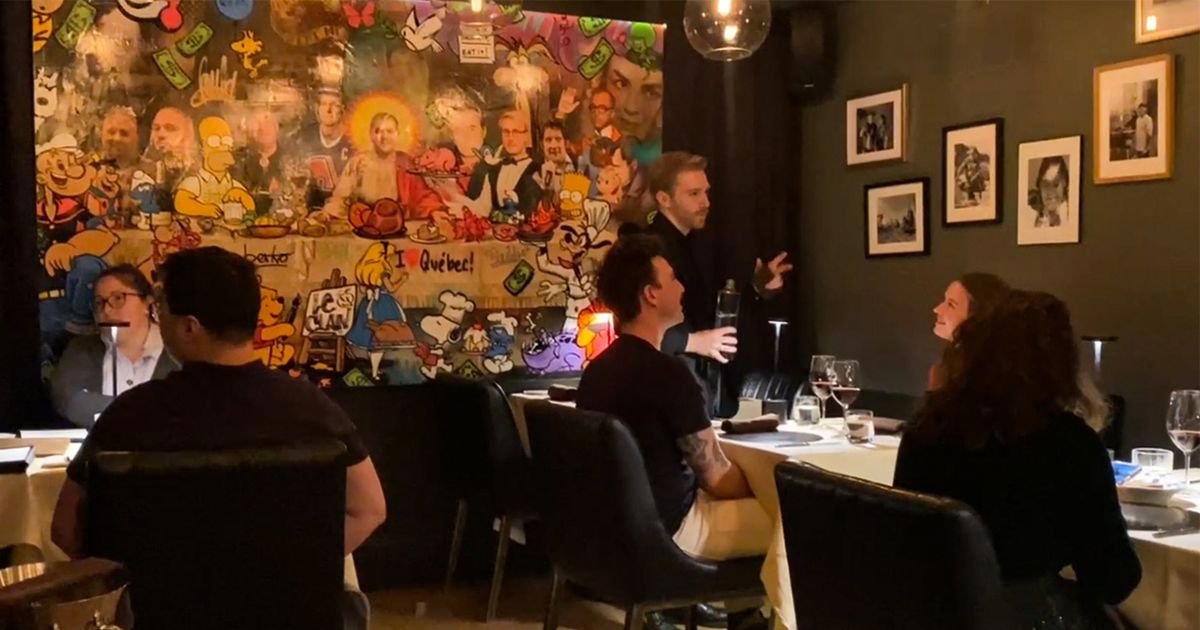
Warm, cozy, and intimate with soigné decor featuring street art, though music can sometimes be loud.