Torien


Torien serves traditional Japanese yakitori omakase at a chef’s counter with an open kitchen, quiet pacing, and a focused dinner format. Michelin gave it one star in 2024 and 2025.
Pearl is the En Primeur Club membership app — saves, bookings, and concierge access live there. Same editors, same standards.
- Address
- 292 Elizabeth St, New York, NY 10012
- Phone
- (646) 669-9946
- Website
- torien-nyc.com
- Directions
- Get directions
 Saves & bookings on Pearl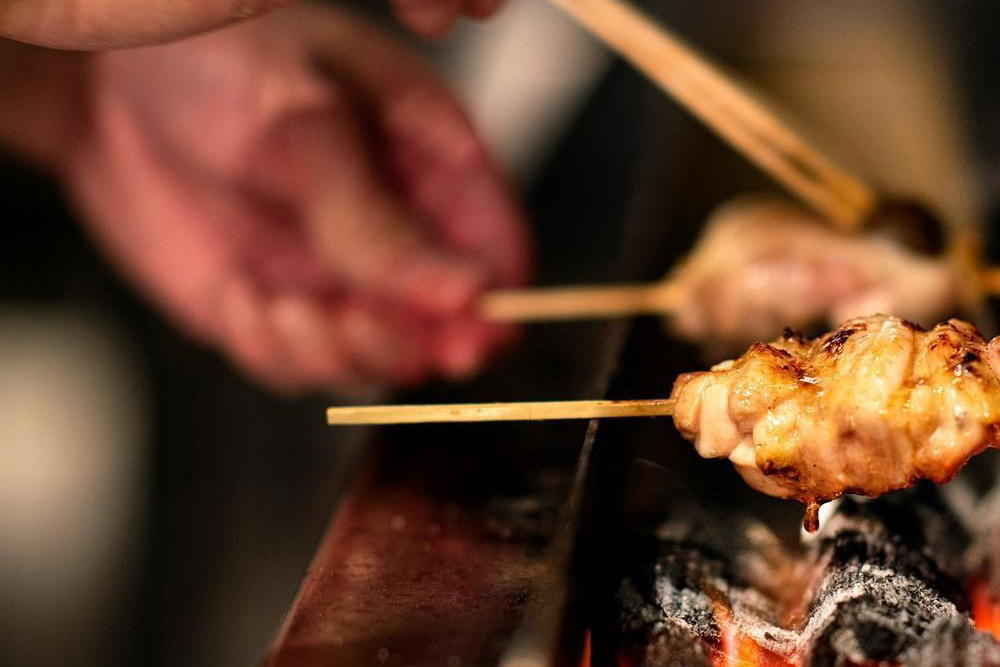
NoHo's Quiet Commitment to the Skewer
Torien is a one-Michelin-star restaurant in New York City serving Traditional Japanese Yakitori Omakase at 292 Elizabeth St, priced around $185 per person. The block's low-rise scale and relative absence of tourist foot traffic have made it a consistent address for restaurants that depend on regulars and word-of-mouth rather than walk-in volume. That context matters when considering Torien, which brought a formal yakitori counter, binchotan-driven, operating with the seriousness that New York otherwise reserves for its omakase sushi rooms.
The broader category of yakitori in the United States tends to appear as a supporting format inside izakayas or as a casual accompaniment to Japanese whisky bars. The dedicated yakitori counter, where charcoal work and skewer sequencing carry the weight of a full tasting experience, is a different proposition entirely. Torien is one of the few places in North America operating in that mode, and its Michelin star confirms its standing.
The Street Outside, the Room Inside
The NoHo address is not incidental to the experience. Elizabeth Street here reads differently from the stretch further south in Nolita, where retail density and weekend crowds are heavier. This block holds a quieter commercial character: small storefronts, modest signage, a neighbourhood that has remained relatively low-key while the blocks surrounding it shifted. For a restaurant that announces itself with blacked-out windows and a buzzer entry, the street's low visual noise functions as preparation rather than contrast.
Inside, the format is deliberate. A staff member pulls back a curtain at entry, a theatrical beat that separates the street from the counter without reaching for the exhausted speakeasy vocabulary that defined New York's previous decade of hospitality theatre. What follows is practical: a pristine counter workspace where Executive Chef Hideo Yasuda handles the physical labour of binchotan yakitori, the turning, fanning, saucing, and brushing that the format demands when executed at this level. The charcoal's aroma integrates with the room rather than acting as ambient backdrop; at a counter this compact, the smoke and heat are part of the material experience of being there.
This is where the neighbourhood-table quality of the address comes through most clearly. Torien is not trying to occupy the midtown power-dining register that defines Le Bernardin, Per Se, or Eleven Madison Park. The Elizabeth Street location, the format, and the counter scale all position it as something closer to a specialist neighbourhood destination that happens to hold national recognition.
Tradition on the Grill
Yakitori's Tokyo tradition is built around the proposition that chicken, prepared with precision over binchot an charcoal, requires no supplementary justification. Torishiki in Tokyo has spent years demonstrating that argument at the highest level, and the New York address carries that lineage as its primary credential. The charcoal itself, white binchotan oak, which burns at a consistent, radiant heat without flame or excess smoke, is not interchangeable with gas or conventional charcoal. It produces a different surface texture on protein, a different rate of caramelisation, and a different aromatic compound in the space. These are not marginal distinctions at a counter this focused.
Chicken takes the structural centre of the menu, as it should in the tradition. The nikomi appears among the appetisers, a preparation that sits outside the skewer format and signals that the kitchen is working within a broader vocabulary of Japanese technique rather than narrowing to a single method. Vegetable skewers, broccoli and Brussels sprouts among them, appear alongside the chicken-forward progression, serving as counterpoint rather than afterthought. The sequencing of a yakitori omakase matters: lighter preparations early, richer skewers of thigh, skin, and offal building through the middle, with the form finishing where the tradition places its weight.
The competitive set for this kind of restaurant in New York is thin. Atomix operates in the same $$$$ tier with a Korean tasting menu format that shares some structural DNA, but the cuisines and reference points are entirely distinct. The more useful comparison is the broader shift in New York's high-end Japanese dining, where counter formats with strong Tokyo pedigree have established a peer group. Torien's binchot an-centred approach places it in a narrower subset of that group, one where the cooking instrument is as much the subject as the ingredient.
Where It Sits in the Wider Field
North American restaurant culture has, over the past decade, developed significant appetite for Japanese counter formats that import Tokyo or Kyoto reference points without softening them for local preference. The cities where this has taken firmest hold, New York, Los Angeles, and San Francisco, now have enough examples to establish meaningful comparisons. Lazy Bear in San Francisco, Alinea in Chicago, Single Thread Farm in Healdsburg, and The French Laundry in Napa all operate counter or tasting-menu formats at comparable price points, but none of them are doing what Torien does with charcoal and skewer. Providence in Los Angeles and Emeril's in New Orleans represent different traditions altogether. Globally, the Michelin universe places Torien in a comparable set that includes deeply technical counter restaurants like 8 1/2 Otto e Mezzo Bombana in Hong Kong and Alain Ducasse at Louis XV in Monte Carlo, though the format and price register differ sharply.
What the rankings across three years indicate is consistency of execution rather than novelty.
Planning a Visit
Torien operates Tuesday through Sunday for dinner service beginning at 5:30 PM, with last seating at 10 PM. The restaurant is closed on Tuesdays. The Elizabeth Street address in NoHo places it within a short walk of multiple subway lines serving lower Manhattan. The buzzer-entry format means arriving without a reservation is not a realistic option; the counter setup and format indicate that booking ahead is essential, and given the recognition level, advance planning is advisable. The $$$$ price range aligns with New York's Michelin-starred counter tier. Dress code information is not published.
The Essentials
Comparable venues nearby, for context on price, style, and recognition.
| Venue | Cuisine | Price | Notes |
|---|---|---|---|
| TorienThis venue — the venue you are viewing | Yakitori, Japanese | $$$$ | Not listed |
| Noz 17 | Not listed | $$$$ | Chelsea-Hudson Yards, Edomae-style Omakase |
| Bar Miller | Not listed | $$$$ | East Village, Sustainable American Omakase |
| Frenchette | Not listed | $$$$ | Tribeca-Civic Center, Modern French Brasserie |
| Tsukimi | East Village, Modern Kaiseki | $$$$ | Not listed |
| Dirt Candy | Not listed | $$$$ | Lower East Side, Modern Vegetarian Tasting Menu |
Recognition history
Dated appearances from independent guides and award organizations, with the underlying list record or original source where available.
Opinionated About Dining Top Restaurants in North America Ranked #51
Opinionated About Dining
Michelin 1 Star
Michelin
Opinionated About Dining Top Restaurants in North America Ranked #48
Opinionated About Dining
Michelin 1 Star
Michelin
Opinionated About Dining Top Restaurants in North America Ranked #40
Opinionated About Dining
Opinionated About Dining Top Restaurants in North America Ranked #31
Opinionated About Dining
Continue exploring
More in New York City
Restaurants in New York City
Browse all →

Bars in New York City
Browse all →

Hotels in New York City
Browse all →






At a Glance
- Intimate
- Minimalist
- Elegant
- Sophisticated
- Date Night
- Special Occasion
- Chefs Counter
- Open Kitchen
- Sake Program
- Craft Cocktails
Current opening hours
- Monday
- 5:30–10 PM
- Tuesday
- Closed
- Wednesday
- 5:30–10 PM
- Thursday
- 5:30–10 PM
- Friday
- 5:30–10 PM
- Saturday
- 5:30–10 PM
- Sunday
- 5:30–10 PM
Hours can change for holidays and private events. Last verified .
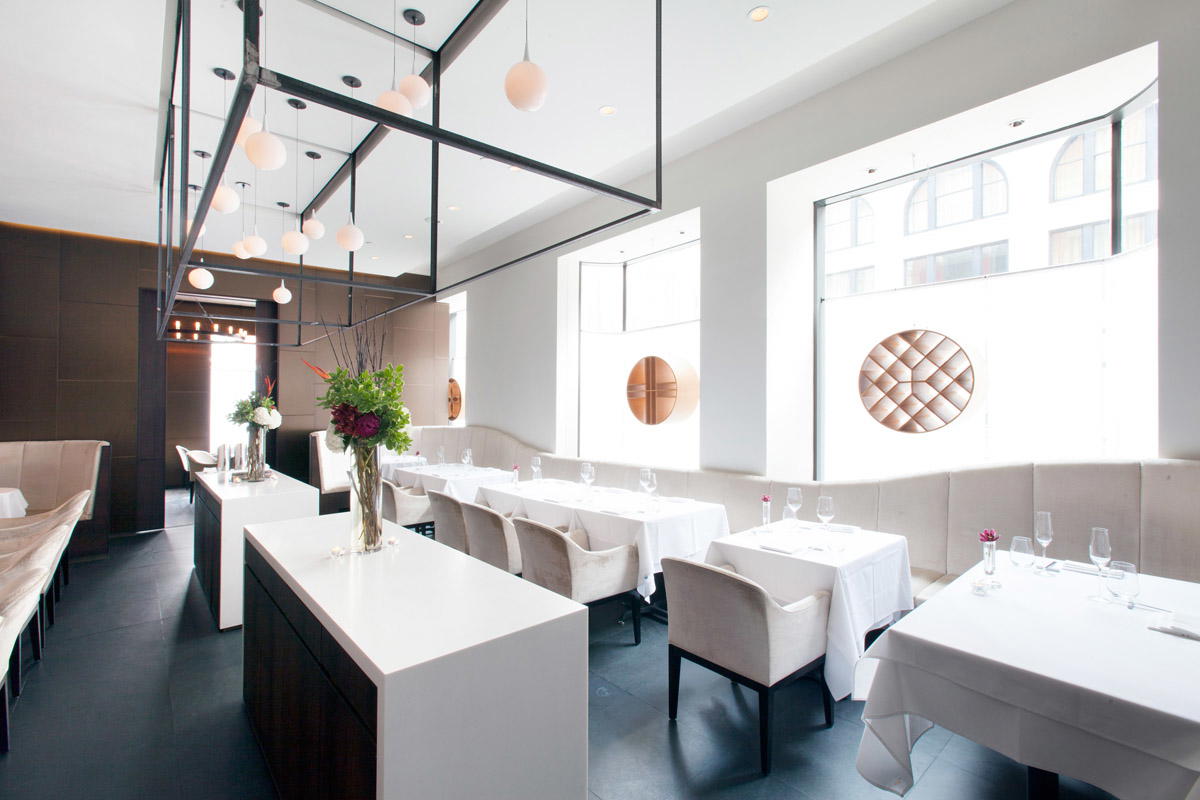
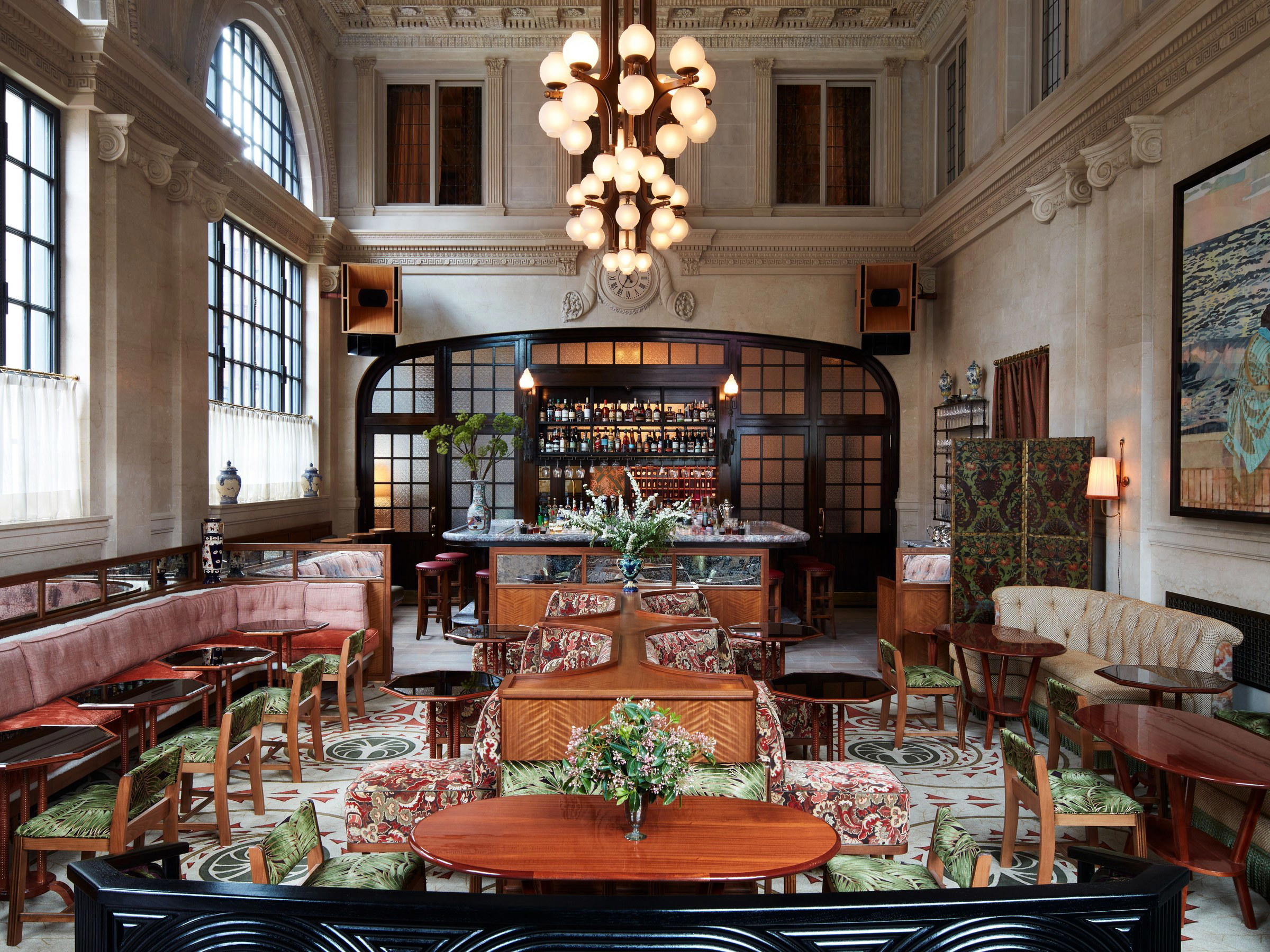
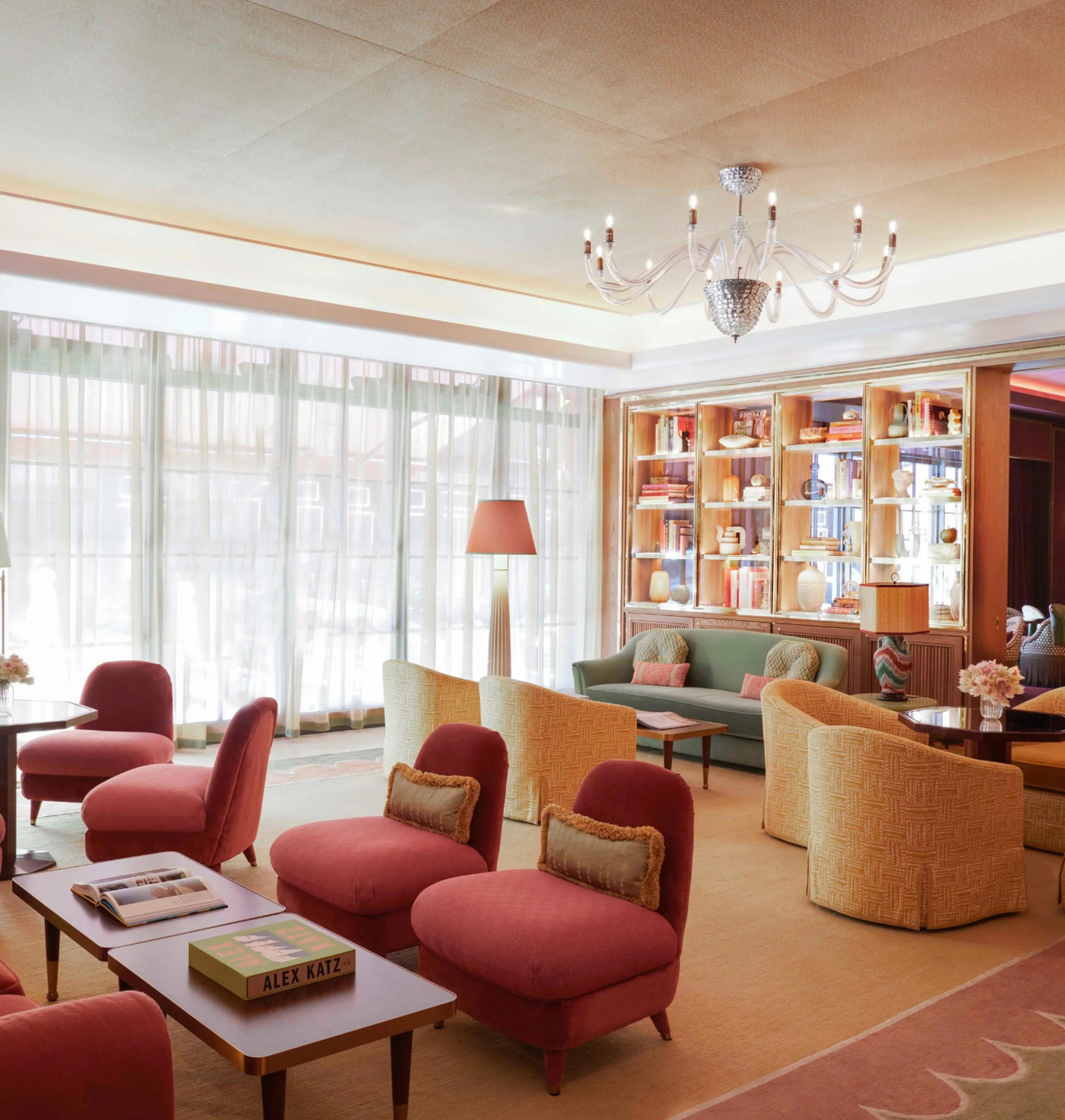
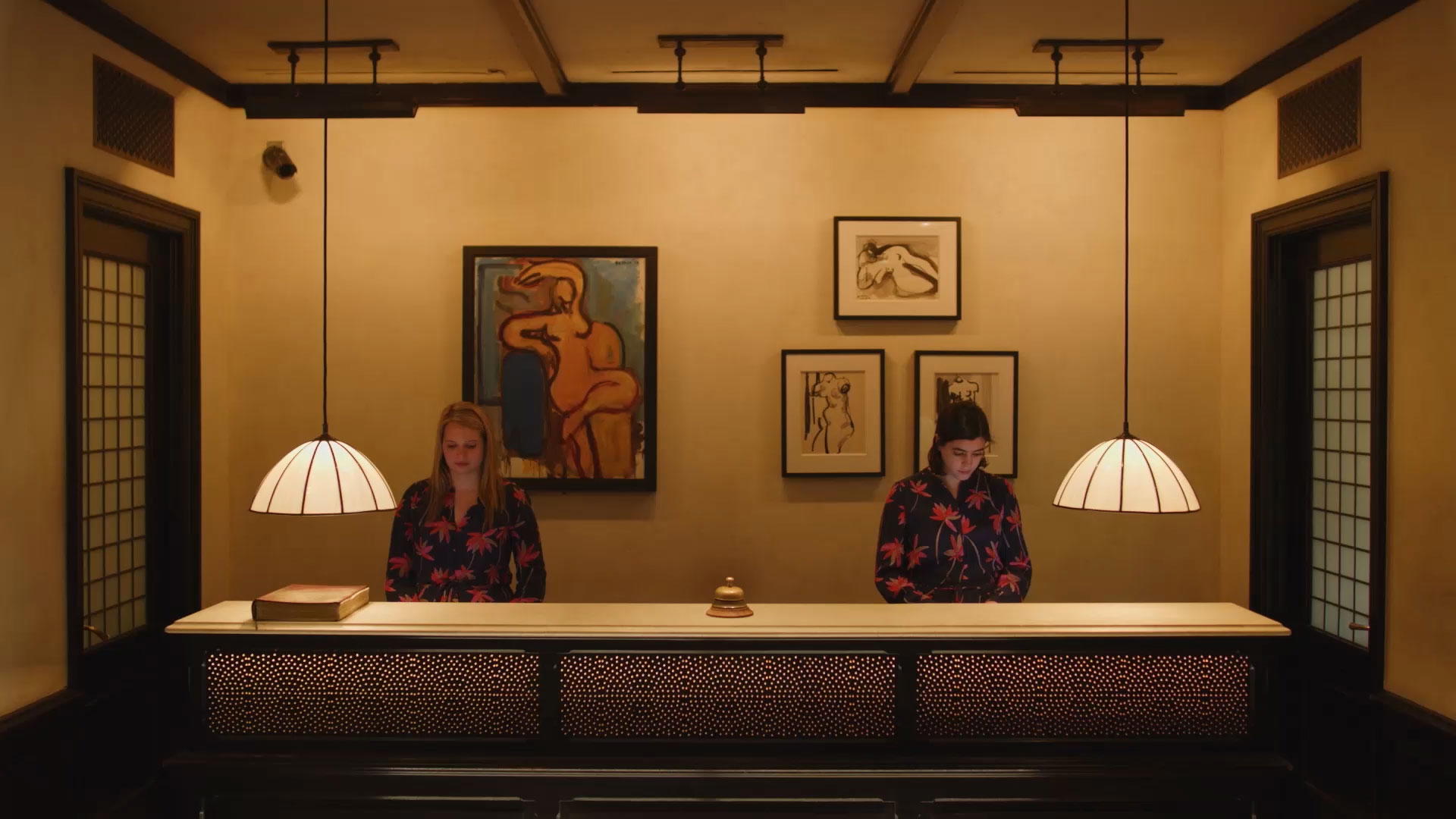
Bright, modern minimalist space with warm wood tones, near silence broken only by chefs' brief course descriptions, and focus on the open grill.