Tonchin New York


Michelin Bib Gourmand
Our verdict
A Tokyo-based ramen chain that arrived in Midtown Manhattan and quietly earned a place among the city's most recognized bowls. Tonchin New York, on West 36th Street, ranked #68 on Opinionated About Dining's 2025 Cheap Eats in North America list, with in-house noodles, a refined tonkotsu, and starters that outperform the price point by a considerable margin.

Pearl is the En Primeur Club membership app, where members save venues, book tables and use the concierge.
The menu
What to order
- Tonchin Classic Tonkotsu Ramen
- Gyoza
- Tsukune Chicken Buns
- Smoked Dashi Ramen
Where Tokyo's Ramen Counter Culture Lands in Midtown
Tokyo's ramen scene operates on a philosophy of obsessive specialization: a single shop, a single broth style, refined over years until the bowl is nearly irreducible. That discipline doesn't always survive the Atlantic crossing. When Tonchin, a Tokyo-based chain with a long-standing reputation in Japan's hyper-competitive ramen market, opened its New York outpost at 13 West 36th Street, the question was whether the standards would hold at the volume Midtown demands. The short answer, according to Opinionated About Dining's 2025 Cheap Eats in North America ranking, is yes: the restaurant placed #68 on that list, a recognition that positions it clearly within the upper tier of affordable serious dining in the country, not just the city.
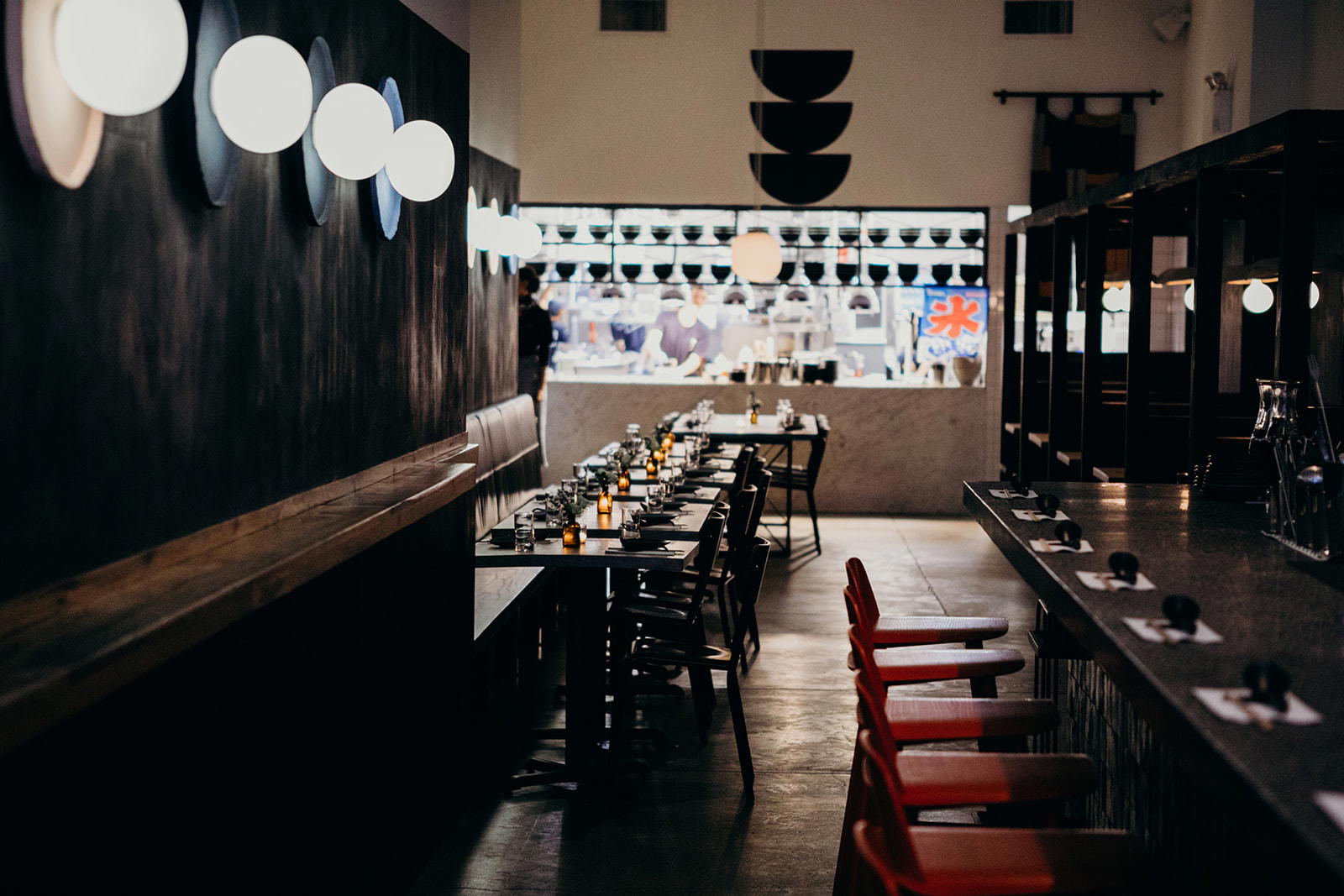
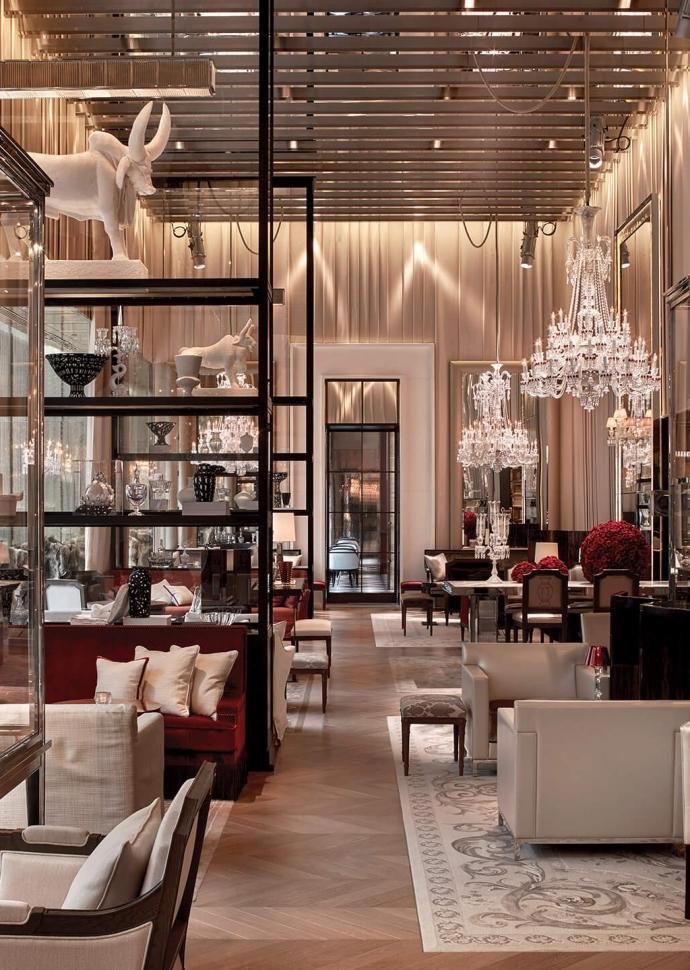
The address itself says something about the dining context. West 36th Street sits in the corridor between the Garment District and Herald Square, a neighbourhood that runs on lunch traffic, quick turnovers, and price sensitivity. Serious ramen at the single-dollar-sign price range is precisely what the area absorbs well, and Tonchin's format, sleek, high-ceilinged, concrete-floored, reads less like a traditional neighborhood ramen-ya and more like a deliberate midpoint between Tokyo counter discipline and New York casual efficiency.
The Bowl as Prepared Performance
Ramen, more than most dishes, is the sum of visible preparation decisions. The editorial angle here matters: this is a kitchen where the process is legible in the result. All noodles at Tonchin New York are made in-house, and the texture is described in OAD's recognition as having "proper spring and bounce", a technical standard that separates fresh-made ramen noodles from dried or factory-supplied alternatives. In a city where many ramen shops rely on imported or wholesale noodles, in-house production signals both a capital investment and a commitment to the bowl's structural integrity.
The tonkotsu is the house anchor. Tonkotsu as a category, pork-bone broth cooked long enough to emulsify fat and collagen into a milky, opaque stock, is among the most labor-intensive ramen styles to execute consistently. The version here is described as refined, a word that in this context implies restraint: a broth that is rich without being aggressive, controlled rather than maximalist. The smoked dashi ramen offers a different register, lighter in base but carrying depth through smoke, and it has developed its own following as an alternative to the heavier pork option.
The gyoza deserve particular attention as evidence of kitchen standards across the menu. Served in a cast-iron pan with ramen broth still sizzling around the edges, they arrive crisp-seared, filled with pork and ginger. The cast-iron presentation is a deliberate format choice: it maintains heat, continues the crisping process tableside, and makes the cooking visible to the diner. It is the kind of detail that reflects counter-culture discipline applied to a starter course. Equally considered is the kale salad, dressed with an umami-forward vinaigrette and garnished with pomegranate and grapefruit, a dish that functions as a counterpoint to the broth-heavy menu items and shows range beyond the noodle program. The mango milk shaved ice, finished with honey cream, completes a dessert course that few ramen shops in this price bracket bother to offer seriously.
Where Tonchin Sits in New York's Ramen Field
New York's ramen scene has deepened considerably over the past decade. What was once a field dominated by a handful of imported chain outposts has diversified into a range of regional styles, formats, and price points. Hide-Chan built its reputation on Hakata-style tonkotsu with kaedama noodle refills. Momosan Ramen & Sake brought a chef-driven profile to a traditionally casual format. Nakamura Ramen operates with a tight, focused menu that prioritizes broth precision. Okiboru House of Tsukemen carved out a niche in the dipping-noodle format, while TabeTomo addresses a slightly different dining register altogether.
Within that field, Tonchin competes directly on quality-to-price ratio. The OAD Cheap Eats ranking is one of the more credible signals in this category: the list is assembled by a voting community of frequent, high-volume diners with explicit track records, and placement at #68 in North America means Tonchin is being measured against serious regional competition, not just Midtown options.
The comparison to higher price-bracket Japanese restaurants elsewhere in Manhattan is worth making explicit. The dining that happens at Alinea in Chicago, The French Laundry in Napa, or Lazy Bear in San Francisco operates in a fundamentally different tier of investment and expectation. Tonchin's value is calibrated against different benchmarks, but the OAD placement suggests it wins those benchmarks decisively. Restaurants operating at this price point with this level of independent recognition are relatively rare in any North American city. For a broader sense of where Tonchin sits within the full New York dining ecosystem, the full New York City restaurants guide provides useful category context.
For those exploring Japanese noodle culture further afield, Afuri in Tokyo offers a useful reference point for the yuzu-shio style that contrasts with Tonchin's tonkotsu focus, while Afuri Ramen in Portland shows how Tokyo-origin ramen concepts translate across different American dining contexts. The comparison is instructive: Tonchin's Midtown positioning and volume capacity represent a different strategic choice than the smaller, neighborhood-format operations that often carry the critical weight in ramen conversations. Explore the full range of what the city offers through the New York City hotels guide, bars guide, wineries guide, and experiences guide for planning around a visit.
Planning a Visit
Tonchin New York operates at the single-dollar-sign price point, one of the more affordable entry points among OAD-recognized restaurants in the city, and considerably below the tier occupied by four-dollar-sign Manhattan institutions like Emeril's in New Orleans or Providence in Los Angeles. The Midtown location at 13 West 36th Street is walkable from Penn Station and the major Sixth Avenue subway lines. Chef Anan Sugeno oversees the New York kitchen. Also worth noting: Single Thread Farm in Healdsburg represents a different end of the Japanese-influenced dining spectrum in the US, useful context for understanding the range Tonchin occupies its own corner of.
Quick reference:
Frequently asked questions
Where exactly is Tonchin New York?
Tonchin New York is located at 13 W 36th St. New York, NY 10018, New York City.
Has Tonchin New York won any awards?
Tonchin New York has received recognition including: Opinionated About Dining Cheap Eats in North America Ranked #68 (2025); Leave it to this Tokyo-based ramen chain to offer one of the city’s best bowls. A refined tonkotsu is the house favorite but the smoked dashi ramen holds its own. All n….
What's the must-try dish at Tonchin New York?
The tonkotsu is the clearest expression of Tonchin's Tokyo lineage and the dish most worth anchoring to on a first visit. The smoked dashi ramen holds its own as a lighter alternative. Both are built on noodles made in-house, which OAD's 2025 Cheap Eats ranking specifically called out for proper spring and bounce.
Is Tonchin New York more mid-range or high-end?
Pricing at Tonchin New York is listed as $.
Which chef is Tonchin New York associated with?
The chef associated with Tonchin New York is Anan Sugeno.
Do they take walk-ins at Tonchin New York?
Tonchin operates at 13 W 36th St. in a Midtown corridor that draws heavy lunch traffic, so arriving early or outside peak hours is a practical approach. Given the single-dollar-sign price point and OAD recognition, demand during lunch service is consistent.
Same-City Peers
| Venue | Cuisine | Price | Awards | Notes |
|---|---|---|---|---|
| Tonchin New YorkThis venue (the venue you are viewing) | Tokyo Tonkotsu Ramen | $20–30 | Michelin Bib Gourmand | Not listed |
| Le Bernardin | French Seafood Fine Dining | $300–500 | 3 Michelin Stars · World's 50 Best #13 | French, Seafood |
| Atomix | Modern Korean Tasting Menu | $300–500 | 2 Michelin Stars · World's 50 Best #7 | Modern Korean, Korean |
| Masa | Seasonal Hokkaido Tempura Omakase | $150–200 | Tabelog 100 #34 | Sushi, Japanese |
| Per Se | French Fine Dining Tasting Menu | $300–500 | 3 Michelin Stars · World's 50 Best #40 | French, Contemporary |
| Eleven Madison Park | Contemporary Plant-Based Fine Dining | $300–500 | 3 Michelin Stars · World's 50 Best #4 | French, Vegan |
Recognition history
Dated appearances from independent guides and award organizations, with the underlying list record or original source where available.
Michelin Bib Gourmand
Michelin
Opinionated About Dining Cheap Eats in North America Ranked #123
Opinionated About Dining
Full recognition history (3 entries)
Opinionated About Dining Cheap Eats in North America Ranked #68
Opinionated About Dining
Continue exploring
More in New York City
Restaurants in New York City
All restaurants in New York City →
Bars in New York City
All bars in New York City →







Details
- Trendy
- Modern
- Cozy
- Intimate
- Date Night
- Casual Hangout
- After Work
- Open Kitchen
- Sake Program
- Craft Cocktails
- A La Carte
- Sake
- Cocktails
- Vegetarian Friendly
Current opening hours
- Monday
- 11:30 AM–10 PM
- Tuesday
- 11:30 AM–10 PM
- Wednesday
- 11:30 AM–10 PM
- Thursday
- 11:30 AM–10 PM
- Friday
- 11:30 AM–10 PM
- Saturday
- 11:30 AM–10 PM
- Sunday
- 11:30 AM–10 PM
Hours can change for holidays and private events. Hours as of .
Dark intimate lighting with small table lights, minimalistic Japanese design, open kitchen views, and a comforting navy blue scheme that feels cozy yet trendy.