Top Cuvee

Top Cuvee on Blackstock Road sits at the intersection of natural wine shop, deli, and neighbourhood bistro, a format that became sharper, and more delivery-focused, after Covid-19 reshaped how Londoners source wine. Where Highbury's fine-dining neighbours compete on tasting menus, Top Cuvee competes on accessibility: low-intervention European bottles, a relaxed retail floor, and a subscription model built for regulars rather than occasion diners.
Pearl is the En Primeur Club membership app — saves, bookings, and concierge access live there. Same editors, same standards.
- Address
- 177B Blackstock Rd, London N5 2LL, United Kingdom
- Phone
- +44 20 7704 8457
- Website
- topcuvee.com
- Directions
- Get directions
 Saves & bookings on Pearl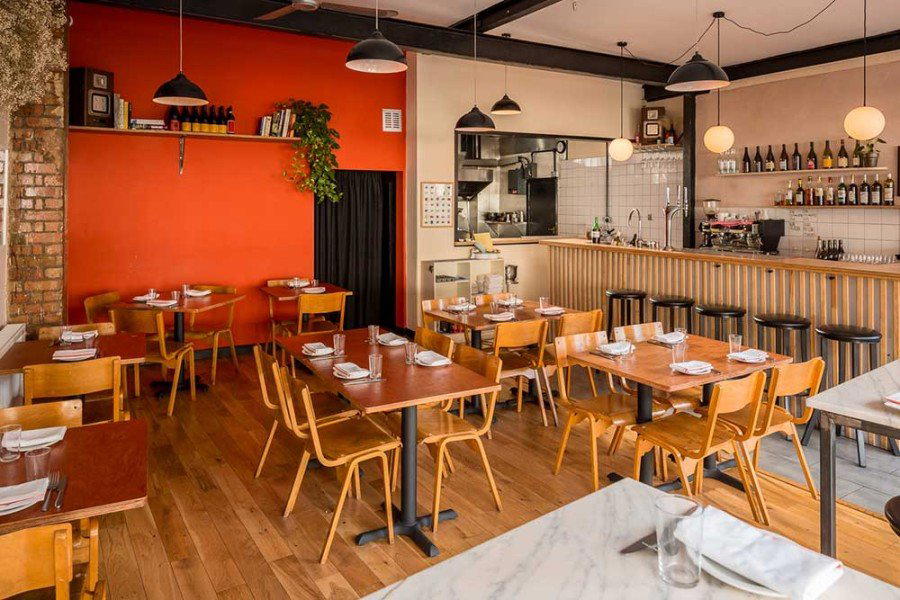
Blackstock Road and the New Neighbourhood Wine Format
North London's relationship with natural wine has been building for over a decade, but the format it takes on Blackstock Road is more specific than most. The stretch of N5 running through Highbury is not a destination wine quarter in the way Bermondsey or Soho have become for bars and bottle shops. It is residential, locally anchored, and less trafficked by the kind of visitor who moves between Michelin addresses like CORE by Clare Smyth or The Ledbury in an evening. That separation from London's formal dining circuit is precisely what defines Top Cuvee's position. It is not competing with Ikoyi or The Clove Club. It is competing with your wine merchant and your local bistro simultaneously, and winning on both fronts for a different kind of customer.
The physical approach matters here. Blackstock Road is the kind of street where a wine shop with a deli counter reads as a neighbourhood anchor rather than a concept import. Walking in, the retail shelving is immediately legible, bottles forward, labels facing outward, organised around the low-intervention European producers that define the natural wine tier. The deli counter sits alongside it. The effect is closer to a serious Parisian cave à manger than to the tasting-menu-with-wine-pairing format that dominates London's premium dining tier. That distinction carries editorial weight: this is a format shaped by how people actually drink at home, not by how restaurants have historically sold wine.
What Covid-19 Did to the Format
The shift that turned Leading Cuvee from neighbourhood bistro into something more hybrid is worth examining on its own terms, because it reflects a broader pattern across London's independent food and wine operations. When in-person service collapsed in 2020, venues with strong product identity and an existing local customer base were better positioned to pivot than larger, occasion-driven restaurants. Top Cuvee leaned into delivery and wine subscriptions, two channels that, in the natural wine category, were already growing before the pandemic accelerated them.
Subscription model in particular has a different logic than restaurant revenue. It builds recurring relationships with customers who are self-selecting for engagement with low-intervention European wine, not occasional visitors testing a tasting menu. The result, post-pandemic, is a business with multiple revenue streams: walk-in retail, deli, bistro service, delivery, and subscription. Compare this with the single-channel dependency of a tasting-menu restaurant like Alain Ducasse at The Dorchester, and the structural advantage of the hybrid model becomes clear, even if the revenue ceiling is considerably lower.
Daytime Versus Evening: How the Offer Splits
The lunch versus dinner divide is particularly relevant here because the hybrid format means the venue operates in genuinely different modes across the day. In the daytime, the dominant register is retail and deli. The wine shop function is primary: customers arrive to browse, to pick up a subscription order, or to buy bottles for home. The deli counter supports this with food that makes sense as a lunch stop rather than a destination meal. The mood is transactional in the leading sense, purposeful, neighbourhood-scaled, without the ambient pressure of a timed sitting.
Evening service shifts the weight toward the bistro function. The same space carries different expectations after six o'clock, and the natural wine list becomes the connective tissue between the retail identity and the dining one. This is a format London has seen succeed in places like Brawn in Bethnal Green and Sager + Wilde in Hackney, where the wine list and the food offer are co-equal rather than hierarchically arranged. For the customer, the practical implication is clear: come in the daytime for the shop, the deli, and a lower-commitment interaction with the wine offer. Come in the evening when you want the bistro version, with bottles opened at the table and food to match.
The value proposition also shifts between these two modes. Daytime is more accessible, a deli lunch and a bottle to take home sits at a different price point than an evening bistro sitting with wine by the glass. For a neighbourhood in N5 that is not on the high-spending dining circuit of, say, Chelsea or Mayfair, that daytime accessibility is a real competitive advantage. It broadens the customer base beyond committed natural wine drinkers to include anyone walking by who wants a good lunch without the overhead of a booking.
Low-Intervention Wine in the London Context
Natural and low-intervention wine has moved from fringe category to mainstream conversation in London over the past decade. The city now has a range of serious bottle shops, wine bars, and hybrid operations working in this space, and the quality range within the category has widened considerably. Leading Cuvee's focus on European producers places it within one established corner of that market: France, Italy, and the broader natural wine tradition that draws on Beaujolais, the Loire, Burgundy, and increasingly Jura and Sardinia.
This is not the same competitive set as the prestige wine tier represented by estate-focused addresses. It is a different argument about what wine is for: less about cellaring and vertical comparisons, more about drinking now, with food, in a relaxed setting. The subscription model reinforces this, customers who subscribe are buying access to a curated rotating selection, not building a cellar. That positions Leading Cuvee alongside the growing cohort of London operators who treat wine as a food pairing rather than a collecting category.
For context on how this fits into London's broader food and drink offer, our full London restaurants guide, full London bars guide, and full London experiences guide map the wider landscape. And if you are exploring beyond the city, the same hybrid sensibility appears in a different register at destination dining addresses like Waterside Inn in Bray, Moor Hall in Aughton, or L'Enclume in Cartmel, though the format and price point differ considerably. For those who want to extend a UK trip further, Gidleigh Park in Chagford, Hand and Flowers in Marlow, and hide and fox in Saltwood represent the country-house and regional fine dining tier. Internationally, the wine-forward bistro model finds different expressions at addresses like Le Bernardin in New York City and Emeril's in New Orleans, where the wine program anchors a distinct identity. See also our full London hotels guide and full London wineries guide for broader trip planning.
Know Before You Go
Address: 177B Blackstock Rd, London N5 2LL
Format: Natural wine shop, deli, and bistro with delivery and wine subscription options
Wine focus: Low-intervention European producers
Ideal time to visit: Daytime for retail and deli; evening for bistro service with wines by the glass
Booking: Reservations are recommended
Delivery and subscriptions: Available
Compact Comparison
Comparable venues nearby, for context on price, style, and recognition.
| Venue | Cuisine | Price | Notes |
|---|---|---|---|
| Top CuveeThis venue — the venue you are viewing | Highbury, Modern European Small Plates | $$$ | Not listed |
| Hemsley + Hemsley | Not listed | $$$ | Marylebone, Healthy Grain & Gluten-Free Cafe |
| Raw Press | Not listed | $$ | Belgravia, Plant-Based Juice Bar & Healthy Cafe |
| Harrods Food Halls | Brompton, Luxury Food Hall | $$$$ | Not listed |
| Tukdin | Bayswater, Authentic Malaysian | $$ | Not listed |
| Tom Ilic | Battersea, Modern European Bistro | $$ | Not listed |
Recognition history
Dated appearances from independent guides and award organizations, with the underlying list record or original source where available.
Star Wine List
Star Wine List
Continue exploring
More in London
Restaurants in London
Browse all →
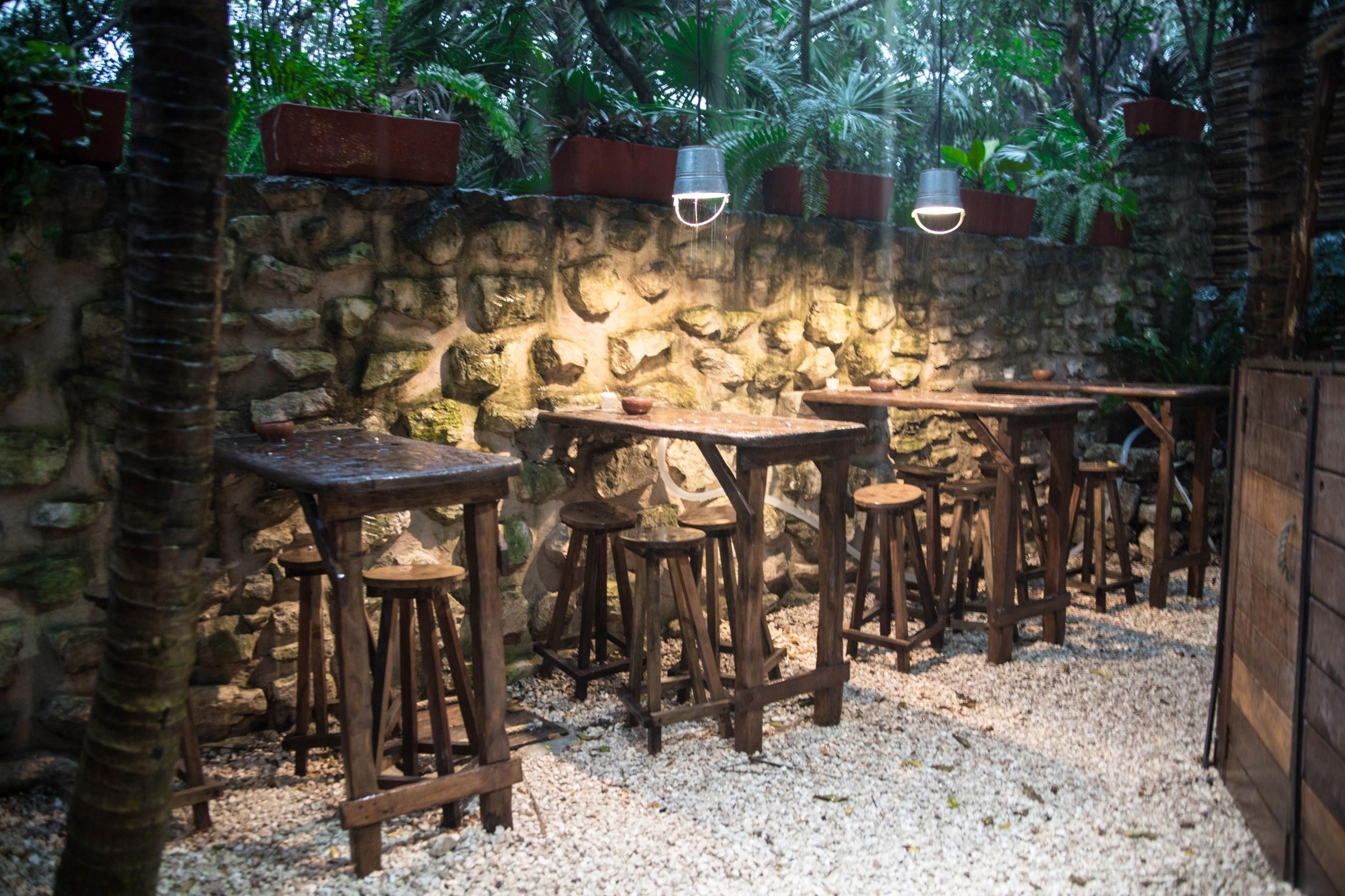
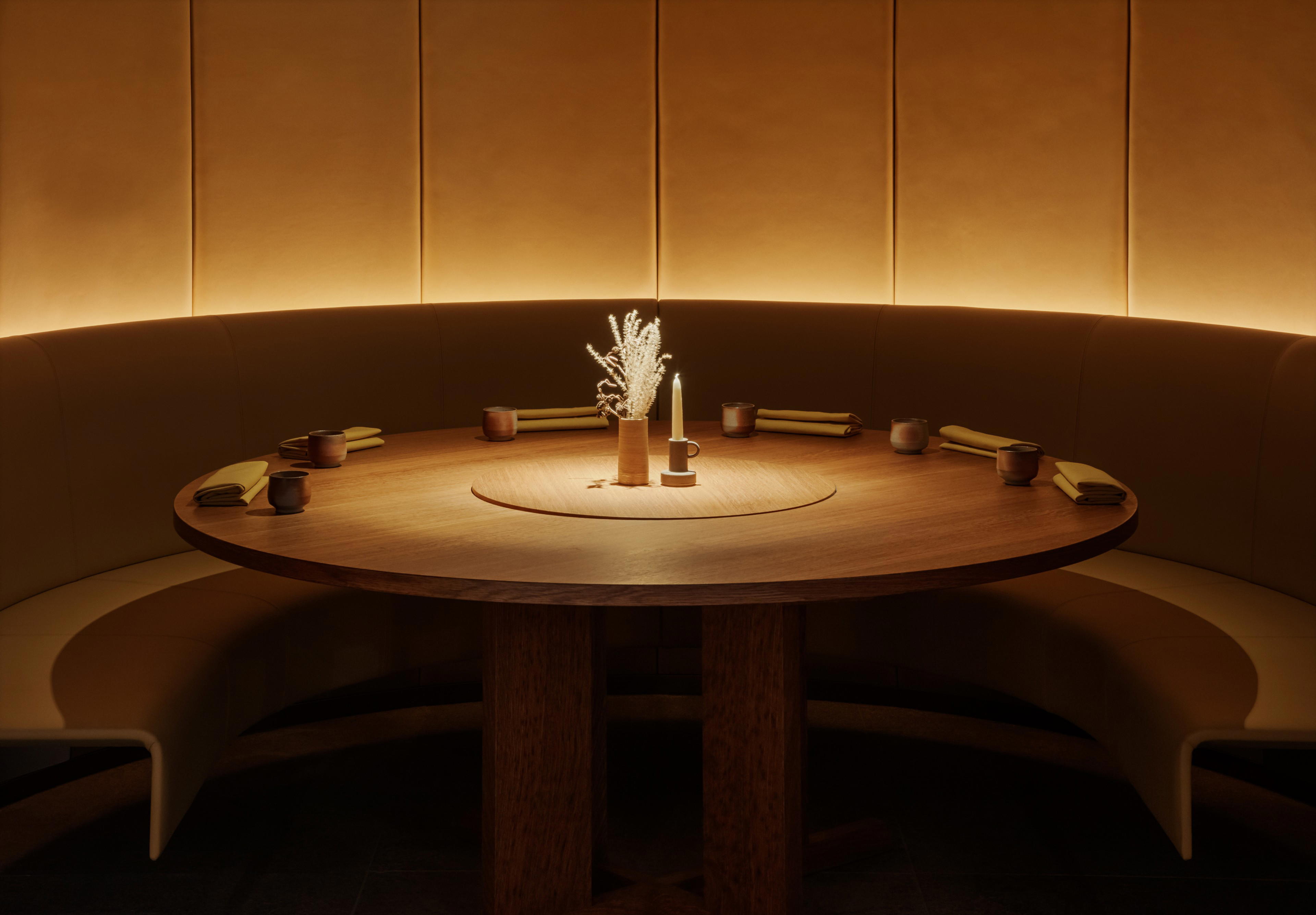
Bars in London
Browse all →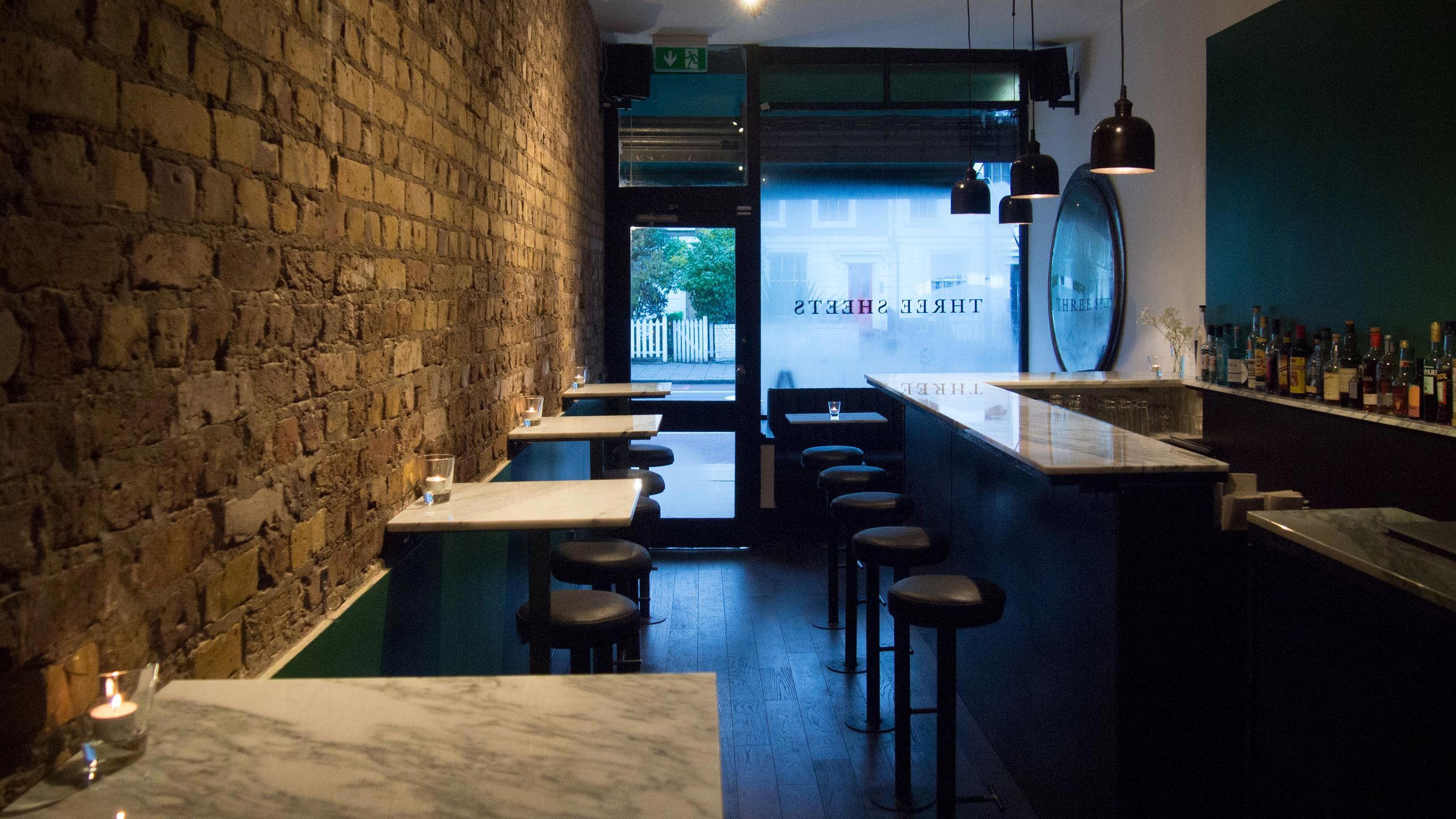
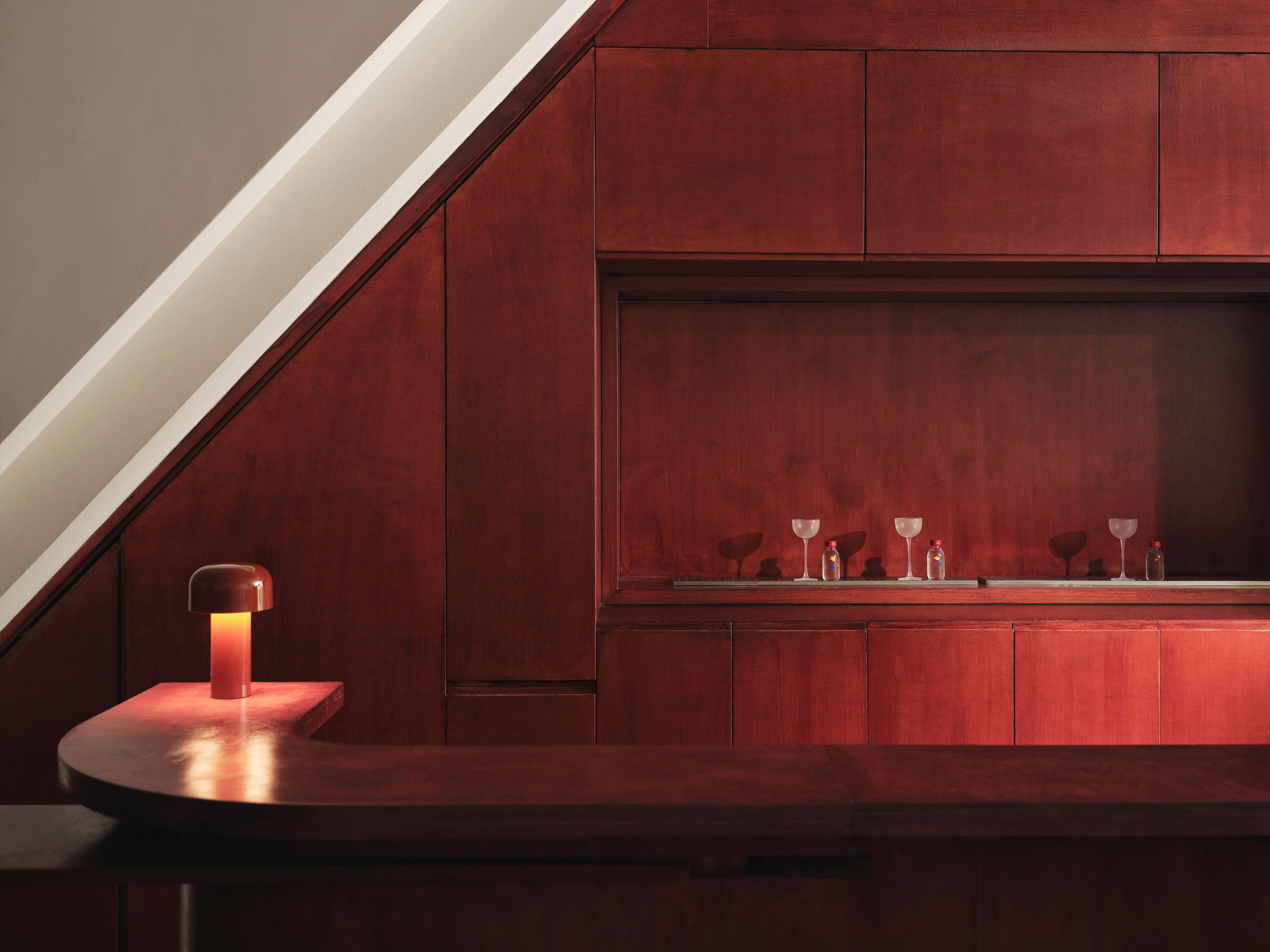
Hotels in London
Browse all →



At a Glance
- Lively
- Trendy
- Cozy
- Sophisticated
- Date Night
- Casual Hangout
- Group Dining
- Wine Cellar
- Extensive Wine List
- Natural Wine
- Natural Wine
- Local Sourcing
Current opening hours
- Monday
- Closed
- Tuesday
- Closed
- Wednesday
- 4 PM–12 AM
- Thursday
- 4 PM–12 AM
- Friday
- 4 PM–12 AM
- Saturday
- 12 PM–12 AM
- Sunday
- 12–11 PM
Hours can change for holidays and private events. Last verified .
Buzzy, lively neighbourhood wine bar with a cosy, open atmosphere.