
Tabelog 100 #60
Our verdict
Tonkatsu Keisui gives the pork-cutlet specialist format a compact, disciplined reading: a small room, counter-and-table seating, reservations available, and recognition in Tabelog’s 2026 Tonkatsu 100. For Osaka-based travellers building a wider Kansai-Chubu food itinerary, it belongs in the category of focused regional restaurants where one dish family carries the whole argument.

Pearl is the En Primeur Club membership app, where members save venues, book tables and use the concierge.
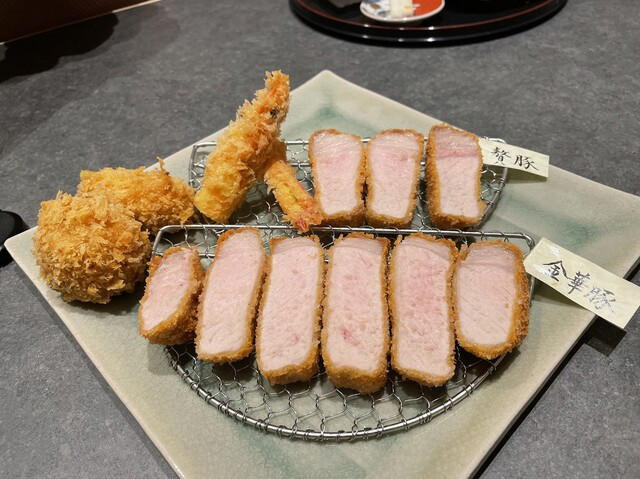
The menu
What to order
- Brand pork tonkatsu set meals
- Hamo (conger pike) cutlet set
- Keisui bento boxes
A focused restaurant setting changes the temperature of a tonkatsu meal before the first order is placed. The format is closer to a specialist workshop than a casual fry counter: a room organized around the quiet expectation that pork cutlet is not a side category but the entire reason for being there. In Japan, tonkatsu rewards that kind of focus. The dish looks simple from a distance, yet the restaurant lives or dies on thickness, frying control, cabbage, sauce, rice, pacing, and the way the menu lets guests compare the meal rather than merely choose lunch.
Tonkatsu Keisui sits inside that specialist tradition rather than the broader all-purpose teishoku lane. Its 2026 selection for Tabelog’s Tonkatsu 100 places it among restaurants judged within a narrow genre, which matters here: tonkatsu has its own competitive grammar, separate from sushi counters, kappo rooms, yakiniku houses, or ramen queues. The point is not range. The point is whether a restaurant can make a breaded pork cutlet feel like enough of a subject for a dedicated meal.
A pork-cutlet menu built around comparison, not spectacle
The strongest tonkatsu menus work almost like a tasting chart. Fat and lean, set meal and à la carte logic, lunch and dinner pricing: the structure teaches the guest how to read the dish. Keisui’s category is listed plainly as tonkatsu, and that clarity is useful. It signals a restaurant where the menu architecture is likely to be narrower than a general izakaya but more interpretive than a canteen plate. For travellers, that is the difference between eating tonkatsu as a quick staple and treating it as a focused craft meal.
The pricing reinforces that middle-specialist position. Lunch sits in the JPY 2,000 to JPY 2,999 band, while dinner is listed at JPY 3,000 to JPY 3,999. That is not luxury tasting-menu territory, but it is well above convenience dining. In practical terms, the restaurant competes for diners who are willing to plan around a cutlet meal rather than slot it between errands. Compared with Sakae Pan in Osaka, which appears in a different everyday-dining lane, or Yakiniku Shun Yasai Fanbogi, which occupies a different yakiniku context, Keisui lands in the disciplined specialist tier: focused, accessible, and serious about a single form.
That tier has become increasingly important across Japanese dining. Travellers often chase omakase, kaiseki, and high-end wagyu first, but Japan’s strongest everyday genres have developed their own premium lanes. Bread, rice dishes, casual counter cooking, and sake-led dining all have specialist audiences now, from other dining rooms in Japan to international Japanese-influenced venues abroad. Tonkatsu belongs in the same conversation when a restaurant narrows the decision tree and asks diners to pay attention to one technique.
The room suits a compact, focused meal
The room’s exact layout is less important than the format: this is a restaurant where tonkatsu is the organizing idea. That makes the meal feel direct, whether guests are eating quickly or using the visit as a planned stop in an Osaka food day. For a genre often associated with everyday counter dining, a recognized specialist broadens the use case without turning the experience into a broad casual chain.
The practical appeal for international travellers is also straightforward. The listed budget keeps the meal within a reachable range, while the Tabelog Tonkatsu 100 recognition gives diners a clear reason to plan around it. Recognition can compress demand around specialist restaurants, especially when the genre has a loyal audience. A tonkatsu restaurant does not need a global reputation to become a priority at peak meal times.
For Osaka-based readers, the editorial decision is route design. This is not a substitute for an Osaka crawl built around takoyaki, kushikatsu, udon, department-store food halls, and late-night counters. It is a reason to widen the map within Osaka when a trip can support one focused meal. A food itinerary can hold both the urban density of unnamed Osaka staples and a more single-minded cutlet specialist; the reward comes from seeing how Japanese casual genres sharpen when they leave the big-city checklist.
Where it fits in a wider Japan food itinerary
Keisui is useful for travellers who prefer category depth over name-chasing. The Tabelog Tonkatsu 100 recognition gives it a clear trust signal, and its listed score of 3.73 adds another reference point, but the better reason to go is structural: the restaurant represents the Japanese habit of refining a narrow dish type until small decisions carry the meal. That same logic appears across different formats, from bakeries and cafés to pizza counters, kappo rooms, yakiniku specialists, and other focused dining in Osaka and beyond.
Use it when the day can support a focused meal rather than a rapid snack. The value is not theatrical service or a long chef narrative; it is a compact restaurant placing tonkatsu at the centre of the table and letting the menu’s focused logic do the work. For broader planning, pair this kind of specialist stop with Our full Osaka restaurants guide, then build the rest of the trip through Our full Osaka hotels guide, Our full Osaka bars guide, Our full Osaka wineries guide, and Our full Osaka experiences guide.
Frequently asked questions
How would you describe the vibe at Tonkatsu Keisui?
It is a focused tonkatsu restaurant in Osaka. The Tabelog 100 Tonkatsu 2026 selection points to a specialist venue rather than a broad all-purpose dining stop.
Where do I go for Tonkatsu Keisui?
Osaka.
What's the pricing like at Tonkatsu Keisui?
Pricing at Tonkatsu Keisui is listed as dinner JPY 3,000 - JPY 3,999 and lunch JPY 2,000 - JPY 2,999.
Should I book Tonkatsu Keisui in advance?
For a recognized specialist, planning ahead is sensible. The listed budget is JPY 2,000–JPY 2,999 at lunch and JPY 3,000–JPY 3,999 at dinner.
Comparable Spots
Comparable venues to place this listing in its category.
| Venue | Cuisine | Price | Awards | Notes |
|---|---|---|---|---|
| Tonkatsu KeisuiThis venue (the venue you are viewing) | Specialist tonkatsu (Japanese pork cutlet) restaurant | $10–20 | Tabelog 100 #60 | Not listed |
| Sakae Pan | Retro Japanese neighborhood bakery | $1–10 | Tabelog 100 #24 | JPY 999 |
| Tejaku Kappou Terada | Not listed | Not listed | Not listed | JPY 5,000 - JPY 5,999 JPY 1,000 - JPY 1,999 |
| Mikazuki Bar | Not listed | Not listed | Not listed | JPY 3,000 - JPY 3,999 View spending breakdown |
| Yakiniku Shun Yasai Fanbogi | Not listed | Not listed | Not listed | JPY 10,000 - JPY 14,999 |
| Gishu | Not listed | Not listed | Not listed | JPY 2,000 - JPY 2,999 |
Recognition history
Dated appearances from independent guides and award organizations, with the underlying list record or original source where available.
Tabelog 100 #60 · No. 60
Tabelog · Tabelog 100 - Tonkatsu - 2026
Continue exploring
More in Osaka
Restaurants in Osaka
All restaurants in Osaka →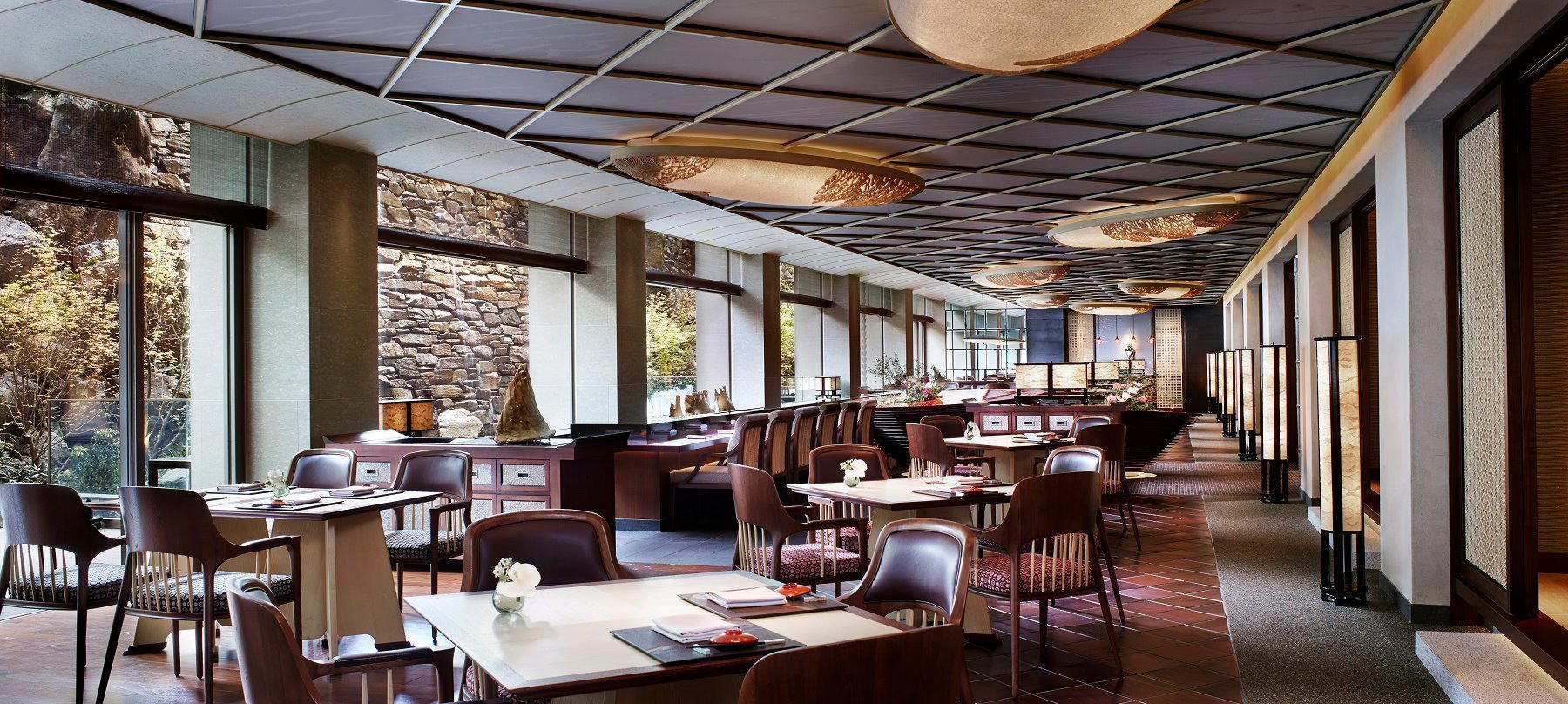





Details
- Cozy
- Classic
- Solo
- Family
- Casual Hangout
- After Work
- Standalone
- Local Sourcing
- A La Carte
- Set Menu
- Pescatarian Friendly
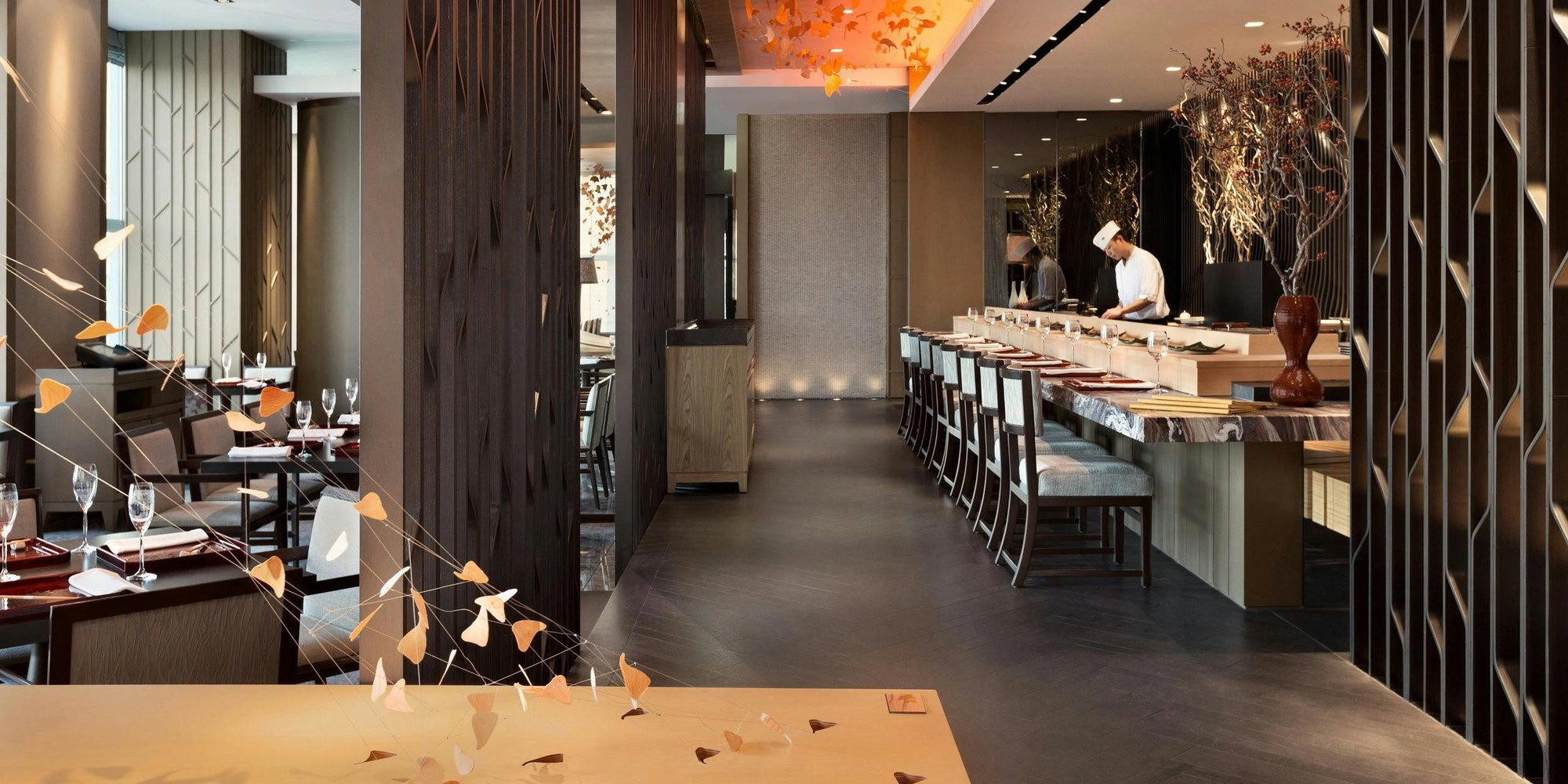
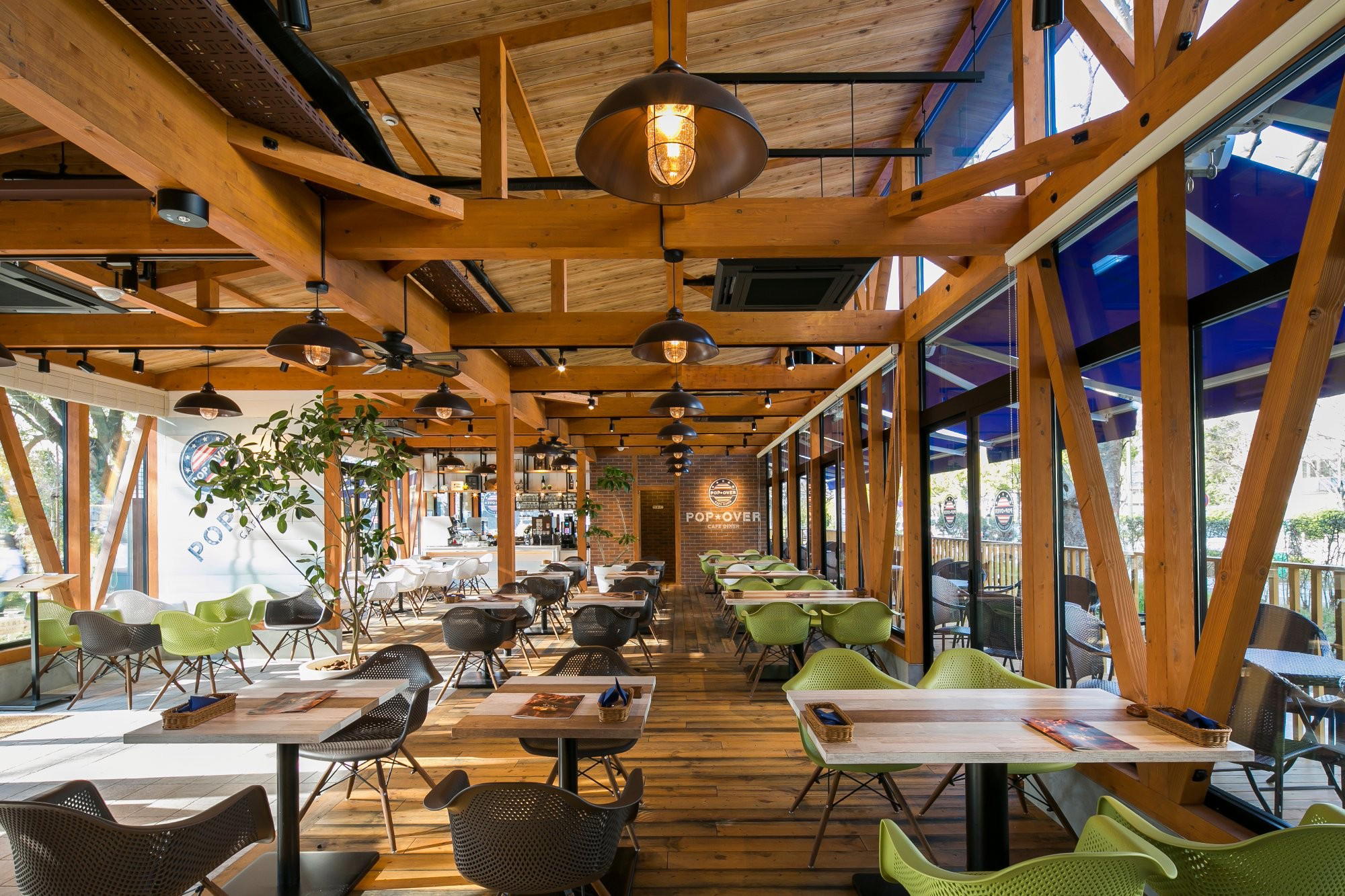
A small, station-side tonkatsu specialist with a cozy, classic feel where attention is focused on the quality of the pork, rice, and frying rather than on elaborate decor, creating a direct, comfortable atmosphere for enjoying cutlet set meals.