
Akita’s tonkatsu scene rarely gets the national attention given to Tokyo counters, which makes Tonkatsu Ishikawa’s selection for Tabelog 100 Tonkatsu 2026 useful context. This is a focused pork-cutlet address in Nakadori where regional dining habits, precise frying, and a compact room matter more than spectacle.
Pearl is the En Primeur Club membership app — saves, bookings, and concierge access live there. Same editors, same standards.
- Address
- 秋田県秋田市中通3-4-6 2F
- Phone
- +818033380727
- Website
- tabelog.com
 Saves & bookings on Pearl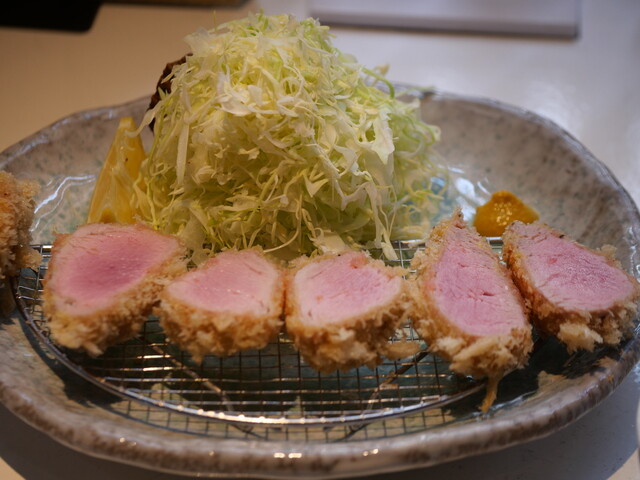
The approach is urban Akita rather than destination-restaurant theatre: Nakadori’s central streets, a second-floor address, and the quiet expectation that a good tonkatsu meal is built on timing, oil management, and pork quality rather than ceremony. In northern Japan, where rice, miso, pickles, and seasonal produce carry as much cultural weight as the main protein, pork cutlet can read as everyday comfort or as a technical craft. The difference is in sourcing discipline and frying judgment.
Tonkatsu Ishikawa belongs to the latter category. Its selection for Tabelog 100 Tonkatsu 2026 places it inside a national conversation usually dominated by larger metropolitan markets, and that matters in Akita. The city has strong local food identity, from Hinai chicken to rice-based drinking culture, but tonkatsu is a more specific lane: a dish that asks whether a kitchen can turn a familiar format into a meal worth crossing town for.
Why pork cutlet in Akita depends on the supply chain
Tonkatsu is easy to underestimate because the plate looks simple. The form is fixed: pork, breading, frying, cabbage, rice, sauce, miso soup or supporting sides depending on the house style. The craft sits behind that structure. Pork selection determines sweetness, fat texture, and how well the meat holds moisture. Breadcrumb size changes the crust. Frying temperature controls whether the coating lands clean or heavy. Rice quality matters because tonkatsu is not a solo act; it is a set meal tradition, and Akita is one of Japan’s serious rice regions.
That regional context gives the restaurant a useful edge. Akita diners tend to understand rice as a central ingredient rather than a filler, and that changes expectations around a fried-pork meal. A kitchen in this city cannot hide behind novelty. It has to make the old arrangement work: hot cutlet, sharp cabbage, rice with structure, and enough restraint that the fat does not dominate the table.
The pricing tier also signals intent. Lunch sits in a higher bracket than casual cutlet shops, while dinner moves into the range where diners expect more control over ingredient grade and pacing. That does not make the experience formal; it makes it more comparable to specialist counters than to everyday station-area set meals. For visitors mapping Akita’s dining range, this sits far from the cheaper soba rhythm represented by Teuchi Soba Katou and closer to the city’s small-format specialist addresses.
A compact room changes how the meal reads
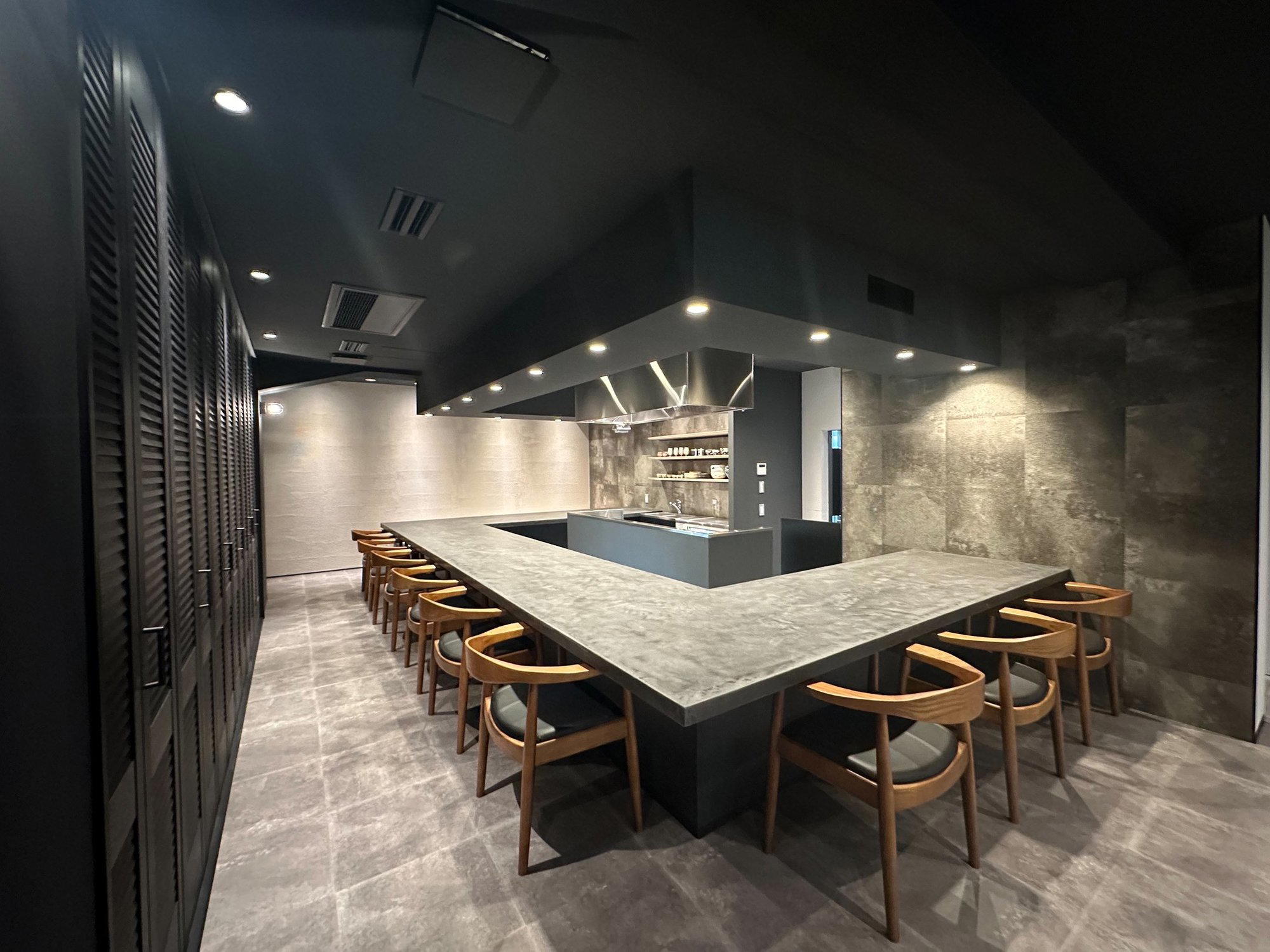
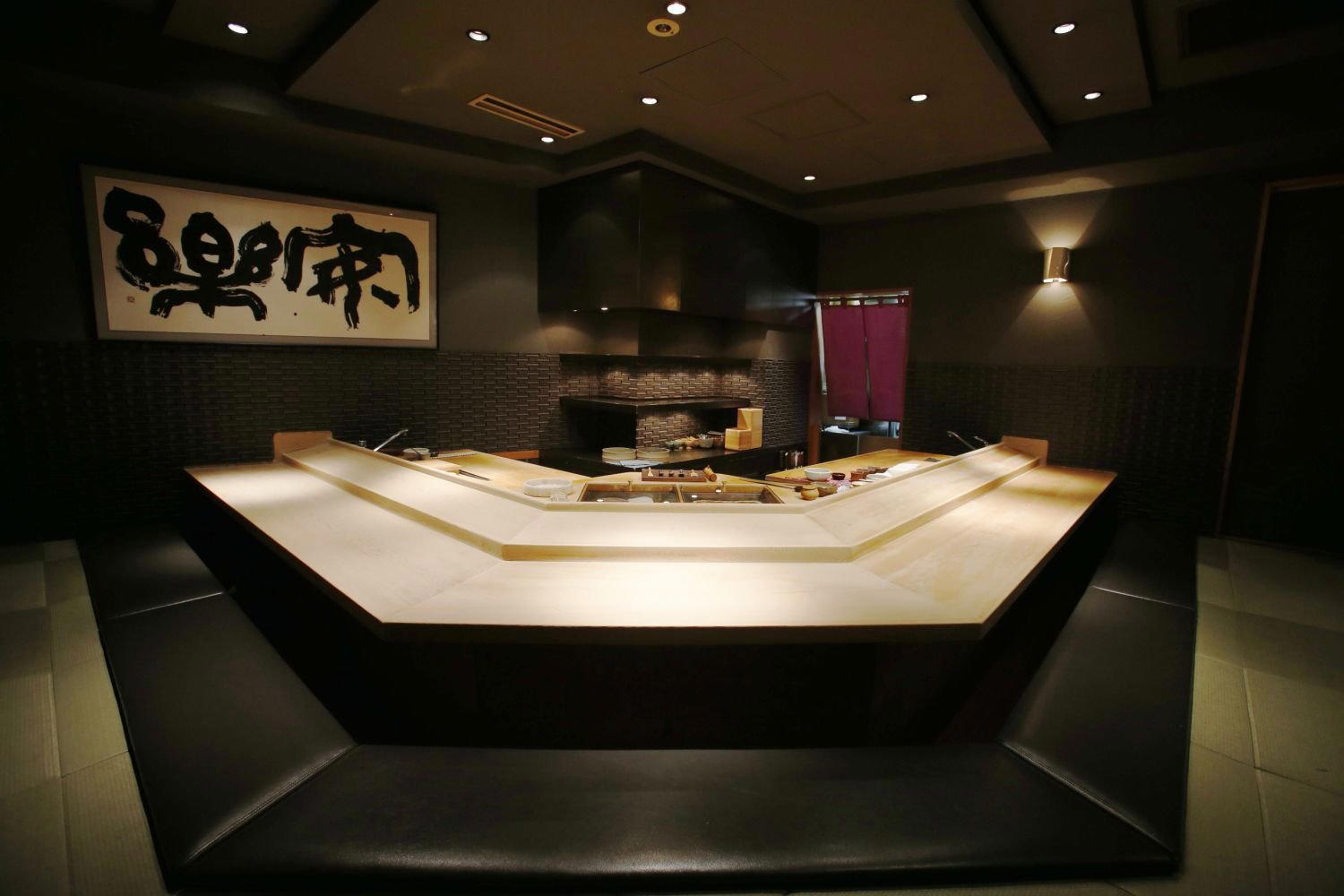
At 22 seats, the room keeps the format tight. Tonkatsu benefits from that scale because fried food punishes delay. A small dining room shortens the distance between fryer and table, and it reduces the gap between batch cooking and individual service. This is one reason serious tonkatsu shops feel different from general Japanese restaurants serving a broad menu: the meal’s success depends on a narrow window of texture and temperature.
The Akita comparison is useful. Beef-focused addresses such as Akita Gyugentei Ekimae honten and Akita Gyugentei Sannou bekkan frame meat through marbling, grill or hot-pot traditions, and a more explicitly celebratory register. Akita Hinaiya Oodate honten points toward the prefecture’s chicken identity. Tonkatsu Ishikawa is narrower and more exacting: pork cutlet as a single-subject meal, with quality judged by execution rather than range.
That narrowness is the appeal. Japan’s specialist dining culture rewards restaurants that commit to one form and repeat it until small variables become visible. In sushi, that is rice temperature and fish aging. In soba, milling and water. In tonkatsu, it is fat, crumb, oil, and rest time. The dish looks democratic, but the better versions expose weak sourcing quickly.
Where it fits in a serious Akita itinerary
For a city often used as a gateway to hot springs, winter festivals, and rural food traditions, Akita rewards travelers who leave room for focused urban meals. Tonkatsu Ishikawa makes sense on an itinerary that treats the city as more than a transit point. It is not the place to look for long-course experimentation or chef-driven storytelling; it is the place to read a familiar Japanese dish through regional standards of rice, pork, and disciplined frying.
Pair it with a broader look at Akita’s dining culture rather than isolating it as a single trophy booking. Akita Kurasu gives another angle on the city’s food-and-drink identity, while affetto akita shows how non-Japanese formats sit in the same local market. For planning beyond restaurants, use Our full Akita restaurants guide, Our full Akita hotels guide, Our full Akita bars guide, Our full Akita wineries guide, and Our full Akita experiences guide.
The wider Japan and Japanese-diaspora map is useful for comparison, not equivalence. A meat-led meal at -Grilled beef Sukiyaki- KAMAKURA TANUKIAN 鎌倉 たぬき庵 in Kamakura says something different about fat and sweetness;. 鮪と炭火焼き うお炭 秋葉原店 in Tokyo works from fish and charcoal;.cafe in Osaka.know in Kumamoto, (Shoku) Vietnam in Kawasaki, and [Curry Senmon Ten] Maruyama Kyoju. in Sapporo each show how single-category focus travels across Japanese cities. Abroad, Jōdo Saké Bar in Los Angeles and Onigiri Time in Pasadena underline how Japanese comfort formats change when removed from their home supply chains.
The editorial case is clear: this is a specialist Akita tonkatsu address with national recognition in 2026, not a broad regional restaurant. Go for the discipline of the form. The reward is understanding how much precision can sit inside a plate many travelers think they already know.
Fast Comparison
Comparable venues by cuisine and price in the same metro.
| Venue | Cuisine | Price | Notes |
|---|---|---|---|
| Tonkatsu IshikawaThis venue — the venue you are viewing | Japanese Tonkatsu | $$$ | Not listed |
| Akita Gyugentei Sannou bekkan | Yakiniku (Japanese BBQ) | $$$ | Akita |
| Torikou | Yakitori Izakaya | $$$ | Akita |
| Toppin Parari no Pu | Akita regional izakaya with local sake | $$$ | Akita |
| Takaraya | Local sake-focused Japanese izakaya | $$ | Akita |
| Washoku Sugawara | Seasonal Japanese Kaiseki | $$$ | Akita |
Recognition history
Dated appearances from independent guides and award organizations, with the underlying list record or original source where available.
Tabelog 100 #76 · No. 76
Tabelog · Tabelog 100 - Tonkatsu - 2026
Continue exploring
More in Akita
At a Glance
- Quiet
- Cozy
- Classic
- Family
- Casual Hangout
- Group Dining
- Solo
- Standalone
- Sake Program
- Beer Program
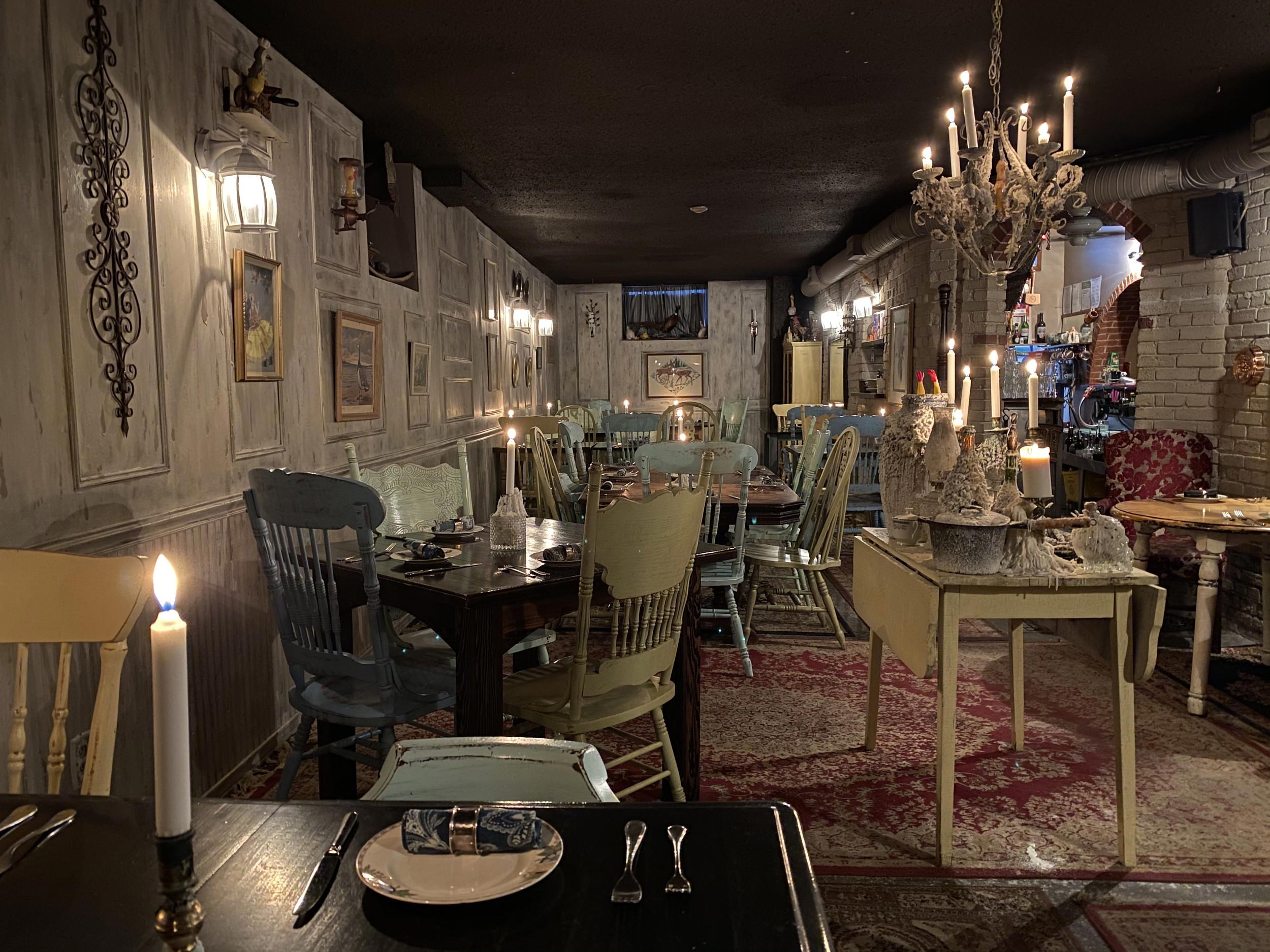
A relaxed, compact tonkatsu restaurant with counter seating and a calm, no-smoking interior focused on a direct dining experience.