Tomiño Taberna Gallega

On the border of Little Italy and Chinatown, Tomiño Taberna Gallega has delivered Galician tavern cooking to Lower Manhattan since 2017. Founded by three brothers with roots in Galicia, the restaurant occupies a culinary niche that New York's dining scene rarely fills: northwest Spanish, sea-driven, and built around the kind of hospitality that treats wine and food as inseparable. It is the city's clearest argument for Galicia's place at the table.
Pearl is the En Primeur Club membership app — saves, bookings, and concierge access live there. Same editors, same standards.
- Address
- 192 Grand St, New York, NY 10013
- Phone
- (212) 933-4763
- Website
- tominonyc.com
- Directions
- Get directions
 Saves & bookings on Pearl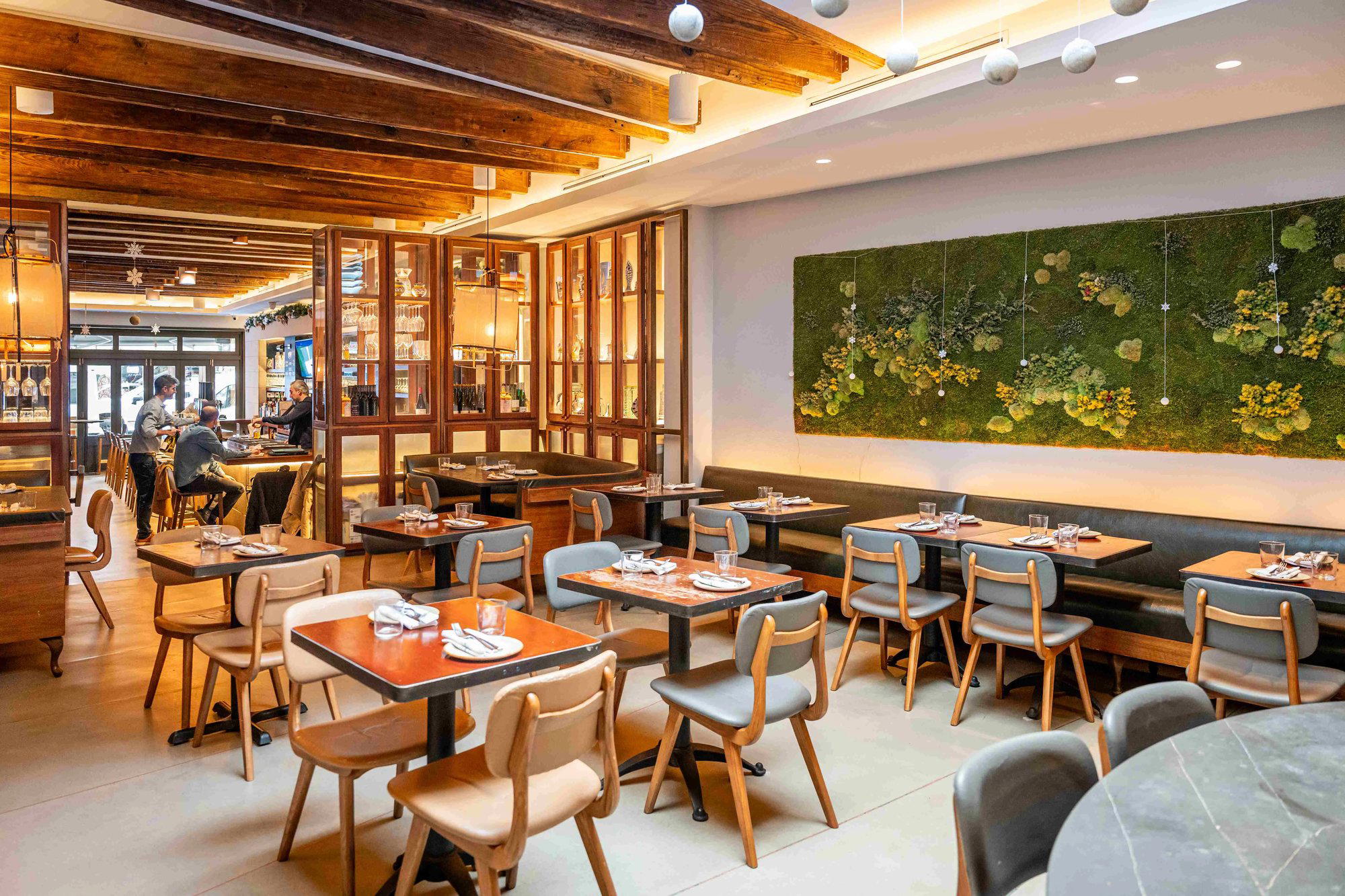
Where Little Italy Ends and Galicia Begins
Grand Street in Lower Manhattan sits at one of the city's more peculiar culinary borders, where the last red-sauce holdouts of Little Italy give way to the roast-duck windows and dried-seafood shops of Chinatown. In that context, a Galician tavern feels less like an anomaly and more like proof of New York's capacity to absorb cooking traditions that have no natural neighbourhood home. The address alone says something about how the city's most interesting restaurants tend to find space in the gaps.
The tavern format is worth understanding before you arrive. Galicia, the green, Atlantic-facing corner of northwest Spain, produces a style of eating that is fundamentally different from the Castilian roasts or Catalan modernism that dominate Spanish dining in the United States. The cuisine is built around the sea: percebes, octopus dressed in olive oil and paprika, shellfish that arrive cold and clean. The wines are almost entirely white, predominantly Albariño, with the saline, low-alcohol character that makes them the region's most persuasive argument to the rest of the world. A Galician taberna, done properly, is not a tapas bar and not a fine-dining room. It occupies a middle register where the food is serious but the pace is unhurried and the wine list is the spine of the evening.
The Case the Critics Made
New York's critical apparatus does not always know what to do with regional specificity at a mid-register price point. The city's most-decorated rooms, Le Bernardin, Masa, Per Se, operate in a different tier entirely, where Michelin recognition and tasting-menu formats are the agreed currency of prestige. Tomiño sits in a different conversation, one where the standard is authenticity of tradition rather than technical ambition. That framing has served it well. Since opening, the González brothers' restaurant has drawn consistent editorial attention as the city's clearest representation of Galician cooking, a designation that carries weight precisely because the category is so sparsely populated in New York.
This restaurant has earned consistent attention for its regional focus. When critics single out a place for regional fidelity, they are making an argument about scarcity. New York has Michelin-starred Spanish restaurants, but Spanish cooking in the United States is overwhelmingly filtered through Basque and Andalusian traditions. Galicia's particular combination of Atlantic seafood, empanadas, and green wines occupies a narrower lane. Its recognition reflects not just execution but the value of being a clear representative of a tradition that the city otherwise lacks.
That position invites comparison with how other American cities handle regional European specificity. At Emeril's in New Orleans, the editorial currency is Louisiana provenance. At Lazy Bear in San Francisco, it is Northern California's produce identity. At Alinea in Chicago or The French Laundry in Napa, the frame is technical ambition. Tomiño's frame is geographic fidelity to a tradition that emigrated, carried by three brothers who grew up in it. That is a different kind of authority, and the critical community has recognized it as such.
Three Brothers and a Particular Tradition
Phil, Marco, and Victor González founded Tomiño in 2017 with roots in Galicia, and the fraternal structure of the operation is relevant not as biography but as context. Family-run tabernas are the standard delivery mechanism for this style of cooking in Galicia itself. The format is not incidental. It shapes the hospitality register, the wine buying, the sourcing logic, and the way the dining room functions as something closer to a household than a service operation. In a city where restaurant groups routinely operate a dozen properties simultaneously, a single-location family taberna on Grand Street is a format choice as much as a family circumstance.
The González name connects Tomiño to a lineage of Spanish restaurateurs in New York who have built their reputations on specificity rather than breadth. The brothers are not chasing the tasting-menu tier occupied by César or the ambitious American format of Saga. The positioning is deliberate: a taberna that serves the food Galicia actually produces, in a room that functions the way Galician tabernas actually function, in a neighbourhood where nobody else is doing the same thing.
The Galician Table in a New York Context
Understanding what to order at a place like Tomiño requires understanding what Galician cooking prioritizes. The region's cuisine does not chase complexity for its own sake. Octopus prepared a feira, with olive oil, coarse salt, and smoked paprika on a wooden board, is one of Spain's most direct dishes. It survives or fails on the quality of the octopus and the calibration of the paprika. The same logic applies to percebes, the barnacles that cling to the Galician coast and arrive at a table requiring no intervention beyond correct boiling. These are not dishes that showcase technique. They showcase sourcing and restraint, which are harder to sustain than technique over time.
The wine program at a serious Galician taberna typically anchors in the Rías Baixas DO, the coastal appellation that produces the Albariño the region exports to the world. Broader Galician production also includes whites from Ribeiro and Valdeorras, and reds from Ribeira Sacra, which are less familiar to American drinkers but worth attention. A well-constructed Galician wine list is an education in Atlantic Spain, distinct from the Rioja and Ribera del Duero that most New York wine lists default to when Spanish coverage is thin. Tomiño's position as a Galician specialist rather than a general Spanish restaurant means the wine list should reflect that regional depth. It is one of the metrics worth interrogating when you arrive.
Know Before You Go
- Address: 192 Grand St, New York, NY 10013
- Neighbourhood: Lower Manhattan, on the border of Little Italy and Chinatown
- Open since: 2017
- Format: Galician taberna; regional Spanish, sea-focused
- Wine focus: Galician whites, with Albariño as the core anchor
In Context: Similar Options
Comparable venues nearby, for context on price, style, and recognition.
| Venue | Cuisine | Price | Notes |
|---|---|---|---|
| Tomiño Taberna GallegaThis venue — the venue you are viewing | Galician Tapas | $$ | Not listed |
| El Quinto Pino | Spanish Tapas | $$ | Chelsea-Hudson Yards |
| Aunt Bernies | Spanish Tapas and Wine Bar | $$ | Murray Hill-Kips Bay |
| Sevilla | Authentic Spanish Paella & Tapas | $$ | West Village |
| Txikito | Basque Tapas | $$ | Chelsea-Hudson Yards |
| Leña at Mercado Little Spain | Spanish Wood-Fired Grill | $$$ | Chelsea-Hudson Yards |
Recognition history
Dated appearances from independent guides and award organizations, with the underlying list record or original source where available.
Star Wine List
Star Wine List
Continue exploring
More in New York City
Restaurants in New York City
Browse all →
Bars in New York City
Browse all →
Hotels in New York City
Browse all →






At a Glance
- Cozy
- Rustic
- Lively
- Date Night
- Group Dining
- Casual Hangout
- Open Kitchen
- Extensive Wine List
- Craft Cocktails
Current opening hours
- Monday
- 12–10 PM
- Tuesday
- 12–10 PM
- Wednesday
- 12–10 PM
- Thursday
- 12–10 PM
- Friday
- 12–10 PM
- Saturday
- 12–10 PM
- Sunday
- 12–9 PM
Hours can change for holidays and private events. Last verified .
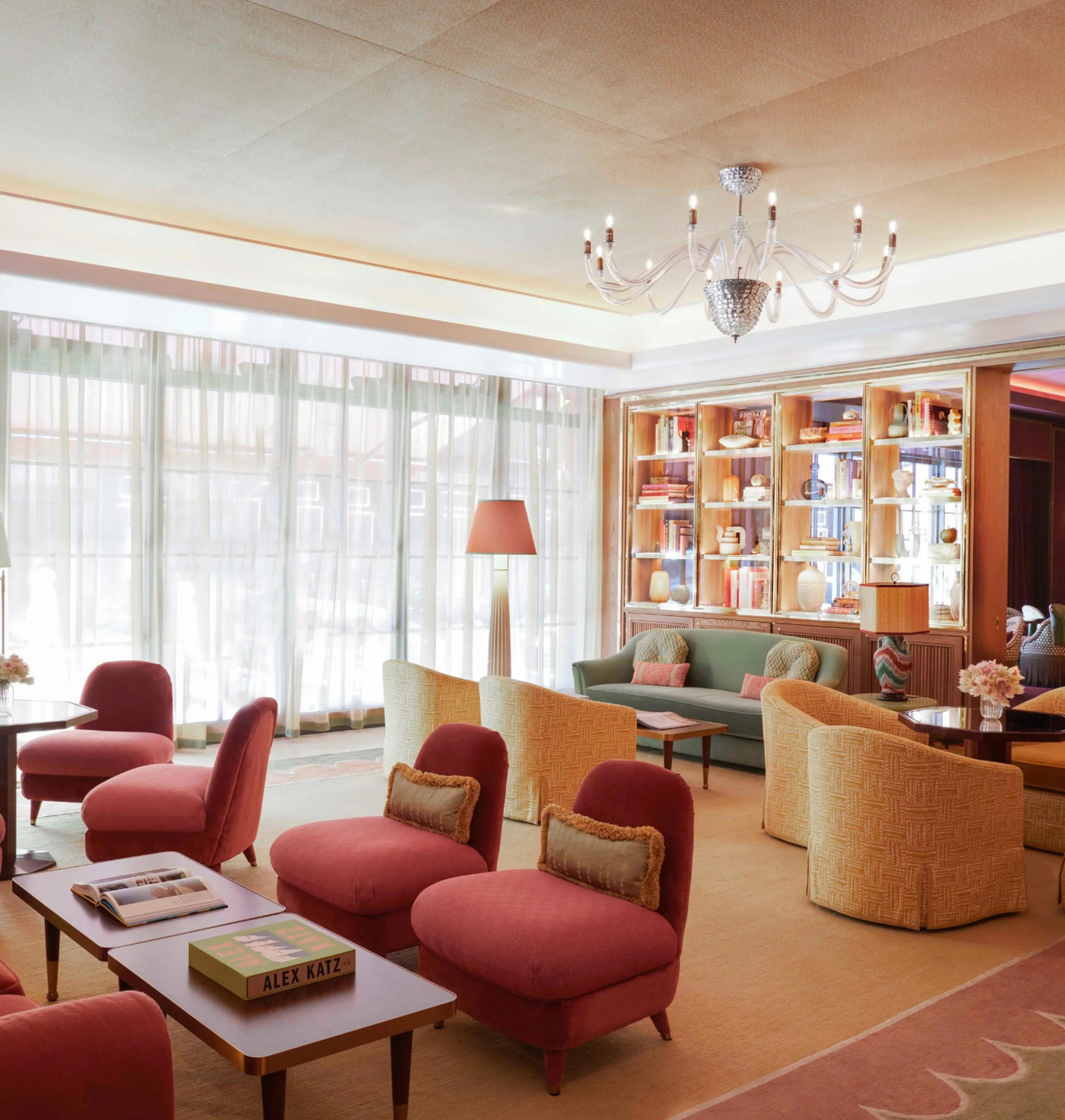
Beautiful cozy interior with warm lighting, wood and glass displays, and a boisterous yet inviting atmosphere.