Tofuya
Our verdict
Tofuya serves Korean Tofu Soup & BBQ on Sawtelle Blvd, with Beef Soondubu, Bulgogi, Seafood Soondubu, and Bibimbap for lunch or dinner in a casual, conversational setting.

Pearl is the En Primeur Club membership app, where members save venues, book tables and use the concierge.
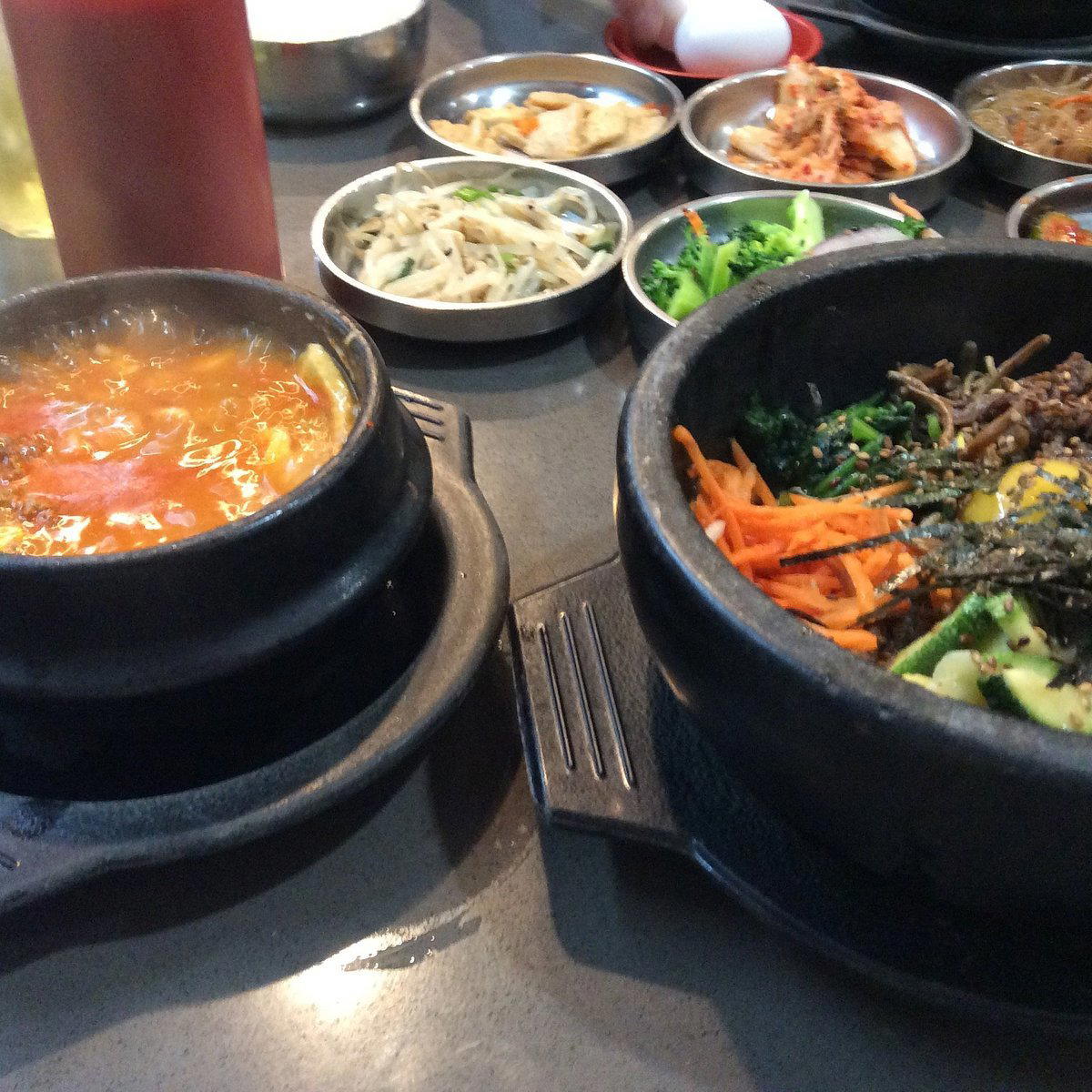
The menu
What to order
- Beef Soondubu
- Bulgogi
- Seafood Soondubu
- Bibimbap
Tofu as a Culinary Foundation: Sawtelle Blvd and the Quiet Side of Los Angeles Japanese Dining
Sawtelle Boulevard has functioned as a low-key corridor for Japanese food in West Los Angeles for decades, developing its character not through Michelin recognition or press-driven hype but through neighborhood accumulation. Ramen shops, izakayas, Japanese grocery stores, and specialist restaurants occupy the same stretch with an unpretentiousness that contrasts sharply with the tasting-menu formality you find at Hayato in the Arts District or the technical ambition of Kato's New Taiwanese counter. Tofuya, at 2021 Sawtelle Blvd, occupies that same spirit: a restaurant whose subject matter is a single, often underestimated ingredient.
Tofu-specialist restaurants represent a durable category in Japanese culinary tradition, rooted in the Buddhist shojin ryori approach to plant-centered cooking that dates back centuries. In Japan, kaiseki houses and temple restaurants built long menus around the ingredient's versatility, from silken preparations served cold with barely any seasoning to deeply flavored agedashi forms and pressed, fermented variations. Bringing that discipline to Los Angeles, where plant-forward dining has grown considerably but tofu still gets treated as a protein substitute rather than a subject in its own right, makes Tofuya a genuinely specific proposition on the Westside.
Environmental Logic Behind the Menu
There is a sustainability argument embedded in tofu-centered cooking that goes beyond trend. Soybeans are among the most resource-efficient protein crops per calorie produced, and a kitchen that builds its identity around tofu rather than protein from land animals operates with a lighter environmental footprint than most restaurant formats at comparable price points. This is not a marketing position so much as a structural reality: when your central ingredient is soy-based, the sourcing chain is shorter, the cold chain requirements are lower, and the waste profile of the kitchen changes accordingly.
Across the United States, a small number of restaurants have pursued this kind of ingredient-led sustainability discipline at a serious level. Blue Hill at Stone Barns in Tarrytown built its reputation around farm-to-table provenance as an ethical and culinary stance. Single Thread Farm in Healdsburg operates its own farm to close the loop between kitchen and source. Tofuya operates on a smaller, more neighborhood scale, but the underlying logic is similar: if the ingredient defines the menu, the sourcing decision for that ingredient defines the restaurant's relationship with its environment. In Los Angeles, where the proximity to agricultural California is often underused in restaurant sourcing, that matters.
The plant-centered format also positions Tofuya differently in a market where premium Japanese dining in Los Angeles tends toward seafood-heavy omakase or meat-focused kushiyaki and yakiniku. For diners looking for a serious Japanese meal that doesn't depend on tuna, wagyu, or aged fish, the options narrow considerably. That narrowing is what makes a restaurant like Tofuya worth understanding as part of the wider city picture rather than just another entry on Sawtelle.
Where It Sits in Los Angeles's Japanese Dining Continuum
Los Angeles carries one of the most extensive Japanese dining ecosystems outside Japan itself, built across decades of immigration, cultural exchange, and more recently, the arrival of Japanese chef-operators targeting the same high-end international traveler that fills seats at Somni or draws comparisons to tasting-menu formats found at Le Bernardin in New York City and Alinea in Chicago. At the upper end of that spectrum, $$$$ counters with fixed menus and long reservation windows have multiplied. Hayato's kaiseki format, for instance, requires planning weeks or months out. Kato operates on a similar premise with its prix-fixe approach.
Tofuya exists at a different register within that ecosystem. Sawtelle remains a neighborhood-dining corridor rather than a destination-dining district, which means the pressure to perform for out-of-town visitors or food-media cycles is lower. That lower pressure tends to produce a different kind of cooking: more consistent, less theatrical, focused on the ingredient rather than the occasion. For diners familiar with the Sawtelle stretch, this is the expected character of the area. For visitors arriving from outside Los Angeles or comparing notes with peers who eat at Providence or Osteria Mozza, it can read as an underplayed scene worth understanding on its own terms.
The tofu-specialist format also invites comparison with vegetarian-aligned destinations that have built serious reputations elsewhere in the country. Bacchanalia in Atlanta and Addison in San Diego have both incorporated plant-centered thinking into menus without committing entirely to it. What distinguishes a true tofu-specialist is the absence of that hedge: the ingredient is not a section of the menu but the organizing principle of the entire operation.
The Dining Experience and What to Expect
Japanese tofu restaurants at their most considered typically move through a range of preparations: silken tofu served chilled with dashi or ponzu, agedashi tofu in a light tentsuyu broth, yudofu (simmered in kombu water), and firmer preparations that absorb stronger seasonings. The menu logic follows the ingredient's textural range rather than the conventional Western sequence of appetizer through main. Miso soup made from tofu lees, known as okara, sometimes appears as a secondary application of the same sourcing chain, extending the use of the whole ingredient and reducing kitchen waste simultaneously.
This approach to whole-ingredient usage reflects the mottainai philosophy embedded in traditional Japanese food culture, a concept that resists waste not as a contemporary sustainability gesture but as a long-standing cultural value. In that sense, a tofu restaurant running on those principles is not adapting to a 2020s conversation about food ethics; it is continuing a practice that predates that conversation by centuries.
For practical planning: Tofuya is located at 2021 Sawtelle Blvd in the Sawtelle Japantown corridor of West Los Angeles, accessible from the 405 or 10 freeways. Street parking on Sawtelle can be competitive during dinner hours; the side streets off Mississippi and La Grange offer more consistent availability. As with most independent restaurants on the strip, the format skews informal.
For readers building a broader Los Angeles itinerary around Japanese food, the full Los Angeles restaurants guide maps the city's dining character across neighborhoods and formats, from the Sawtelle corridor through to the Arts District counters and the Westside's tasting-menu circuit. Comparable plant-forward and ethically sourced formats at different scales can be found at Lazy Bear in San Francisco, Emeril's in New Orleans, and for those traveling internationally, at 8 1/2 Otto e Mezzo Bombana in Hong Kong. Atomix in New York City and The Inn at Little Washington both offer relevant reference points for thinking about how specialty-ingredient focus can anchor a full dining program.
Frequently asked questions
Is Tofuya formal or casual?
What is the must-try dish at Tofuya?
Do they take walk-ins at Tofuya?
What is Tofuya known for?
Can Tofuya handle vegetarian requests?
How does Tofuya compare to other Japanese restaurants on Sawtelle Boulevard?
Reputation First
Comparable venues nearby, for context on price, style, and recognition.
| Venue | Cuisine | Price | Awards | Notes |
|---|---|---|---|---|
| TofuyaThis venue (the venue you are viewing) | Korean Tofu Soup & BBQ | $10–20 | Not listed | Not listed |
| Hanbat Sul Lung Tang | Traditional Korean Sul Lung Tang | $10–20 | Not listed | Wilshire Center |
| Origin Korean Barbecue | Authentic Korean BBQ | $50–100 | LA Times 101 Best Restaurants #96 | Wilshire Center |
| Toe Bang | Korean Pub Food | Not listed | Not listed | Wilshire Center |
| Kapé Lasita | Filipino Rotisserie & Natural Wine | $30–50 | LA Times 101 Best Restaurants #91 | Chinatown |
| Seogwan by Yellow Cow | Korean BBQ & Naengmyeon | $30–50 | Not listed | Koreatown |
Continue exploring
More in Los Angeles
Restaurants in Los Angeles
All restaurants in Los Angeles →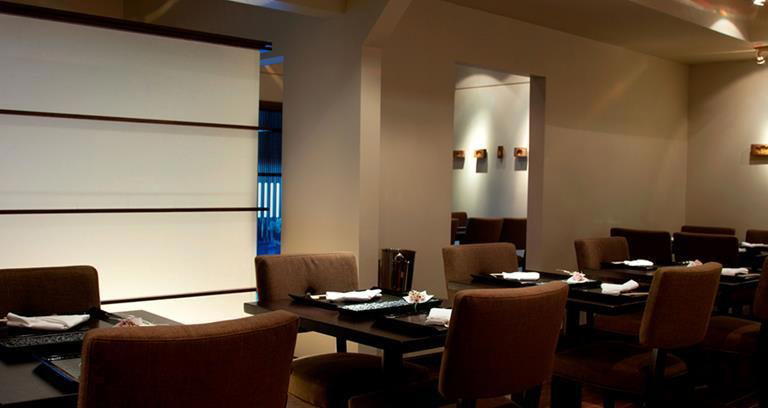
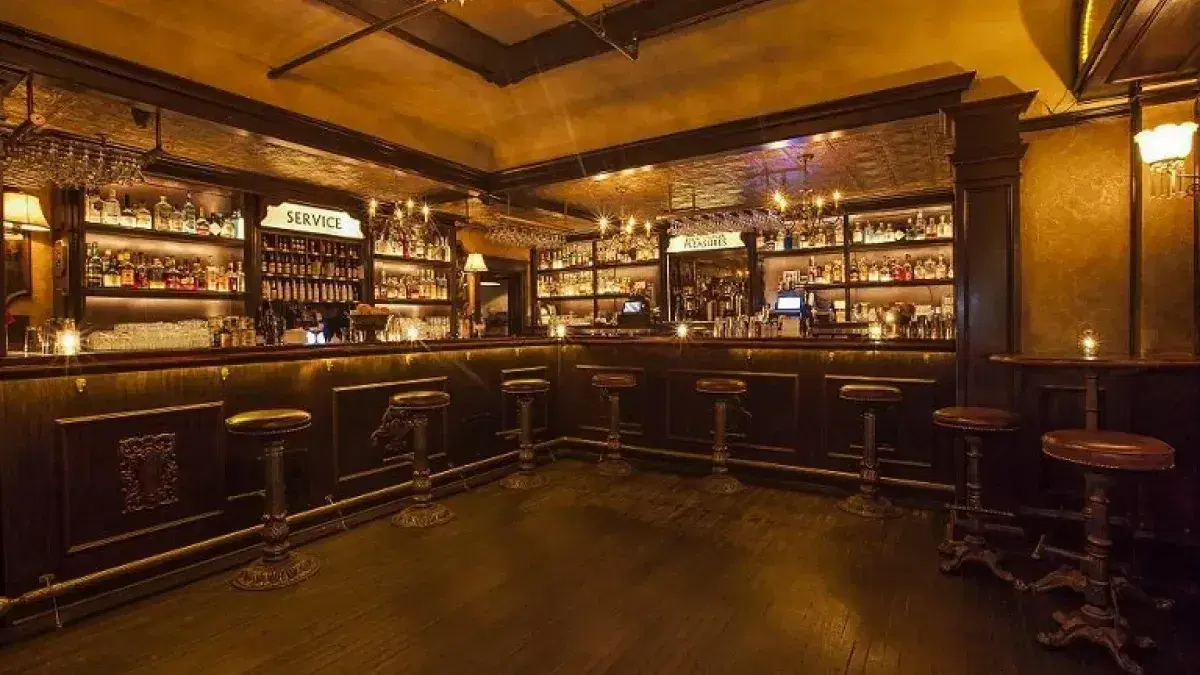
Bars in Los Angeles
All bars in Los Angeles →
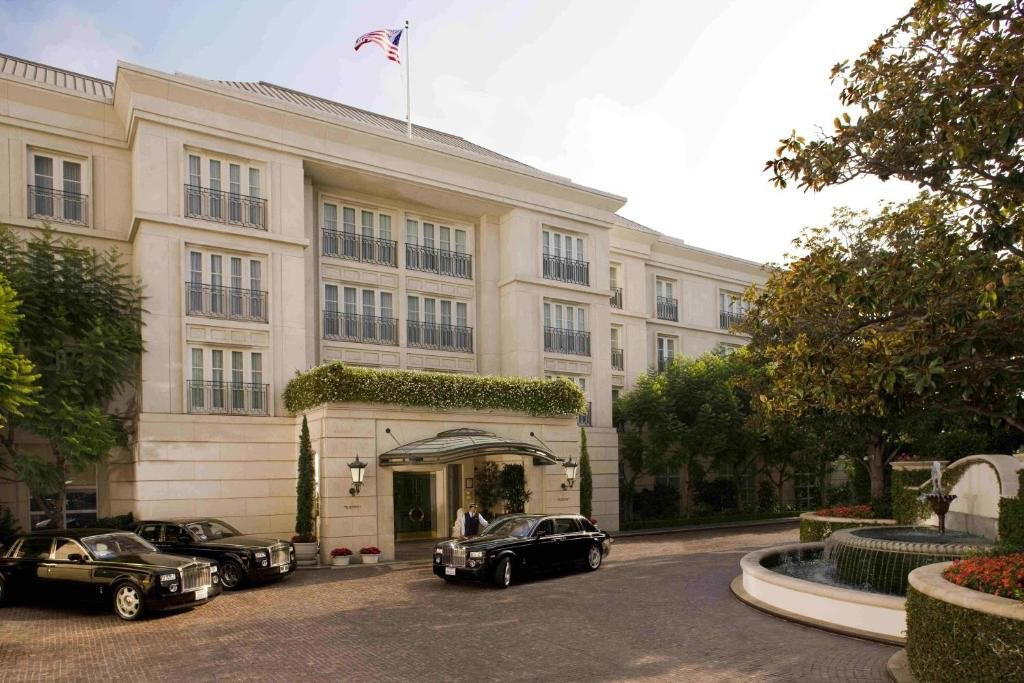
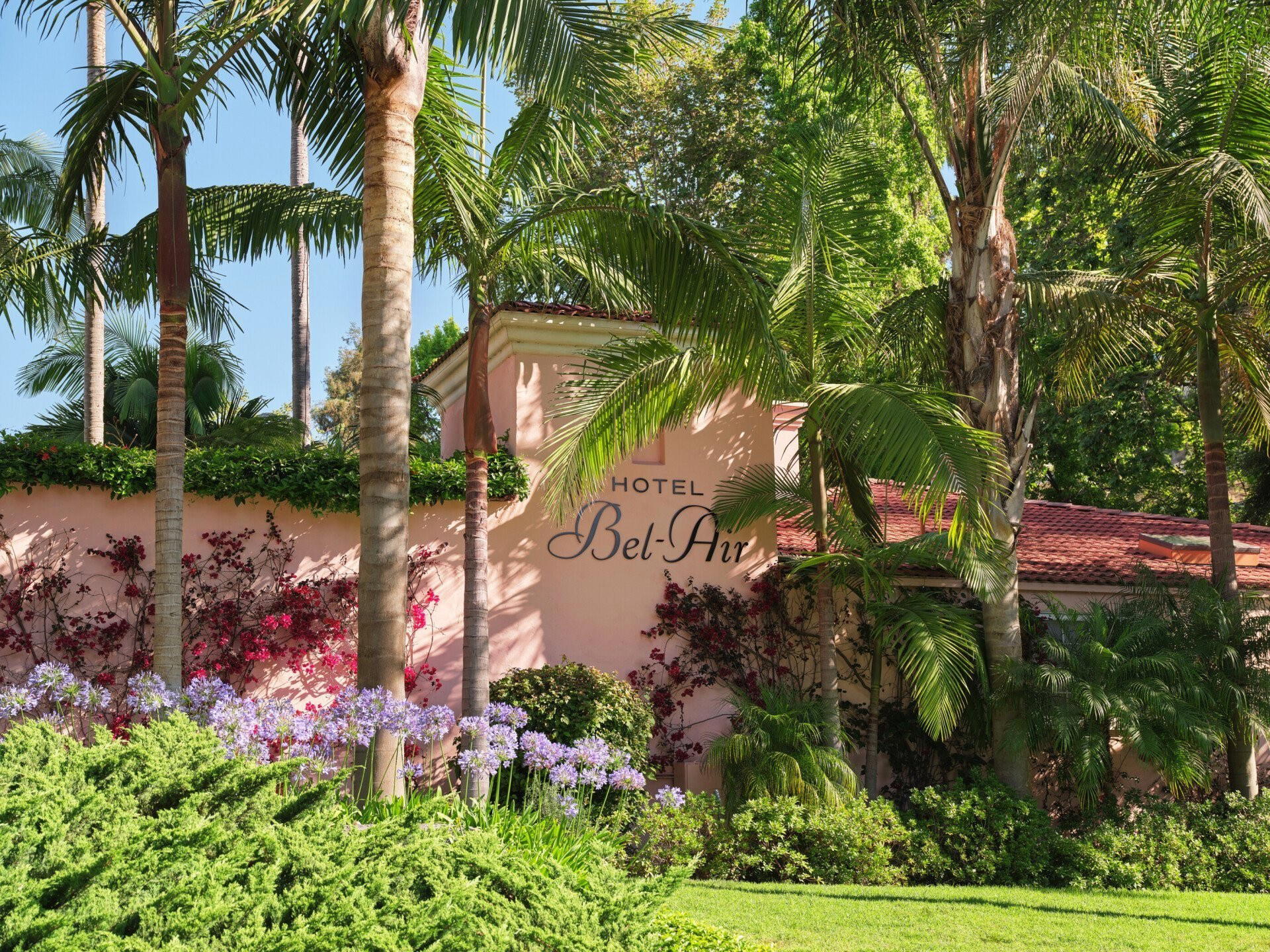
Hotels in Los Angeles
All hotels in Los Angeles →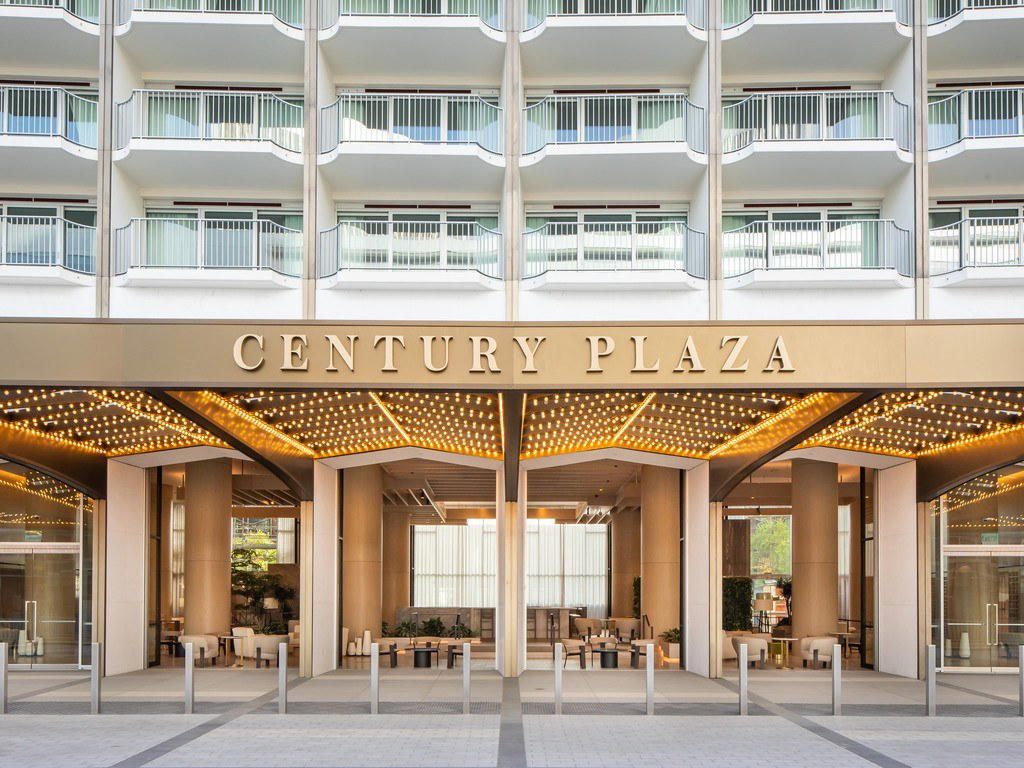
Wineries in Los Angeles
All wineries in Los Angeles →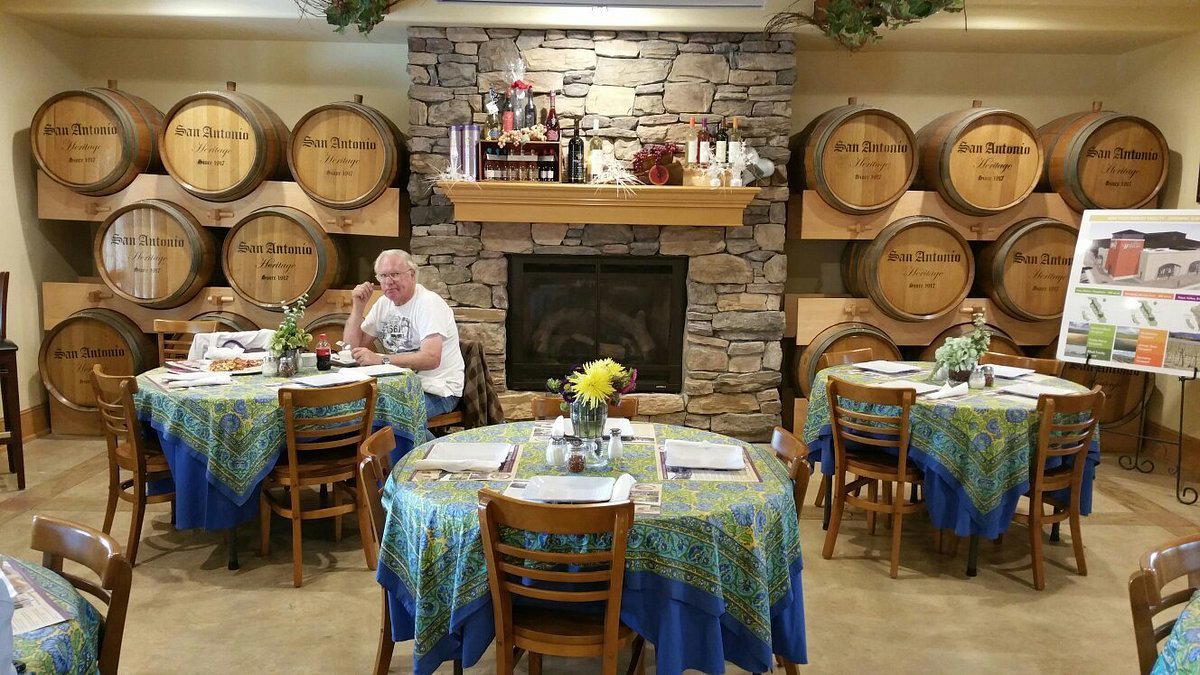

Details
- Cozy
- Family
- Casual Hangout
- A La Carte
- Vegetarian Friendly
Current opening hours
- Monday
- 11:30 AM–9:30 PM
- Tuesday
- 11:30 AM–9:30 PM
- Wednesday
- 11:30 AM–9:30 PM
- Thursday
- 11:30 AM–9:30 PM
- Friday
- 11:30 AM–10:30 PM
- Saturday
- 11:30 AM–10:30 PM
- Sunday
- 11:30 AM–9:30 PM
Hours can change for holidays and private events. Hours as of .
Simple no-frills interior with dark wooden decor creating a cozy, basic atmosphere.