Toca Madera Houston

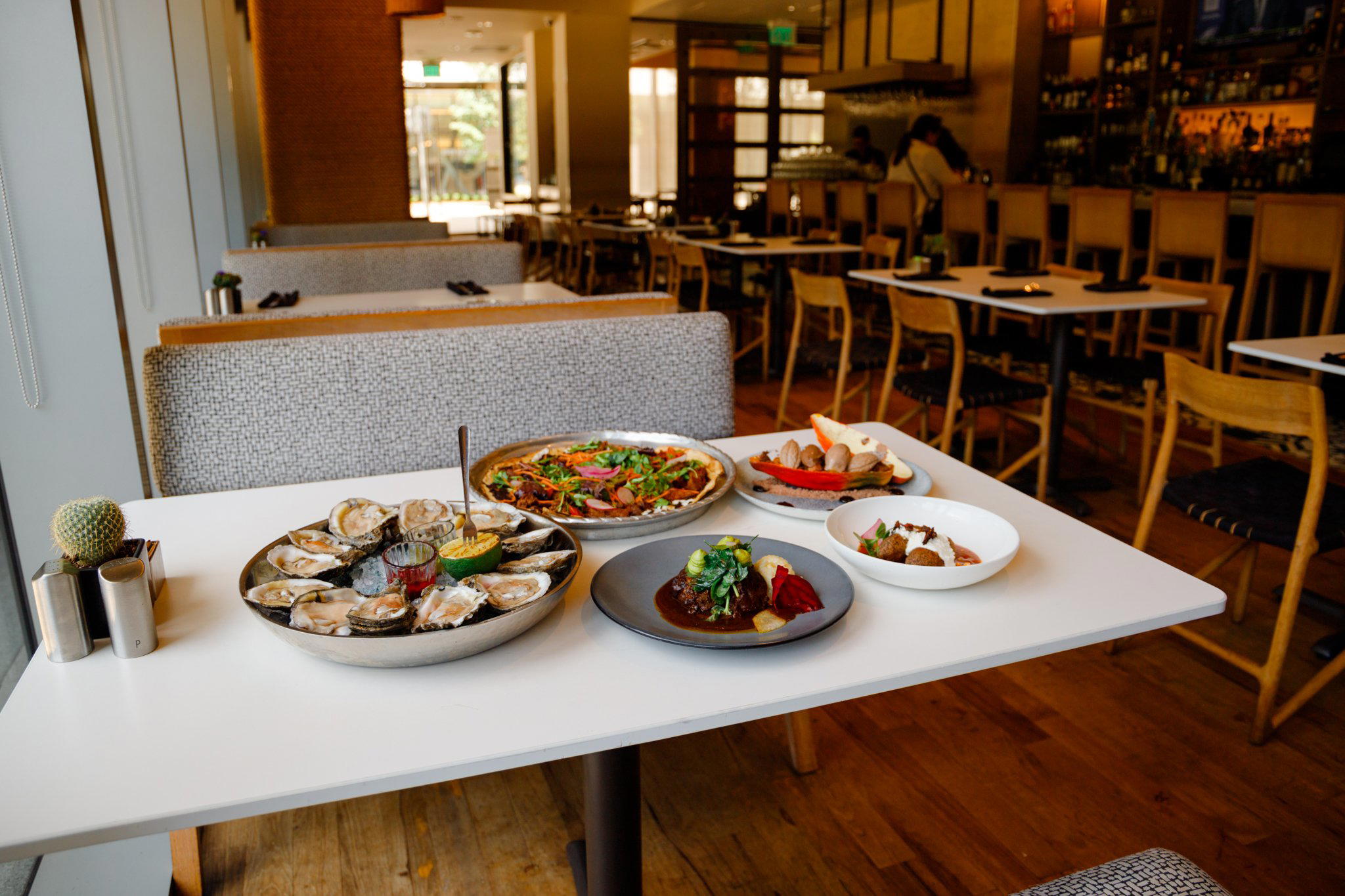
Toca Madera Houston occupies a prominent position on Allen Parkway, bringing the brand's signature modern Mexican format to a city with among the more competitive and internationally informed dining scenes in the South. The format pairs high-production design with a menu built around live-fire technique and agave-forward drinks, positioning it squarely in Houston's upscale casual tier.
Pearl is the En Primeur Club membership app — saves, bookings, and concierge access live there. Same editors, same standards.
- Address
- 1755 Allen Pkwy Suite 101, Houston, TX 77019
- Phone
- +17137155808
- Website
- tocamadera.com
- Directions
- Get directions
 Saves & bookings on Pearl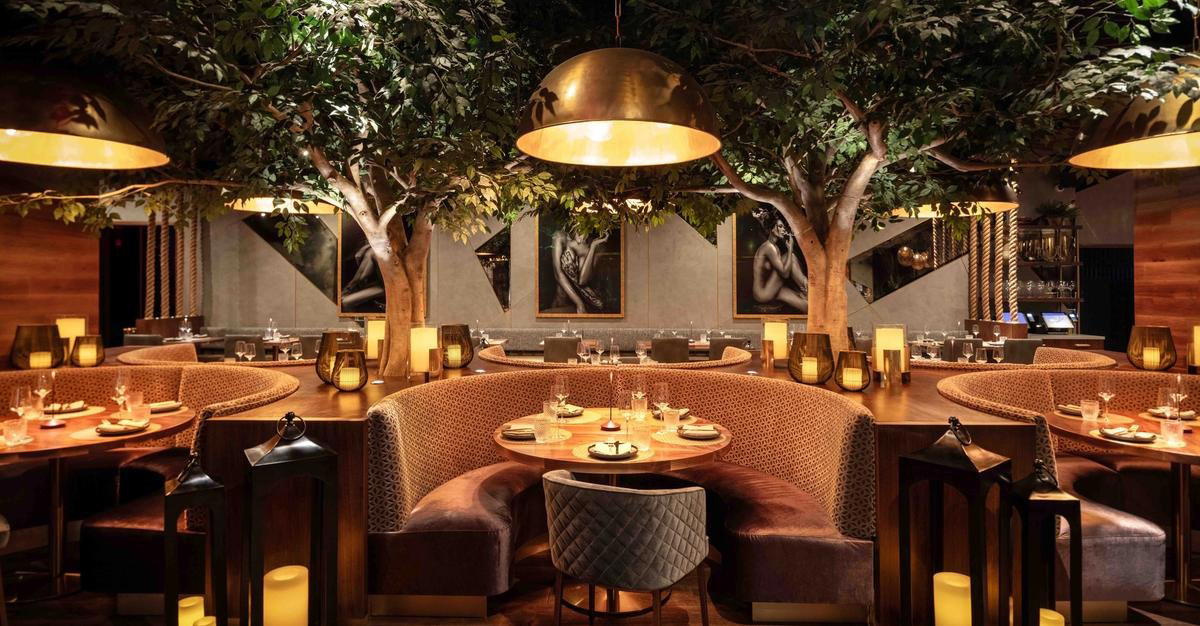
Where Allen Parkway Meets the Live-Fire Tradition
Houston's dining scene has spent the last decade sorting itself into tiers that track closely with major American food cities. At the upper end of the casual-to-fine spectrum, a cluster of concept-driven rooms compete for an audience that eats broadly, travels frequently, and measures value against a wide comparable set. Toca Madera Houston, at 1755 Allen Pkwy Suite 101, enters that competition on Allen Parkway, a corridor that connects the Montrose and River Oaks neighborhoods and draws some of the city's highest per-head casual spend. The location is deliberate; this stretch attracts diners who might otherwise be choosing between BCN Taste & Tradition for Catalonian technique or Le Jardinier Houston for French vegetable-forward cooking. Toca Madera plays a different hand entirely: modern Mexican, built on live-fire cooking and an agave program that treats mezcal and tequila with the seriousness most rooms reserve for wine.
Global Technique, Indigenous Products
The intersection of imported culinary method and indigenous Mexican ingredients has become one of the more productive tensions in American restaurant cooking over the past fifteen years. Masa, chiles, and agave spirits carry enormous regional specificity, they are products of particular soils, climates, and production traditions, but they are increasingly being handled through the lens of high-temperature wood-fire cooking, precision plating, and cocktail programs borrowed from fine-bar culture. Toca Madera's broader brand was built on exactly this framework: take the raw materials of Mexican culinary tradition and process them through techniques that would be recognizable in any ambitious American kitchen.
In Houston, that framing has particular resonance. The city's Mexican and Tex-Mex dining culture is deep and genuinely heterogeneous, running from taqueria counters to ambitious modern operations like Tatemó, which has built a reputation on masa-focused cooking with serious sourcing credentials. Against that backdrop, Toca Madera's positioning is not as a regional authority but as a design-forward, experience-led venue that happens to use Mexican ingredients as its primary vocabulary. The distinction matters: diners coming for an anthropological reading of Oaxacan or Yucatecan cuisine will find a different kind of room here than those seeking a high-production night out anchored in familiar flavors handled with technical care.
The Live-Fire Argument
Live-fire cooking has moved from trend to default position at a certain tier of American restaurant. The technique's appeal is partly sensory, char, smoke, and caramelization are crowd-pleasers, but it also carries a useful signal of craft and intentionality. Applied to Mexican ingredients, it reinforces authenticity claims: fire is foundational to Mexican cooking, from the comal to the clay pot to the pit. Venues across the country, from Lazy Bear in San Francisco to Blue Hill at Stone Barns in Tarrytown, have made fire a central element of their editorial identity. Toca Madera's use of the technique places it in good company conceptually, though the execution is aimed at a different kind of evening than the tasting-menu format those rooms favor.
The live-fire approach also functions as a differentiator within Houston's upper casual tier. At Musaafer, the reference points are subcontinental tandoor traditions; at March, the cooking is rooted in Venetian and broader Mediterranean frameworks. Each room has a distinct regional anchor. Toca Madera's anchor is the open flame as interpreted through a modern Mexican lens, a position that is specific enough to hold its own in a city that does not reward generic ambition.
The Agave Program as a Competitive Signal
In the current American bar scene, agave spirits occupy a position that closely mirrors where Japanese whisky was a decade ago: high consumer enthusiasm, significant variation in quality and provenance, and a knowledge gap that rewards venues willing to educate rather than simply pour. A serious mezcal and tequila program is increasingly a differentiator at upscale Mexican-leaning rooms, functioning the way a deep Burgundy list functions at a French fine-dining room, as a signal of commitment and expertise that goes beyond the obvious.
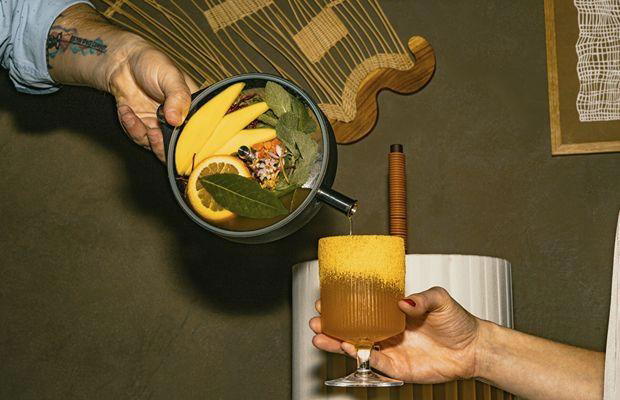
Toca Madera's brand has been associated with this approach across its locations, offering mezcal selections that engage with the spirit's regional diversity in ways that go beyond the standard well-and-premium binary. For Houston diners accustomed to the bar depth at venues like Addison in San Diego or the cocktail seriousness at rooms like Atomix in New York City, this is a familiar mode of operation. For a wider audience, it offers the kind of guided discovery that turns a single visit into a longer conversation about what agave spirits can actually be.
Where It Sits in Houston's Dining Map
Houston's restaurant scene is genuinely difficult to characterize from the outside, because it operates at a scale, in terms of both population and culinary diversity, that most American cities cannot match. The city's international communities have produced dining traditions that sit alongside fine-dining rooms with national profiles, and the result is a market that is harder to read than its reputation sometimes suggests.
Within that map, Toca Madera Houston occupies the design-forward, experience-led quadrant of the upscale casual tier. It is competing less with taqueria culture and more with the city's other high-production rooms: places where the physical environment is part of the proposition and where the evening is meant to feel like an event. The Allen Parkway address reinforces this positioning, placing it within reach of Montrose's creative-class audience and River Oaks' established-money clientele, two groups that overlap more in their dining habits than their neighborhoods might suggest. Comparable operations in other American cities include Emeril's in New Orleans and Providence in Los Angeles in terms of market positioning, though the cuisine and format differ significantly.
Booking and Cost Snapshot
Comparable venues nearby, for context on price, style, and recognition.
| Venue | Cuisine | Price | Notes |
|---|---|---|---|
| Toca Madera HoustonThis venue — the venue you are viewing | Neartown, Modern Mexican Steakhouse | $$$$ | Not listed |
| Cuchara | Montrose, Authentic Mexico City Bistro | $$$ | Not listed |
| Augustine’s | Montrose, French-Gulf Bistro | $$$$ | Not listed |
| Sushi Horiuchi | Neartown, Modern Japanese Omakase | $$$$ | Not listed |
| Davis Street | Not listed | $$$$ | Fourth Ward, Contemporary Southern Seafood |
| Ojo de Agua | Galleria, Healthy Mexican Cafe | $$ | Not listed |
Recognition history
Dated appearances from independent guides and award organizations, with the underlying list record or original source where available.
Wine Spectator Best of Award of Excellence
Wine Spectator
Continue exploring
More in Houston
Restaurants in Houston
Browse all →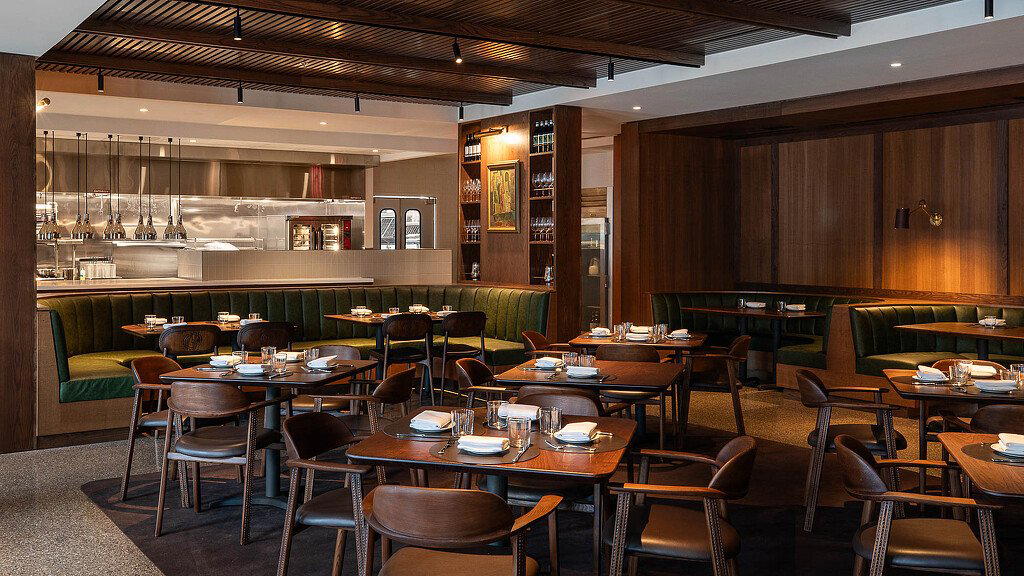
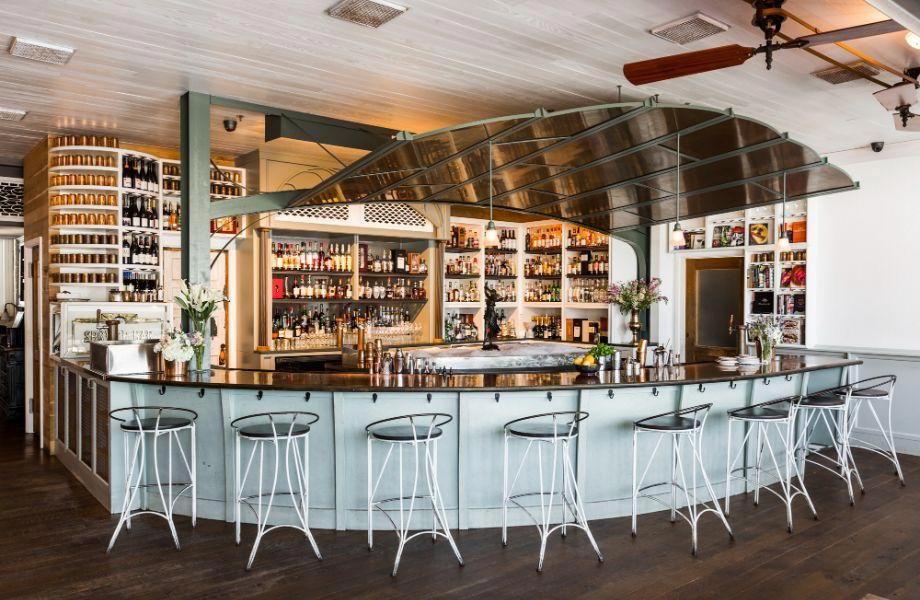
Bars in Houston
Browse all →
Hotels in Houston
Browse all →
At a Glance
- Lively
- Elegant
- Trendy
- Energetic
- Sophisticated
- Date Night
- Special Occasion
- Celebration
- Group Dining
- Live Music
- Open Kitchen
- Craft Cocktails
- Sustainable
- Organic
- Local Sourcing
Current opening hours
- Monday
- 5 PM–12 AM
- Tuesday
- 5 PM–12 AM
- Wednesday
- 5 PM–12 AM
- Thursday
- 5 PM–12 AM
- Friday
- 5 PM–1 AM
- Saturday
- 11 AM–1 AM
- Sunday
- 11 AM–12 AM
Hours can change for holidays and private events. Last verified .
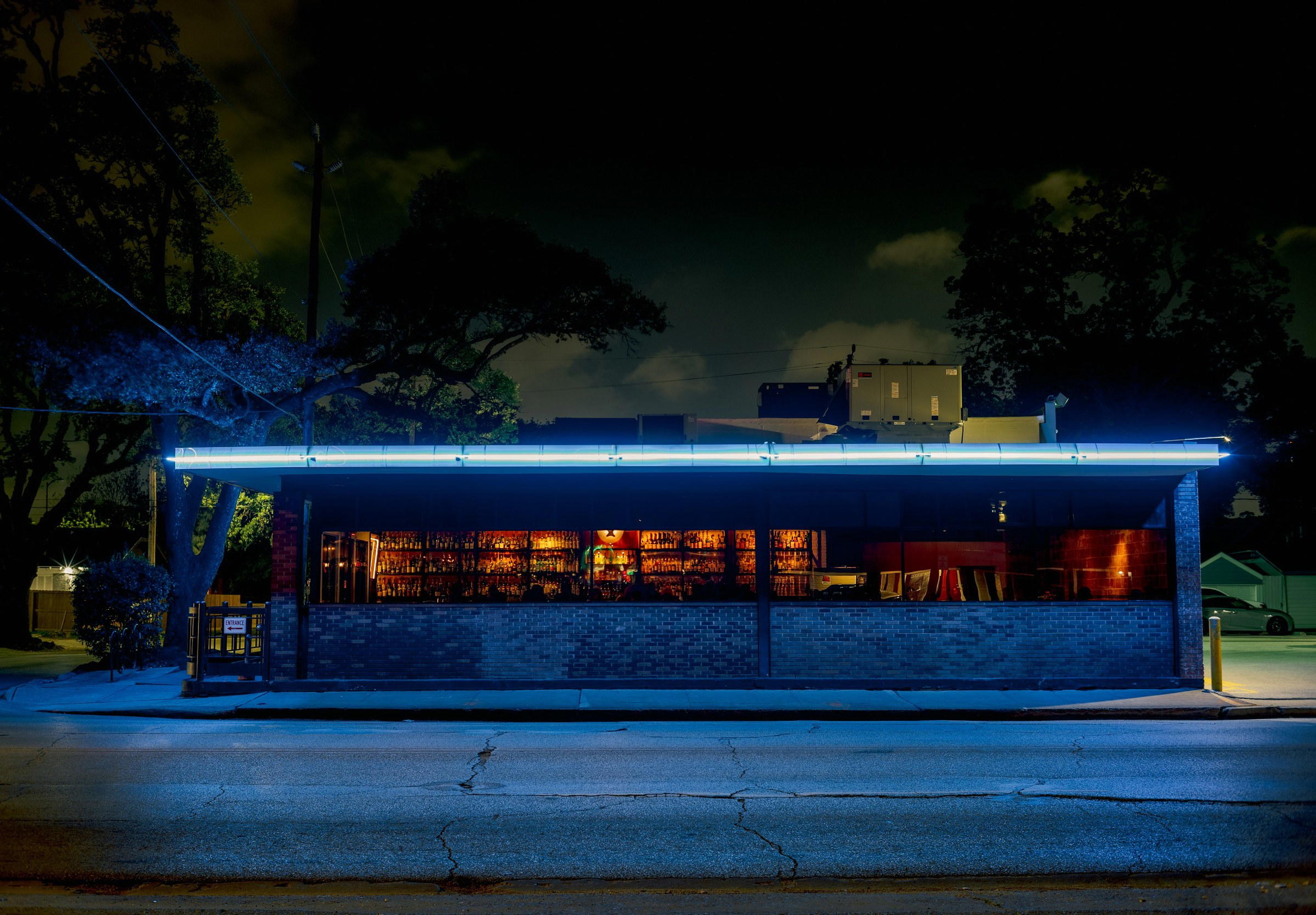
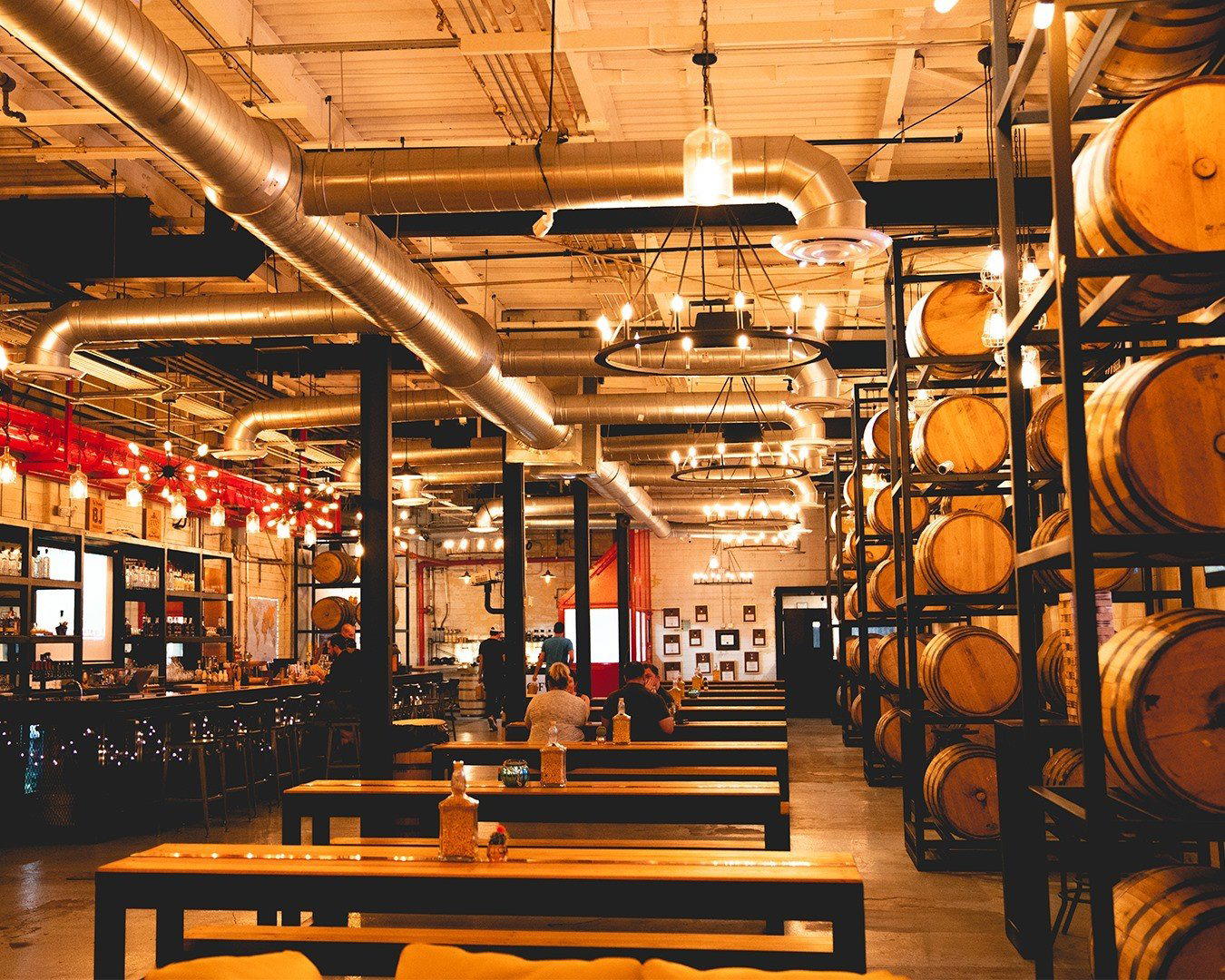
Dimly lit romantic ambiance with beautiful trees, golden accents, and immersive high-energy atmosphere.