Tipairua – Restaurant gourmet

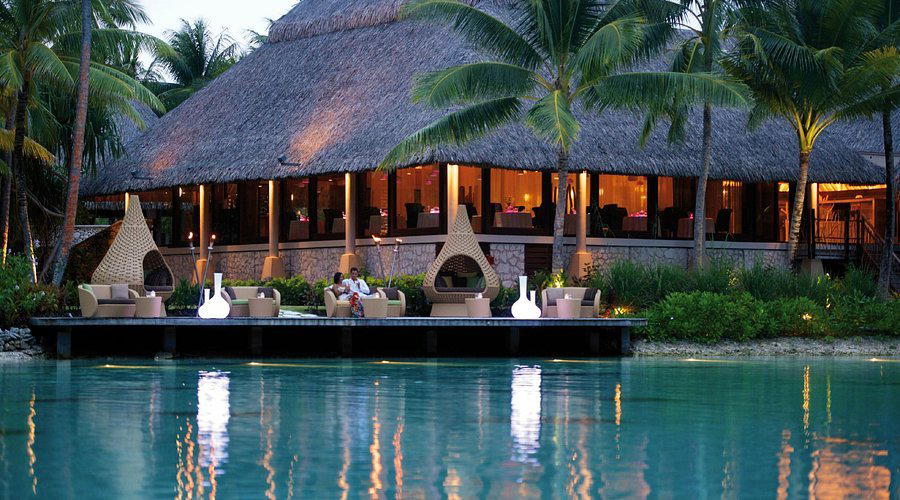
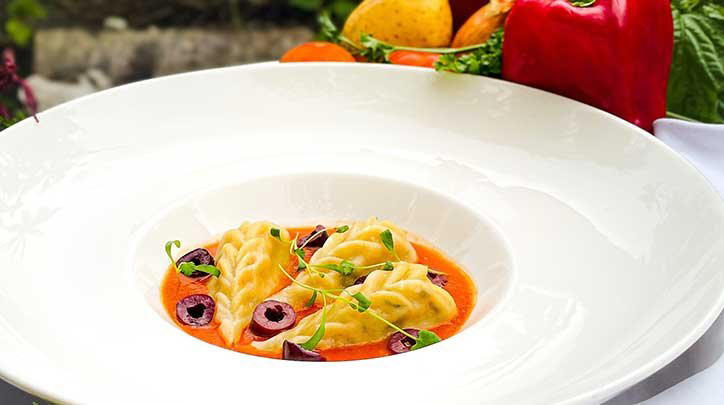
Tipairua – Restaurant gourmet frames French Polynesian fine dining through island sourcing rather than imported luxury cues. The draw is a 5-course creative-cooking format under chef David Pelet, with local fishermen and farmers placed at the centre of the experience in Patio Taha A.
Pearl is the En Primeur Club membership app — saves, bookings, and concierge access live there. Same editors, same standards.
- Address
- B.P. 67
- Phone
- +689 40 608 400
- Directions
- Get directions
 Saves & bookings on Pearl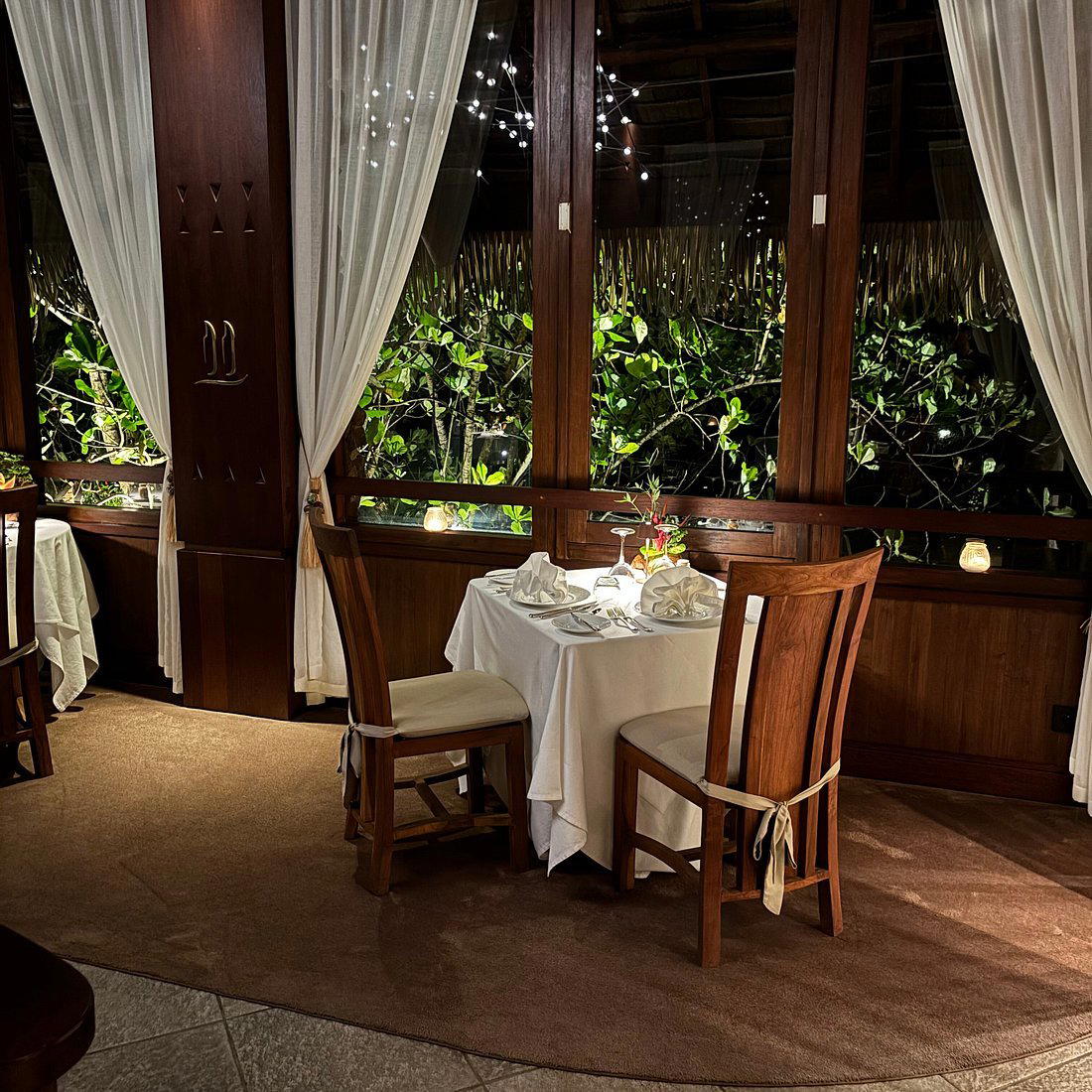
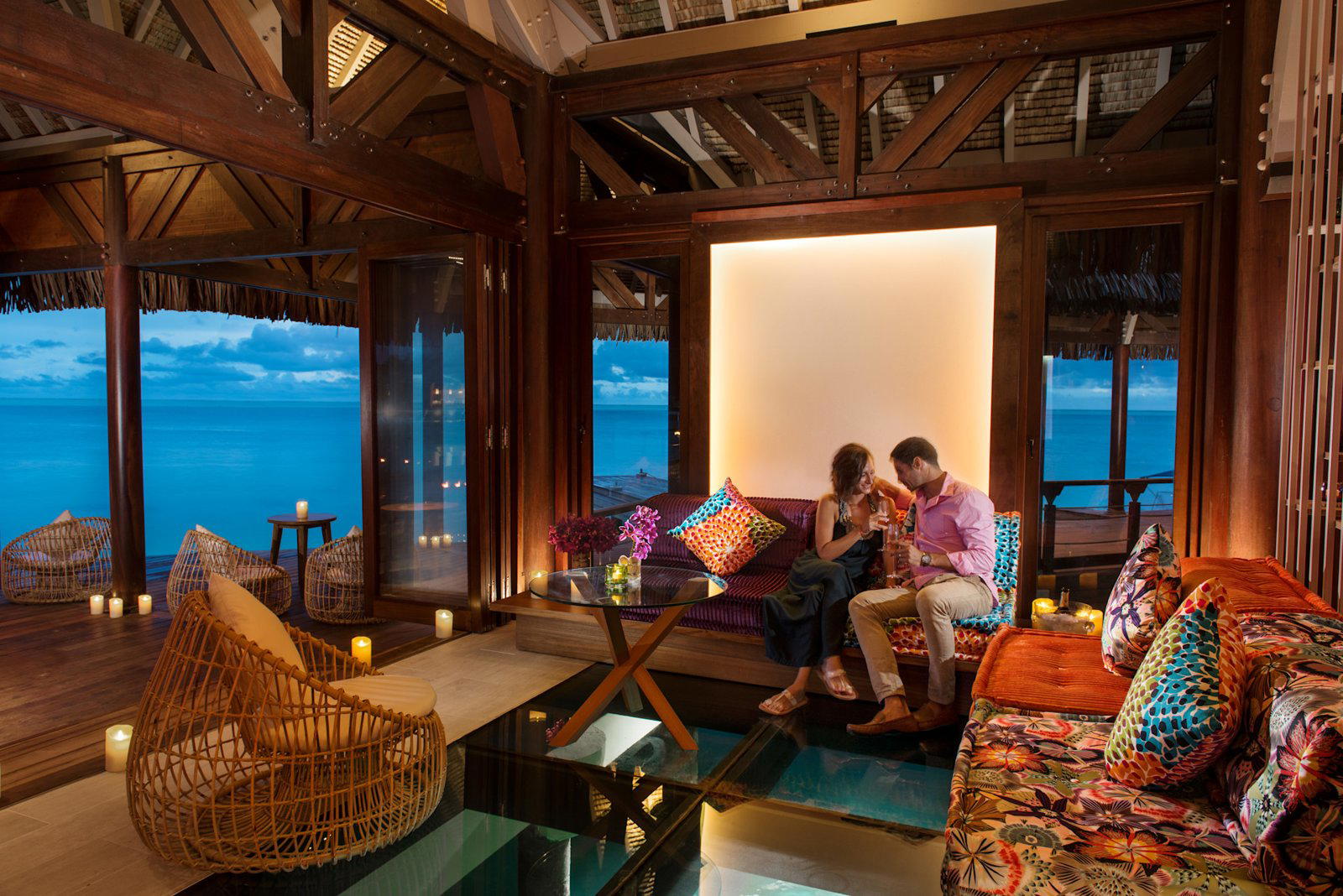
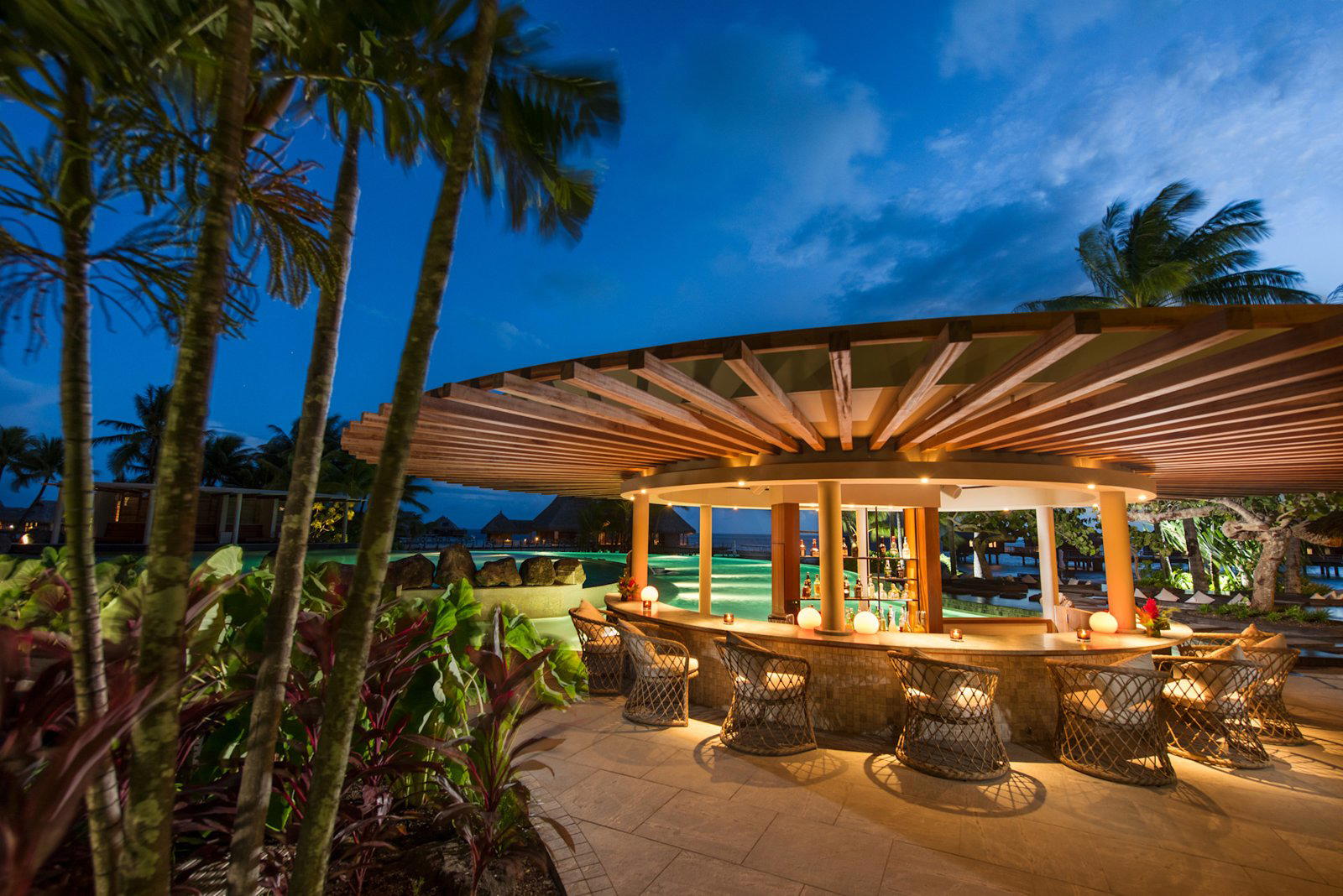
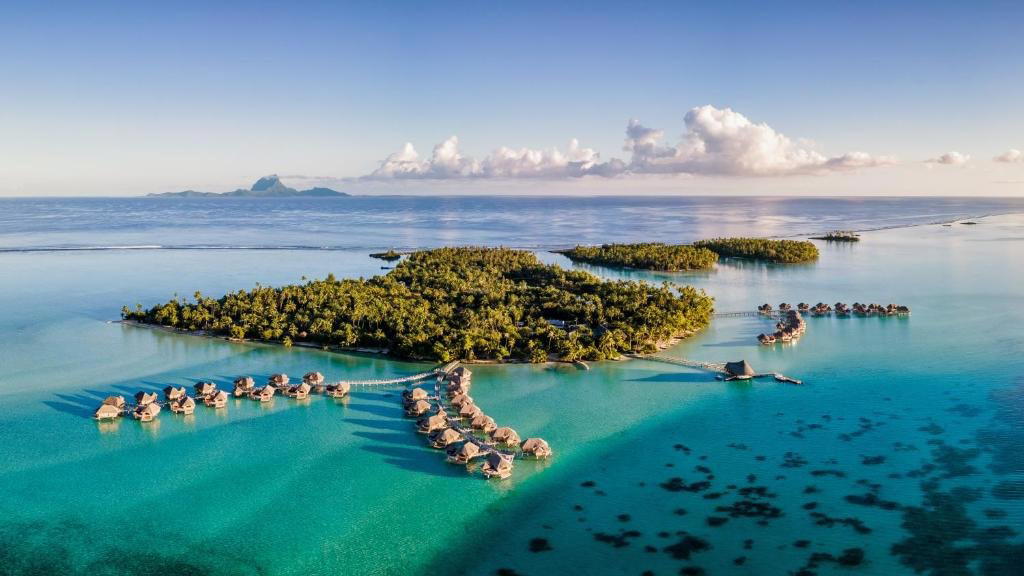
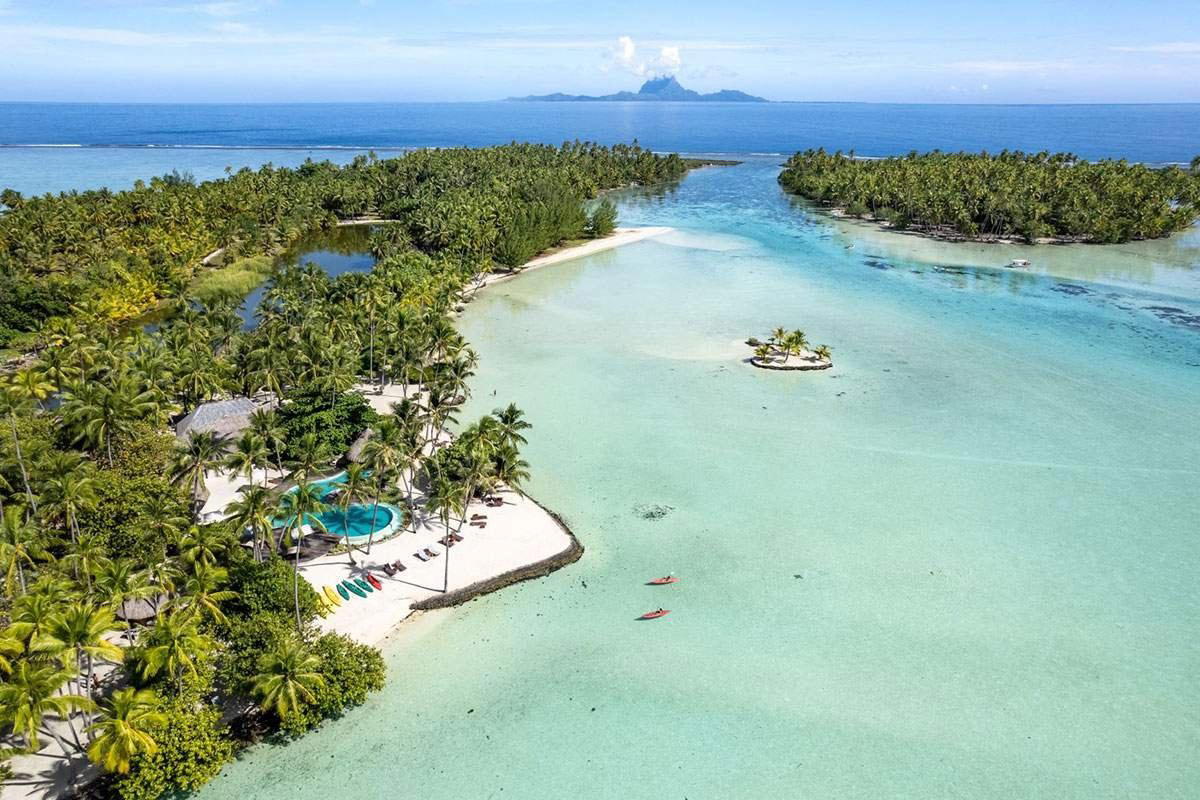
Dinner in Patio Taha A means entering a slower register of French Polynesia: lagoon air, low light, and food tied less to urban restaurant theatre than to what the islands can supply. Tipairua – Restaurant gourmet is best read as part of a wider island conversation about provenance. The polished room matters, but the sharper point is sourcing: a 5-course creative-cooking menu built around local ingredients, with buying directed toward fishermen and farmers from the region.
That choice carries unusual weight in French Polynesia. Remote-island dining can lean on imported luxury products, hotel-standard plating, and internationally familiar menus. A locally driven format asks what a serious dining room can do when the lagoon, small farms, and island supply chains set the terms. The answer is not austerity, but a narrower, more place-specific fine dining, where value sits in discipline, restraint, and procurement rather than abundance.
Island sourcing is the point, not a garnish
Creative cooking in this part of the Pacific negotiates two pressures. Guests often expect French technique, while the islands offer a food culture shaped by fish, fruit, root crops, coconut, smoke, acidity, and the rhythms of what can be landed or grown. Tipairua’s commitment to local fishermen and farmers places the restaurant on the more interesting side of that divide, treating French Polynesian product as the menu’s centre rather than local colour.
The 5-course structure is a useful signal. It gives the kitchen room to show range without turning dinner into a long-form dégustation whose length becomes the story. In remote resort and island settings, that restraint helps: a shorter tasting format keeps focus on ingredient quality and sequence, and suits diners moving between lagoon days, boat transfers, and resort schedules rather than building an evening around an urban tasting-menu ritual.
Chef David Pelet’s role at Ohiri gourmet dining matters because it clarifies the kitchen’s direction. The emphasis is not personal mythology or chef-as-hero theatre, but a stated love for the Islands of Tahiti and a menu designed to put local products in view. In island fine dining, a chef’s authority is measured less by biography than by how carefully the kitchen handles fragile supply chains, seasonality, refinement, and local identity.
Sustainability language is often vague in luxury hospitality, but here the concrete part is the purchasing pattern: local fishermen, local farmers, and nearby ingredients where possible. That does not make the restaurant an agricultural manifesto. It does place it within a practical shift in premium travel dining, where provenance signals seriousness. Imported caviar and truffles can travel anywhere; island fish and farm produce place dinner somewhere specific.
A Tahitian fine-dining format with a shorter, sharper arc
The creative-cooking label should not be mistaken for metropolitan experimental dining. In French Polynesia, the stronger move is often translation: using polished technique to clarify island product rather than overwhelm it. A 5-course menu gives that translation a defined arc, moving through seafood, produce, and richer preparations without asking every plate to perform as spectacle.
Setting changes expectations. Patio Taha A does not operate like Paris, Tokyo, or New York, where dense competition pushes tasting menus into technical escalation. The local dining scene is dispersed, shaped by hotels, island transfers, resort restaurants, and product availability. A gourmet restaurant here must satisfy travellers used to high-end formats while staying intelligible to the place around it. The stronger kitchens do not treat the island as backdrop; they let it define the menu’s limits.
That limit gives the meal a reason to exist in French Polynesia rather than in any well-funded kitchen. When local sourcing leads, the menu gains clearer identity: not generic luxury with tropical accents, but a sequence shaped by surrounding waters and farms. For diners who follow destination restaurants, that is the difference between eating at a resort and eating in a place.
The format also suits travellers wanting a serious dinner without a long tasting menu’s formality. Five courses are enough to signal intent within a creative-cooking register, while keeping the evening compatible with the island’s pace. The case for Tipairua – Restaurant gourmet rests on that balance: a fine-dining framework, a local-sourcing thesis, and a compact menu that avoids confusing length with ambition.
How to place it within a French Polynesia itinerary
For a broader restaurant map, start with Our full Patio Taha A restaurants guide, then widen the lens across the archipelago. Papeete dining has a different tempo, represented by 54 Rue Paul Gauguin in Papeete, while resort-led lagoon dining appears through Arii Moana in Bora Bora and Latitude 16 in Vaitape. Tahiti and Moorea add casual and regional registers, including Beachcomber Café in Tahiti, Blue Banana in Puna Auia, Hiti Mahana in Arue, Holy Délices in Moorea Maiao, and K in Moorea. The wider island spread extends to Fare Restaurant in Fakarava, Hawaiki Nui in Tahaa, and Le Kenae in Taiohae.
Trip planning around Patio Taha A should account for dining as only one part of the destination’s rhythm. Useful companion pages are Our full Patio Taha A hotels guide, Our full Patio Taha A bars guide, Our full Patio Taha A wineries guide, and Our full Patio Taha A experiences guide. Readers tracking creative-cooking beyond French Polynesia can compare the category through A-Bay Beach Bar, Creative cooking in Stari Grad and Ars Vivendi, Creative cooking in Bad Laasphe, though Patio Taha A is defined by island product rather than European fine-dining density.
The decision is simple: choose this address for a concise gourmet menu rooted in French Polynesian sourcing. Its strongest signal is not scale, celebrity, or a long awards ledger, but commitment to local fishermen and farmers, translated into a 5-course format that gives the islands a meaningful role at the table.
Reputation & Price
Comparable venues nearby, for context on price, style, and recognition.
| Venue | Cuisine | Price | Notes |
|---|---|---|---|
| Tipairua – Restaurant gourmet | Not listed | $$$$ | Patio, Taha’a, Gourmet French‑Polynesian Fusion |
| Le Taha’a | Tahaa, French-Polynesian Fusion | $$$$ | Not listed |
| Restaurant Te Honu Iti | Cook's Bay, French-Polynesians fusion | $$$ | Not listed |
| Holy Délices | Not listed | $$$ | Ha'apiti, French Steakhouse with Polynesian Fusion |
| 54 Rue Paul Gauguin | center, French Soufflé Bistro | $$ | Not listed |
| Restaurant Poreho | Not listed | $$$ | Tuherahera, Polynesian-European lagoonfront fine dining |
Recognition history
Dated appearances from independent guides and award organizations, with the underlying list record or original source where available.
Relais Chateaux Award
Relais Chateaux
Continue exploring
More in Patio Taha A
Restaurants in Patio Taha A
Browse all →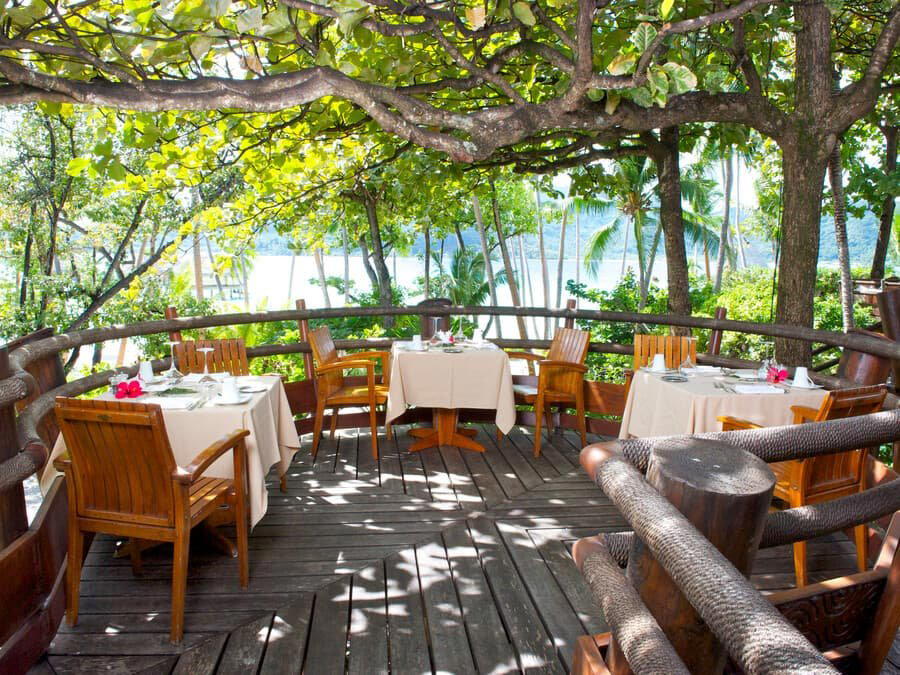
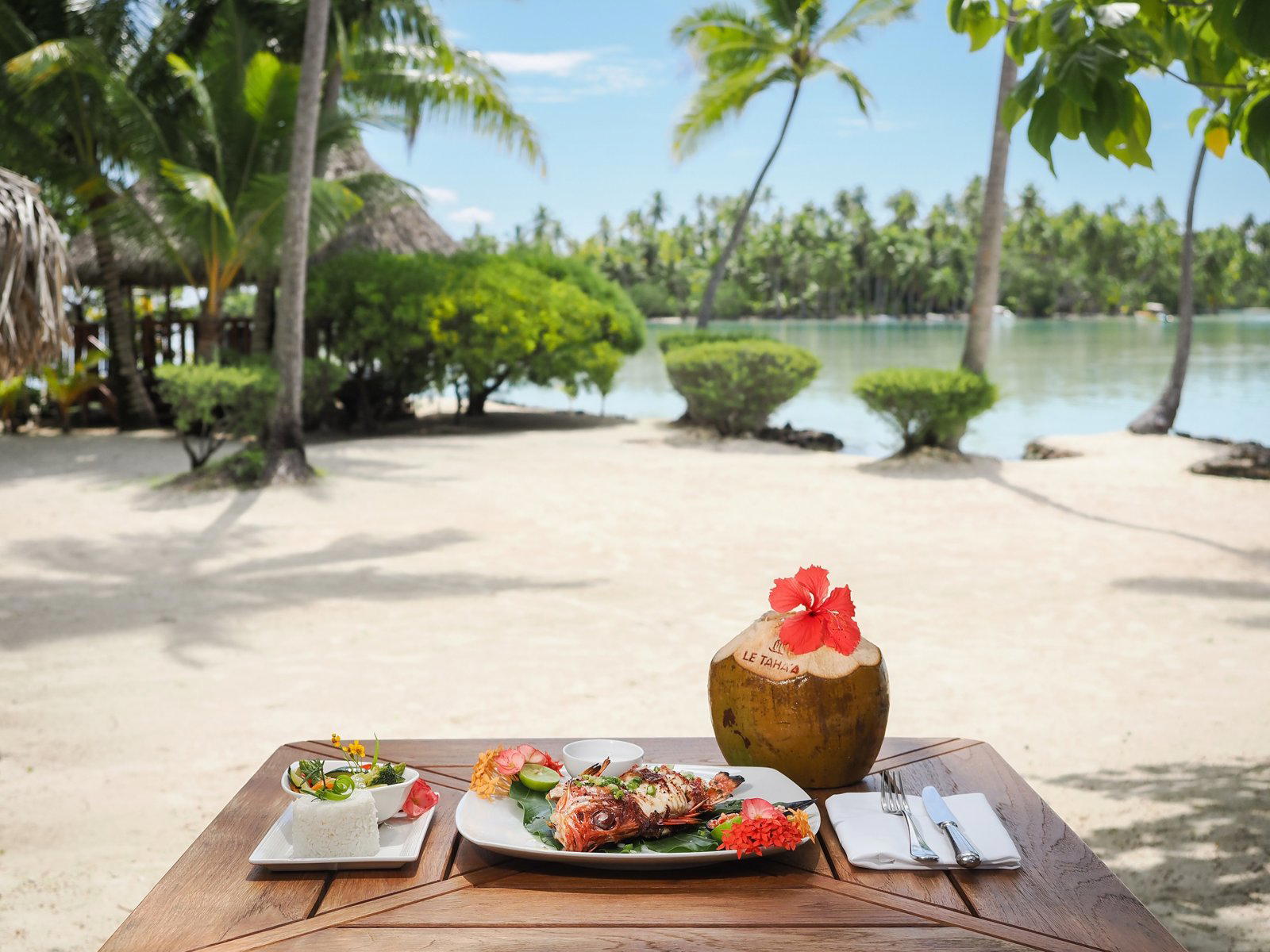
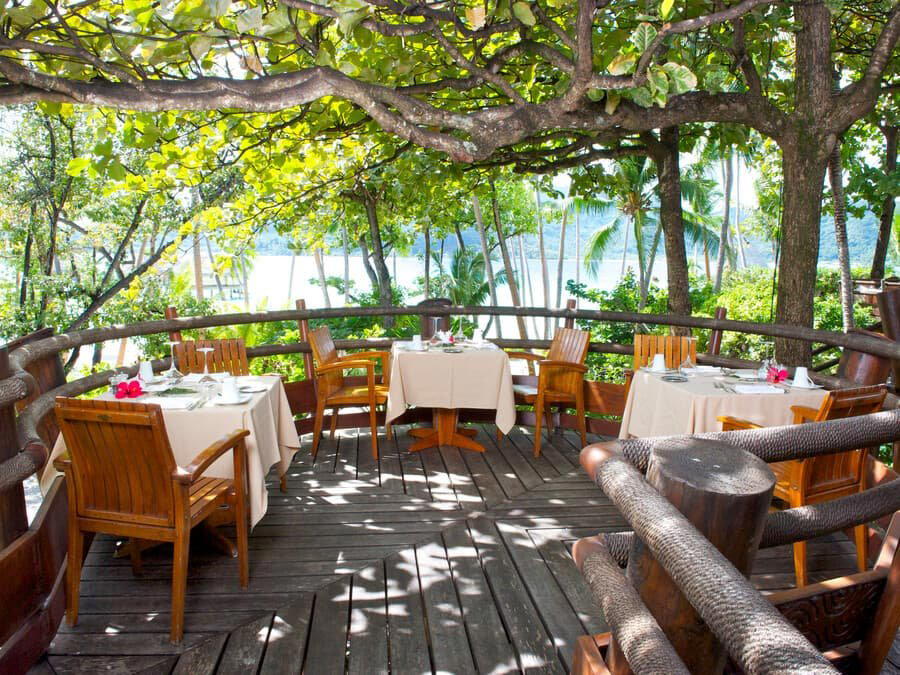
Bars in Patio Taha A
Browse all →
At a Glance
- Romantic
- Elegant
- Scenic
- Sophisticated
- Cozy
- Date Night
- Special Occasion
- Celebration
- Group Dining
- Waterfront
- Terrace
- Panoramic View
- Hotel Restaurant
- Private Dining
- Local Sourcing
- Waterfront
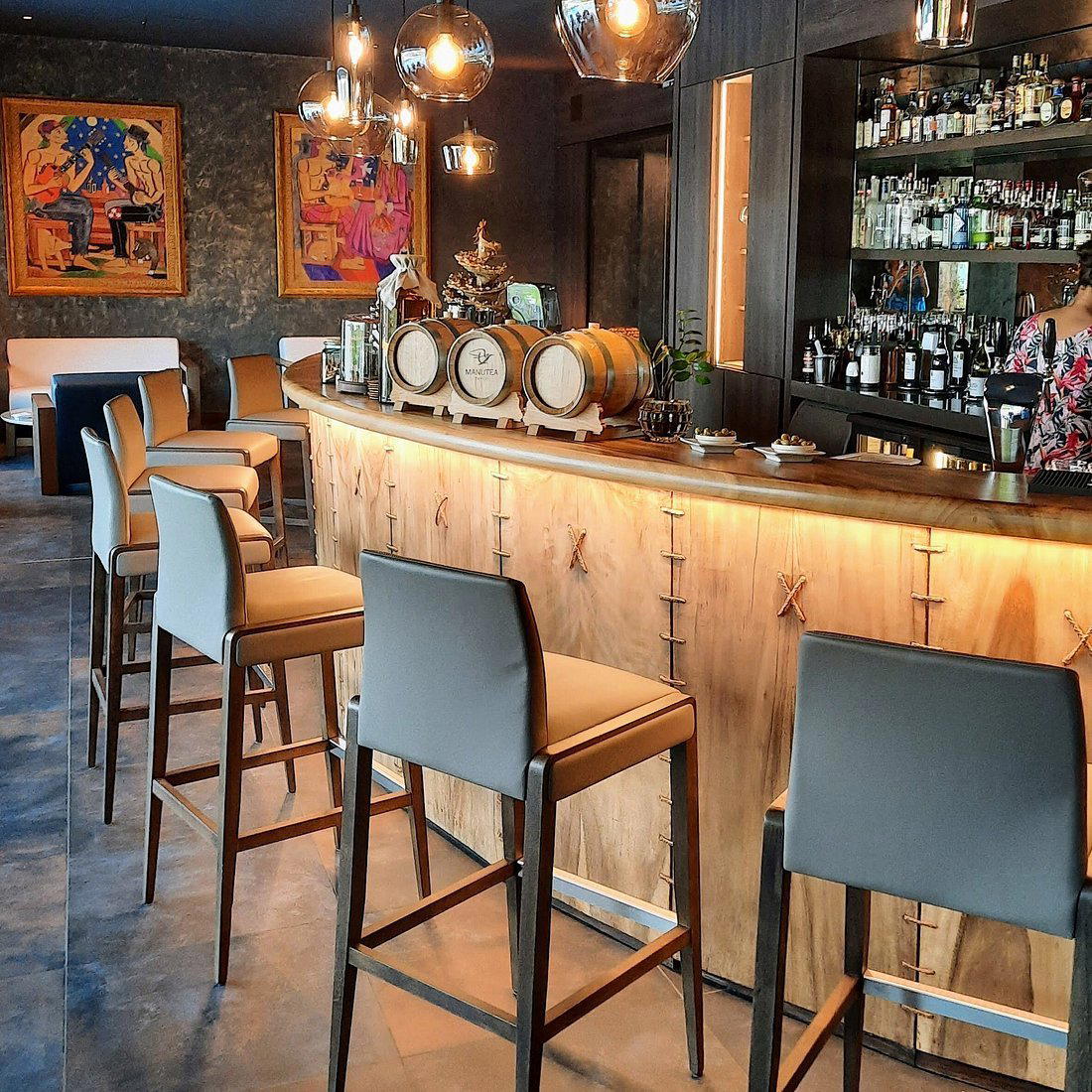
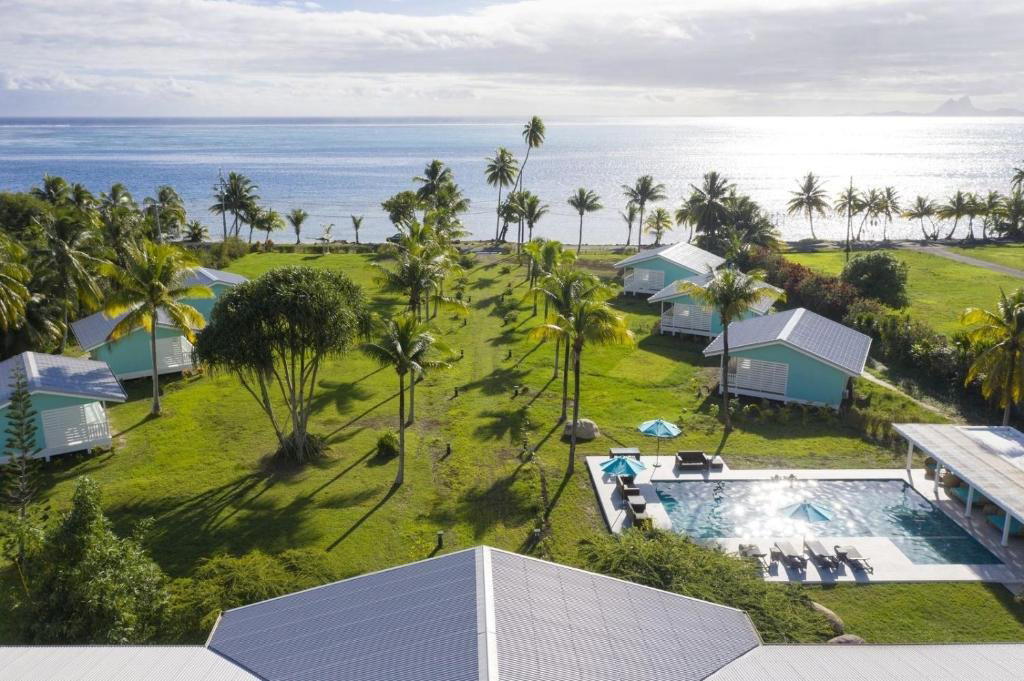
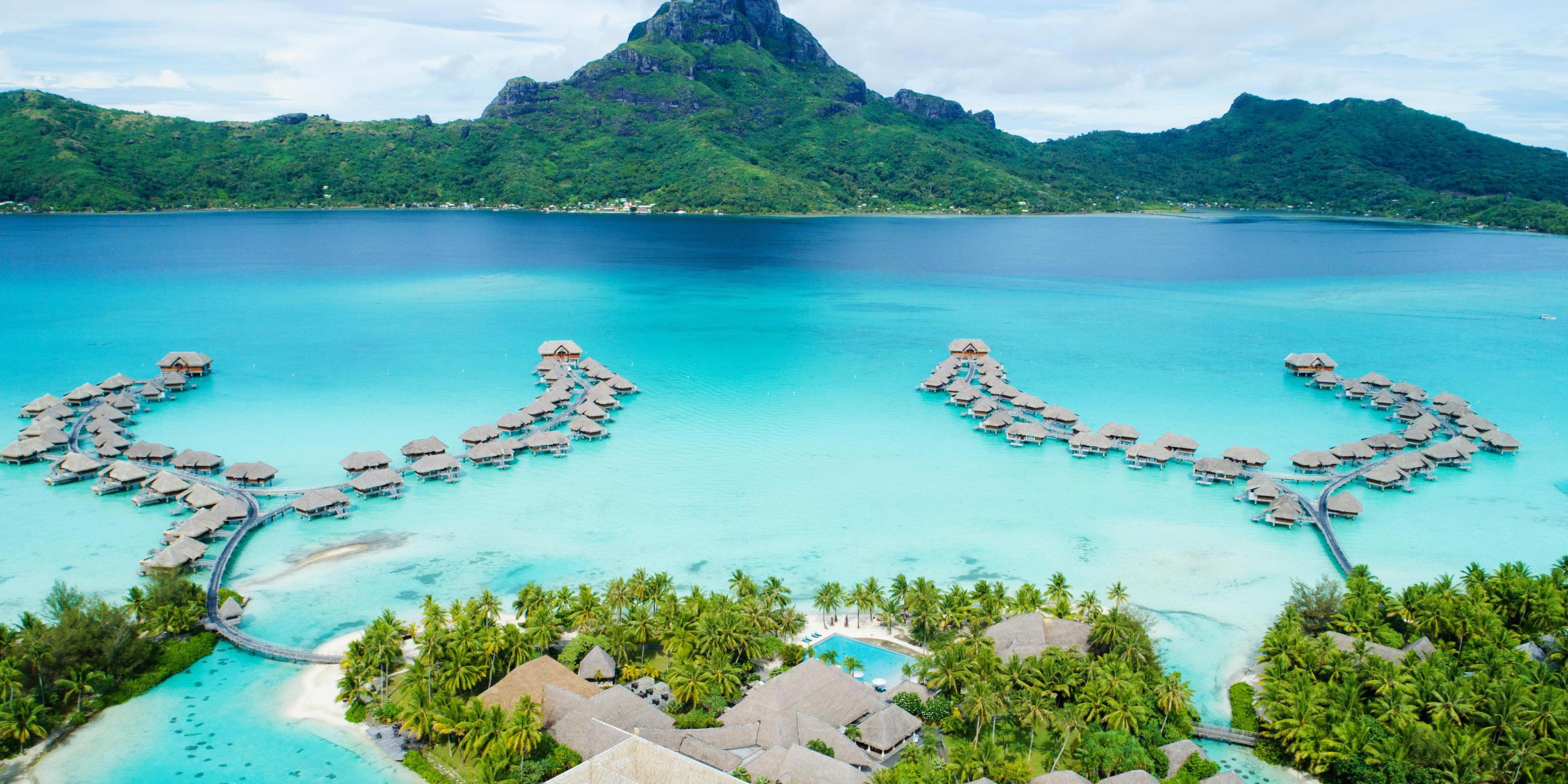
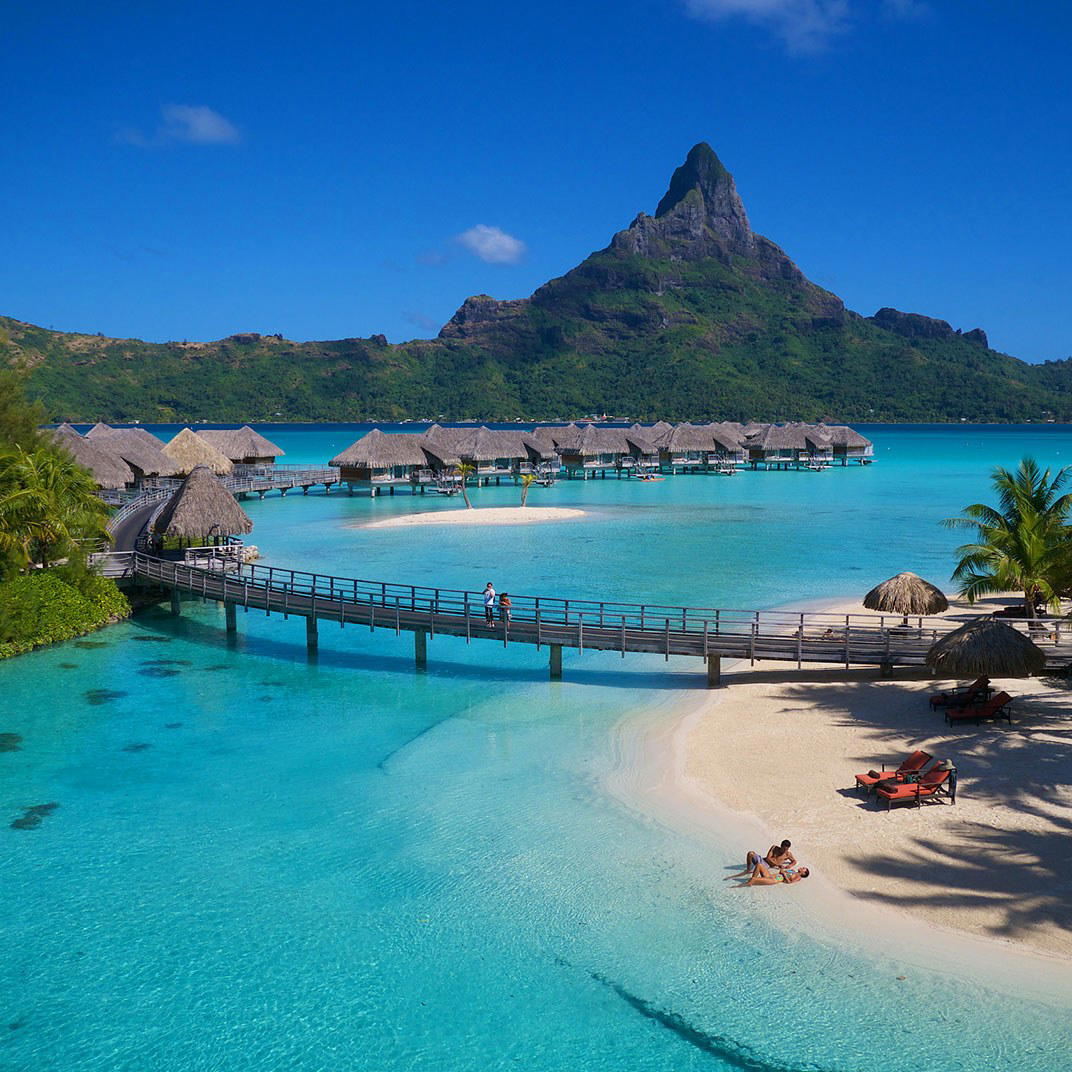
An intimate, romantic fine‑dining room within a Relais & Châteaux resort, pairing polished service and creative plates with a warm, cozy atmosphere that reflects Polynesian culture and the surrounding lagoon setting.