Tina & Po
Our verdict
In Canley Vale, one of Sydney's most concentrated pockets of Vietnamese cooking, Tina & Po takes a vegetarian-focused approach to a cuisine built around meat-forward tradition. The kitchen works within a neighbourhood where pho broth and bánh mì are daily staples, reframing those reference points without abandoning them. For diners interested in plant-based Vietnamese cooking outside the inner city, this is a practical and pointed destination.

Pearl is the En Primeur Club membership app, where members save venues, book tables and use the concierge.
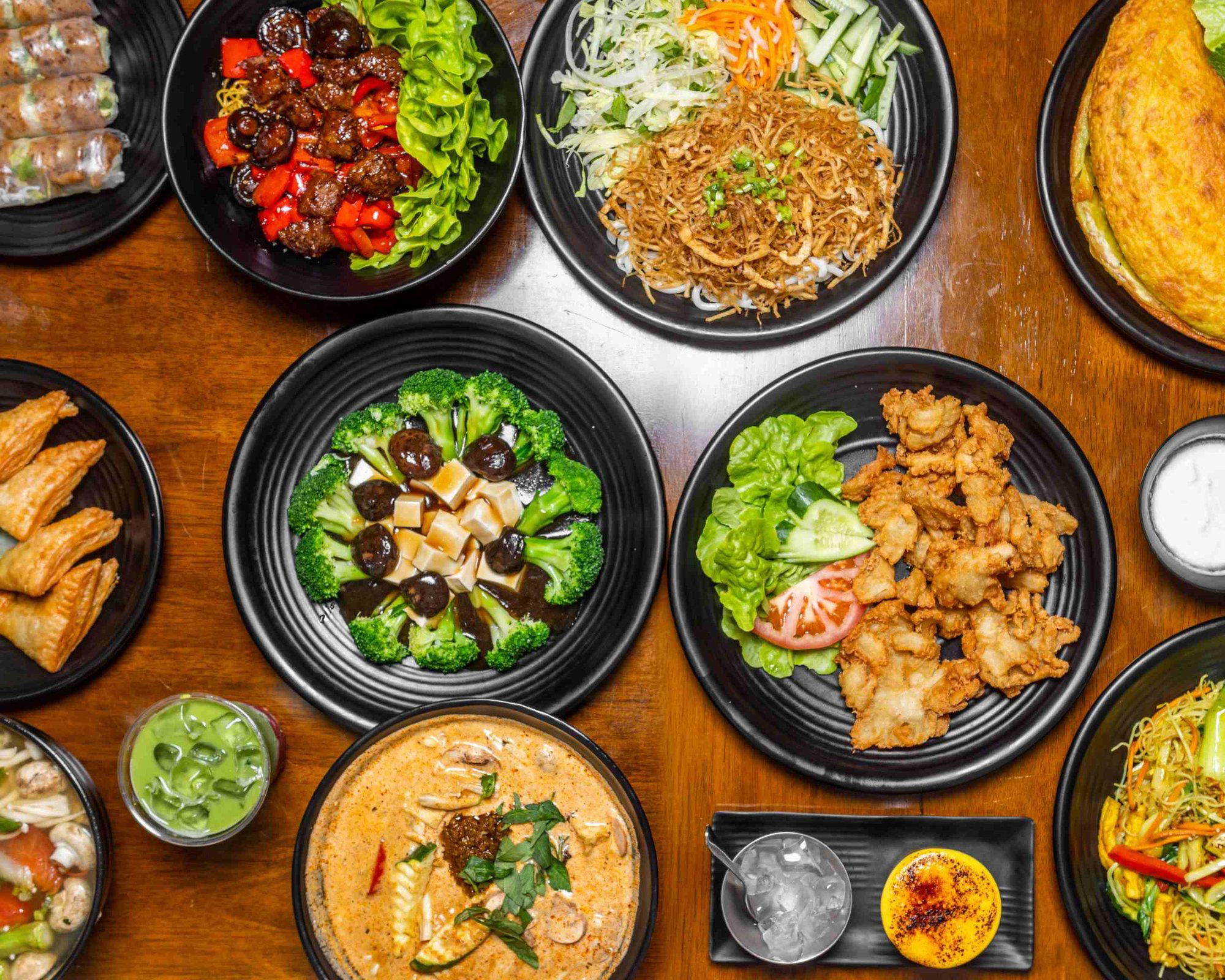
Canley Vale and the Vietnamese Table
Sydney's Vietnamese dining corridor runs through the south-western suburbs, and Canley Vale sits at its centre. The strip along Canley Vale Road carries a density of Vietnamese restaurants, bakeries, and produce shops that rivals Cabramatta's more famous stretch a short distance away. This is not a neighbourhood that discovered Vietnamese food recently, it has sustained it across generations, and the kitchens here answer to a local community that knows the difference between a broth simmered for six hours and one that wasn't. Tina & Po operates inside that context, which matters: the standard of reference here is set by decades of home cooking and family-run restaurants, not by inner-city interpretation.
For a broader sense of what the area offers across categories, our full Canley Vale restaurants guide maps the neighbourhood's dining options. You'll also find coverage of bars, hotels, wineries, and experiences in the area.
A Vegetarian Lens on a Meat-Forward Tradition
Vietnamese cooking is not, by default, vegetarian. The canon runs through pork bone broth, beef tendon, fish sauce, and shrimp paste. A kitchen choosing to work within that tradition from a vegetarian position is making an editorial decision about the cuisine itself, selecting which techniques and flavour structures carry across without the animal proteins that typically anchor them. This is a harder problem than it might appear. The depth in a classic phở bò comes from the char on the bones and the slow extraction of collagen; replicating that depth through other means requires either a different set of ingredients or a willingness to work with a lighter, cleaner broth profile and let other elements carry the dish.
In Vietnamese Buddhist cooking, this problem was solved long ago. Temple kitchens across Vietnam have maintained vegetarian traditions for centuries, developing mushroom-based broths, tofu preparations, and mock-meat techniques that predate the Western plant-based movement by generations. Whether Tina & Po draws directly from that tradition or works from a more contemporary plant-based framework is a distinction that matters to how you read the menu, and it's a question worth asking if you visit.
The Phở Question
Any Vietnamese kitchen in Canley Vale will be measured, at some point, against its phở. The soup carries that weight regardless of the rest of the menu. In a vegetarian context, the broth typically relies on a combination of charred onion and ginger, star anise, cinnamon, clove, and fennel, the same aromatics that define a beef broth, minus the bone base. Depth can come from dried shiitake or porcini, from roasted tomato, or from a longer reduction. What it cannot easily replicate is the unctuous body that collagen produces; a vegetarian phở broth tends to be cleaner and more aromatic rather than silky and coating.
That's not a deficiency, it's a different register. The condiment table, which in a conventional phở shop carries bean sprouts, fresh Thai basil, hoisin, and chilli sauce, functions the same way regardless of the broth base. The ritual of building the bowl at the table, adjusting the heat with chilli, brightening with lime, loading in fresh herbs, is intact. The experience of eating phở is as much about that process as it is about the broth itself, and a thoughtfully made vegetarian version participates in the same ritual.
For comparison, the range of approaches to broth and technique across Australian fine dining is wide: Brae in Birregurra and Agrarian Kitchen in Hobart both treat vegetable preparation with the same rigour applied to protein in more conventional kitchens. Saint Peter in Sydney takes a similarly focused, ingredient-led approach within a different tradition. The point is that produce-forward cooking, at its most considered, is a serious technical discipline, not a subtraction.
Where Tina & Po Sits in the Category
Vegetarian Vietnamese in Sydney occupies a small but growing niche. Most of the city's Vietnamese restaurants are not primarily vegetarian, though many will prepare dishes without meat on request. Dedicated vegetarian Vietnamese kitchens tend to cluster around inner-city postcodes where plant-based dining has broader market support, Surry Hills, Newtown, Marrickville. A vegetarian-focused kitchen operating in Canley Vale, where the customer base is predominantly the Vietnamese community itself, is positioning against a different set of expectations. That proximity to a traditional Vietnamese food culture is arguably an asset: it creates accountability to the source cuisine that a more gentrified setting might not.
In terms of peer restaurants at the premium end of Australian dining, the vegetable-forward approach at places like Amaru in Armadale or the produce emphasis at Kadota in Daylesford reflects a broader Australian dining shift toward cooking that centres plant material without making it a moral statement. Tina & Po occupies the same philosophical territory in a very different price and format register. For international reference points, the depth of technique applied to non-meat cooking at Le Bernardin in New York City, where the focus is seafood rather than plants, but the discipline of working within a constrained ingredient set is analogous, illustrates how a defined focus can sharpen a kitchen rather than limit it.
Other restaurants in the EP Club Australia network, including Flower Drum in Melbourne, 400 Gradi in Brunswick East, Bacchus in Brisbane, Carlton Wine Rooms in Carlton, Dan Arnold in Fortitude Valley, Hentley Farm in Seppeltsfield, and Emeril's in New Orleans, each represent a kitchen with a defined perspective on their source cuisine. That coherence of point of view is, across categories, what separates a purposeful restaurant from a generic one.
Planning Your Visit
Canley Vale is accessible from central Sydney via the T2 train line to Canley Vale station, placing it roughly 40 minutes from the CBD. The neighbourhood rewards visits on weekdays when the food strip is less congested and the restaurants are running at a pace that allows the kitchen to perform.
Frequently asked questions
Is Tina & Po okay with children?
Canley Vale's dining strip runs on neighbourhood rhythms rather than restaurant formality, and Vietnamese kitchens along this corridor are generally oriented toward family groups. The vegetarian-focused menu at Tina & Po removes the concern around unfamiliar proteins that sometimes complicates kids' orders at conventional Vietnamese restaurants. Expect a functional, unpretentious room where a table of mixed ages will not feel out of place.
How would you describe the vibe at Tina & Po?
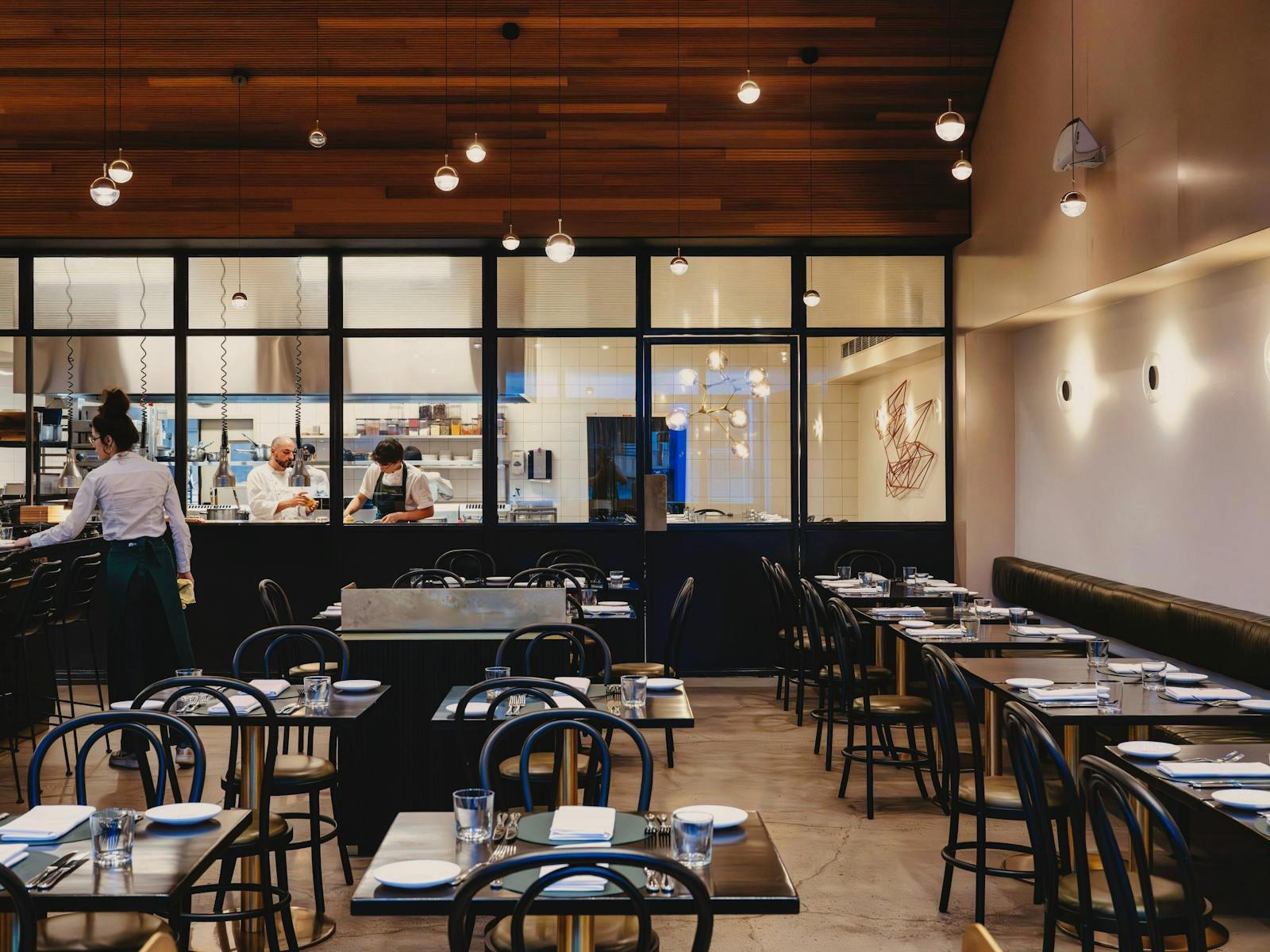
Canley Vale Road is workaday and purposeful, the suburb draws diners who are there for the food, not the fit-out. Tina & Po sits inside that same register: a Vietnamese restaurant where the cuisine type (vegetarian-focused) is the distinguishing factor, not the interior design. Think neighbourhood utility with genuine cooking behind it.
Is Tina & Po suitable for people who eat meat but are dining with vegetarians?
Tina & Po's vegetarian-focused Vietnamese menu is grounded in a cuisine tradition built on layered flavour from fermented, aromatic, and fresh components rather than meat as the primary vehicle. Non-vegetarian diners in a food-literate suburb like Canley Vale tend to find this register satisfying rather than restrictive.
What do regulars order at Tina & Po?
The kitchen identifies as Vietnamese and vegetarian-focused, which points to a menu built around plant-based interpretations of canonical dishes, phở, rice paper rolls, and stir-fries among them. In a suburb where the Vietnamese cooking benchmark is high and regulars are food-literate, the kitchen's ability to hold its own on the phở question, without meat-based broth, is likely what draws repeat visits.
What's the best way to book Tina & Po?
Along Canley Vale Road, casual Vietnamese restaurants operate predominantly on a walk-in basis, and turning up, particularly for lunch or early dinner, is the standard approach for the neighbourhood. Arriving outside peak hours on weekends reduces any wait.
Fast Comparison
Comparable venues nearby, for context on price, style, and recognition.
| Venue | Cuisine | Awards | Notes |
|---|---|---|---|
| Tina & PoThis venue (the venue you are viewing) | Vegetarian Restaurant | Not listed | Not listed |
| Spaghetti Club | Southern Italian Trattoria | Not listed | Richmond |
| Makaveli | Italian-inspired Small Plates | Not listed | Bondi Beach |
| Rubric Restaurant | Modern Australian with Asian & Middle Eastern Influences | Not listed | Alexandria |
| Low Key Chow House | Modern Pan-Asian Fusion | Not listed | Leederville |
| Lil Franky Pizzeria | Authentic Italian Pizzeria | 50 Top Pizza Asia-Pacific #28 | Sydney |

Continue exploring
More in Canley Vale
Restaurants in Canley Vale
All restaurants in Canley Vale →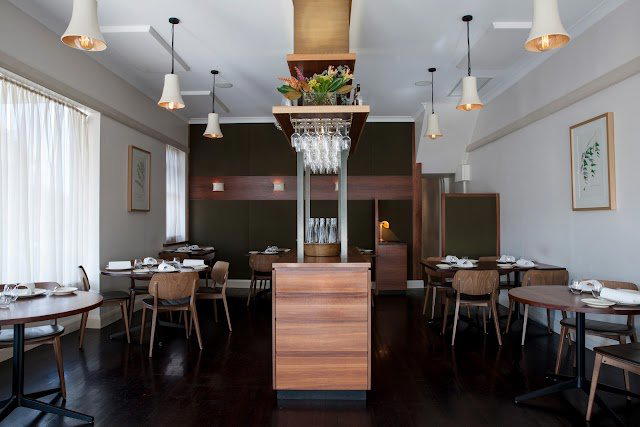
Bars in Canley Vale
Browse all →
Hotels in Canley Vale
Browse all →
Wineries in Canley Vale
Browse all →

Details
- Cozy
- Casual Hangout
- Vegetarian Friendly
Cozy and welcoming with charismatic staff.