World's 50 Best #25
Our verdict
Thorton's in Dublin, Ireland, was a benchmark of modern Irish cuisine where seasonal Irish produce met French technique. Signature offerings included the chef’s tasting menu, seasonal seafood plates and a refined Irish lamb course. Led by Kevin Thornton, the kitchen earned two Michelin stars (2001–2005) and a sustained one-star run, delivering precise sauces, cleanly cooked seafood and deeply flavored meat dishes. Housed in the Fitzwilliam Hotel overlooking St. Stephen’s Green, the experience combined warm, attentive service with focused plating—bright citrus accents, slow-reduced jus, and the pure texture of local vegetables—making every meal a vivid, appetite-driven memory for discerning travelers.
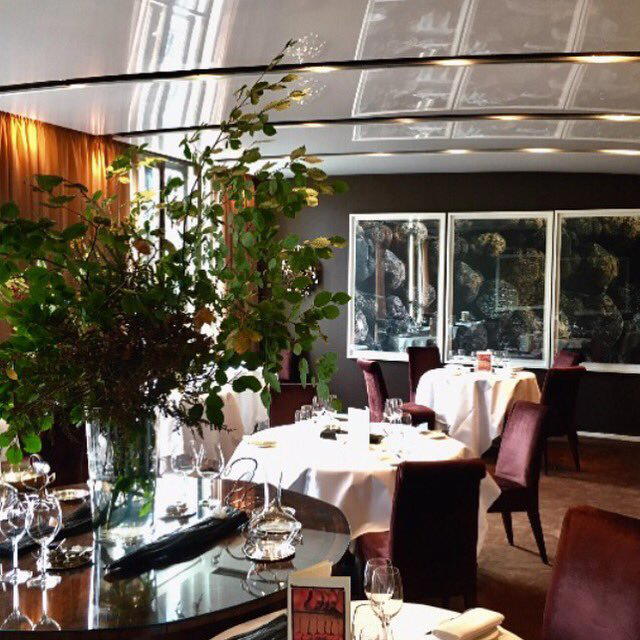
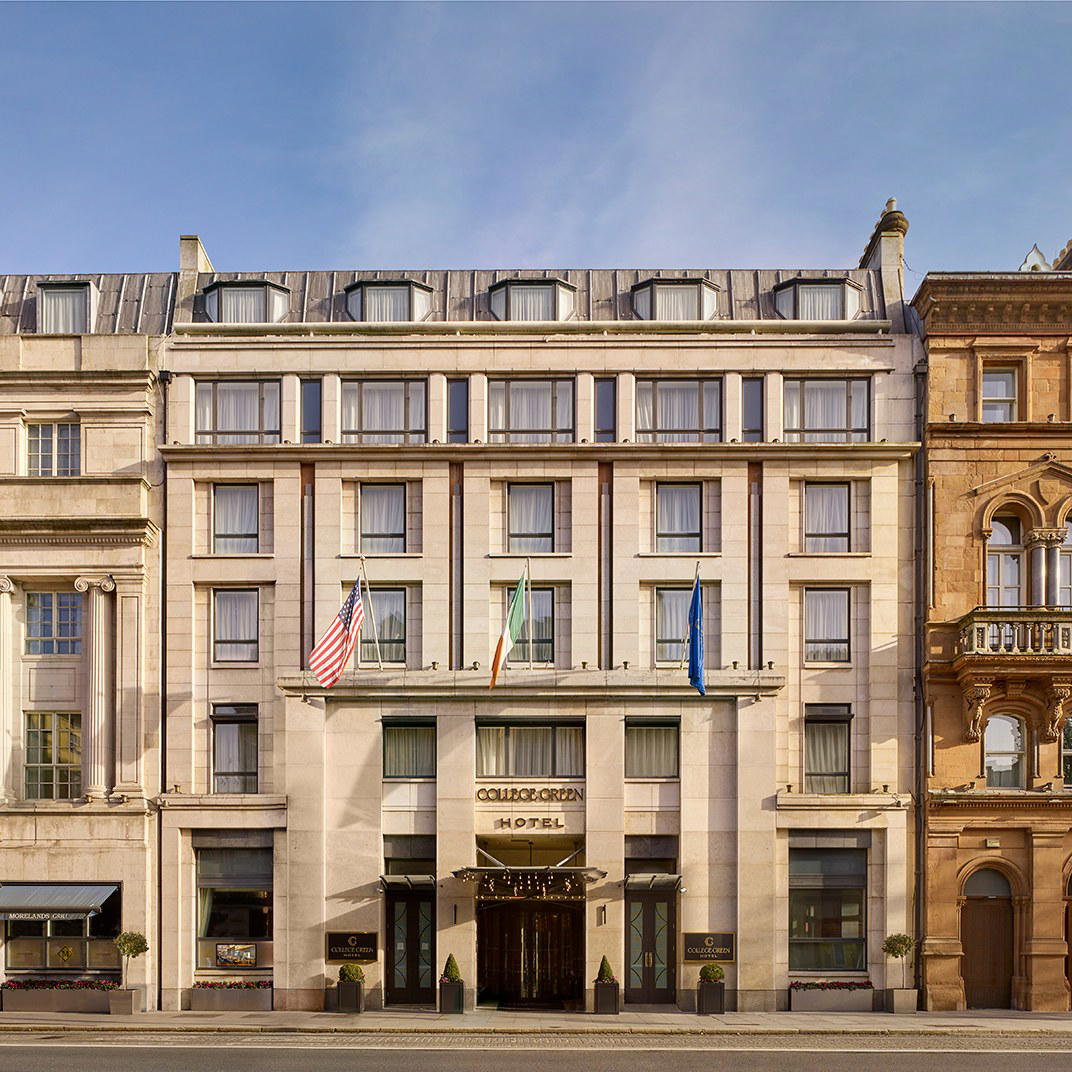
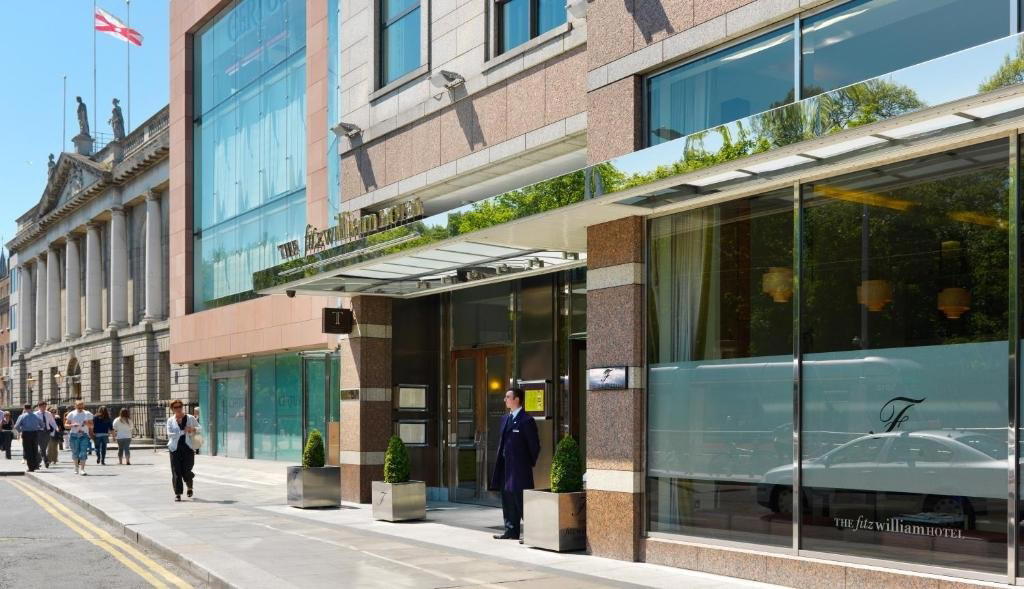
Thorton's in Dublin opened a chapter in Irish gastronomy that many still talk about today. Situated in the Fitzwilliam Hotel on St. Stephen’s Green, Thorton's presented a modern Irish approach that blended international technique with Ireland’s best seasonal produce. On arrival guests remembered steeped windows framing the park, linen-dressed tables and servers delivering tasting menus with precise timing.
The name Kevin Thornton was integral to the experience; diners expected disciplined cooking, bright seafood courses and sauces reduced to perfect balance. Kevin Thornton shaped the restaurant’s vision from the late 1980s through its move to the Fitzwilliam in 2002. He became the first Irish chef to earn two Michelin stars, a distinction held from 2001 to 2005, with a one-star presence before and after those years through 2015. That award history and a ranking among the 50 best restaurants globally anchored Thorton's reputation.
Thornton emphasized seasonality, close relationships with local suppliers and classical technique adapted to Irish ingredients. The kitchen’s standards, taught by Thornton in culinary education and shown on television, made Thorton's both a training ground and a destination for serious diners. The culinary journey at Thorton's focused on a tasting-menu architecture that changed with the market. Courses often opened with delicately poached Irish scallops dressed simply with brown butter and a lemon-herb vinaigrette, allowing shellfish sweetness to take center stage.
Fish courses used precise, short cooking times and light reductions to preserve texture; you might find pan-seared white fish finished with a subtle mussel broth. Meat dishes favored local lamb or beef, slow-braised then finished over high heat for a caramelized crust and served with a concentrated jus that carried roasted root vegetables. Vegetables and foraged elements appeared as clarifying accents—charred leeks, pickled samphire, or lightly dressed garden beets—keeping the menu bright. The beverage program complemented the food with a careful wine list and pairings chosen to echo acidity or tannin where needed.
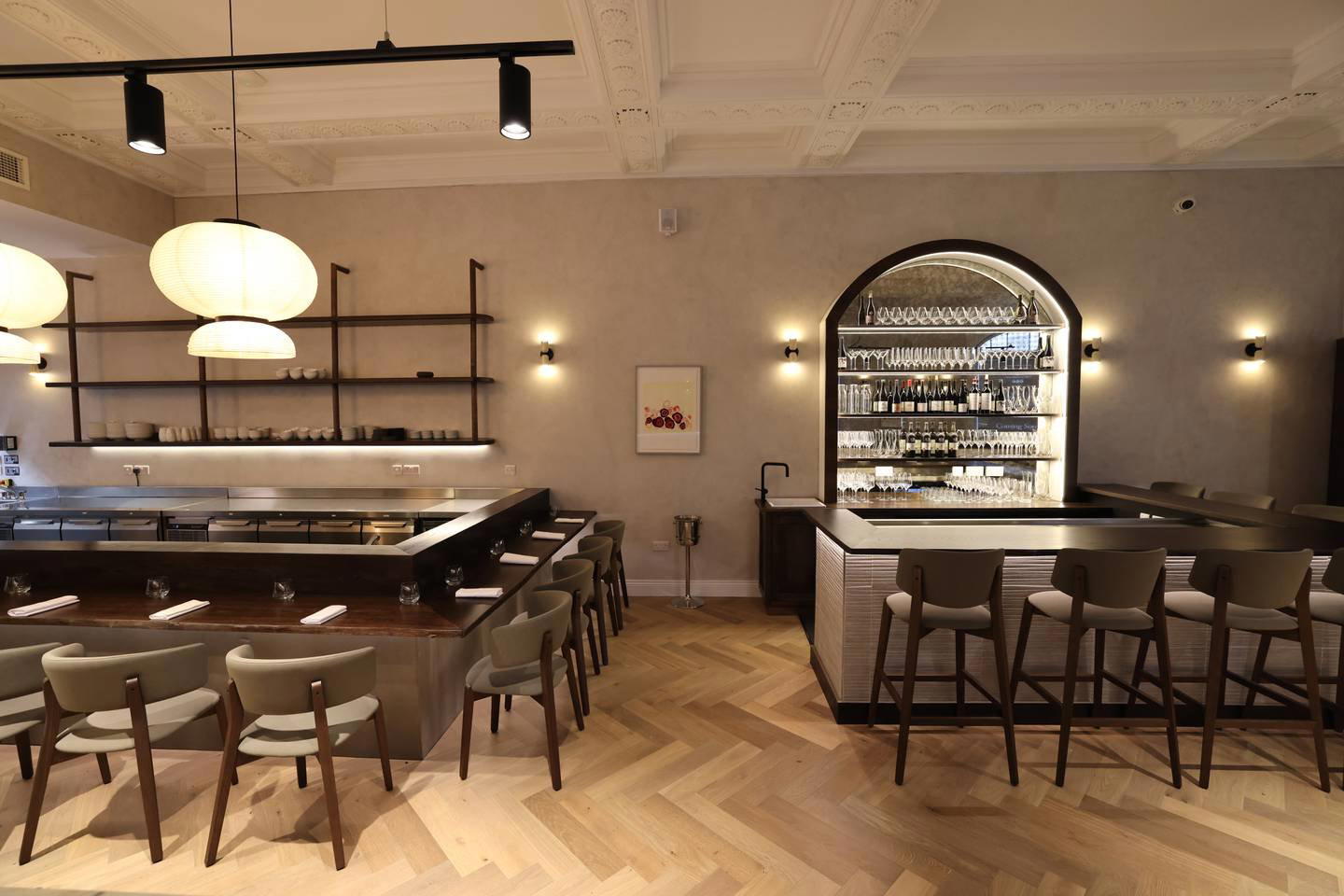
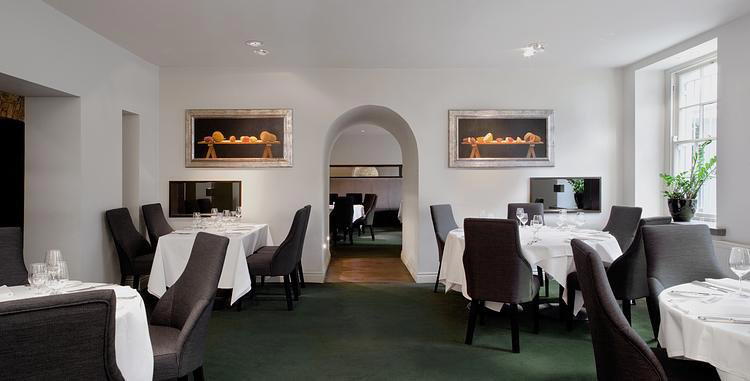
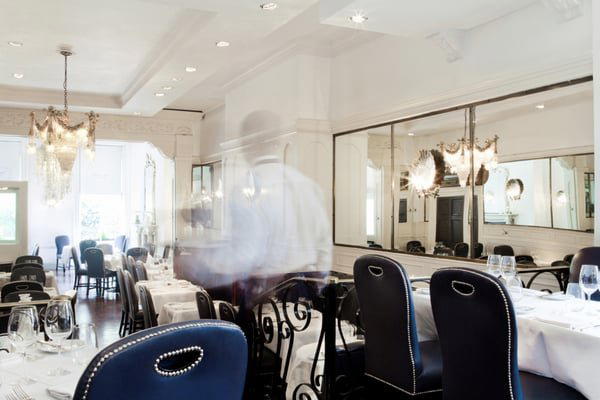
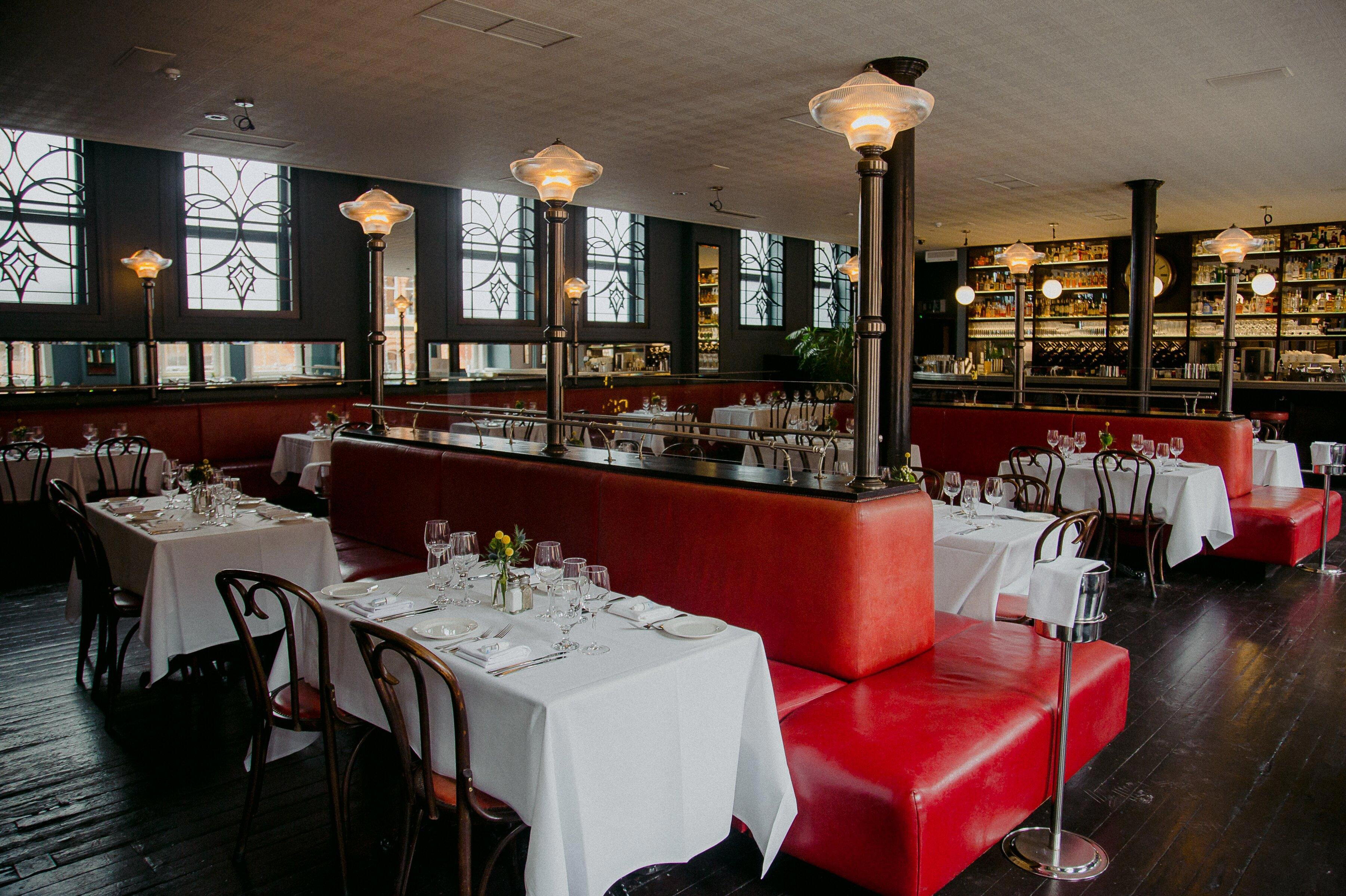
Seasonal tasting menus changed frequently, rewarding repeat visits and diners who booked for a particular harvest or seafood run. Inside the dining room, design leaned on hotel elegance and calm restraint. Large windows framed the park beyond, and the room accommodated roughly 60 covers in a layout that preserved privacy between tables. Lighting was soft but direct at each plate, allowing service to present dishes with clarity.
Service itself was formal without stiffness: attentive stations, informed wine recommendations, and pacing that honored long tasting menus. The sense was of quiet professionalism rather than theatrical display; the food took center stage and servers guided guests through each course and matching wine. For visitors planning a meal around Thorton's legacy, aim for dinner on weekdays or special seasonal menu nights to find fuller tasting options. Dress smart-casual to formal; the room favored tailored jackets and refined evening wear.
Reservations were recommended well in advance during peak Dublin travel months—spring and late summer—since acclaim made seating limited. If seeking current availability or special events tied to Kevin Thornton, check official sources or contact the Fitzwilliam Hotel for legacy events and chef appearances. Thorton's left a strong imprint on Dublin dining and remains a key reference for modern Irish cooking. For travelers tracing Ireland’s culinary milestones, visiting the Fitzwilliam Hotel, exploring Kevin Thornton’s later projects, or seeking chefs trained in his kitchen offers a direct line to that legacy.
Experience the style, the seasonal focus and the precise technique that distinguished Thorton's and shaped fine dining in Dublin.
Comparable venues nearby, for context on price, style, and recognition.
| Venue | Cuisine | Price | Awards | Notes |
|---|---|---|---|---|
| Thorton'sThis venue (the venue you are viewing) | Irish Contemporary | Not listed | World's 50 Best #25 | Not listed |
| Bastible | Modern Irish | $100–150 | 1 Michelin Star · The Sunday Times Ireland’s 100 Best Restaurants | Wood Quay B |
| Patrick Guilbaud | Modern French Fine Dining | $150–200 | 2 Michelin Stars · La Liste Top Restaurants | Mansion House B |
| Chapter One by Mickael Viljanen | Modern French Fine Dining | $200–300 | 2 Michelin Stars · La Liste Top Restaurants | Rotunda B |
| Variety Jones | Modern Irish Fine Dining | $100–150 | 1 Michelin Star · Star Wine List | Merchants Quay B |
| D'Olier Street | Modern Michelin-Starred Fine Dining | Not listed | 1 Michelin Star · Star Wine List | Mansion House A |
Recognition history
Dated appearances from independent guides and award organizations, with the underlying list record or original source where available.
World's 50 Best Restaurants #25
World's 50 Best
Continue exploring