Théâtre de la Cité is Toulouse's national dramatic centre, occupying a landmark cultural address at 1 Rue Pierre Baudis in the city's arts district. One of France's CDN-designated theatres, it sits at the intersection of regional identity and contemporary European stage practice, drawing audiences from across Occitanie and beyond. Booking in advance is advisable, particularly during festival season and major productions.
 Discover on Pearl
Pearl is the En Primeur Club membership app — saves, bookings, and concierge access live there. Same editors, same standards.
- Address
- 1 Rue Pierre Baudis, 31000 Toulouse, France
- Phone
- +33 5 34 45 05 05
- Website
- theatre-cite.com
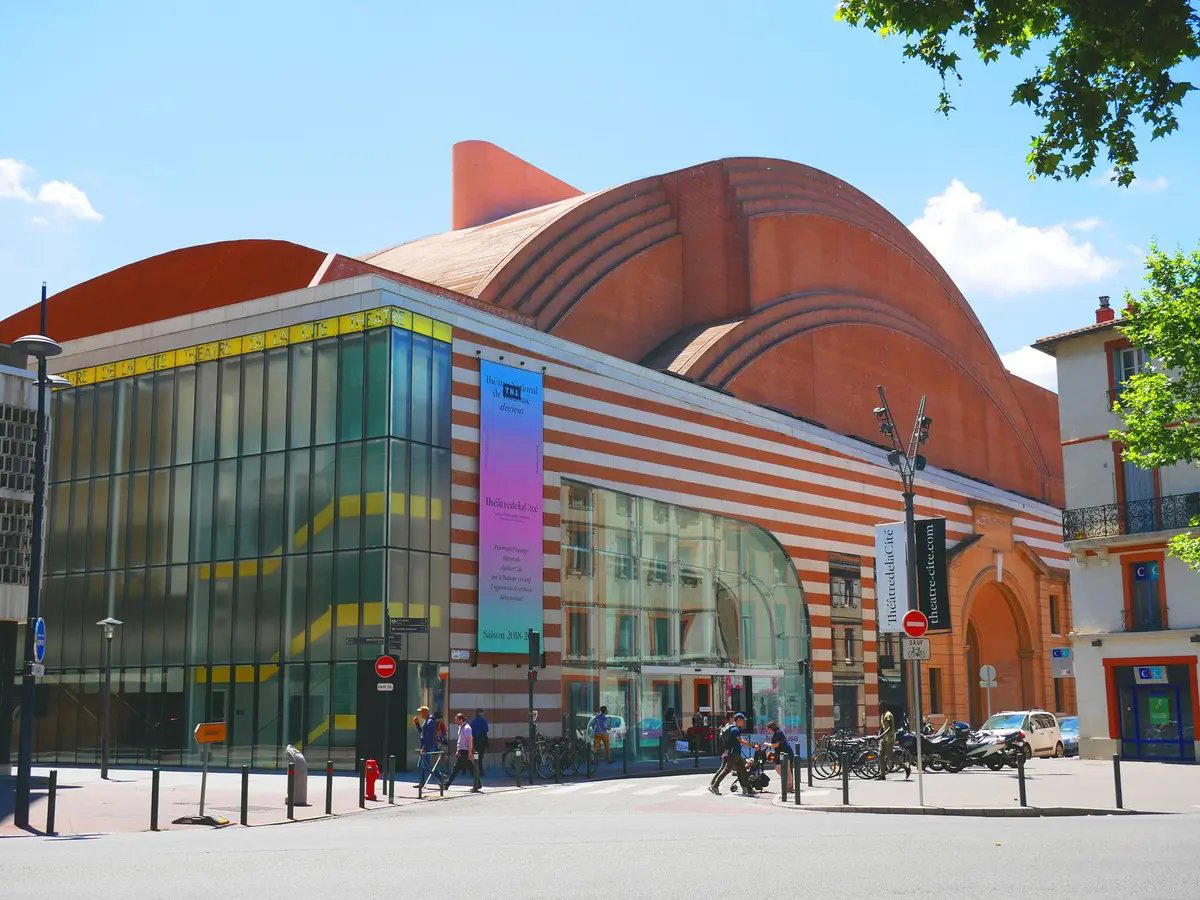
Where Occitanie's Stage Culture Meets the French Theatrical Mainstream
Toulouse holds an unusual position in France's cultural geography. It is large enough to sustain serious institutional arts infrastructure, the kind that most provincial cities cannot, yet distinct enough from Paris that its cultural institutions have developed their own character rather than simply mirroring the capital. The Théâtre de la Cité, designated as a Centre Dramatique National (CDN), is one of the clearest expressions of that tension. CDN status in France is not a marketing designation; it is a government-assigned role that carries programming obligations, public subsidy, and a mandate to serve regional audiences while maintaining national artistic relevance. The perhaps two dozen CDNs across France form a comparable set that includes some of the country's most serious producing houses, and Toulouse's entry into that tier places it alongside institutions that define contemporary French theatre practice.
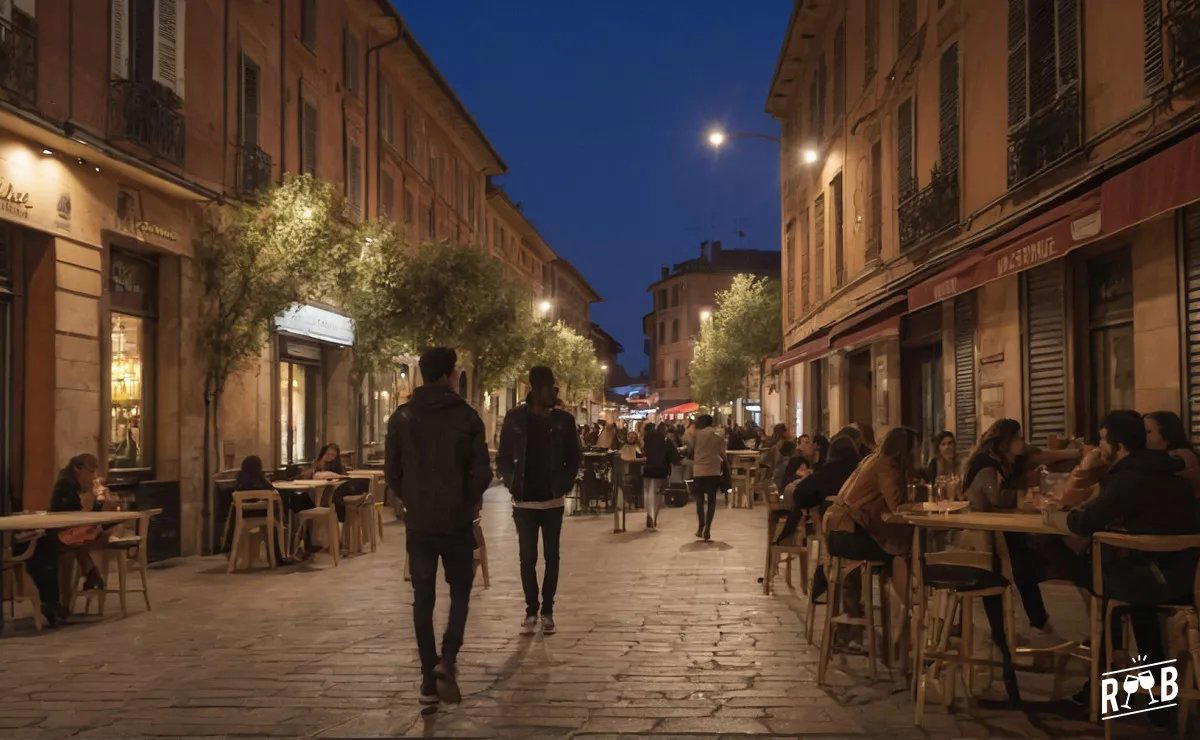
Théâtre de la Cité at 1 Rue Pierre Baudis sits in a part of Toulouse that rewards a longer look. This is not the Capitole square or the tourist-facing centre, but a zone where the city's civic and cultural investment is concentrated away from the most photographed streets. Arriving on foot, particularly in the lower light of an autumn or winter evening before a performance, gives a clearer sense of how the building relates to its neighbourhood: it functions as a cultural anchor in an area that Toulouse has deliberately built up as an arts and knowledge district over successive decades.
CDN Programming and What It Means for Audiences
France's CDN network represents one of the more deliberate attempts in European cultural policy to distribute serious theatre production beyond a single capital. The model differs from the UK's regional theatre system or Germany's stadttheater tradition in important ways. CDNs are producing houses first, with a specific mandate around artistic creation rather than simply presenting touring work. This means the Théâtre de la Cité generates productions that travel outward to other venues and festivals, not only receiving them from Paris. For audiences in Toulouse and across Occitanie, this distinction matters: what plays here was often made here, or made in dialogue with this specific institutional context.
The Occitanie region itself brings a particular cultural pressure to bear. The territory has its own linguistic history, its own relationship to Mediterranean and Iberian influences, and a self-conscious regional identity that inflects how institutions here frame their work relative to national norms. Theatres with CDN designation in regions with strong identities of this kind tend to negotiate a more complex programming logic than those in cities with less defined regional character. Toulouse's position as the administrative and cultural capital of Occitanie means the Théâtre de la Cité carries some of that weight explicitly.
Situating the Théâtre de la Cité Among Toulouse's Cultural Offers
Visitors planning time in Toulouse who approach the city through its dining scene will find instructive parallels in how the restaurant sector has developed. The upper tier of Toulouse restaurants, including Michel Sarran and Py-r, operates at a price point and creative ambition that competes with peer establishments in Lyon and Bordeaux rather than simply serving a local market. The same logic applies here: a CDN is not a local repertory theatre in the parochial sense, but an institution whose comparable set is national and whose productions are assessed against national standards. Venues at the modern cuisine tier like Acte 2 Yannick Delpech, SEPT, and Agapes reflect a city investing in creative output at multiple registers simultaneously. A visit to the Théâtre de la Cité fits the same logic as a booking at one of these restaurants: it is an engagement with Toulouse's ambition to operate at national level rather than a concession to provincial limitation.
For reference, France's most celebrated gastronomic institutions, from Paul Bocuse in Collonges-au-Mont-d'Or to Bras in Laguiole, from Auberge de l'Ill in Illhaeusern to Les Prés d'Eugénie in Eugénie-les-Bains, built their reputations through a similar logic: deep regional rootedness paired with technical ambition that earned national and international recognition. The CDN model applies that same principle to the performing arts. Institutions such as Flocons de Sel in Megève, Mirazur in Menton, and Alléno Paris au Pavillon Ledoyen show how French excellence in any discipline tends to combine place-specific identity with internationally legible craft standards, and the Théâtre de la Cité operates within that same broader cultural logic.
Planning a Visit: Seasonal Timing and Practical Considerations
Productions at CDN-level houses tend to have shorter runs than commercial theatre elsewhere in Europe, which means specific performances can close before casual visitors discover them. Anyone visiting Toulouse in October, November, March, or April will find the widest choice of active productions. The summer months, by contrast, see institutional theatres yield to festival programming, which in the Toulouse and Occitanie region includes a number of outdoor and site-specific events that operate under different institutional frameworks.
Toulouse's full cultural and dining scene rewards a multi-night stay, and pairing an evening at the Théâtre de la Cité with dinner at one of the city's serious restaurants makes for a coherent programme. Comparable international models of this kind of arts-anchored evening, where theatre and restaurant complement each other as serious cultural propositions, exist in cities from New York to San Francisco, where venues like Le Bernardin and Lazy Bear similarly operate as anchor institutions within broader cultural evenings. The same applies in Toulouse: the Théâtre de la Cité functions leading when understood as part of a full evening in the city rather than a standalone destination.
Smart-casual is standard, and the audience skews toward a culturally engaged local demographic rather than tourist groups. Production notes are typically in French, and the programming itself is performed in French unless a visiting international company performs in another language, which occurs periodically in CDN programming cycles.
The Intersection of Local Identity and Imported Method
France's CDN system is itself an imported policy instrument adapted to local conditions, a post-war decentralisation model that has been modified repeatedly as successive governments have tried to balance national artistic standards against genuine regional expression. Toulouse and Occitanie represent one of the more interesting test cases for that tension. The region's distinct cultural identity, its proximity to Spain and the Mediterranean basin, and its history as a centre of troubadour tradition and medieval literary culture all create a different ambient context for theatrical work than a CDN in Normandy or the Loire Valley would encounter. Productions made here carry that context even when the work itself is not explicitly regional in subject. That layering of place and practice, local material processed through nationally mandated institutional method, is the defining characteristic of what the Théâtre de la Cité offers and what distinguishes it from both a commercial venue and a purely local cultural centre. Institutions like Troisgros in Ouches and Georges Blanc in Vonnas have demonstrated in their own disciplines how deeply French institutions can root themselves in place while sustaining national-level relevance. The Théâtre de la Cité operates within the same tradition, applied to the stage.
Comparable Spots
Comparable venues nearby, for context on price, style, and recognition.
| Venue | Cuisine | Price | Notes |
|---|---|---|---|
| ThéâtredelaCité - CDN Toulouse OccitanieThis venue — the venue you are viewing | Italian-New York inspired with market hall options | $$ | |
| Noshi Sushi | Asian Fusion Sushi | $$ | Jolimont / Soupetard / Roseraie / Gloire / Gramont / Amouroux |
| Mordus | Neo-bistro Market Cuisine | $$ | Saint-Michel / Saint-Agne / Empalot / Le Busca / Île du Ramier / Monplaisir |
| Sixta | Organic Vegetarian | $$ | Les Chalets / Bayard / Belfort / Saint-Aubin / Dupuy |
| Notes & Saveurs | French Bistro with Global Twists | $$ | Capitole / Arnaud Bernard / Carmes |
| Gaïa | Mediterranean Tapas | $$$ | Capitole / Arnaud Bernard / Carmes |
Continue exploring
More in Toulouse
Restaurants in Toulouse
Browse all →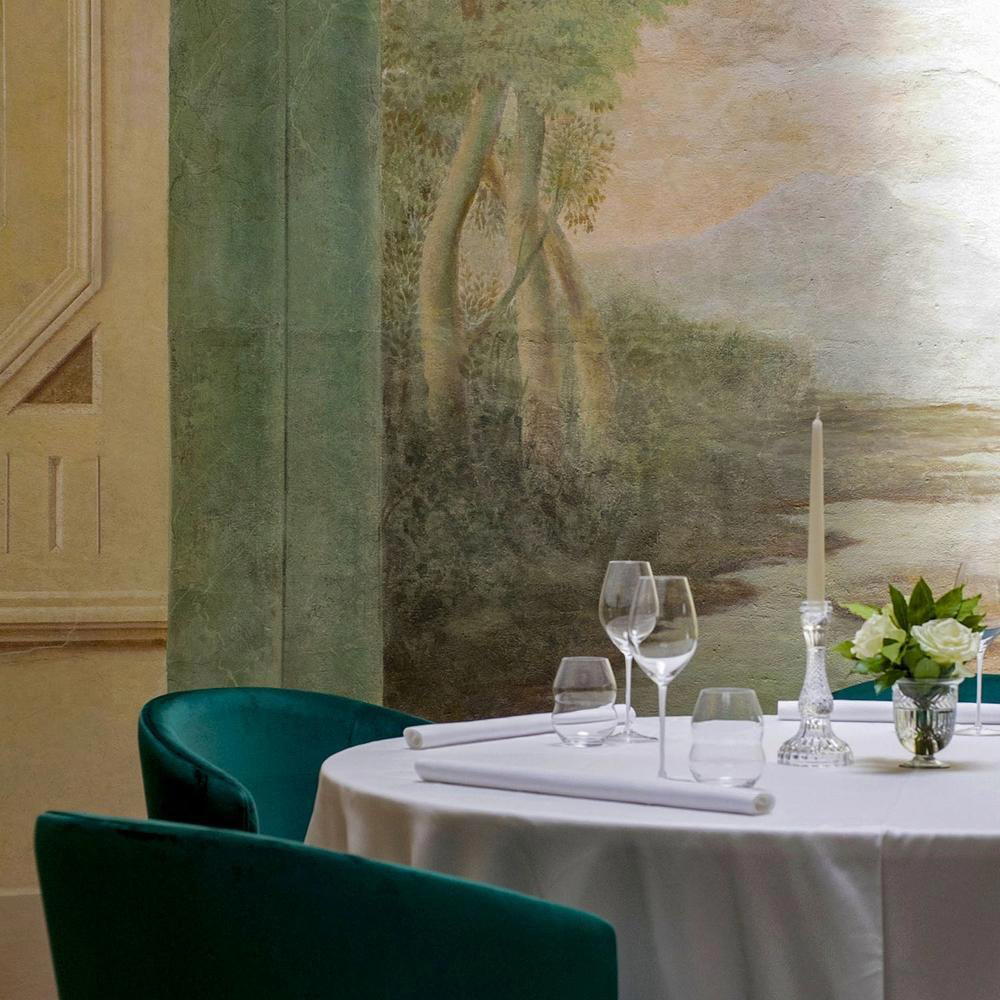

At a Glance
- Lively
- Casual Hangout
- After Work
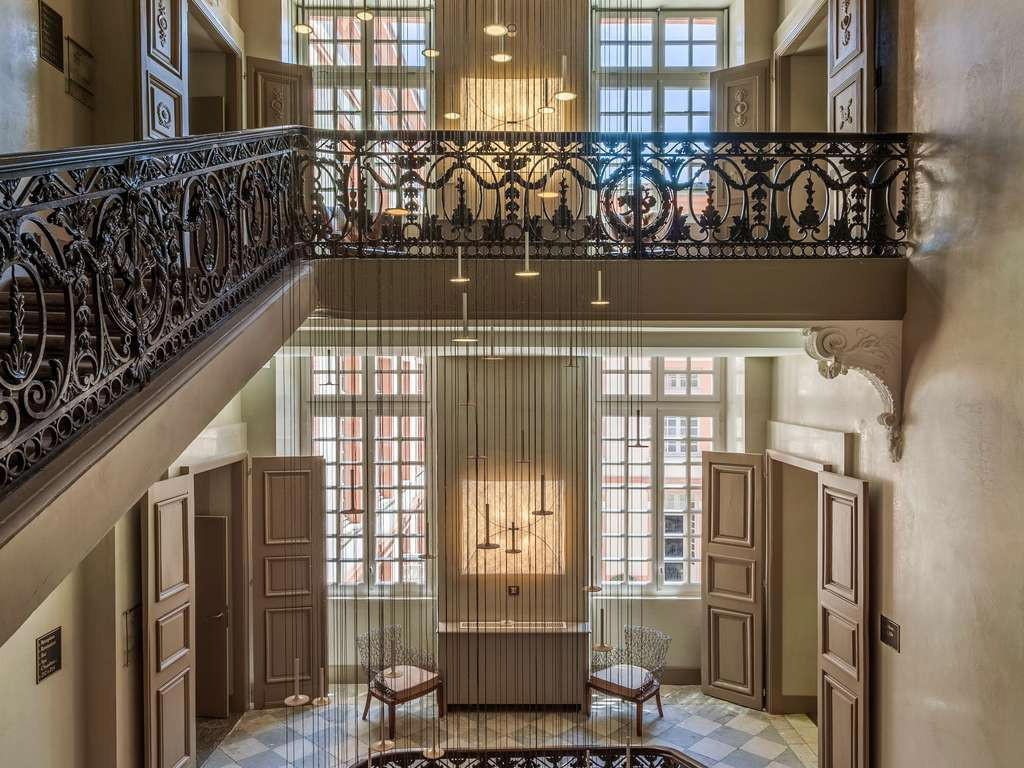
- Historic Building
- Organic
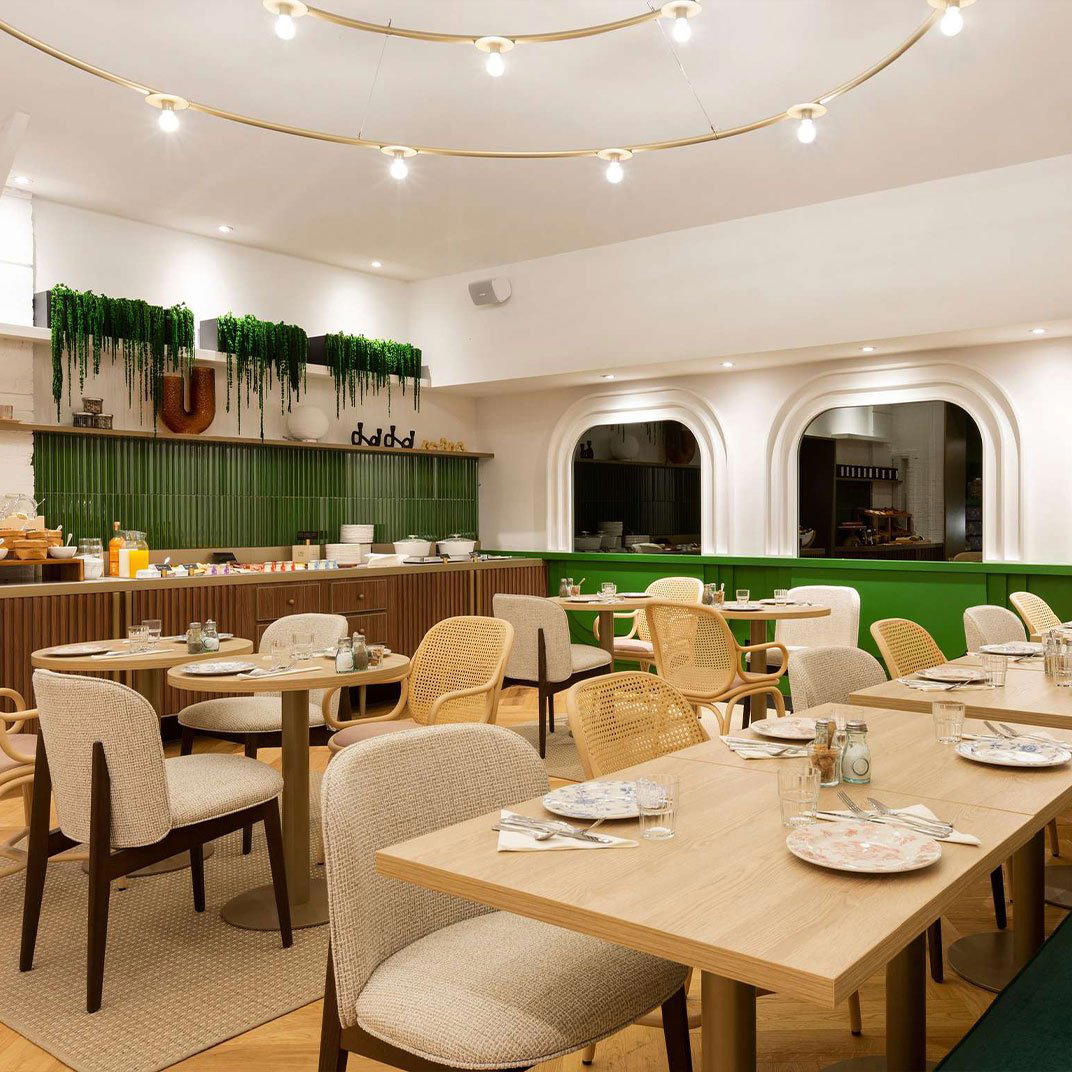
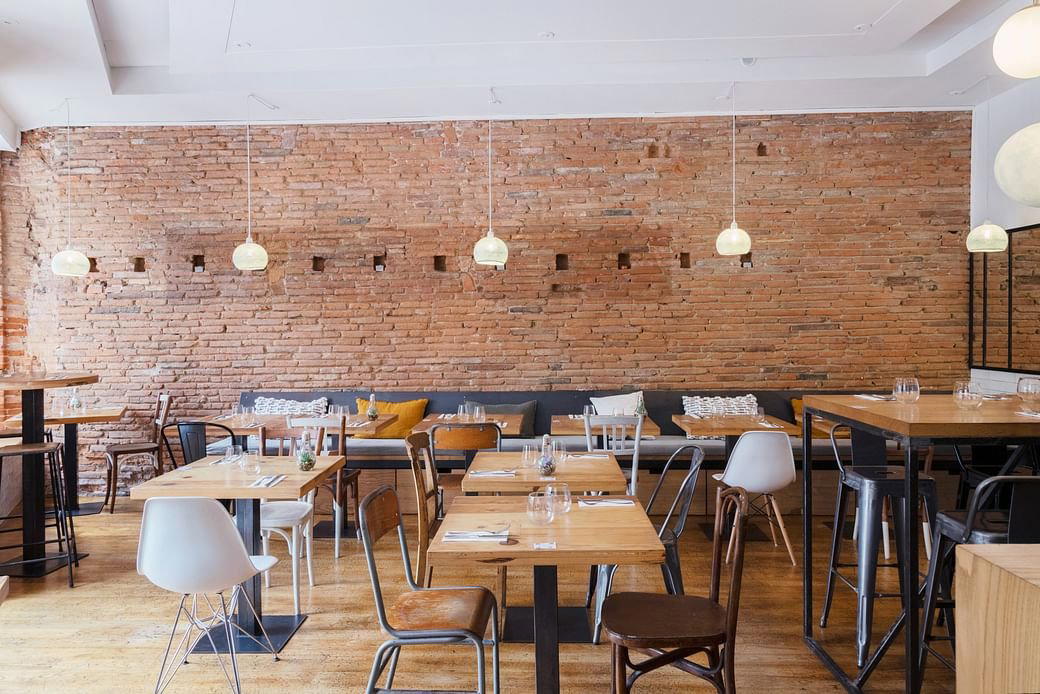
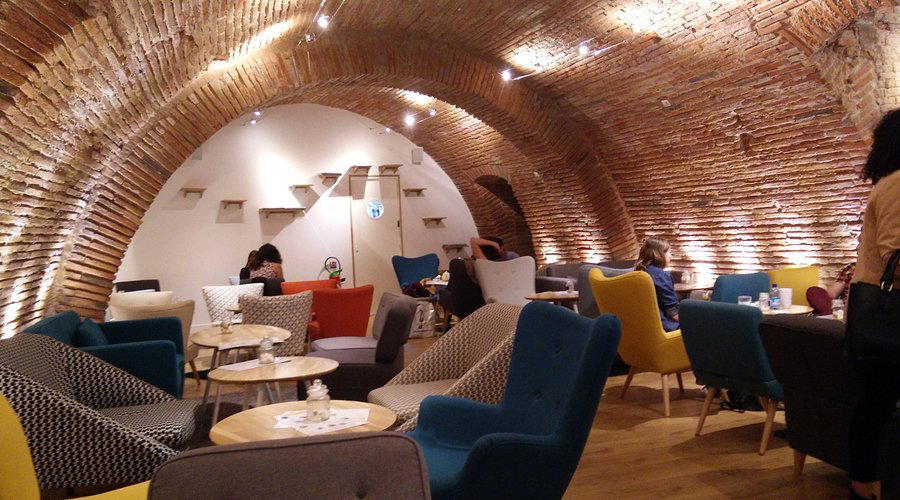
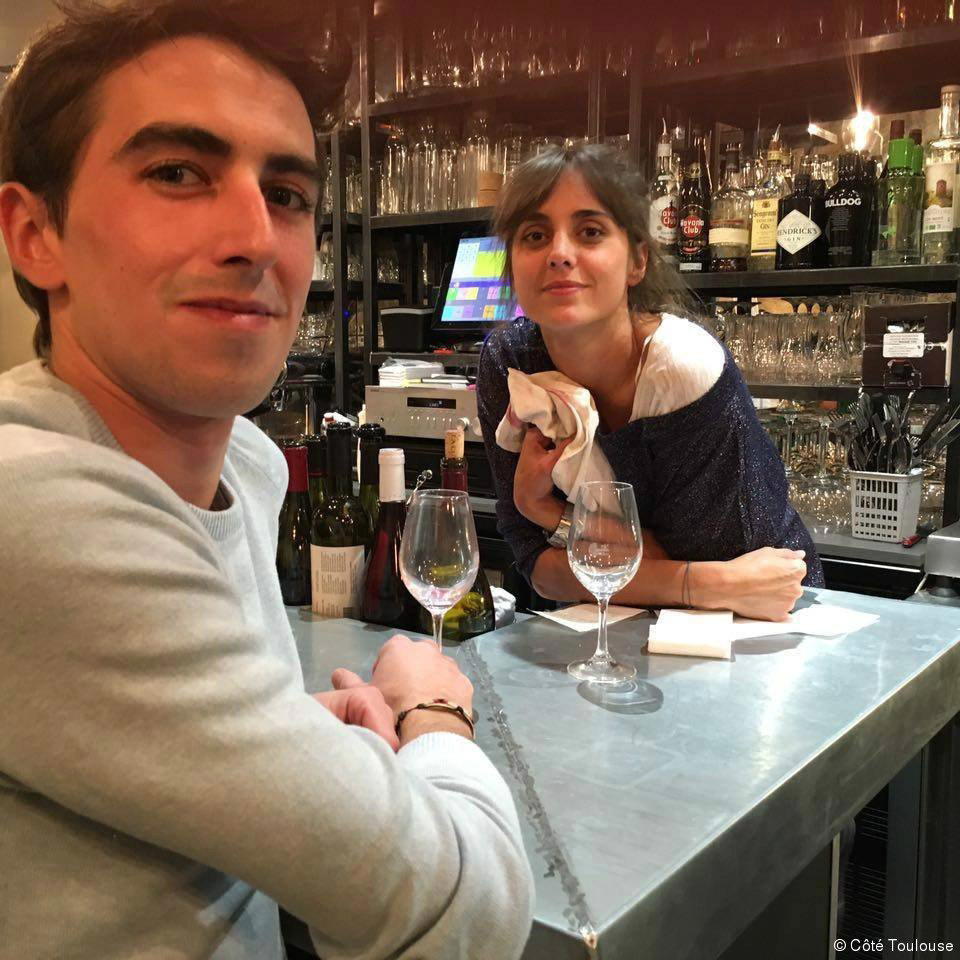
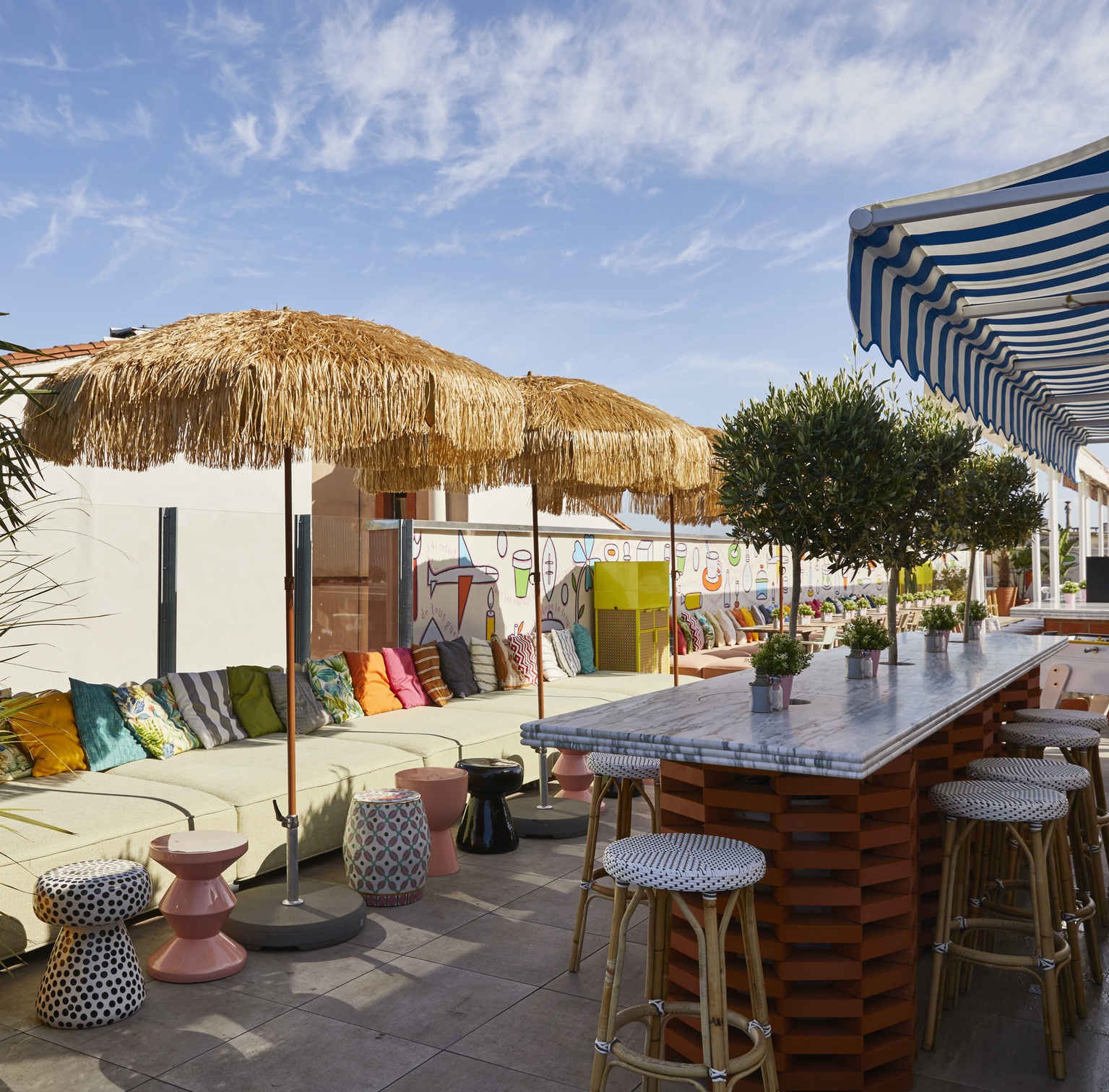
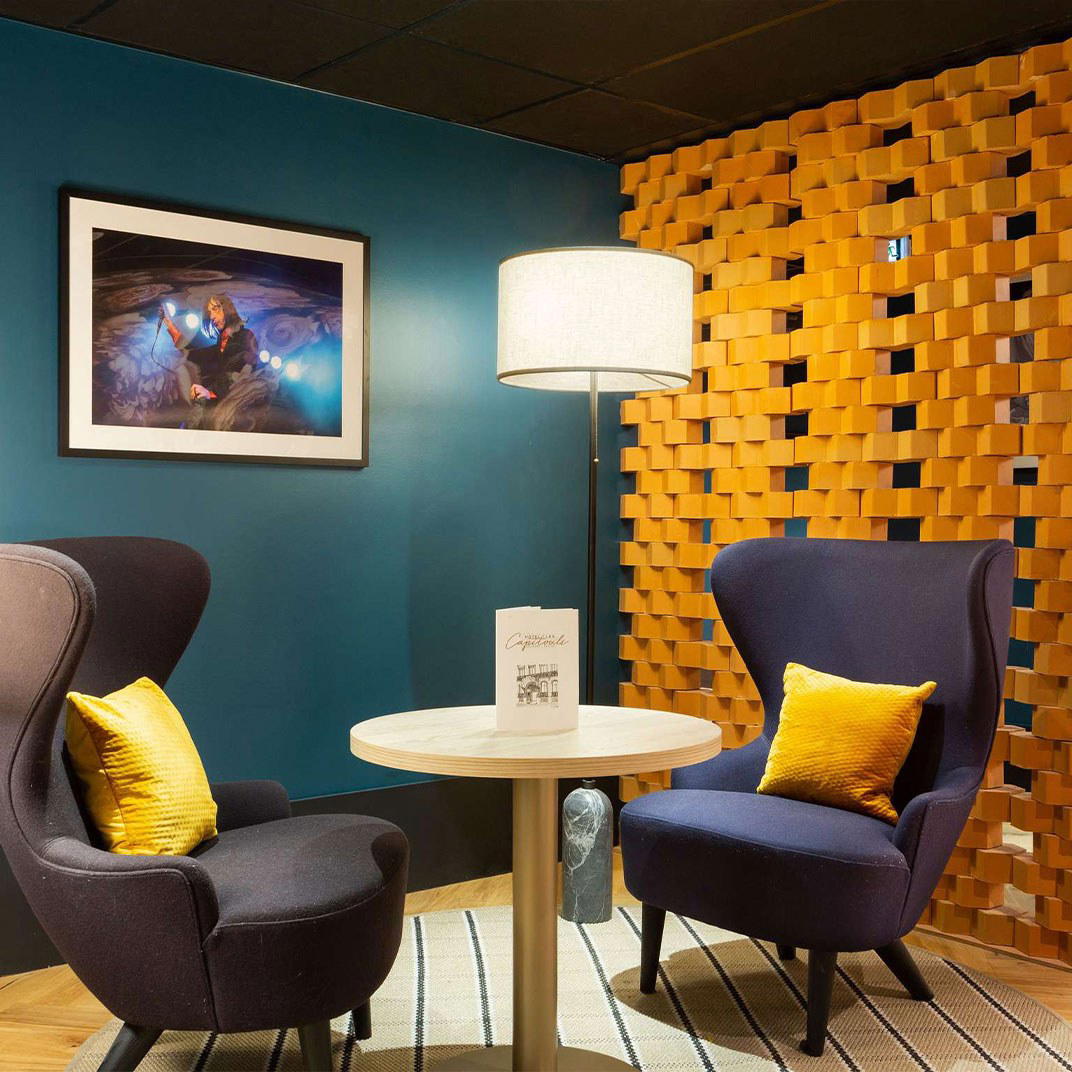
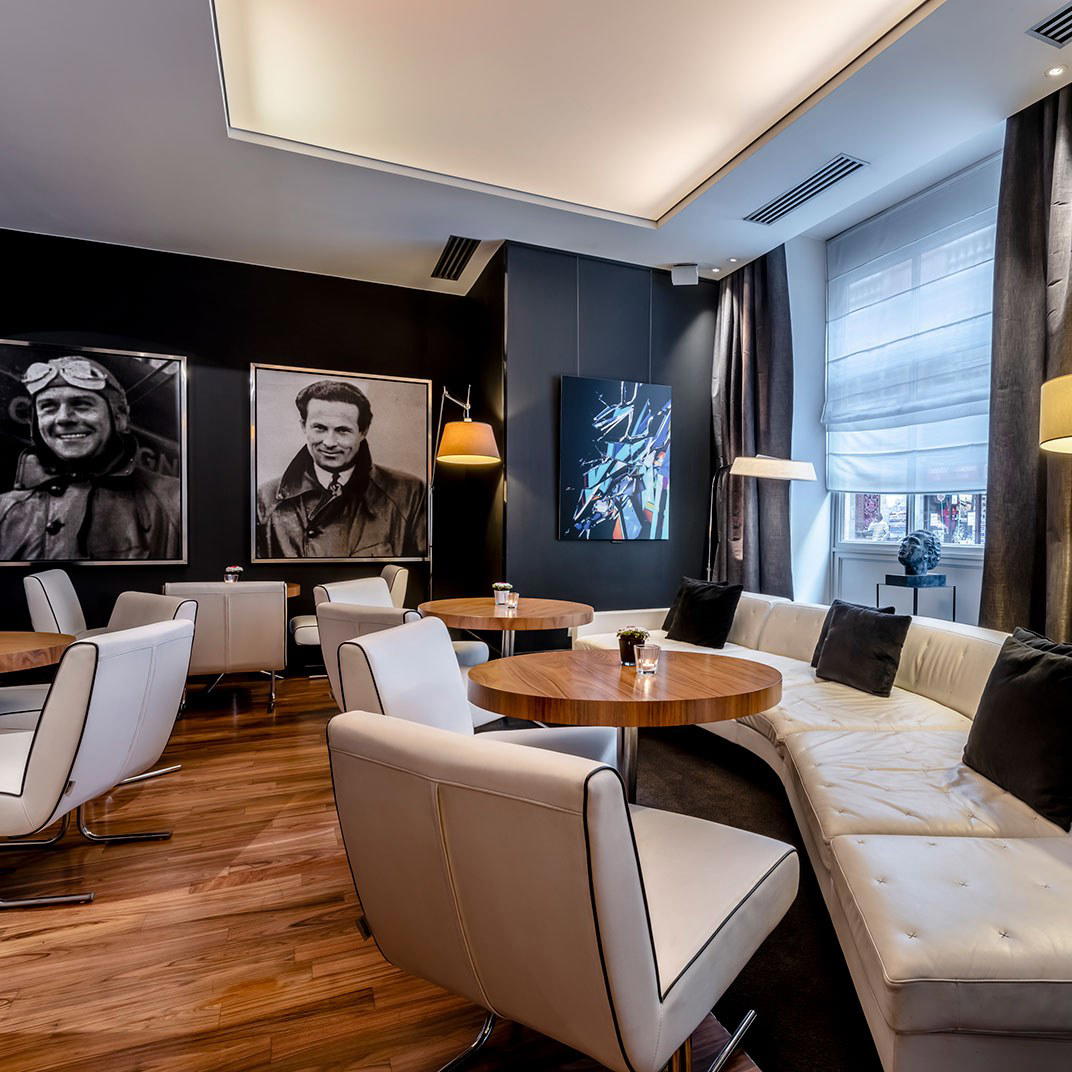
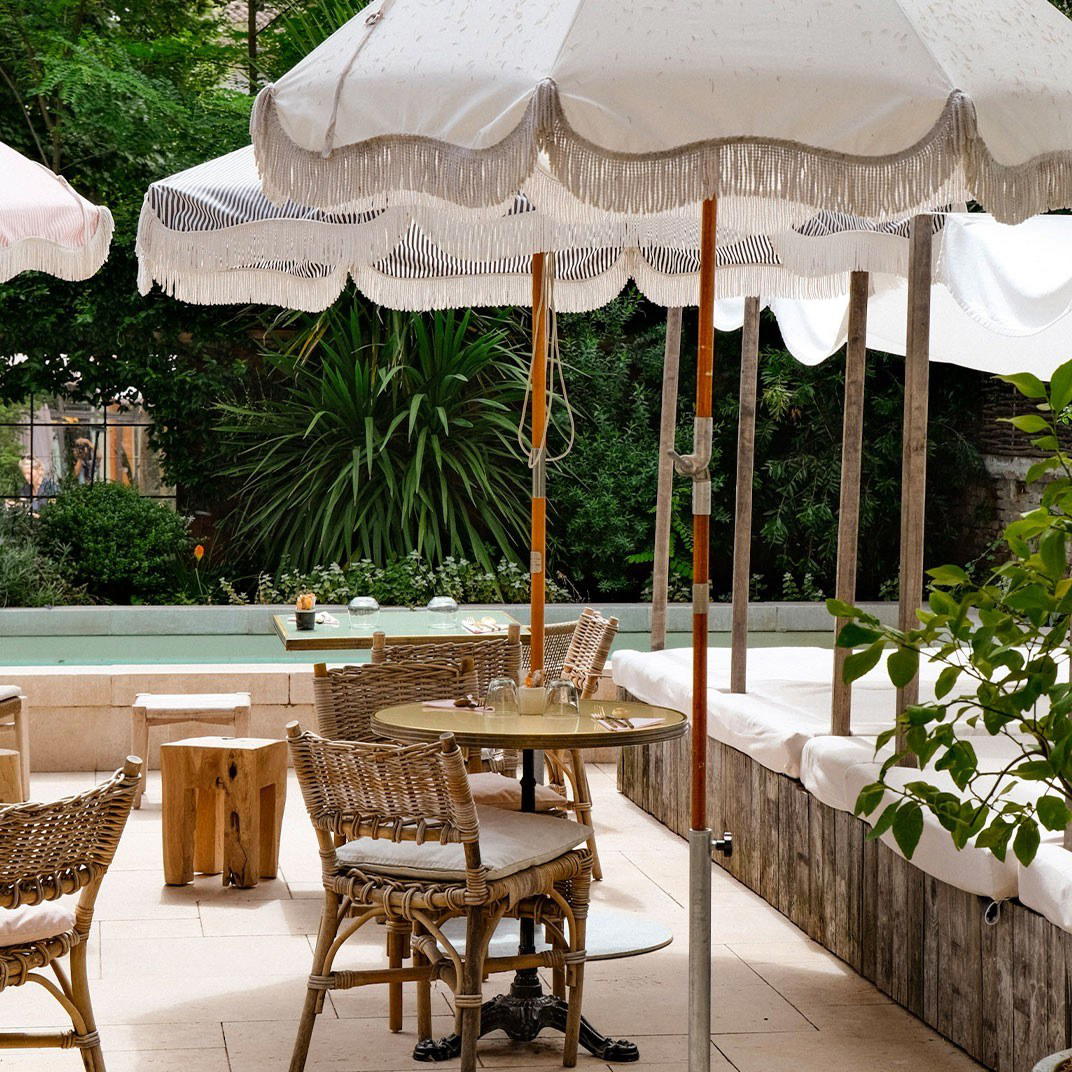
Convivial and cultural atmosphere in the food hall and restaurant, blending Italian and New York inspirations with theater energy.