The Whitlock
Our verdict
The Whitlock occupies a considered space on Katonah Avenue in Westchester County, where the Hudson Valley's ingredient culture meets a village dining room with genuine local investment. For a town of Katonah's scale, the address punches into territory usually reserved for larger markets, placing it alongside the broader farm-to-table tradition that defines serious eating in the region north of New York City.

Pearl is the En Primeur Club membership app — saves, bookings, and concierge access live there. Same editors, same standards.
The menu
What to order
- Seared scallops
- Bacon cheeseburger
- Tempura green beans
- French onion soup with bone marrow
A Village Address With Regional Ambitions
Katonah Avenue moves at the pace of a prosperous Westchester village: unhurried, residential in character, with a main strip that rewards the traveller who arrives without the urgency of the city still running through them. The Whitlock sits along that stretch at 17 Katonah Ave, and the physical experience of arriving here is part of what separates a dinner at a destination like this from a meal taken in haste somewhere off an interstate exit. The Hudson Valley's agricultural density is visible from the roads leading into town, and that proximity to serious farmland is not incidental to what a restaurant in this position can be. It shapes the conversation about sourcing before you even open a menu. For context on how the broader Katonah dining scene maps out, our full Katonah restaurants guide covers the territory in more detail.
The Hudson Valley Ingredient Tradition
No part of the American Northeast has a stronger claim to the farm-to-table argument than the Hudson Valley corridor running north from Westchester into Columbia and Dutchess counties. The density of working farms, heritage grain producers, dairy operations, and specialty vegetable growers within a short drive of Katonah is matched in few regions outside of California's Sonoma corridor. That ingredient infrastructure is precisely what gave Blue Hill at Stone Barns in Tarrytown its foundational argument: that a restaurant built around a farm's seasonal output, rather than around a static menu, represents a categorically different kind of eating. A venue positioned in Katonah inherits that regional conversation whether it explicitly courts it or not.
The distinction worth drawing is between restaurants that use local sourcing as a marketing frame and those where the supply chain is genuinely the menu's structural logic. In the former case, a handful of local farm names appear on the menu as endorsements. In the latter, what arrives in the kitchen on a given week shapes what gets served, which means the menu has to flex with the harvest. Operations like Single Thread Farm in Healdsburg and Lazy Bear in San Francisco have built their entire format around this second model, where the sourcing relationship is architectural rather than decorative. The Hudson Valley's ingredient density gives any serious Katonah restaurant the raw infrastructure to pursue that same logic.
Where Katonah Fits in the Wider American Dining Conversation
Westchester County sits in an unusual position in the American dining map. It is close enough to New York City that Manhattan's dining culture exerts gravitational pull, yet distinct enough geographically and demographically that it sustains its own restaurant ecology. The residents who make Katonah their base tend to have sophisticated dining reference points, having eaten at Le Bernardin in New York City, Atomix in New York City, or further afield at places like Alinea in Chicago, The French Laundry in Napa, or Providence in Los Angeles. That audience expects more than a competent neighbourhood option. It expects a kitchen that has a point of view.
This is the dynamic that drives ambition in suburban and small-town American dining more broadly. The success of operations like The Inn at Little Washington in Washington, Virginia and Bacchanalia in Atlanta illustrates that geography does not constrain seriousness. Some of the most considered American cooking now happens outside major metropolitan centres, precisely because smaller markets allow a kitchen to build deeper relationships with its supply chain without the volume pressures that city restaurants face. Addison in San Diego and Frasca Food and Wine in Boulder represent the same principle in different regional contexts. Katonah, with its position inside a rich agricultural zone and its proximity to a sophisticated dining public, occupies a similar structural opportunity.
Ingredient Sourcing as Editorial Position
The farm-to-table movement has matured past its first wave of evangelism. In 2025, the phrase itself has been diluted by overuse, but the underlying argument, that shorter supply chains produce more traceable, seasonally coherent cooking, remains one of the more durable principles in serious American food culture. The restaurants that have sustained credibility around this argument are those that treat sourcing as a discipline rather than a talking point. Brutø in Denver and Causa in Washington, D.C. represent the kind of ingredient-led specificity that has come to define serious regional cooking in the current American moment. So does ITAMAE in Miami, where the sourcing argument runs through a specific cultural and geographic lens. The common thread is transparency: kitchens that can name exactly where their produce, protein, and dairy originate have made a structural commitment that menus built around distributor relationships cannot replicate.
For a Katonah restaurant, the Hudson Valley offers that sourcing transparency at unusual density. Heritage breed pork, pasture-raised poultry, small-batch dairy, and a growing roster of serious vegetable producers are all accessible within a radius that makes weekly, relationship-based procurement practical. Compare that to the logistical constraints facing a kitchen like Emeril's in New Orleans or 8½ Otto e Mezzo Bombana in Hong Kong, where high-end sourcing requires navigating international supply chains. The Hudson Valley's advantage is that world-class ingredient access does not require global logistics. It requires local relationships and a kitchen willing to cook around what those relationships actually produce each season.
Planning a Visit
Katonah is accessible from New York City via Metro-North's Harlem Line, with Katonah station a short walk from the main avenue, which makes the venue reachable without a car for those travelling from the city. For visitors driving from Westchester or Connecticut, parking on and around Katonah Avenue is generally available. The address at 17 Katonah Ave places it centrally on the village's main commercial strip, easy to locate on foot from either the train station or nearby parking.
Frequently asked questions
Is The Whitlock good for families?
Katonah itself is a residential Westchester village, and The Whitlock's address on Katonah Ave places it in a neighbourhood that moves at a deliberately unhurried pace — which tends to suit family dining better than a high-turnover city counter.
What's the vibe at The Whitlock?
The Whitlock occupies a Westchester village setting on Katonah Ave — the kind of main strip that draws residents and weekend visitors from Manhattan without performing for either. Expect the cadence of a prosperous commuter-belt town rather than a destination restaurant scene, which tends to produce a grounded, neighbourhood-first atmosphere.
Is The Whitlock worth the trip from New York City by train?
Katonah station sits a short walk from Katonah Ave on Metro-North's Harlem Line, which makes The Whitlock one of the more logistically accessible Westchester dining options for Manhattan residents without a car. For a day trip anchored around a meal, the village format and Hudson Valley sourcing tradition give the journey more substance than a typical suburban detour.
What dish is The Whitlock famous for?
No specific signature dish has been documented in available editorial records for The Whitlock. What the venue's positioning in the Hudson Valley corridor does suggest is an orientation toward seasonal, locally sourced ingredients — a procurement strategy that tends to shift the menu by season rather than anchor it to a single calling-card plate.
Comparable Spots, Quickly
Comparable venues nearby, for context on price, style, and recognition.
| Venue | Cuisine | Price | Notes |
|---|---|---|---|
| The WhitlockThis venue — the venue you are viewing | Modern American Farmhouse | $50–100 | Not listed |
| Fanny | Classic American Deli | Not listed | East Williamsburg |
| Cowgirl | Southern Tex-Mex | $20–30 | West Village |
| Russ & Daughters | Classic New York Jewish Appetizing | $20–30 | Lower East Side |
| Russ & Daughters Brooklyn | Jewish Deli Appetizing | $20–30 | Brooklyn Navy Yard |
| Sarabeth's Tribeca | Contemporary American Brunch | Not listed | Tribeca-Civic Center |
Continue exploring
More in Katonah
Restaurants in Katonah
All restaurants in Katonah →
Bars in Katonah
Browse all →
The Whitlock
The wine
- Wine program
- Curated wine list
- Craft cocktails
- Beer program
Details
- Cozy
- Rustic
- Sophisticated
- Lively
- Date Night
- Group Dining
- Family
- Brunch
- Casual Hangout
- Standalone
- Terrace
- Craft Cocktails
- Beer Program
- Farm To Table
- Local Sourcing
- A La Carte
- Small Plates
- Craft Cocktails
- Craft Beer
- Vegetarian Friendly
Current opening hours
- Monday
- Closed
- Tuesday
- 11:30 AM–3 PM, 5–9 PM
- Wednesday
- 11:30 AM–3 PM, 5–9 PM
- Thursday
- 11:30 AM–3 PM, 5–9 PM
- Friday
- 11:30 AM–3 PM, 5–9 PM
- Saturday
- 11:30 AM–3 PM, 5–9 PM
- Sunday
- 11:30 AM–3 PM, 5–8 PM
Hours can change for holidays and private events. Last verified .
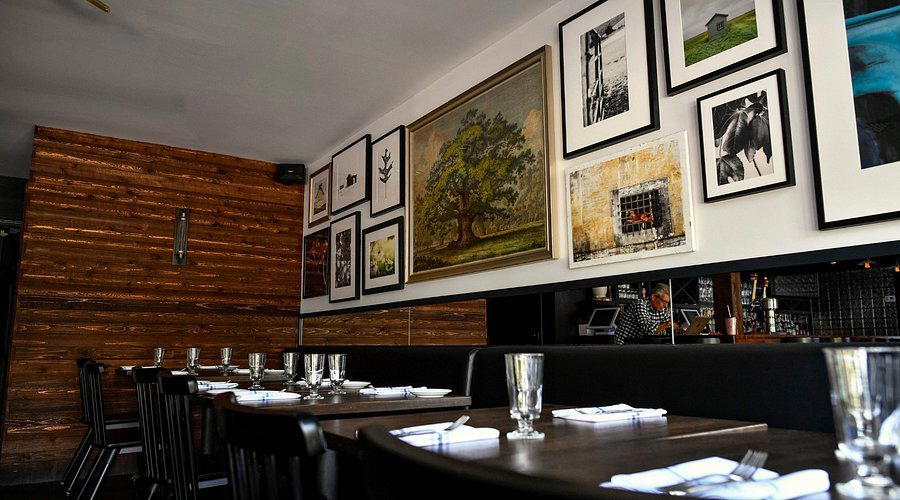
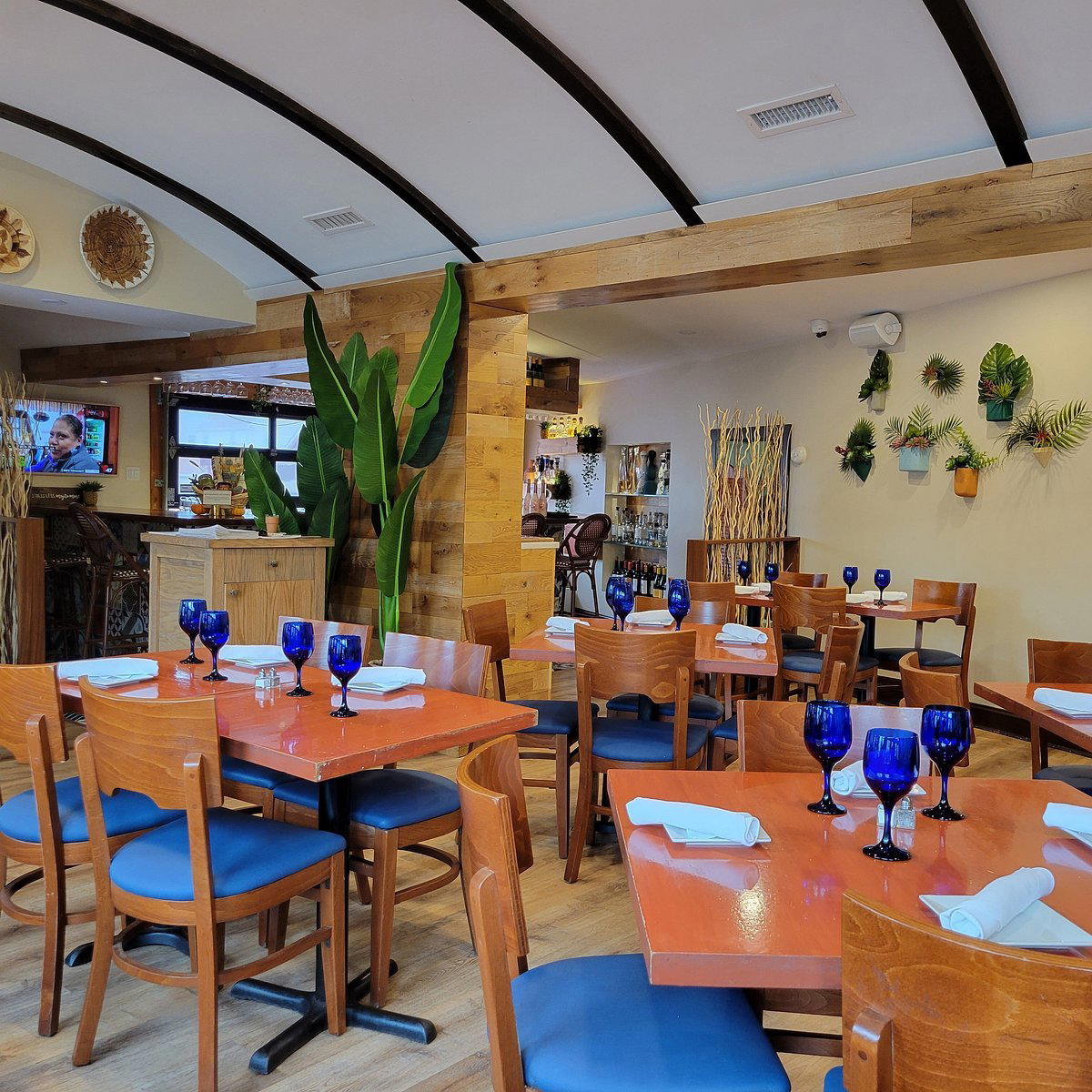
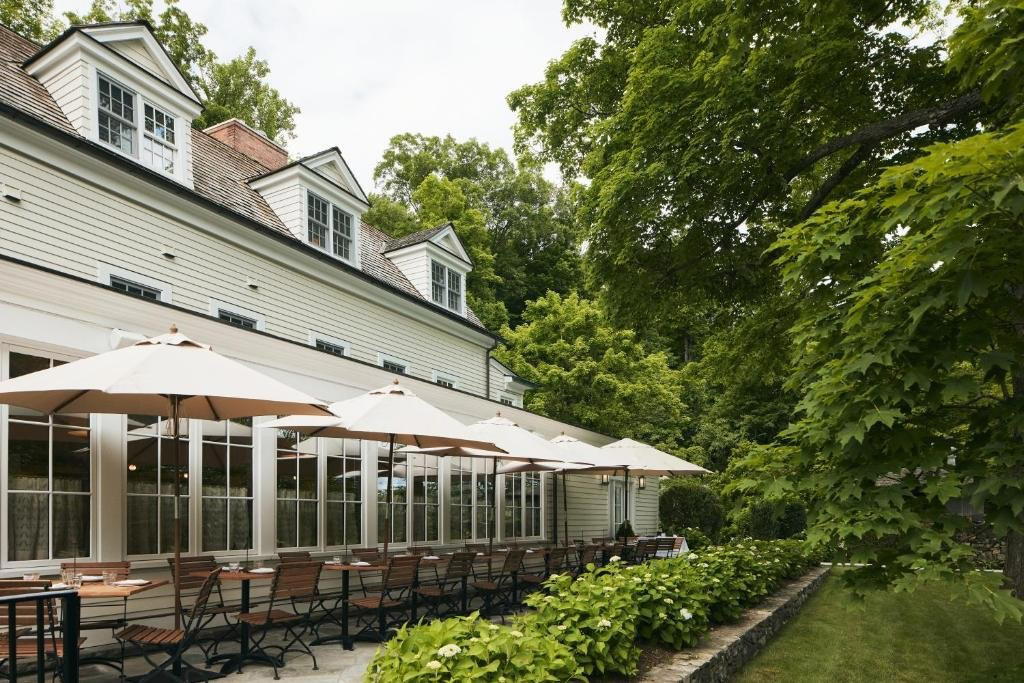
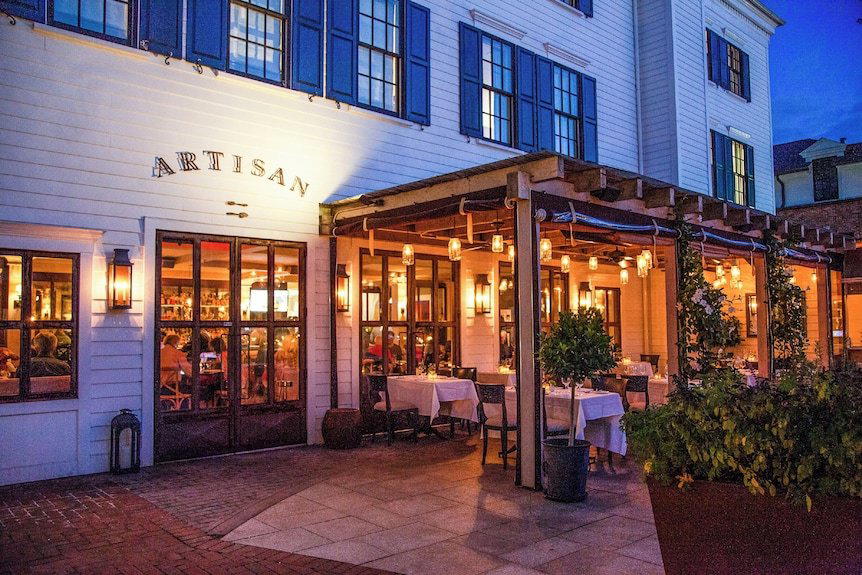
Warm and inviting with reclaimed wood accents, modern design elements, spacious black booths, pressed tin backbar, and white walls with framed landscapes; cozy dining room with 16 inside tables plus 24-seat patio.