The Tropic brings Mediterranean and seafood cooking to Terrigal's Central Coast dining scene, with a menu built around pasta and shared plates. The format suits the town's relaxed coastal register: food designed for the table, not the solo plate. It sits within a small cluster of destination restaurants drawing Sydney visitors north along the Pacific Highway.
Pearl is the En Primeur Club membership app — saves, bookings, and concierge access live there. Same editors, same standards.
- Address
- Terrigal, Australia
- Directions
- Get directions
 Saves & bookings on Pearl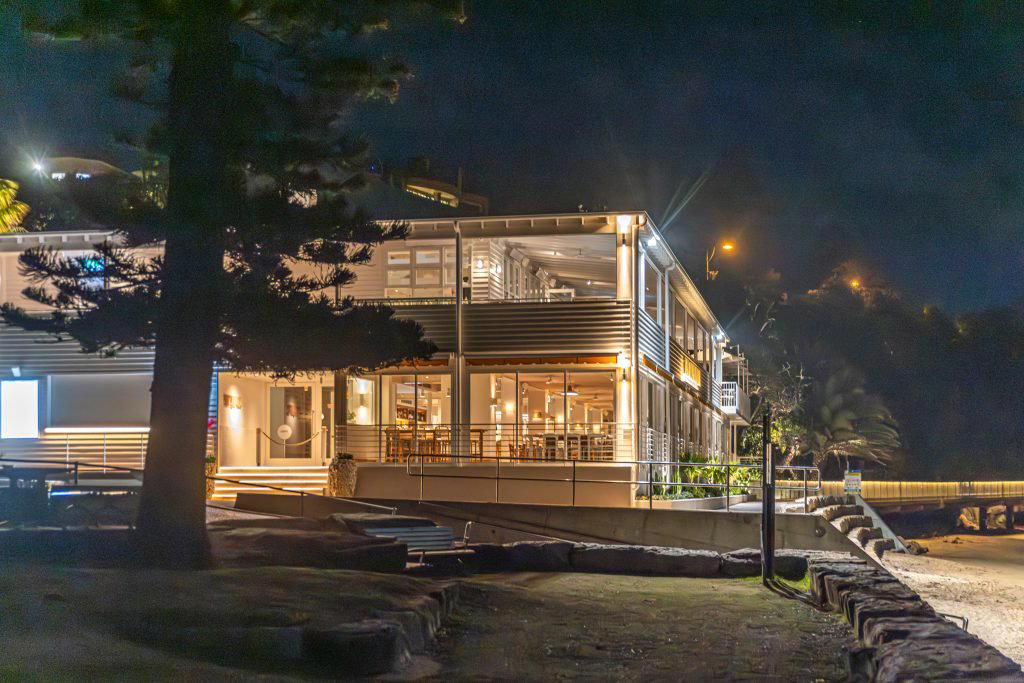
Coastal Sharing Culture on the Central Coast
Terrigal occupies an interesting position in New South Wales dining. Close enough to Sydney to draw weekend visitors, far enough removed to develop its own character rather than simply aping what Surry Hills or Potts Point are doing. The town sits on a beach-fronting strip that has historically skewed toward casual fish-and-chips territory, but a handful of restaurants have shifted that register over the past decade toward something more considered. The Tropic belongs to that shift, landing in the Mediterranean and seafood category that has found particular traction in Australian coastal towns where the produce quality is high and the appetite for elaborate tasting menus is lower than in capital cities.
Mediterranean cooking in Australia has moved well past the generic "Italian and Greek" framing of the 1990s. The current generation of restaurants in this category tends to draw more selectively: Levantine mezze culture, Spanish-influenced seafood techniques, pasta built from regional Italian templates rather than red-sauce shortcuts. This broader tradition — food designed for sharing, paced loosely, anchored by a table rather than a sequence — travels well to coastal settings, where the social logic of a long lunch or an unhurried dinner already exists. The Tropic operates within that tradition. Its Mediterranean and seafood remit, paired with pasta, maps directly onto the communal small-plates format that has defined how Australians eat out at this price and ambition level for at least fifteen years.
The Logic of Mezze and Shared Plates
The mezze tradition, food arriving as it's ready, plates placed in the centre, the table deciding pace and combination, carries a specific social contract. It assumes a degree of trust between diners and kitchen: the kitchen sets the rhythm, the table adapts. Done well, this format produces a meal that feels genuinely alive rather than staged. Done poorly, it produces a series of isolated plates that arrive in no particular order and leave the table confused about whether they've finished. The leading operators in this category understand that the sequence still matters, even when it's presented as casual.
Across the Australian scene, the restaurants that have made this format work consistently tend to share a few characteristics: a menu short enough to encourage exploration rather than safe ordering, a wine list weighted toward varieties that actually work with brine and acidity (vermentino, assyrtiko, fiano, grenache blanc), and a physical room that supports the communal energy the format requires. This is where coastal venues carry a structural advantage, the physical looseness of a beach town dining room, where noise is acceptable and time moves differently, suits mezze culture in a way that a formal city room does not.
Venues with a similar orientation elsewhere on the coast and in regional New South Wales, places like Terrigal Pavilion, which also occupies the Mediterranean register in the same postcode, demonstrate that demand for this format on the Central Coast is not incidental. It reflects a diner who travels from Sydney with specific expectations: produce quality above what the city offers at equivalent price, a room without the urban pressure, and a menu they can eat across rather than through.
Terrigal in the Wider New South Wales Dining Picture
Understanding where The Tropic sits requires some sense of where Terrigal sits. The Central Coast is neither the Hunter Valley (where wine tourism structures the dining agenda) nor the South Coast (where a newer wave of destination restaurants has attracted significant critical attention). It occupies a middle ground: accessible enough for a day trip, substantial enough for an overnight stay, but without the concentrated critical infrastructure of a major regional hub. That creates a particular kind of opportunity for restaurants operating here. The bar for standout execution is lower than in Sydney, but the expectation that food will be taken seriously has risen sharply. Visitors arriving from Rockpool in Sydney or even from newer neighbourhood spots like Johnny Bird in Crows Nest carry calibrated expectations that a decade ago would have been absent from this stretch of coastline.
This shift is visible across regional Australia. In Wollongong, Kulcha Restaurant has developed a following that pulls visitors south from Sydney. In Newcastle, Hungry Wolfs Italian Restaurant holds ground in the Italian-adjacent space. The pattern is consistent: coastal and regional New South Wales towns have developed dining rooms that operate credibly above the casual register without attempting to replicate the full formal apparatus of a capital city flagship. The Tropic belongs to that cohort.
At the furthest end of the Australian dining spectrum, the benchmark restaurants, Attica in Melbourne, Brae in Birregurra, operate in an entirely different register of ambition and format. But the influence of their seriousness about produce and technique has filtered into the broader market in useful ways. A restaurant at The Tropic's pitch does not need a twelve-course tasting menu to reflect that influence; it shows up in sourcing choices, pasta quality, and the decision to let a sharing format breathe rather than rushing covers.
Planning a Visit
Terrigal is approximately 90 minutes north of the Sydney CBD by car, making it a viable lunch destination for a day trip or a natural anchor for a Central Coast overnight stay. The town's dining strip is compact and walkable from the main beach. For visitors building a longer itinerary, the broader Terrigal dining scene is covered in our full Terrigal restaurants guide. Given the venue's position in a coastal town with strong weekend demand, booking ahead for Friday dinner or Saturday lunch is the sensible approach, particularly during school holiday periods when Central Coast occupancy runs high. The Mediterranean and pasta format suits both lunch and dinner pacing, which gives The Tropic more flexibility than a venue locked into a single service style.
For context on how Mediterranean-oriented sharing menus work elsewhere in the Australian dining scene, Bar Carolina in South Yarra and Carlton Wine Rooms in Carlton represent the Melbourne end of the same tradition. In the Sydney-adjacent space, Bayly's Bistro in Kirribilli and bills in Bondi Beach demonstrate the range of formats this general category contains. Internationally, the discipline behind serious seafood-led menus is visible at the highest level in venues like Le Bernardin in New York City, though the register at a Central Coast Mediterranean restaurant is naturally and appropriately different.
Pricing, Compared
Comparable venues nearby, for context on price, style, and recognition.
| Venue | Cuisine | Price | Notes |
|---|---|---|---|
| The TropicThis venue — the venue you are viewing | Not listed | $$$ | Not listed |
| Terrigal Pavilion | Terrigal, Mediterranean Coastal | $$ | Not listed |
| The Pav | Terrigal, pub | $$ | Not listed |
| Café del Mar Sydney | Sydney, Modern Mediterranean Tapas | $$$ | Not listed |
| Georges Mediterranean | Not listed | $$$ | Barangaroo, Greek Mediterranean Waterfront |
Continue exploring
More in Terrigal
Restaurants in Terrigal
Browse all →
Bars in Terrigal
Browse all →
Hotels in Terrigal
Browse all →

At a Glance
- Scenic
- Trendy
- Cozy
- Lively
- Date Night
- Group Dining
- Celebration
- Casual Hangout
- Waterfront
- Private Dining
- Open Kitchen
- Craft Cocktails
- Extensive Wine List
- Waterfront
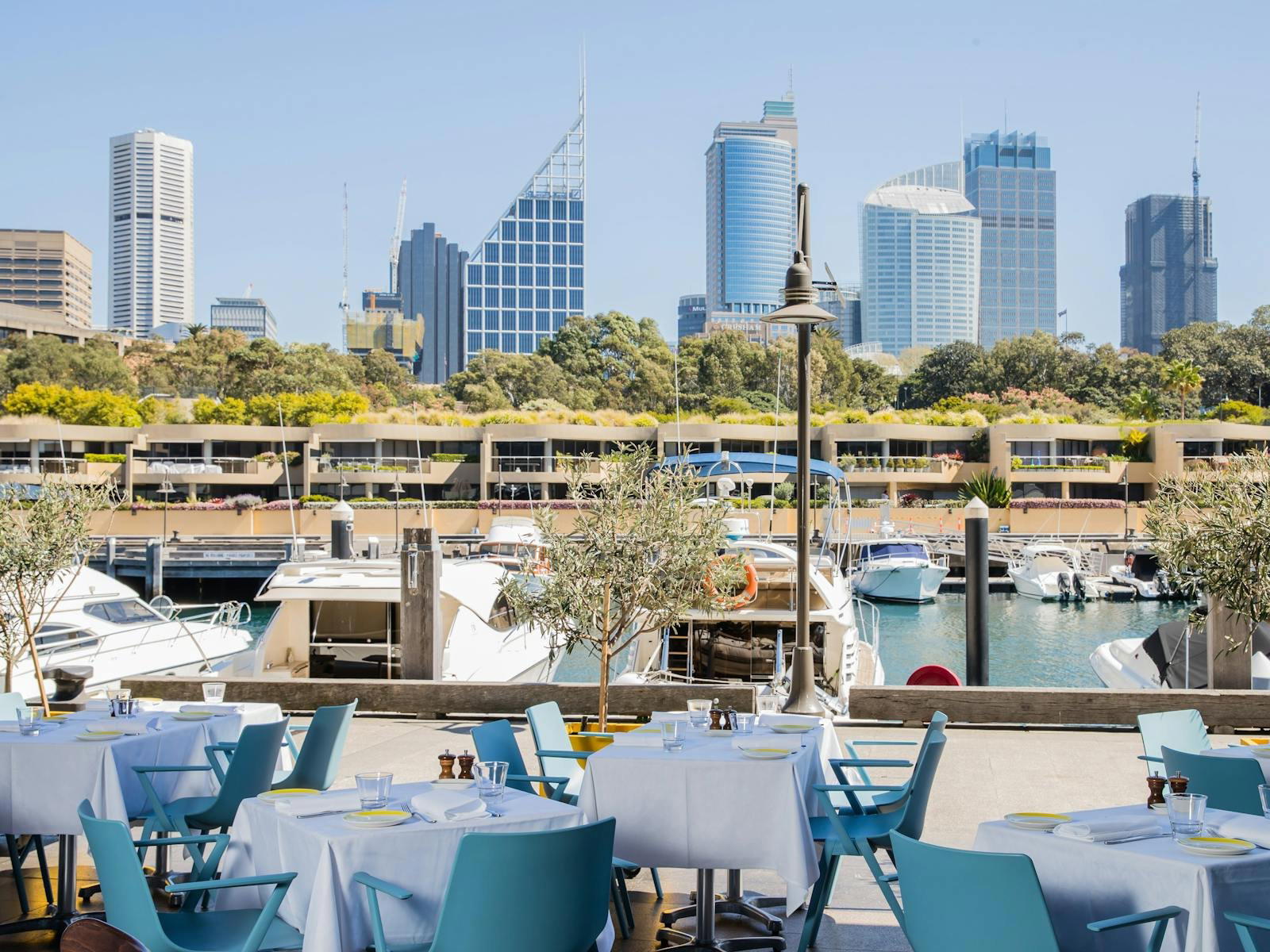
Sun-washed coastal glamour with soft finishes, yellow terrazzo tabletops, linen chairs, and a striking lemon-hued tiled bar, creating a relaxed yet polished seaside atmosphere.