The Small Canteen

Our verdict
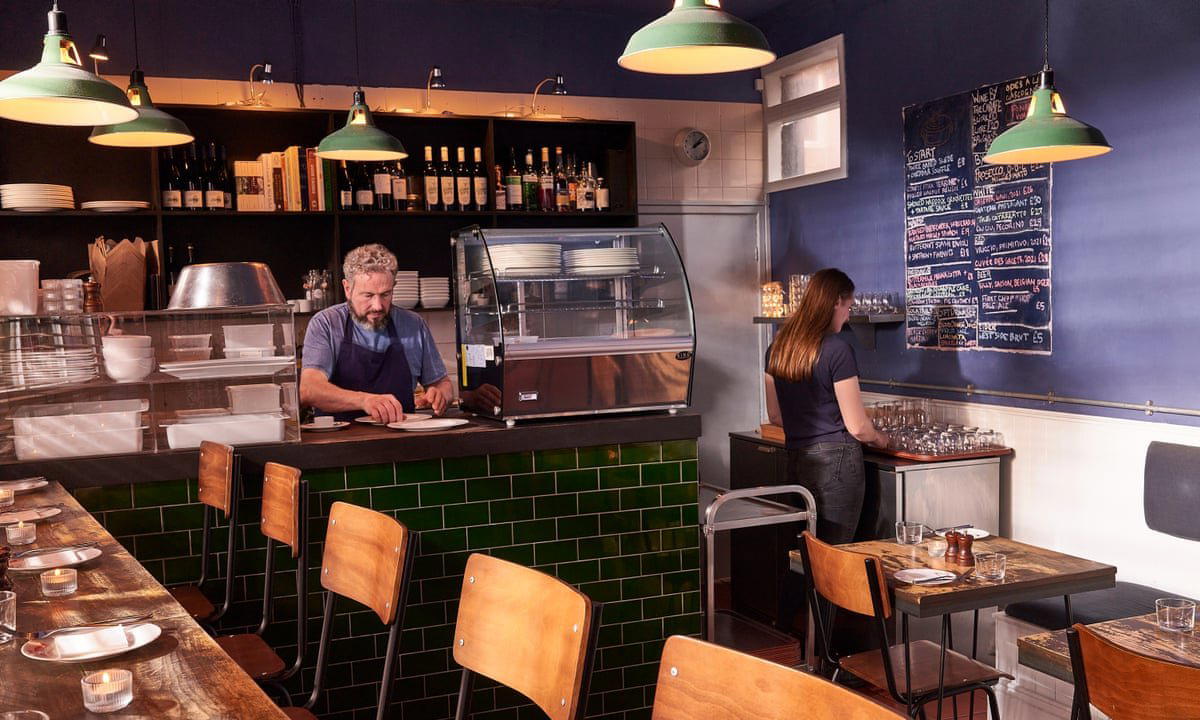
Four tables, a window counter, and a blackboard menu that changes with whatever Sam Betts feels like cooking: The Small Canteen on Starbeck Avenue operates at the opposite end of the spectrum from Newcastle's tasting-menu circuit. Portions run large, prices run low, and the room runs close enough that you'll likely leave knowing your neighbours' orders as well as your own.

Pearl is the En Primeur Club membership app — saves, bookings, and concierge access live there. Same editors, same standards.
- Address
- 17 Starbeck Ave, Newcastle upon Tyne NE2 1RH, United Kingdom
- Phone
- +44 7816 524826
- Hours
- Mon ClosedTue–Sat 4–10:30 PMSun Closed
- Website
- newcastlegateshead.com
- Directions
- Get directions
The menu
What to order
- Confit chicken terrine
- Baked gnocchi
- Leek and stilton tart
Four Tables and a Blackboard
There is a particular kind of neighbourhood restaurant that resists categorisation by refusing to perform. No tasting menus, no amuse-bouches, no mood lighting calibrated to a brand identity. What you get at The Small Canteen on Starbeck Avenue in Jesmond is a room of four tables and a counter along the window, a blackboard written in what regulars have described as slightly chaotic but entirely legible shorthand, and food that arrives in quantities that make the pricing feel like a misprint. This is the end of the Newcastle dining spectrum that sits furthest from the polished Modern British rooms of the quayside, and that distance is precisely the point.
Newcastle's premium dining tier has consolidated around a handful of well-resourced operations. House of Tides and SOLSTICE by Kenny Atkinson both operate at ££££, while 21 sits at £££. The Small Canteen occupies a different register entirely, closer in spirit to Broad Chare and the city's more grounded neighbourhood rooms than to any tasting-menu operation.
The Ritual of a Blackboard Meal
The dining ritual at The Small Canteen is structured by the blackboard rather than by a printed menu, and that distinction matters more than it might seem. A printed menu signals a fixed kitchen programme, a chef working to a predetermined arc. A blackboard signals responsiveness: what arrived from suppliers, what was good this week, what the kitchen felt like cooking today. At this level of operation, that flexibility often produces more coherent food than the curated tasting formats at places like L'Enclume in Cartmel or Moor Hall in Aughton, not because the cooking is comparable in technical ambition, but because the kitchen is working within its actual means rather than against a predetermined script.
The meal progresses in a way that mirrors old-fashioned British neighbourhood eating: bread arrives first. At The Small Canteen that means chewy, properly made bread with dips of mayo, salsa verde, and romesco, a combination that reads as contemporary without announcing itself as such. From there the blackboard offers starters that run to the size of mains at most comparable rooms. A confit chicken terrine arrives in what one regular described as a glistening slab, accompanied by pickled prunes. Gnocchi come richly endowed with Gorgonzola, kale, and hazelnuts. The portion logic throughout is consistent: the kitchen is not interested in restraint for its own sake.
What the Menu Signals About the Cooking
Repertoire on any given blackboard covers classical European ground with genuine competence. Skate wing with brown butter, capers, shrimps, and tenderstem broccoli is a preparation that requires confidence in sourcing and timing; the fact that it appears alongside a pork cutlet with chard and squash suggests a kitchen that moves between registers without anxiety. This is not cooking that chases technique for its own sake, as you might find at the more architecturally precise end of the British dining scene, say at The Ledbury in London or Waterside Inn in Bray. It is cooking that prioritises the experience of eating over the experience of being impressed.
Desserts follow the same logic. A saffron, raisin, and apple cake with honey and mascarpone ice cream sits on the blackboard beside a three-part construction of chocolate mousse, blackcurrant sorbet, and honeycomb. Both signal a pastry sensibility that takes dessert seriously rather than treating it as an obligation at the end of a savoury-focused menu.
Drinks, Pricing, and the Economics of Generosity
The drinks list at The Small Canteen operates on the same philosophy as the food: accessible pricing, considered selection. Organic wines are available by the 500ml carafe, with Tempranillo and Odes à la Gascogne both listed at £7 per carafe. Regional craft beers from producers including Redcastle Crusader, First Chop, and Love Lane Baltic sit alongside cocktails, fresh juices, and organic lemonade. The breadth of the non-alcoholic offer suggests a room that is thinking about the full range of its guests rather than prioritising margin.
The economics of running a room this small at these prices are not direct. Four tables mean a limited number of covers per service, and the portion sizes described by regulars are at odds with the kind of careful cost-engineering that characterises many small restaurants at this price point. The result is a room that generates genuine loyalty rather than transactional repeat business. Neighbouring tables at this proximity are not an inconvenience; they are part of how the room works socially, and the closely packed layout contributes to an atmosphere that larger, better-resourced rooms in the city often struggle to replicate.
Where The Small Canteen Sits in Newcastle's Dining Scene
Newcastle's dining scene has enough range now that the gaps between its tiers are meaningful. The quayside operations and the city's more formally ambitious rooms, including Blackfriars, serve a different function than the neighbourhood rooms that operate in residential areas like Jesmond. The Small Canteen belongs to a tradition that other British cities have in places like Hand and Flowers in Marlow or Emeril's in New Orleans at the level of local institution: not seeking external validation, but accumulating the kind of local trust that keeps a small room sustainable. Within Newcastle specifically, this kind of offer, generous, affordable, neighbourhood-scaled, is less common than the city's growing premium tier might suggest. Our full Newcastle restaurants guide covers the range in more detail.
For visitors to the city, The Small Canteen sits in Jesmond rather than the city centre, which means it rewards a degree of intentionality: you go to Starbeck Avenue because you have decided to go, not because you happened to walk past. That friction filters the room toward guests who have done some research, and the atmosphere reflects it. Booking ahead is advisable given the four-table capacity. For broader trip planning, see our Newcastle hotels guide, bars guide, wineries guide, and experiences guide.
Frequently asked questions
Where do I go for The Small Canteen?
The Small Canteen is located at 17 Starbeck Ave, Newcastle upon Tyne NE2 1RH, United Kingdom, Newcastle Upon Tyne.
What awards or recognition does The Small Canteen have?
The Small Canteen has received recognition including: It may be small, with just four tables and a counter across the window of an unprepossessing building, but the Small Canteen has a big heart. ‘A warm welcome is always on the cards,’ notes one regular. The concise menu is squashed and smudg….
What's the signature dish at The Small Canteen?
The blackboard changes, so no single dish holds permanent status, but the skate wing with brown butter, capers, shrimps, and tenderstem broccoli appears as a recurring classical reference point. The confit chicken terrine with pickled prunes and the baked gnocchi with Gorgonzola, kale, and hazelnuts are among the most frequently cited preparations by regulars.
Do they take walk-ins at The Small Canteen?
With only four tables and a counter, capacity at The Small Canteen is tight. Walk-in availability depends heavily on timing and day of week, and the restaurant's following in the NE2 neighbourhood means the room fills.
What makes The Small Canteen worth seeking out?
Chef Sam Betts runs a room of four closely packed tables with portion sizes that routinely exceed expectations — starters arrive at main-course scale, and the pricing has been described by regulars as 'adorably priced' relative to what lands on the plate. The handwritten blackboard, organic wine carafes from £7 for 500ml, and regional craft beers from breweries including First Chop and Love Lane Baltic reinforce the sense of a kitchen and front-of-house operating well above their price bracket.
Can The Small Canteen handle vegetarian requests?
The blackboard menu at The Small Canteen includes vegetarian options among its regular offerings — the baked gnocchi with Gorgonzola, kale, and hazelnuts is one documented example. Given the menu changes according to what Betts is cooking that week, the selection varies, but the format has clearly accommodated non-meat dishes as substantive mains rather than afterthoughts.
What are the organic wine options at The Small Canteen in Newcastle?
The Small Canteen lists organic wines available by the 500ml carafe, with documented options including a Tempranillo and Odes à la Gascogne priced at £7 each. That pricing structure places them firmly in the accessible range for Newcastle dining, consistent with the kitchen's overall approach to cost. Regional craft beers, cocktails, juices, and organic lemonade round out the drinks side of the blackboard.
Cuisine-First Comparison
Comparable venues nearby, for context on price, style, and recognition.
| Venue | Cuisine | Price | Awards | Notes |
|---|---|---|---|---|
| The Small CanteenThis venue — the venue you are viewing | Modern British Bistro | $30–50 | Not listed | Not listed |
| Earthlings - The healing Cafe | Vegan Healing Cafe | $10–20 | Not listed | West End |
| Nest | Modern British Tasting Menu & Sunday Roast | $50–100 | Michelin Plate | Heaton |
| Slug & Lettuce - Central Newcastle | Modern British Gastropub | $10–20 | Not listed | Newcastle city centre |
| Six | Modern British Fine Dining | $50–100 | Michelin Plate | Quayside |
| Dobson & Parnell | Modern British Fine Dining | Not listed | Michelin Plate · The Good Food Guide GFG Good | Quayside |
Recognition history
Dated appearances from independent guides and award organizations, with the underlying list record or original source where available.
The Good Food Guide Good Food Guide Best Local Restaurant
The Good Food Guide
Full recognition history (2 entries)
The Good Food Guide GFG Good
The Good Food Guide
Continue exploring
More in Newcastle Upon Tyne
Restaurants in Newcastle Upon Tyne
Browse all →
Bars in Newcastle Upon Tyne
Browse all →
Details
- Cozy
- Intimate
- Casual Hangout
- Date Night
- Open Kitchen
- Local Sourcing
- A La Carte
- Vegetarian Friendly
- Pescatarian Friendly
Current opening hours
- Monday
- Closed
- Tuesday
- 4–10:30 PM
- Wednesday
- 4–10:30 PM
- Thursday
- 4–10:30 PM
- Friday
- 4–10:30 PM
- Saturday
- 4–10:30 PM
- Sunday
- Closed
Hours can change for holidays and private events. Last verified .
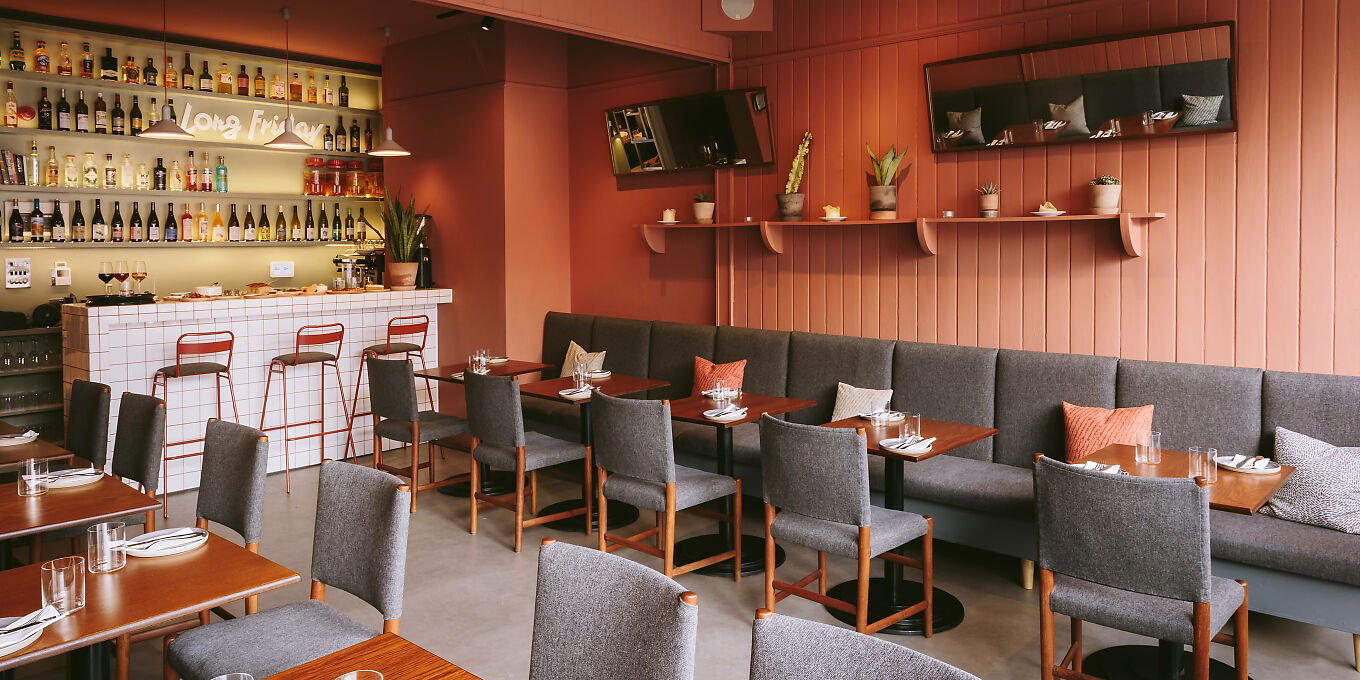
Snug, convivial atmosphere in a compact space with tables closely packed, creating an intimate supper club-like feel.