Blackfriars

The Good Food Guide GFG Good
Our verdict
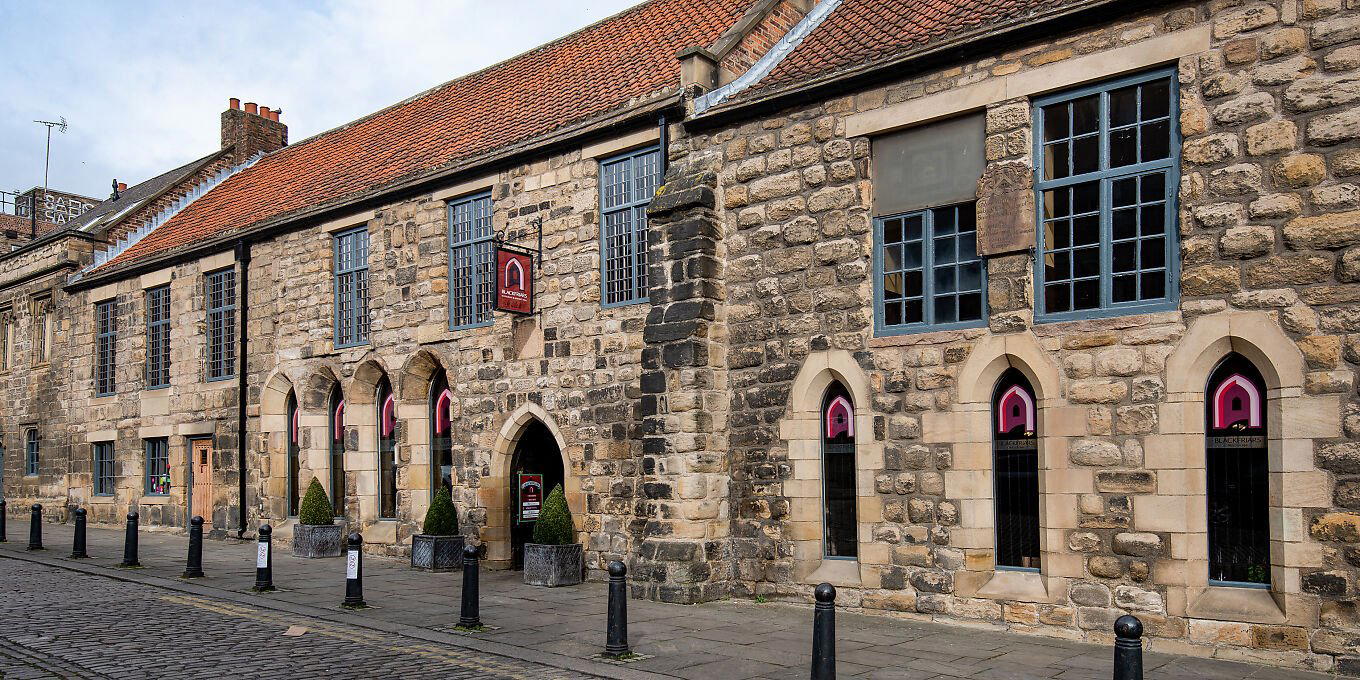
Dating from the early 13th century, Blackfriars occupies what may be the UK's oldest purpose-built dining room, a former Dominican friary refectory on Friars Street in Newcastle's city centre. The menu runs modern British with regional ingredients and international inflections, backed by own-brewed beers and a global wine list. Operated by the Hooked On Group, the complex includes a courtyard garden, a bar, a brewery, and a medieval banqueting hall.

Pearl is the En Primeur Club membership app — saves, bookings, and concierge access live there. Same editors, same standards.
- Address
- Friars St, Newcastle upon Tyne NE1 4XN, United Kingdom
- Phone
- +44 191 261 5945
- Hours
- Mon–Sat 12–9:30 PMSun 12–5 PM
- Website
- blackfriarsrestaurant.co.uk
- Directions
- Get directions
- Booking
- Book on OpenTable
The menu
What to order
- Pan Haggerty
- Fillet of beef with langoustine cocktail
- Chicken kiev
A Medieval Refectory in Active Service
Few dining rooms in Britain carry the physical weight of Blackfriars. The building on Friars Street dates from the early 13th century, constructed as the refectory for a Dominican friary, and the claim that it is the UK's oldest purpose-built dining room is not hyperbole but a reasonable reading of the historical record. Heavy timber beams, wooden panelling, and furniture scaled for communal eating define the ground floor. The space carries its age visibly rather than cosmeticising it, though a persistent pop soundtrack and the sight of floor staff wearing earpieces introduce a present-day corporate register that sits in mild tension with the architecture. The overall atmosphere skews toward large-party hospitality rather than intimate dining, and the room's energy reflects that orientation.
The wider complex operated by the Hooked On Group adds layers: a separate bar, a courtyard garden that functions as a seasonal outdoor space, a working brewery, and a first-floor medieval banqueting hall that draws heavily on the wedding and events circuit. The same group runs COOK HOUSE and 21 among other Newcastle addresses, positioning Blackfriars within a local hospitality network rather than as a standalone independent.
Where the Food Comes From
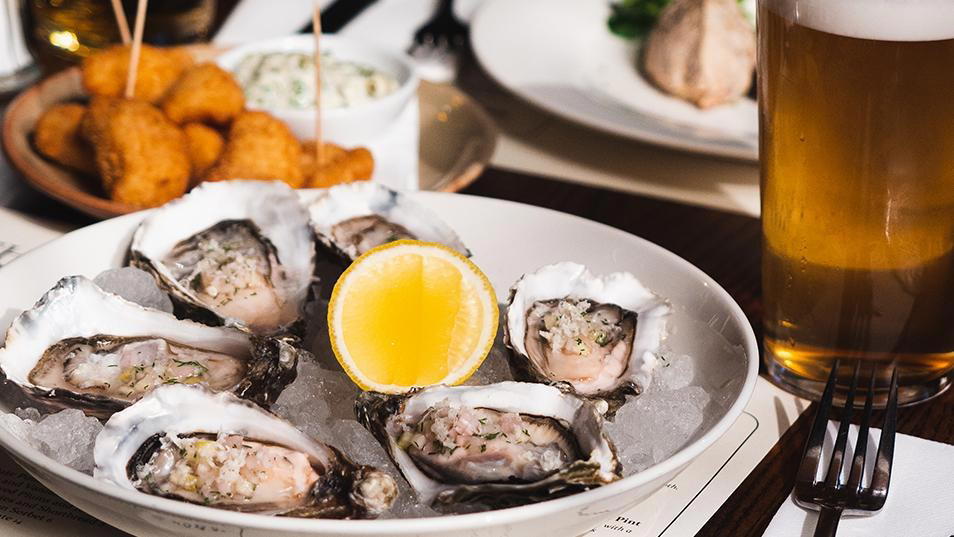
The ingredient sourcing at Blackfriars does the most to distinguish the kitchen from its immediate surroundings. The North East of England is well-placed to draw on quality coastal and agricultural produce, and the menu makes that visible in specific ways. Lindisfarne oysters, harvested from the tidal beds off Holy Island on the Northumberland coast, appear with a mignonette dressing: a textbook deployment of a regional shellfish that carries genuine provenance rather than generic branding. The oysters served here have one of the more clearly traceable origins on any Newcastle menu, and their quality showed in a recent assessment that described them as plump and well-handled.
Regional identity also appears through pan haggerty, the North East potato and onion dish that functions as a marker of local culinary heritage. Its presence on the menu sits alongside the broader modern British framework and signals a deliberate connection to Northumbrian food traditions. This positioning gives Blackfriars a different register from Newcastle's higher-end destinations: while House of Tides and SOLSTICE BY KENNY ATKINSON operate at the ££££ tier with tasting-menu formats, Blackfriars functions in a more accessible register, covering a wider base of tastes within a single menu that includes vegetarian options alongside meat and fish.
The kitchen's sourcing decisions read most convincingly at the starter stage. That plump Lindisfarne oyster and a freshly fried summer vegetable croquette served with pea velouté represent the kind of ingredient-first cooking that the broader menu promises. A fillet steak main, accompanied by prawn cocktail, seafood bisque, and an onion tart, delivered the same coherence at the centre of the plate. The weaker moments, including overcooked nori-wrapped monkfish, pointed to inconsistency at the execution level rather than a failure of sourcing intent. A dense Basque cheesecake with strawberry and basil compote closed the meal at a higher register than the middle courses suggested.
The Drinks Program
Blackfriars operates its own brewery on site, which gives the drinks program a level of vertical integration unusual outside of gastropub formats. St Dominic's Pale Ale, named for the Dominican order that originally occupied the building, serves as the signature pour from that brewery and offers a direct historical reference point in drinkable form. The broader drinks offering extends to a varied cocktail list and a global wine selection, which together position the venue as a full-service hospitality operation rather than a restaurant with a wine list as an afterthought.
For context on how this positions Blackfriars within Newcastle's drinking culture, see our full Newcastle Upon Tyne bars guide. The own-brewed beer component is the most distinctive element of the drinks offer and the one most directly tied to the building's identity.
Newcastle's Modern British Spread
Understanding Blackfriars requires situating it within the full spectrum of Newcastle's modern British dining. At the accessible end, Broad Chare operates in the traditional British register at the ££ tier, with a pub-dining format that prioritises regional product in a less formal setting.
Blackfriars occupies a middle position in that spread: a full-service restaurant with a wide menu, strong regional sourcing signals, and a hospitality infrastructure built as much around events and groups as around the à la carte diner. That dual orientation shapes the experience in ways that matter to the individual guest. The cheerful, efficient service and broad menu coverage make it workable for mixed groups with differing preferences, but the same infrastructure can produce the slightly impersonal atmosphere that critics have noted. It is a different trade-off from what drives the focused cooking at, say, Hand and Flowers in Marlow or the sourcing rigour at Gidleigh Park in Chagford, where the room and the menu speak in the same register.
Within the Hooked On Group's own portfolio, Blackfriars holds the most distinctive physical asset, but sibling venue Dobson and Parnell brings a tighter modern cuisine focus at a comparable price point. Choosing between them depends substantially on whether the medieval setting is a draw or a distraction.
For a full picture of where Blackfriars sits in the city's restaurant scene, the full Newcastle Upon Tyne restaurants guide maps the competitive set from casual through to destination dining. Travellers planning around the broader city can also consult our Newcastle Upon Tyne hotels guide and experiences guide.
Planning Your Visit
Blackfriars sits on Friars Street in Newcastle city centre, walkable from both the Central Station and the Quayside. The venue operates across multiple formats: the ground-floor restaurant, the bar, and the courtyard garden, with the first-floor banqueting hall reserved primarily for private events. Given the venue's popularity with groups and its events-heavy calendar, booking ahead for the restaurant is advisable, particularly on weekend evenings when the banqueting hall draws parallel traffic through the building. The summer courtyard is a seasonal variable worth factoring into timing for those visiting between May and September. Phone and hours information are not listed centrally, so booking directly through the venue's own channels is the reliable approach.
Frequently asked questions
Where is Blackfriars in Newcastle Upon Tyne?
Blackfriars is located at Friars St, Newcastle upon Tyne NE1 4XN, United Kingdom, Newcastle Upon Tyne.
Does Blackfriars have a Michelin star or similar recognition?
Blackfriars has received recognition including: Dating from the early 13th century when it was the refectory for a Dominican friary, Blackfriars could be the UK’s oldest purpose-built dining room. It’s now part of a hospitality complex that includes a separate bar, a courtyard garden, a ….
What's the best thing to order at Blackfriars?
The seafood program is the kitchen's most consistent output, with Lindisfarne oysters served with mignonette dressing among the stronger plates. The fillet steak course, accompanied by prawn cocktail, seafood bisque, and onion tart, has drawn praise as the meal's high point. For dessert, the Basque cheesecake with strawberry and basil compôte is worth noting. Pan haggerty, a traditional North East potato dish, represents the regional menu's most locally rooted option.
Do I need a reservation for Blackfriars?
Blackfriars on Friars Street operates across multiple spaces including the ground-floor restaurant, a courtyard garden, and a first-floor medieval banqueting hall frequently used for large private events and wedding receptions. The venue is set up to handle large parties, which means the dining room can fill quickly on weekends and event nights. Booking ahead is advisable, particularly if you want a specific space or a smaller, quieter table.
What's Blackfriars best at?
Blackfriars is strongest as a venue with genuine historical substance: the building dates from the early 13th century and is considered a candidate for the oldest purpose-built dining room in the UK. The drinks program is a particular asset, anchored by an on-site brewery producing beers such as St Dominic's Pale Ale, alongside a broad cocktail list and global wine selection. The kitchen handles regional produce well when it connects, particularly with local seafood.
Can Blackfriars accommodate dietary restrictions?
The menu includes a meaningful vegetarian offering, with dishes such as pan haggerty, a traditional North East potato gratin, featured alongside the modern British main courses. The kitchen works across multiple dietary bases within a single menu, making it functional for mixed-diet groups. For specific allergen requirements, contacting the venue directly before visiting is the most reliable approach given the range of dishes in rotation.
Is Blackfriars really the oldest restaurant building in the UK?
The claim is historically grounded rather than purely promotional: the Blackfriars building on Friars Street, Newcastle upon Tyne, dates from the early 13th century and was constructed as the refectory for a Dominican friary, making it one of the strongest candidates for the UK's oldest purpose-built dining room. The site is now operated by the Hooked On Group as part of a hospitality complex that includes a bar, courtyard garden, brewery, and banqueting hall. The structure itself, with its original beams and medieval stonework, carries the period credibly in a way that purpose-built heritage restaurants rarely do.
Side-by-Side Snapshot
Comparable venues nearby, for context on price, style, and recognition.
| Venue | Cuisine | Price | Awards | Notes |
|---|---|---|---|---|
| BlackfriarsThis venue — the venue you are viewing | Modern British in Historic Setting | $30–50 | The Good Food Guide GFG Good | Not listed |
| Al Dente Cucina Italiana | Authentic Southern Italian Trattoria | $20–30 | Not listed | Newcastle City Centre |
| The Small Canteen | Modern British Bistro | $30–50 | Not listed | Sandyford |
| Fujiyama Teppanyaki Japanese Restaurant | Teppanyaki Japanese | Not listed | Not listed | Chinatown |
| Earthlings - The healing Cafe | Vegan Healing Cafe | $10–20 | Not listed | West End |
| Mascalzone | Authentic Sardinian-Italian | $20–30 | Not listed | Heaton |
Recognition history
Dated appearances from independent guides and award organizations, with the underlying list record or original source where available.
The Good Food Guide GFG Good
The Good Food Guide
Continue exploring
More in Newcastle Upon Tyne
Restaurants in Newcastle Upon Tyne
Browse all →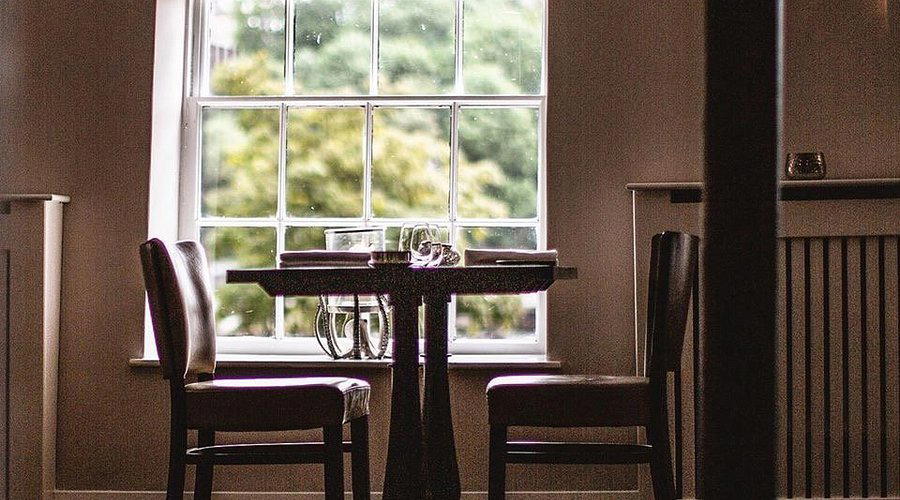
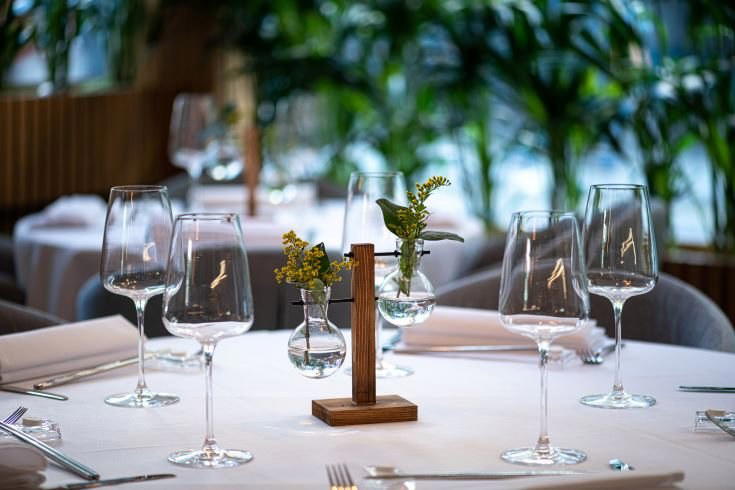
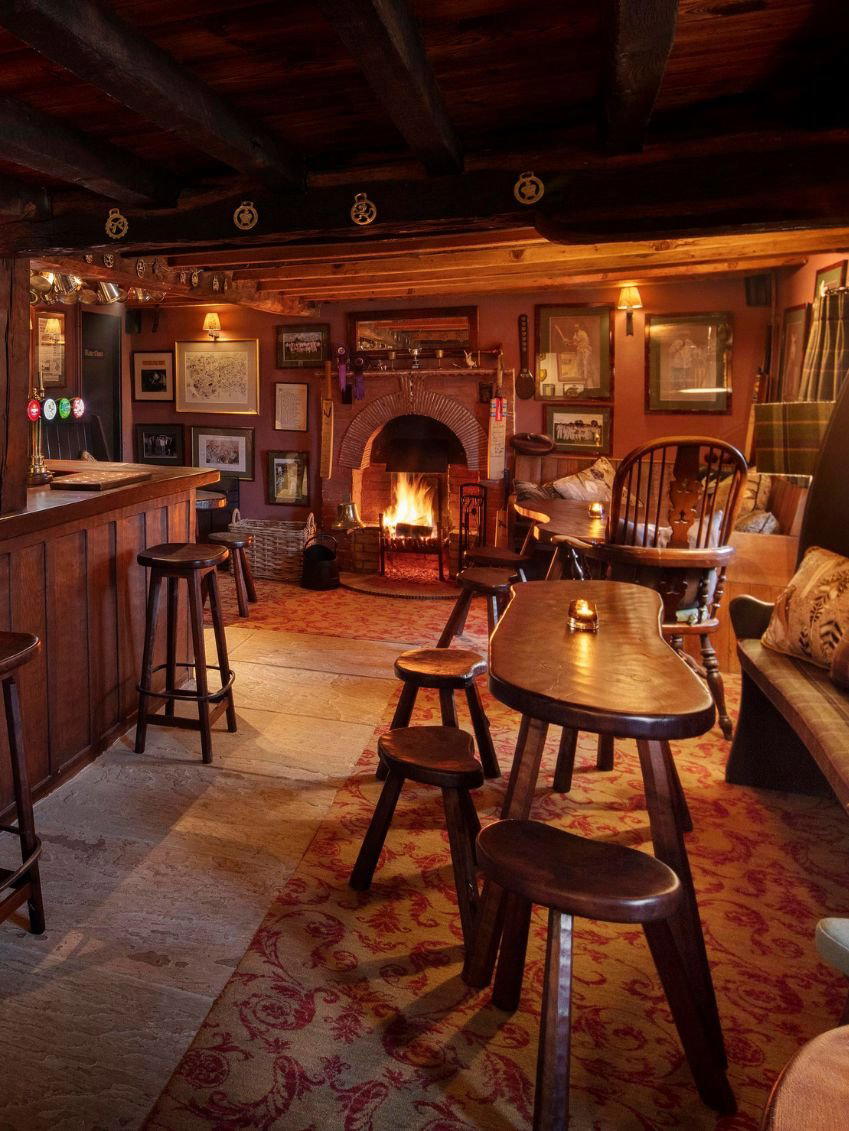
Bars in Newcastle Upon Tyne
Browse all →
Details
- Classic
- Historic
- Cozy
- Special Occasion
- Group Dining
- Celebration
- Historic Building
- Private Dining
- Extensive Wine List
- Craft Cocktails
- Local Sourcing
- A La Carte
- Set Menu
- Vegetarian Friendly
Current opening hours
- Monday
- 12–9:30 PM
- Tuesday
- 12–9:30 PM
- Wednesday
- 12–9:30 PM
- Thursday
- 12–9:30 PM
- Friday
- 12–9:30 PM
- Saturday
- 12–9:30 PM
- Sunday
- 12–5 PM
Hours can change for holidays and private events. Last verified .
Beams, wooden panelling and heavy furniture recreate Olde England with a historic feel, though a corporate vibe and beat-led pop soundtrack create a cheerful yet slightly mismatched atmosphere.