COOK HOUSE


Michelin Plate · The Good Food Guide GFG Good
Our verdict
A Michelin Plate holder occupying a creative workspace in Newcastle's Ouseburn Valley, Cook House built its reputation on fiercely seasonal British cooking with a strong hibachi-driven menu. Founded by food writer Anna Hedworth through crowdfunding, the stripped-back industrial setting now spans two floors, a deli, terrace, and kitchen garden, all at a price point that makes it one of the more accessible entries in the city's modern British scene.

Pearl is the En Primeur Club membership app — saves, bookings, and concierge access live there. Same editors, same standards.
- Address
- Foundry Lane Studios, Foundry Ln, Newcastle upon Tyne NE6 1LH, United Kingdom
- Phone
- +44 191 276 1093
- Hours
- Mon–Tue ClosedWed 5:30 PM–12 AMThu–Fri 12 PM–12 AMSat 10 AM–12 AMSun 10 AM–5 PM
- Website
- cookhouse.org
- Directions
- Get directions
- Booking
- Book on the venue's website
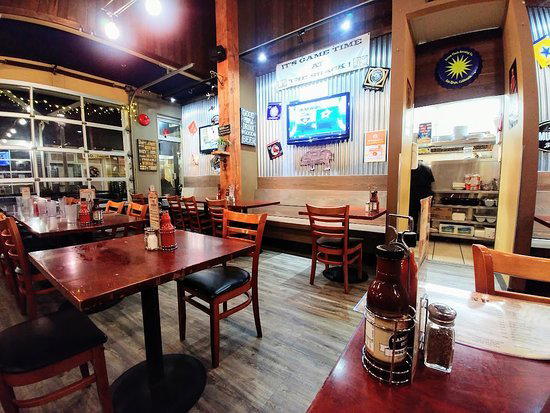
The menu
What to order
- Tempura cauliflower
- Cheese doughnuts
- Savoy cabbage kimchi
- Harissa eggs
Industry Space, Kitchen Logic
Foundry Lane Studios in Newcastle's Ouseburn Valley is the kind of address that signals intent before you've sat down. The building is a working complex for artists and makers, and Cook House sits inside that context deliberately, not decoratively. The stripped-back industrial interior, spread across two floors, earns its aesthetic honestly: there is no veneer of roughness here, no exposed brick applied for effect. The terrace opens onto a small garden that supplies herbs for the kitchen and an expanding list of house soft drinks, and there are plans to keep bees on the roof. The physical space is, in short, a working proposition.
That character places Cook House in a distinct tier within Newcastle's modern British scene. At ££, it operates at a price point well below House of Tides and Solstice by Kenny Atkinson, both of which sit at ££££ and carry the polish of fine-dining format discipline. 21 and Nest occupy the £££ middle band. Cook House's position below that bracket is not a statement of lesser ambition; it reflects a different set of priorities, where community embedding, seasonal accessibility, and the Foundry Lane creative context matter as much as the plate.
What the Hibachi Is Actually Doing
The most useful editorial frame for Cook House's cooking is the British seasonal larder read through an open-fire methodology. The hibachi barbecue is the kitchen's central tool at dinner, and the menu rotates around what that technique unlocks: char, smoke, the Maillard reaction on ingredients that reward high, direct heat. Root vegetables, game birds, and strong fish are the natural beneficiaries. The approach aligns with a broader shift in British cooking where live-fire is no longer a niche technique borrowed from South American or East Asian traditions but has been absorbed into a domestic, produce-driven idiom.
Britain's seasonal larder has specific rhythms. Autumn brings parsnips in volume, and Cook House's treatment of parsnip as a primary ingredient, built into a mousse with curried granola and pickled parsnip and finished with crispy chicken skin for textural contrast, illustrates how a single root vegetable can carry a dish when the technique is calibrated to its weight and sweetness. The smoked mackerel preparation, paired with smoked salsify, lime yoghurt, and orange hot sauce, is an example of doubling a smoke register while the acid components keep the plate moving. Slow-roast short ribs with cheesy polenta and plum ketchup address the sharing-plate format that suits the room's informality. Across all of it, the logic is consistent: the British produce drives the dish, and the technique, whether hibachi, smoking, or fermentation, provides the vocabulary rather than the agenda.
Within the broader canon of Modern British cooking, Cook House operates at the opposite end of the formality spectrum from L'Enclume in Cartmel or Moor Hall in Aughton, where the same seasonal-British philosophy is expressed through multi-course tasting structures and immaculate plating. The ££ price point and relaxed format are closer in spirit to the neighbourhood-restaurant end of the Modern British spectrum, though the Michelin Plate recognition in both 2024 and 2025 confirms that the cooking meets a standard well above the casual tag its setting might imply.
The Michelin Plate in Context
A Michelin Plate is not a star, and it should not be read as a consolation prize. The designation indicates that inspectors have identified cooking of quality, dishes prepared to a standard worth recording, without the full consistency, service architecture, or format structure that star progression requires. For a room with Cook House's deliberately loose format, a twice-confirmed Plate is a meaningful signal: the kitchen is producing food that reads as considered and precise at the plate level, regardless of the industrial surroundings.
Among Newcastle's Michelin-recognised addresses, the competitive set also includes Rebel. For the wider Modern British reference points against which Cook House can be usefully positioned, the national field includes addresses such as The Fat Duck in Bray, The Ledbury in London, Gidleigh Park in Chagford, Hand and Flowers in Marlow, CORE by Clare Smyth, and The Ritz Restaurant. Cook House occupies an entirely different tier of formality and price, but the shared commitment to British produce as primary subject matter provides a meaningful connective thread.
Breakfast, Brunch, and the Deli
Dinner is the main event, but Cook House now operates across multiple day-parts, and the daytime offering is an extension of the same kitchen logic rather than a separate proposition. Weekend breakfast and brunch run to house granola, hash browns with hot aioli, and green harissa fried eggs on toast — a roster that borrows globally without abandoning a certain British directness about what breakfast is for. The deli component adds another layer of access, allowing the Foundry Lane community and passing visitors to engage with the food at a lower commitment level than a booked dinner.
The drinks list is calibrated to the room. World beers, kombucha, house soft drinks using garden herbs, and spritzes address the non-wine end of the table. The wine selection runs to fashionable, considered bottles that fit a mid-price modern British dining context. The in-house kimchi appears on the menu as a fermentation practice consistent with kitchens that take their larder work seriously rather than as a trend-signalling gesture.
Planning Your Visit
Cook House sits at Foundry Lane Studios, Foundry Lane, Newcastle upon Tyne, NE6 1LH, in the Ouseburn Valley, a short distance from the city centre and well within reach of Newcastle's broader dining corridor. The ££ pricing makes it one of the more accessible Michelin-recognised addresses in the northeast. Dinner, which showcases the hibachi cooking and the fuller seasonal menu, is the session to prioritise; weekend brunch is worth considering if the daytime Foundry Lane context appeals. The terrace and garden are seasonal assets. Booking ahead is advisable given the room's scale and its dual function as a community and creative-sector gathering point.
For the wider Newcastle dining picture, our full Newcastle Upon Tyne restaurants guide covers the complete scene across formats and price points. Further EP Club guides cover hotels, bars, wineries, and experiences across the city.
Frequently asked questions
Is COOK HOUSE Michelin-listed?
COOK HOUSE has received recognition including: After opening a shipping container café, local food blogger Anna Hedworth crowdfunded this stripped-back, industrial-style restaurant with a pleasant terrace and a relaxed feel. Dinner is the main event, with many of the vibrant, fiercely s….
What should I order at COOK HOUSE?
Dinner is the main event, built around a rotating roster of dishes tied to British seasonal produce and cooked in part on the hibachi barbecue. The kitchen has put out dishes such as whole smoked mackerel with smoked salsify and orange hot sauce, and slow-roast short ribs with cheesy polenta and plum ketchup for sharing. At weekends, the brunch menu runs to green harissa fried eggs on toast and hash browns with hot aïoli, all at a ££ price point.
What should I budget for a meal at COOK HOUSE?
Pricing at COOK HOUSE is listed as ££.
What It’s Closest To
| Venue | Cuisine | Price | Awards | Notes |
|---|---|---|---|---|
| COOK HOUSEThis venue — the venue you are viewing | Modern British Small Plates | $30–50 | Michelin Plate · The Good Food Guide GFG Good | Not listed |
| House of Tides | Modern British Fine Dining | $100–150 | 1 Michelin Star · La Liste Top Restaurants | Modern British, Modern Cuisine |
| SOLSTICE BY KENNY ATKINSON | Modern British Fine Dining | $200–300 | 1 Michelin Star · La Liste Top Restaurants | Modern British |
| 21 | French Bistro | $30–50 | Michelin Plate | Not listed |
| Broad Chare | Traditional British | Not listed | Not listed | Not listed |
| Lovage | Modern Mediterranean Bistro | Not listed | Michelin Plate | Not listed |
Recognition history
Dated appearances from independent guides and award organizations, with the underlying list record or original source where available.
Michelin Plate
Michelin
The Good Food Guide GFG Good
The Good Food Guide
Full recognition history (4 entries)
Michelin Plate
Michelin
Michelin Plate
Michelin
Continue exploring
More in Newcastle Upon Tyne
Restaurants in Newcastle Upon Tyne
Browse all →
Bars in Newcastle Upon Tyne
Browse all →




Details
- Cozy
- Intimate
- Industrial
- Rustic
- Modern
- Date Night
- Brunch
- Casual Hangout
- Special Occasion
- Open Kitchen
- Terrace
- Garden
- Craft Cocktails
- Local Sourcing
- Small Plates
- A La Carte
- Craft Cocktails
- Vegetarian Friendly
Current opening hours
- Monday
- Closed
- Tuesday
- Closed
- Wednesday
- 5:30 PM–12 AM
- Thursday
- 12 PM–12 AM
- Friday
- 12 PM–12 AM
- Saturday
- 10 AM–12 AM
- Sunday
- 10 AM–5 PM
Hours can change for holidays and private events. Last verified .
Relaxed, exciting, intimate industrial-style setting with cozy atmosphere, pleasant terrace, and open kitchen views.