The Sicilian Butcher
Our verdict
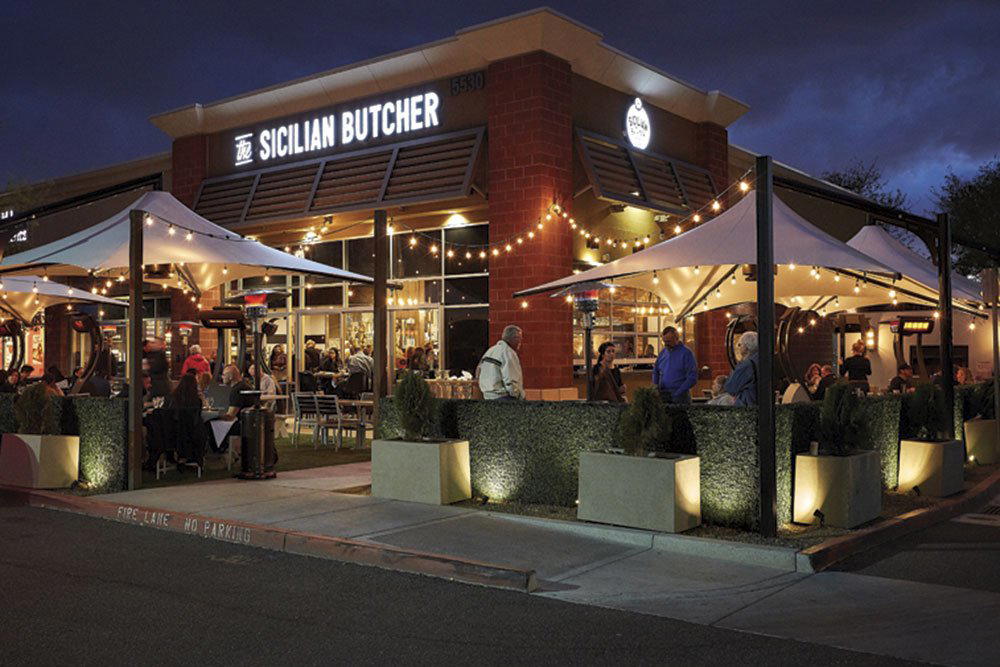
The Sicilian Butcher brings an Italian-American butcher-shop dining concept to North Phoenix's Tatum Boulevard corridor, where polished suburban settings increasingly house concepts with genuine culinary ambition. The format combines charcuterie-forward small plates with a broader Italian-American menu, positioning it in a growing category of full-service casual restaurants that borrow butcher-shop credibility to distinguish themselves from conventional suburban Italian dining.

Pearl is the En Primeur Club membership app — saves, bookings, and concierge access live there. Same editors, same standards.
- Address
- 15530 N Tatum Blvd #160, Phoenix, AZ 85032
- Phone
- (602) 775-5140
- Hours
- Mon–Thu 11 AM–10 PMFri–Sat 11 AM–10:30 PMSun 11 AM–10 PM
- Directions
- Get directions
- Booking
- Book on OpenTable
The menu
What to order
- Chicken Parmigiana
- Fazzoletti
- Pork Rollatini & Gnocchi
Where the Butcher Shop Meets the Dining Room
Phoenix's suburban dining corridors have undergone a quiet transformation over the past decade. Strip-mall addresses along Tatum Boulevard and its North Phoenix neighbors, once reliable territory for chain Italian and fast-casual everything, now host concepts that import genuine culinary frameworks — often borrowed from coastal cities or European traditions — and reformat them for a market that increasingly demands more than predictable red-sauce familiarity. The Sicilian Butcher, at 15530 N Tatum Blvd, sits inside that shift. Its premise: fold the butcher shop's authority over meat and charcuterie into a full-service restaurant environment, so that the credibility of the craft is built into the space itself rather than signaled only through a menu description.
The butcher-shop-restaurant hybrid is not a new concept nationally. It emerged with some momentum in cities like Chicago and San Francisco, where venues like Lazy Bear in San Francisco and Alinea in Chicago demonstrated that conceptual clarity around sourcing and format could anchor an entire dining identity, and it has since filtered into second-tier and fast-casual interpretations across the country. The Sicilian Butcher's version of this format applies specifically to Italian-American traditions, leaning on Sicilian reference points that offer both familiarity and a degree of regional specificity absent from generic Italian branding.
A Concept That Has Found Its Footing
The evolution of this kind of concept in suburban Phoenix is instructive. When butcher-forward Italian dining first arrived in the region, the challenge was calibrating between two audiences: diners who came for accessible comfort food and those who responded to the craft signals of cured meats, house-made preparations, and imported ingredients. Concepts that leaned too far into either direction, too rustic and process-heavy, or too approachable and stripped of distinction, struggled to hold a clear identity. The formats that survived did so by finding a repeatable middle register: enough charcuterie and Italian-American breadth to serve as both a casual weeknight option and a destination for the kind of celebratory meal that suburban households tend to take seriously.
That positioning places The Sicilian Butcher in a different competitive set from Phoenix's higher-end Italian dining rooms and also from the casual chains it shares a zip code with. It is not competing with the ambition of destination restaurant programs you'd find at Providence in Los Angeles or the farm-driven precision of Blue Hill at Stone Barns in Tarrytown.
The Phoenix Context
Phoenix's dining identity has diversified considerably since the early 2010s. The city's growth, rapid, geographically spread, and increasingly affluent in its suburban pockets, created conditions for exactly the kind of concept The Sicilian Butcher represents. Dining neighborhoods have emerged not only in the urban core around downtown and Midtown but in the far-flung corridors of Scottsdale, Arcadia, and North Phoenix. Vincent Guerithault on Camelback, which has anchored Phoenix's serious dining conversation for decades with its French Southwestern approach, represents one end of the ambition spectrum. Newer arrivals like Bacanora and Lom Wong demonstrate the city's appetite for cuisine with genuine regional specificity and technique. The Sicilian Butcher operates in a separate register from both, but its existence in this market reflects the same underlying dynamic: Phoenix diners have become more willing to seek out concepts with a defined culinary identity, even in suburban settings.
That shift is also visible in the city's more casual end. Pane Bianco built a following around a focused, ingredient-driven sandwich format that could have seemed too narrow for a suburban market but instead found a loyal audience precisely because of that focus. 5 and Diner shows how diner formats with clear identity hold up in this market over time. The Sicilian Butcher is drawing from a similar logic: a defined concept, applied consistently, tends to outperform vague ambition in a market where diners are increasingly format-literate.
For broader orientation across the city's dining options, the full Phoenix restaurants guide maps the range of cuisines and neighborhoods worth tracking.
Italian-American Dining in the Suburbs: What the Format Signals
The Italian-American restaurant category is one of the most competitive in American dining, precisely because its reference points are so widely understood. From the approachable comfort of red-sauce institutions to the sharper focus of regional Italian formats, Sicilian, Venetian, Piedmontese, operators in this space are constantly negotiating between accessibility and distinction. The butcher-shop frame is one solution to that negotiation. It positions the protein and charcuterie as proof of craft, which in turn provides a credibility anchor for the broader menu. This is a strategy with antecedents in Italian culinary culture, where the norcineria (cured meat specialist) and the salumeria have long held a particular authority within the food ecosystem.
The Sicilian reference adds regional texture to what might otherwise be a generic Italian-American premise. Sicily's culinary traditions, Arab-influenced spicing, North African undertones, a reliance on preserved and cured ingredients shaped by the island's geography, are substantively different from the northern Italian or generic red-sauce frameworks that dominate suburban American Italian dining. Whether a Phoenix concept fully realizes those reference points or uses them primarily as branding is a distinction that becomes clear in the execution, not in the name.
How This Compares Nationally
Nationally, the Italian-American format has produced some of the country's most referenced dining experiences, Le Bernardin in New York City operates at a register of technical rigor that defines what serious American fine dining can look like, while Emeril's in New Orleans demonstrated how a chef's identity could anchor a broader concept with regional specificity. At the precision end of American dining, The French Laundry in Napa, Single Thread Farm in Healdsburg, Addison in San Diego, The Inn at Little Washington, and Atomix in New York City represent a category of total commitment to format and sourcing that sets the ceiling of American restaurant ambition. The Sicilian Butcher is not in that conversation, nor does it need to be. Its role in the Phoenix dining ecosystem is more legible and more immediately useful: a concept with a defined identity, operating in a suburban corridor that rewards clarity.
Know Before You Go
- Address: 15530 N Tatum Blvd #160, Phoenix, AZ 85032
- Neighbourhood: North Phoenix (Tatum Corridor)
- Price range: Confirm current pricing via the venue's website or by calling ahead, as mid-market Italian formats in this category typically span a wide range depending on charcuterie selections and shared plates
- Parking: Strip-mall location means surface parking is available on-site
- Related dining nearby: Pane Bianco and Lom Wong offer contrasting formats for broader Phoenix dining context
Frequently asked questions
What part of town is The Sicilian Butcher in?
The Sicilian Butcher is located at 15530 N Tatum Blvd #160, Phoenix, AZ 85032, Phoenix.
Does The Sicilian Butcher have multiple locations in Arizona?
The Sicilian Butcher has expanded beyond a single location, which is notable for a concept of this type in the Arizona market. Multi-location growth in the suburban Phoenix dining corridor signals consistent demand rather than novelty traffic. The 15530 N Tatum Blvd address in Phoenix is one of the established outposts in that footprint.
What do people recommend at The Sicilian Butcher?
The charcuterie and meat-forward plates are the conceptual core of the format, and they represent what most clearly separates The Sicilian Butcher from the broader Italian-American field in Phoenix. A butcher-shop framing puts cured meats, house-prepared cuts, and protein-centered sharing plates at the center of the menu. Those are the dishes that align most directly with what the concept is built around, and the ones most consistent with what repeat visitors seek out.
Do I need a reservation for The Sicilian Butcher?
Weekend evenings at 15530 N Tatum Blvd tend to draw steady demand — suburban Phoenix concepts with a defined identity and consistent word-of-mouth rarely stay quiet on Friday and Saturday nights. Booking ahead for groups or prime dinner hours is the practical move. Weekday lunches and early evening slots are generally more accessible without a reservation.
What's the standout thing about The Sicilian Butcher?
The butcher-shop framing is the most structurally distinctive element of the concept. In Phoenix's north suburban corridor, where Italian dining often defaults to straightforward red-sauce formats, a concept organized around cured meats, whole-animal butchery, and charcuterie gives the menu a clearer point of view. That specificity is what separates it from the broader category on Tatum Blvd and surrounding strips.
Is The Sicilian Butcher good for vegetarians?
A concept built around butcher-shop credibility is optimized for meat-eaters — that is the structural premise. Italian-American menus in this format typically include pasta and vegetable-forward sides, so vegetarians are not without options, but the menu's strongest dishes sit firmly in the meat and charcuterie column. If a table has mixed dietary preferences, it works; if the whole party avoids meat, the format will feel like a partial fit at best.
Booking and Cost Snapshot
Comparable venues nearby, for context on price, style, and recognition.
| Venue | Cuisine | Price | Notes |
|---|---|---|---|
| The Sicilian ButcherThis venue — the venue you are viewing | Modern Sicilian Italian | $20–30 | Not listed |
| LeDu Thai | Southern Thai | Not listed | Roosevelt Row, Southern Thai |
| Pomo Pizzeria | Authentic Neapolitan Pizza | $20–30 | Roosevelt Row, Authentic Neapolitan Pizza |
| Pita Jungle | Healthy Mediterranean | $20–30 | Roosevelt Row, Healthy Mediterranean |
| Base Pizzeria | Organic Modern Wood-Fired Pizza | $20–30 | Biltmore Greens Iii, Organic Modern Wood-Fired Pizza |
| Across The Pond | Traditional Japanese Sushi with Filipino Influences | $50–100 | Encanto, Traditional Japanese Sushi with Filipino Influences |
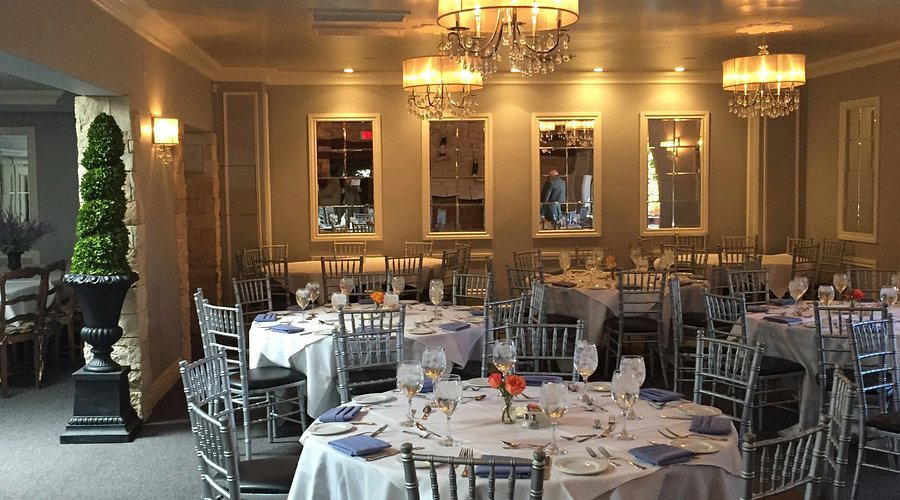
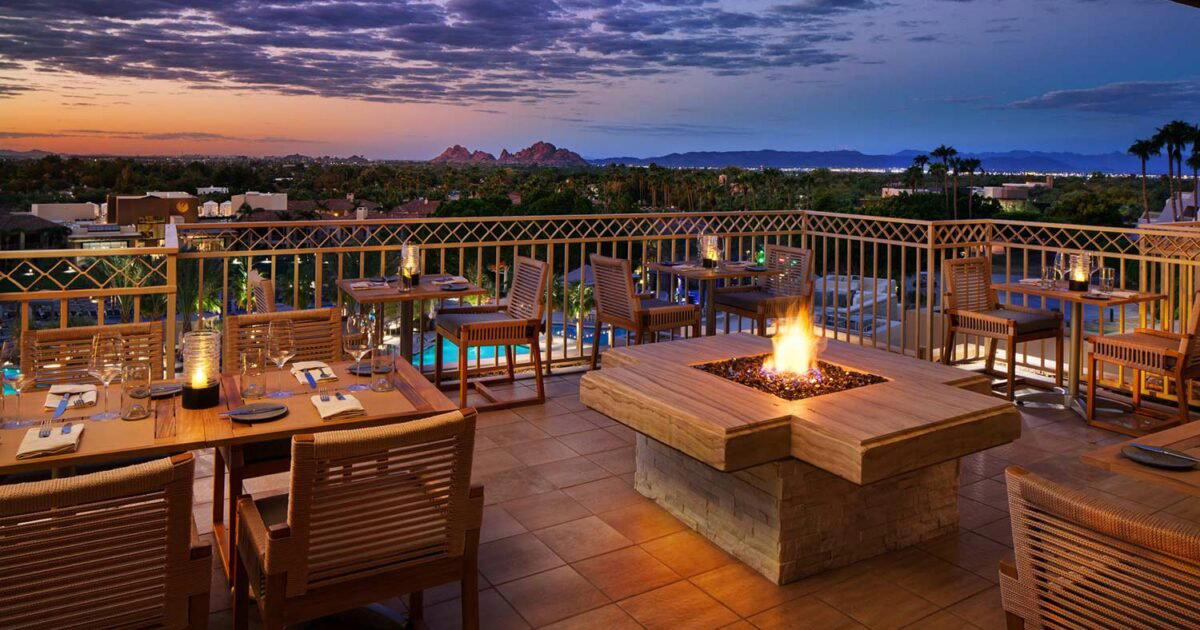
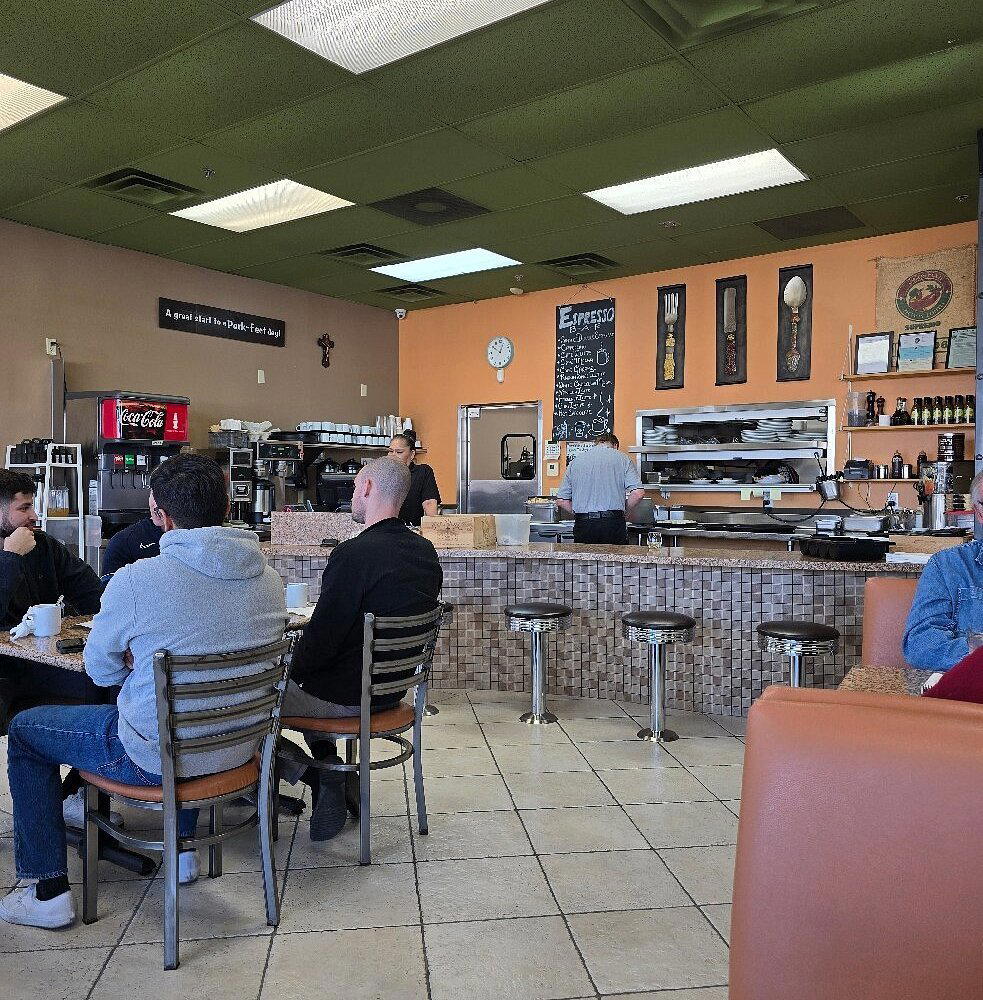
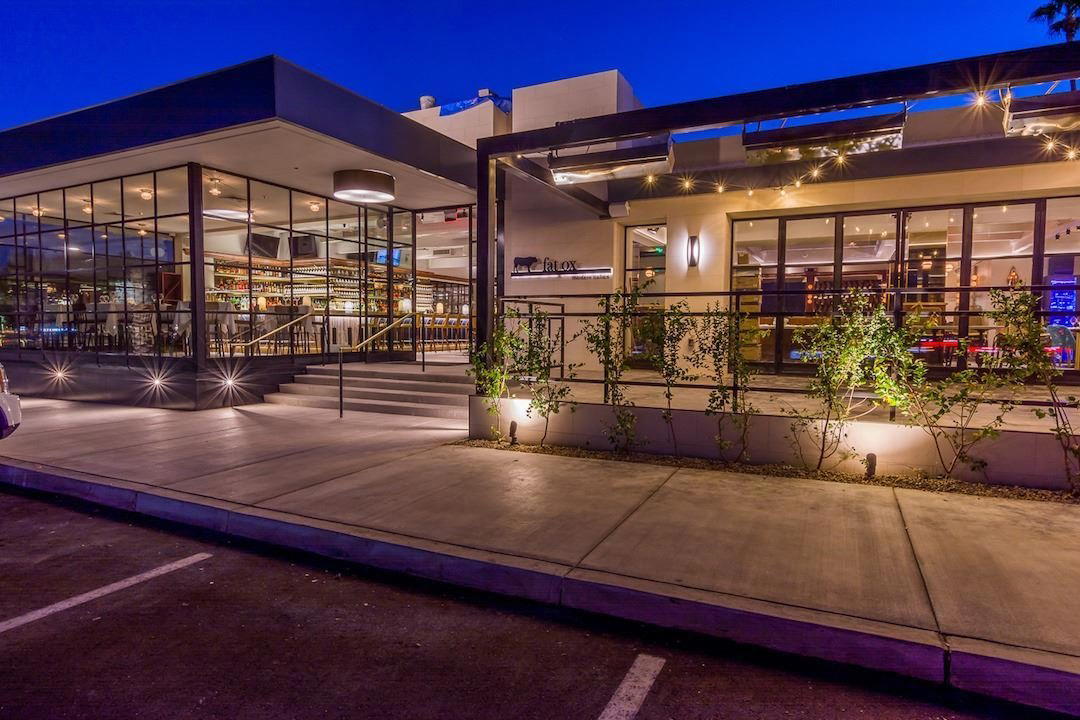

The Sicilian Butcher
The wine
- Wine program
- Curated wine list
- Craft cocktails
Details
- Trendy
- Lively
- Modern
- Group Dining
- Casual Hangout
- Family
- Open Kitchen
- Terrace
- Craft Cocktails
- A La Carte
- Small Plates
- Vegetarian Friendly
- Vegan Options
- Gluten Free Options
Current opening hours
- Monday
- 11 AM–10 PM
- Tuesday
- 11 AM–10 PM
- Wednesday
- 11 AM–10 PM
- Thursday
- 11 AM–10 PM
- Friday
- 11 AM–10:30 PM
- Saturday
- 11 AM–10:30 PM
- Sunday
- 11 AM–10 PM
Hours can change for holidays and private events. Last verified .
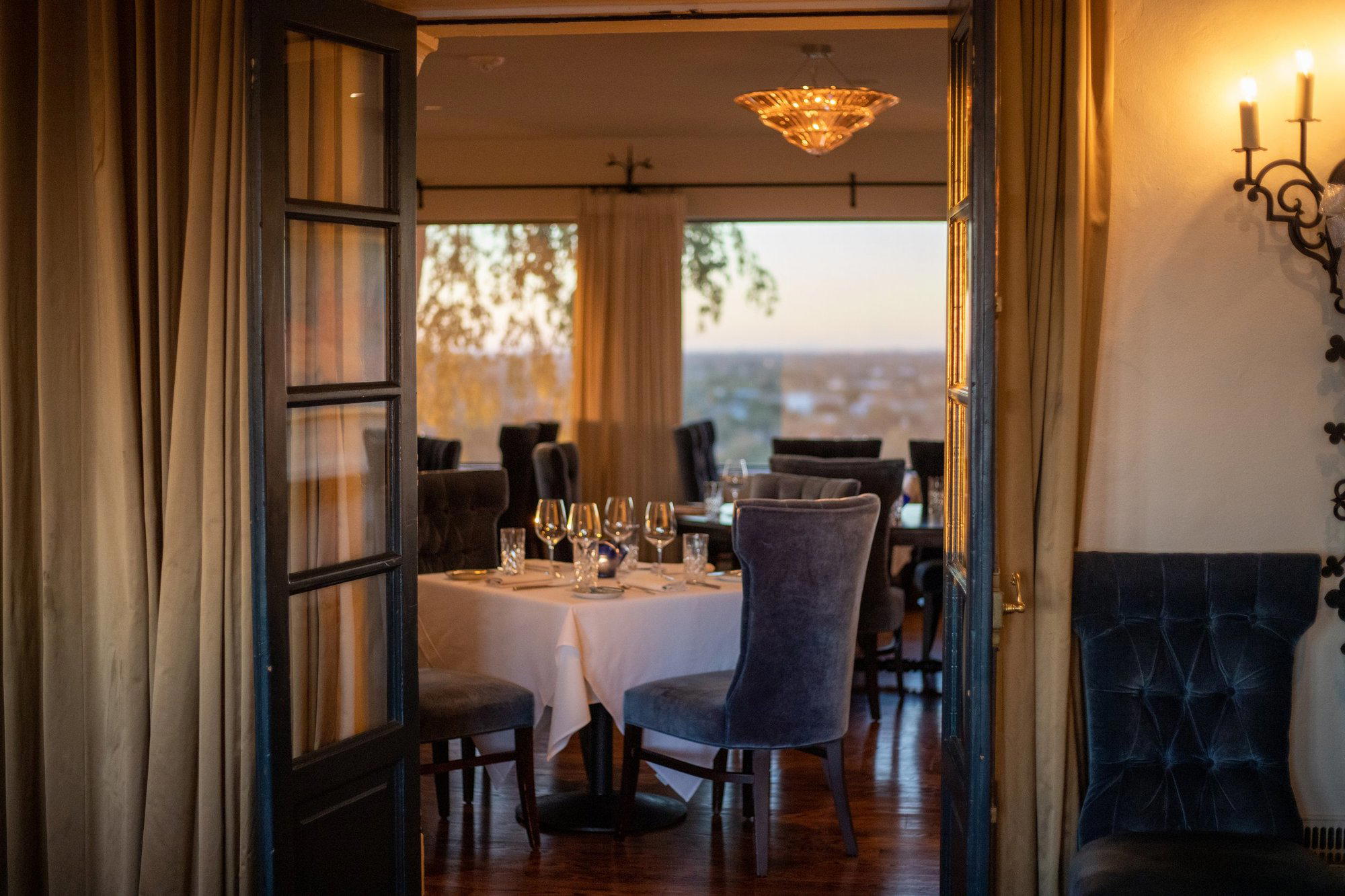
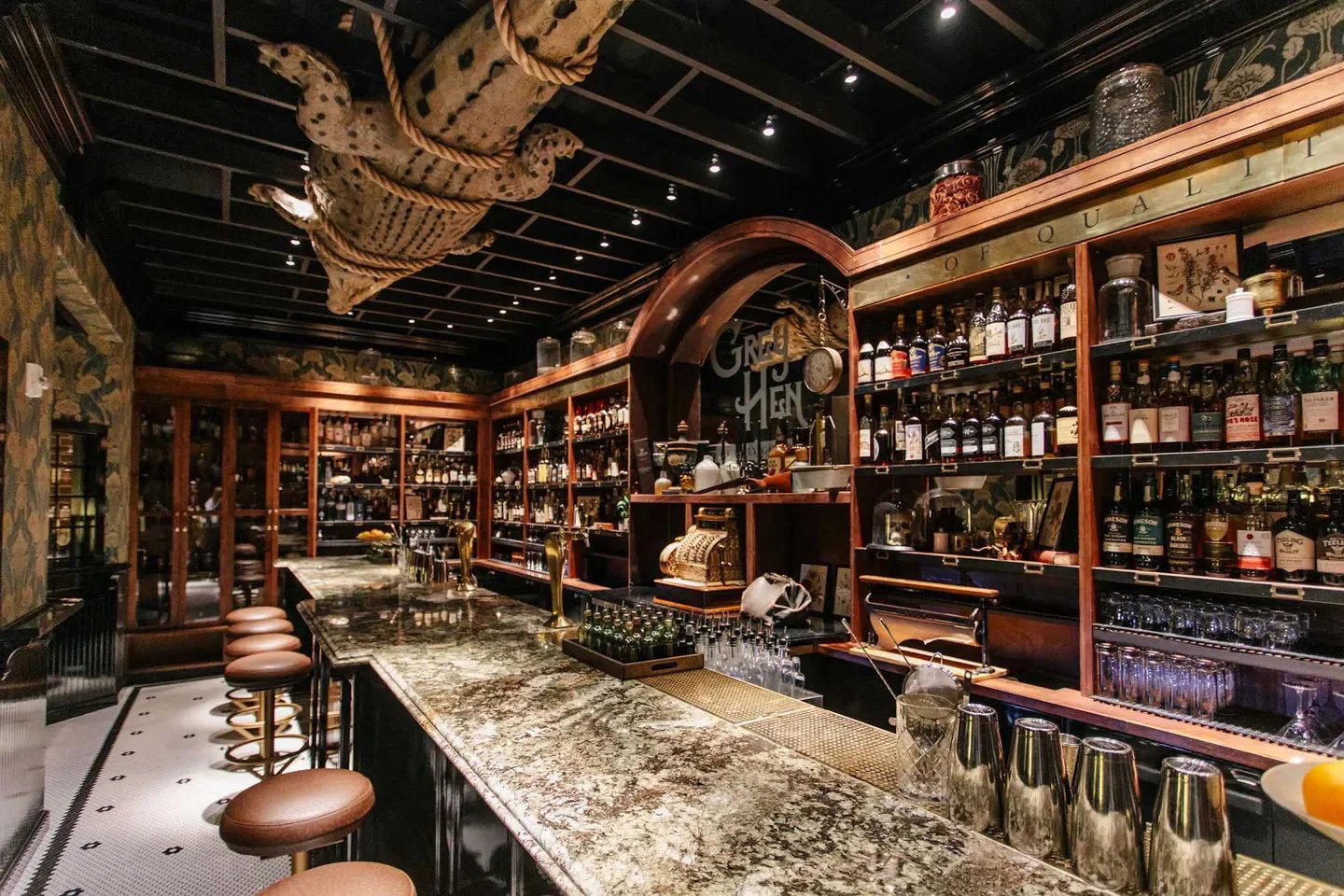
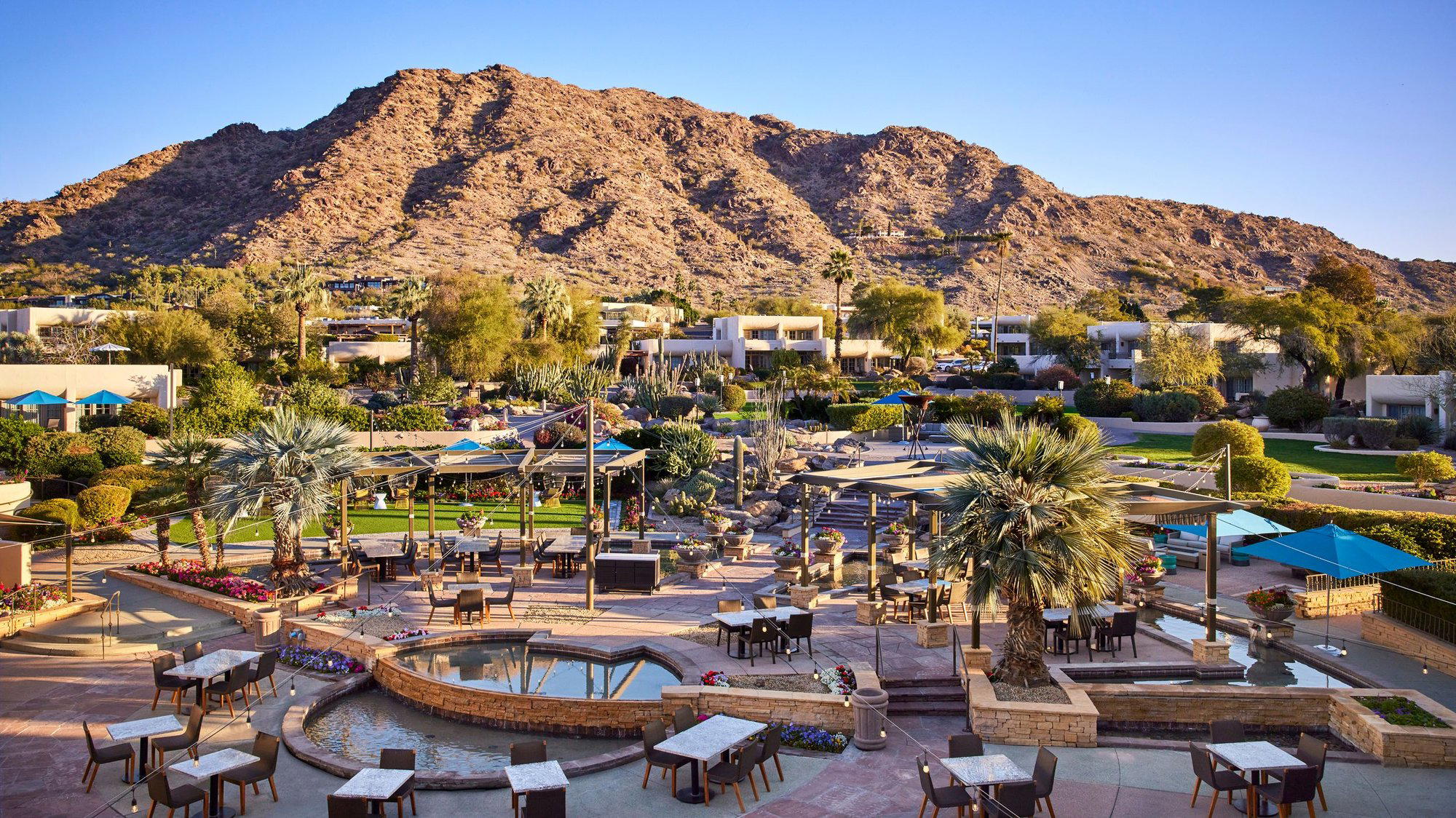
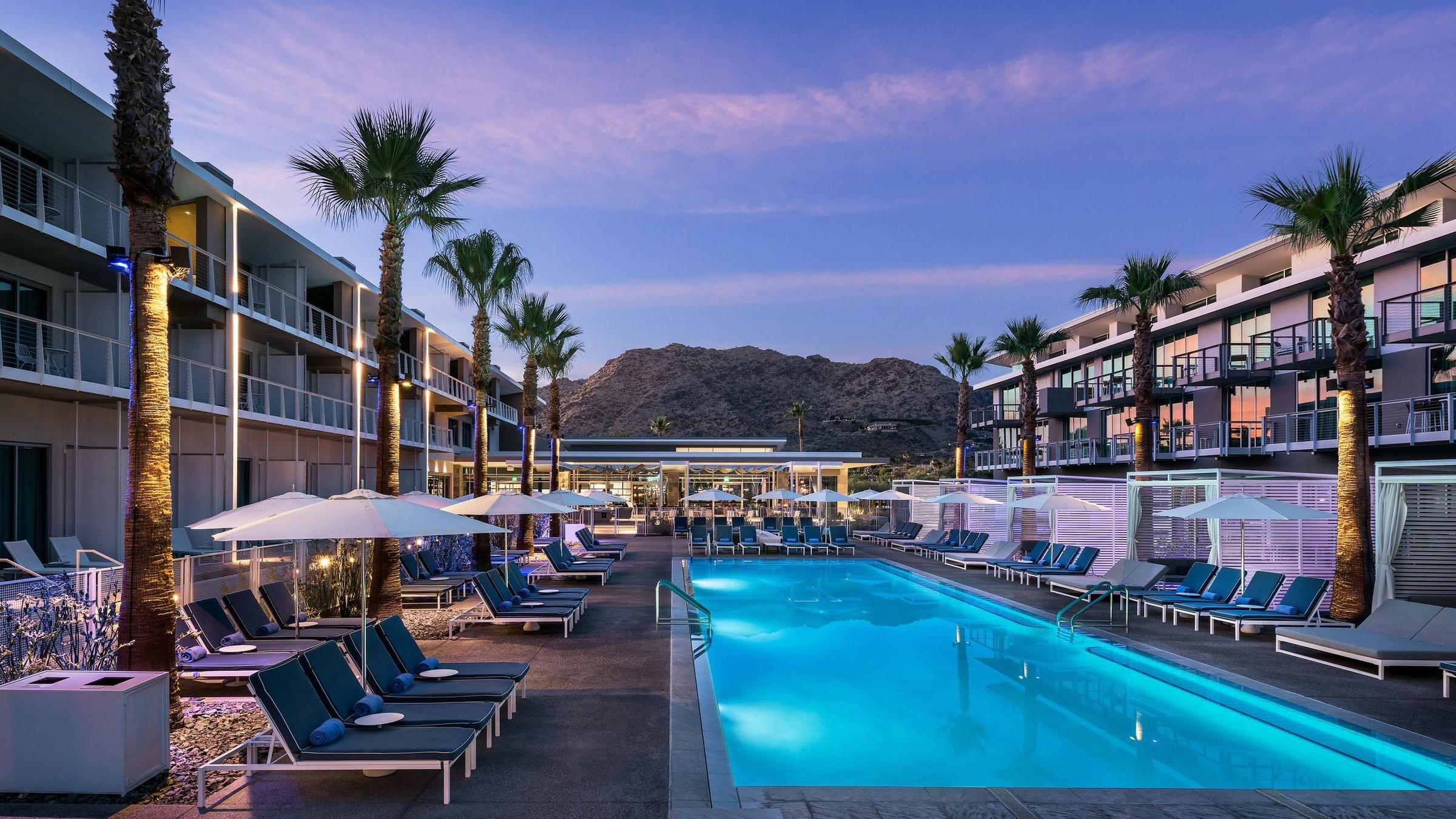
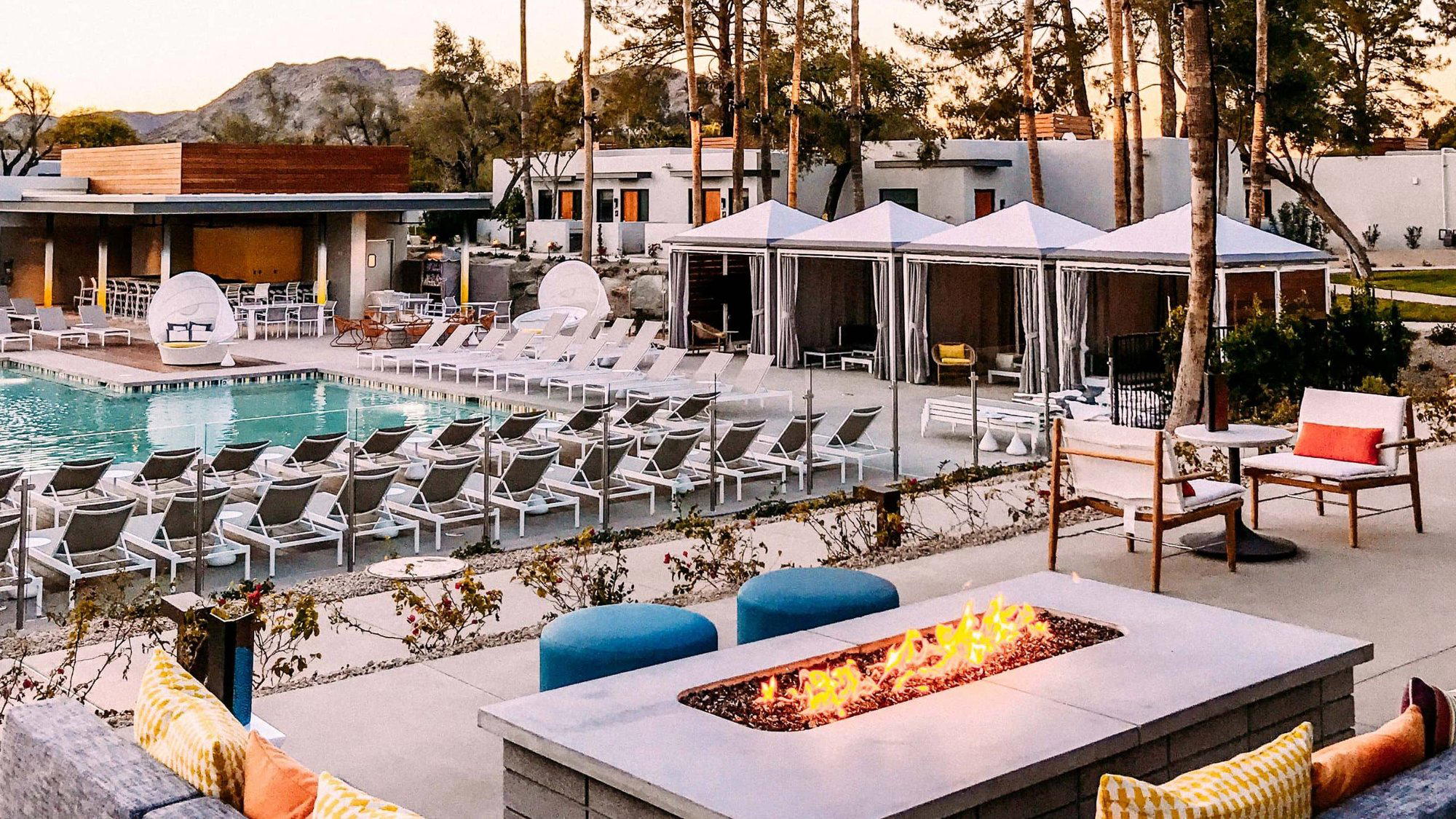
Fun and lively indoor-outdoor space with a garden-like patio and energetic bar area.