
Michelin Plate
Our verdict
The Pine belongs to the quieter side of Shanghai dining: garden-led, reputation-conscious, and removed from the city’s hotel-dining glare. Its recognition references both the manicured garden and the dining experience, which places it in a category where setting and critical reception matter as much as format or chef biography.

Pearl is the En Primeur Club membership app, where members save venues, book tables and use the concierge.
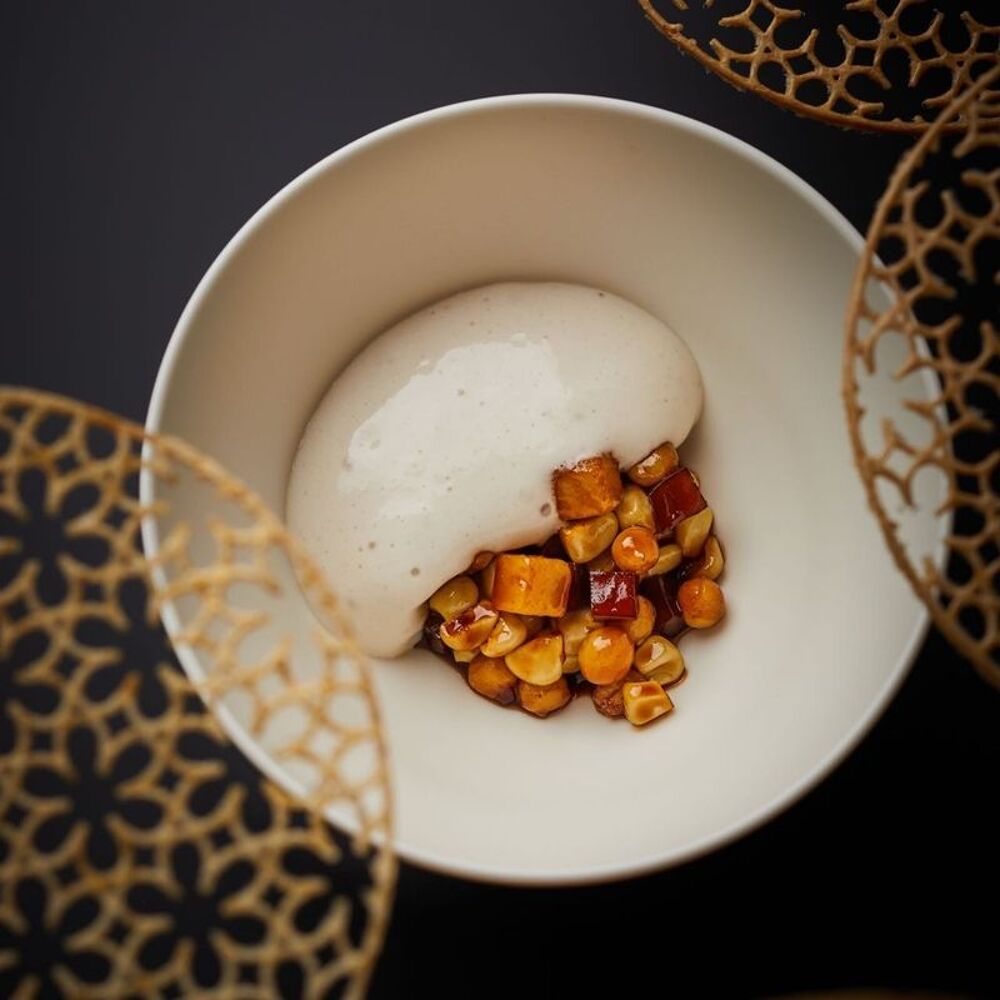
The menu
What to order
- Chargrilled Australian Wagyu
- Coral grouper with Chinese seasonings
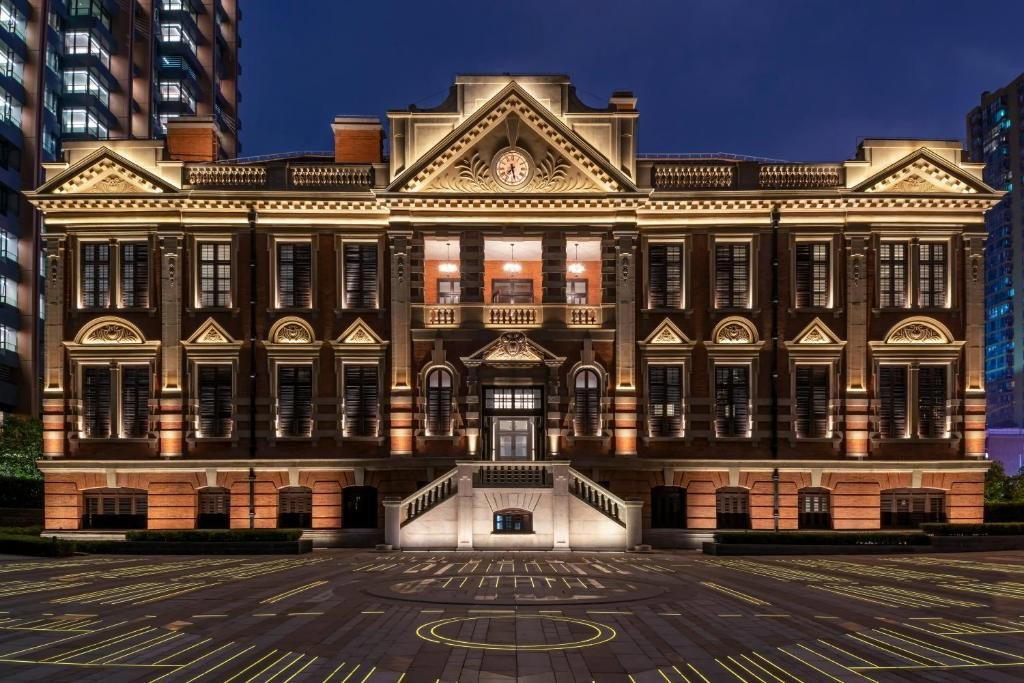
Approach The Pine and the first editorial fact is not a dish, a chef, or a price bracket. It is the garden. Shanghai has plenty of polished dining rooms, but fewer restaurants where the outdoor setting carries enough weight to become part of the critical reputation. Here, the manicured garden is not decorative filler; it is one of the concrete signals attached to the restaurant’s public recognition, and that matters in a city where atmosphere is often treated as a luxury add-on rather than a serious part of the meal.
That places The Pine in a specific Shanghai category: restaurants where the room and approach shape the guest’s expectations before the menu is even discussed. The city’s premium dining scene splits between hotel dining rooms, heritage-style settings, neighbourhood specialists, and imported formats. Shanghai gives restaurants room for a softer kind of theatre than a skyline view alone. The Pine fits that register, where arrival sequence, garden composition, and a sense of removal from traffic become part of the value proposition.
A garden-led Shanghai dining room judged on more than polish
Critical reception around restaurants can be vague unless it points to something measurable or observable. In this case, the recognition attached to The Pine includes a MICHELIN Plate listing, and the public conversation around the restaurant refers to the manicured garden and the dining experience, a useful clue to how the restaurant is being assessed. It is not only being read through cuisine type, chef lineage, or tasting-menu architecture. The setting itself has entered the evaluation.
That distinction is useful for travellers choosing between Shanghai dining formats. A dining room such as 1515 West Chophouse speaks to the city’s hotel-driven international dining lane, while other premium Shanghai restaurants sit in a different kind of vertical luxury, where altitude, business dining, and brand infrastructure frame the meal. The Pine reads closer to Shanghai’s garden-led tradition: less skyline, more enclosure; less corporate spectacle, more spatial control.
Shanghai rewards that kind of restraint when it is executed with discipline. The city’s strongest dining rooms often understand that luxury does not have to announce itself through volume. A garden can slow the pace of a meal before service begins, especially in Shanghai, where certain restaurants can work with approach and threshold rather than only table design. That does not make the restaurant a substitute for a cuisine-led destination, but it does make it relevant for diners who care about how a room changes the tempo of an evening.
Where The Pine sits among Shanghai's premium choices
The smarter comparison is not simply restaurant against restaurant, but format against format. Shanghai’s premium dining offer includes rooms built for business entertaining, restaurants geared to wine and expense-account dining, and smaller independent addresses where identity comes from atmosphere or local fit. Other Shanghai dining rooms point toward the city’s continued appetite for refined, highly composed meals, while the chophouse category remains useful for diners who want a more familiar international script.
The Pine occupies a quieter lane. With no public-facing chef narrative or cuisine label dominating the conversation, its reputation leans on the combined force of setting and experience. That can be an advantage in Shanghai, where a heavily narrated restaurant can feel overdetermined before the first course. It can also require sharper expectations from the diner: choose it for atmosphere-led dining and garden context rather than for a named signature dish or a celebrity-chef storyline.
For visitors building a wider Shanghai itinerary, the restaurant makes more sense as part of a city-aware plan than as a standalone trophy booking. Shanghai pairs naturally with slower evenings, gallery time, and hotel bars rather than a rushed transfer between unrelated reservations. For broader planning, use Our full Shanghai restaurants guide, Our full Shanghai hotels guide, Our full Shanghai bars guide, Our full Shanghai wineries guide, and Our full Shanghai experiences guide to avoid treating the city as a sequence of isolated reservations.
The right reader decision: atmosphere first, trophies second
The case for The Pine is strongest when the meal is judged as a composed Shanghai evening rather than a chef-led pilgrimage. Its MICHELIN Plate recognition gives it a trust signal, but the more interesting editorial point is how that recognition reflects the city’s maturing taste for restaurants with controlled environments. In a dining market crowded with luxury shorthand, physical calm has become a competitive asset.
That does not mean every traveller should prioritise it. Diners seeking a clearly defined cuisine category, published chef story, or highly legible price tier may find other formats easier to evaluate before committing. Those comparing different regional dining styles across China, or contrasting international formats in other cities, may find clearer signals elsewhere. The Pine’s appeal is narrower and more atmospheric: it asks to be considered through setting, mood, and the way the restaurant frames an evening.
Read in Shanghai terms, The Pine is a restaurant for guests who value environmental authorship: the garden, the pause, the sense that a meal can be staged without becoming theatrical. Its recognition gives that reading credibility. The rest of the decision comes down to what kind of Shanghai night is being built.
Frequently asked questions
Where is The Pine located?
The Pine is located in Shanghai.
Has The Pine won any awards?
The Pine has received MICHELIN Plate recognition.
Do they take walk-ins at The Pine?
No walk-in policy is listed for The Pine, so it makes sense to plan ahead rather than assume same-day seating.
What is The Pine known for?
The Pine is known for the manicured garden referenced in its public recognition, a detail that shapes the room’s appeal in Shanghai.
A Quick Peer Check
Side-by-side context: comparable cuisine and price.
| Venue | Cuisine | Price | Awards | Notes |
|---|---|---|---|---|
| The PineThis venue (the venue you are viewing) | Chinese-style French Fine Dining | $200–300 | Michelin Plate | Not listed |
| 1515 West Chophouse | Classic American Steakhouse | $100–150 | Michelin Plate · Wine Spectator Best of Award of Excellence | Steakhouse |
| Café Liang | International Buffet | $30–50 | Not listed | Not listed |
| Jing'an Shangri La 1515 West Chophouse & Bar | American Steakhouse | $100–150 | Star Wine List | Not listed |
| Tsuru | Japanese Kaiseki and Sushi | Not listed | Not listed | Not listed |
| Calypso Restaurant & Lounge | Modern Mediterranean & Italian with Neapolitan Pizza | $50–100 | Not listed | Not listed |
Recognition history
Dated appearances from independent guides and award organizations, with the underlying list record or original source where available.
Michelin Plate
Michelin
Continue exploring
More in Shanghai
Restaurants in Shanghai
All restaurants in Shanghai →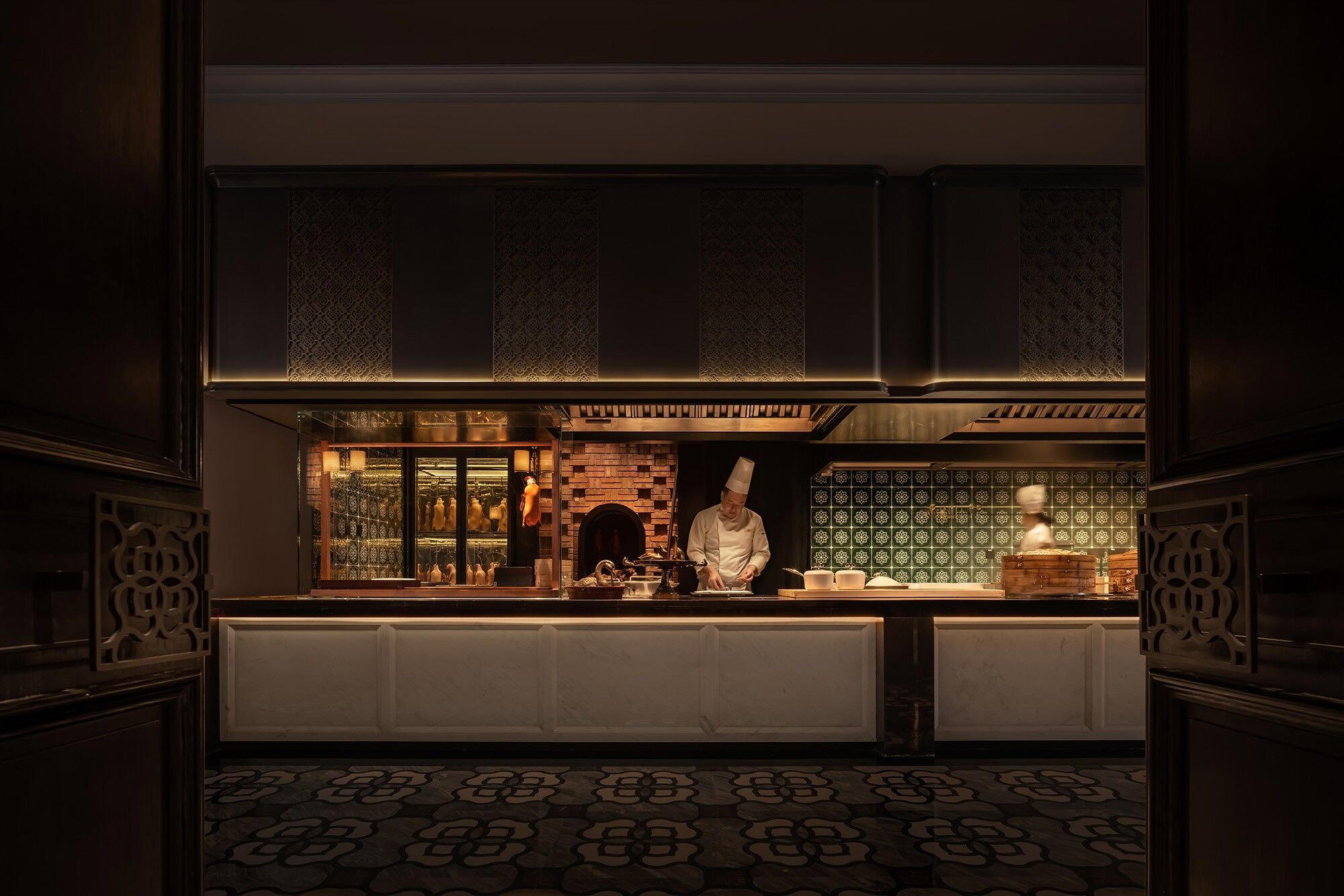
Bars in Shanghai
All bars in Shanghai →

Details
- Elegant
- Romantic
- Intimate
- Sophisticated
- Modern
- Date Night
- Special Occasion
- Business Dinner
- Group Dining
- Celebration
- Solo
- Design Destination
- Standalone
- Private Dining
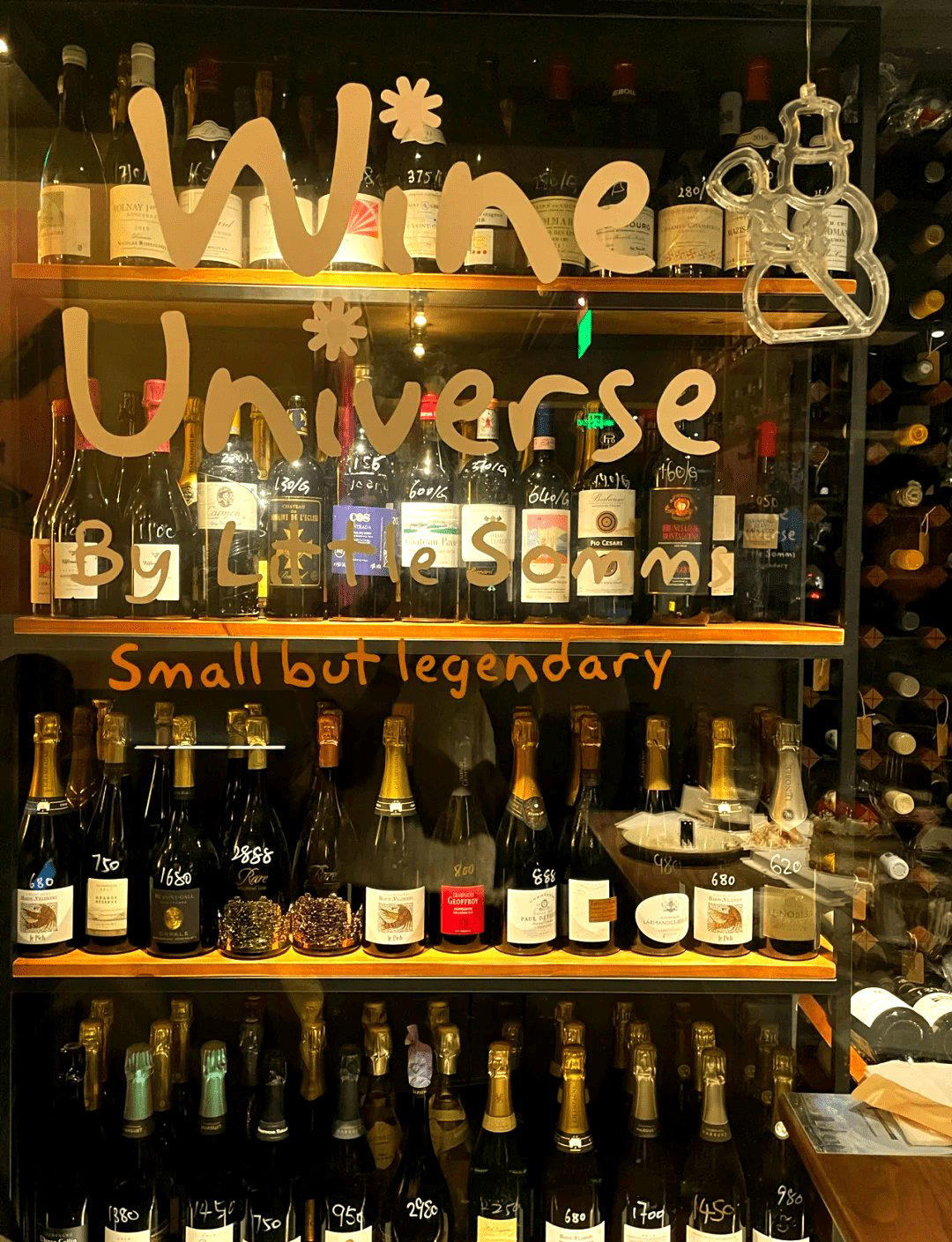
- Extensive Wine List
- Local Sourcing
- Tasting Menu
- Set Menu
- Wine
- Cocktails
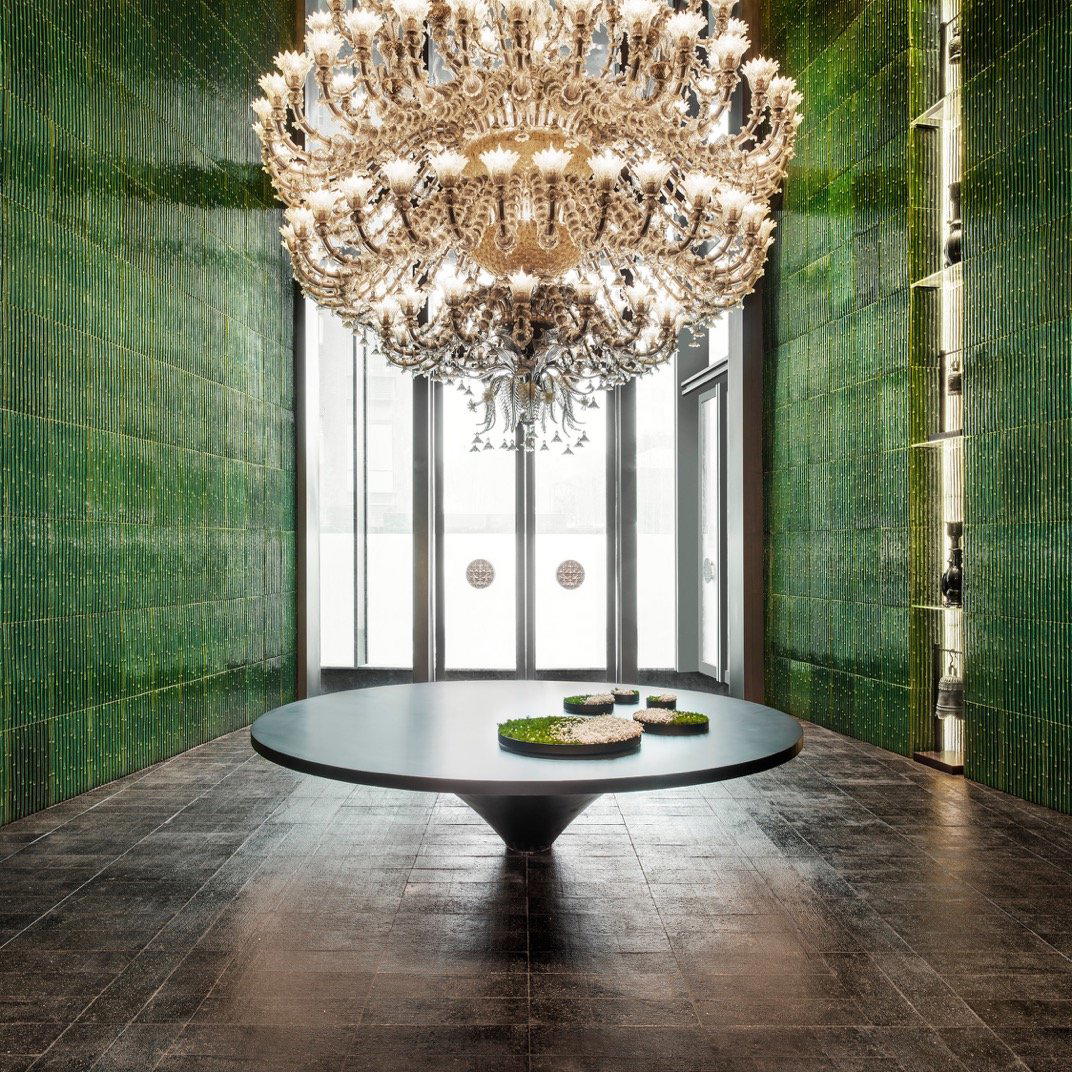
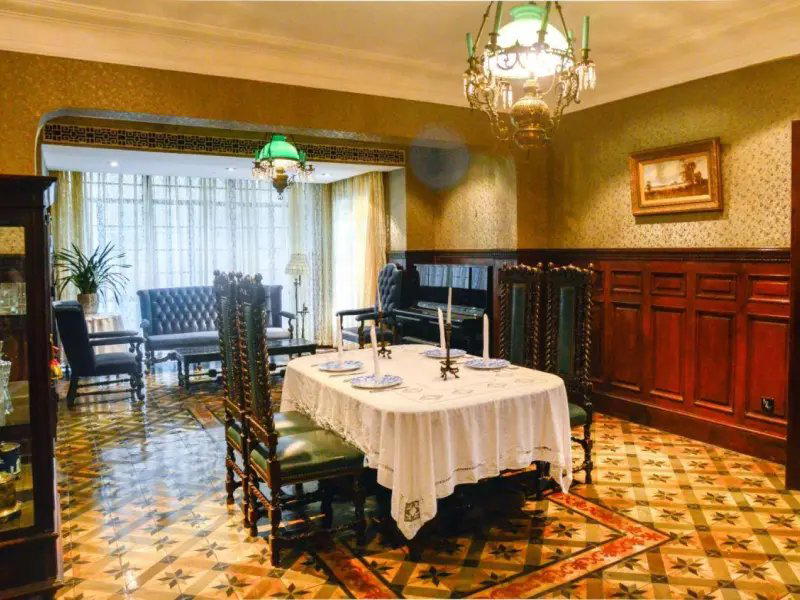
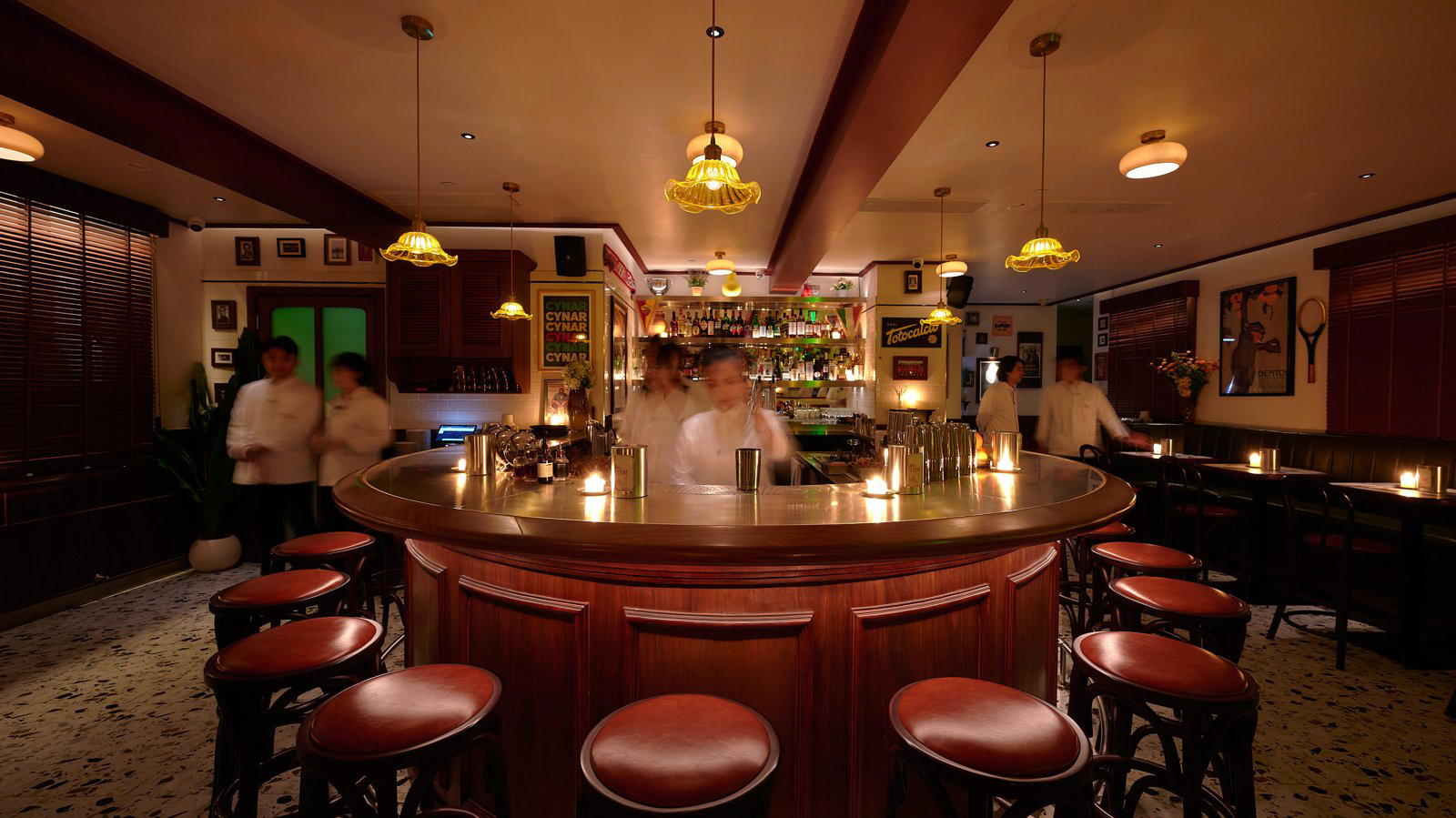
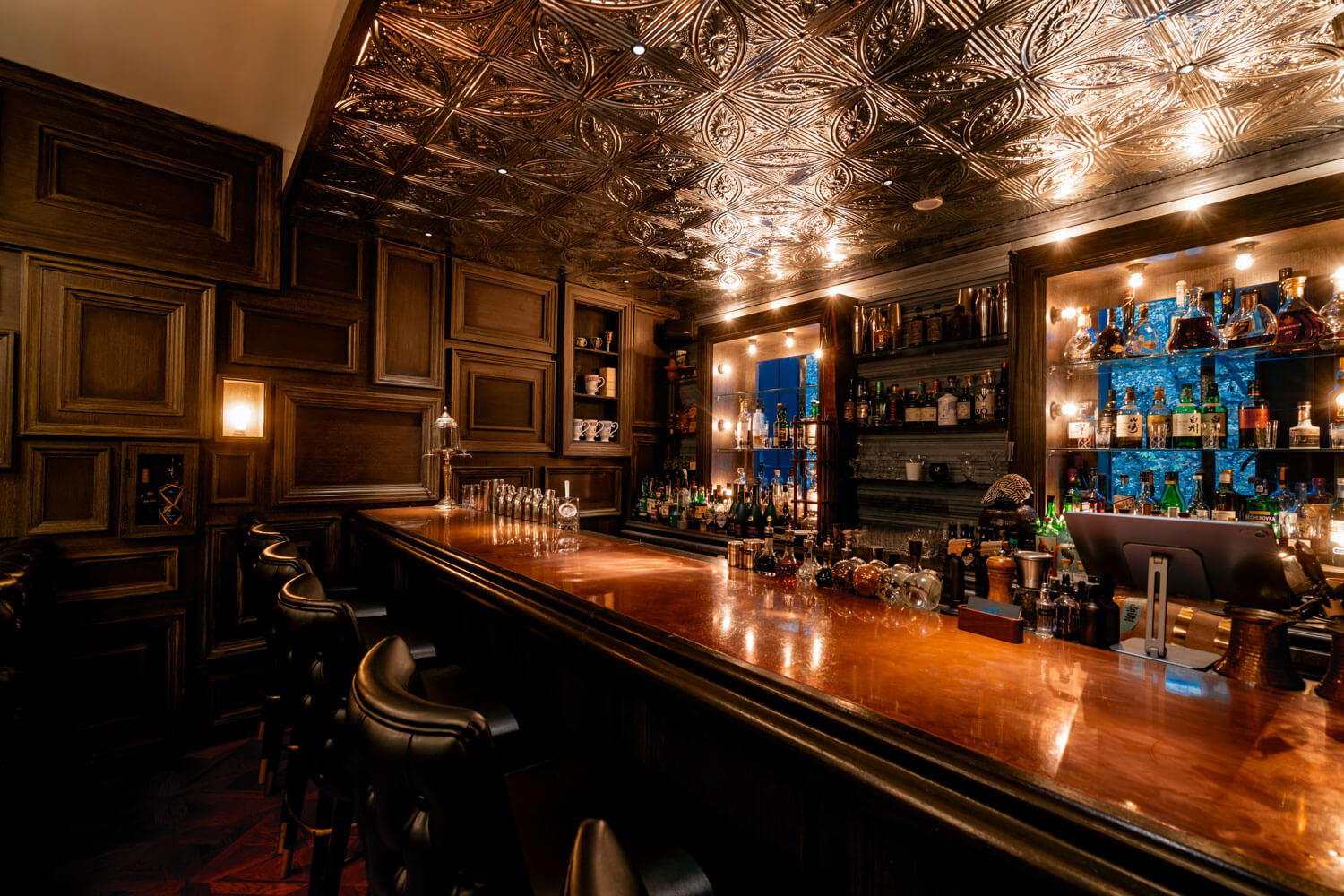
Elegant, softly lit dining rooms spread over multiple floors of a restored garden villa, with pink‑orange velvet walls, retro patterned chairs, and warm fixtures creating a feminine, intimate, and refined atmosphere suited to date nights and special occasions.