Our verdict
Café Liang sits in Jing’an, a district where Shanghai’s everyday dining culture meets hotel dining rooms, office lunches, and polished shopping-mall restaurants. With no public awards or chef-led tasting-menu narrative attached, its interest lies less in trophy dining than in how a central Shanghai café format can function inside the city’s practical, social rhythm.

Pearl is the En Primeur Club membership app, where members save venues, book tables and use the concierge.
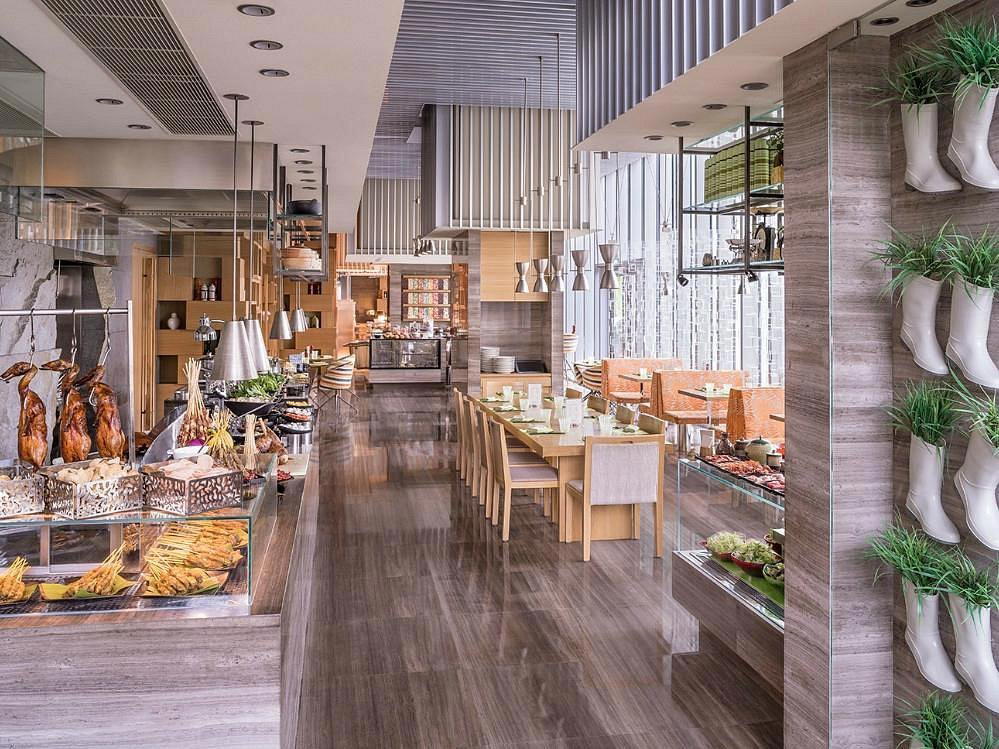
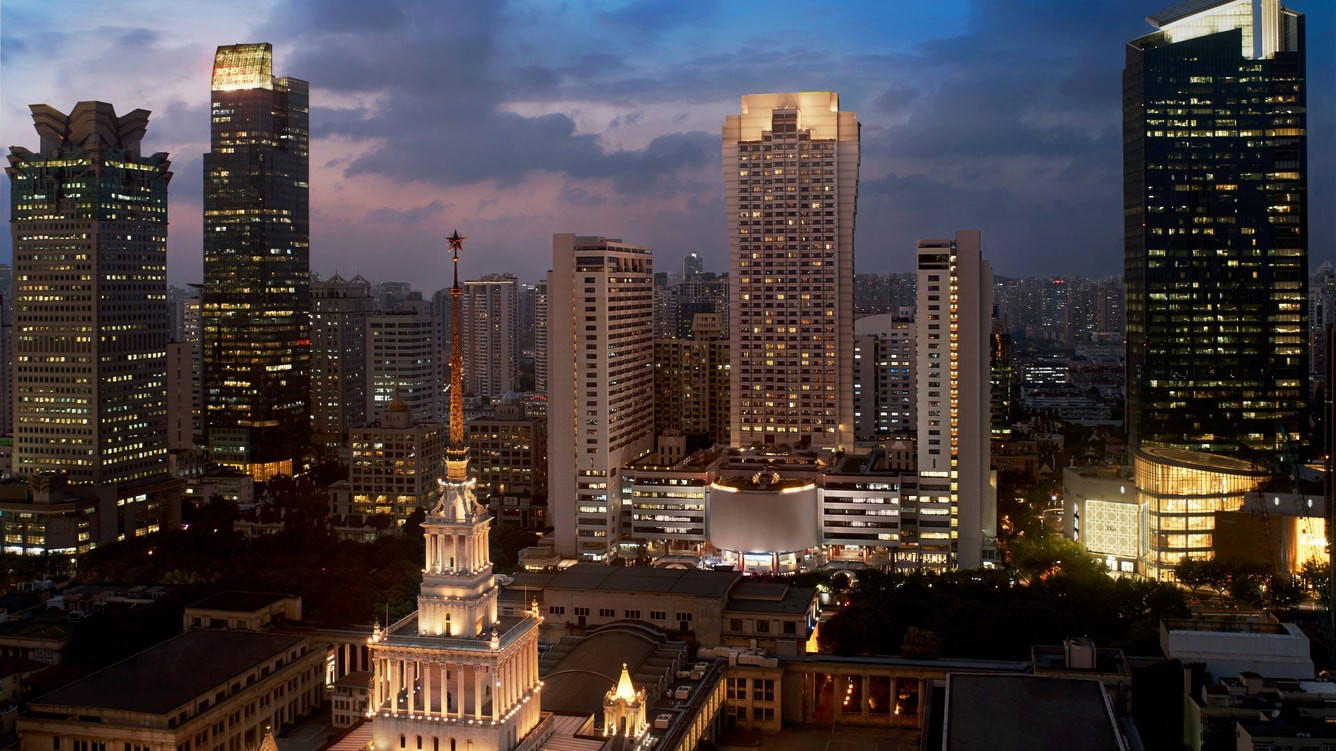
Shanghai changes register quickly: office towers, retail corridors, and older residential lanes press against one another, so dining here often serves several audiences at once. A café in Shanghai is not automatically a coffee stop or a pastry counter; it can be a neutral meeting room, a light-meal option, a family fallback, or a pause between appointments. Café Liang belongs to that practical urban category, where the value is measured by setting, convenience, and fit within the day rather than by a chef biography or destination-restaurant framing.
That matters in Shanghai because the city’s dining culture has always been hybrid. Formal meals and regional restaurants remain central, but much of the city eats in formats built around speed, comfort, and social flexibility. Shanghai intensifies that mix. A single day can move from premium steakhouse dining to casual cafés, from regional formality to polished all-day rooms. In that context, Café Liang reads as part of the city’s connective tissue: not necessarily the grand occasion table, but the kind of place that helps a dense dining city work.
Shanghai's café culture is built around timing, not ceremony
Shanghai café culture has taken on a specific civic role. It absorbs meetings that are too informal for a dining room, lunches that need to stay light, and family stops where a rigid tasting-menu format would be the wrong tool. This is especially clear in Shanghai, where dining demand comes from office schedules, shopping routes, and hotel guests as much as from destination restaurant traffic.
The comparison set nearby shows how segmented the city has become. 1515 West Chophouse represents the premium steakhouse lane, while other Shanghai dining rooms point toward banquet, private-room, or more formal restaurant grammar. A café format sits differently: lower ceremony, more elastic pacing, and a room that can plausibly handle a solo pause, a two-person meeting, or a family break without turning the meal into an event.
Café Liang should be read through that lens. Without needing a chef-specific narrative to explain it, the editorial question is not whether it competes with Shanghai’s trophy dining rooms. It is whether it fits the everyday premium map of Shanghai, where location and usability carry weight. For readers building a broader itinerary, Our full Shanghai restaurants guide gives the wider restaurant frame, while Our full Shanghai hotels guide helps place meals against where visitors are likely to stay.
Where a café format fits beside Shanghai's regional restaurants
Shanghai rewards diners who understand category before choosing a table. Formal restaurants often trade on technique, service rhythm, and private-room polish. Regional dining brings a different structure: shared plates, recognizable flavor profiles, and a stronger sense of culinary identity. Steakhouses operate through sourcing, wine lists, and clubby rooms. A café, by contrast, is judged by how well it handles transition points in the day.
That makes Café Liang useful as part of a dining sequence rather than as the anchor of a Shanghai food trip. A day might run from a café stop in Shanghai to a more formal dinner, a bar later in the evening, or a regional meal elsewhere in the city. For adjacent planning, Our full Shanghai bars guide, Our full Shanghai wineries guide, and Our full Shanghai experiences guide map the city beyond the restaurant reservation.
The wider China dining map also helps clarify the point. Across the country, many restaurants point to cities where regional identity drives the table. Shanghai’s café layer is different: it reflects a metropolis that often eats between categories.
The right expectation for Café Liang
The sensible approach is to treat Café Liang as a Shanghai convenience play with cultural relevance, rather than forcing it into a destination-restaurant frame. That is not a criticism. Shanghai needs rooms that work between the serious meals, especially in a city where visitors and locals are often moving between offices, retail, hotels, and transport links.
Readers seeking a high-ceremony dinner should compare it against more formal Shanghai choices, including 1515 West Chophouse or other dining rooms built around a bigger occasion. Readers studying how casual formats travel can also look at how lower-ceremony dining in other cities carries cultural meaning without imitating fine dining. Café Liang’s role is quieter: it sits inside Shanghai’s daily-use dining structure, where the city’s appetite for convenience, polish, and social flexibility becomes visible.
Frequently asked questions
Is Café Liang good for families?
Café Liang in Shanghai is best understood as a casual café setting rather than a formal dining room. Families considering it should check current service details directly with the venue.
How would you describe the vibe at Café Liang?
The vibe is café-first and urban, with a format that suits lower-ceremony use more than a dress-up dinner venue. In Shanghai, that kind of room fits the city’s daytime pace.
What's the address for Café Liang?
Café Liang is located in Shanghai.
What do critics highlight about Café Liang?
The appeal is its fit within Shanghai’s café culture: a place framed around practical city use rather than ceremony. Its Shanghai location gives it value as a practical city stop.
Can Café Liang accommodate dietary restrictions?
No specific accommodation details are listed for Café Liang, so dietary needs should be handled directly with the venue. In Shanghai, the menu structure and current kitchen practice matter more than the café label.
Budget and Context
Comparable venues by cuisine and price in the same metro.
| Venue | Cuisine | Price | Awards | Notes |
|---|---|---|---|---|
| Café LiangThis venue (the venue you are viewing) | International Buffet | $30–50 | Not listed | Not listed |
| 1515 West Chophouse | Classic American Steakhouse | $100–150 | Michelin Plate · Wine Spectator Best of Award of Excellence | Steakhouse |
| Jing'an Shangri La 1515 West Chophouse & Bar | American Steakhouse | $100–150 | Star Wine List | Not listed |
| Tsuru | Japanese Kaiseki and Sushi | Not listed | Not listed | Not listed |
| Calypso Restaurant & Lounge | Modern Mediterranean & Italian with Neapolitan Pizza | $50–100 | Not listed | Not listed |
| Nan Xing Yuan | Elevated Sichuan Banquet Cuisine | $150–200 | Michelin Plate · Black Pearl 1 Diamond | Sichuan |
Continue exploring
More in Shanghai
Restaurants in Shanghai
All restaurants in Shanghai →
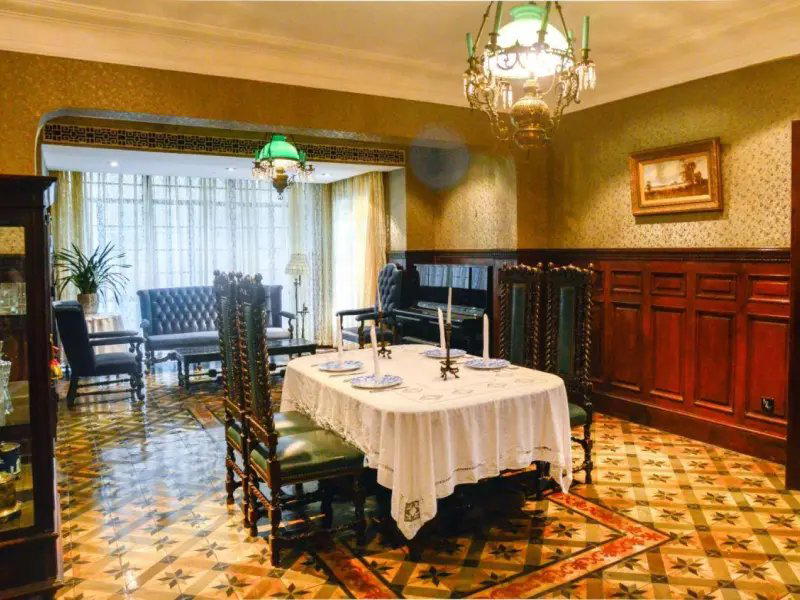
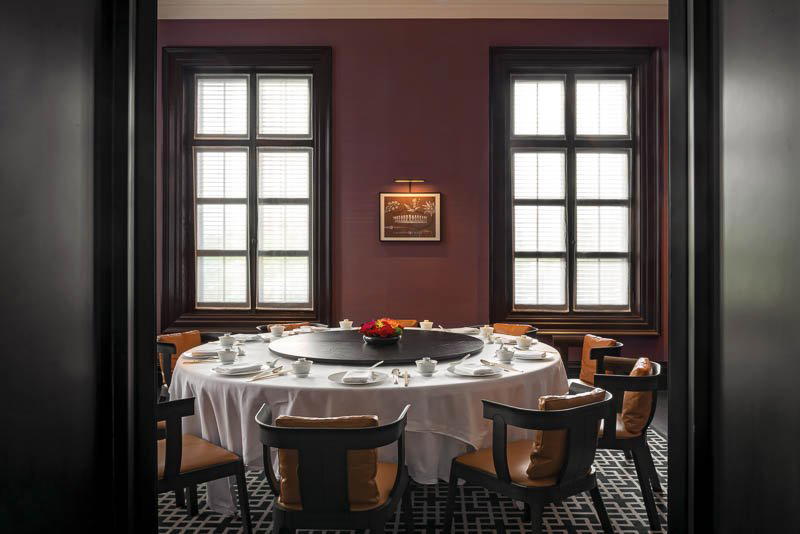
Bars in Shanghai
All bars in Shanghai →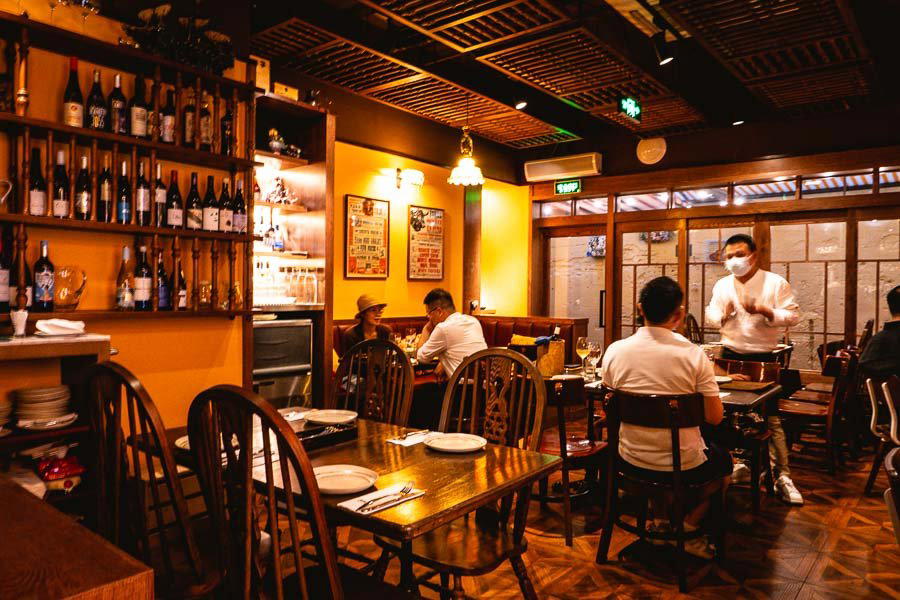
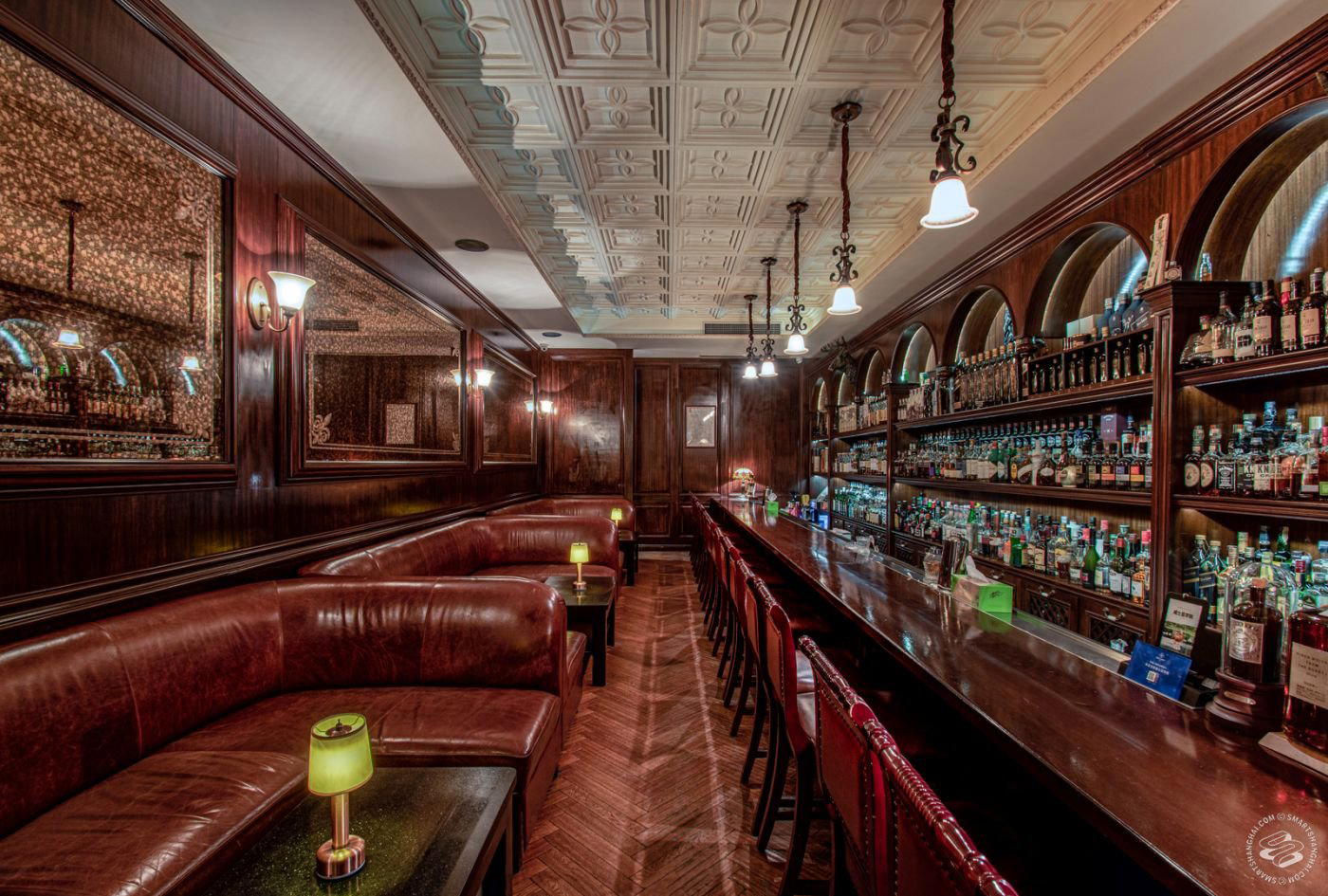
Details
- Modern
- Elegant
- Sophisticated
- Lively
- Family
- Group Dining
- Brunch
- Casual Hangout
- Business Dinner
- Terrace
- Hotel Restaurant
- Beer Program
- Street Scene
- Buffet
- A La Carte
- Coffee
- Tea
- Soft Drinks
- Vegetarian Friendly
- Gluten Free Options
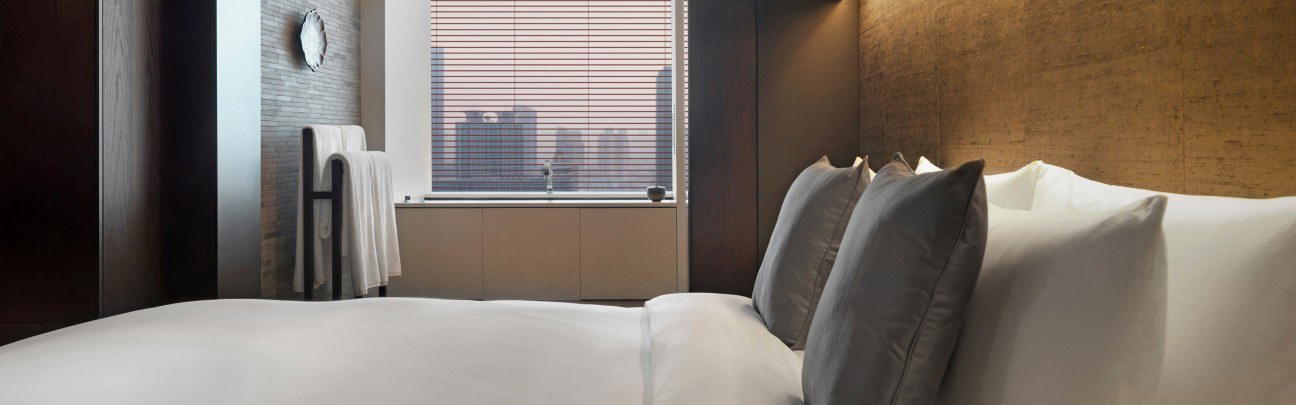
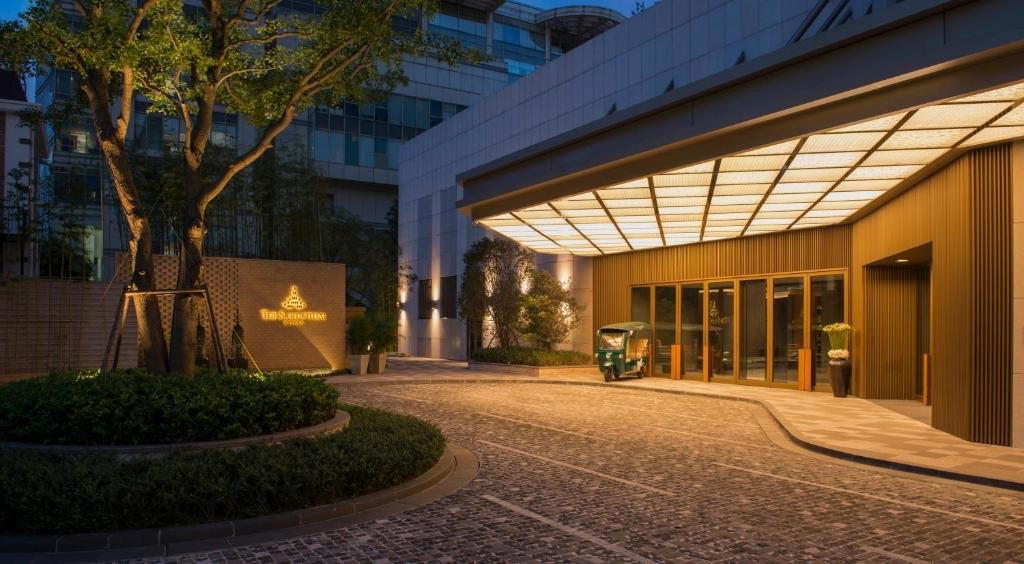
A polished hotel-buffet setting with a modern luxury feel, varied food stations, and a bright terrace option in warmer months.