The Parlour
Our verdict
Set on a farm outside Fakenham in North Norfolk, The Parlour operates in a part of England where the distance between field and plate is sometimes measured in yards rather than miles. The broader Norfolk food scene has long traded on its agricultural and coastal credentials, and Abbey Farm's address places The Parlour squarely inside that tradition. Visitors to this corner of the county will find it worth cross-referencing with our full Fakenham restaurants guide.

Pearl is the En Primeur Club membership app — saves, bookings, and concierge access live there. Same editors, same standards.
- Address
- Abbey Farm, Warham Rd, Fakenham NR21 0DQ, United Kingdom
- Phone
- +441328830796
- Hours
- Mon ClosedTue–Fri 10 AM–4 PMSat–Sun 9 AM–4 PM
- Website
- theparlourbinham.co.uk
- Directions
- Get directions
- Booking
- Book on SevenRooms
The menu
What to order
- Parlour Full English breakfast
- Parlour platter
- Kedgeree
Farm Address, Agricultural Tradition
North Norfolk has spent the better part of two decades building a credible food identity around what its land and coastline actually produce: crabs from Cromer, mussels from Brancaster, samphire from the salt marshes, heritage grains from the inland farms. The region's better kitchens have moved away from treating local sourcing as a marketing point and toward treating it as a structural constraint — the menu follows what the season permits, not the other way around. The Parlour, addressed at Abbey Farm on Warham Road outside Fakenham, sits within that tradition by virtue of its location alone. A working farm setting is not decorative in this part of the world; it is a statement about where the supply chain begins.
Fakenham sits roughly at the centre of a triangle formed by the North Norfolk coast to the north, the Broads to the east, and the agricultural heartland pushing south toward King's Lynn. It is not a dining destination in the way that, say, Bray or Cartmel has become — Waterside Inn in Bray and L'Enclume in Cartmel have reshaped visitor itineraries around a single table. Fakenham draws visitors through the broader appeal of Norfolk rather than through restaurant gravity. That context matters when reading The Parlour: it operates in a town where the competition for serious dining spend is limited, which places a premium on what a farm-adjacent setting can credibly offer that a high street venue cannot.
What a Farm Setting Signals
Across Britain, the farm-to-table format has split into two distinct camps. The first is the country house kitchen that sources from nearby farms but remains architecturally and operationally separate from agricultural land. The second is the rarer case where the dining venue is embedded within or directly adjacent to a working farm, compressing the supply chain to its minimum. Moor Hall in Aughton and Le Manoir aux Quat'Saisons in Oxford both operate kitchen gardens that feed their menus, though at a level of institutional investment that places them in a different tier entirely. The Parlour's Abbey Farm address suggests the latter model, proximity to primary production rather than a supply relationship managed at arm's length.
In Norfolk specifically, this carries weight. The county produces some of England's highest-quality arable crops, free-range poultry, and game. The farms around Fakenham and the Walsingham corridor have supplied London restaurants for years; the argument for eating closer to source is direct when the source is this close. Venues that can credibly claim the farm as part of their address, rather than as a supplier listed in small print on the menu, occupy a different position in the ingredient-sourcing conversation.
The Broader Norfolk Dining Context
Norfolk does not have a Michelin-starred restaurant concentration comparable to, say, the Home Counties corridor that runs from Bray through to the Cotswolds. Regionally, the serious dining options are spread thinly. Midsummer House in Cambridge is the closest two-star operation to this part of East Anglia, sitting roughly sixty miles to the south. That relative scarcity means venues operating at a considered level in Norfolk, whatever their format or price point, draw from a wider geographic catchment than their equivalents in more densely starred regions.
The comparison set for The Parlour is therefore not determined by award tier but by format and sourcing philosophy. Rural British dining venues that centre their identity on agricultural provenance, from Gidleigh Park in Chagford in Devon to Ynyshir Hall in Machynlleth in mid-Wales, share a logic with what a farm-addressed venue in North Norfolk is attempting, even where the execution and ambition differ considerably. The question for any such venue is whether the sourcing story translates into what arrives at the table, or whether the farm address functions as atmosphere rather than as ingredient supply.
Atmosphere and Approach
Arriving at a working farm in rural Norfolk is a particular kind of experience. The approach roads through this part of the county are characteristically flat, bordered by hedgerows, with the sky taking up more of the visual field than the land. Abbey Farm's position outside Fakenham means the approach is genuinely agricultural rather than cosmeticised, this is not a manicured estate but a working address. That distinction shapes what a visitor expects before they walk through the door, and it frames the dining experience as something embedded in the land rather than placed on top of it.
The parlour format itself, as a dining concept, carries specific connotations in the British tradition: domestic scale, informality relative to a formal restaurant, a sense of being admitted to a private space rather than seated in a public one. What is consistent with the format and location is that the experience is likely to feel removed from the rhythms of town-centre dining, this is not somewhere you arrive at by accident.
Planning a Visit
Fakenham is accessible by road from Norwich in approximately forty minutes, and from King's Lynn in around thirty. The nearest rail connection is Norwich, from which a car or taxi is required for the remaining distance. Given the rural location at Abbey Farm on Warham Road, driving is the practical default for most visitors. For those combining the visit with the broader North Norfolk coast, Wells-next-the-Sea sits roughly six miles north, Holt a similar distance to the northeast, The Parlour makes geographic sense as part of a longer day rather than a standalone trip from a distance. Booking ahead is advisable for any farm-based venue with limited covers, though specific booking channels were not available at the time of writing. Our full Fakenham restaurants guide covers the wider dining context for planning a day or overnight visit to this part of Norfolk.
For readers calibrating this against other rural British dining experiences: the venues operating at the upper end of the farm-sourcing format in the UK include Hand and Flowers in Marlow, Restaurant Sat Bains in Nottingham, hide and fox in Saltwood, and 33 The Homend in Ledbury. At the international end of ingredient-sourcing rigour, Le Bernardin in New York City and Atomix in New York City demonstrate how sourcing philosophy can anchor a restaurant's entire identity. Within the UK's regional Michelin tier, Opheem in Birmingham, Restaurant Andrew Fairlie in Auchterarder, and The Glenturret Lalique in Crieff offer reference points for what a location-rooted dining identity can achieve at a recognised level. And for London's own take on British ingredient sourcing at the highest tier, CORE by Clare Smyth remains the clearest benchmark.
Frequently asked questions
Would The Parlour be comfortable with kids?
The farm setting at Abbey Farm, Warham Road gives The Parlour an inherently relaxed physical environment — open agricultural space tends to suit families more readily than formal dining rooms.
What is the atmosphere like at The Parlour?
The Parlour sits on a working farm outside Fakenham, which shapes the tone immediately: arrival via North Norfolk's narrow rural roads and the agricultural surroundings set expectations well before you reach the door. Farm-premises venues in this part of the county typically run at an unhurried pace, with the physical setting doing considerable atmospheric work.
Is The Parlour at Abbey Farm open year-round, and do I need to book ahead for a visit to Fakenham?
Farm-based venues in North Norfolk frequently operate on seasonal or event-specific schedules rather than fixed weekly hours, meaning availability can vary considerably across the year. Prospective visitors travelling to Fakenham from Norwich (approximately forty minutes by road) or King's Lynn (around thirty minutes) should verify current opening arrangements before making the journey.
What dish is The Parlour famous for?
No specific signature dish is documented for The Parlour. The Abbey Farm address in North Norfolk places it within a region historically associated with crab, samphire, and estate-reared meat, but attributing particular menu items to this venue without confirmation would be speculative.
Where is The Parlour in Fakenham?
The Parlour is located at Abbey Farm, Warham Rd, Fakenham NR21 0DQ, United Kingdom, Fakenham.
How hard is it to get a table at The Parlour?
No booking data, reservation window, or capacity figures are available for The Parlour at Abbey Farm. Farm-premises venues in rural Norfolk often operate on seasonal schedules or limited sittings, which can make availability less predictable than a conventional restaurant.
What has The Parlour built its reputation on?
The Parlour's positioning at Abbey Farm on Warham Road places it within North Norfolk's broader farm-provenance food movement, a regional identity built on traceable sourcing and agricultural connection rather than formal awards or chef celebrity.
A Quick Peer Check
Comparable venues nearby, for context on price, style, and recognition.
| Venue | Cuisine | Price | Awards | Notes |
|---|---|---|---|---|
| The ParlourThis venue — the venue you are viewing | British Farm Cafe | $20–30 | Not listed | Not listed |
| The Kitchen | British and European | Not listed | Relais Chateaux Award | Walthamstow Village |
| Eric's Fish & Chips | Traditional British Fish & Chips with Modern European Influence | $10–20 | Not listed | Thornham |
| The Highland Laddie | Modern British Gastropub | $30–50 | Not listed | Burley |
| Forts Café | Modern British Brunch Cafe | $10–20 | Not listed | Cliftonville |
| North Sea | Traditional British Fish & Chips | $20–30 | Not listed | St Pancras |
Details
- Cozy
- Rustic
- Scenic
- Brunch
- Casual Hangout
- Family
- Historic Building
- Courtyard
- Beer Program
- Farm To Table
- Local Sourcing
- Garden
- A La Carte
- Vegetarian Friendly
- Vegan Options
- Gluten Free Options
Current opening hours
- Monday
- Closed
- Tuesday
- 10 AM–4 PM
- Wednesday
- 10 AM–4 PM
- Thursday
- 10 AM–4 PM
- Friday
- 10 AM–4 PM
- Saturday
- 9 AM–4 PM
- Sunday
- 9 AM–4 PM
Hours can change for holidays and private events. Last verified .
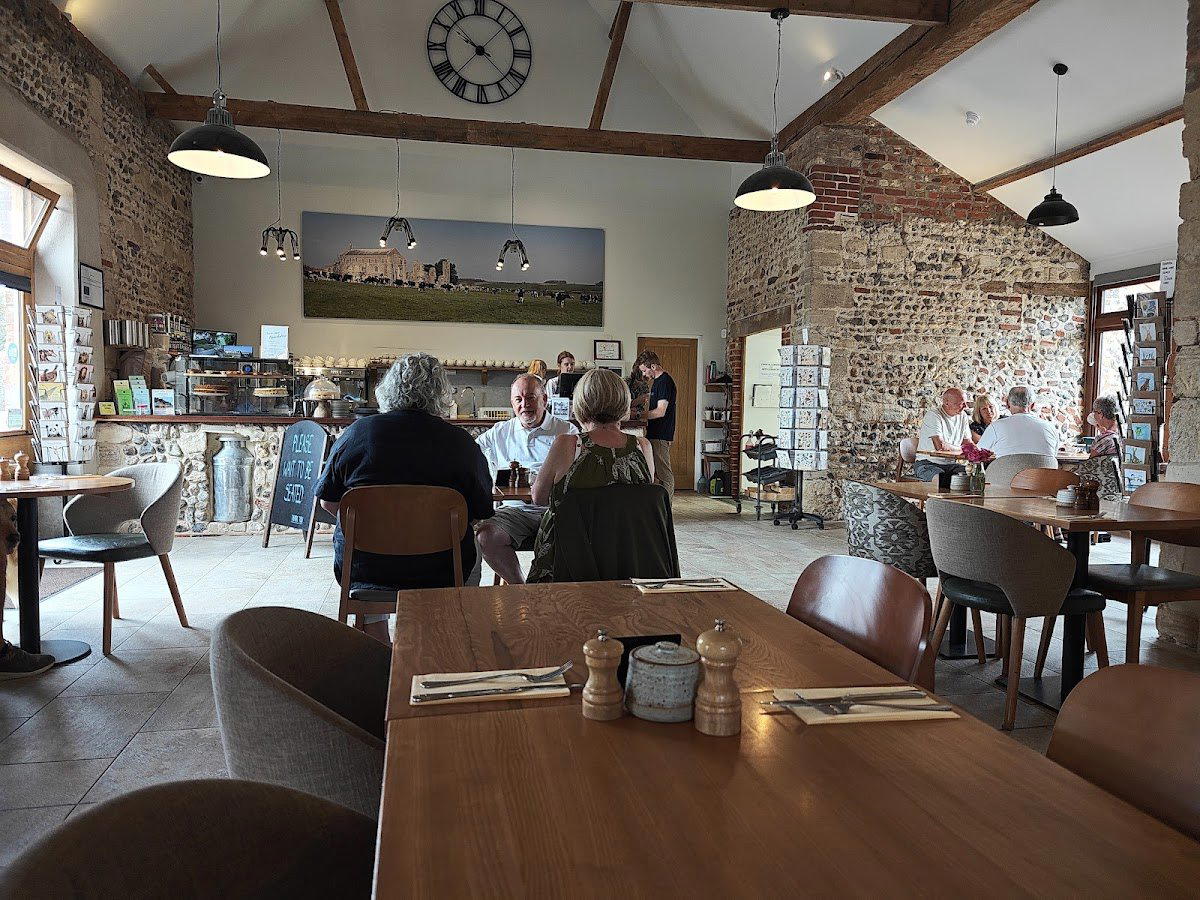
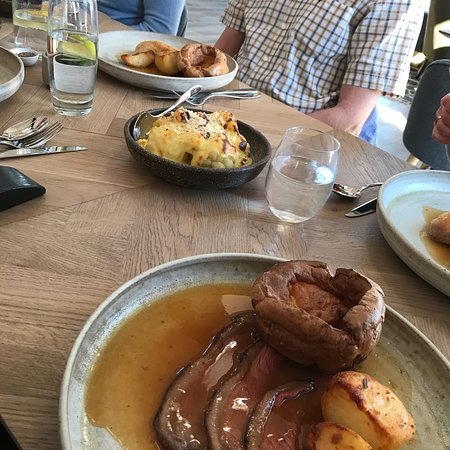
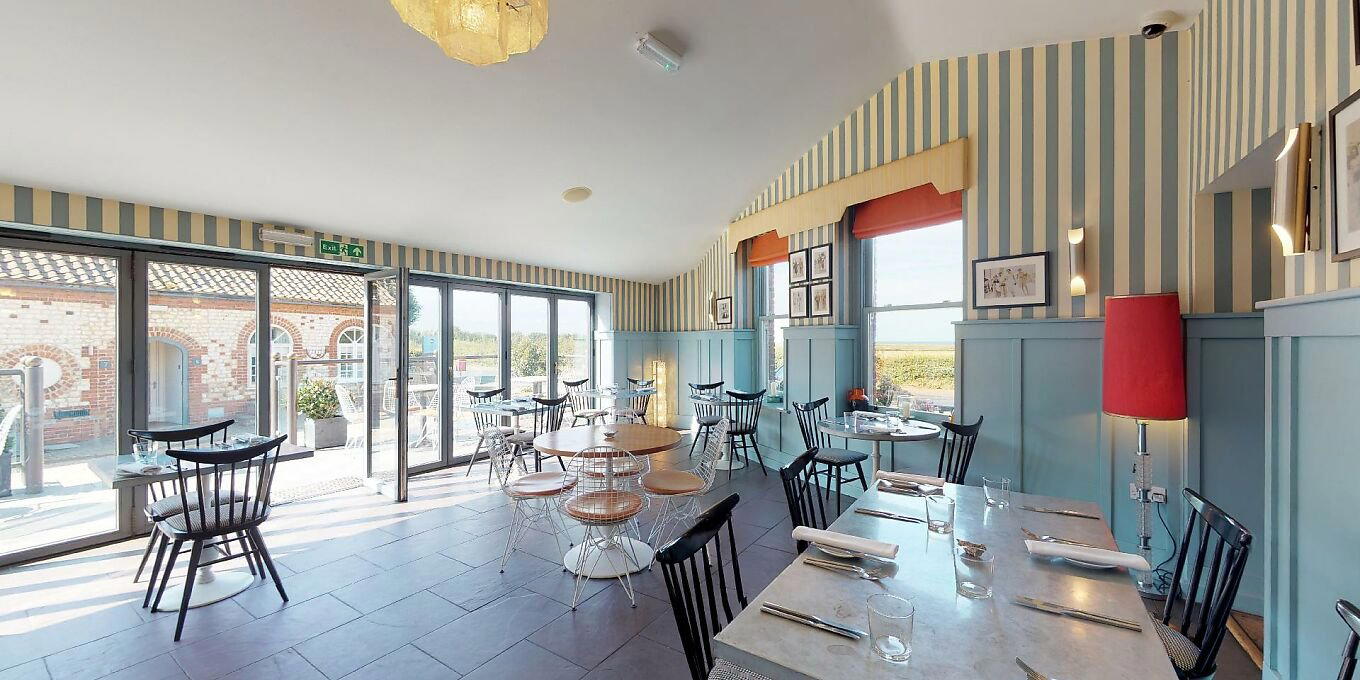
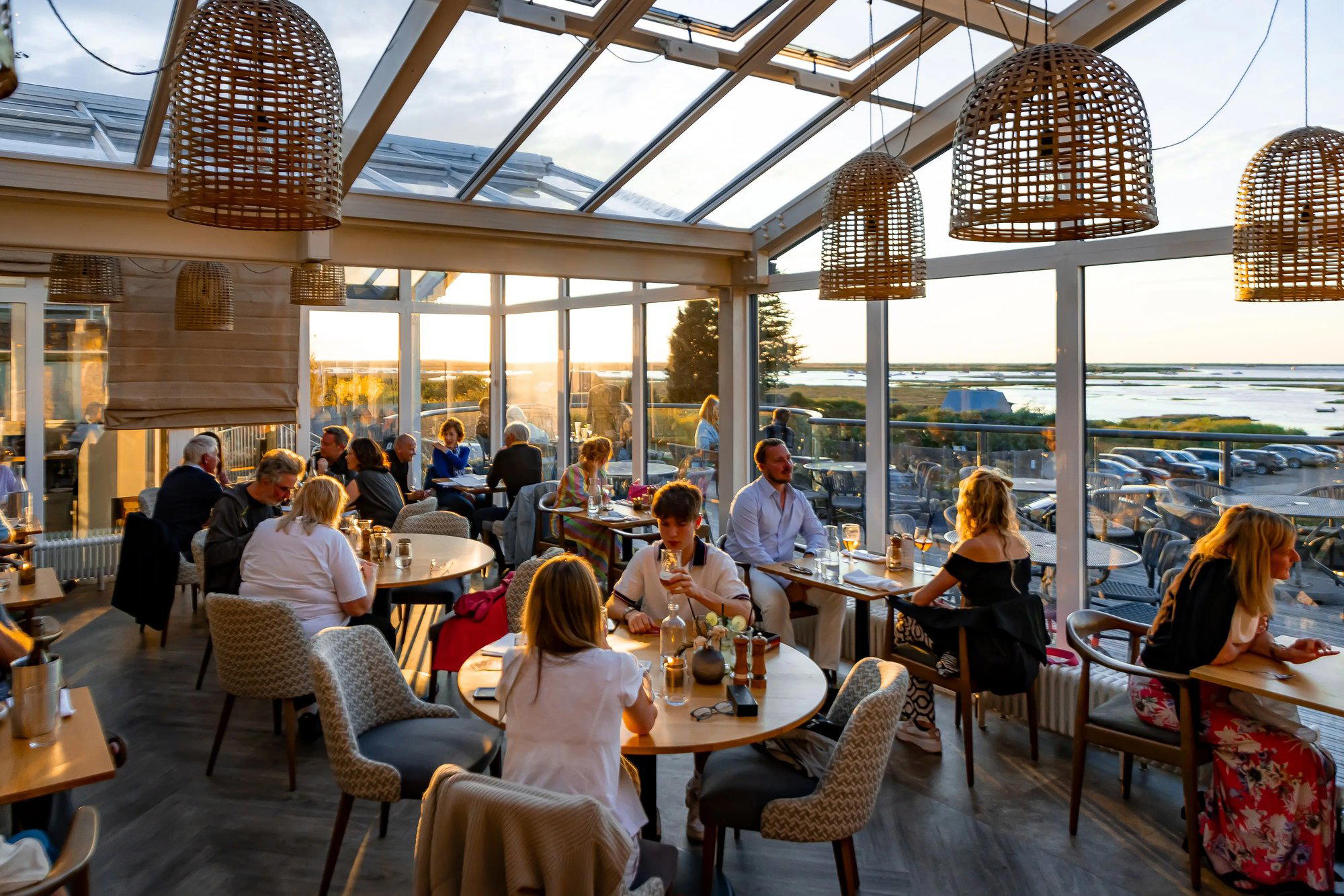
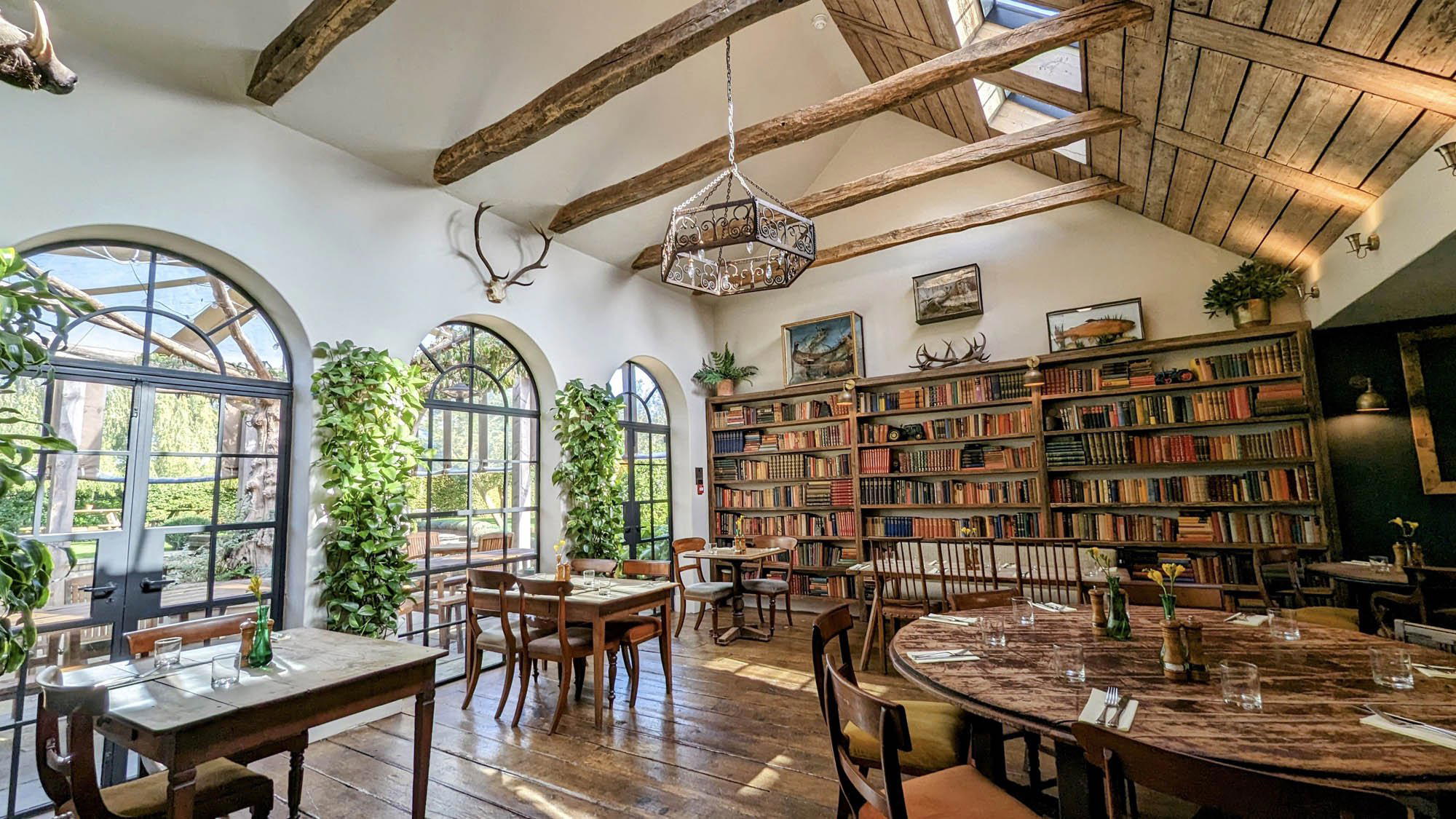
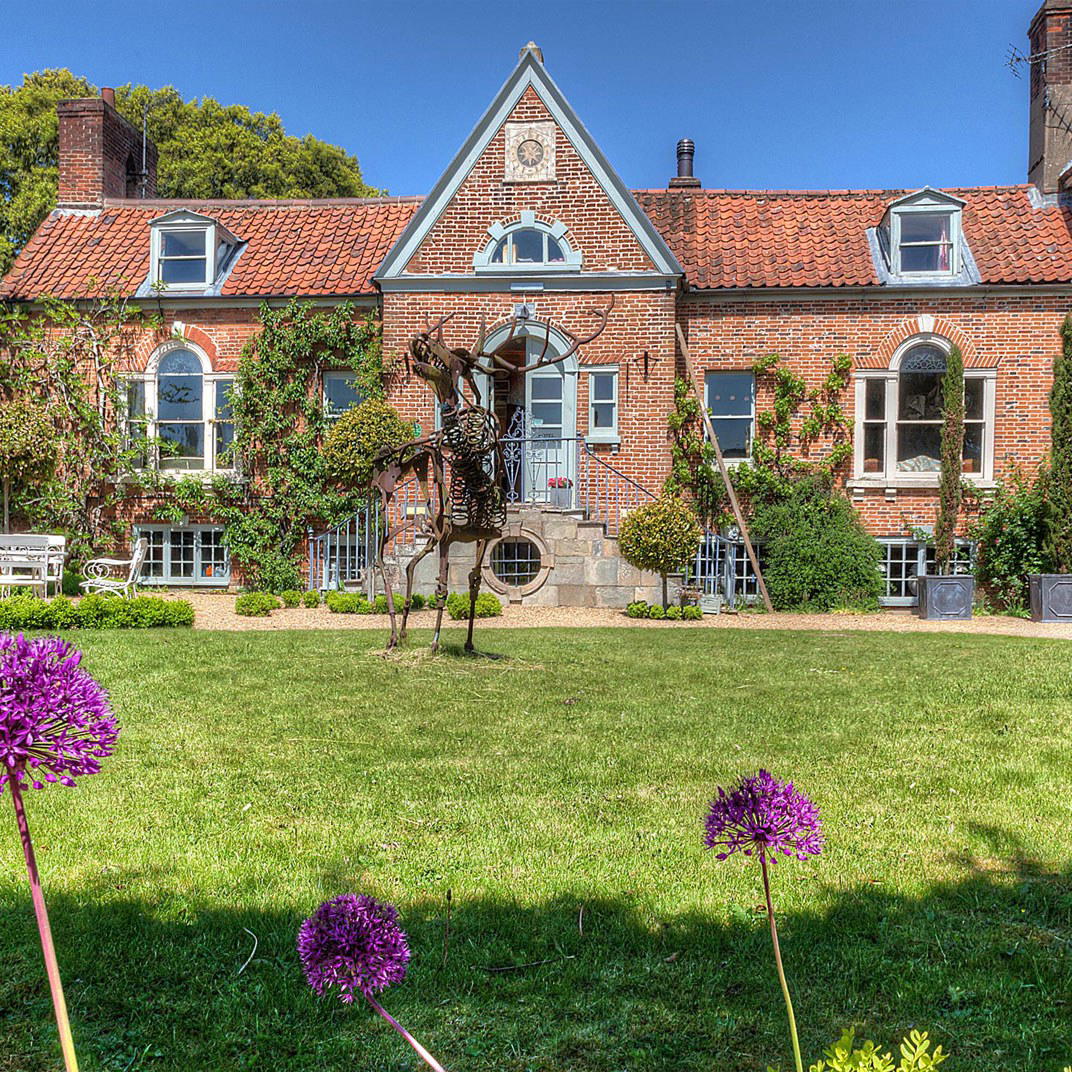
Lofty-roofed, dramatic barn space with pleasant congenial buzz, cozy atmosphere, and views of the priory and grazing cows.