The Oyster Club by Adam Stokes

Birmingham's dedicated seafood counter on Temple Street, The Oyster Club by Adam Stokes holds a Michelin Plate for its classically grounded approach to British shellfish and fish. Oysters arrive from multiple named sources, caviar and champagne anchor the luxury tier, and a split-level room, marble-topped tables below, counter seating in Aphrodite's Bar above, gives the place a dual character that few UK seafood restaurants manage at this price point.
Pearl is the En Primeur Club membership app — saves, bookings, and concierge access live there. Same editors, same standards.
- Address
- 43 Temple St, Birmingham B2 5DP, United Kingdom
- Phone
- +44 121 643 6070
- Website
- the-oyster-club.co.uk
- Directions
- Get directions
 Saves & bookings on Pearl
A Seafood Counter in the City Centre, Taken Seriously
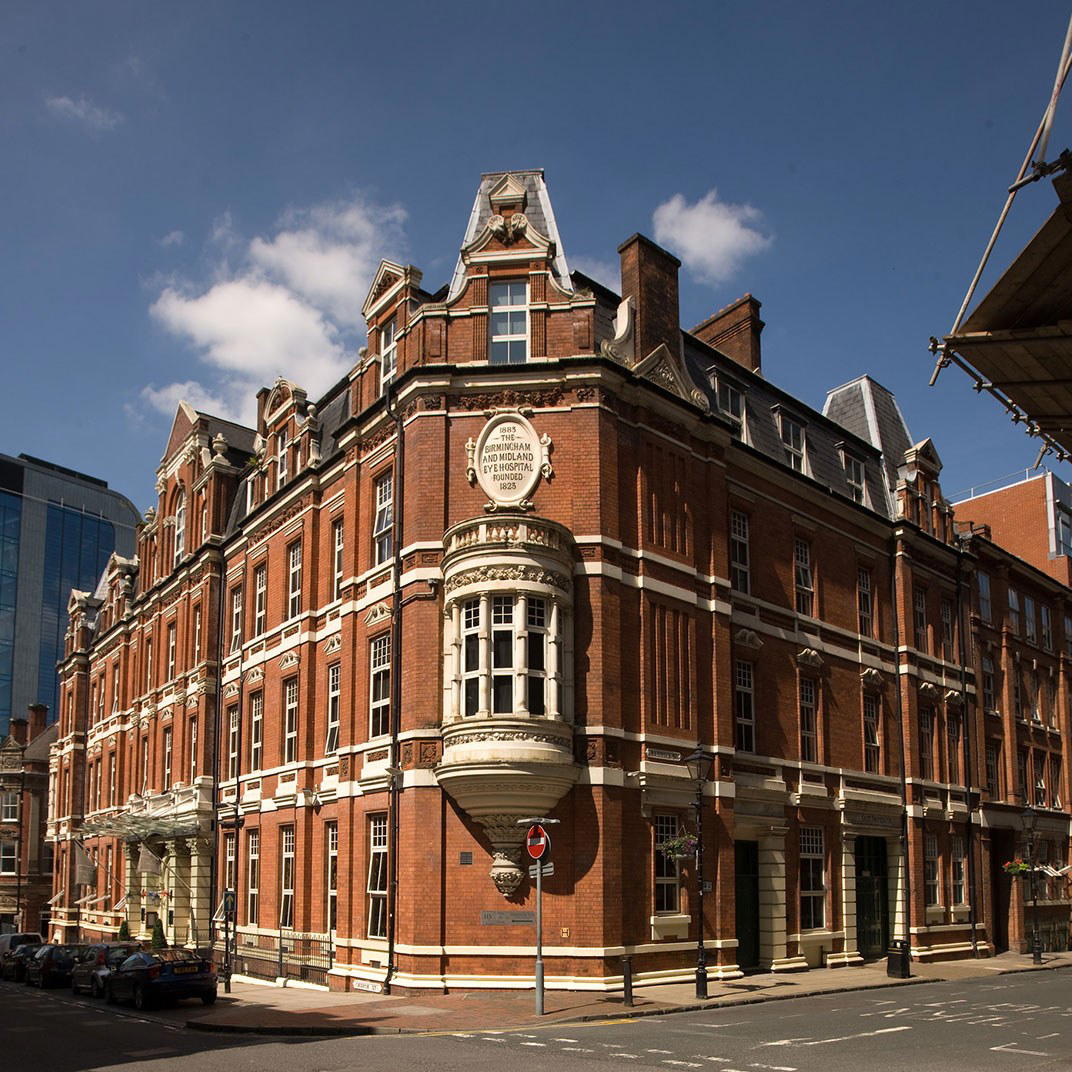
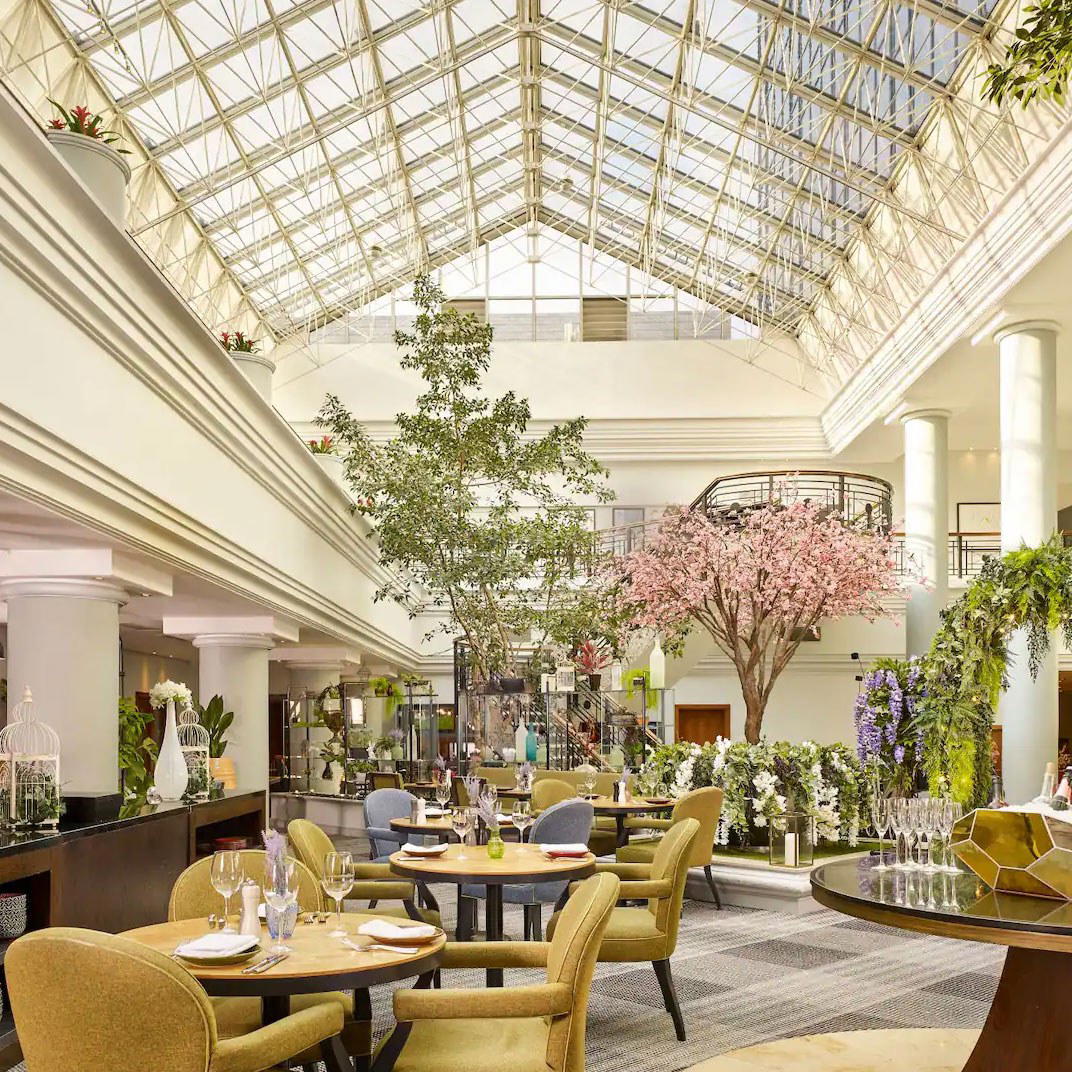
Temple Street sits inside Birmingham's commercial core, a short walk from the civic quarter and well within the cluster of serious restaurants that has made the city one of England's more compelling dining destinations over the past decade. The approach to The Oyster Club by Adam Stokes gives little away: a mid-terrace frontage on a busy city-centre street, the kind of address that rewards knowing where you're going rather than stumbling past. Inside, the room divides across two levels. The lower dining room carries marble-topped tables and the kind of fit-out that signals deliberate restraint rather than budget constraint. Upstairs, Aphrodite's Bar offers counter seating, a format that suits the product, since oyster and champagne bars have always worked better at a counter than at a table set for three courses.
The dual format matters because it shapes how you use the place. The bar counter suits a shorter visit built around shellfish and a glass of something cold; the dining room below is where the fuller fish-focused menu plays out. Birmingham has many ambitious cooking at the ££££ tier, Adam's, Simpsons, and Opheem all operate in that bracket, but a dedicated seafood house in the £££ range occupies a different position in the city's dining map, closer in spirit to an oyster bar with serious kitchen backing than to the tasting-menu circuit.
The Seasonal Logic of an Oyster-Led Menu
The editorial angle for any oyster-centred restaurant is essentially calendrical. British and Irish oyster seasons follow a rhythm that any informed diner should understand before booking. The old rule about eating oysters only in months containing the letter 'r', September through April, has a biological basis: native flat oysters (Ostrea edulis) spawn in summer, and harvesting during that period depletes wild stocks and degrades eating quality. Pacific rock oysters (Crassostrea gigas), which now dominate UK production, are triploid-bred to suppress spawning and are therefore available year-round at consistent quality, but many producers still observe a summer rest period to let beds recover.
What this means practically: the autumn and winter months, roughly October through March, represent one dependable window for native oysters in peak condition, plumper, with more pronounced mineral and iodine character than the leaner summer versions. A restaurant that sources from multiple suppliers, as The Oyster Club does, can shift its tray according to which beds are performing leading in any given month. The menu's multi-source approach is the operational expression of this seasonal reality: no single oyster farm produces at uniform quality across twelve months, so range gives the kitchen flexibility.
Dover sole with capers and brown butter, one of the classically based dishes cited in the Michelin documentation for this address, has its own seasonality. Dover sole is landed year-round in UK waters, but the spring and early summer months, when fish have recovered condition after winter, tend to produce the firmest, most flavourful flesh. The brown butter and capers treatment is one of the oldest preparations in the French classical canon, precisely because it requires nothing from the kitchen beyond technical discipline: the quality of the fish does the work. For comparison with how similar classical restraint functions at Mediterranean seafood addresses, the approach shares DNA with what Gambero Rosso in Marina di Gioiosa Ionica and Alici on the Amalfi Coast practise: let the sourcing carry the argument, and keep the kitchen's intervention spare.
Where This Sits in Birmingham's Fine Dining Picture
Birmingham's Michelin-recognised tier now extends across several cuisines and formats. The city's most-discussed addresses, including newer arrivals like Bayonet and Albatross Death Cult, occupy various points on the formality and price spectrum. The Oyster Club sits in a distinct niche: category-specific, classically anchored, and priced at £££ rather than the ££££ that defines the tasting-menu tier. It has received recognition, but not a Michelin star, and the format suits high-quality product cookery rather than the kind of progressive technical ambition that tends to attract stars.
That distinction is worth making plainly. Its recognition functions as a quality floor rather than a ceiling. For seafood restaurants built around sourcing and classical preparation, it is often the more appropriate designation. The peer comparison is less with starred modern-cuisine restaurants and more with serious fish houses in London and the regions, venues where the argument is made by the quality of what comes off the boat rather than by technique applied to it. UK addresses operating in broadly comparable territory, at higher price points and with greater culinary ambition, include Moor Hall in Aughton and Gidleigh Park in Chagford, though both operate as full destination restaurants rather than seafood specialists.
Caviar, Champagne, and the Luxury Checklist
A curated caviar selection alongside a champagne list is not incidental to the menu, it is the conceptual frame for the upper end of the offering. Caviar service at British seafood restaurants has followed the general rehabilitation of sturgeon-sourced caviar since sustainable aquaculture production became widespread in the 2000s. The pairing with champagne is, of course, a well-documented classic: the autolytic qualities of aged Champagne, particularly blanc de blancs styles, interact with saline, fatty roe in ways that other sparkling wines rarely replicate. An address that builds a champagne list with enough depth to pair meaningfully against caviar is making a specific commitment to this corner of the luxury-product market, and the marble-topped room is the appropriate setting for it.
Planning Your Visit
The Oyster Club by Adam Stokes occupies 43 Temple Street, Birmingham B2 5DP, in Birmingham's city centre. The £££ price range places it below the upper tier of Birmingham fine dining, broadly accessible for a considered dinner without the commitment required by full tasting menus. For the strongest seasonal alignment, the October-to-March window is the right frame for native oysters at peak condition; the rock oyster programme sustains quality outside that window. The counter seats in Aphrodite's Bar are worth requesting if the occasion suits a more casual format.
Pricing, Compared
Comparable venues nearby, for context on price, style, and recognition.
| Venue | Cuisine | Price | Awards | Notes |
|---|---|---|---|---|
| The Oyster Club by Adam StokesThis venue — the venue you are viewing | Ladywood, Modern British Seafood | $$$$ | Michelin Plate | Not listed |
| Albatross Death Cult | Not listed | $$$$ | Michelin Plate | Jewellery Quarter, Modern Japanese Omakase Seafood |
| Folium | Not listed | $$$$ | Michelin Plate | Jewellery Quarter, Modern British Fine Dining |
| BALOCI | Not listed | $$$$ | Michelin Plate | Edgbaston, Indo-Persian Silk Route Fine Dining |
| Plates by Purnell's | city centre, Spanish Tapas | $$$ | Michelin Plate | Not listed |
| The Wilderness | Not listed | $$$$ | Michelin Plate | Jewellery Quarter, Modern British Fine Dining Tasting Menu |
Recognition history
Dated appearances from independent guides and award organizations, with the underlying list record or original source where available.
Michelin Plate
Michelin
Michelin Plate
Michelin
Michelin Plate
Michelin
Continue exploring
More in Birmingham
Restaurants in Birmingham
Browse all →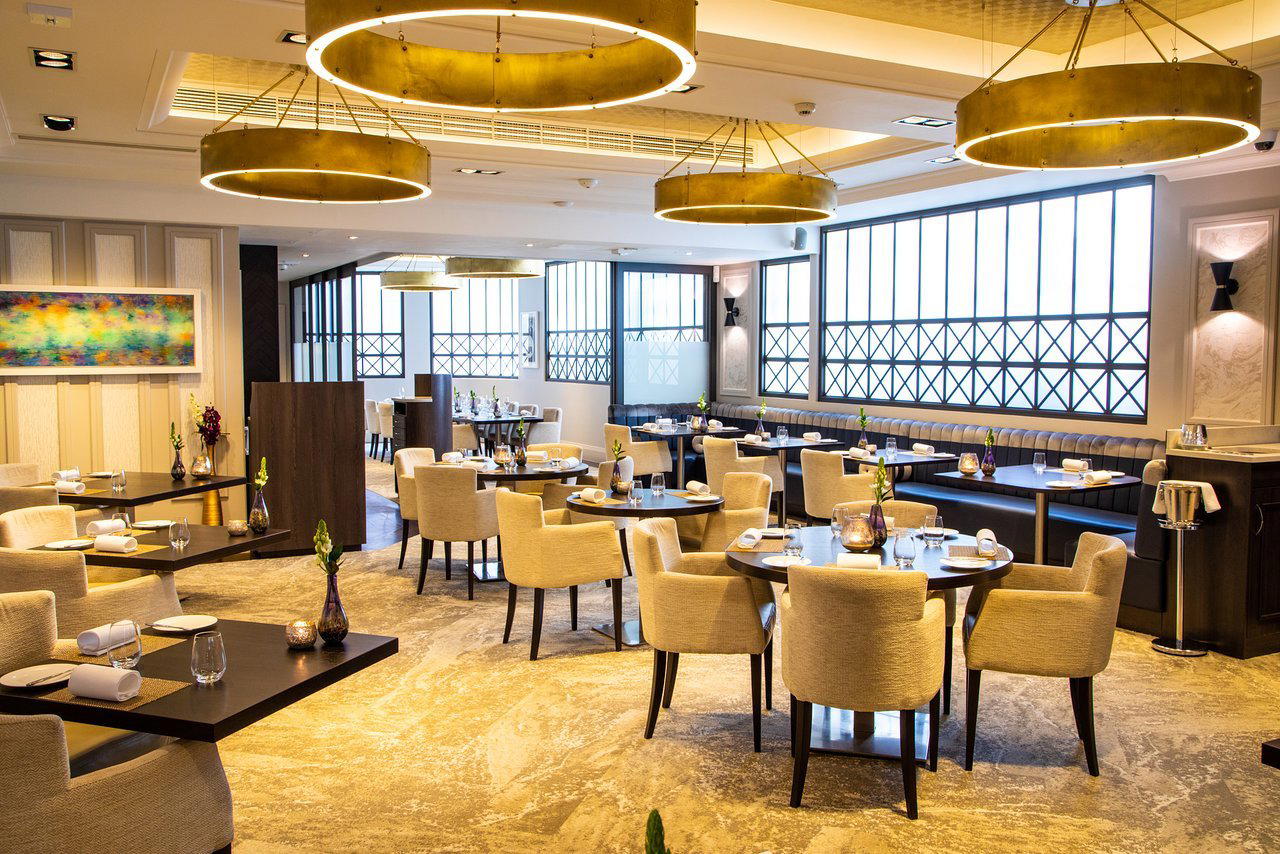
Bars in Birmingham
Browse all →

At a Glance
- Elegant
- Sophisticated
- Intimate
- Date Night
- Special Occasion
- Open Kitchen
- Extensive Wine List
- Sustainable Seafood
- Local Sourcing
Current opening hours
- Monday
- Closed
- Tuesday
- Closed
- Wednesday
- 11 AM–11 PM
- Thursday
- 11 AM–11 PM
- Friday
- 11 AM–11 PM
- Saturday
- 11 AM–11 PM
- Sunday
- 11 AM–10 PM
Hours can change for holidays and private events. Last verified .
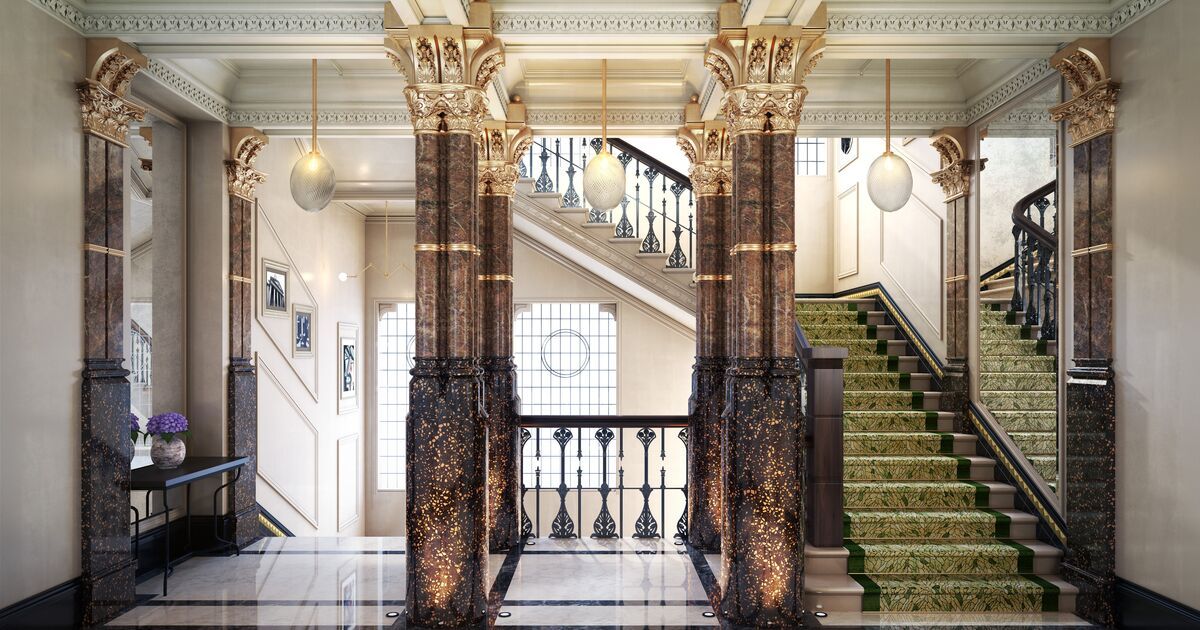
Plush downstairs dining room with marble-topped tables, sleek and elegant atmosphere, counter seating in Aphrodite's Bar above.