The Original Crabby Bill's
A long-standing fixture on the Gulf Boulevard seafood strip, The Original Crabby Bill's in Indian Rocks Beach trades in the kind of no-frills Florida coastal dining that predates the area's resort build-up. Stone crab claws, steamed shellfish, and iced beer anchor a menu shaped by proximity to Tampa Bay's commercial fishing culture. It sits in a casual, family-tolerant tier that reads more waterfront shack than white-tablecloth destination.
Pearl is the En Primeur Club membership app — saves, bookings, and concierge access live there. Same editors, same standards.
- Address
- 401 Gulf Blvd, Indian Rocks Beach, FL 33785
- Phone
- +17275954825
- Website
- crabbybills.com
- Directions
- Get directions
 Saves & bookings on Pearl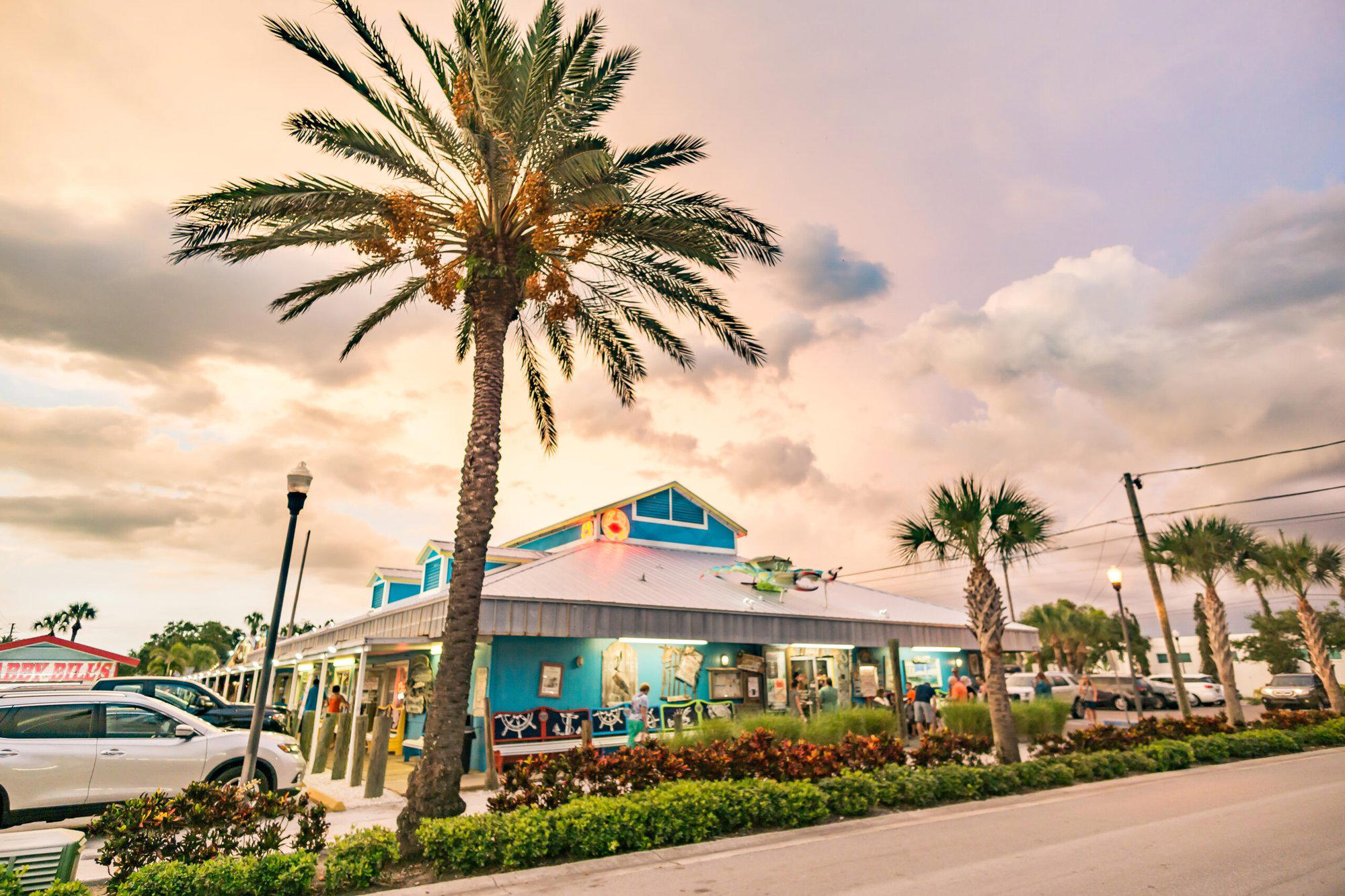
Salt Air, Gulf Light, and the Florida Seafood Shack Tradition
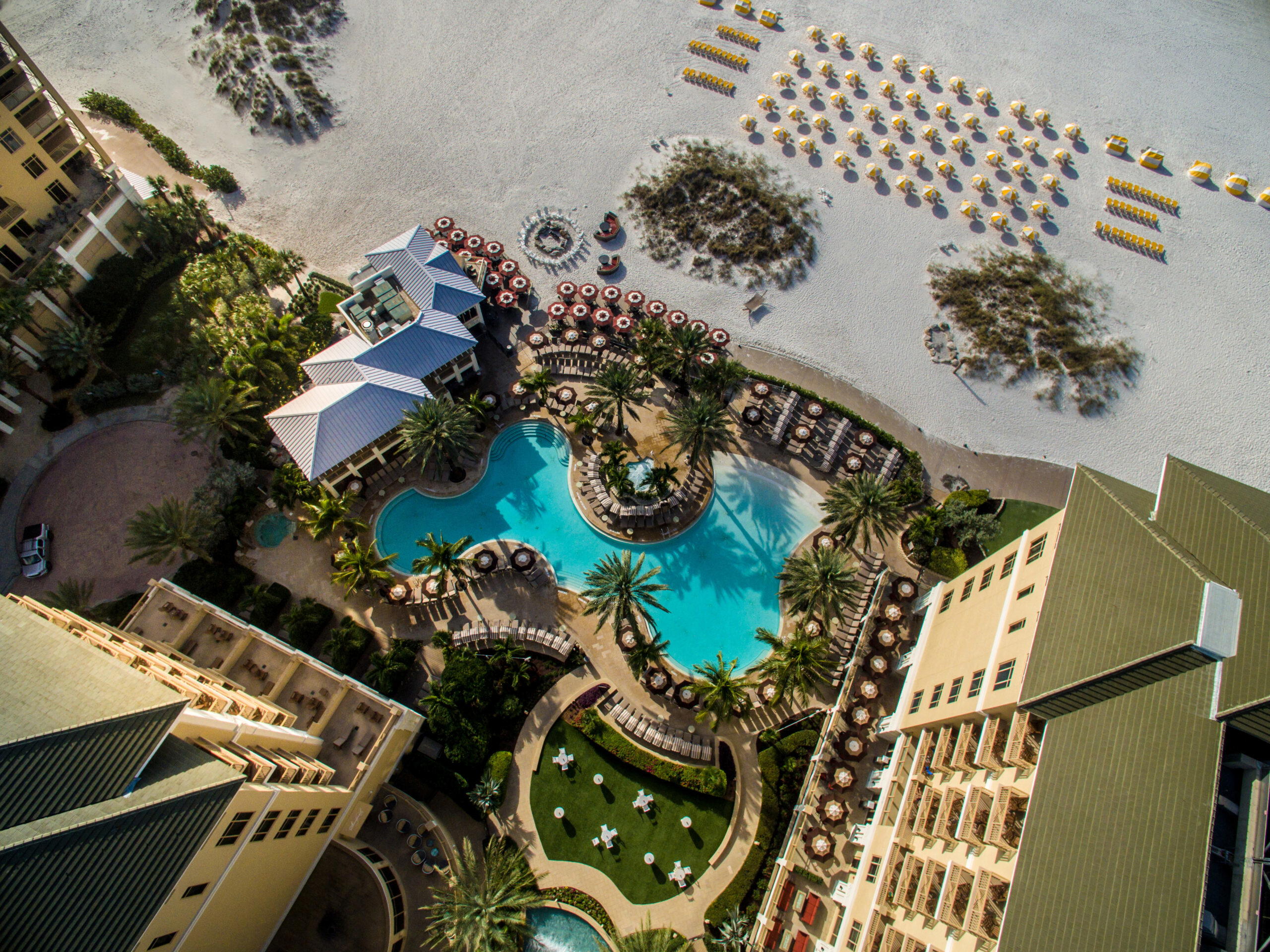
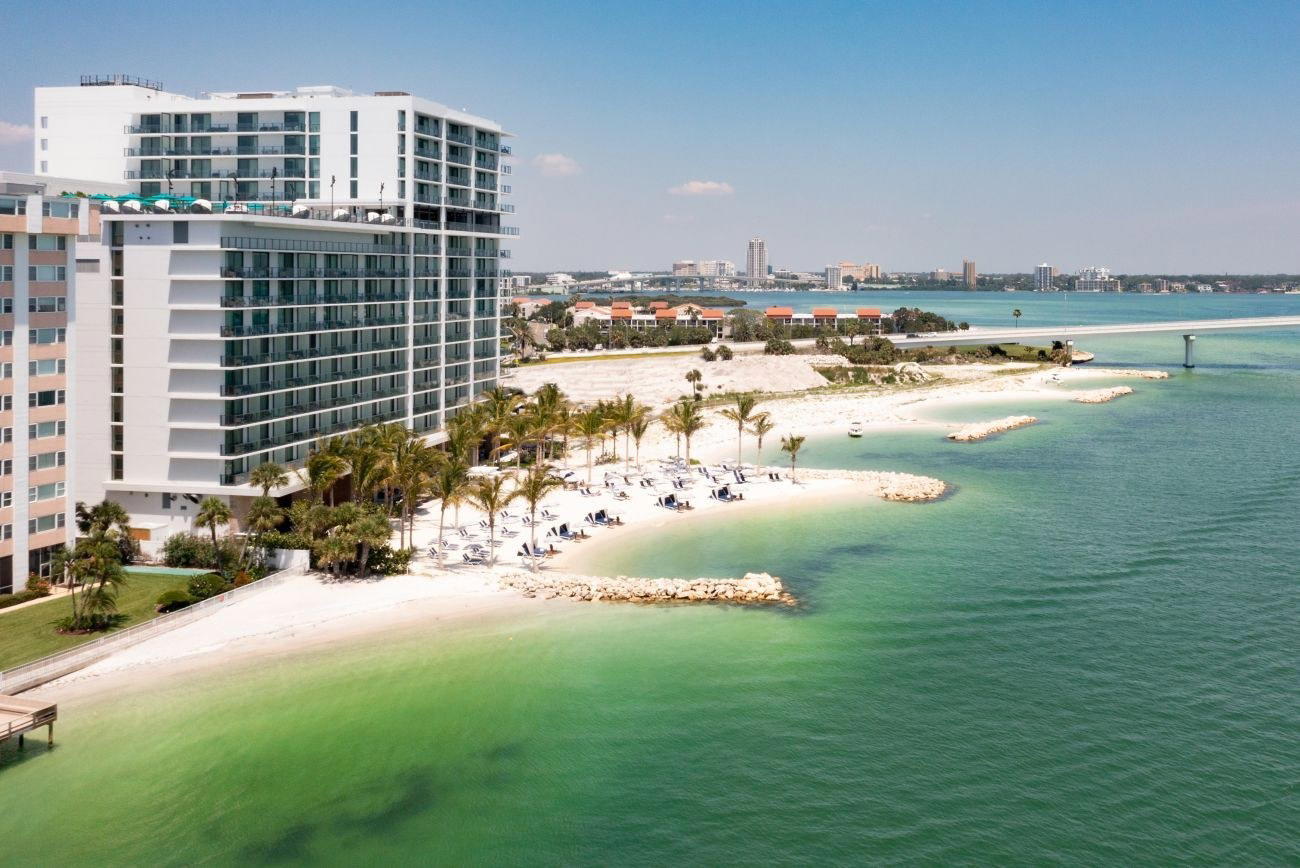
There is a specific register of Florida coastal dining that no amount of boutique hotel development has managed to replace: the weathered seafood shack positioned close enough to the water that the salt air reaches the dining room, where the menu is built around whatever the Gulf of Mexico delivered that week and the cold beer arrives before anyone asks. The Original Crabby Bill's at 401 Gulf Blvd occupies that register in Indian Rocks Beach, a stretch of Pinellas County coastline that has managed to retain a low-rise, neighborhood character even as neighboring barrier islands have trended toward larger resort formats. Approaching along Gulf Boulevard, the visual grammar is familiar to anyone who has driven Florida's Gulf Coast: weathered signage, an informal parking situation, and a building that signals function over architecture. This is deliberate, not neglected.
The Cultural Roots of Gulf Coast Shellfish Dining
Florida's Gulf Coast seafood tradition is distinct from both the New England lobster-shack model and the Cajun-inflected gulf cooking of Louisiana. The Tampa Bay area sits at the center of a commercial fishing corridor that has historically supplied stone crab claws, grouper, mullet, and shellfish to local tables before any of it traveled north or west. Stone crab season, which runs from October through May under Florida Fish and Wildlife regulations, defines the calendar of serious Gulf seafood eating in ways that parallel the oyster season cycles of France's Atlantic coast or the Dungeness crab season on the Pacific Northwest. At operations like The Original Crabby Bill's, that seasonal structure is not a marketing conceit but a functional reality: the product changes with the water.
This positions Indian Rocks Beach in an interesting place relative to Florida's broader dining conversation. The state's premium seafood recognition tends to cluster around Miami's modern fish restaurants or the chef-driven coastal programs further south, while the Gulf's barrier island strip operates in a more utilitarian, community-rooted register. That register is not lesser; it answers different questions about how a place eats when fishing is still a local industry rather than a thematic backdrop. For context on how the other end of the American fine-dining seafood spectrum operates, Le Bernardin in New York City and Providence in Los Angeles represent the Michelin-recognized pole, where sourcing is equally serious but the surrounding format is entirely different.
Where It Sits in Indian Rocks Beach
Indian Rocks Beach's restaurant strip runs along and adjacent to Gulf Boulevard, and the seafood-casual tier is well represented. Keegan's Seafood Grille operates in the same neighborhood with a slightly more composed plating style, while Guppy's On the Beach leans toward a beach-bar casual format. TJ's Italian Cafe offers an alternative anchor for visitors not tracking the seafood circuit. Within the seafood-shack category, The Original Crabby Bill's carries the weight of institutional tenure: the "Original" in its name signals a lineage and a claim to priority that matters in a strip where imitators have historically followed successful formats.
The American restaurant scene has seen considerable investment in reimagining the casual seafood format, from the chef-driven communal tables of Lazy Bear in San Francisco to the tightly controlled farm-to-table sourcing at Blue Hill at Stone Barns in Tarrytown. But there is a parallel track, equally American, where the format has not been reimagined because the original logic still holds: proximity to the source, minimal transformation of fresh product, and pricing that reflects community access rather than destination positioning. The Gulf Coast shack model belongs to that track.
Atmosphere and Format
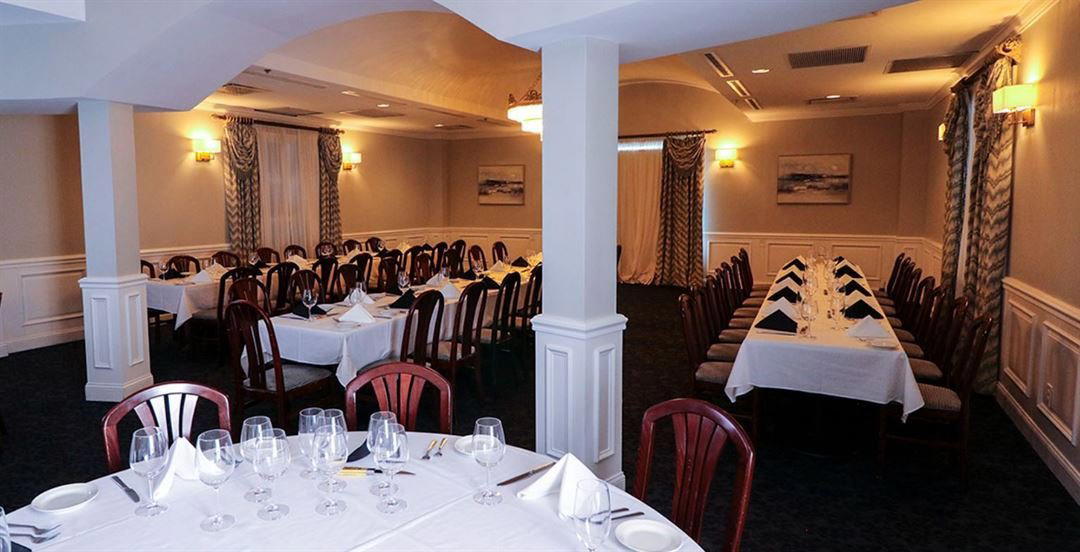
The format at operations in this tier prioritizes throughput and accessibility over theatrical dining. Expect counter-style or booth seating, laminated menus, and a floor pace that favors turning tables without rushing individual parties. This is not the place for a long tasting arc in the manner of Alinea in Chicago or The French Laundry in Napa. The dining logic is different: arrive, order shellfish and fried items from a menu built around familiar categories, eat while the Gulf light changes, and leave. Noise levels are typically high, particularly during peak season. The surrounding context, Gulf Boulevard traffic and tourist-season crowds, filters into the room in ways that reinforce the casual register rather than insulate from it.
The restaurant occupies the opposite end of that formality axis, which is a position, not a deficit.
Planning a Visit
Indian Rocks Beach sits on a barrier island accessible via causeways from the Clearwater and St. Petersburg mainland. Visitors arriving from Tampa International Airport are looking at a drive in the 45-to-60-minute range depending on traffic and causeway congestion, which can be substantial during the winter and spring high season when snowbird populations swell the barrier island traffic. Stone crab season (October through May) is the period when Gulf shellfish eating is at its most productive; summer visits are viable but the seasonal product calendar looks different. Dress code expectations in this format are informal: beach attire is the norm rather than the exception. Reservations are recommended, and timing visits outside peak dinner windows, particularly on weekends in season, reduces wait times. Families with children travel this strip in significant numbers, and the casual format accommodates that demographic without strain.
Further Afield: The US Dining Context
None of those comparisons diminish what a well-run Gulf seafood shack does; they simply map different points on the same national dining terrain.
Cost and Credentials
Comparable venues nearby, for context on price, style, and recognition.
| Venue | Cuisine | Price | Notes |
|---|---|---|---|
| The Original Crabby Bill'sThis venue — the venue you are viewing | Not listed | $$ | Not listed |
| TJ's Italian Cafe | Not listed | $$ | Indian Rocks Beach, Italian-American with Tropical Flair |
| Guppy's On the Beach | Not listed | $$ | Indian Rocks Beach, Fresh Florida Gulf Seafood |
| Keegan's Seafood Grille | Not listed | $$ | Indian Rocks Beach, Fresh Seafood & American Casual |
| Hurricane Seafood Restaurant | Pass-A-Grille, Classic Florida Seafood | $$ | Not listed |
| Crabby Bill's | Not listed | $$ | St. Pete Beach, Fresh Beachfront Seafood |
Continue exploring
More in Indian Rocks Beach
Restaurants in Indian Rocks Beach
Browse all →
Bars in Indian Rocks Beach
Browse all →
At a Glance
- Lively
- Casual
- Rustic
- Family
- Casual Hangout
- Celebration
- Live Music
- Waterfront
- Craft Cocktails
- Beer Program
- Local Sourcing
- Waterfront
Current opening hours
- Monday
- 11 AM–11 PM
- Tuesday
- 11 AM–11 PM
- Wednesday
- 11 AM–11 PM
- Thursday
- 11 AM–11 PM
- Friday
- 11 AM–11 PM
- Saturday
- 11 AM–11 PM
- Sunday
- 11 AM–11 PM
Hours can change for holidays and private events. Last verified .
Laid-back beach vibe with rustic, friendly neighborhood feel, enhanced by live music, outdoor patio, and waterfront location.