The Orangerie

Relais Chateaux Award
Our verdict
The Orangerie brings Vila Nova de Gaia’s hotel dining into a looser bistro register, with chef Ricardo Costa using regional and French produce rather than a formal tasting-menu frame. Its terrace setting above Porto and the Douro gives the meal a strong sense of place, while the à la carte format and children’s menu make it broader in use than Gaia’s more occasion-led dining rooms.

Pearl is the En Primeur Club membership app — saves, bookings, and concierge access live there. Same editors, same standards.
- Address
- Rua do Choupelo (Santa Marinha), 345
- Phone
- +351 220 133 100
- Website
- covermanager.com
- Directions
- Get directions
- Booking
- Book on CoverManager
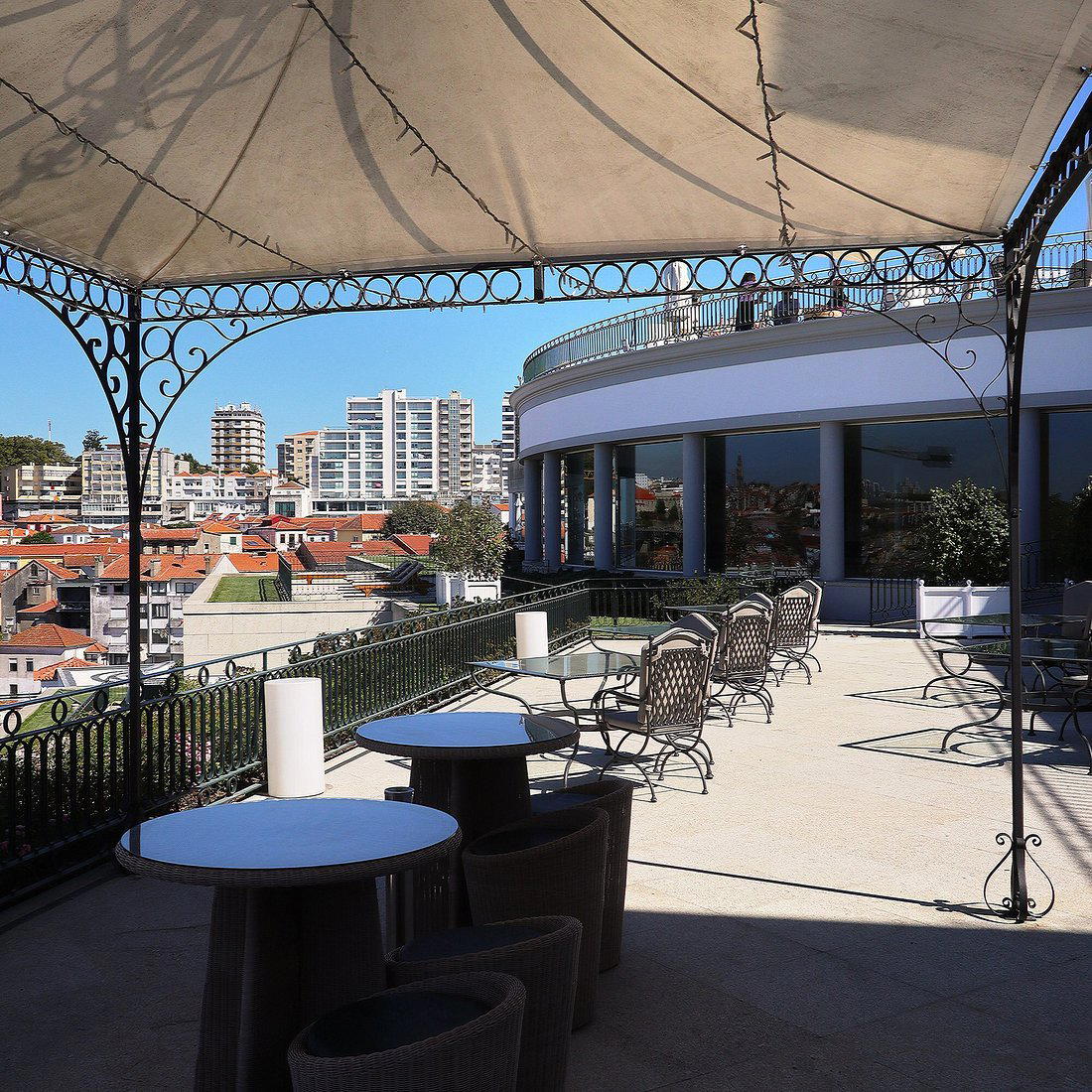
From the table, the first read is not a fixed checklist of signatures but the broader setting: Vila Nova de Gaia, a city where dining is often understood through proximity to wine travel, river-crossing itineraries, and polished hospitality. That context matters because bistro-style cooking in Vila Nova de Gaia works differently from the same format in a landlocked city. Here, the plate has to answer to wine-country expectations, Atlantic-facing travel patterns, and a cross-river audience that often wants ease rather than ceremony.
The Orangerie sits in that middle register. It is not best framed as a high-formality tasting counter, nor as a casual neighbourhood room built around speed. Its confirmed profile is more concise: Relais & Châteaux lists the restaurant for bistro-style cuisine, with Ricardo Costa named as chef. In practical terms, that gives the room a clear editorial identity without needing to overstate the details around the menu or the setting.
Gaia bistro cooking with Douro context, not hotel dining by default
Vila Nova de Gaia is often read through port wine first, restaurants second. That can flatten the city’s dining map into cellars, riverfront terraces, and destination dining rooms. The more useful reading is sharper: Gaia’s stronger tables tend to work around provenance, wine adjacency, and the decision of how formal a meal needs to be. The Orangerie belongs to the category where the setting carries weight, but the format remains approachable rather than ceremonious.
That flexibility is the point. Bistro-style cuisine gives the restaurant a familiar structure without making the experience feel like a rigid fine-dining script. Chef Ricardo Costa’s name adds a clear trust signal, but the more interesting editorial fact is the format: a premium Gaia restaurant whose appeal can sit between everyday ease and special-occasion polish.
For readers mapping Gaia beyond a single booking, the local spread is worth noting. Other Vila Nova de Gaia dining rooms show how broad the city’s casual-to-premium spectrum has become, from relaxed stops to more polished restaurant settings. The useful companion resource is Our full Vila Nova de Gaia restaurants guide, especially when pairing a restaurant plan with Our full Vila Nova de Gaia hotels guide, Our full Vila Nova de Gaia bars guide, Our full Vila Nova de Gaia wineries guide, and Our full Vila Nova de Gaia experiences guide.
The setting makes the provenance argument visible
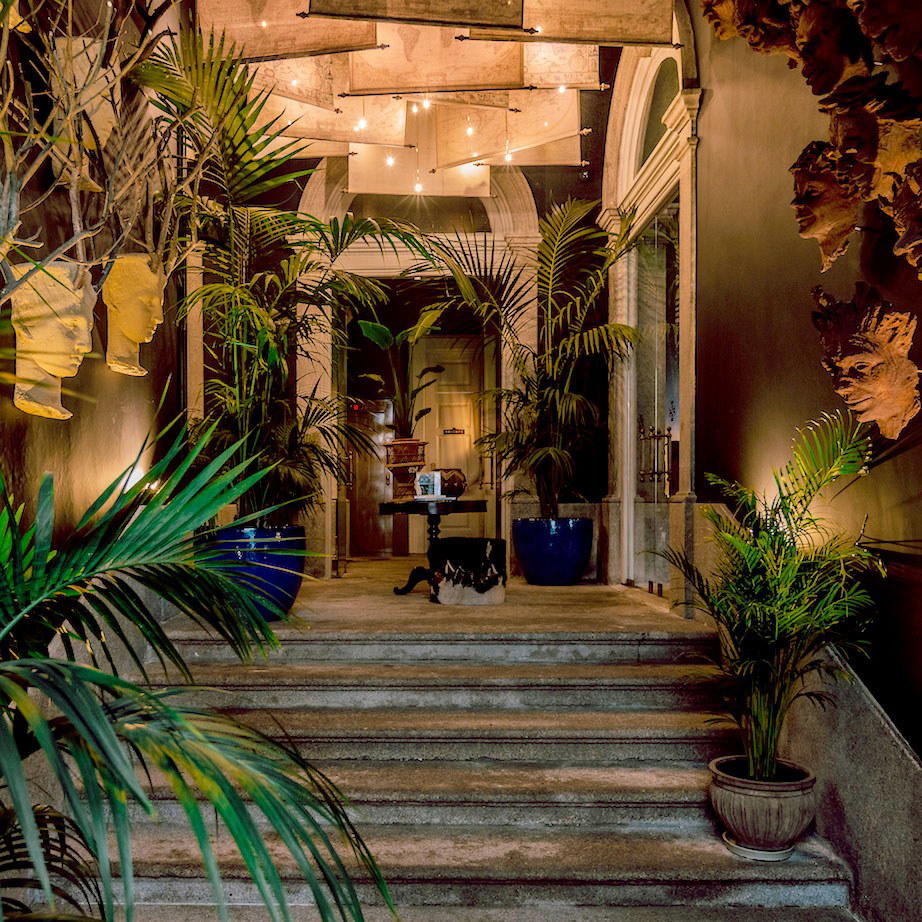
Setting can be a weak crutch when the food has little to say. In Gaia, the better version uses place as context rather than decoration. The Orangerie’s relevance comes from how it fits into Vila Nova de Gaia’s broader dining conversation: a city shaped by wine tourism, river-linked travel, and a steady flow of visitors comparing the two sides of the Porto-Gaia axis. The room’s identity is tied to that sense of place more than to any single advertised flourish.
The accessible bistro frame also matters more than it sounds. Premium dining in Portugal can split between adult ceremony and tourist convenience. A bistro-style restaurant at this level signals a wider hospitality model: not a diluted experience, but a format that can work for travelers who want polish without committing every table to the same rhythm. That is useful in Gaia, where wine travelers, local diners, and Porto day-crossers can arrive with different expectations at the same service.
Within the broader bistro category, the comparison set is scattered rather than tightly local. Canto Redondo, Bar QCafé - Bistrot & Terrace, and Café da Viagem provide useful points of reference, which underlines the point: Gaia does not have a dense, single-style bistro circuit. The Orangerie’s relevance comes from how it adapts the bistro idea to a Vila Nova de Gaia context, not from competing in a large local bistro lane.
How to place it in a Portugal itinerary
For a Portugal trip, The Orangerie is strongest as a Gaia-based meal when bistro-style cuisine, a named chef, and an easygoing premium format are part of the brief. It suits travelers who want a polished room without requiring the restaurant to perform as a grand formal statement, and it makes particular sense when the day already includes wine cellars, riverfront walking, or time on the Gaia side.
Portugal’s restaurant map rewards this kind of calibration. Other dining rooms across the country belong to different urban, coastal, inland, or wine-region conversations, and those settings change the meaning of a meal. The Orangerie should be read through Vila Nova de Gaia rather than forced into a national ranking or compared too literally with restaurants operating under different pressures. For bistro-style references, the more useful contrast is general: same broad category, different local expectations.
The editorial verdict is measured but positive. The Orangerie is not trying to be Gaia’s only grand formal statement. Its strength is more specific: bistro-style cuisine, chef Ricardo Costa, and a premium yet approachable role in a city where wine tourism often dominates the visitor schedule. That combination gives it a clear place, especially for travelers who want Vila Nova de Gaia to shape the meal without making the experience feel over-scripted.
Frequently asked questions
Is The Orangerie a family-friendly restaurant?
The confirmed profile for The Orangerie is as a bistro-style restaurant in Vila Nova de Gaia. For family-specific needs, check directly with the restaurant before booking.
What kind of setting is The Orangerie?
The Orangerie is a bistro-style restaurant in Vila Nova de Gaia. Its profile is best understood as polished but approachable rather than as a highly formal dining room.
What's The Orangerie known for in terms of accolades?
Relais & Châteaux lists The Orangerie with Ricardo Costa as chef and identifies the restaurant’s cuisine as bistro-style.
What's the cuisine at The Orangerie?
The Orangerie serves bistro-style cuisine.
Where is The Orangerie in Vila Nova de Gaia?
Vila Nova de Gaia.
Fast Comparison
Comparable venues by cuisine and price in the same metro.
| Venue | Cuisine | Price | Awards |
|---|---|---|---|
| The OrangerieThis venue — the venue you are viewing | Contemporary Portuguese & Mediterranean fine dining | $50–100 | Relais Chateaux Award |
| Canto Redondo | Bistro-style cuisine | Not listed | Not listed |
| Bar QCafé - Bistrot & Terrace | Bistro-style cuisine | Not listed | Not listed |
| Café da Viagem | Bistro-style cuisine | Not listed | Not listed |
Recognition history
Dated appearances from independent guides and award organizations, with the underlying list record or original source where available.
Relais Chateaux Award
Relais Chateaux
Continue exploring
More in Vila Nova de Gaia
More from Chef Ricardo Costa
Browse all →
Restaurants in Vila Nova de Gaia
Browse all →
Bars in Vila Nova de Gaia
Browse all →
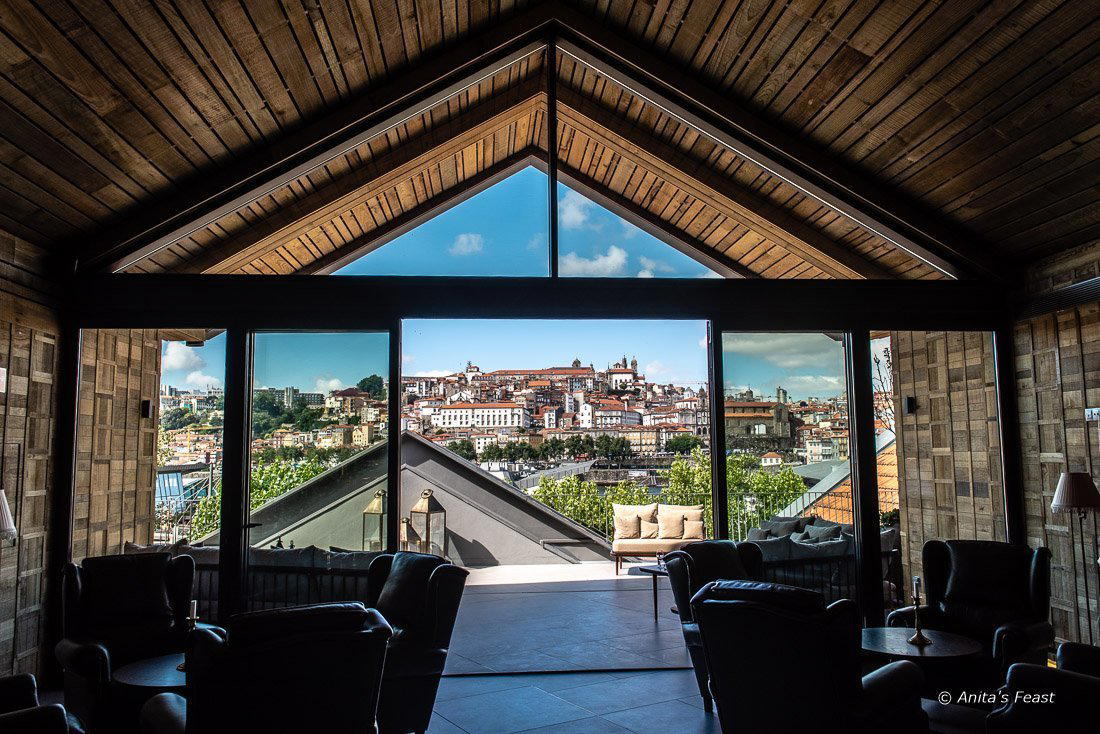
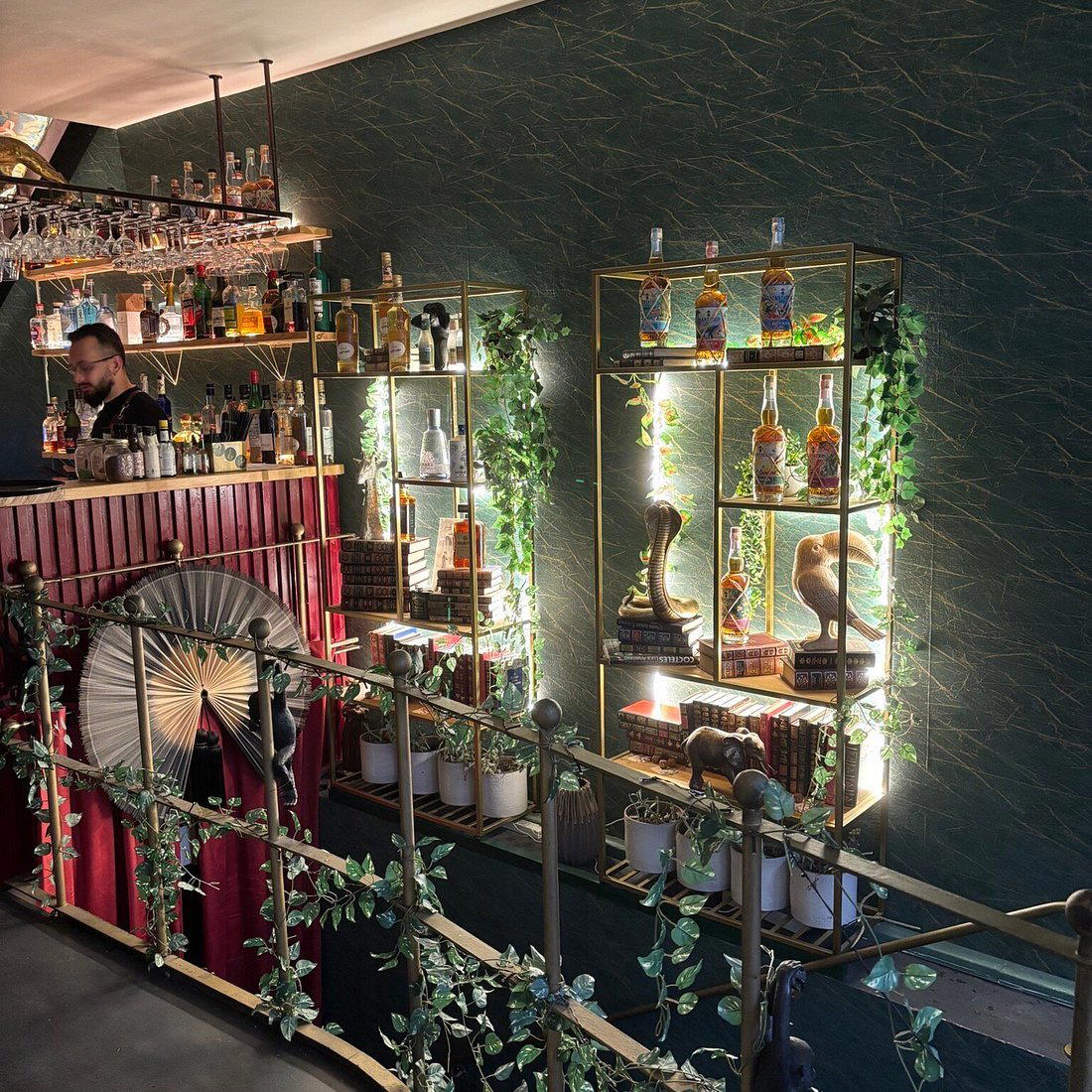
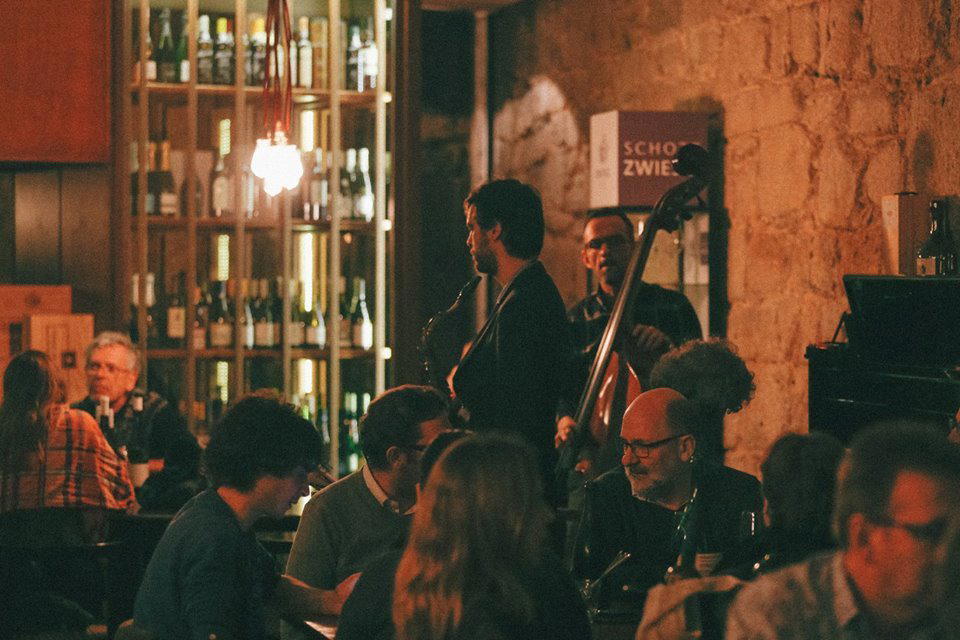
Hotels in Vila Nova de Gaia
Browse all →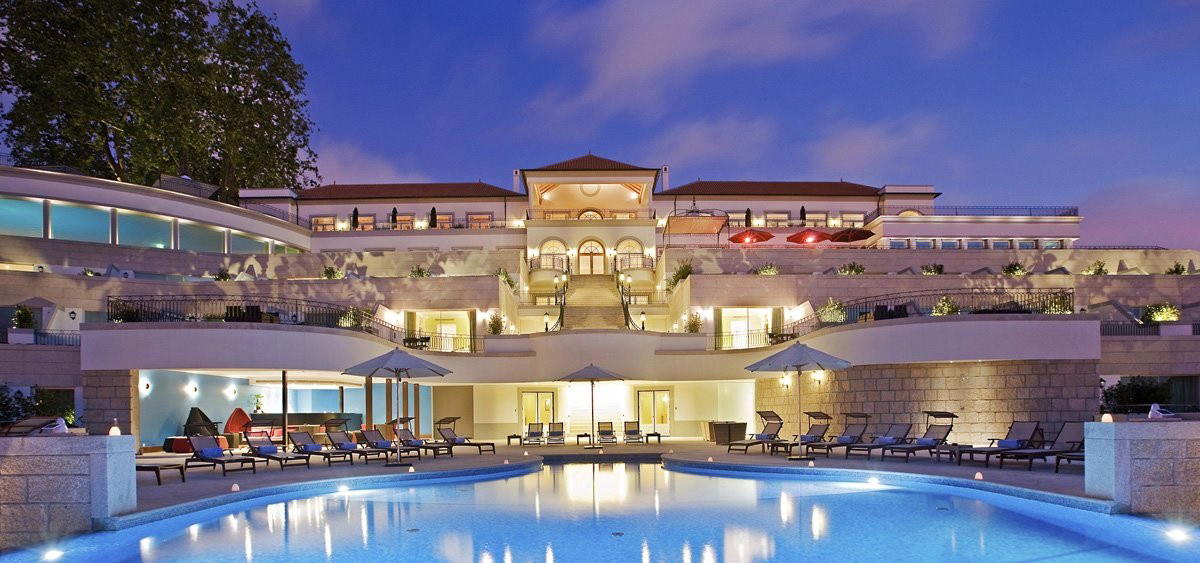
Details
- Elegant
- Romantic
- Sophisticated
- Scenic
- Date Night
- Business Dinner
- Group Dining
- Special Occasion
- Celebration
- Waterfront
- Panoramic View
- Hotel Restaurant
- Extensive Wine List
- Sommelier Led
- Waterfront
- Skyline
- A La Carte
- Tasting Menu
- Wine
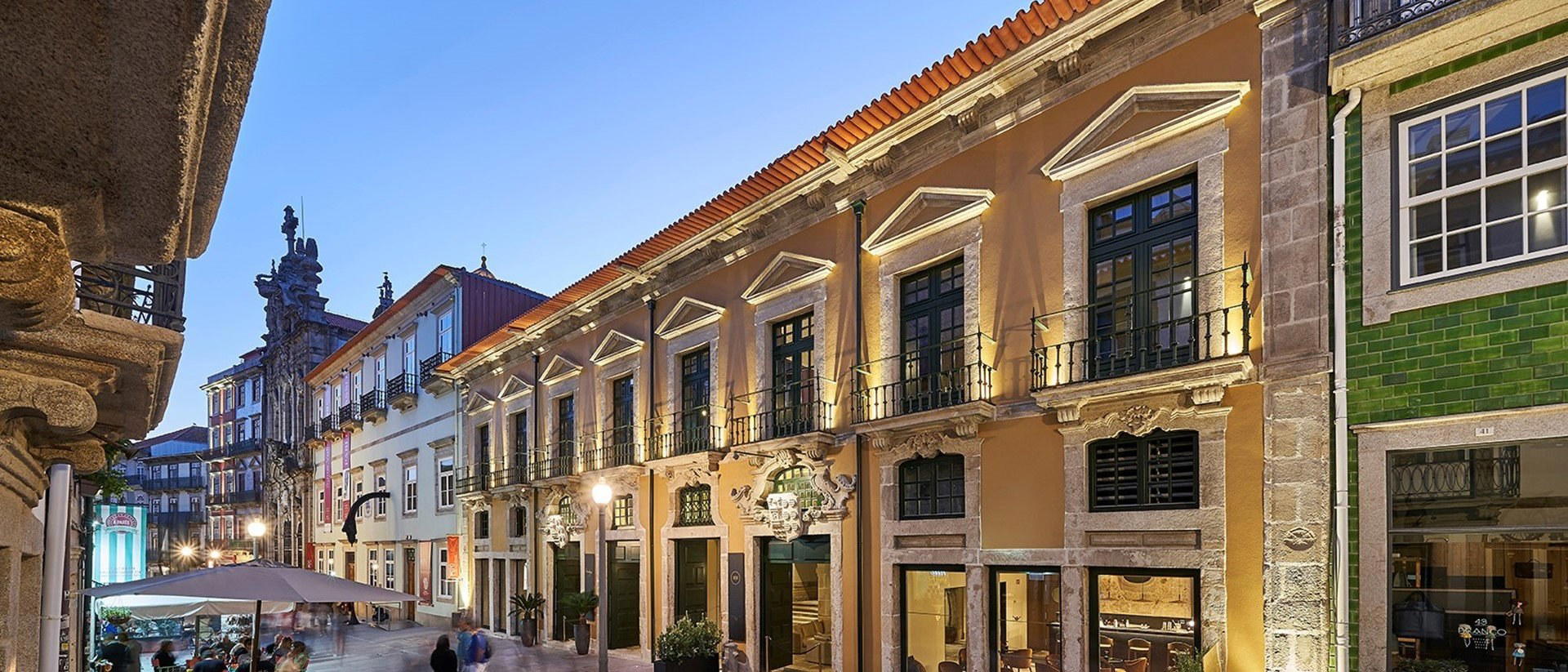
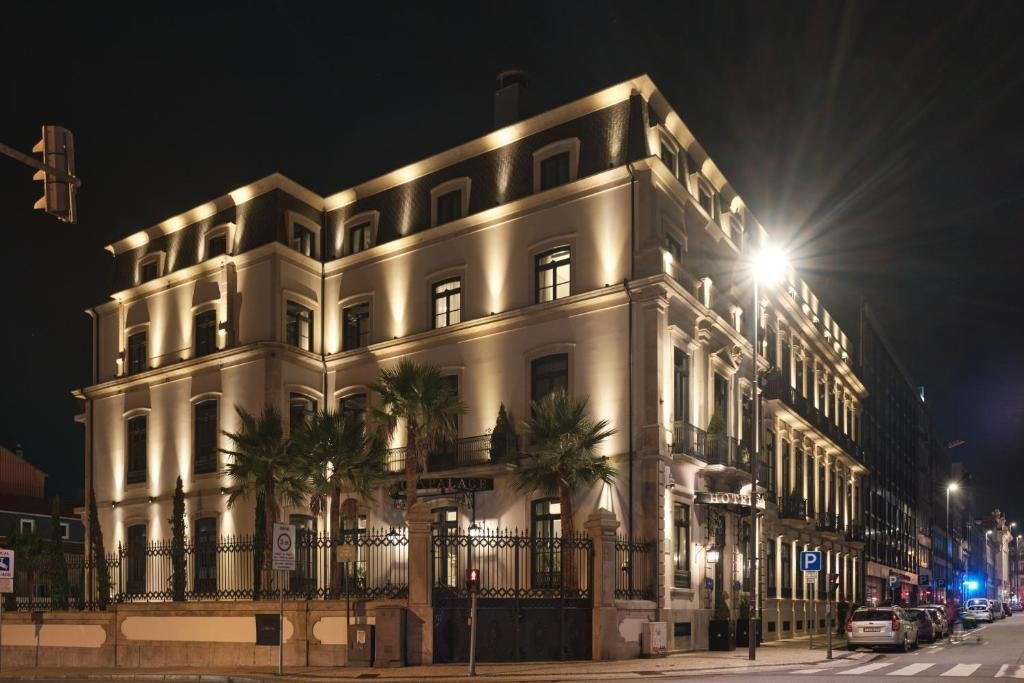
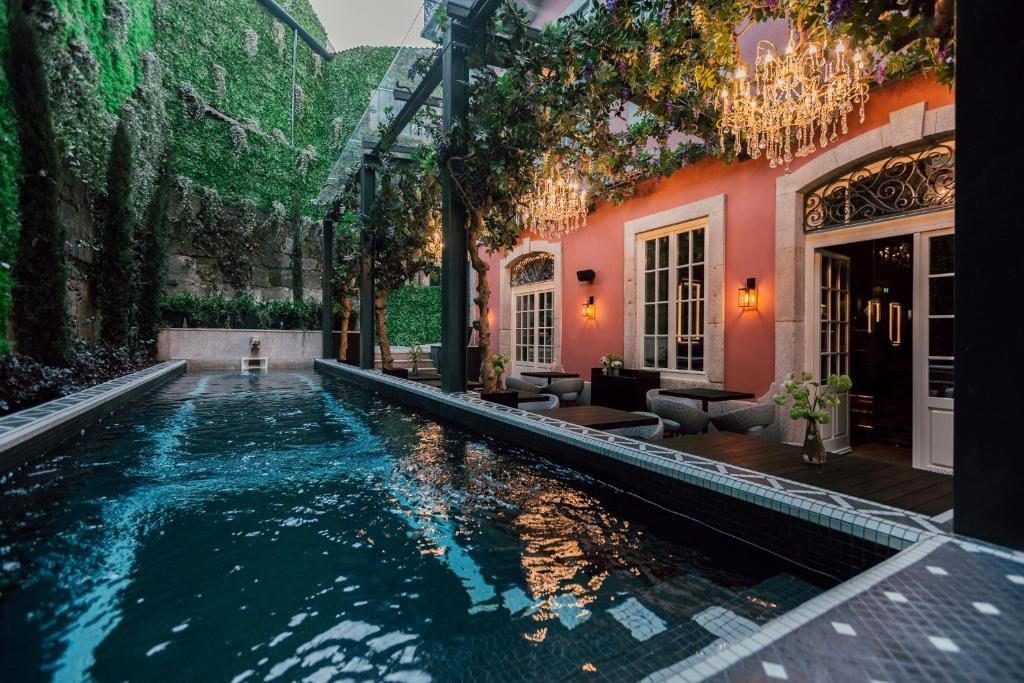
Elegant hotel-restaurant atmosphere with polished service and a relaxed but refined dining room overlooking the river and Porto skyline; lighting and mood are suited to romantic dinners and special occasions rather than a casual, noisy scene.