The Lobster Shack
Our verdict
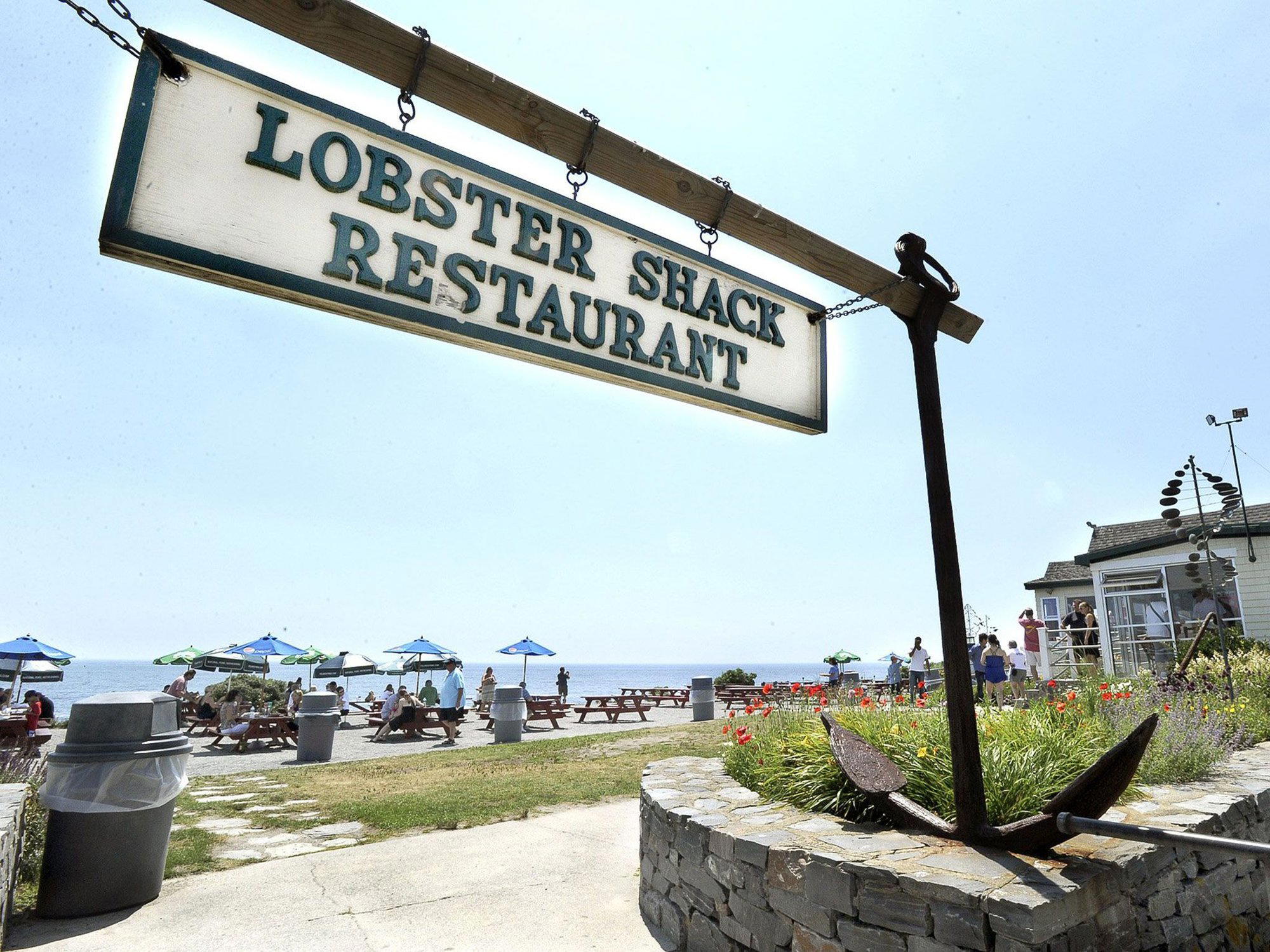
On a bluff above the Atlantic at Two Lights Road, The Lobster Shack is the kind of Cape Elizabeth institution that earns its reputation through provenance rather than polish. Maine lobster pulled from the cold waters just offshore anchors a menu that stays honest to the coast. For visitors making the drive from Portland, it belongs at the top of the itinerary — not for atmosphere alone, but for the sourcing story behind the plate.

Pearl is the En Primeur Club membership app — saves, bookings, and concierge access live there. Same editors, same standards.
The menu
What to order
- Lobster roll
- Lobster dinner
- Fried clams
Where the Gulf of Maine Arrives at the Plate
There is a particular logic to eating lobster in Cape Elizabeth that has nothing to do with restaurant conventions and everything to do with geography. The Gulf of Maine runs cold and productive, and the crustaceans pulled from its waters carry a sweetness and firmness that warmer-water lobster simply does not replicate. Temperature, salinity, and the slow growth rate of Maine lobster in cold Atlantic water produce a different animal than what reaches most inland fish counters, even the premium ones. The Lobster Shack at 225 Two Lights Road sits at the edge of that supply chain in the most literal sense: the water visible from the property is the same water the catch comes from.
That physical proximity to the source is the editorial argument for making the drive from Portland. Cape Elizabeth's coastline at Two Lights is not a decorative backdrop — it is the operating environment for the fishery that supplies this kind of roadside seafood institution. Eating here is less about fine-dining progression and more about understanding where the ingredient lives before it reaches the kitchen.
Maine Lobster and the Sourcing Chain That Defines It
Maine's lobster industry operates under one of the most tightly regulated harvesting frameworks in North America. The state enforces strict size limits, v-notching programs for breeding females, and trap limits per license, all of which contribute to a fishery that has remained commercially viable for well over a century. The result for the diner is an ingredient with genuine provenance integrity: what arrives on the table at a Cape Elizabeth seafood spot has passed through fewer hands and fewer miles than nearly any lobster served at comparable price points inland or in major urban markets.
This stands in notable contrast to how seafood is sourced at multi-Michelin-starred programs like Le Bernardin in New York City or Providence in Los Angeles, where the supply chain is long, carefully curated, and padded into a four-figure tasting menu. Those kitchens do extraordinary technical work with their ingredients. The point at Cape Elizabeth is different: the sourcing argument here is one of geography, not curation. You are fewer than a mile, in some cases, from where the trap was set.
Roadside seafood culture in coastal Maine developed alongside the lobster industry itself, and places like this one have served as informal price benchmarks for what the ingredient costs when you remove the markup layers of urban restaurants, tablecloths, and sommelier programs. Blue Hill at Stone Barns in Tarrytown and Single Thread Farm in Healdsburg represent the farm-to-table argument at its most formal and expensive. The Maine lobster shack tradition is that argument stripped to its frame: short supply chain, minimal transformation, full traceability.
The Cape Elizabeth Context
Cape Elizabeth sits roughly eight miles south of Portland, a drive that takes visitors past residential shoreline and into a stretch of coast that still feels closer to working Maine than to the curated tourism of the Old Port. Two Lights State Park anchors the headland, and the area around it has long attracted a mix of locals and day-trippers who understand that the food at this end of the peninsula reflects the fishing culture that built it.
For visitors compiling a broader Maine or New England itinerary, Cape Elizabeth functions as a logical pairing with Portland's more formal dining scene. Portland has developed one of the more interesting mid-sized city restaurant cultures in the country over the past decade, with sourcing-driven programs drawing comparisons to ambitious regional kitchens elsewhere in the US. Cape Elizabeth represents the other end of that sourcing conversation: what the ingredient looks like before ambition is applied to it. The Well at Jordan's Farm in Cape Elizabeth makes a similar argument from the agricultural side, drawing on the farm's own produce in a setting that keeps the supply chain visible. Both belong on the same itinerary. See our full Cape Elizabeth restaurants guide for the broader picture.
The Two Lights Road address places The Lobster Shack on the outer edge of the peninsula, which means the approach rewards the drive. This is not a spot you pass accidentally — you make the trip deliberately, which gives the meal a destination quality that the setting then delivers on.
How It Fits the American Seafood Conversation
American seafood dining has split into sharply distinct tiers. At one end sit the technically rigorous rooms: Le Bernardin, Addison in San Diego, and The Inn at Little Washington, where seafood is the medium for a chef's larger argument. At the other end sits the tradition this place represents: sourcing integrity, minimal intervention, and a format that keeps costs grounded in what the ingredient actually costs at the dock rather than what a dining room needs to charge to operate. Neither tier is inferior, they answer different questions. The question The Lobster Shack answers is: what does Maine lobster taste like when the distance between the water and the plate is measured in minutes rather than days?
Not the tasting-menu rooms, not the progressive American programs like Lazy Bear in San Francisco or Alinea in Chicago, and not the regional fine-dining anchors like Bacchanalia in Atlanta or Frasca Food & Wine in Boulder. The comparison that matters is with other coastal Maine seafood institutions where proximity to the fishery is the primary credential.
Planning the Visit
Cape Elizabeth is a short drive from Portland's downtown core, making The Lobster Shack a practical half-day addition to any Portland visit. The location on Two Lights Road is specific enough that navigation is direct from Portland. Summer is the high season for both lobster and visitor volume along this stretch of coast, and arriving early or on weekday afternoons generally means shorter waits, the format here, like most lobster shacks operating in seasonal coastal Maine, does not take reservations in the conventional sense. Dress for the coast: wind and spray are part of the environment. Emeril's in New Orleans or Atomix in New York City require advance planning weeks out; this kind of destination operates on a different clock, one closer to the tides than the reservations calendar.
Frequently asked questions
Would The Lobster Shack be comfortable with kids?
The Lobster Shack at 225 Two Lights Rd sits in a coastal, open-air setting that suits families well. The casual format at a working Maine shore location means there is no formal dining room tension, and the straightforward seafood format gives kids clear options. It is the kind of place where a relaxed pace is the norm rather than the exception.
Is The Lobster Shack formal or casual?
The Lobster Shack is firmly casual. Located on Two Lights Road in Cape Elizabeth, it operates in the tradition of Maine's working waterfront seafood stops, where the setting and the sourcing matter more than table service or dress codes. Come as you would for a day on the coast.
Is The Lobster Shack on the water, and can you eat outside with a view?
The Lobster Shack sits on Two Lights Road in Cape Elizabeth, a stretch of coastline that holds some of the most recognised shoreline scenery on the southern Maine coast. Outdoor seating puts diners within clear proximity of the Atlantic, which is a significant part of why this location draws visitors making the short drive from Portland. The combination of open-air eating and a working coast backdrop is the core draw for most who make the trip.
What's the best thing to order at The Lobster Shack?
Whole Maine lobster is the anchor order at any Cape Elizabeth shack of this kind, given that the Gulf of Maine fishery operates under some of the tightest size and harvest regulations in North America. The sourcing chain from boat to plate is short here in a way that is difficult to replicate inland. Beyond whole lobster, a lobster roll is the format that most visitors default to for ease of eating on-site.
Where do I go for The Lobster Shack?
The Lobster Shack is located at î225 Two Lights Rd, Cape Elizabeth, ME 04107, Cape Elizabeth.
How hard is it to get a table at The Lobster Shack?
Summer weekends along the Maine coast draw significant crowds, and Cape Elizabeth is one of the more accessible shore destinations from Portland's downtown core. Arriving early or on a weekday reduces wait times considerably. The outdoor, counter-service format means turnover tends to move faster than at a sit-down restaurant.
Fast Comparison
Comparable venues nearby, for context on price, style, and recognition.
| Venue | Cuisine | Price | Notes |
|---|---|---|---|
| The Lobster ShackThis venue — the venue you are viewing | Classic Maine Lobster Shack | $30–50 | Not listed |
| The Well at Jordan's Farm | Seasonal Farm-to-Table American | $50–100 | Cape Elizabeth |
| Lobster Cove | Maine Seafood | $20–30 | York Harbor |
| DiMillo's On the Water | Classic New England Seafood | $30–50 | Old Port |
| Street & Co | Mediterranean Seafood Bistro | $50–100 | Old Port |
| Tulsi | Authentic Northern Indian | $20–30 | downtown Kittery |
Continue exploring
More in Cape Elizabeth
Restaurants in Cape Elizabeth
All restaurants in Cape Elizabeth →
Bars in Cape Elizabeth
Browse all →
Details
- Rustic
- Scenic
- Well Known
- Family
- Casual Hangout
- Waterfront
- Sustainable Seafood
- Waterfront
- A La Carte
Current opening hours
- Monday
- 11 AM–8 PM
- Tuesday
- 11 AM–8 PM
- Wednesday
- 11 AM–8 PM
- Thursday
- 11 AM–8 PM
- Friday
- 11 AM–8 PM
- Saturday
- 11 AM–8 PM
- Sunday
- 11 AM–8 PM
Hours can change for holidays and private events. Last verified .
Casual outdoor picnic tables and indoor seating with natural ocean breezes, crashing waves, and scenic rocky shoreline atmosphere.