The Gate

London's vegetarian dining scene has a long memory, and The Gate sits near the start of it. Operating since 1989 across four London addresses, the group applies classical technique to plant-based cooking: vol au vent filled with morels, Caesar salad built on smoked tofu, dishes that read as world-kitchen reference points before they read as substitutes. A different way to eat well in London, rather than a compromise.
Pearl is the En Primeur Club membership app — saves, bookings, and concierge access live there. Same editors, same standards.
- Address
- 51 Queen Caroline St, London W6 9QL, United Kingdom
- Phone
- +44 20 3719 6431
- Website
- thegaterestaurants.com
- Directions
- Get directions
 Saves & bookings on Pearl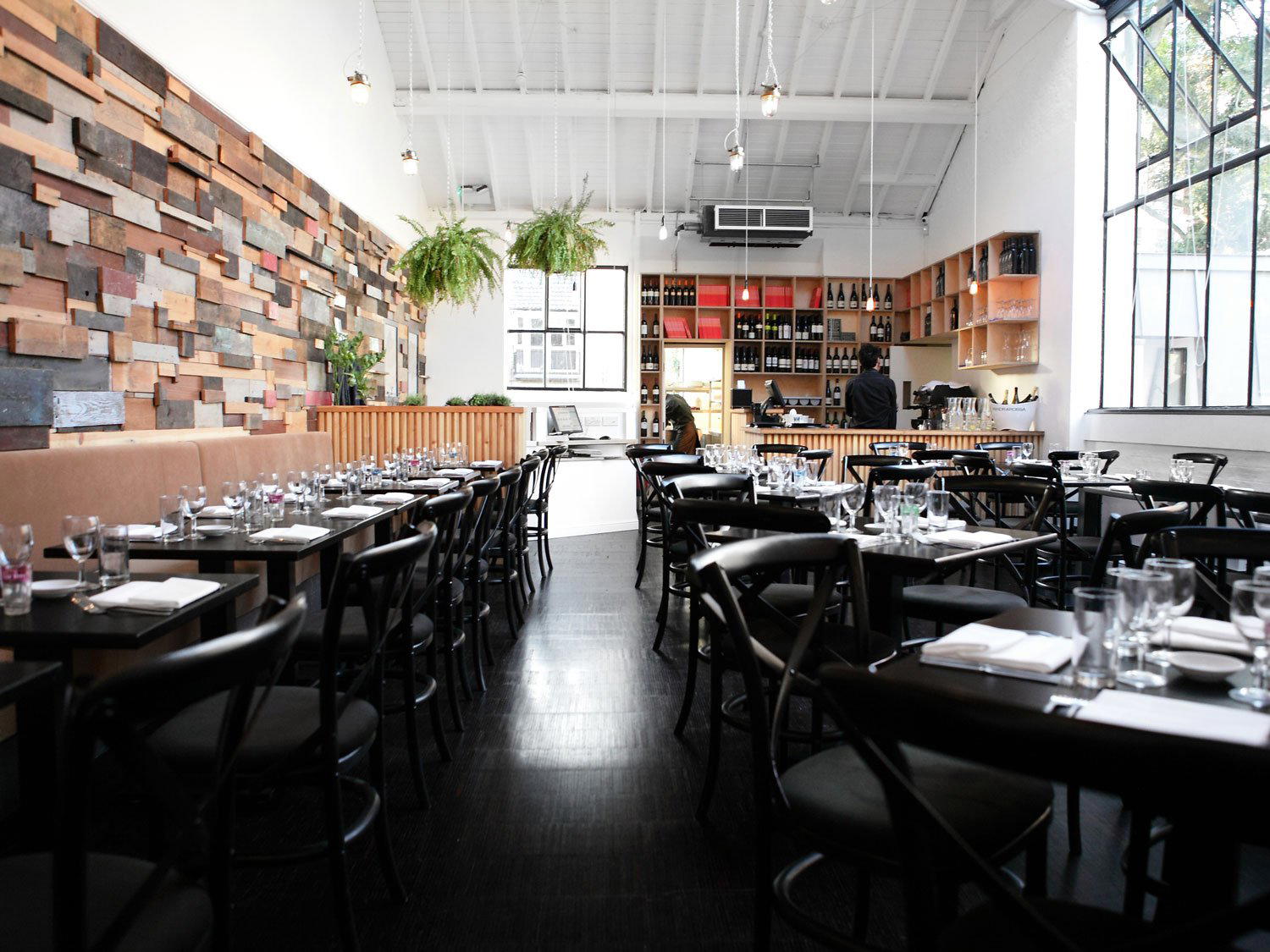
The Case for Eating Here First
If you spend any time in London eating seriously, make room for at least one meal at a restaurant that has been doing this longer than most chefs currently running tasting menus were in culinary school. The Gate opened its first site in 1989, which places it not on the fringe of London's vegetarian tradition but at its foundation. The city now has many plant-forward openings drawing on that lineage, but the original remains a useful measure of how far the category has come and how much of what newer places claim as innovation was already in the room decades earlier.
The Hammersmith address on Queen Caroline Street sits in a quieter residential stretch of west London, away from the central drag where comparable dining rooms compete for the same pool of diners. That geography shapes the experience in a practical way: the room tends to attract neighbourhood regulars alongside destination visitors, which gives service a different register from the performance-mode front-of-house you encounter at, say, Sketch, The Lecture Room and Library or Dinner by Heston Blumenthal.
What the Kitchen Is Actually Doing
The Gate describes its approach as vegetable pioneering, and the label holds up when you look at what is actually on the plate. The kitchen works from world-kitchen references rather than assembling dishes that exist primarily to demonstrate what has been removed. A vol au vent filled with morels, oyster mushrooms, and portobello with creamy mustard sauce is a classical French pastry format applied with full seriousness to fungi that carry genuine depth. A Caesar salad reconstructed around smoked tofu, avocado, capers, cherry tomatoes, polenta croutons, and Roman lettuce is not a workaround for anchovy and egg; it is a parallel route to the same combination of fat, acid, crunch, and umami that makes the original work.
This approach to borrowing from established culinary frameworks is relevant context when you consider where vegetarian restaurants have historically struggled: the tendency to treat the absence of meat as an aesthetic statement rather than a culinary starting point. The Gate's menu reads differently because the references are confident. The dishes are in conversation with classical cooking, not in retreat from it.
For readers who move regularly between London's serious dining rooms and those in other cities, the point of comparison is instructive. Tasting-menu restaurants at the level of CORE by Clare Smyth or The Ledbury now treat vegetable cookery as central to their identity, not peripheral. The Gate was making that argument in 1989, when the conversation barely existed in mainstream London dining.
Four Sites, One Position
The group operates four London addresses: Queen Caroline Street in Hammersmith, Seymour Place in Marylebone, Allitsen Road in St John's Wood, and a fourth site. The multi-site model is common among mid-range London groups, but the restaurant sits in a specific tier within that model. The menu consistency across addresses reflects a kitchen operation with genuine institutional knowledge behind it rather than franchise replication.
In a city where vegetarian dining has split between high-concept tasting-menu formats and fast-casual health bowls, the restaurant occupies the middle ground: full-service, full-menu, mid-range in price, with the kind of depth that rewards repeat visits. That positioning places it in a different competitive set from the £££ tasting-menu operators listed above, and also from the salad-bar tier below. The comparable set is better understood as London's other long-running, quality-focused neighbourhood restaurants, regardless of cuisine type.
The Service Dynamic in a Specialist Restaurant
The editorial angle worth pressing here is the relationship between a specialist kitchen and its front-of-house in the context of vegetarian cooking. In rooms where the menu covers a narrower ingredient set than a conventional restaurant, the knowledge transfer between kitchen and floor becomes more important, not less. Staff who can explain why a dish built on wild mushrooms achieves a particular depth, or how polenta croutons function structurally in a Caesar, are doing a different job from servers who simply describe what is on the plate.
This matters at the restaurant because the menu invites questions. Diners who arrive with conventional dining habits often need the room to meet them partway, explaining the logic of a dish rather than apologising for the absence of something. The group's longevity, running the same kitchen philosophy since 1989, creates the conditions for that kind of fluent service: the team has had decades to internalise why the food works and how to communicate it to guests who are encountering it for the first time.
For comparison, restaurants at the technical end of the London spectrum, from Restaurant Gordon Ramsay to the precision-driven American rooms like Atomix in New York City, invest heavily in front-of-house education precisely because the food requires it. The restaurant's version of that investment is less visible but structurally similar: a long-standing format requires long-standing institutional knowledge on the floor.
London in Context
London's vegetarian and vegan dining scene in 2024 is unrecognisably richer than it was when the restaurant opened. The city now has plant-forward tasting menus, specialist wine programs built around vegetable-friendly bottles, and restaurants where the absence of meat is a design choice rather than a dietary accommodation. That expansion owes something, directly or indirectly, to the argument the restaurant was making from the beginning: that cooking without meat is cooking, not cooking minus something.
For readers building a London itinerary around serious eating, the restaurant sits in a different register from the starred rooms covered elsewhere in our guides. It is not in competition with CORE or The Ledbury or destination restaurants further afield like L'Enclume in Cartmel, Moor Hall in Aughton, or Gidleigh Park in Chagford. The value proposition is different: consistent, accessible, historically significant in its category, and open most days of the week.
Readers planning broader trips around British dining should also consider The Fat Duck in Bray, Hand and Flowers in Marlow, and Le Manoir aux Quat' Saisons in Great Milton for the full picture of where the country's serious kitchens currently sit. For the London portion of that picture,
Cuisine Context
Comparable venues nearby, for context on price, style, and recognition.
| Venue | Cuisine | Price | Notes |
|---|---|---|---|
| The GateThis venue — the venue you are viewing | Modern Vegetarian Fine Dining | $$$ | Not listed |
| Tiny Leaf | Organic Zero-Waste Vegetarian | $$$ | Newington |
| Bistro Freddie | Modern French Bistro | $$$ | Shoreditch |
| Pearly Queen | Modern Seafood & Oyster Bar | $$$ | Spitalfields |
| Leo’s | Modern Neighbourhood Italian | $$$ | Lower Clapton |
| Amaro | Cocktail Bar with Light Sicilian Plates | $$$ | Kensington Palace Gardens |
Recognition history
Dated appearances from independent guides and award organizations, with the underlying list record or original source where available.
We're Smart World 3 Radishes
We're Smart World
Continue exploring
More in London
Restaurants in London
Browse all →
Bars in London
Browse all →
Hotels in London
Browse all →

At a Glance
- Elegant
- Intimate
- Cozy
- Sophisticated
- Date Night
- Special Occasion
- Celebration
- Group Dining
- Standalone
- Historic Building
- Sommelier Led
- Farm To Table
Current opening hours
- Monday
- 12–10:30 PM
- Tuesday
- 12–10:30 PM
- Wednesday
- 12–10:30 PM
- Thursday
- 12–10:30 PM
- Friday
- 12–10:30 PM
- Saturday
- 12–10:30 PM
- Sunday
- 12–9:30 PM
Hours can change for holidays and private events. Last verified .
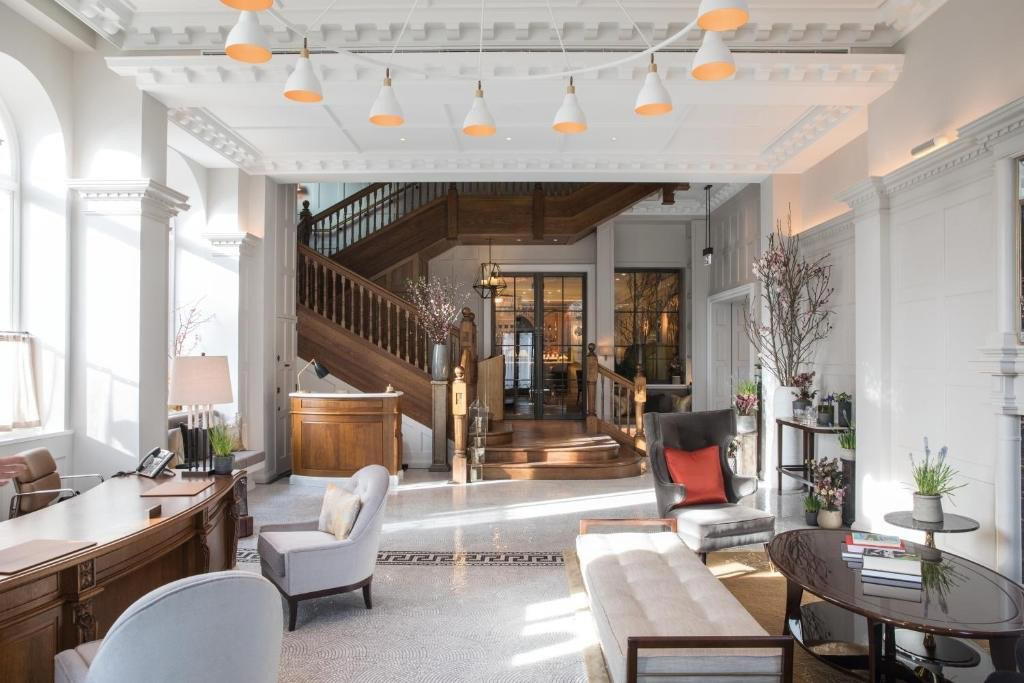
Intimate, light-filled space with high ceilings and abundant glass; warm and welcoming atmosphere with cosy surroundings that feels upscale yet approachable.