Our verdict
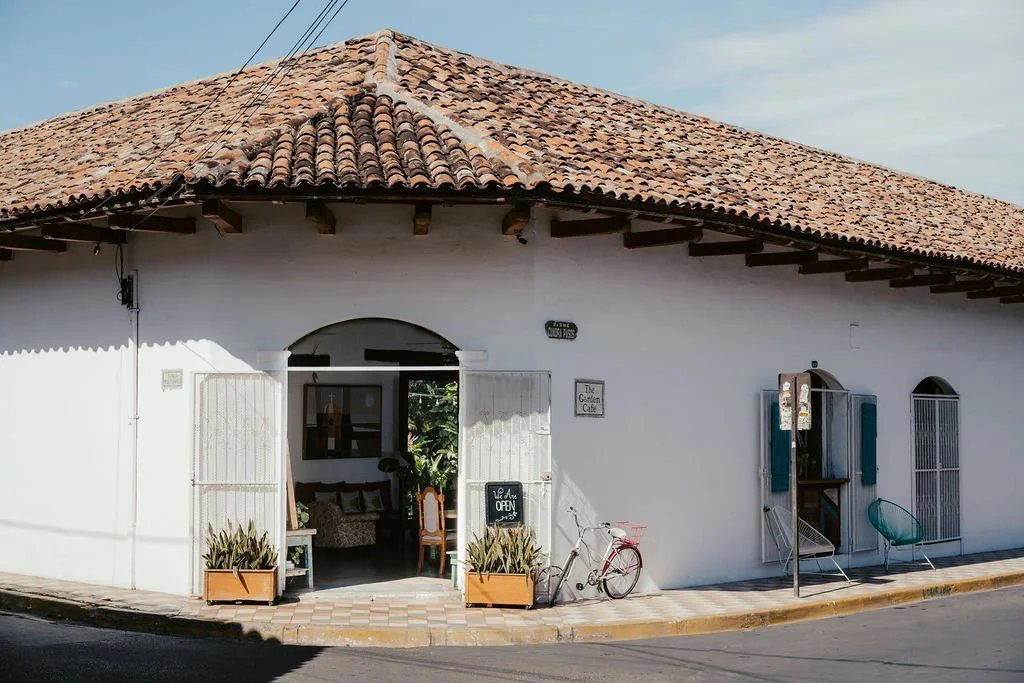
On Calle Cervantes in Granada, Nicaragua, The Garden Café occupies the kind of shaded courtyard that defines the colonial city's relationship with shade and slowness. The menu reads as a practical map of how Granada feeds itself at midday — local produce, straightforward preparations, and a pace calibrated to the heat. For visitors moving between the city's churches and lake shore, it functions as a reliable midday anchor.

Pearl is the En Primeur Club membership app — saves, bookings, and concierge access live there. Same editors, same standards.
- Address
- Calle Libertad, C. Cervantes, Granada 00000, Nicaragua
- Phone
- +505 2552 8582
- Hours
- Daily 7 AM–9 PM
- Website
- gardencafegranada.com
- Directions
- Get directions
The menu
What to order
- Vegetarian Tacos
- Green Curry
- Buddha Bowl
- Chimichurri Chicken & Quinoa Bowl
- Cheesecake
Granada's Courtyard Dining Tradition and Where The Garden Café Sits Within It
Colonial Granada organises its public life around shade. The city's architecture, built for a climate that punishes exposure, channels residents and visitors into covered walkways, deep-set doorways, and interior courtyards where the temperature drops several degrees the moment you step inside. Dining in Granada has always followed this logic: the most-used tables are the ones farthest from the street, set beneath trees or roof overhangs where a midday meal can stretch past an hour without becoming uncomfortable. The Garden Café, on Calle Cervantes off Calle Libertad, operates within this tradition rather than against it. Its physical address places it in the older residential grid near Granada's centre, where colonial houses turn inward and the street-facing facade gives little indication of what opens up behind it.
That spatial dynamic matters because it shapes how the menu is used. Courtyard restaurants in mid-sized Central American colonial cities tend to attract a mixed clientele across the day: travellers pausing between sights in the morning, longer-staying visitors and local professionals at lunch, and a lighter crowd in the late afternoon. The menu structure at venues that serve this function well tends to reflect those rhythms, offering lighter, more grab-and-go options early and broader plates through the midday window. The Garden Café's position on a named street in a walkable neighbourhood suggests exactly this kind of all-day, context-dependent use.
What the Menu Architecture Signals
Granada's cafe and restaurant sector divides roughly into two camps. The first serves the tourist circuit directly: translated menus heavy on international comfort food, priced above local averages, with service paced for visitors who have nowhere else to be. The second, smaller group builds menus that reflect how Nicaraguans actually eat at different times of day, drawing on local produce and regional preparation traditions while remaining accessible to non-local visitors. The distinction is visible in how a menu is structured. A venue that leads with gallo pinto, fresh fruit, and egg preparations in the morning before shifting to rice-based plates, grilled proteins, and local vegetable dishes through lunch is signalling alignment with Nicaraguan eating patterns. A venue that opens with pancakes and closes with pasta is signalling something else.
What its location and format suggest, however, is a cafe-scale operation rather than a full-service restaurant, which in Granada's context typically means a tighter, more focused menu built around a smaller number of daily preparations. That kind of constraint is often a quality signal: venues that attempt fewer things tend to execute them more consistently. The comparison set in central Granada includes Atelier Casa de Comidas, which operates at the contemporary Spanish end of the spectrum, and Bar FM, which focuses on seafood small plates. The Garden Café, based on its name and courtyard-likely format, occupies a different register: lighter, more casual, closer to the neighbourhood cafe model than either of those venues.
Granada's Position in Nicaragua's Dining Conversation
Nicaragua does not yet have a significant presence on international fine-dining circuits. That absence is partly structural: the country lacks the tourism infrastructure and the critical mass of international visitors that drives the kind of investment behind venues such as Le Bernardin in New York or Alinea in Chicago. It is also partly a reflection of where Nicaragua sits in the regional development of culinary tourism. Managua has seen some movement in this direction, with venues like Porterhouse Steaks operating at the higher end of the capital's dining tier, but Granada's cafe scene remains oriented toward the traveller passing through rather than the destination diner flying in.
That context is not a criticism. It describes the actual conditions under which a venue like The Garden Café operates and what it reasonably can and cannot offer. Granada attracts visitors primarily for its colonial architecture, lake access, and proximity to volcanic landscapes. Food is part of the experience, but it is rarely the primary reason anyone has flown to Nicaragua. A cafe that serves that visiting population well, with honest preparations and a shaded courtyard where the heat becomes manageable, is performing a genuine and useful function in the city's hospitality ecosystem. For the more food-focused visitor, Albidaya, with its farm-to-table approach, represents a different point on the same spectrum, and Arriaga offers contemporary positioning. The Garden Café sits at the accessible, everyday end of that range.
Elsewhere in the country, Sapori d'Italia in Matagalpa demonstrates how Italian-inflected formats have found a foothold in secondary Nicaraguan cities, a pattern that speaks to the country's gradually expanding dining vocabulary beyond its traditional base.
Planning a Visit: What to Know Before You Go
The Garden Café's address on Calle Cervantes places it within walking distance of Granada's central park and the main cluster of colonial churches, which makes it a practical option for visitors already in the historic core. Arriving outside peak lunch hours, typically before noon or after 1:30pm, gives better access to seating in the courtyard. Granada's heat peaks between late morning and mid-afternoon, so the shade question is not trivial: if the venue does operate a garden or courtyard format as its name implies, that positioning is a genuine practical asset at that time of day. Visitors with confirmed reservations at Granada's more formal venues might consider The Garden Café as a morning coffee stop, given its location relative to the city's main pedestrian routes. Our full Granada restaurants guide maps the broader scene across price points and formats.
The Wider EP Club Context
For readers whose dining reference points include Atomix in New York, Amber in Hong Kong, or Alain Ducasse at Louis XV in Monte Carlo, The Garden Café represents a different kind of value proposition entirely. It is not competing in that register, and evaluating it as though it were would miss what it actually offers. The more useful comparison is internal to Granada: against Bar Los Diamantes and the city's tapas-bar tier, and alongside the more casual end of what the colonial centre provides day-to-day. Venues like Lazy Bear in San Francisco or Aponiente in El Puerto de Santa María illuminate what menu architecture can achieve at the far end of the ambition spectrum; The Garden Café illustrates what it looks like at the other end, where clarity of purpose and physical comfort matter more than technical ambition.
Frequently asked questions
What's the address for The Garden Café?
The Garden Café is located at Calle Libertad, C. Cervantes, Granada 00000, Nicaragua, Granada.
Is The Garden Café a good option for dining in Granada if you're staying near the central park?
The Garden Café's address on Calle Cervantes places it within the walkable core of colonial Granada, close to the central park and the main cluster of colonial-era churches. For travellers based in that neighbourhood, it functions as a convenient all-day option without requiring transport. Nicaragua's dining scene does not yet carry Michelin or 50 Best credentials, so venue selection in Granada relies on location, format, and local reputation rather than formal award rankings.
What do regulars order at The Garden Café?
Confirmed menu data for The Garden Café is not on public record. Granada's colonial-centre cafes at this format and address typically anchor their menus around Nicaraguan staples — gallo pinto, local fruit drinks, grilled proteins — alongside international options aimed at visitors. On Calle Cervantes, proximity to the central park means foot traffic from both long-stay travellers and Granada residents, which tends to push kitchens toward a dual menu structure rather than a single-focus offering.
Is The Garden Café reservation-only?
Cafe-scale venues in Granada's colonial centre at this address and format almost universally operate on a walk-in basis, with reservations neither required nor formally offered. Arriving outside peak lunch hours — roughly 12:30 to 2:00 pm — is the practical way to secure a courtyard table during high season.
Credentials Lens
Comparable venues nearby, for context on price, style, and recognition.
| Venue | Cuisine | Price | Notes |
|---|---|---|---|
| The Garden CaféThis venue — the venue you are viewing | Central American Cafe with Healthy & Sustainable Focus | $10–20 | Not listed |
| Café de las Sonrisas | Nicaraguan Cafe | $1–10 | Centro |
| NM Culinary | Mediterranean-inspired Farm-to-Table | $50–100 | historical center |
| Pita Pita Fun Food | Middle Eastern | Not listed | Not listed |
| Sushi Itto | Japanese Sushi and Seafood | Not listed | Santo Domingo |
| Sapori d'Italia | Italian Pizza & Pasta | $1–10 | Matagalpa |
Continue exploring
More in Granada
Restaurants in Granada
Browse all →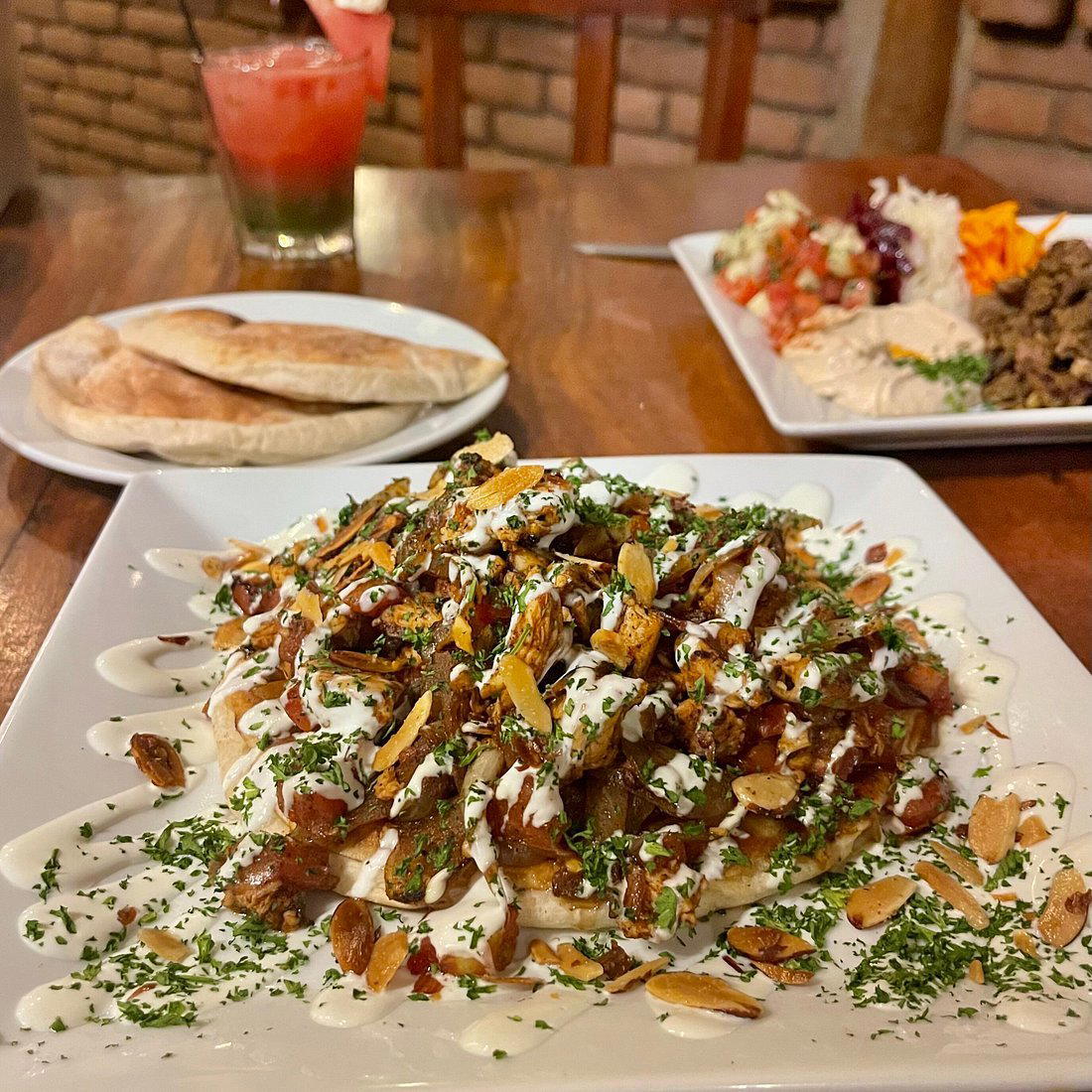


Details
- Cozy
- Scenic
- Bohemian
- Casual Hangout
- Brunch
- Solo
- Family
- Group Dining
- Garden
- Courtyard
- Historic Building
- Design Destination
- Craft Cocktails
- Beer Program
- Farm To Table
- Organic
- Local Sourcing
- Garden
- A La Carte
- Specialty Coffee
- Fresh Smoothies
- Fresh Juices
- Vegetarian Friendly
- Vegan Options
- Gluten Free Options
- Organic Focus
Current opening hours
- Monday
- 7 AM–9 PM
- Tuesday
- 7 AM–9 PM
- Wednesday
- 7 AM–9 PM
- Thursday
- 7 AM–9 PM
- Friday
- 7 AM–9 PM
- Saturday
- 7 AM–9 PM
- Sunday
- 7 AM–9 PM
Hours can change for holidays and private events. Last verified .
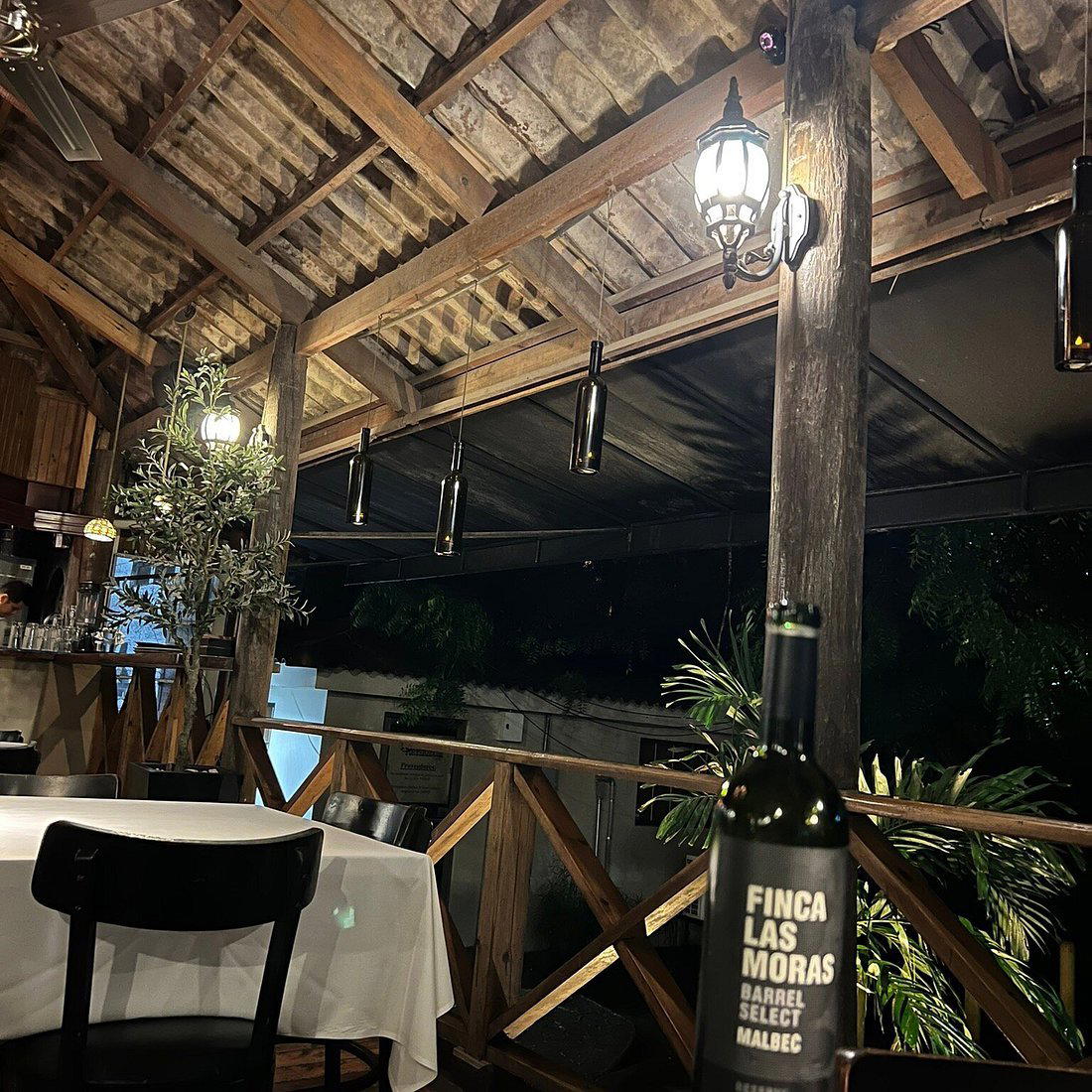
Serene and tranquil with fairy lights, tropical plants, and natural light filtering through covered courtyard seating; peaceful refuge from the bustling city center.