Our verdict
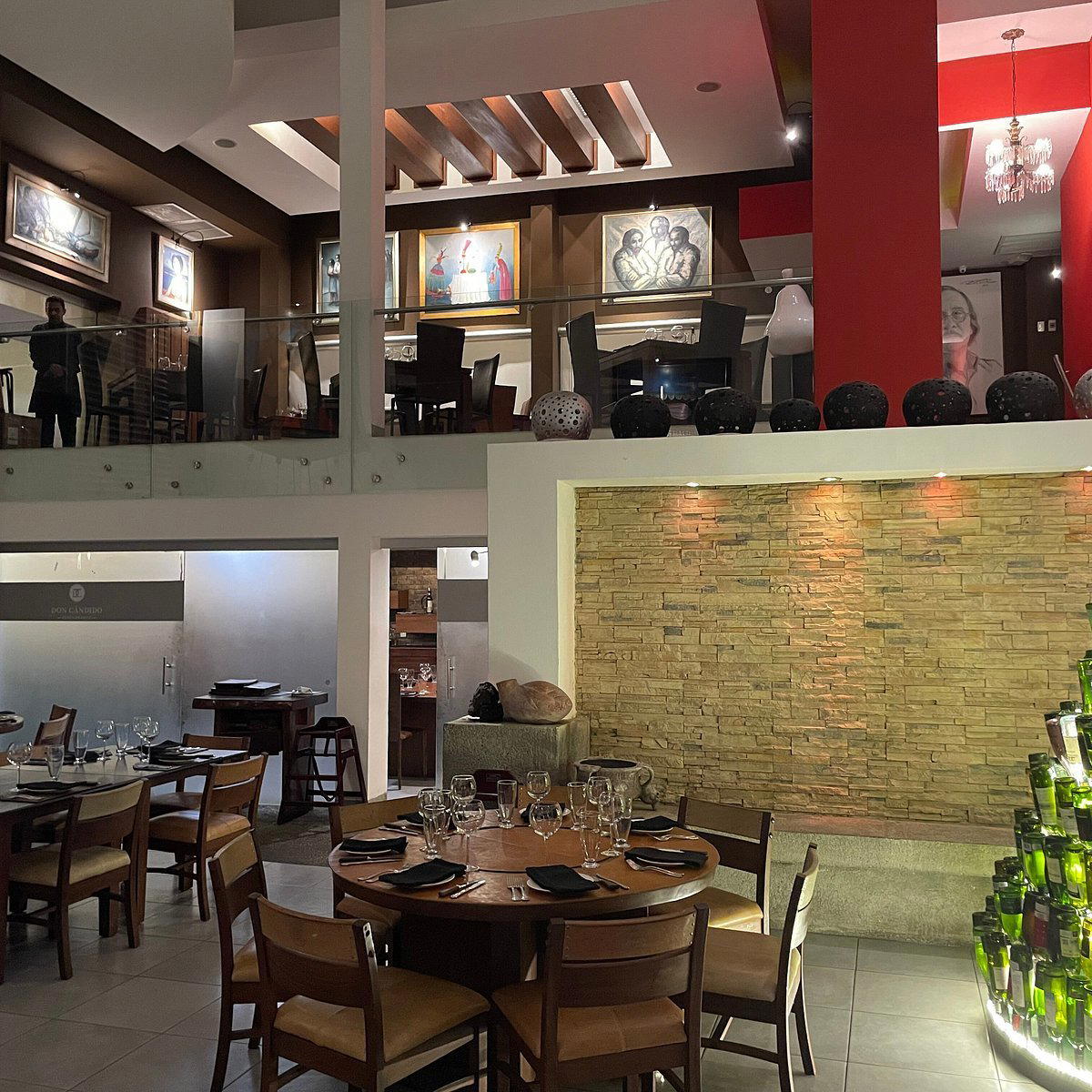
On the Carretera a Masaya corridor that anchors much of Managua's serious dining, Porterhouse Steaks occupies a clear position in the city's red-meat tradition. The name signals a specific cut and a specific commitment: beef as the central argument on the plate, sourced and prepared with the kind of focus that separates a steakhouse from a grill. For visitors working through Nicaragua's capital, it sits alongside Restaurant Don Candido as one of the addresses where protein-forward dining is taken seriously.

Pearl is the En Primeur Club membership app — saves, bookings, and concierge access live there. Same editors, same standards.
- Address
- Km 8 Carr. a Masaya, Managua, Nicaragua
- Phone
- +50522761264
- Hours
- Mon–Wed 12–10 PMThu–Sat 12–11 PMSun 12–10 PM
- Website
- phsteaks.com
- Directions
- Get directions
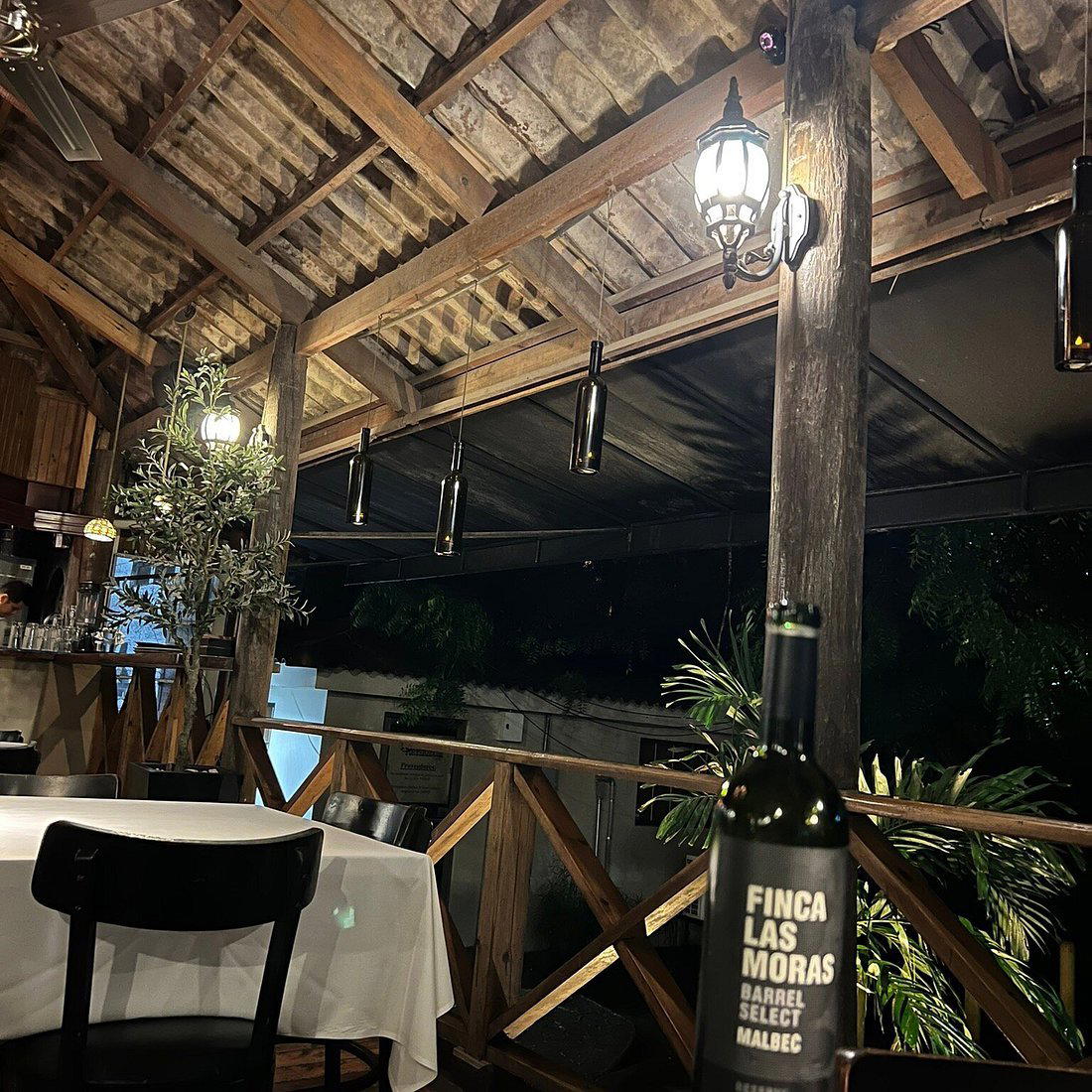
Beef on the Carretera: Managua's Steakhouse Corridor in Context
The Carretera a Masaya is the spine of modern Managua dining. The eight-kilometre stretch running southeast from the old city core toward Masaya is where the capital's mid-to-upper restaurant tier has concentrated over the past two decades, trading central-city foot traffic for parking, air conditioning, and a clientele that arrives by car with a reservation in hand. Porterhouse Steaks, at Km 8 on that corridor, sits at the far end of this strip, where the density of restaurants thins and the formats tend toward the more purposeful.
In a city where the grill is embedded in daily life, a steakhouse that names itself after a single cut is making an argument. The porterhouse, a T-bone variant that carries both the tenderloin and strip on either side of the bone, is a maximalist choice as a flagship: it requires good sourcing, correct aging, and confident heat management. Naming a restaurant after it is a signal to a specific diner, one who understands what separates that cut from a generic churrasco and wants the kitchen to justify the reference.
Where the Beef Comes From: Sourcing in the Nicaraguan Context
Nicaragua has a cattle tradition that predates its restaurant culture by centuries. The country is one of Central America's largest beef exporters, with a herd concentrated in the departments of Chontales, Boaco, and the Río San Juan region. That agricultural fact matters at the table: when a Managua steakhouse operates in a country with this much domestic production, the sourcing conversation is different from what you'd have at, say, a steakhouse in a city that imports everything from Argentina or the United States.
Nicaraguan beef tends toward grass-fed, leaner profiles than the heavily marbled grain-finished cuts that dominate North American steakhouse menus. For diners arriving from markets where Wagyu crossbreeds and USDA Prime are the baseline, the adjustment is real: the flavor of well-raised Nicaraguan beef is more assertive, with a mineral quality that grain-finishing tends to suppress. A kitchen that understands its domestic product and cooks accordingly is doing something more coherent than one that applies North American technique to local raw material without accounting for the difference.
This is the editorial lens through which Porterhouse Steaks is worth considering: not as a replica of a Buenos Aires parrilla or a Manhattan chophouse, but as a Managua address working within a specific regional livestock tradition. For that framing to hold, the kitchen needs to know what it has and cook it on its terms. The Carretera corridor includes other red-meat options, and Restaurant Don Candido occupies a long-established position in that same conversation, giving diners a direct comparison point within walking distance of the same strip.
The Steakhouse Format in a Latin American Capital
Managua's restaurant scene does not sort itself by Michelin tier or 50 Best adjacency the way cities like Mexico City or Lima do. The comparison set here is regional and practical. Across Latin American capitals, the premium steakhouse format tends to bifurcate: there are the imported-brand experiences aligned with international hotel groups (think the kind of programming you'd find at addresses associated with the global recognition tier, from Le Bernardin in New York City to Alain Ducasse at Louis XV in Monte Carlo), and there are the locally rooted operators who build their identity around domestic product and regional technique. Porterhouse Steaks, positioned on a Managua highway corridor rather than inside an international hotel, reads as the latter.
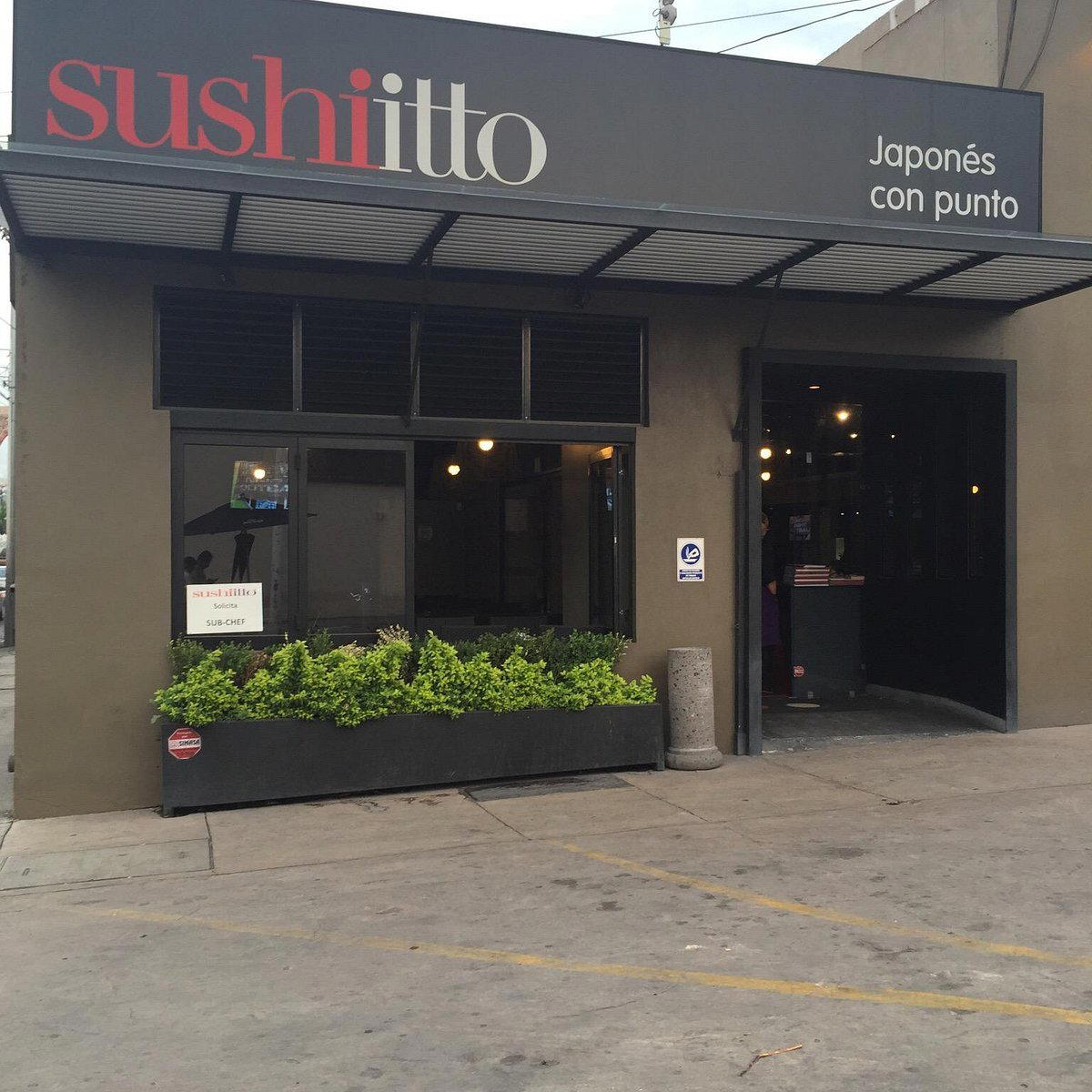
That positioning carries implications. A locally anchored steakhouse in Nicaragua is not priced against a Santiago or Buenos Aires comparator. It serves a market that includes both Managua's business community and international visitors who find themselves in the capital between Granada and the coast. For the latter, understanding where Porterhouse Steaks fits relative to other Managua dining is useful context. The city's restaurant range extends from the accessible and quick to the more considered: Shanghai China Bistro and Sushi Itto occupy different format categories entirely, serving diners for whom a steakhouse is not the evening's call. The full Managua restaurants guide maps those options against each other for visitors building a multi-night itinerary.
Nicaragua Beyond Managua: The Wider Dining Picture
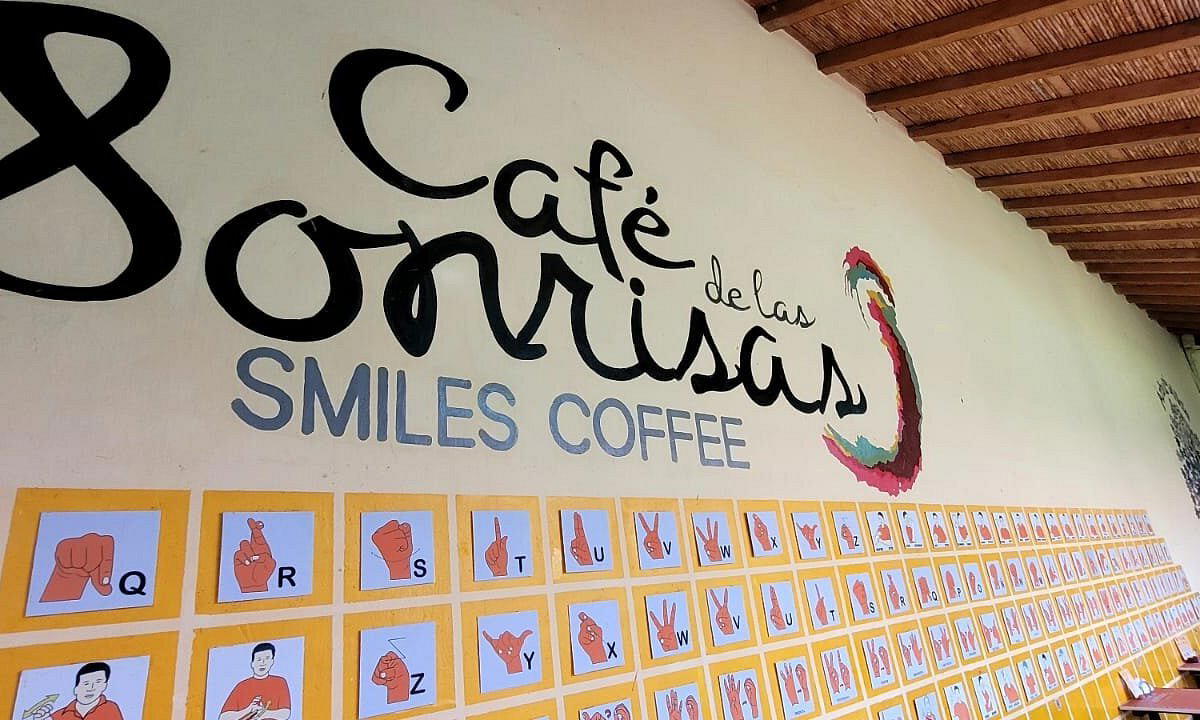
Porterhouse Steaks operates in a national context worth noting. Nicaragua's dining culture outside Managua is anchored in a different register: Granada's colonial-quarter restaurants, for instance, include socially embedded projects like Café de las Sonrisas, which operates within a deaf-community employment model, and the highland city of Matagalpa offers European-influenced options such as Sapori d'Italia. Against that national spread, a Managua steakhouse that names itself after a specific cut is among the more format-focused operations in the country.
For travelers who move through multiple Central American countries, Nicaragua's red-meat tradition is a genuine regional differentiator. The country's cattle industry is not a marginal footnote; it is one of the primary agricultural sectors. A steakhouse that takes seriously its position within that tradition is engaging with something that has genuine local grounding, which is a different proposition from a generic grill operating in a market where beef is incidental.
Planning Your Visit
Porterhouse Steaks sits at Km 8 on the Carretera a Masaya, the city's main southeastern artery. The address is most easily reached by taxi or ride-share from central Managua or from the Zona Rosa and Altamira hotel clusters, which concentrate much of the capital's visitor accommodation. The Carretera corridor operates on a driving-and-parking model rather than a walkable-neighborhood model, so arrival logistics matter: budget time for Managua's variable traffic, particularly in the late afternoon when the corridor sees heavy commuter flow.
This is standard practice for independent operators in Central American capitals, where hours can shift seasonally and reservation expectations vary by day of week. Travelers with dietary requirements should likewise confirm in advance: a steakhouse format built around a flagship cut does not always carry extensive non-beef alternatives as a baseline, and verifying options ahead of time avoids a wasted trip on the Carretera.
Frequently asked questions
How do I find Porterhouse Steaks?
Porterhouse Steaks is located at Km 8 Carr. a Masaya, Managua, Nicaragua, Managua.
Where exactly is Porterhouse Steaks located in Managua, and how do I get there?
The restaurant is at Km 8 on the Carretera a Masaya, Managua's main southeastern road connecting the old city core to the Masaya highway. Taxi and ride-share services from central Managua cover the route in under 20 minutes outside peak traffic. The Carretera a Masaya is one of the city's most-travelled arteries, so most local drivers will know the kilometre marker without a full street address.
What's the best thing to order at Porterhouse Steaks?
The name signals the house priority: the porterhouse cut, which combines the tenderloin and strip on a single T-bone. Nicaragua is one of Central America's largest beef exporters, so the sourcing baseline for a dedicated steakhouse on the Carretera a Masaya corridor is stronger than in most regional capitals. Order the namesake cut and judge the kitchen from there.
Should I book Porterhouse Steaks in advance?
Phone and online booking details are not publicly listed for this location. The safest approach for weekend visits on the Carretera a Masaya, where foot traffic and drive-by dining are both heavy, is to arrive early or send someone ahead to hold a table. Midweek evenings are typically more flexible along this corridor.
What is Porterhouse Steaks known for?
Porterhouse Steaks operates on Km 8 of the Carretera a Masaya, Managua's principal southeast dining artery, positioning it at the centre of the city's steakhouse corridor. The venue is oriented around beef, drawing on Nicaragua's deep cattle tradition rather than importing a format from abroad. In a city where dining identity is built around local sourcing and grilled meat, that alignment carries weight.
Can Porterhouse Steaks accommodate dietary restrictions?
A restaurant built around the porterhouse cut will have limited options for guests avoiding red meat or animal protein. Visitors with specific dietary needs should confirm directly with the restaurant before visiting, as the Km 8 Carretera a Masaya address does not currently list a public phone or website.
Is Porterhouse Steaks good value for money?
Managua's steakhouse corridor on the Carretera a Masaya spans a wide price range, from neighbourhood parrillas to destination dining rooms, and Porterhouse Steaks sits within that spectrum. Nicaragua's position as a major Central American beef exporter generally keeps local cut prices below what comparable steakhouses charge in Mexico City or Panama City.
Side-by-Side Snapshot
Comparable venues nearby, for context on price, style, and recognition.
| Venue | Cuisine | Price | Notes |
|---|---|---|---|
| Porterhouse SteaksThis venue — the venue you are viewing | Premium Steakhouse | $30–50 | Not listed |
| Restaurant Don Candido | Nicaraguan Steakhouse | Not listed | Los Robles |
| Shanghai China Bistro | Authentic Cantonese Chinese | Not listed | Managua |
| Sushi Itto | Japanese Sushi and Seafood | Not listed | Santo Domingo |
| The Garden Café | Central American Cafe with Healthy & Sustainable Focus | $10–20 | Central Granada |
| Café de las Sonrisas | Nicaraguan Cafe | $1–10 | Centro |
Continue exploring
More in Managua
Restaurants in Managua
Browse all →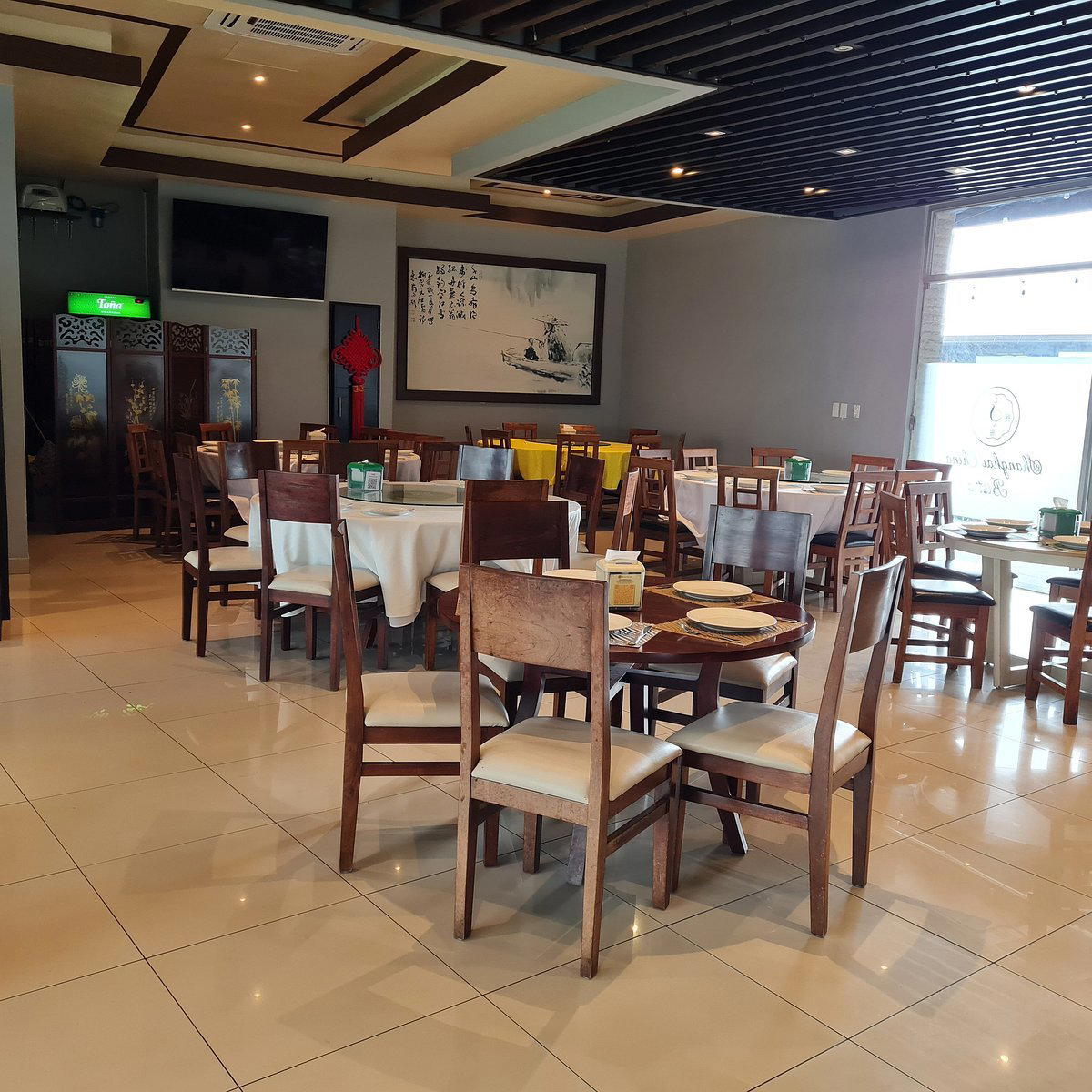
Details
- Elegant
- Sophisticated
- Date Night
- Business Dinner
- Special Occasion
- Open Kitchen
- Extensive Wine List
- Local Sourcing
- A La Carte
- Gluten Free Options
Current opening hours
- Monday
- 12–10 PM
- Tuesday
- 12–10 PM
- Wednesday
- 12–10 PM
- Thursday
- 12–11 PM
- Friday
- 12–11 PM
- Saturday
- 12–11 PM
- Sunday
- 12–10 PM
Hours can change for holidays and private events. Last verified .
Inviting upscale atmosphere with carefully selected service and comfortable seating for an elegant dining experience.