Our verdict
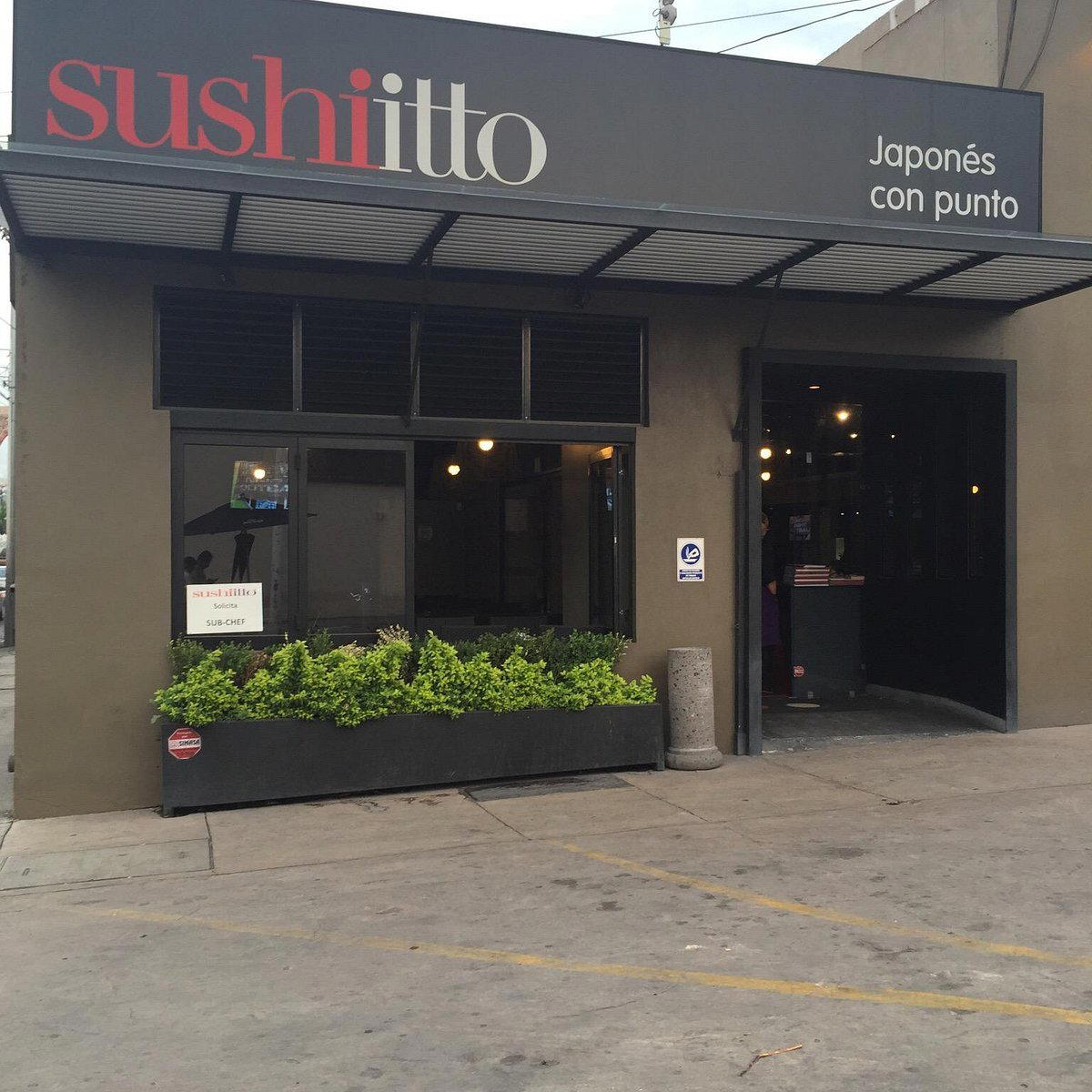
Sushi Itto occupies a practical but telling position inside Galerías Santo Domingo, the commercial centre that anchors Managua's Carretera a Masaya corridor. For a city where Japanese dining options remain limited, it represents a consistent entry point into the category — sitting alongside international and regional alternatives in a mall format that prioritises accessibility over atmosphere.

Pearl is the En Primeur Club membership app — saves, bookings, and concierge access live there. Same editors, same standards.
- Address
- Galerias Santo Domingo, Km 6.5 Carretera a Masaya, Managua, Managua
- Directions
- Get directions
The menu
What to order
- California roll
- Volcano roll
Japanese Dining on the Carretera a Masaya Corridor
Mall dining in Latin America has always carried a complicated reputation among serious eaters. In cities where restaurant infrastructure is thin and independent venues can be logistically inconsistent, the shopping centre location is often less a compromise than a pragmatic anchor — reliable parking, air conditioning, and foot traffic that keeps a kitchen honest. Galerías Santo Domingo, positioned at Km 6.5 on Managua's Carretera a Masaya, is the clearest example of that dynamic in the Nicaraguan capital. It functions as the city's most commercially active retail corridor, and the restaurants operating inside it serve a cross-section of Managua's professional and middle-class population that would otherwise scatter across the city's dispersed dining scene.
Sushi Itto sits within that context. As part of a wider Japanese-style casual dining brand present across Central America and Mexico, it represents something specific for Managua: a structured, replicable approach to Japanese food in a city where the cuisine is not deeply embedded in local tradition. That scarcity matters for understanding what Sushi Itto is. It is not competing against a dense field of omakase counters or izakaya specialists. It operates in a category it largely defines by presence, which makes the Galerías Santo Domingo address both its main commercial advantage and the clearest lens through which to read it.
What the Neighbourhood Signals About the Dining Experience
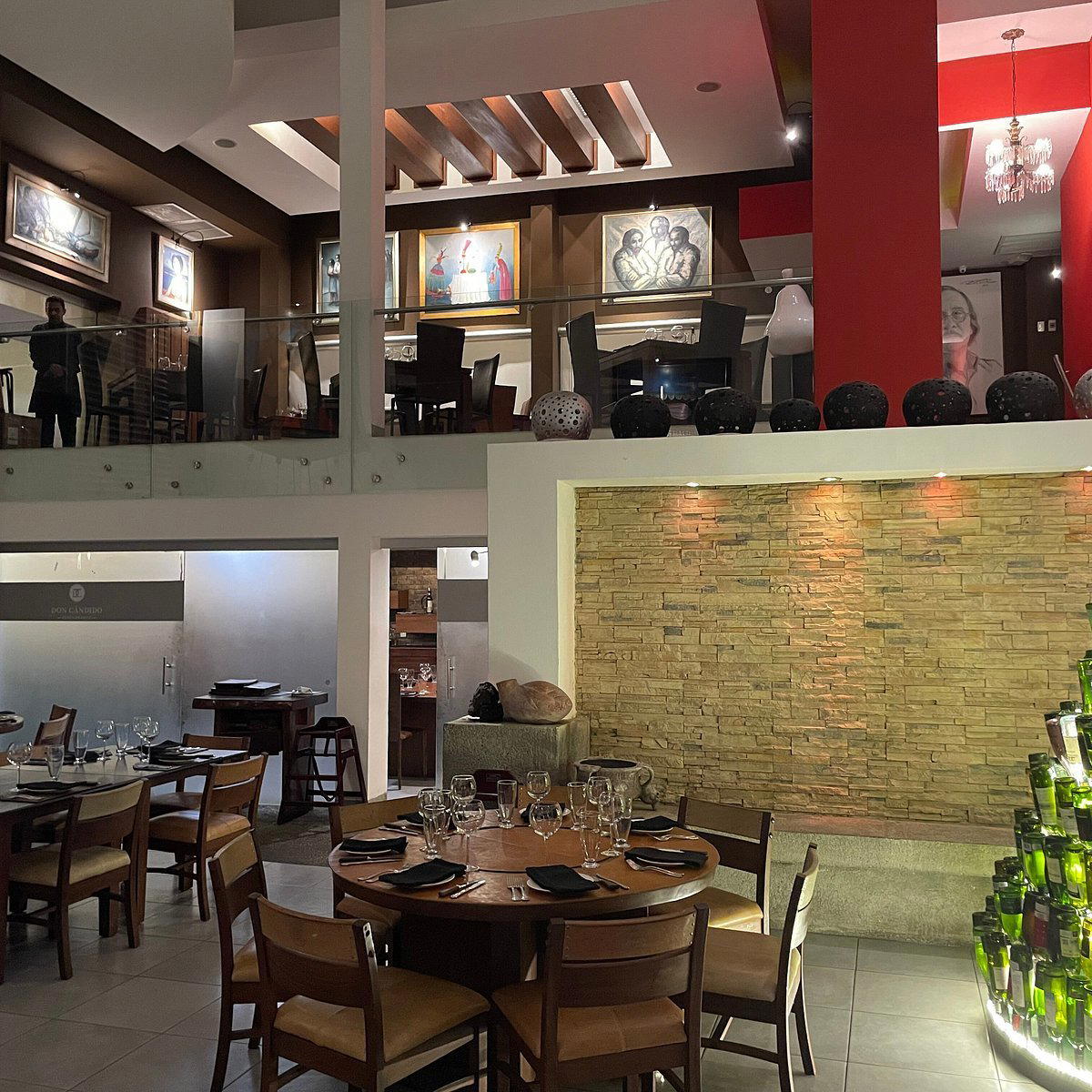
The Carretera a Masaya stretch between the city centre and the southern municipalities is where Managua's dining density is highest. Upscale Nicaraguan kitchens, international chains, and some of the city's better-regarded independent restaurants concentrate here, not in the historic centre, which remains sparse by comparison. Restaurant Don Candido and Porterhouse Steaks draw from the same general corridor, as does Shanghai China Bistro, which positions itself in a similar international-cuisine niche. The clustering is not incidental: this is where disposable income and dining-out behaviour converge in Managua, and a restaurant in this zone is already communicating something about its expected price point and audience before a single dish arrives.
Galerías Santo Domingo specifically draws families, professionals, and weekend shoppers — a demographic that tends to favour recognisable formats and consistent execution over culinary risk. For Japanese dining, that context shapes expectations. The model rewards accessibility: approachable rolls, combination plates, and familiar presentations rather than the restrained minimalism of high-end Japanese traditions. It is a different tier from the spare, reservation-only counter experience that defines the category in cities like Tokyo or even Mexico City's more developed Japanese dining scene. That is not a criticism of Sushi Itto; it is simply where this format sits along a global spectrum, and understanding that placement helps calibrate what a visit is likely to deliver.
Japanese Cuisine in Central America: A Category Still Finding Its Depth
Across Central America, Japanese dining has expanded through chain formats and casual fusion more than through chef-driven independent restaurants. The pattern differs sharply from what has happened in cities like Lima or São Paulo, where Japanese immigration established deep culinary roots and eventually produced some of the most technically sophisticated Japanese-influenced kitchens in the world. Nicaragua did not receive comparable immigration waves, which means the cuisine arrived primarily through commercial channels rather than cultural ones.
That structural reality shapes what is available and what audiences expect. In Managua, the reference point for Japanese food is largely the casual roll-and-tempura format popularised across the region by multi-unit brands. This is the context Sushi Itto operates in, a familiar format filling a genuine gap rather than competing in a saturated specialist market. For a traveller arriving from cities with deep Japanese dining traditions, the frame of reference shifts accordingly. For anyone based in Managua for whom Japanese food is a periodic departure from Nicaraguan staples, the calculus looks different. The comparison set is local, and within the local set, the Galerías Santo Domingo location provides a degree of consistency that standalone independent venues in the city do not always match.
Broader reference points for Japanese dining, where the category operates at the highest tier, include venues like Le Bernardin in New York City or the precision-driven kitchens represented by Atomix in New York City, contexts that illustrate how far the spectrum extends. Closer in format but distant in geography, the casual-to-mid-tier Japanese dining landscape in Latin America provides a more direct analogy. For the Managua diner, the useful comparisons are immediate and local rather than global.
Accessing Sushi Itto: Practical Notes
Galerías Santo Domingo operates as a standard commercial mall, which means Sushi Itto follows mall-standard hours rather than independent restaurant schedules. The location on Km 6.5 Carretera a Masaya is direct to reach by private vehicle, with shopping centre parking available. Taxi and rideshare services operating in Managua cover the corridor regularly. The Nicaraguan capital's broader dining scene, including alternatives across price points and cuisines, is mapped in our full Managua restaurants guide.
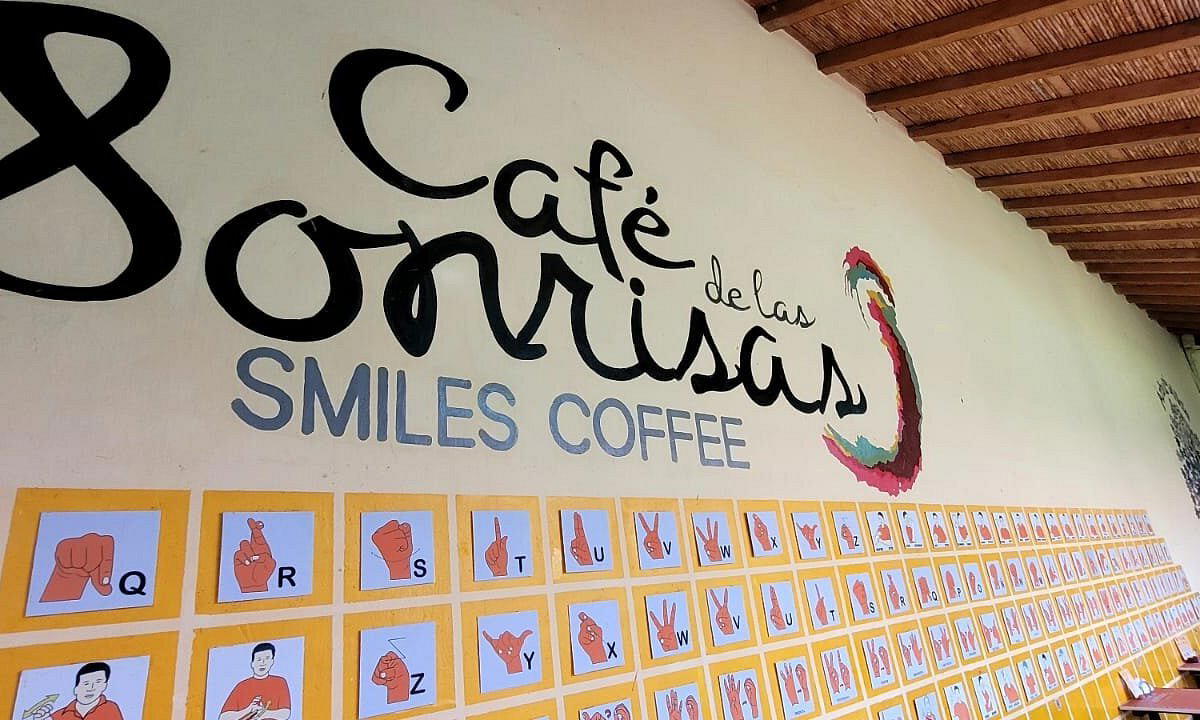
For travellers moving beyond Managua, the contrast in dining format becomes pronounced. Café de las Sonrisas in Granada operates on an entirely different social mission model, while Sapori d'Italia in Matagalpa represents the independent Italian kitchen model that Nicaragua's cooler northern highlands have begun to attract. Both illustrate how varied the country's dining geography has become even at a relatively early stage of restaurant development.
Frequently asked questions
Where do I go for Sushi Itto?
Sushi Itto is located at Galerias Santo Domingo, Km 6.5 Carretera a Masaya, Managua, Managua, Managua.
Is Sushi Itto in Managua part of a larger Japanese restaurant group operating in Central America?
Sushi Itto is a Japanese restaurant chain with locations across Latin America, making the Managua outpost at Galerías Santo Domingo part of a multi-country network rather than an independent chef-driven concept. This regional presence distinguishes it from the handful of standalone Japanese restaurants operating in Nicaragua. For diners in Managua, it represents one of the few Japanese formats with the supply chain and consistency that a chain structure provides in Central America.
What's the best thing to order at Sushi Itto?
Without a documented menu on record, specific dish recommendations aren't available for Sushi Itto's Managua location. The format is Japanese, and in the broader Central American chain context this typically means rolls, nigiri, and cooked Japanese-style mains. Visiting and asking staff about current signatures is the most reliable approach.
How hard is it to get a table at Sushi Itto?
Sushi Itto operates inside Galerías Santo Domingo, a commercial mall on Km 6.5 Carretera a Masaya, which means walk-in access follows mall traffic patterns rather than reservation-led demand. Weekend lunch hours and evening peaks at the mall are the most congested windows. Arriving mid-week or early evening is the lower-friction option.
What's the standout thing about Sushi Itto?
Sushi Itto occupies a segment of the Managua market where accessible Japanese dining inside a structured mall environment is still relatively uncommon. The Galerías Santo Domingo address places it on the Carretera a Masaya corridor, which concentrates the city's highest density of sit-down restaurant options. That positioning makes it one of the more consistent Japanese options for diners already in the area.
Can Sushi Itto adjust for dietary needs?
No formal dietary policy is documented for Sushi Itto Managua. Japanese menus of this format generally include vegetarian-compatible options such as vegetable rolls and edamame, and fish-based dishes are standard.
The Quick Read
| Venue | Cuisine | Price |
|---|---|---|
| Sushi IttoThis venue — the venue you are viewing | Japanese Sushi and Seafood | Not listed |
| Porterhouse Steaks | Premium Steakhouse | $30–50 |
| Restaurant Don Candido | Nicaraguan Steakhouse | Not listed |
| Shanghai China Bistro | Authentic Cantonese Chinese | Not listed |
Continue exploring
More in Managua
Restaurants in Managua
Browse all →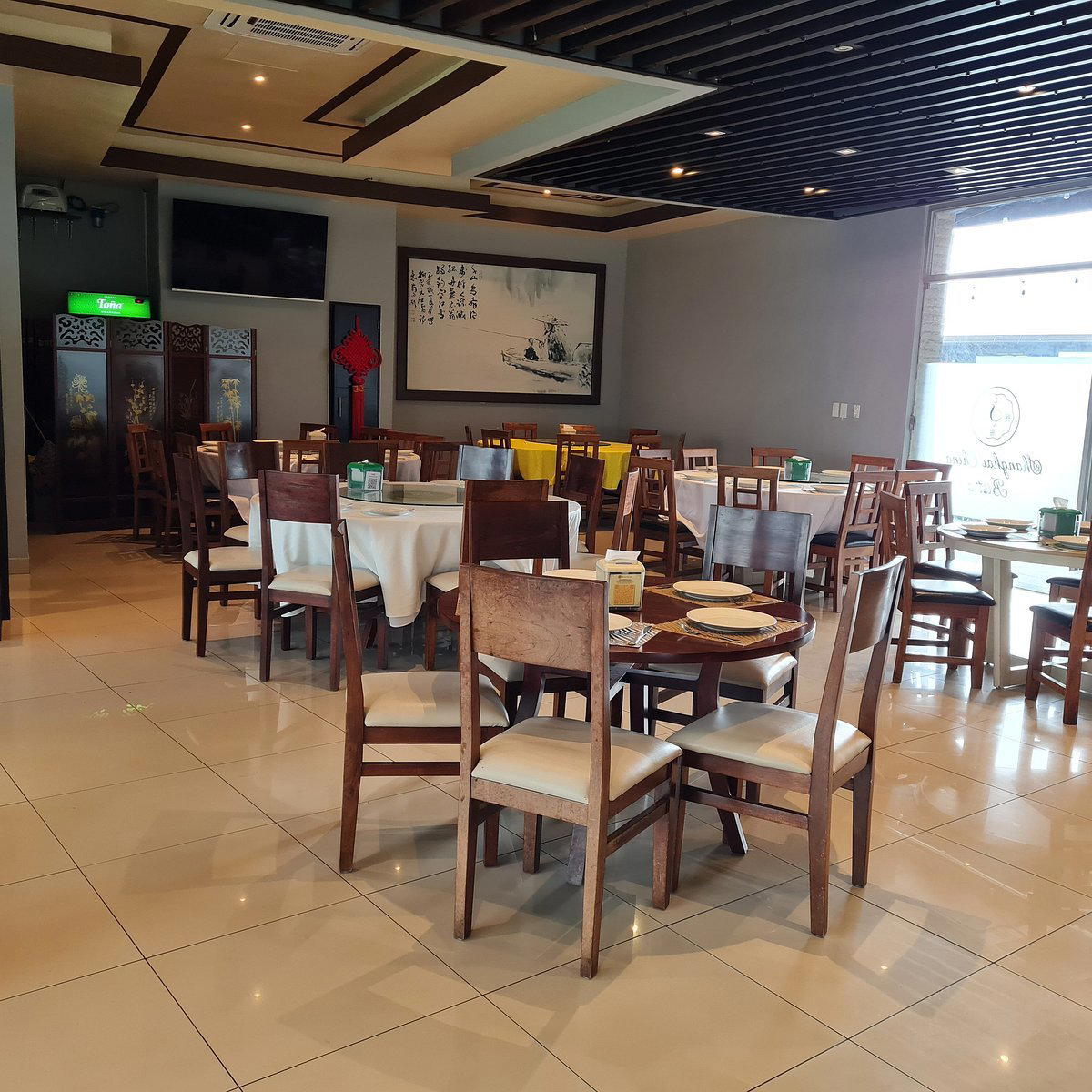
Details
- Trendy
- Lively
- Casual Hangout
- Group Dining
- Open Kitchen
- Sake Program
- A La Carte
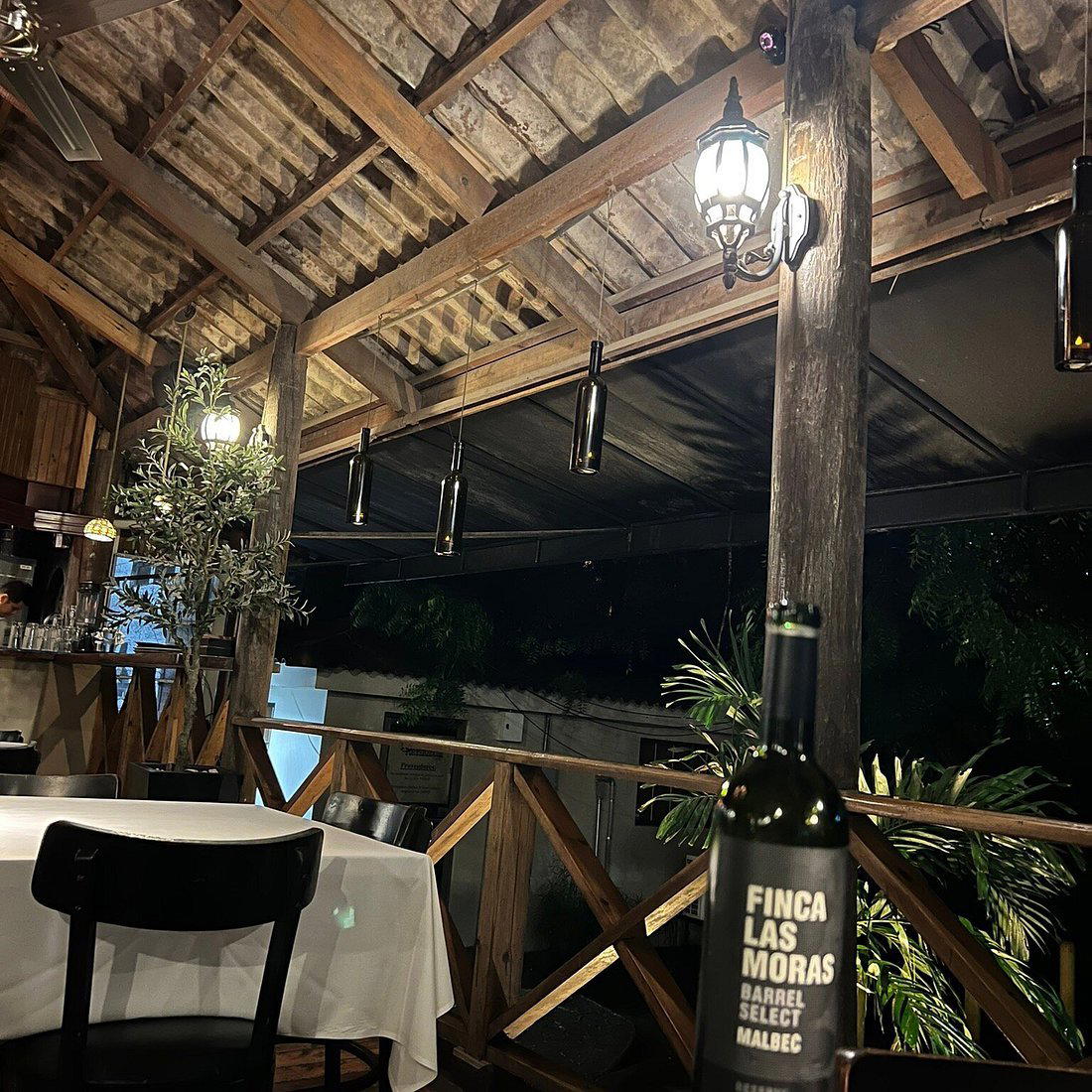
Inviting decor with indoor and outdoor seating; can feel loud and crowded when busy.