The Gallery
Our verdict
Positioned on Ipswich's Wherry Quay waterfront, The Gallery sits within a dining scene that has quietly grown more ambitious over the past decade. Suffolk's larder, North Sea catch, estate-reared meat, local farms, gives kitchens here a sourcing foundation that few English counties can match. For visitors arriving from London or further afield, it represents a credible reason to linger in the town longer than a day trip allows.

Pearl is the En Primeur Club membership app, where members save venues, book tables and use the concierge.
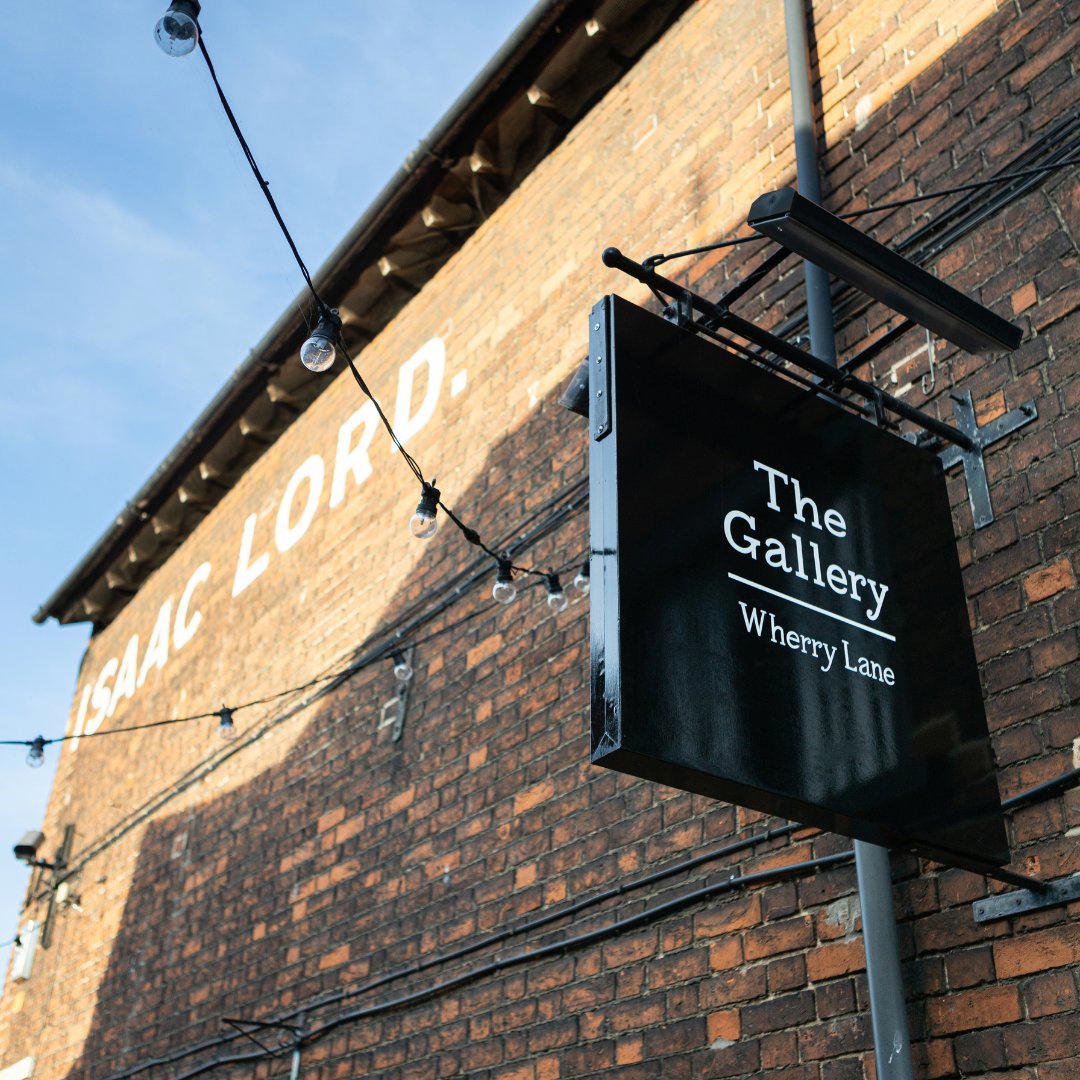
Wherry Quay and the Case for Eating in Ipswich
The stretch of waterfront along Wherry Quay tells you a great deal about how Ipswich has repositioned itself over the past twenty years. Victorian dock warehouses that once handled wool and grain have been converted into restaurants, bars, and gallery spaces, and the quayside now draws a dining crowd that would have seemed improbable when the last commercial vessels were still working the Orwell estuary. The Gallery, at 4-6 Wherry Quay, occupies precisely this reclaimed industrial fabric, a setting that anchors it physically and conceptually in a port town with a long, complicated relationship to trade and provenance.
That relationship to provenance is worth taking seriously, because Suffolk's sourcing geography is genuinely strong. The county sits at the convergence of North Sea fishing grounds, some of England's most productive arable farmland, and a network of small-scale producers whose output flows into Ipswich kitchens. Towns like Aldeburgh and Orford, both within an hour of the quay, supply fish and shellfish with a supply chain short enough to matter. Estate farms across the Stour and Waveney valleys contribute meat and game. This is the kind of larder that restaurants in other English cities spend considerable effort trying to approximate, here, it is simply the local infrastructure. For a sense of how Suffolk seafood sits within a broader British coastal dining tradition, the Clam Box of Ipswich offers useful comparative context on the town's approach to catch-led cooking.
The Waterfront Setting
Arriving at Wherry Quay on foot from Ipswich station, roughly fifteen minutes along a route that passes through the old town and down to the water, gives a clear sense of scale. The quay is compact by the standards of Norwich or Colchester's expanded riverside developments, which keeps it legible and avoids the diffuse anonymity that afflicts some regenerated dock districts. The Gallery's position at the quay means it benefits from aspect and light in a way that landlocked town-centre restaurants cannot replicate. At certain times of year, the estuary light in the late afternoon has a quality that East Anglian painters have been documenting for three centuries, flat, coastal, particular to this part of England.
For practical planning: Ipswich station connects to London Liverpool Street in approximately one hour and ten minutes on fast services, which places the town within direct reach for a day visit or an overnight stay built around a dinner reservation. The quayside itself is walkable and compact, with parking available nearby for those arriving by car from within Suffolk or Norfolk.
Sourcing as Editorial Argument
The broader shift in British dining over the past fifteen years has made ingredient provenance a standard part of menu rhetoric, almost every restaurant at a certain price tier now lists suppliers. What separates credible sourcing practice from marketing language is geography and supply chain length. In Suffolk, the geometry works in a kitchen's favour in a way it does not in, say, a central London postcode. The North Sea catch that arrives at Lowestoft and Aldeburgh markets covers a distance measured in tens of miles rather than hundreds. Seasonal vegetables from the Waveney Valley, game from managed Suffolk estates, dairy from small herds in the Stour corridor: these are not aspirational additions to a menu but structural features of what good cooking in this county looks like.
This sourcing context places The Gallery within a tradition that extends across England's most seriously provisioned restaurant destinations. Properties like L'Enclume in Cartmel and Moor Hall in Aughton have built reputations partly on their control of supply, owning or partnering with farms within walking distance of the kitchen. Suffolk does not yet have a restaurant operating at that tier of Michelin recognition, but the raw material infrastructure is comparable. Hide and Fox in Saltwood demonstrates what focused coastal sourcing can achieve in a Kent context; the East Anglian coastline offers an equivalent foundation that remains underexploited at the upper end of the market.
For readers whose reference points run to CORE by Clare Smyth in London or Le Manoir aux Quat'Saisons in Oxford, the comparison is instructive: those kitchens argue for British produce at price points and with production values that Ipswich does not yet match. But the sourcing logic, short supply chains, seasonal discipline, identifiable regional provenance, is the same argument being made in a different register. Ipswich sits on the right side of that argument geographically, even if its dining scene has not yet capitalised on it to the degree that the raw material quality would support.
Where The Gallery Sits in the Ipswich Scene
Ipswich's dining offering has expanded and diversified since the quayside regeneration gathered pace, but it remains a town where the competition for a serious dinner is limited compared to Cambridge, Norwich, or Colchester. That relative lack of competition is both an opportunity and a risk: it reduces pressure on individual establishments to sharpen up, while also meaning that a well-executed kitchen can establish a clear position without facing the crowded field that would confront the same operation in a larger city. Midsummer House in Cambridge illustrates what the regional ceiling looks like when ambition and sourcing are aligned, two Michelin stars on the Cam, drawing from a similar East Anglian agricultural base.
For a fuller picture of where The Gallery sits among Ipswich's current options, our full Ipswich restaurants guide maps the town's dining character across price tiers and neighbourhoods. Internationally, kitchens in very different contexts, Le Bernardin in New York City for its rigorous seafood sourcing philosophy, Atomix in New York City for its precision-led approach to provenance, demonstrate what placing ingredient origin at the centre of a restaurant's identity can produce at the highest level of the market.
Planning a Visit
The Gallery's address at 4-6 Wherry Quay, Ipswich IP4 1LG places it on the waterfront in the most visually coherent part of the town's regenerated dock district. Weekend evenings on the quayside attract a broader crowd than midweek, when the atmosphere is quieter and the pace more considered, a distinction worth bearing in mind if the priority is a relaxed dinner rather than a livelier one.
Frequently asked questions
Is The Gallery good for families?
The Gallery's waterfront position on Wherry Quay gives it a relaxed, open setting that works for groups of varied ages. The quayside location means there is space and visual interest beyond the plate, which tends to suit families better than tight city-centre dining rooms.
How would you describe the vibe at The Gallery?
The setting on Wherry Quay, within Ipswich's regenerated Victorian dockside, shapes the atmosphere more than anything else, converted warehouse architecture, water views, and a neighbourhood that has shifted from industrial to hospitality over two decades. The feel sits closer to relaxed waterfront bistro than formal dining room, consistent with the tone of the surrounding quay.
Is The Gallery on Wherry Quay worth visiting as part of a wider Ipswich waterfront trip?
The Gallery sits at 4-6 Wherry Quay, the most coherent section of Ipswich's regenerated dockside and roughly fifteen minutes on foot from the town's railway station. That positioning makes it a natural anchor for an afternoon or evening built around the waterfront, which now holds the highest concentration of the town's food and drink offer. Whether it anchors the visit depends on what the current menu delivers, but the address itself is among the most considered on the Ipswich quay.
What dish is The Gallery famous for?
What the venue's Wherry Quay address does signal is a proximity to Suffolk's coast and agricultural hinterland, a supply chain that has shaped menus across the better restaurants in Ipswich. For current menu details, checking directly with the restaurant before your visit is the most reliable approach.
Where exactly is The Gallery?
The Gallery is located at 4-6 Wherry Quay, Ipswich IP4 1LG, United Kingdom, Ipswich.
Comparison Snapshot
Comparable venues nearby, for context on price, style, and recognition.
| Venue | Cuisine | Price | Notes |
|---|---|---|---|
| The GalleryThis venue (the venue you are viewing) | Wine & Cocktail Bar | Not listed | Not listed |
| Samaia Georgian Restaurant | Authentic Georgian | $30–50 | Castelnau |
| The Terrace by Pommery | Champagne Terrace with Small Plates | Not listed | Leicester Square |
| Café Leon Dore | Greek-Inspired Coffee & Pastries | Not listed | Soho |
| Shola | Authentic Pakistani Karachi Kitchen | $20–30 | Wormwood Scrubs |
| Rasa Malaysia | Authentic Malaysian Hawker | $10–20 | Stratford |
Continue exploring
More in Ipswich
Restaurants in Ipswich
All restaurants in Ipswich →
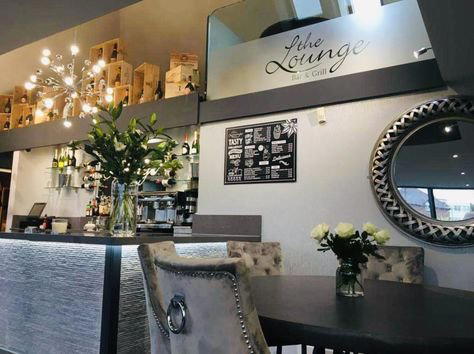
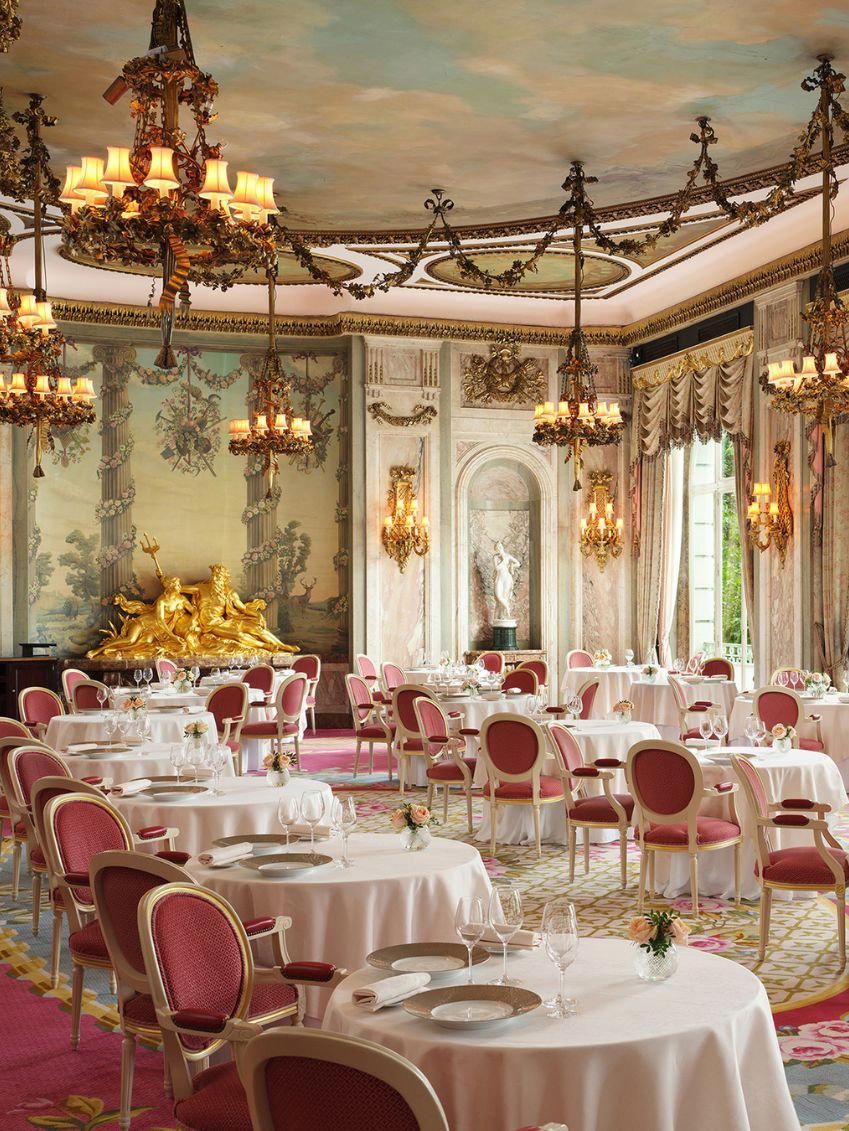
Bars in Ipswich
Browse all →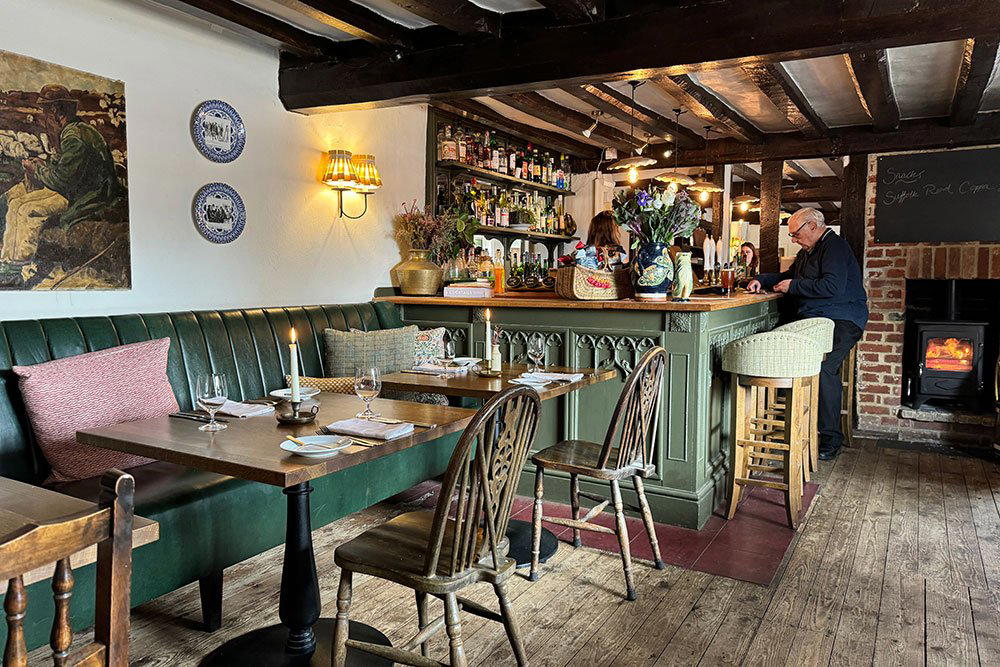
Hotels in Ipswich
All hotels in Ipswich →
Wineries in Ipswich
Browse all →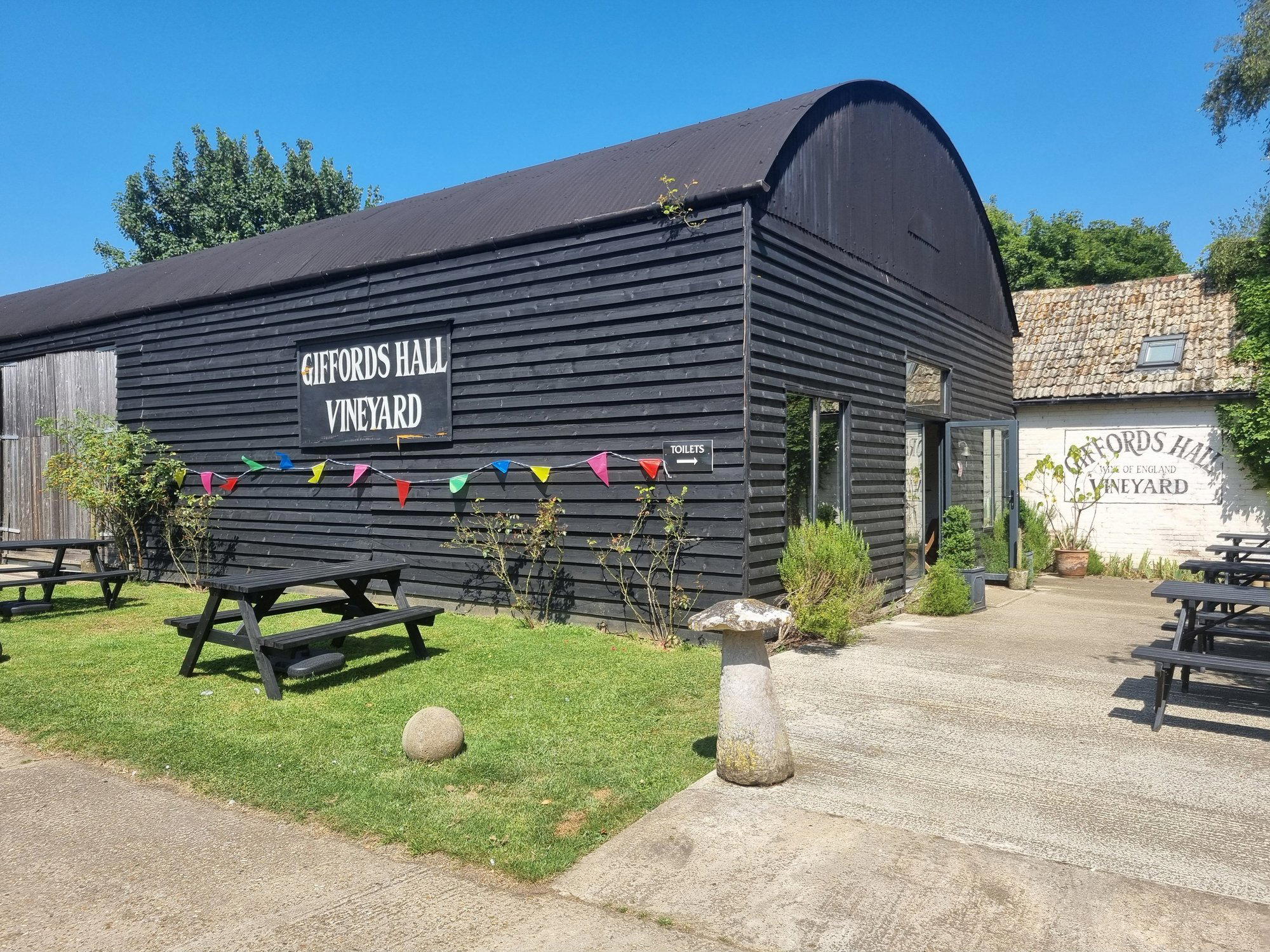
Details
- Elegant
- Intimate
- Classic
- Sophisticated
- Date Night
- Casual Hangout
- After Work
- Historic Building
- Waterfront
- Extensive Wine List
- Craft Cocktails
- Beer Program
- Waterfront
- Small Plates
- Cocktails
- Wine
- Craft Beer
- Spirits
- Vegan Options
Current opening hours
- Monday
- Closed
- Tuesday
- Closed
- Wednesday
- Closed
- Thursday
- 6 PM–12 AM
- Friday
- 6 PM–2 AM
- Saturday
- 4 PM–2 AM
- Sunday
- 2–9 PM
Hours can change for holidays and private events. Hours as of .
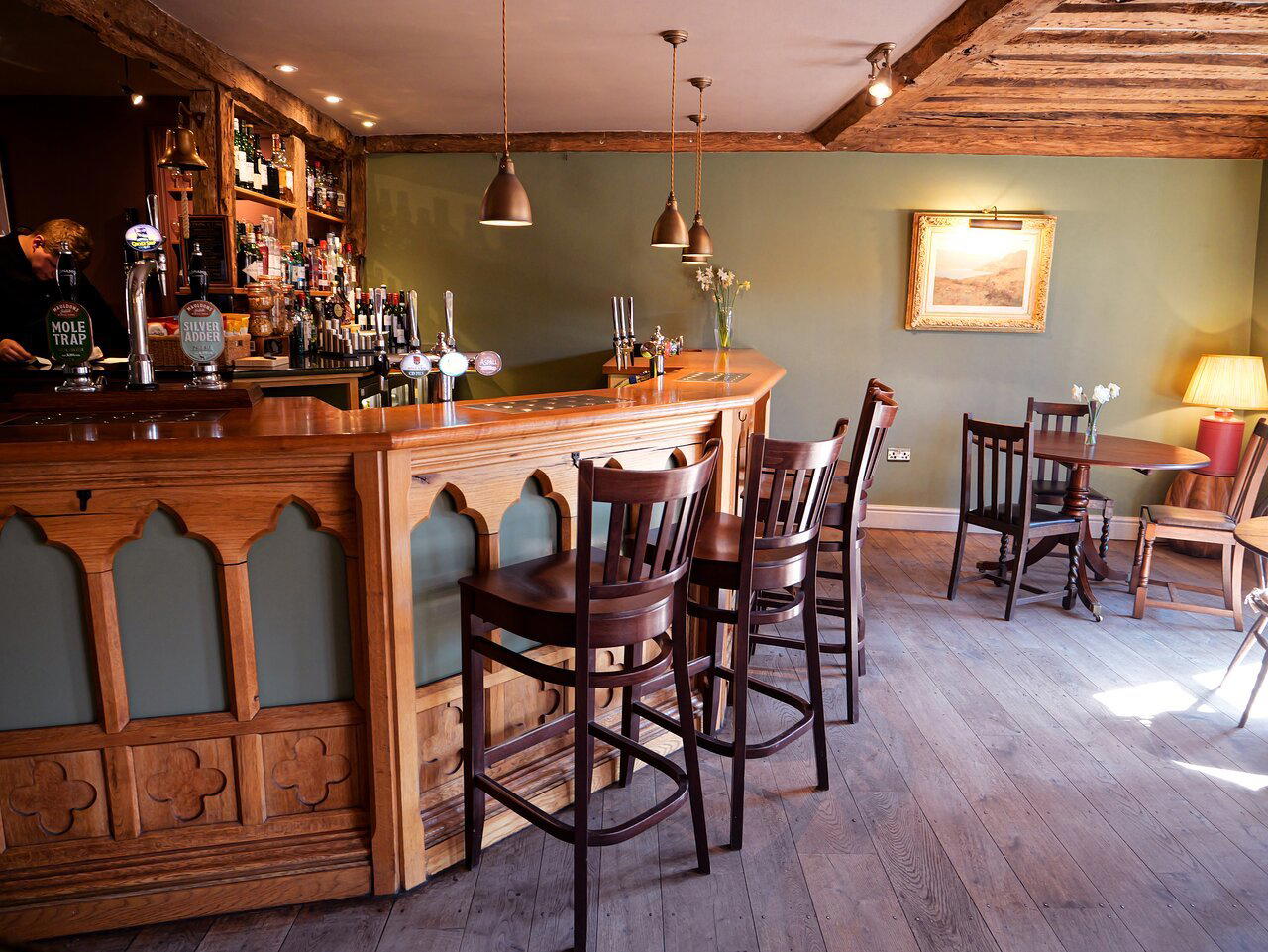
Low lighting with magnificent exposed timber beams throughout, creating a warm and welcoming historic atmosphere with modern elegance.