The Station

The Good Food Guide GFG Good
The Station in Framlingham occupies the shell of a Victorian railway terminus, trading accommodation for a sharper focus on food and drink. Aspall cider on tap, ales from Earl Soham Brewery, wood-fired pizzas three nights a week, and a daily-changing blackboard that runs from devilled kidneys to lobster bisque make it one of the more complete local assets in Suffolk's small-town dining scene.

Pearl is the En Primeur Club membership app, where members save venues, book tables and use the concierge.
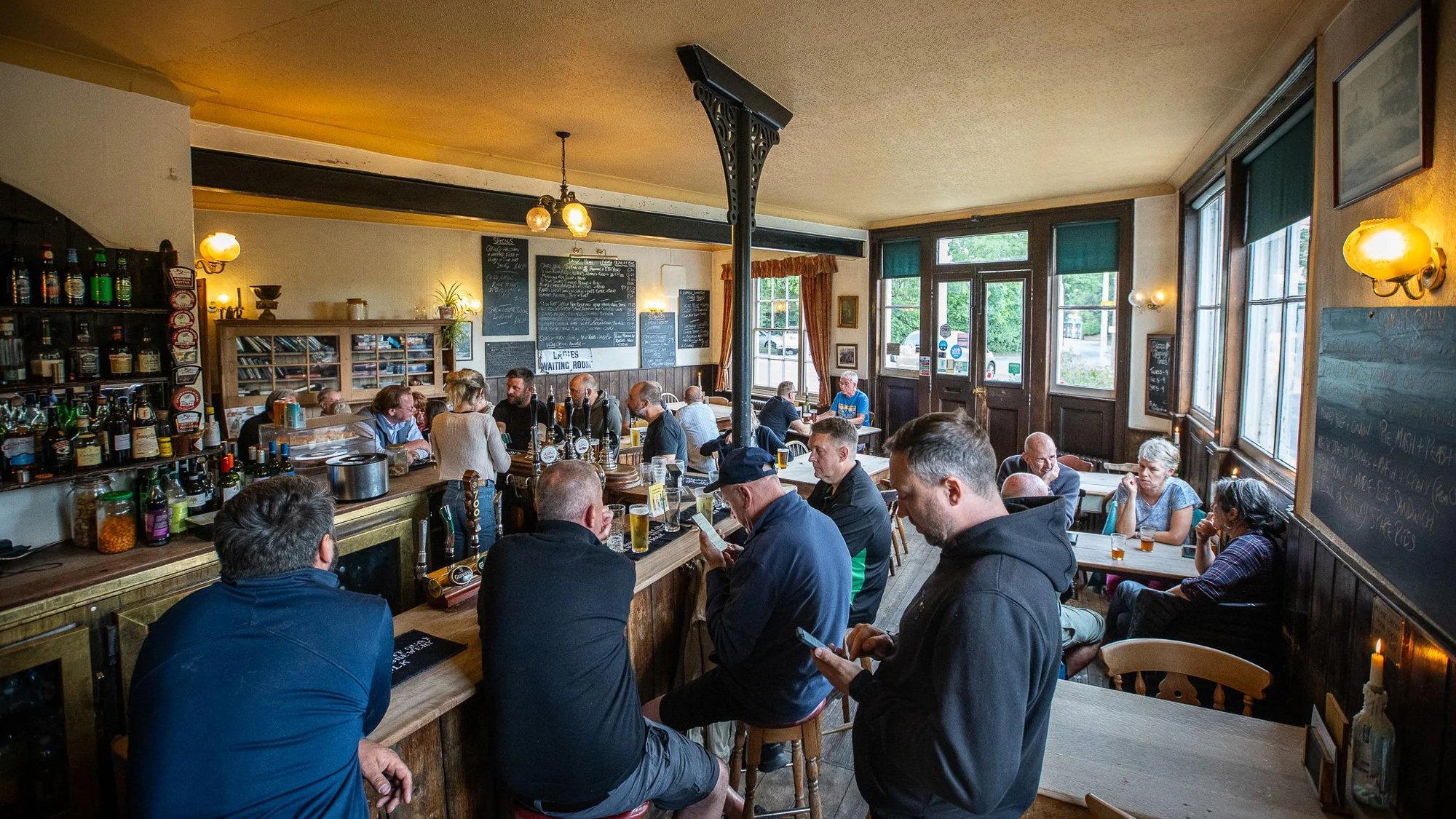
Where the Branch Line Ended, the Bar Begins
The single-track branch line that connected Wickham Market to Framlingham closed decades ago, and the Victorian station building it served has been through several lives since. Today, The Station operates as a pub and restaurant rather than a hotel, a shift that has clarified its purpose considerably. Suffolk's small market towns are not short of pubs, but most offer a narrower range: a decent pint, a rotating cask, perhaps a weekly pie. The Station occupies a different tier, one where the blackboard changes daily, the wine list merits consideration, and the kitchen moves between lunch register and evening register with enough range to cover both ends of the appetite spectrum.
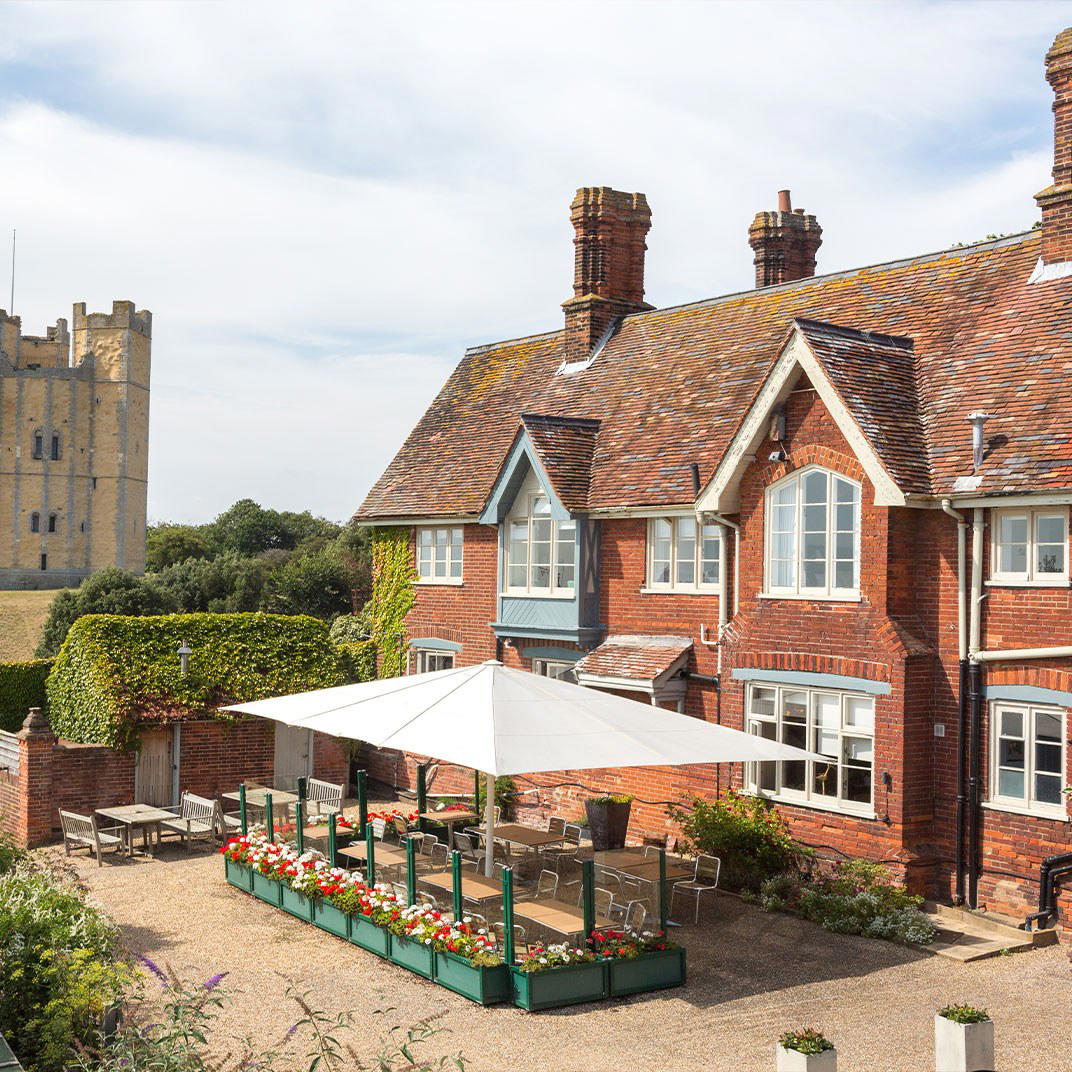
The physical approach matters here. Station Road runs out toward the old goods yard, and arriving on foot from Framlingham's market square takes you through a transition from Georgian merchant architecture to something plainer and more functional. The building carries the bones of its railway origins, and the bar room retains the kind of proportions that speak to a waiting-room past. It does not feel designed in the contemporary hospitality sense. It feels used, which in Suffolk tends to be a compliment.
The Drinks Programme: Local Provenance as the Default
In a moment when British bar culture has split between highly technical cocktail programmes, such as those at 69 Colebrooke Row in London or Schofield's in Manchester, and more direct pub formats, The Station sits clearly in the second camp but with a local sourcing logic that distinguishes it from generic draft operations. The house cider is Aspall, produced roughly twelve miles north at Aspall Hall in Debenham, where the Chevalier family has been pressing Suffolk apples since 1728. That longevity matters as a reference point: Aspall occupies a position in East Anglian drinking culture similar to what a regional brewery holds in Yorkshire or a craft cidery in Somerset.
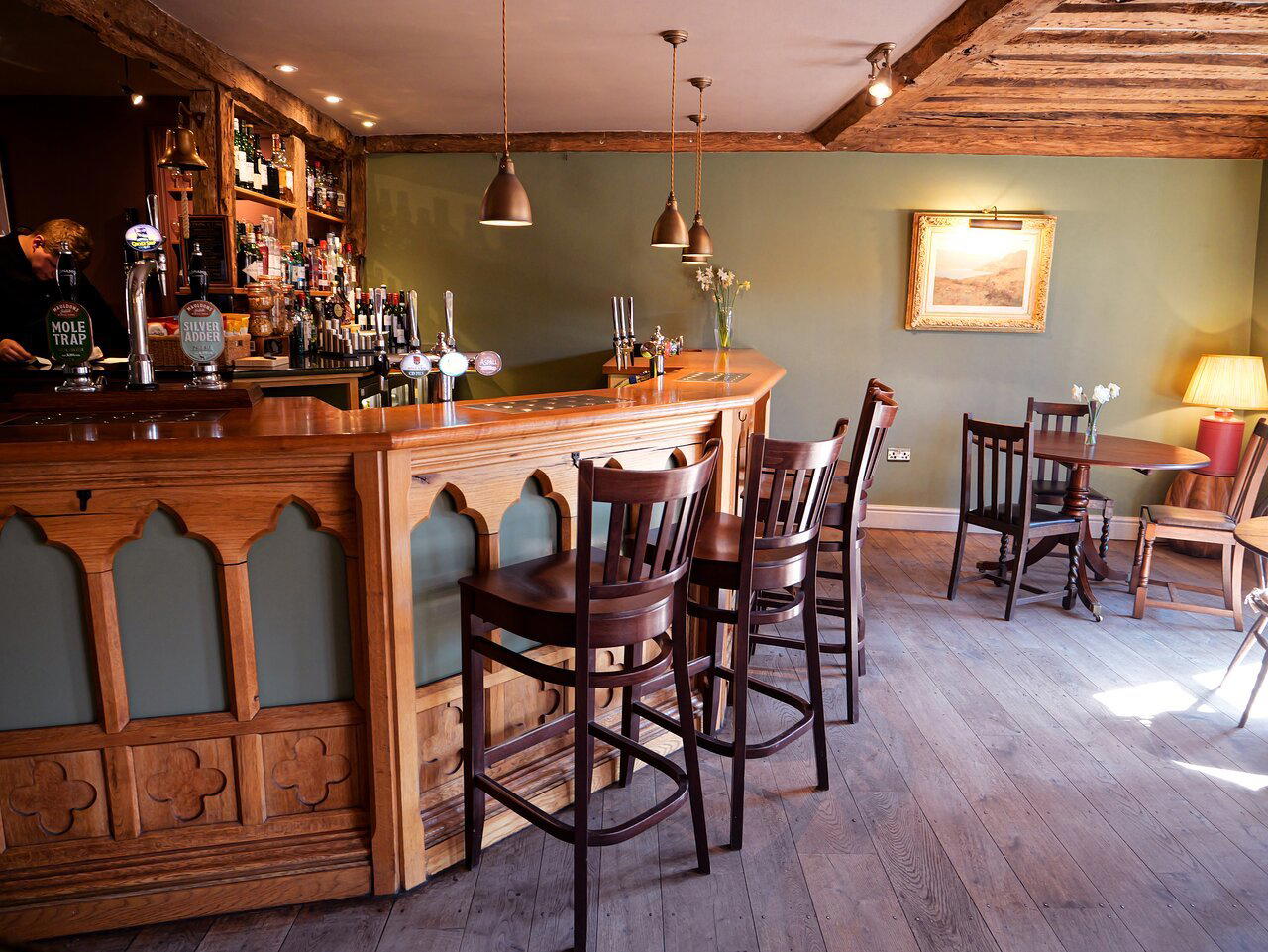
The ales come from Earl Soham Brewery, a microbrewery operating from a former joinery workshop in the village of Earl Soham, seven miles to the west. Earl Soham produces small-batch cask ales with a following that extends well beyond the immediate area, and having those beers on the bar at The Station reflects a deliberate orientation toward the county's production culture rather than national brand agreements. For those looking across the country at how British pubs are reorienting their drinks identity around regional producers, this approach sits alongside what Bramble in Edinburgh or Horseshoe Bar in Glasgow represent in Scottish drinking culture: a strong local identity that defines the room before a customer orders anything.
The wine list is described as creditable, which in a Suffolk pub context is worth noting. The category sits behind cider and ale in the ordering hierarchy here, but its presence as a considered selection rather than an afterthought places The Station closer to the L'Atelier Du Vin model of treating wine as a serious companion to food rather than a background option.
The Blackboard Logic: British Classics with Range
Daily-changing blackboard is where The Station makes its clearest claim on the local dining scene. At lunch, the kitchen runs British classics without apology: bangers and mash, chicken pie, devilled kidneys. These are not reinventions or ironic throwbacks. They are dishes that belong to a specific register of British pub cooking that has become less common as gastropub menus have drifted toward small-plates formats and international influence. Lobster and chips on a lunchtime blackboard in a Suffolk market town is notable not for ostentation but for range, sitting as it does alongside a Scotch egg at the bar and a sandwich on the light end of the menu.
Evening menu moves up a register. Dishes such as slow-roast pork belly with mash and greens, or roast cod on spinach and pea risotto with lobster bisque, reflect a kitchen that treats dinner as a distinct service rather than an extended lunch. The lobster bisque appearing as a sauce component in an evening dish, rather than as a standalone bowl, signals a level of kitchen technique that goes beyond the pub average for towns of Framlingham's scale.
Bar snacks fill the middle register. Homemade sausage rolls and Scotch eggs are available at the bar for those repairing for a pint rather than a full sitting, and the format supports both without forcing a choice. For dessert, the chocolate sticky toffee pudding with ice cream has been noted as a reason to plan ahead. The cheese selection comes from Hamish Johnston, a named specialist supplier with retail locations in London and a reputation built on sourcing from small British and European producers. The presence of a named artisan supplier in the dessert and cheese section places The Station in a supply chain that connects it to a wider food culture beyond its immediate postcode.
Wood-Fired Pizzas and the Takeaway Option
On Thursday, Friday, and Saturday evenings, The Station runs a wood-fired pizza operation that functions as both a dine-in option and a takeaway service. This is an increasingly common format in British market towns, where a single site needs to serve multiple audience segments across the week, but the wood-fired execution elevates it beyond a frozen-base operation. For visitors staying nearby, the takeaway function is practically useful. For those eating in, the pizza nights shift the atmosphere and broaden the appeal beyond the evening à la carte crowd. Remote or island bar operations in the UK, such as Digby Chick in the Western Isles or Harbour View on Bryher, show how versatile format design becomes essential when a venue serves as a primary local resource. The Station operates within that same logic, if in a less remote context.
Planning a Visit
Framlingham sits in the Suffolk countryside, roughly twenty miles inland from the coast at Aldeburgh and accessible by road from Ipswich in around forty minutes. There is no train service to Framlingham itself, a fact the building makes quietly ironic. The Station no longer offers accommodation, so overnight visits require booking a room elsewhere in the town or in the surrounding villages. The daily-changing blackboard means the menu is not published far in advance, and visitors with strong preferences for specific dishes should be prepared to find variations on arrival. The pizza service runs Thursday to Saturday and is available for takeaway, making it a practical option for self-catering guests in the area. For a broader map of where The Station sits within the local dining picture, see our full Framlingham restaurants guide.
Comparison Snapshot
Comparable venues nearby, for context on price, style, and recognition.
| Venue | Cuisine | Price | Awards | Notes |
|---|---|---|---|---|
| The StationThis venue (the venue you are viewing) | pub | $20–30 | The Good Food Guide GFG Good | Not listed |
| The Cellar Club | lounge | $30–50 | Not listed | London |
| The Snug | pub | Not listed | Not listed | Binfield |
| The Clarence Tavern | pub | Not listed | Not listed | Stoke Newington |
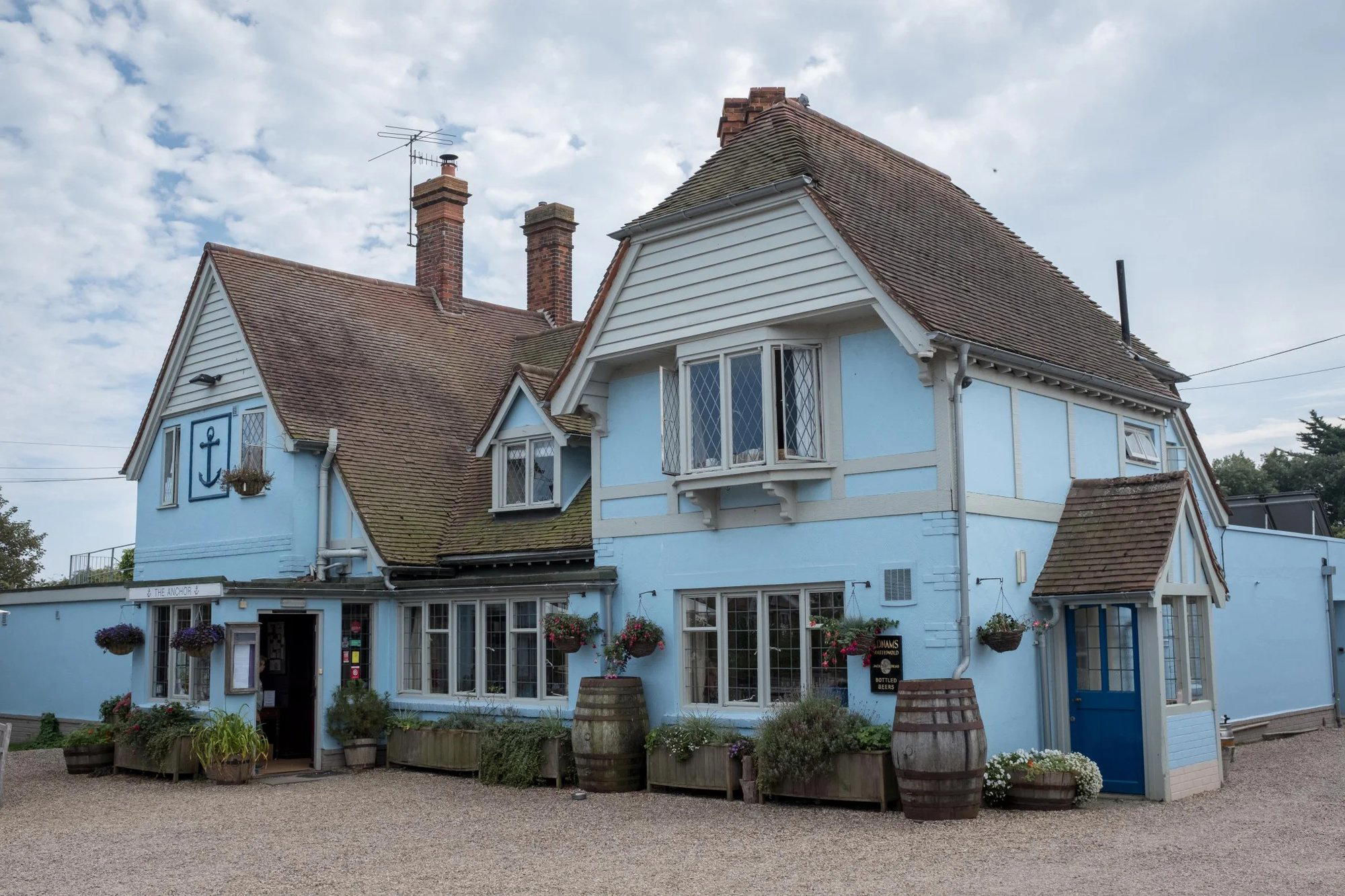
| The Anchor | pub | $20–30 | The Good Food Guide GFG Good | Walberswick |
Recognition history
Dated appearances from independent guides and award organizations, with the underlying list record or original source where available.
The Good Food Guide GFG Good
The Good Food Guide
Continue exploring
More in Framlingham
Bars in Framlingham
All bars in Framlingham →
Restaurants in Framlingham
All restaurants in Framlingham →
Hotels in Framlingham
Browse all →
Details
- Lively
- Cozy
- Rustic
- Casual Hangout
- Group Outing
- Standalone
- Communal Tables
- Outdoor Terrace
- Craft Beer
Current opening hours
- Monday
- 12–10 PM
- Tuesday
- 12–10 PM
- Wednesday
- 12–10 PM
- Thursday
- 12–11 PM
- Friday
- 12–11 PM
- Saturday
- 12–11 PM
- Sunday
- 12–11 PM
Hours can change for holidays and private events. Hours as of .
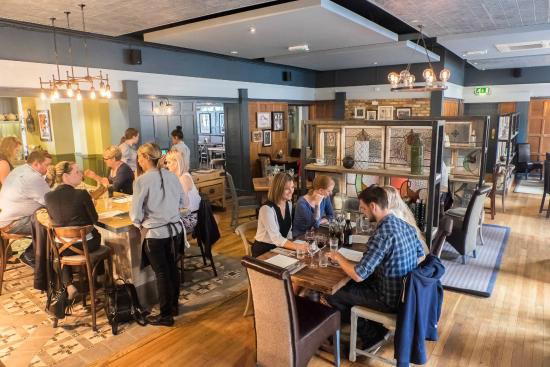
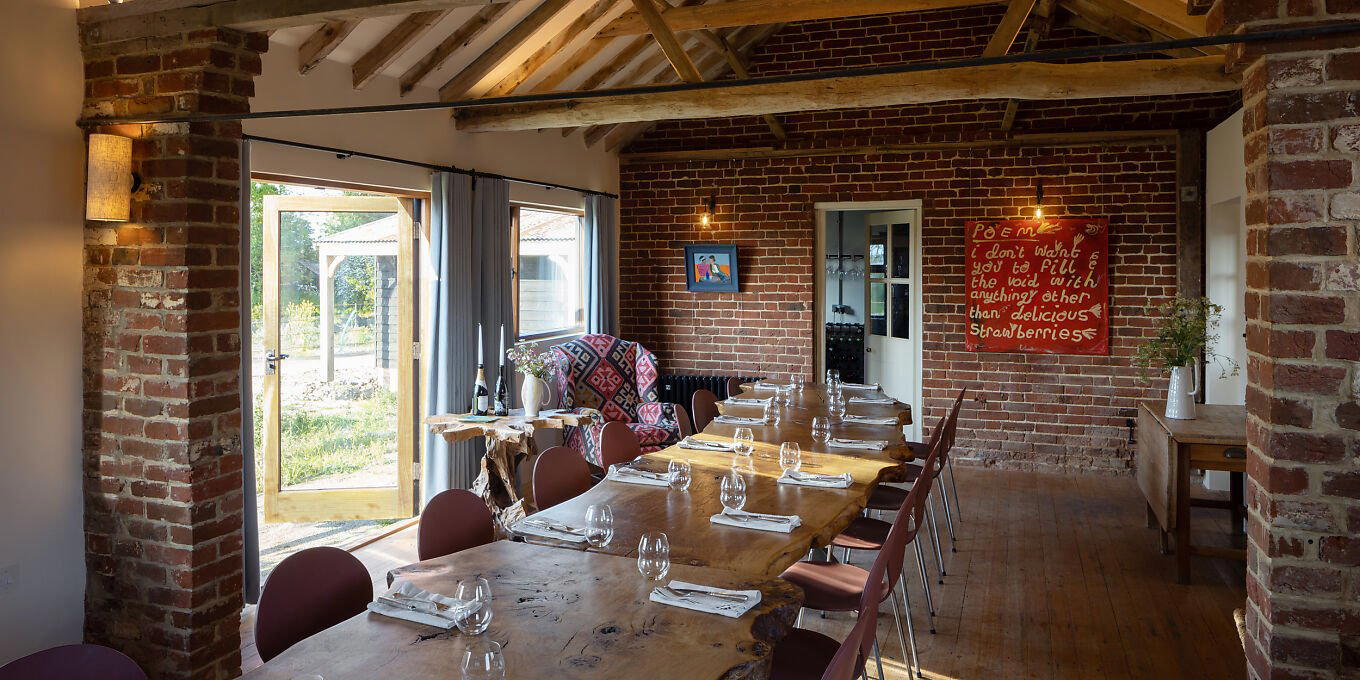
Casual and relaxed with a great, busy atmosphere, wooden tables, mismatched chairs, and a rustic pub feel.