The Farm Restaurant
The Farm Restaurant at 4000 Canyons Resort Drive sits at the intersection of mountain resort dining and ingredient-driven cooking, placing it in a different tier from the casual après-ski options that dominate Snyderville. For visitors to the Canyons Village area expecting the usual resort formula, the room and its approach to the plate offer a more considered alternative. Compared to neighbours like Drafts Burger Bar and Sushi Blue, The Farm occupies the upper register of local dining.
Pearl is the En Primeur Club membership app — saves, bookings, and concierge access live there. Same editors, same standards.
- Address
- 4000 Canyons Resort Dr #6546, Park City, UT 84098
- Phone
- +1 435 615 4732
- Website
- parkcitymountain.com
- Directions
- Get directions
 Saves & bookings on Pearl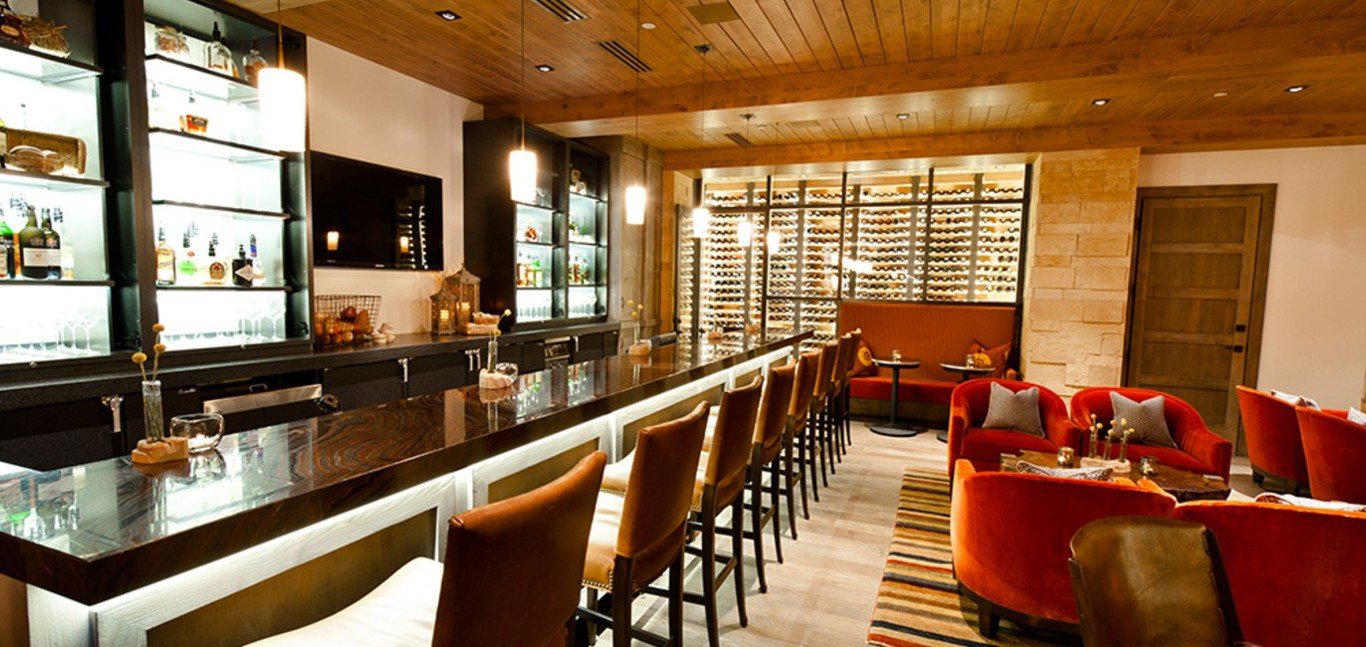
Resort Altitude, Different Ambition
Canyons Village at Park City operates on a predictable resort-town rhythm: ski traffic filters through lodges and bar-kitchens, and most dining exists to serve that traffic efficiently. The Farm Restaurant, a French-inspired American farm-to-table restaurant in Park City, Utah, priced around $50 per person, sits inside that system but angles away from it. The physical position alone signals a different intent, a resort address that, in most mountain towns, tends to carry either the anchor steakhouse or the branded grab-and-go. Here, the approach is more deliberate, oriented toward the kind of diner who treats a mountain trip as an occasion rather than a refuel stop.
That positioning matters in Snyderville specifically because the dining tier spread is compressed. On one end you have approachable, high-throughput formats like Drafts Burger Bar and Maxwell's, which serve the volume the resort complex demands. On the other, Sushi Blue targets a more ingredient-specific niche. The Farm occupies the gap between occasion dining and casual resort food, a gap that, in comparable mountain markets, tends to be where interesting cooking happens.
What the Location Means for the Experience
Park City's dining geography has always been split between Main Street proper and the resort corridors. Main Street carries the longer-established restaurants, the wine bars, and the independent operators who built their reputations before the mountain market matured. The resort side, Canyons Village included, developed later and faster, meaning restaurants there often trade on convenience rather than conviction. The Farm's address at Canyons Resort Drive places it squarely in that later-built resort corridor, which sets reader expectations that the restaurant's format then has to work against.
For out-of-town visitors staying within the Canyons Village footprint, this matters logistically. The concentration of lodging, slopes, and dining in a single walkable zone means that guests who might otherwise drive into Park City proper for a serious dinner have a viable in-resort option. In mountain resort markets generally, compare Vail's mid-mountain dining scene or the better lodge restaurants at Big Sky, the restaurants that earn genuine repeat visits are those that justify the decision to stay on-mountain rather than make the town run. The Farm is positioned to make that case.
Farm-to-Table in a Mountain Context
The name signals a commitment to sourcing that is common enough in fine-casual American dining as to require scrutiny. Farm-to-table as a category has diversified sharply since its early-aughts peak: at the high end, you have property-integrated operations like Blue Hill at Stone Barns in Tarrytown and Single Thread Farm in Healdsburg, where the sourcing architecture is the product. At the other end, the label has been applied loosely enough to lose most of its meaning.
In a high-altitude Utah context, the sourcing challenge is real and worth noting. The growing season at elevation is short, winters are long, and supply chains serving resort corridors tend toward efficiency over provenance. Restaurants in comparable mountain markets, think the better kitchens in Jackson Hole or Telluride, have found different answers to that constraint: some lean into preserved and fermented formats, others build relationships with Cache Valley or southern Utah producers who can supply year-round. The Farm's name sets a sourcing expectation that the kitchen either meets or contextualises through its menu architecture. That tension is, in many ways, the interesting editorial question the restaurant raises.
Placing The Farm Against a Wider Field
American ingredient-driven restaurants operating in resort or rural-adjacent settings occupy a specific niche in the current fine-dining map. The format tends to attract comparison with destination restaurants that have built reputations on place-rootedness: The French Laundry in Napa, The Inn at Little Washington, or, in the Rocky Mountain region more specifically, Frasca Food and Wine in Boulder and The Wolf's Tailor in Denver. Those operations carry formal recognition and well-documented culinary identities. The Farm's current position in that comparative field is harder to fix precisely, given the absence of documented award credentials or verified critic coverage in the public record.
Mountain resort restaurants frequently fly beneath the radar of the formal awards system, Michelin has no Utah guide, and the James Beard geography skews heavily coastal and major-metro. For comparison: Le Bernardin in New York City, Lazy Bear in San Francisco, Smyth in Chicago, Addison in San Diego, and Providence in Los Angeles all operate in cities with active Michelin or major-awards infrastructure. Atomix in New York City, Emeril's in New Orleans, and Atelier Moessmer Norbert Niederkofler in Brunico illustrate how formal recognition accretes differently in different geographic markets. Utah's restaurant scene, despite genuine culinary development in Salt Lake City and Park City, remains structurally outside those systems. The Farm's lack of listed awards is more accurately read as a geographic and systemic fact than as a quality indicator.
Planning Your Visit
The Farm Restaurant sits within the Canyons Village complex at 4000 Canyons Resort Drive, Suite 6546, Park City, UT 84098, which means access is direct for guests staying in the resort's lodging footprint and requires a short drive from Park City's Main Street for those based there. As with most resort-corridor restaurants in ski markets, peak season runs from mid-December through late March and again during the summer festival period that Park City has developed around the Sundance window and its successor events. Visitors planning a winter trip should treat booking as a seasonal variable: resort restaurants at comparable properties (Deer Valley, Alta, Snowbird) fill materially faster during holiday weeks and competition weekends. Reservations are recommended, and the restaurant is open daily from 11:30 AM to 9 PM.
The Essentials
Comparable venues nearby, for context on price, style, and recognition.
| Venue | Cuisine | Price | Notes |
|---|---|---|---|
| The Farm RestaurantThis venue — the venue you are viewing | Not listed | $$$ | Not listed |
| Sushi Blue | Kimball Junction, Modern Sushi | $$$ | Not listed |
| Drafts Burger Bar | Not listed | $$ | Canyons Village, Gourmet American Burgers & Gastropub |
| Red Rock Park City | Snyderville, Dining | $$ | Not listed |
| Maxwell's | Not listed | $$ | Kimball Junction, East Coast Italian Pizza |
Continue exploring
More in Snyderville
Restaurants in Snyderville
Browse all →
Bars in Snyderville
Browse all →
Hotels in Snyderville
Browse all →
Wineries in Snyderville
Browse all →
At a Glance
- Rustic
- Cozy
- Scenic
- Special Occasion
- Open Kitchen
- Terrace
- Extensive Wine List
- Craft Cocktails
- Farm To Table
- Local Sourcing
- Mountain
Current opening hours
- Monday
- 11:30 AM–9 PM
- Tuesday
- 11:30 AM–9 PM
- Wednesday
- 11:30 AM–9 PM
- Thursday
- 11:30 AM–9 PM
- Friday
- 11:30 AM–9 PM
- Saturday
- 11:30 AM–9 PM
- Sunday
- 11:30 AM–9 PM
Hours can change for holidays and private events. Last verified .
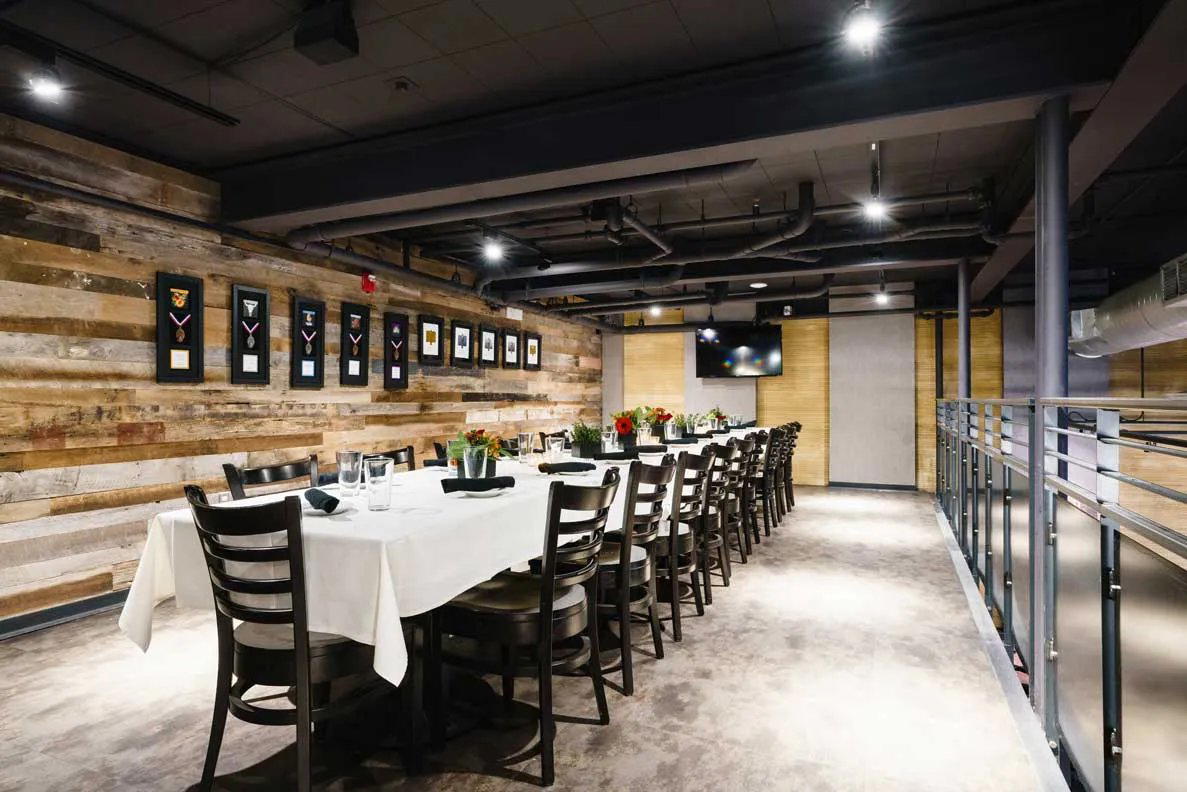
Warm and welcoming slope-side dining room in an attached heated yurt with nice views of the gondola and ski area.